On Rue Solférino in Lille's Wazemmes-adjacent south, Le Passe Porc brings pork-forward bistro cooking into focus with a menu architecture built around a single protein and its many preparations. The format sits in a tier of Lille dining that trades formal progression for direct, ingredient-led satisfaction. A clear alternative to the city's modern cuisine circuit for those who prefer specificity over breadth.
Pearl is the En Primeur Club membership app — saves, bookings, and concierge access live there. Same editors, same standards.
- Address
- 155 Rue Solférino, 59000 Lille, France
- Phone
- +33320428393
- Website
- lepasseporc-lille.fr
- Directions
- Get directions
 Saves & bookings on Pearl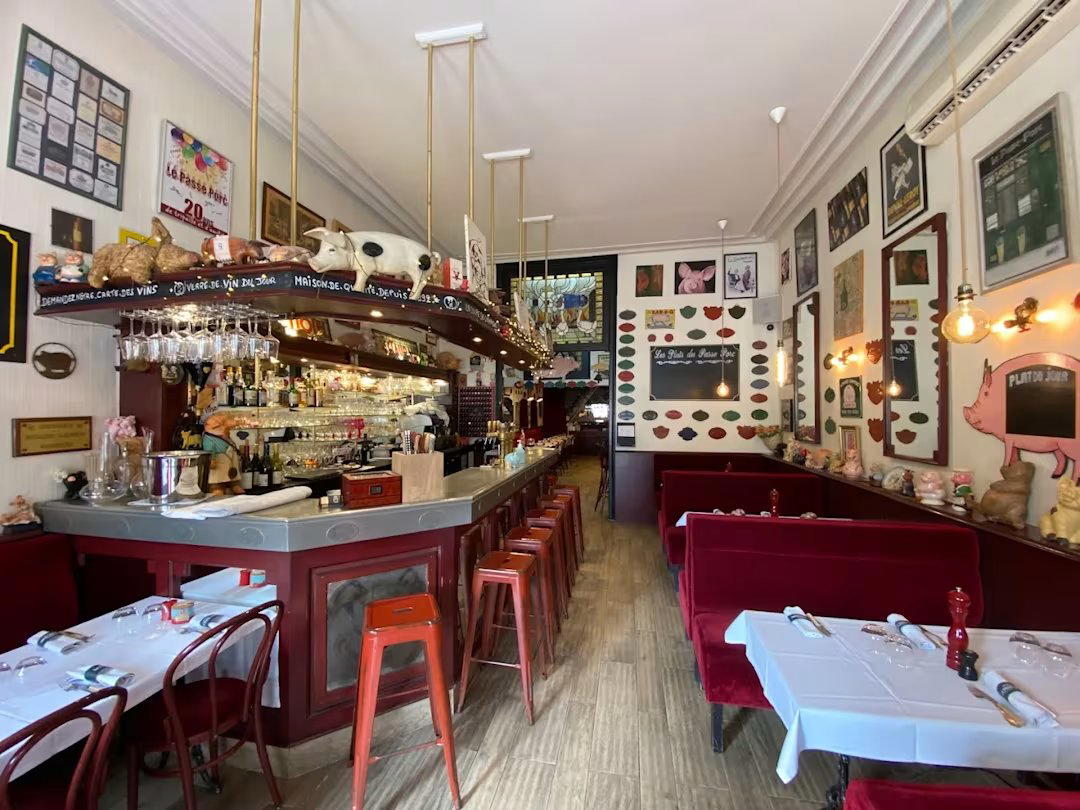
A Street Address That Sets the Terms
Rue Solférino runs through one of Lille's more lived-in southern corridors, where the restaurant density reflects neighbourhood appetite rather than tourist routing. At number 155, Le Passe Porc occupies a position in Lille's dining scene that is defined less by ceremony than by the clarity of its proposition. This is not the kind of address that competes with La Table at Hôtel Clarance or Pureté on the formal modern cuisine axis. It operates in a different register entirely, one where the menu's architecture does the critical communicating before a single dish arrives.
Lille's restaurant culture has stratified considerably over the past decade. At the leading, Michelin-recognised addresses such as Ginko compete on technique and progression. In the middle tier, a cluster of bistros and brasseries serve the city's professional lunch crowd and weekend neighbourhood traffic. Le Passe Porc sits in that middle tier but with a sharper editorial point of view than most: the menu is structured around pork, in multiple preparations and registers, and the name makes no attempt to conceal this.
What a Single-Protein Menu Architecture Communicates
In French bistro tradition, the menu's job is to tell you what the kitchen believes in. A menu built around a single animal communicates something specific: that the chef is willing to stake the entire dining experience on depth rather than breadth. This approach has precedents across France, where charcuterie-led and offal-forward formats have long been treated as marks of confidence rather than limitation. The phrase passe porc itself carries folkloric weight, referencing the slaughter season and the communal rituals of pork preparation that shaped northern French rural life for centuries.
In practice, a pork-anchored menu demands a kitchen capable of range within constraint. The animal's various cuts, preparations, and preservation states, from fresh loin and belly to cured, smoked, and confited forms, each require distinct technical approaches. A menu that moves competently through this range demonstrates more disciplined knowledge of a single product than a broader menu that gestures at everything. For the diner, this creates a different kind of anticipation: you are not choosing between traditions but going deeper into one.
This structural logic places Le Passe Porc in a particular lineage of French product-obsessed cooking, not at the prestige level of addresses like Bras in Laguiole or Troisgros in Ouches, but sharing the underlying conviction that constraint produces clarity. The same logic, applied to different products, runs through kitchens at addresses as varied as Auberge de l'Ill in Illhaeusern and, at the furthest extreme of product focus, seafood-only formats like Le Bernardin in New York.
Lille's Bistro Tier and Where This Address Fits
Lille is frequently framed as a gateway city, a stop between Paris and Brussels that travellers pass through rather than stay in. That framing underserves a city with a genuine dining culture shaped by its Flemish history, its industrial past, and a strong regional identity around estaminets, carbonnade, and the ch'ti beer tradition. The city's bistro tier has absorbed and adapted these influences rather than setting them aside in favour of generic French comfort food.
Within that tier, addresses like Au Vieux de la Vieille represent the estaminet pole: traditional, regional, oriented toward atmosphere and heritage. Au Soyeux occupies a different neighbourhood character in the old textile district. Le Passe Porc's concept-driven format represents a third position: a contemporary bistro that uses a single product as its organisational principle, trading the breadth of an estaminet menu for a focused argument about what northern French cooking can do with pork.
That argument has resonance in this city specifically. Lille and the wider Nord-Pas-de-Calais region have a deep historical relationship with pig farming and charcuterie traditions that differ from those of Alsace or the southwest. The region's andouillettes, its various potjevleesch preparations, and its long tradition of farmhouse pork cookery provide a local foundation that a concept like Le Passe Porc can draw on without importing an alien vocabulary.
Reading the Room: Format and Atmosphere
In France, a restaurant's name functions as its first act of curation. The restaurant is not a name that courts ambiguity or tries to position itself across multiple markets. It signals a bistro register, a specific protein, and a willingness to commit. Addresses with this kind of declarative naming tend to attract a clientele that already agrees with the premise, which in turn creates a particular dining room atmosphere: one where the table has already opted in before reading the menu.
This is structurally different from destination restaurants where the format requires persuasion, where a diner arrives uncertain and the room must do the work of convincing them they have made the right choice. At an address like this, the work of persuasion happens at the point of booking, not in the dining room. The room's job is delivery, not conversion. For the kitchen, this is both an advantage and a form of accountability: the audience is self-selected, and the promise is explicit.
The Rue Solférino address, at number 155, is accessible from Lille's central areas without requiring a car, which places it within reach of the city's walking dining circuit while remaining distinct from the tourist-heavy Vieux-Lille zone.
Planning a Visit
Reservations are recommended, and current hours should be checked directly with the restaurant. As with most concept-driven bistros in France operating in the mid-tier, reservations are advisable particularly for weekend lunch, which in Lille's southern neighbourhoods draws both local professionals and visitors crossing from Belgium. At about $42 per person, the pricing sits in Lille's mid-tier market, below formal dining addresses like La Table at Hôtel Clarance and above entry-level neighbourhood options.
Lille is two hours from Paris by TGV and under an hour from Brussels by Eurostar, making the city a practical dining destination from either direction. For those using the city as a base to explore northern French cooking more broadly, the region's proximity to the champagne belt, where Assiette Champenoise in Reims represents the formal end of the spectrum, adds useful context for a longer itinerary through France's northern dining corridor.
Reputation First
Comparable venues nearby, for context on price, style, and recognition.
| Venue | Cuisine | Price | Notes |
|---|---|---|---|
| Le Passe PorcThis venue — the venue you are viewing | Traditional French Meat & Offal Bistro | $$$ | Not listed |
| La Ducasse | Traditional Northern French | $$$ | Lille Centre 4 |
| Le Barbier qui Fume | French Smoked Meats Bistro | $$$ | Vieux Lille 3 |
| Les Oiseaux | Modern French Bistro | $$$ | Lille Centre 1 |
| Brasserie André | Traditional French Brasserie | $$$ | Lille Centre 12 |
| Estaminet LA COUR de la ch'tite brigitte | Northern French Estaminet | $$ | Vieux Lille 3 |
Continue exploring
More in Lille
Restaurants in Lille
Browse all →

At a Glance
- Cozy
- Rustic
- Well Known
- Group Dining
- Casual Hangout
- Historic Building
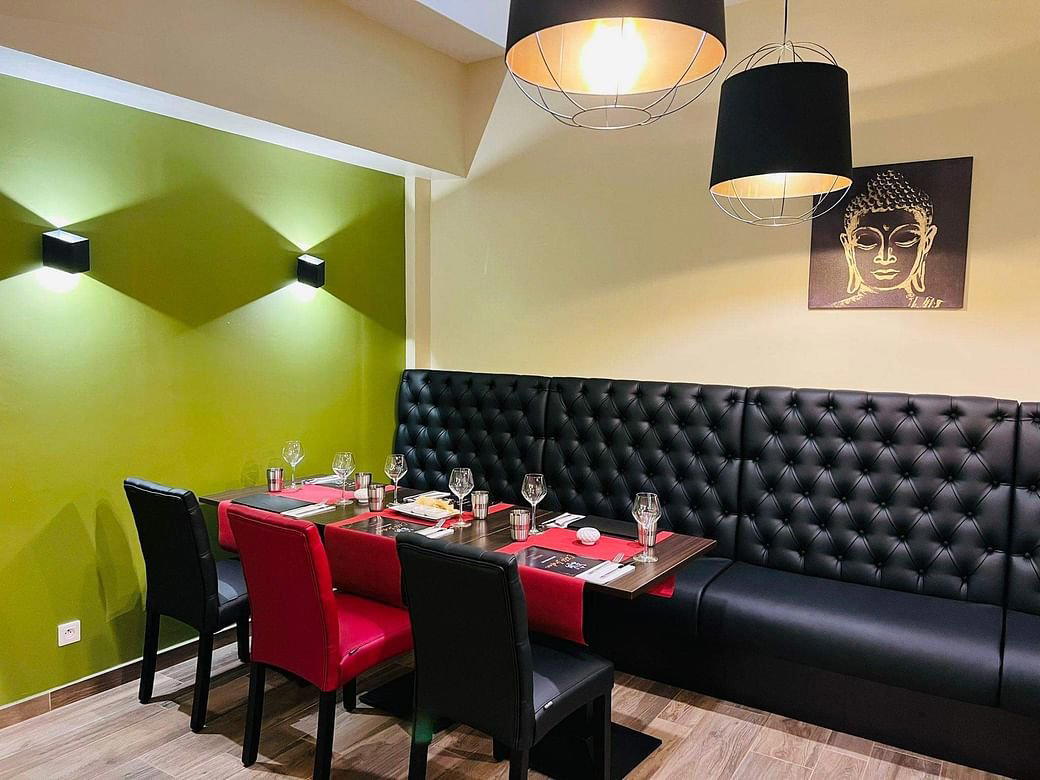
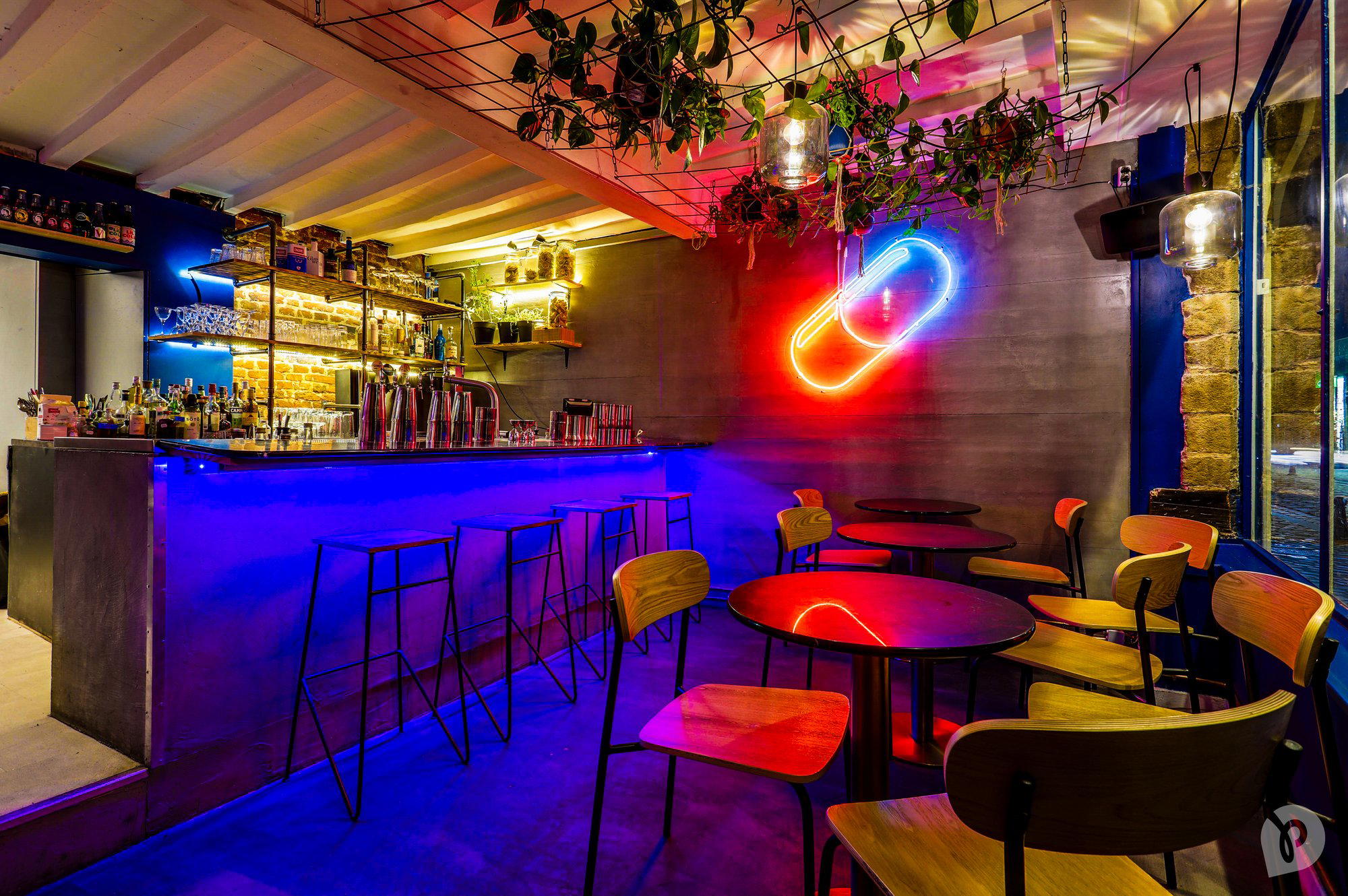
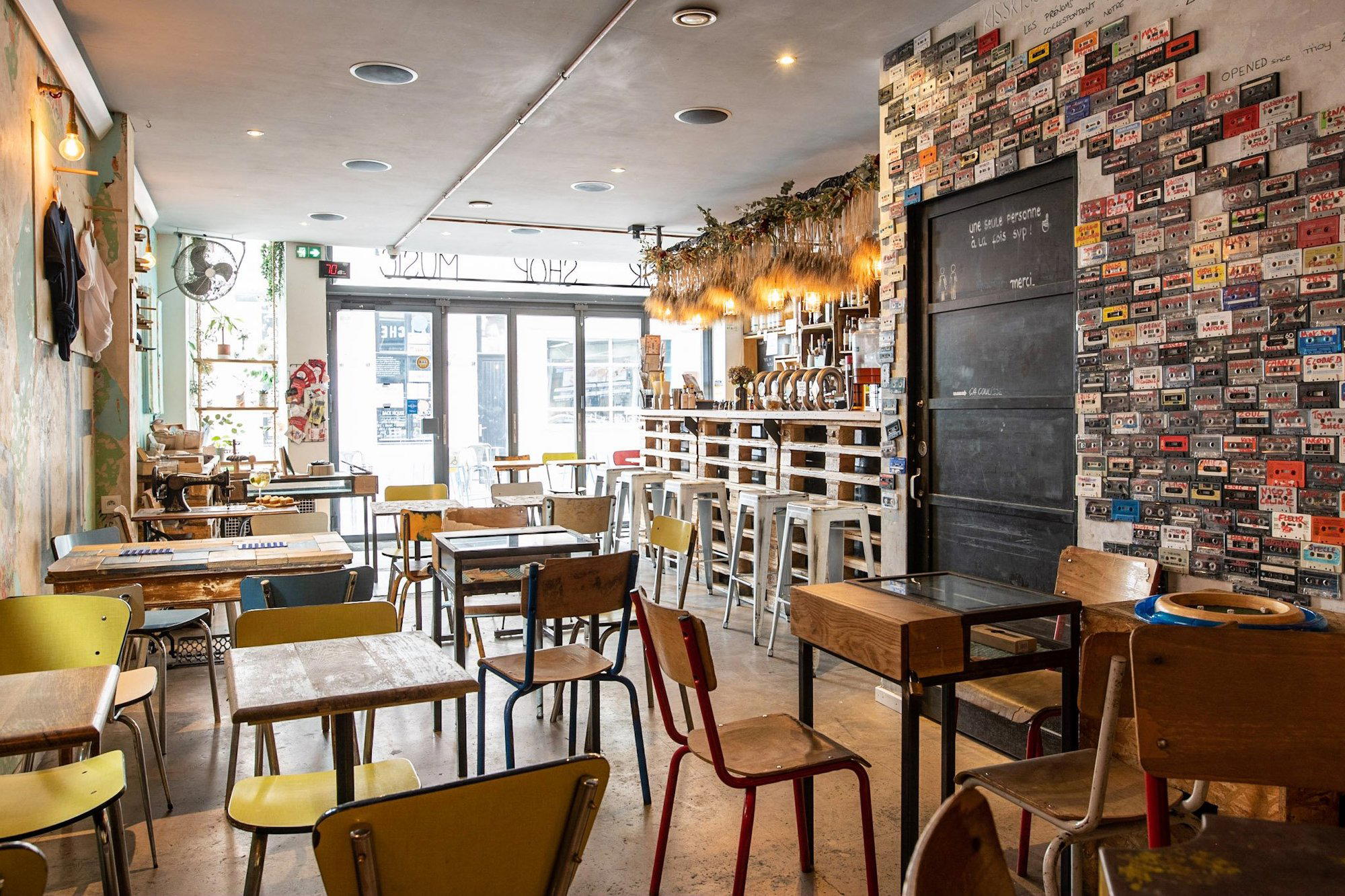
Chaleureux and original decor with dozens of pig statuettes, red velvet banquettes, and numerous porcine bibelots creating a whimsical, traditional Flemish atmosphere.