On Rue de Béthune, one of Lille's main pedestrian arteries, Brasserie André occupies the kind of address that anchors a city's dining identity rather than merely serving it. The brasserie format here connects to a long northern French tradition of civic eating: generous, unhurried, and oriented around the room as much as the plate. For visitors planning a meal in Lille, it represents a reliable point of reference in the city's mid-to-upper dining tier.
Pearl is the En Primeur Club membership app — saves, bookings, and concierge access live there. Same editors, same standards.
- Address
- 71 Rue de Béthune, 59800 Lille, France
- Phone
- +33320547551
- Website
- brasserieandre.fr
- Directions
- Get directions
 Saves & bookings on Pearl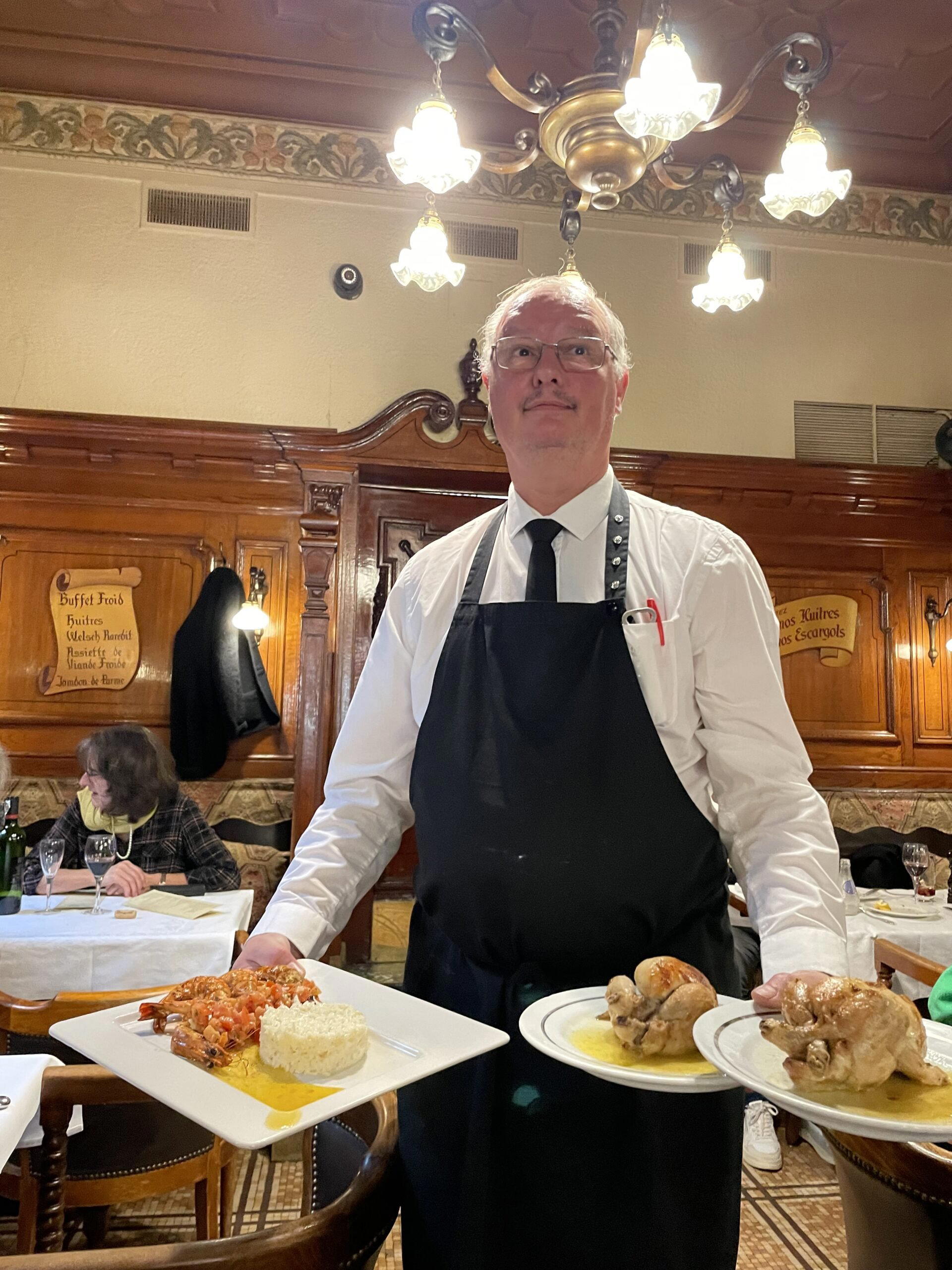
Rue de Béthune and the Brasserie as Urban Institution
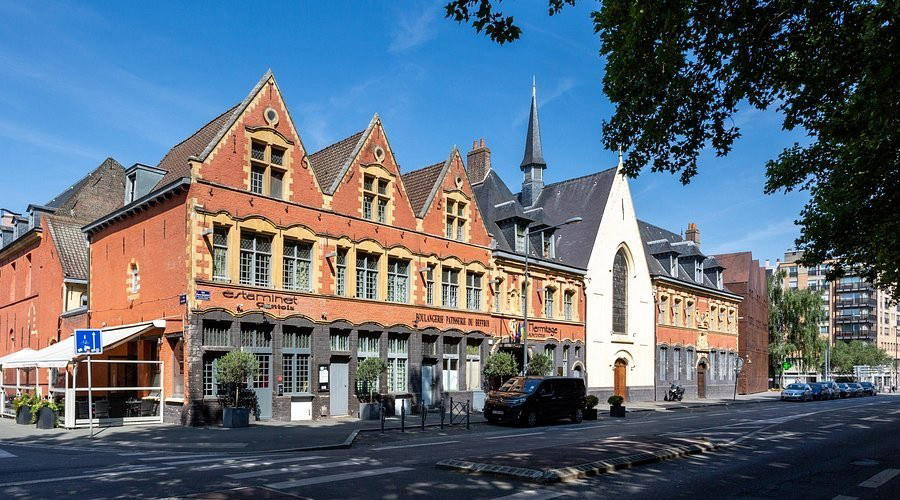
Walk the length of Rue de Béthune on any evening and the rhythm of Lille's social life becomes legible. This pedestrian artery, running south from the Grand'Place toward the Solférino junction, has long served as the city's commercial and gastronomic spine. Brasserie André, at 71 Rue de Béthune in Lille, is a traditional French brasserie at a central address on the city's main pedestrian dining street. The room, visible from the pavement through large windows, signals the classic brasserie proposition: a space designed for duration rather than turnover, where the architecture does as much work as the kitchen.
The brasserie format itself carries specific weight in northern France. Unlike Paris, where brasseries have largely split between tourist-facing institutions and self-consciously revived concepts, Lille's versions remain embedded in everyday civic life. The format here has always leaned toward the sociable and the substantial: long zinc counters or their successors, booths and banquettes that absorb groups of four or six, menus that reward familiarity rather than novelty. Brasserie André operates within that tradition, and understanding that tradition is the prerequisite for understanding what the address offers.
Planning Your Visit: Booking, Timing, and Logistics
Rue de Béthune is walkable from Lille-Flandres station in roughly ten minutes, and from the Grand'Place in five, which puts Brasserie André within reach of any central itinerary without requiring transport. That accessibility is both an advantage and a planning consideration: the street sees significant foot traffic, particularly on weekends and during the city's seasonal markets and events, and the brasserie's position on a main pedestrian artery means tables near the front of the room will reflect that energy.
If your schedule allows flexibility, arriving early in a lunch or dinner service window is the practical approach. If your Lille stay is short, making contact in advance is the safer move regardless of format.
The Rue de Béthune address also places the restaurant within a short walk of the Vieux-Lille quarter, where Au Vieux de la Vieille and Au Soyeux represent the older, more folkloric end of the city's dining register. Visitors who want to contrast the brasserie experience with Lille's contemporary cooking tier will find Ginko and Pureté within the same general orbit, and La Table at Hôtel Clarance for the city's highest-specification modern cooking.
Where the Brasserie Sits in Lille's Dining Structure
Lille's restaurant scene has developed a reasonably clear internal hierarchy over the past decade. At the leading end, a handful of modern cuisine addresses operate with tasting menus, wine pairings, and booking lead times that align with France's better-known regional tables. Below that, a middle tier of bistros and brasseries handles the city's daily dining appetite, and at the base, a network of neighbourhood restaurants and Flemish taverns keeps the local character alive. The restaurant's position in that structure, on the basis of address and format, places it in the second tier, competing for the same customer as the city's more polished bistros rather than against its gastronomic rooms.
That middle tier is especially contested in any French city. In Lille, it is also especially representative among the city's own tastes, which trend toward the generous and the convivial rather than the spare and the cerebral. Northern French cuisine, shaped by Flemish proximity and a climate that makes substantial dishes feel appropriate for most of the year, puts carbonade flamande, waterzooi, potjevleesch, and moules-frites in a different cultural position than they would occupy in Lyon or Bordeaux. The brasserie format is where those dishes remain most at home, which gives well-run examples of the format a relevance that goes beyond their price tier.
Flocons de Sel in Megève, Mirazur in Menton, Alléno Paris au Pavillon Ledoyen, Troisgros in Ouches, Paul Bocuse in Collonges-au-Mont-d'Or, Bras in Laguiole, Auberge de l'Ill in Illhaeusern, Les Prés d'Eugénie in Eugénie-les-Bains, La Table du Castellet, and Georges Blanc in Vonnas. The brasserie format operates at a different register from these addresses, but the comparison clarifies what the format is and is not trying to do.
What to Know Before You Arrive
The restaurant is a traditional French brasserie in Lille with a smart casual dress code, recommended reservations, and average pricing of about $35 per person. What the address, format, and position within Lille's dining geography do confirm is that visitors should approach this as a brasserie experience in the northern French sense: expect a room with presence, a menu that leans on regional produce and French classics, and a pace calibrated to the meal as occasion rather than transaction.
Lille is easy to reach by high-speed rail and works well for a short stay. The city's dining scene has enough range across formats and price tiers to support two or three days of eating without repetition. The restaurant, given its location at the heart of the pedestrian centre, is a natural anchor point for any itinerary that takes the city seriously.
In Context: Similar Options
Comparable venues nearby, for context on price, style, and recognition.
| Venue | Cuisine | Price | Notes |
|---|---|---|---|
| Brasserie AndréThis venue — the venue you are viewing | Traditional French Brasserie | $$$ | Not listed |
| Les Oiseaux | Modern French Bistro | $$$ | Lille Centre 1 |
| La Ducasse | Traditional Northern French | $$$ | Lille Centre 4 |
| Le Passe Porc | Traditional French Meat & Offal Bistro | $$$ | Lille Centre 19 |
| Estaminet LA COUR de la ch'tite brigitte | Northern French Estaminet | $$ | Vieux Lille 3 |
| Estaminet 'T Rijsel | Traditional Flemish Bistro | $$ | Vieux Lille 2 |
Continue exploring
More in Lille
Restaurants in Lille
Browse all →
At a Glance
- Classic
- Elegant
- Well Known
- Group Dining
- Casual Hangout
- Family
- Historic Building
Current opening hours
- Monday
- 11:30 AM–2:30 PM, 6:30–10:30 PM
- Tuesday
- 11:30 AM–2:30 PM, 6:30–10:30 PM
- Wednesday
- 11:30 AM–2:30 PM, 6:30–10:30 PM
- Thursday
- 11:30 AM–2:30 PM, 6:30–10:30 PM
- Friday
- 11:30 AM–2:30 PM, 6:30–10:30 PM
- Saturday
- 11:30 AM–11 PM
- Sunday
- 11:30 AM–10 PM
Hours can change for holidays and private events. Last verified .
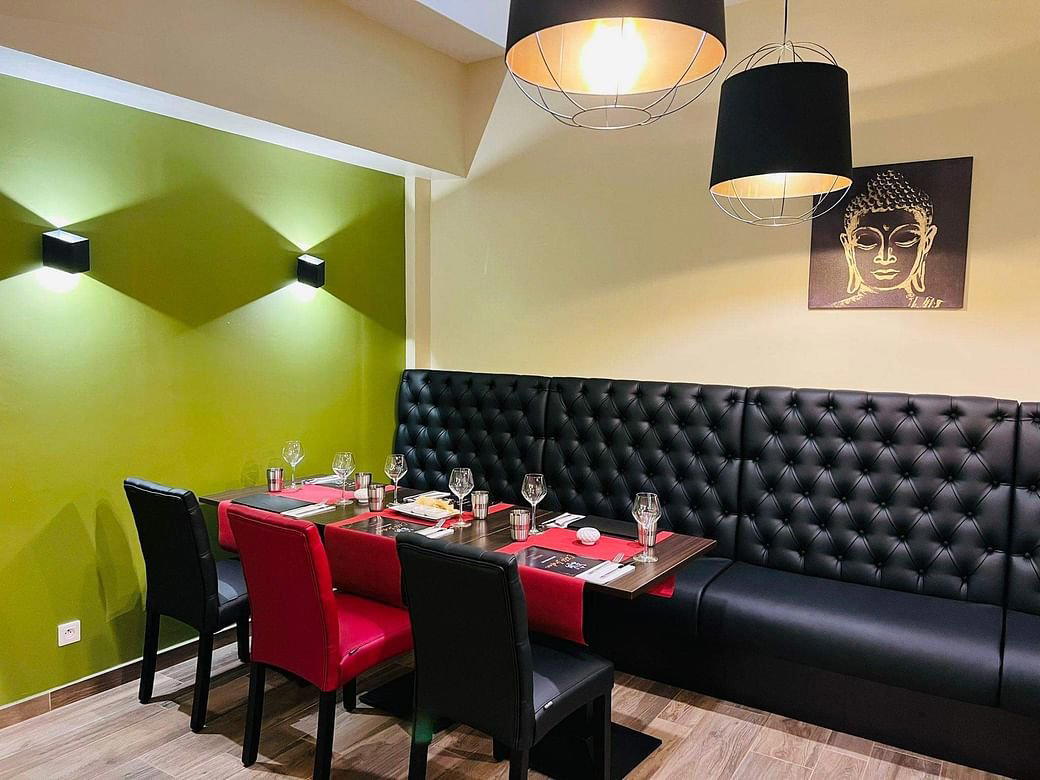
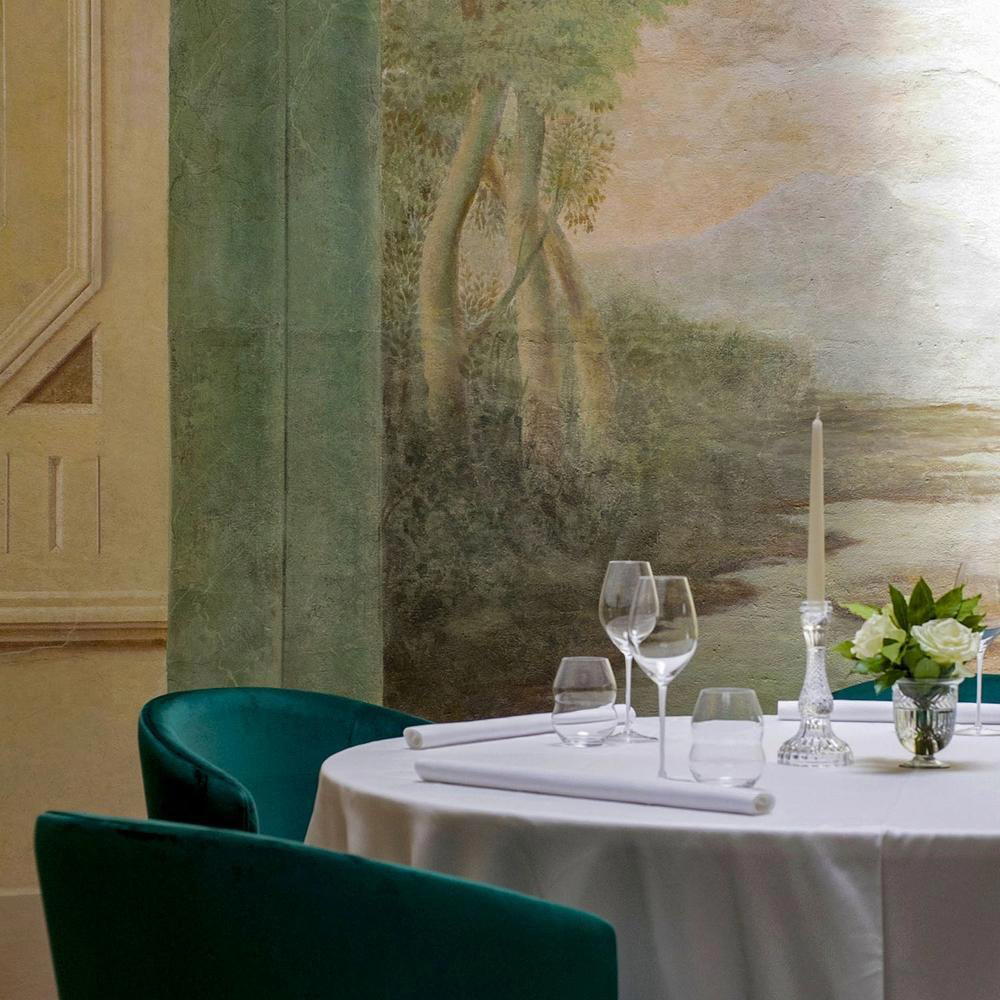
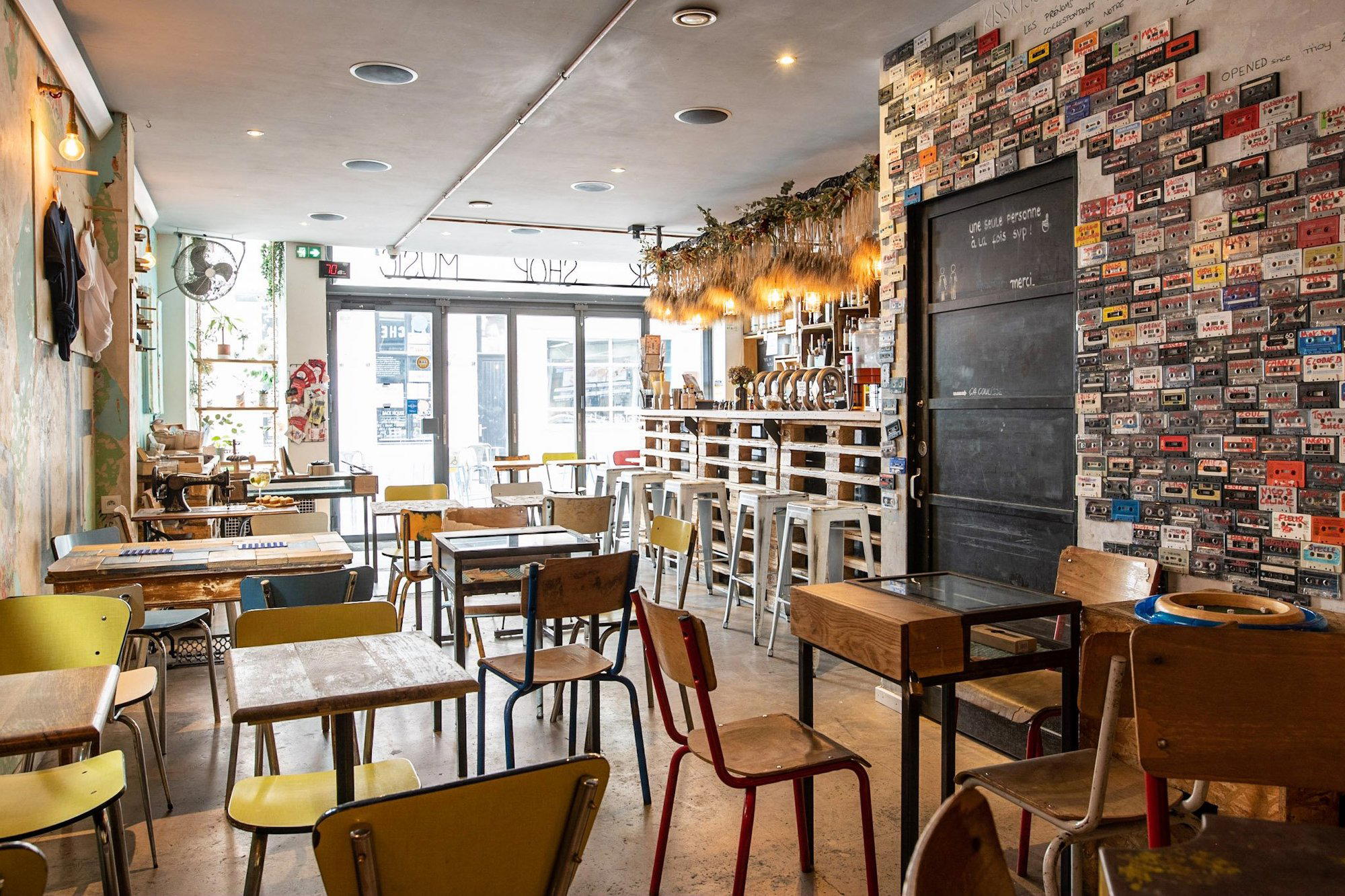
Art Deco atmosphere with wooden moldings, stucco, mirrors, brass hooks, and comfortable moleskin seating evoking Parisian brasserie charm.