Au Vieux de la Vieille occupies one of Lille's oldest corners, serving the kind of Flemish bistro cooking that defines the city's culinary identity: carbonnade, potjevleesch, and local cheese boards in a room that feels unchanged by decades of passing trends. It sits at the accessible end of Lille's dining spectrum, where tradition carries more weight than technique.
Pearl is the En Primeur Club membership app — saves, bookings, and concierge access live there. Same editors, same standards.
- Address
- 2 Rue des Vieux Murs, 59800 Lille, France
- Phone
- +33320138164
- Website
- estaminetlille.fr
- Directions
- Get directions
 Saves & bookings on Pearl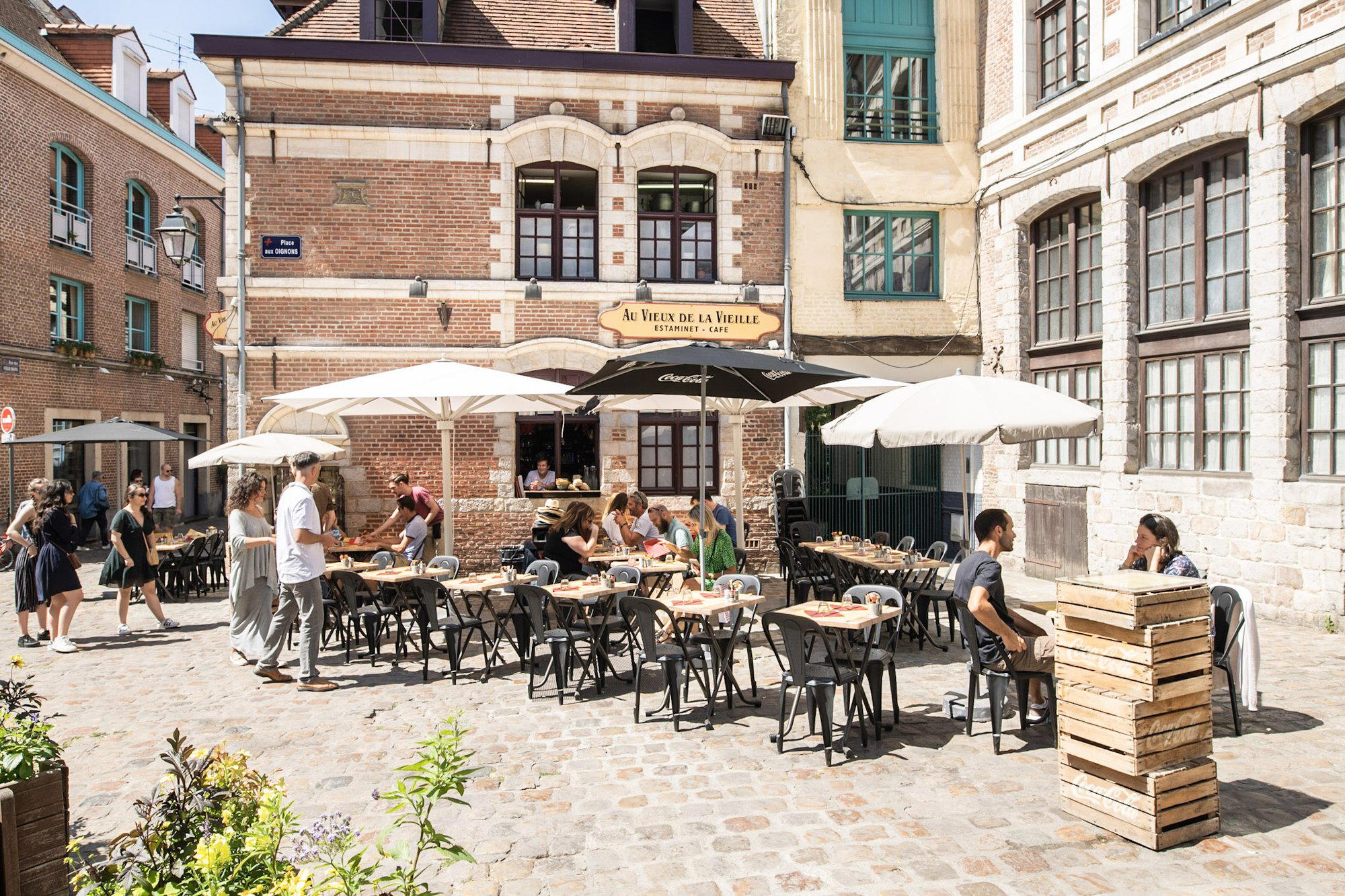
Where Flemish Cooking Holds Its Ground
Lille sits on a cultural fault line. Administratively French, temperamentally Flemish, the city has spent centuries absorbing influences from both sides of what is now the Belgian border, and its food reflects that dual inheritance with unusual clarity. The dishes that define Lille's tables, carbonnade flamande slow-cooked in dark ale, the cold potted-meat terrine known as potjevleesch, chicory braised with lard, cheese from Maroilles that arrives with a smell that precedes the plate, are not French in any Parisian sense. They belong to a northern European tradition that stretches from Ghent to Bruges and folds back into the Nord through generations of working-class cooking. Au Vieux de la Vieille is a traditional Northern French estaminet in Lille, with a casual dress code and reservations recommended.
The Room and What It Communicates
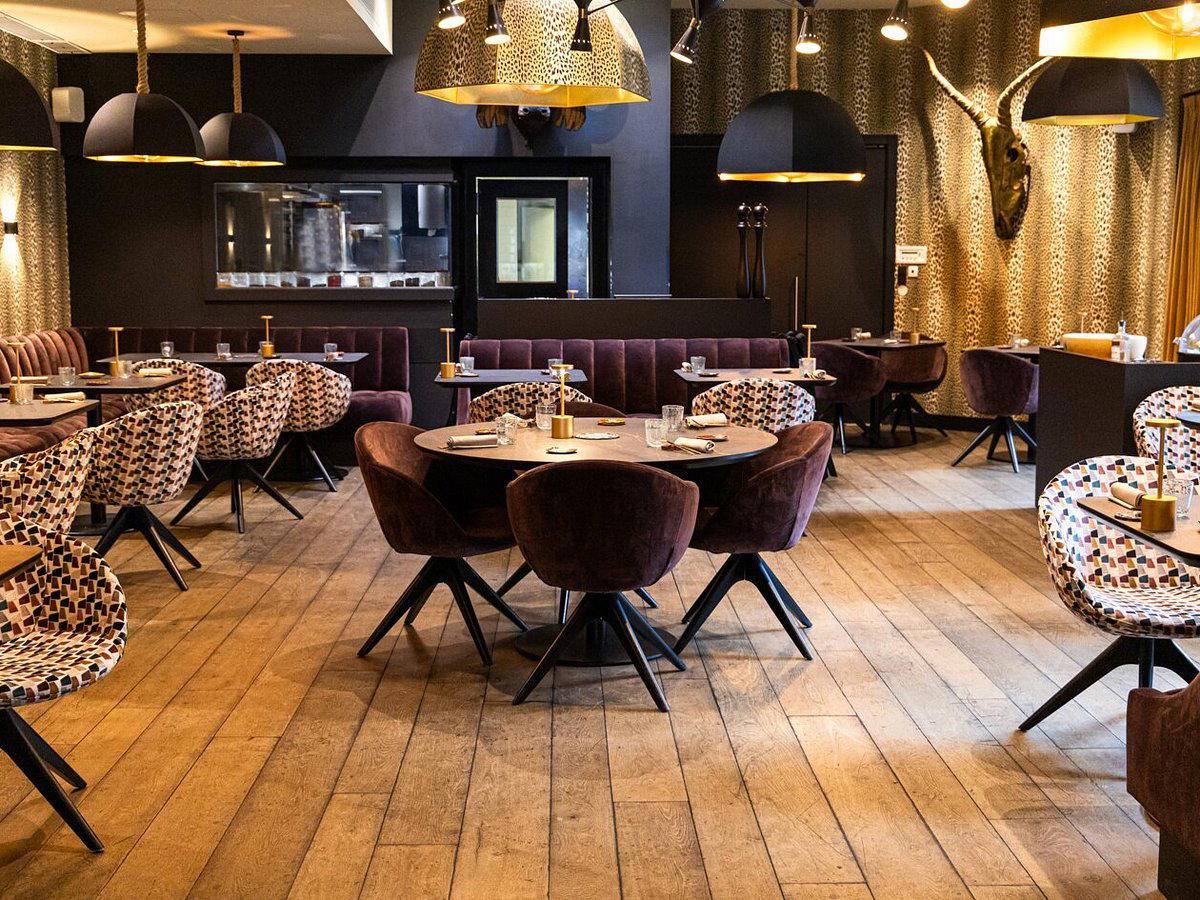
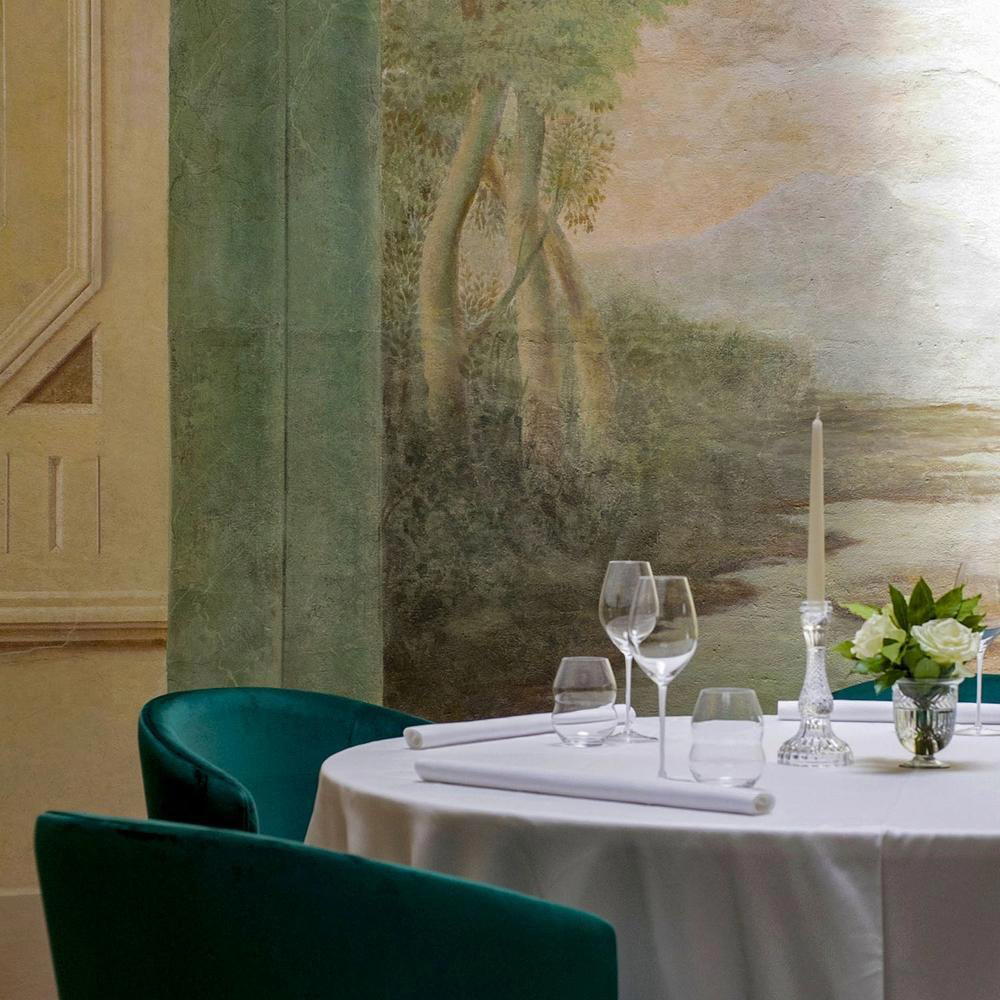
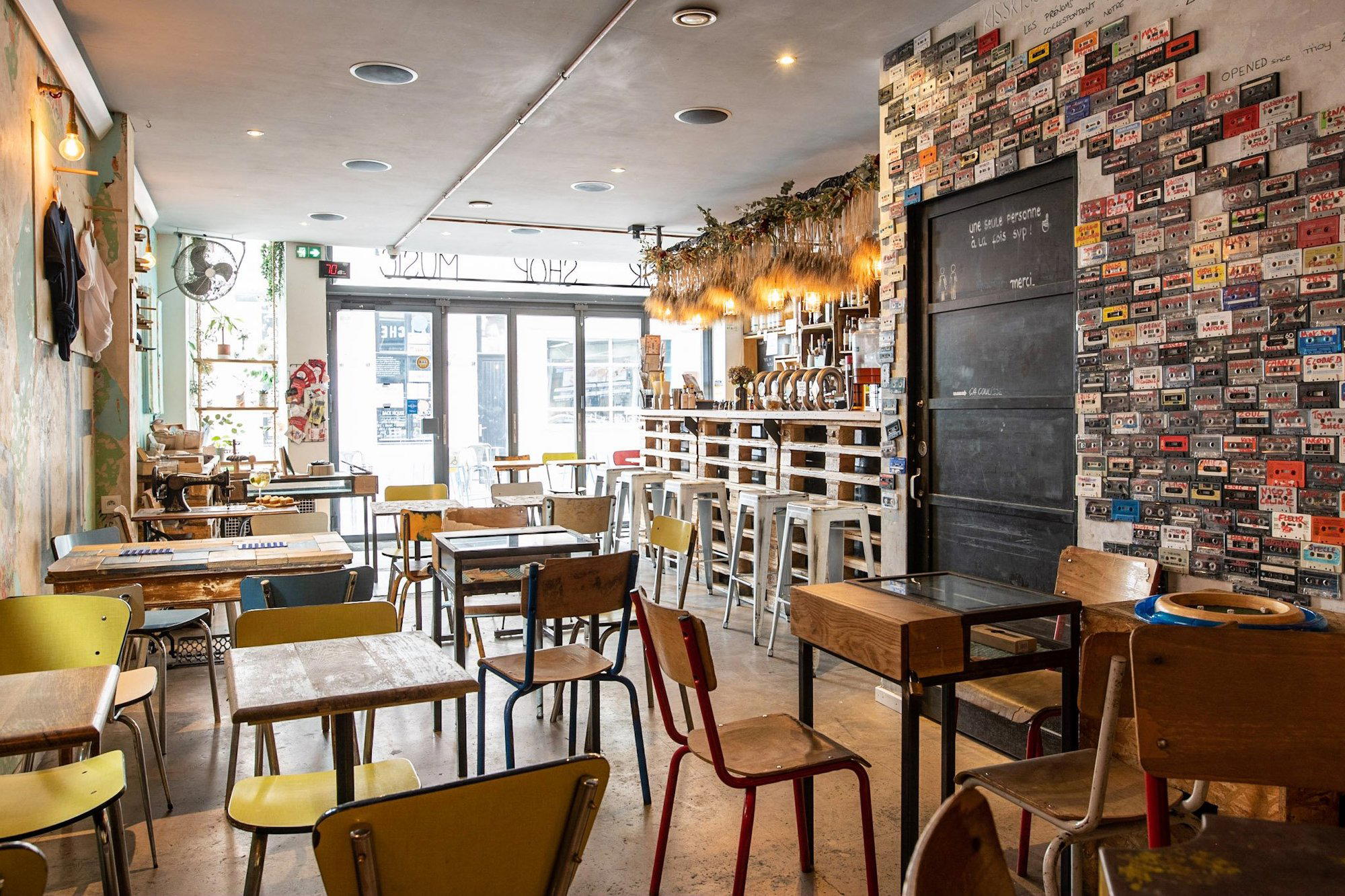
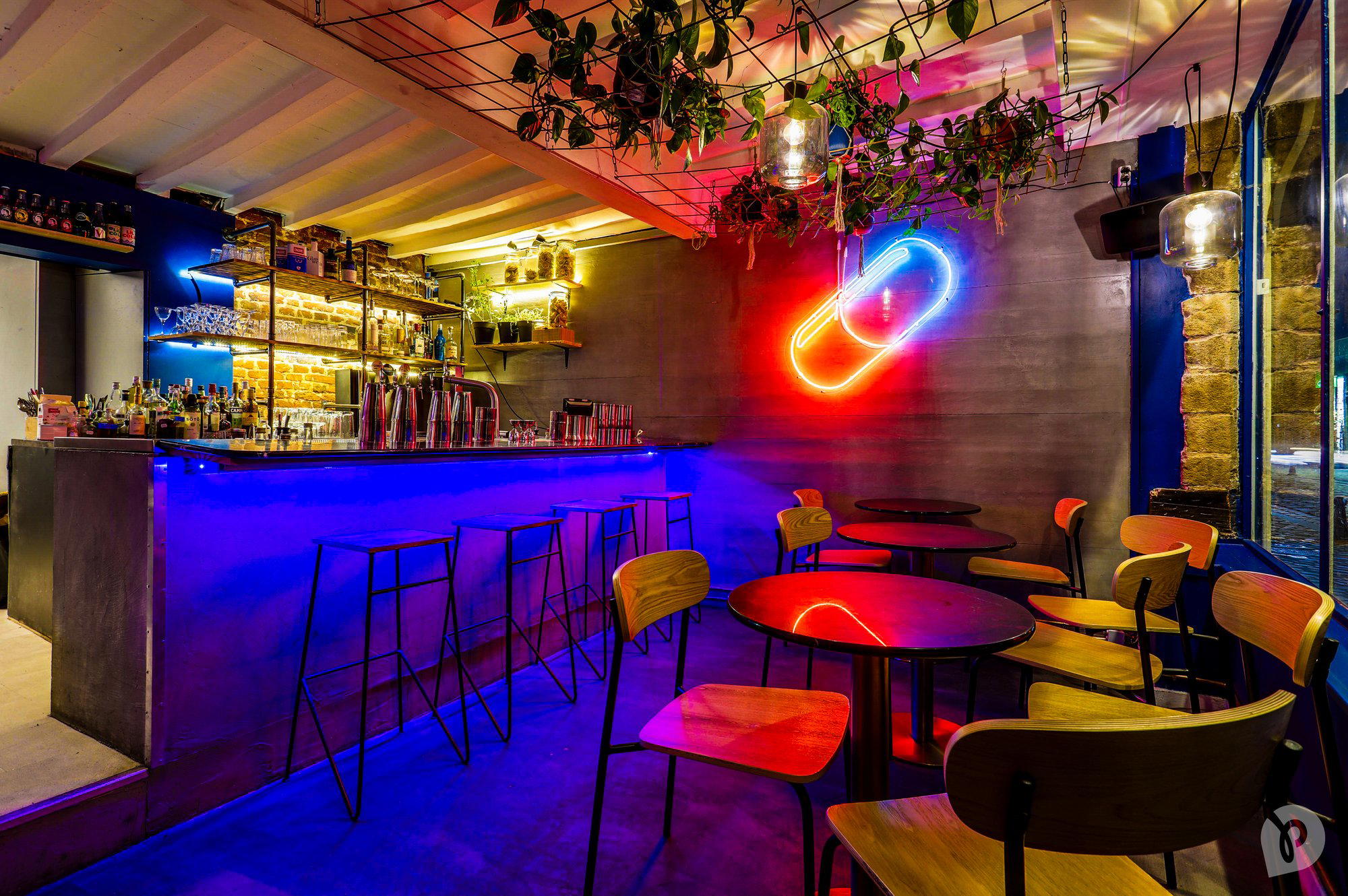
The interior grammar of a Flemish estaminet, the tiled floors, the dark wood, the low ceilings, the sense that the furniture predates most living diners, communicates something that modernised bistros spend considerable effort trying to simulate. In Lille's Vieux-Lille district, a handful of these rooms have survived intact, and Au Vieux de la Vieille is among the more recognisable. The aesthetic is not curated nostalgia; it is the accumulated result of a building and a trade that have continued without dramatic reinvention. That kind of continuity has become genuinely difficult to find in French city centres where rents push operators toward higher-margin formats and interiors trend toward the photographable. What you encounter here is a room that functions as a direct reference to the estaminet tradition rather than a reproduction of it.
The Food: A Northern French Argument Against Refinement
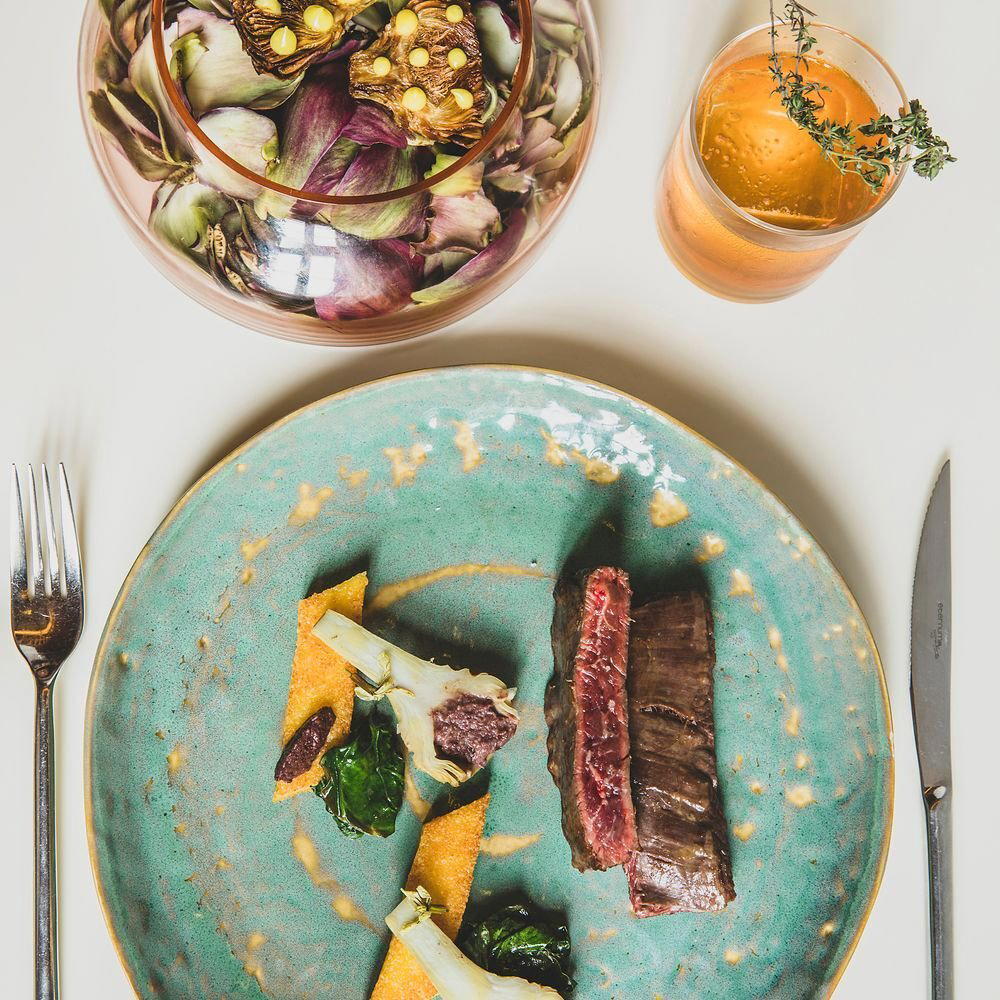
Flemish cooking does not negotiate with lightness. The cuisine that shaped the kitchens of the Nord was built for cold winters, physical labour, and access to grain, ale, and preserved meats rather than cream-based sauces or the garden produce that inflects cooking further south. Carbonnade flamande, beef braised in Belgian ale with onions and a slice of gingerbread to thicken the sauce, is the kind of dish that takes hours and rewards patience rather than technique in any finessed sense. Potjevleesch, the cold terrine of rabbit, veal, chicken, and pork set in a white wine jelly, is a dish that arrives from the Middle Ages without apology. These are preparations where the authenticity of the ingredients and the patience of the method matter more than presentation.
This places Au Vieux de la Vieille in a different conversation from France's celebrated destination restaurants. The landmark houses of French gastronomy, Paul Bocuse's Auberge du Pont de Collonges, Troisgros, Bras in Laguiole, Auberge de l'Ill, or Les Prés d'Eugénie, operate as expressions of refined classical or creative French cooking. Northern bistro cooking makes a quieter, more stubborn case: that the recipes that fed a region for centuries deserve a table of their own, without apology or modernisation. The same argument applies to the genièvre-based digestifs and the local blonde ales that belong alongside this food rather than a curated wine list.
Lille's Old Town and Why Address Matters
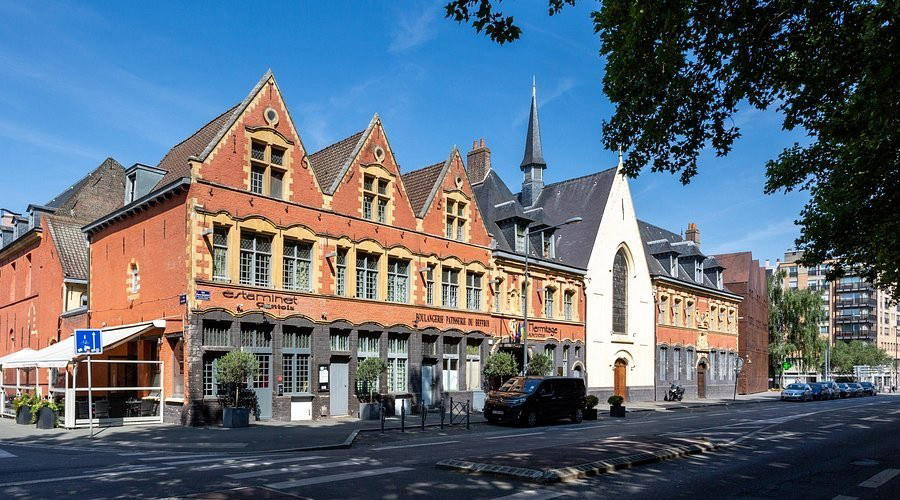
The Vieux-Lille quarter, with its 17th-century Flemish baroque facades and cobbled lanes, has become the city's primary address for this category of restaurant. The neighbourhood's architectural character, a product of Lille's time under Spanish Habsburg rule, which explains the brick gabling that looks nothing like conventional French urbanism, lends the streets an immediate sense of otherness that a visitor arriving from Paris registers quickly. Eating in this part of the city is inseparable from the physical experience of being in it. The area around Rue des Vieux Murs belongs to a pedestrian network of lanes where the estaminet format has survived more consistently than anywhere else in the French Nord.
Lille also functions as a practical base for accessing a broader northern French and Belgian dining circuit. The TGV connects the city to Paris in roughly one hour, and the cross-Channel link to London adds another category of international diner to the city's restaurants. That accessibility has done more to raise Lille's profile as a dining destination over the past decade than any single restaurant opening. Beyond France, the global ambition bracket includes venues like Mirazur in Menton, Alléno Paris au Pavillon Ledoyen, Flocons de Sel in Megève, Georges Blanc in Vonnas, or further afield Le Bernardin in New York and Lazy Bear in San Francisco. The restaurant operates in a completely different register from that circuit and makes no claim to compete with it.
Planning a Visit
The restaurant is located at 2 Rue des Vieux Murs in the Vieux-Lille district. The address is walkable from Lille-Flandres station and sits within the pedestrian core of the old town. Opening hours run daily from 12 to 3 PM and 7 PM to 12 AM, with reservations recommended. The format is consistent with the traditional estaminet model: accessible rather than formal, with a tone that sits closer to neighbourhood dining than occasion dining. This is a lunch-or-dinner address with a casual dress code and a price point of about $25 per person.
Price and Recognition
Comparable venues nearby, for context on price, style, and recognition.
| Venue | Cuisine | Price | Notes |
|---|---|---|---|
| Au Vieux de la VieilleThis venue — the venue you are viewing | Not listed | $$ | Not listed |
| Bierbuik | Not listed | $$ | Vieux Lille 6, Modern Flemish Brewpub |
| L'Annexe | Buisson, Modern French Bistronomique | $$ | Not listed |
| Le Barbier qui Fume | Not listed | $$$ | Vieux Lille 3, French Smoked Meats Bistro |
| Club Marot | Not listed | $$$ | Vieux Lille 4, Modern French Bistronomic |
| Brother & Sister | Not listed | $$$ | Vieux Lille 3, French Bistronomie |
At a Glance
- Cozy
- Rustic
- Classic
- Intimate
- Casual Hangout
- Family
- Historic Building
- Beer Program
Current opening hours
- Monday
- 12–3 PM, 7 PM–12 AM
- Tuesday
- 12–3 PM, 7 PM–12 AM
- Wednesday
- 12–3 PM, 7 PM–12 AM
- Thursday
- 12–3 PM, 7 PM–12 AM
- Friday
- 12–3 PM, 7 PM–12 AM
- Saturday
- 12–3 PM, 7 PM–12 AM
- Sunday
- 12–3 PM, 7 PM–12 AM
Hours can change for holidays and private events. Last verified .
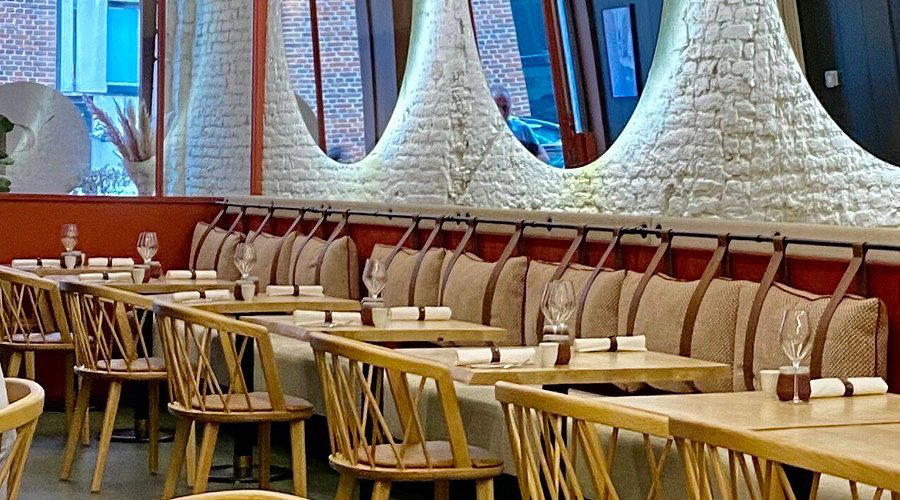
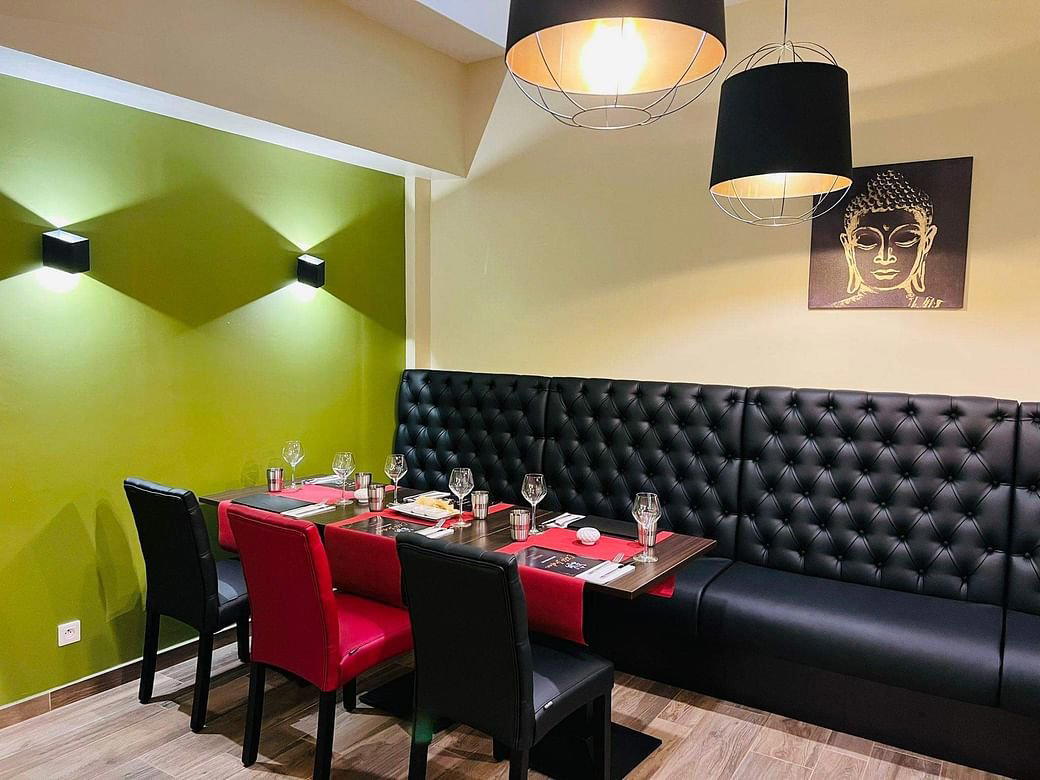
Chaleureuse et typique with vintage decor, bibelots, old posters, and enamel signs evoking a grandmother's home, inviting and cozy atmosphere.