Brother & Sister occupies a considered address on Place du Concert in Lille, where the city's modern dining scene has developed a genuinely collaborative character between kitchen and floor. The venue sits within a tier of Lille restaurants where team coherence — the relationship between cooking, service, and the room itself — shapes the experience as much as any individual dish. For context on where it fits, see our full Lille guide.
Pearl is the En Primeur Club membership app — saves, bookings, and concierge access live there. Same editors, same standards.
- Address
- 11 Pl. du Concert, 59800 Lille, France
- Phone
- +33320420445
- Website
- brothersisterlille.com
- Directions
- Get directions
 Saves & bookings on Pearl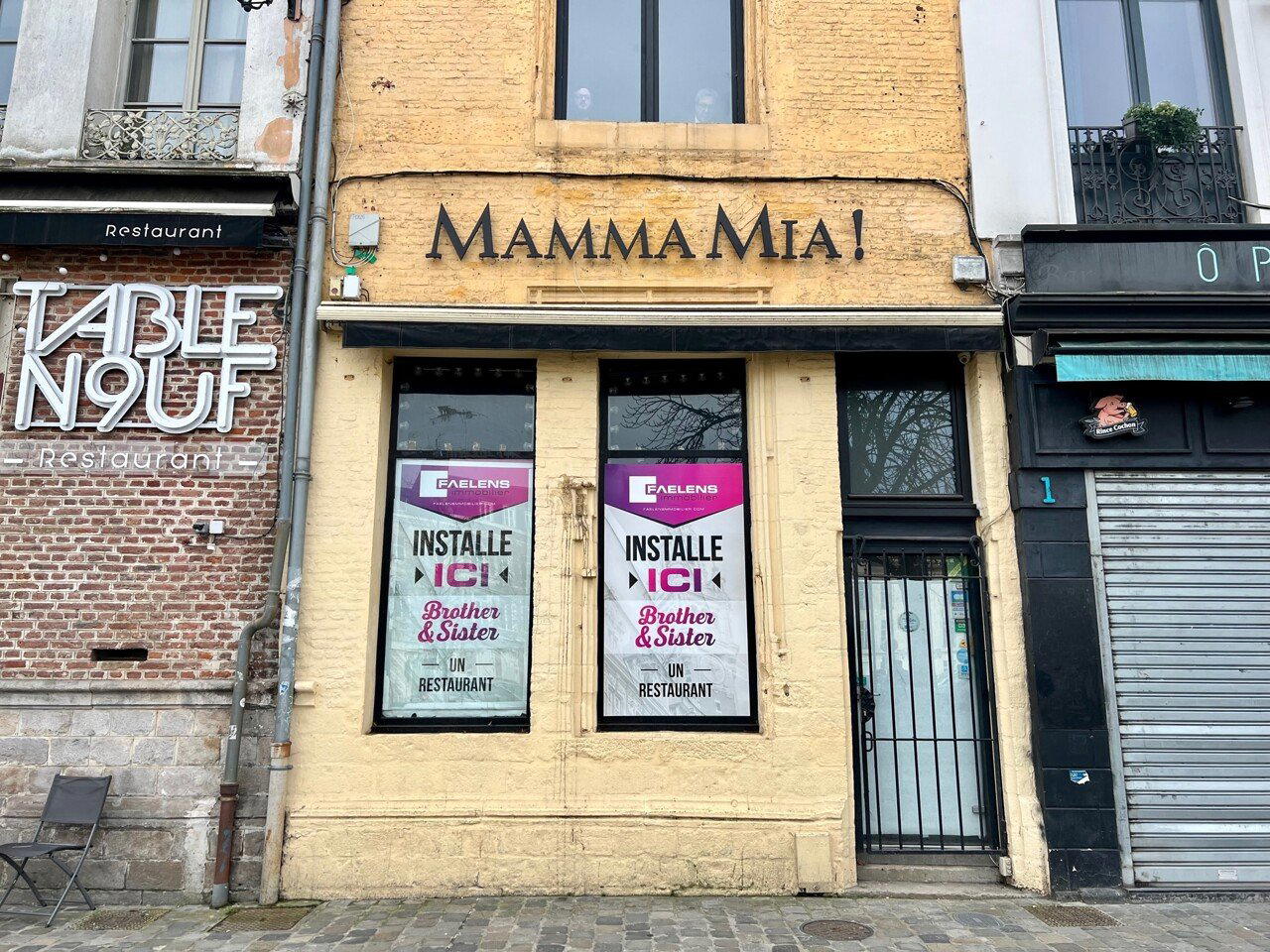
Place du Concert and the Shape of Modern Lille Dining
Place du Concert sits at one of Lille's quieter civic pivots, a square that carries the architectural weight of the city's Flemish-French inheritance without the foot traffic of the Grand'Place a short walk north. It is in spaces like this — addresses that feel deliberate rather than convenient — that Lille's more considered restaurants tend to establish themselves. Brother & Sister, at number 11, belongs to that pattern. The choice of location signals something about the register the venue is pitching for: proximity to the cultural and civic centre of the city without the tourist-facing exposure that changes how a room operates.
Lille's restaurant scene has matured considerably over the past decade. Where the city once depended on its traditional Flemish table, carbonade flamande, potjevleesch, moules prepared in a dozen regional variations, a newer cohort of addresses has built around a more fluid, collaboration-driven model. These are not restaurants organised around a single authoritative chef figure; they are rooms where the relationship between kitchen output, floor pacing, and the wine or drink programme creates the experience collectively. Brother & Sister operates within that current.
The Collaborative Model: Kitchen, Floor, and the Space Between
The team-dynamic format, where front-of-house and kitchen are understood as co-equal contributors rather than a hierarchy with service staff as mere delivery mechanism, has become a defining characteristic of mid-to-upper-tier dining in French provincial cities over the last several years. It is a shift that has arrived from multiple directions: the influence of Scandinavian and New Nordic service philosophies, the practical economics of smaller independent restaurants that cannot sustain rigid brigade structures, and a genuine change in what guests in cities like Lille are asking for.
What this means in practice is that the room at Brother & Sister functions as an extension of the kitchen's intent rather than a neutral container for it. Pacing decisions, the communication of dishes, the way a wine or beverage choice is introduced, these become editorial acts, not administrative ones. The leading dining rooms operating on this model, whether in Lille or elsewhere in France, treat the floor team's knowledge as content rather than logistics. When that calibration works, the experience feels authored from beginning to end. When it does not, you notice the gap.
For comparison, Ginko and La Table at Hôtel Clarance represent the upper bracket of Lille's modern cuisine addresses, each operating at price points (Ginko at €€€, La Table at €€€€) that reflect investment in exactly this kind of composed, team-structured service. Pureté occupies adjacent territory with a similarly intentional approach. Brother & Sister, on Place du Concert, sits within this competitive conversation rather than outside it.
What the Address Tells You About the Positioning
Restaurants positioned on secondary civic squares in French cities tend to attract a different regulars base than those on high-traffic streets. The clientele tends to be local, return-focused, and less driven by occasion tourism. This shapes how a room evolves: the team develops shorthand with guests, the menu can move with the season without needing to constantly re-explain itself, and the overall atmosphere carries the relaxed confidence that comes from a room that knows who it is talking to.
That dynamic is precisely what the collaborative team model requires to function at its finest. A floor team that reads returning guests, that anticipates rather than reacts, that knows when to elaborate on a dish and when to let it arrive quietly, these are skills that develop over time with a stable, loyal clientele rather than a high-turnover transient one. Place du Concert, as an address, makes this possible in a way that a more prominent tourist-facing location would complicate.
For readers planning a broader Lille programme, Au Vieux de la Vieille and Au Soyeux cover the city's traditional register well, and our full Lille restaurants guide maps the full range from regional classics to the modern tier where Brother & Sister sits.
Lille in the Context of French Provincial Dining
It is worth placing Lille's current dining moment against the wider geography of serious French provincial cooking. The country's most decorated regional tables, Flocons de Sel in Megève, Bras in Laguiole, Auberge de l'Ill in Illhaeusern, Les Prés d'Eugénie in Eugénie-les-Bains, Georges Blanc in Vonnas, and La Table du Castellet, tend to anchor in regions with established culinary identity and strong local produce narratives. Lille's northern position, historically more aligned with Belgian and Flemish traditions than the Mediterranean or Burgundian produce cultures that underpin much of France's gastronomic reputation, has meant that its modern restaurants have had to construct their identity differently: less about a dominant regional ingredient story, more about synthesis, technique, and the quality of the room experience itself.
That context makes the collaborative, team-led model a particularly apt fit for Lille. Where Lyon's restaurants, represented at the extreme end by Paul Bocuse's Auberge du Pont de Collonges, can trade on a deeply embedded regional cuisine identity, and where Paris addresses like Alléno Paris at Pavillon Ledoyen operate within a global fine dining conversation, Lille's better restaurants have built their case on the quality of the experience as a whole. The team dynamic is not a supplementary feature; it is the product.
For those tracking how this approach translates internationally, the model has close parallels in how places like Lazy Bear in San Francisco or Mirazur in Menton have treated front-of-house as a creative discipline rather than a support function. Closer to home, Troisgros in Ouches has long demonstrated how multi-generational team coherence becomes part of the restaurant's identity in ways that pure kitchen output cannot replicate. Le Bernardin in New York similarly treats the floor as a precision instrument.
Planning a Visit
Brother & Sister is located at 11 Place du Concert, 59800 Lille, placing it within easy reach of both the city's main train station (Lille-Flandres) and the cultural quarter around the Palais des Beaux-Arts. For bookings and current hours, direct contact or checking the venue's current online presence is recommended, as specific service details are not published centrally. Given the positioning of the address and the size typical of restaurants in this format on secondary Lille squares, availability during peak Friday and Saturday dinner service is likely to be limited; planning several weeks in advance is a reasonable approach. Lille connects directly to London via Eurostar and to Paris in around one hour by TGV, making it a practical short-break destination for visitors combining it with a broader French or Belgian itinerary.
How Brother & Sister Lille compares with similar nearby venues.
| Venue | Cuisine | Price |
|---|---|---|
| Pulpe | Modern Cuisine | €€ |
Continue exploring
More in Lille
Restaurants in Lille
Browse all →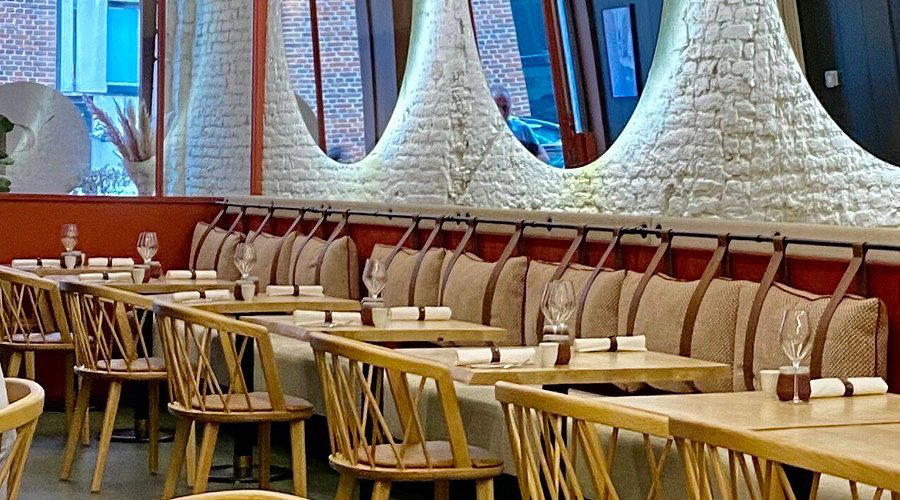
Hotels in Lille
Browse all →
Wineries in Lille
Browse all →
At a Glance
- Cozy
- Elegant
- Intimate
- Classic
- Date Night
- Group Dining
- Family
- Celebration
- Special Occasion
- Terrace
- Standalone
- Craft Cocktails
- Farm To Table
- Local Sourcing
Current opening hours
- Monday
- Closed
- Tuesday
- Closed
- Wednesday
- 12–2 PM, 7–10 PM
- Thursday
- 12–2 PM, 7–10 PM
- Friday
- 12–2 PM, 7–10 PM
- Saturday
- 12–2 PM, 7–10 PM
- Sunday
- 10 AM–2 PM
Hours can change for holidays and private events. Last verified .
Warm and welcoming with soft, refined lighting in a cozy chic interior typical of old Lille; elegant yet unpretentious atmosphere that balances sophistication with comfort.
Know Before You Go
- Getting there
- 11 Pl. du Concert, 59800 Lille, France