Lavinia Good Food
On Kerkstraat in Amsterdam's canal belt, Lavinia Good Food occupies a quiet but committed corner of the city's ingredient-led dining scene. The kitchen operates within a tradition that treats sourcing as the primary creative act, placing it alongside a small cohort of Amsterdam addresses where what arrives on the plate is inseparable from where it came from. Reserve ahead and arrive with time to settle in.
Pearl is the En Primeur Club membership app — saves, bookings, and concierge access live there. Same editors, same standards.
- Address
- Kerkstraat 176, 1017 GT Amsterdam, Netherlands
- Phone
- +31 6 24649499
- Website
- laviniagoodfood.nl
- Directions
- Get directions
 Saves & bookings on Pearl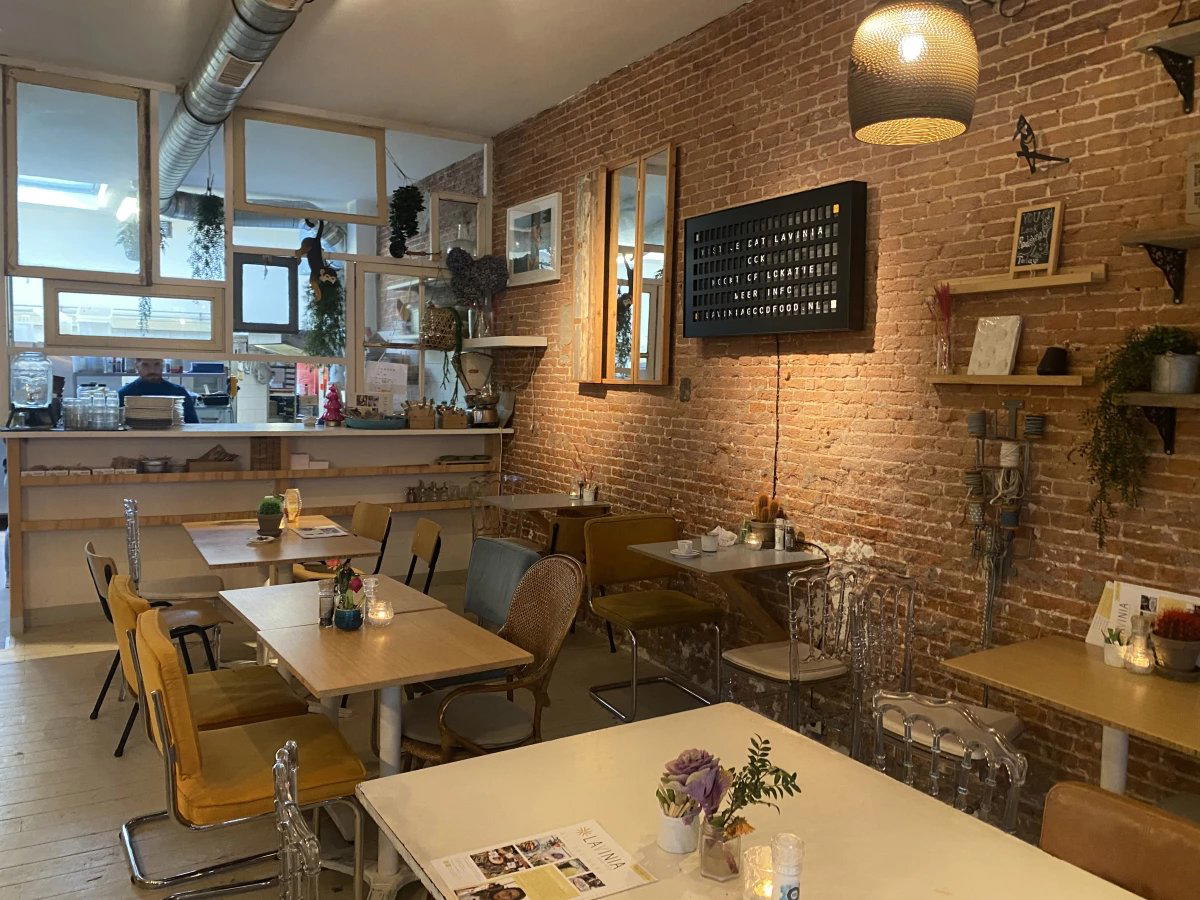
Where the Canal Belt Meets a Sourcing-Led Kitchen
Kerkstraat runs parallel to the Prinsengracht through one of Amsterdam's denser residential stretches, lined with the kind of low-key addresses that regulars tend to find before visitors do. The street carries none of the tourist-facing noise of the Leidseplein corridor nearby, and that quietude shapes the dining culture along it: smaller rooms, kitchens with conviction, and a clientele that books ahead because they know the places fill.
Amsterdam's restaurant scene has split, broadly, into two recognisable tiers: the high-formal end, where addresses like Ciel Bleu, Flore, Spectrum, and Vinkeles compete at the creative and Michelin-recognised level; and a middle register where sourcing philosophy, rather than technical virtuosity or tasting-menu architecture, is the organising principle. Lavinia Good Food belongs to the latter cohort, a cluster of kitchens that frame their menus around what the market and the season make available rather than around a fixed repertoire that simply swaps garnishes.
Sourcing as the Kitchen's Core Logic
Restaurants across the Netherlands, from De Nieuwe Winkel in Nijmegen to De Lindehof in Nuenen, have built reputations on relationships with specific growers, fishermen, and small-scale producers. That approach has a different weight in Amsterdam than it does in the countryside: in a city, sourcing discipline requires active navigation of supply chains rather than proximity to a farm gate, which makes kitchens that maintain it worth paying attention to.
In Amsterdam's mid-market, De Kas, operating from a greenhouse complex in Frankendael Park, built its model around produce grown on site or within a short radius. BAK, in the Westerpark area, runs a farm-to-table format with a similarly constrained sourcing footprint. Lavinia Good Food, based on its name and positioning on Kerkstraat, operates within that tradition of kitchens where the sourcing decision precedes the cooking decision. That ordering of priorities produces a different kind of menu, one that resists the kind of year-round consistency that venue profiles describe as a selling point and instead treats variability as evidence of integrity.
The practical consequence for a diner is that the menu at any ingredient-led kitchen in Amsterdam shifts more frequently than those at format-driven restaurants. What the season makes available in the Netherlands, particularly through autumn and into winter, runs toward root vegetables, game, aged cheeses from Dutch producers, and the North Sea catch that makes coastal Dutch cooking genuinely distinctive. Spring opens the asparagus season with an intensity that shapes menus across the country. A kitchen genuinely aligned with that calendar will look different in April than it does in October, and that difference is the point.
The Amsterdam Ingredient-Led comparable set
Placing Lavinia Good Food in its competitive context requires understanding how Amsterdam's sourcing-led kitchens differentiate from one another. De Kas anchors one end with a vertically integrated model: greenhouse, garden, kitchen, plate, all on a single site. BAK sits at the urban farm-to-table position, with strong links to the regional producer network. Wils, operating in the Olympic Quarter, focuses on wood-fire cooking with similar seasonal discipline. These are the reference points for a kitchen that takes provenance seriously in Amsterdam at the mid-to-upper mid price register.
The broader Dutch fine dining context extends well beyond the capital. De Librije in Zwolle and Inter Scaldes in Kruiningen have defined the national high end for years. Outside those centres, smaller addresses like De Lindenhof in Giethoorn, Tribeca in Heeze, Brut172 in Reijmerstok, De Groene Lantaarn in Staphorst, De Bokkedoorns in Overveen, and De Treeswijkhoeve in Waalre represent the regional depth of a country that has taken local sourcing seriously at the kitchen level for long enough that it is now a structural feature of the scene rather than a trend.
Within Amsterdam specifically, Bistro de la Mer shows how a different sourcing emphasis, in that case toward the seafood tradition, can anchor a distinct identity within the city's mid-range. The restaurant operates without the theatrical scaffolding of a Michelin campaign or a named-chef profile, which places it in a bracket of Amsterdam restaurants where the food itself carries the weight of the proposition.
Planning a Visit
Kerkstraat 176 sits in the 1017 GT postcode, in the southern section of Amsterdam's canal ring. Tram connections along Leidsestraat and Vijzelstraat put the street within easy reach of the city centre, and the neighbourhood is walkable from the Rijksmuseum area in under ten minutes. For visitors arriving from outside the Netherlands who are also considering the broader Dutch fine dining circuit, itineraries that combine Amsterdam with regional addresses repay the effort: the contrast between the city's sourcing-led mid-market and the countryside's more formal interpretations of Dutch produce is one of the more interesting structural tensions in the national scene.
For international context, the sourcing-first approach the restaurant represents has parallels at the format level with places like Lazy Bear in San Francisco, where the sourcing relationship is as legible on the menu as the technique. At the other end of the spectrum, the precision with which Le Bernardin in New York City handles its primary ingredient, fish, demonstrates how total commitment to a sourcing category, rather than a broad range of produce, can define a kitchen's entire identity. The restaurant operates at a different scale and register, but the underlying editorial question it poses is the same: does the provenance of the ingredient shape the cooking, or decorate it?
City Peers
Comparable venues nearby, for context on price, style, and recognition.
| Venue | Cuisine | Price | Notes |
|---|---|---|---|
| Lavinia Good FoodThis venue — the venue you are viewing | Healthy Mediterranean Cafe | $$ | Not listed |
| Bluespoon | European with Dutch Twist | $$$ | Canal Ring (Prinsengracht) |
| Bhatti Pasal | Authentic Nepalese | $$ | Begijnhofbuurt |
| Wyers | American Comfort Food with Dutch Twist | $$ | Nieuwendijk Noord |
| Oceania | Traditional Chinese Seafood | $$ | Scheldebuurt West |
| Buon Gusto d'Italia | Authentic Italian Pizza & Pasta | $$ | Scheldebuurt West |
Continue exploring
More in Amsterdam
Restaurants in Amsterdam
Browse all →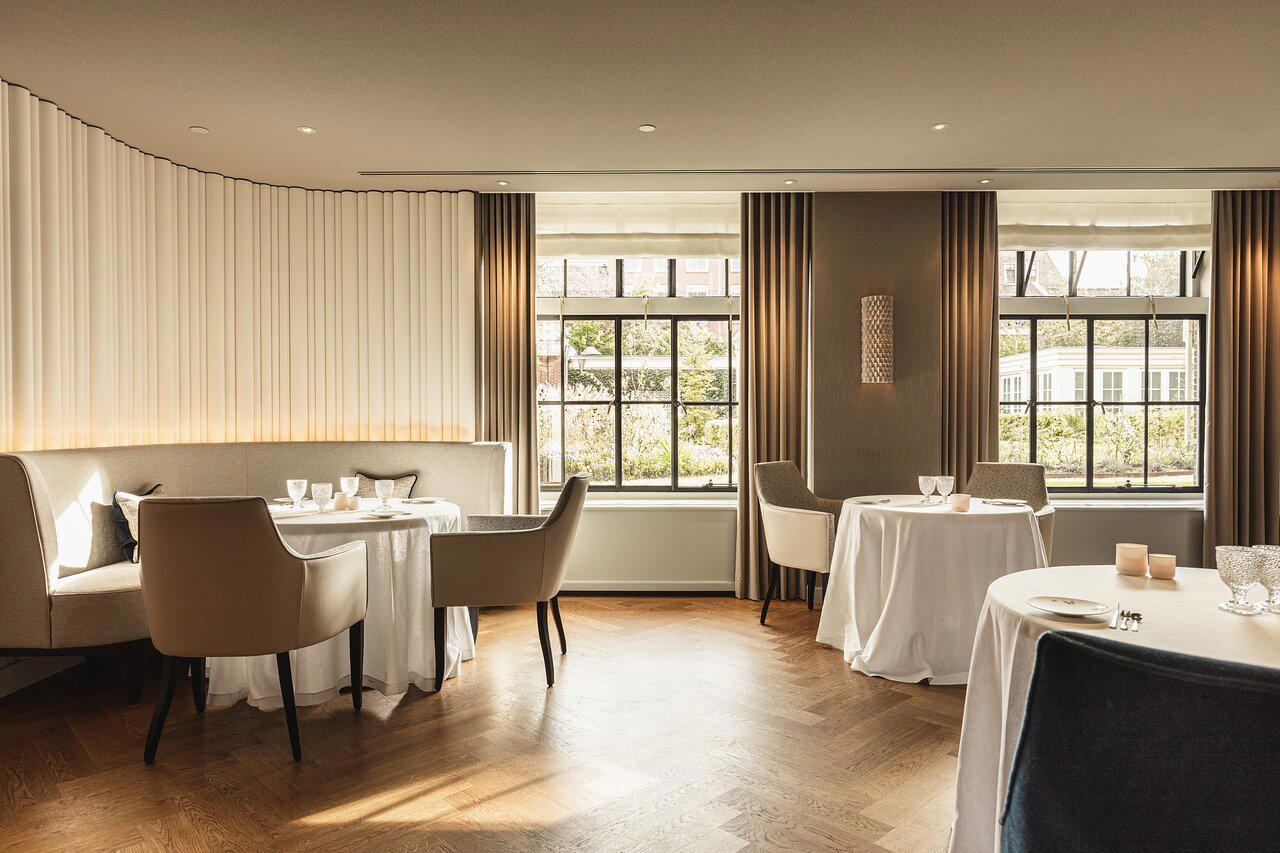
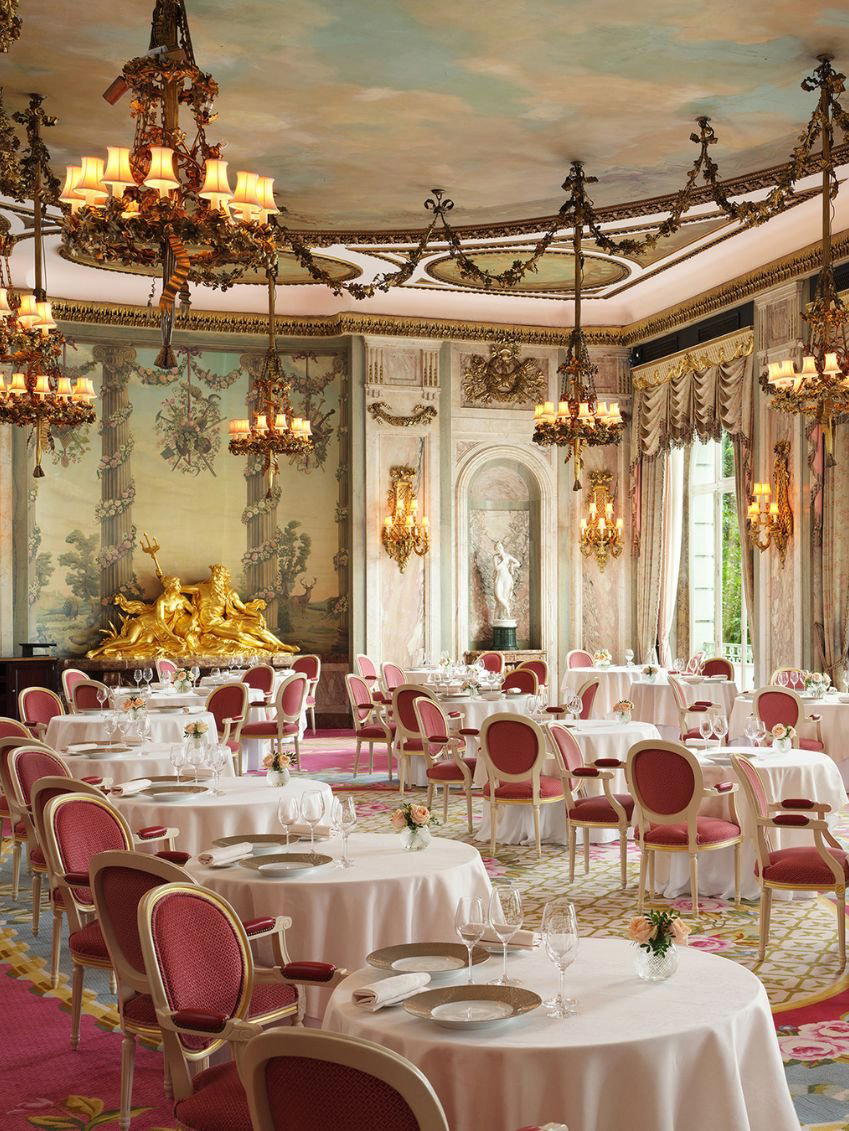
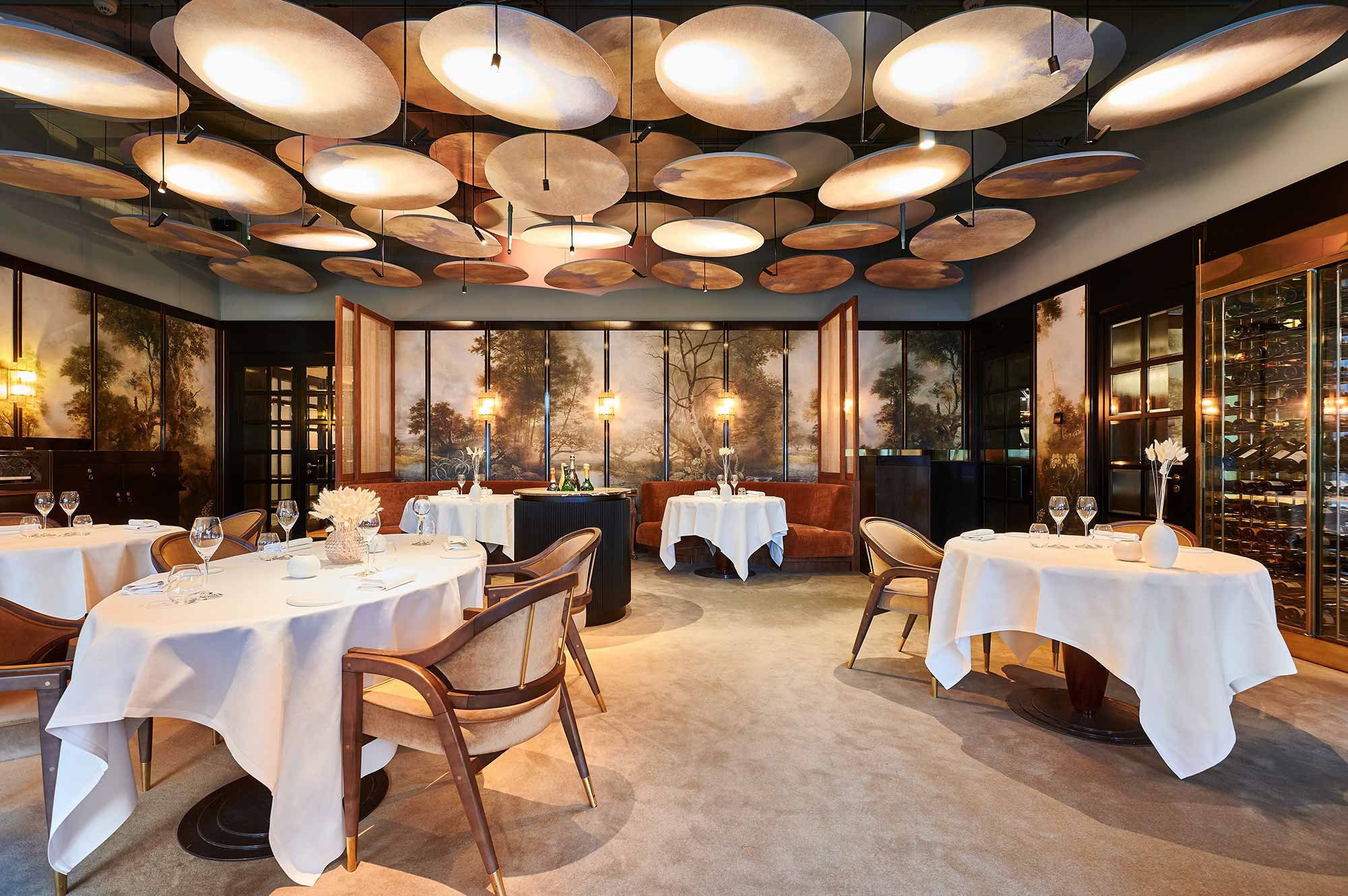
Bars in Amsterdam
Browse all →
Hotels in Amsterdam
Browse all →
Wineries in Amsterdam
Browse all →
At a Glance
- Cozy
- Brunch
- Casual Hangout
- Standalone
- Local Sourcing
- Organic
Current opening hours
- Monday
- 10:30 AM–3 PM
- Tuesday
- 10:30 AM–3 PM
- Wednesday
- 10:30 AM–3 PM
- Thursday
- 10:30 AM–3 PM
- Friday
- 10:30 AM–3 PM
- Saturday
- 10 AM–4 PM
- Sunday
- 10 AM–4 PM
Hours can change for holidays and private events. Last verified .
Cozy homely atmosphere with a boutique feel in a quiet street.