Maison Selby occupies a restored Victorian mansion on Sherbourne Street, placing it within Toronto's small cohort of heritage-building restaurants where the physical container is as much the draw as the menu. The space reads as French brasserie filtered through Canadian sensibility, with high ceilings, layered dining rooms, and a bar program that holds its own against the city's more celebrated cocktail addresses.
Pearl is the En Primeur Club membership app — saves, bookings, and concierge access live there. Same editors, same standards.
- Address
- 592 Sherbourne St, Toronto, ON M4X 1L4, Canada
- Phone
- +16479431676
- Website
- maisonselby.com
- Directions
- Get directions
 Saves & bookings on Pearl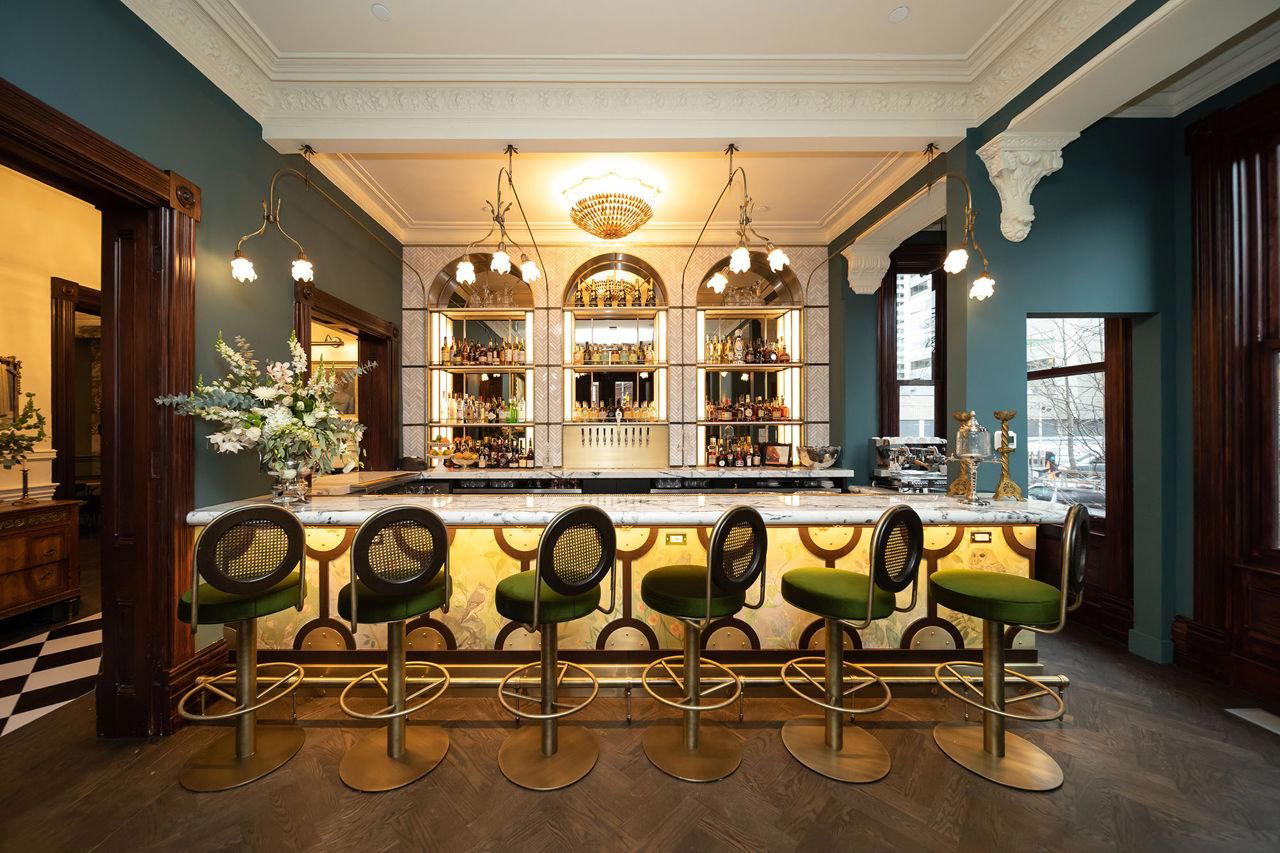
A Victorian Frame for a French-Canadian Table
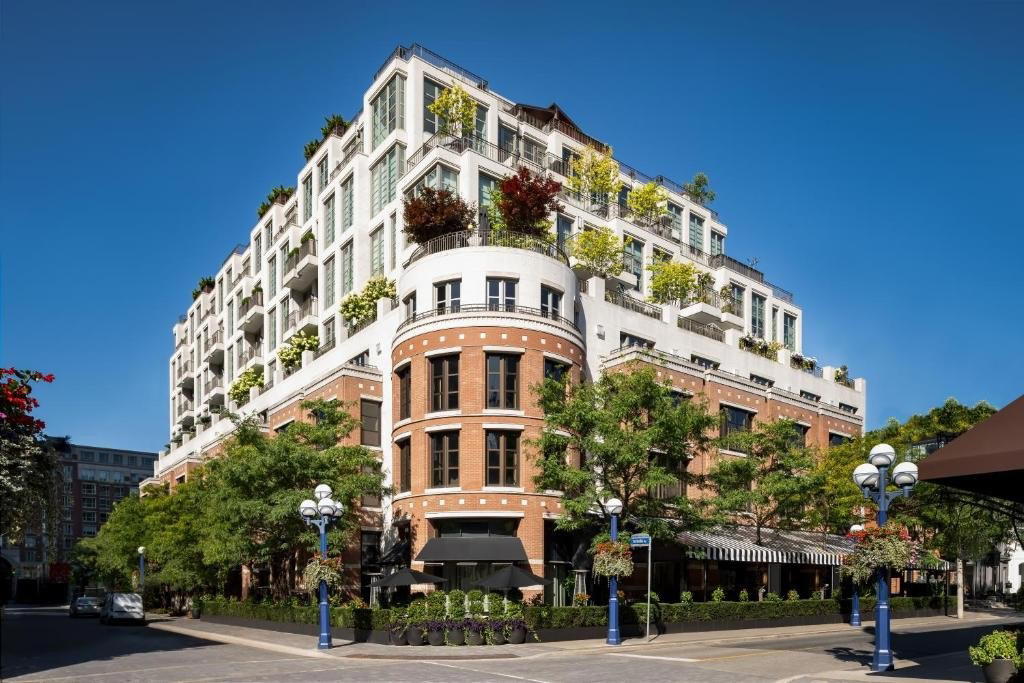
Toronto's dining scene has long wrestled with a tension between heritage architecture and contemporary programming. The city's stock of late-19th-century buildings is substantial, but few operators have committed to letting the physical container drive the entire concept. Maison Selby is a French bistro with modern accents at 592 Sherbourne St in Toronto's Cabbagetown neighbourhood. Housed in a restored Victorian mansion, it belongs to that smaller cohort of addresses where the building is not backdrop but argument. The high ceilings, the layered sequence of rooms, the staircase landings repurposed as intimate dining alcoves, these are not decorative choices but structural ones that determine how an evening unfolds.
The mansion format positions Maison Selby differently from Toronto's other premium restaurants. Where Alo (Contemporary) operates from a tightly controlled tasting-menu format in a converted Spadina building, and where Sushi Masaki Saito and Aburi Hana anchor the city's Japanese fine-dining tier with counter-led precision, Maison Selby offers something else: a room that tolerates lingering, that rewards arriving early enough to drink at the bar before the dining room fills, and that changes character between floors and between hours.
The Architecture of the Experience
Victorian domestic architecture was not designed for restaurant service, which is precisely what makes it interesting when a serious operator takes it on. The challenges are real: sightlines are broken, room sizes are unequal, kitchen logistics are complicated by floors and corners. But the compensations are considerable. A table in a former parlour carries a different social weight than a table in an open-plan dining room. Private rooms that were once bedrooms or studies create enclosure that modern restaurant design typically has to simulate expensively. At the restaurant, this enclosure is structural and, in turn, becomes the property's clearest differentiator.
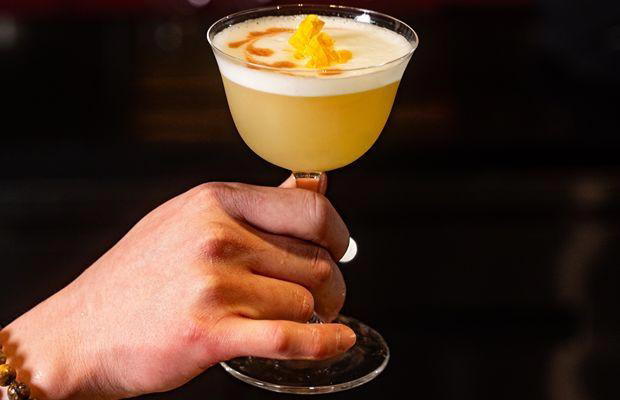
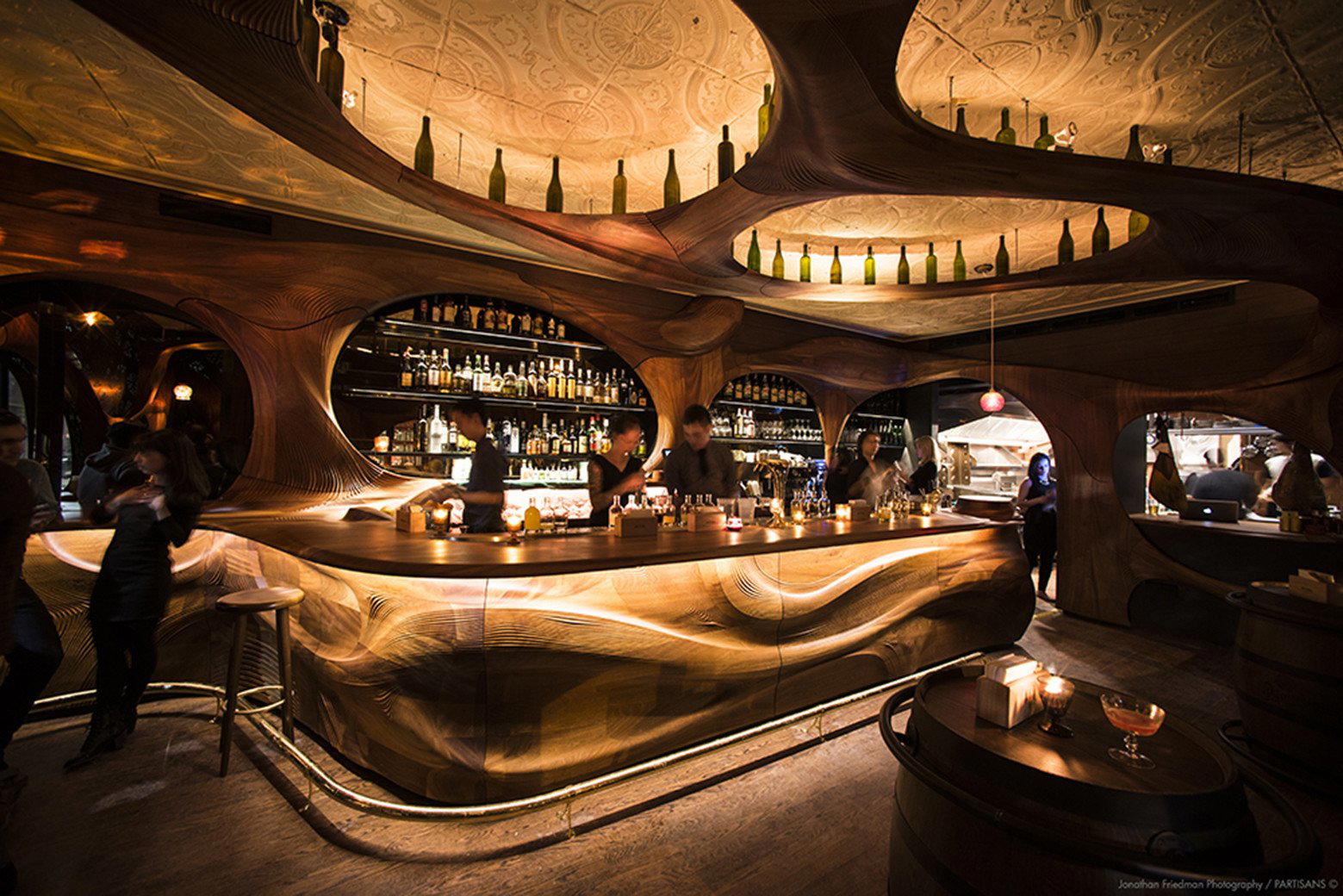
The bar deserves separate attention. In heritage buildings repurposed as restaurants, the bar is often an afterthought, squeezed into a corridor or tacked onto a reception area. Here, the bar operates as a destination within the destination, the kind of space where a guest who misses a reservation might reasonably decide to stay anyway. Toronto's cocktail culture has moved in recent years toward more technically rigorous programs, and the bar at the restaurant positions itself within that shift rather than defaulting to a hotel-lobby wine list.
French Brasserie Filtered Through a Canadian Address
The culinary reference point at the restaurant draws from the French brasserie tradition, a format that has proven more durable in North America than the white-tablecloth grande cuisine it replaced. The brasserie register (approachable dishes, a strong raw bar component, reliable classics with occasional seasonal inflection) travels well across demographics and keeps a room like this one commercially viable across lunch, brunch, dinner, and late-night without requiring the staffing model of a tasting-menu kitchen.
This positions the restaurant in a different competitive band than the city's upper-end tasting-menu addresses. It is not making the same argument as DaNico or Don Alfonso 1890 (Contemporary Italian), both of which operate in the formal, occasion-dining tier. The restaurant's aspiration is closer to the leading French brasseries of Montreal or Paris: serious enough that a knowledgeable diner leaves satisfied, informal enough that a regular comes twice a week without ceremony.
Across Canada, that register is well-represented in Montreal, think Jérôme Ferrer - Europea in Montreal, and in Quebec City addresses like Tanière³, both of which manage the tension between formal craft and relaxed delivery. In Ontario, the comparison is harder to find, which is part of what makes the restaurant's positioning interesting. The province's rural fine-dining tier, represented by places like Eigensinn Farm in Singhampton and Restaurant Pearl Morissette in Lincoln, operates on an entirely different set of conditions. Toronto's urban brasserie tier is thinner than Montreal's, and the restaurant occupies a space in that tier that a serious room in a landmark building can hold.
Cabbagetown and the Sherbourne Corridor
Location contextualizes the offer in ways that matter. Sherbourne Street in Cabbagetown sits at some distance from the Yorkville or King West addresses where Toronto's most-visited restaurants cluster. That distance is not a liability, Cabbagetown's stock of Victorian domestic architecture is the densest in Canada, and the neighbourhood's character aligns with what the restaurant is doing architecturally. Guests arriving at 592 Sherbourne are already in an area where the built environment is primarily 19th-century residential, which frames the mansion as contextually correct rather than anachronistic.
For comparison, restaurants operating in heritage contexts outside urban centres, Aux Anciens Canadiens in Quebec being one cited example, have long used architectural heritage as a primary draw, though they typically operate in higher-traffic tourist corridors. The restaurant's Cabbagetown location is quieter, which affects the room's energy and the type of guest it draws. The trade-off is intentional: the room works better when it is not performing for a tourist demographic.
Travellers already exploring Canada's wider dining circuit will find useful reference points at AnnaLena in Vancouver and Narval in Rimouski, both of which represent the kind of design-led, mid-to-upper-tier dining that prioritizes spatial intelligence alongside kitchen craft.
Planning a Visit
The restaurant draws guests from across the city's dining demographics, which means booking ahead is the practical approach for dinner on Thursday through Saturday, when the dining rooms fill across multiple seatings. The bar is typically more accessible on a walk-in basis, particularly earlier in the evening, and functions as a reasonable entry point for first-time visitors who want to read the room before committing to a full dinner. The building's multi-room format means that experience quality varies by placement: the main dining room carries ambient energy, while the smaller rooms upstairs offer more enclosure and privacy. It is worth specifying a preference at booking if the distinction matters to you.
- Coq au Vin
- French Onion Soup
- Beef Bourguignon
- Tuna Niçoise Salad
- Escargot
- Sole Meunière
Cuisine and Credentials
Comparable venues nearby, for context on price, style, and recognition.
| Venue | Cuisine | Price | Notes |
|---|---|---|---|
| Maison SelbyThis venue — the venue you are viewing | French Bistro with Modern Accent | $$$ | Not listed |
| EPOS Cafe Couture | French-Inspired Fusion with Mediterranean and Asian Influences | $$$ | Yorkville |
| Deauville Club | Modern French with Global Influences | $$$ | Entertainment District |
| Sorrel Restaurant and Bar | Modern French-Mediterranean Bistro | $$$ | Annex |
| Le Sélect Bistro | Classic French Bistro | $$$ | Fashion District |
| Chabrol | Southern French Bistro | $$$ | Yorkville |
Continue exploring
More in Toronto
Restaurants in Toronto
Browse all →
Bars in Toronto
Browse all →
Hotels in Toronto
Browse all →

At a Glance
- Romantic
- Elegant
- Intimate
- Classic
- Cozy
- Date Night
- Business Dinner
- Group Dining
- Celebration
- Special Occasion
- Private Dining
- Historic Building
- Design Destination
- Terrace
- Craft Cocktails
- Extensive Wine List
Current opening hours
- Monday
- 11:30 AM–9:30 PM
- Tuesday
- 11:30 AM–9:30 PM
- Wednesday
- 11:30 AM–9:30 PM
- Thursday
- 11:30 AM–9:30 PM
- Friday
- 11:30 AM–9:30 PM
- Saturday
- 11 AM–9:30 PM
- Sunday
- Closed
Hours can change for holidays and private events. Last verified .
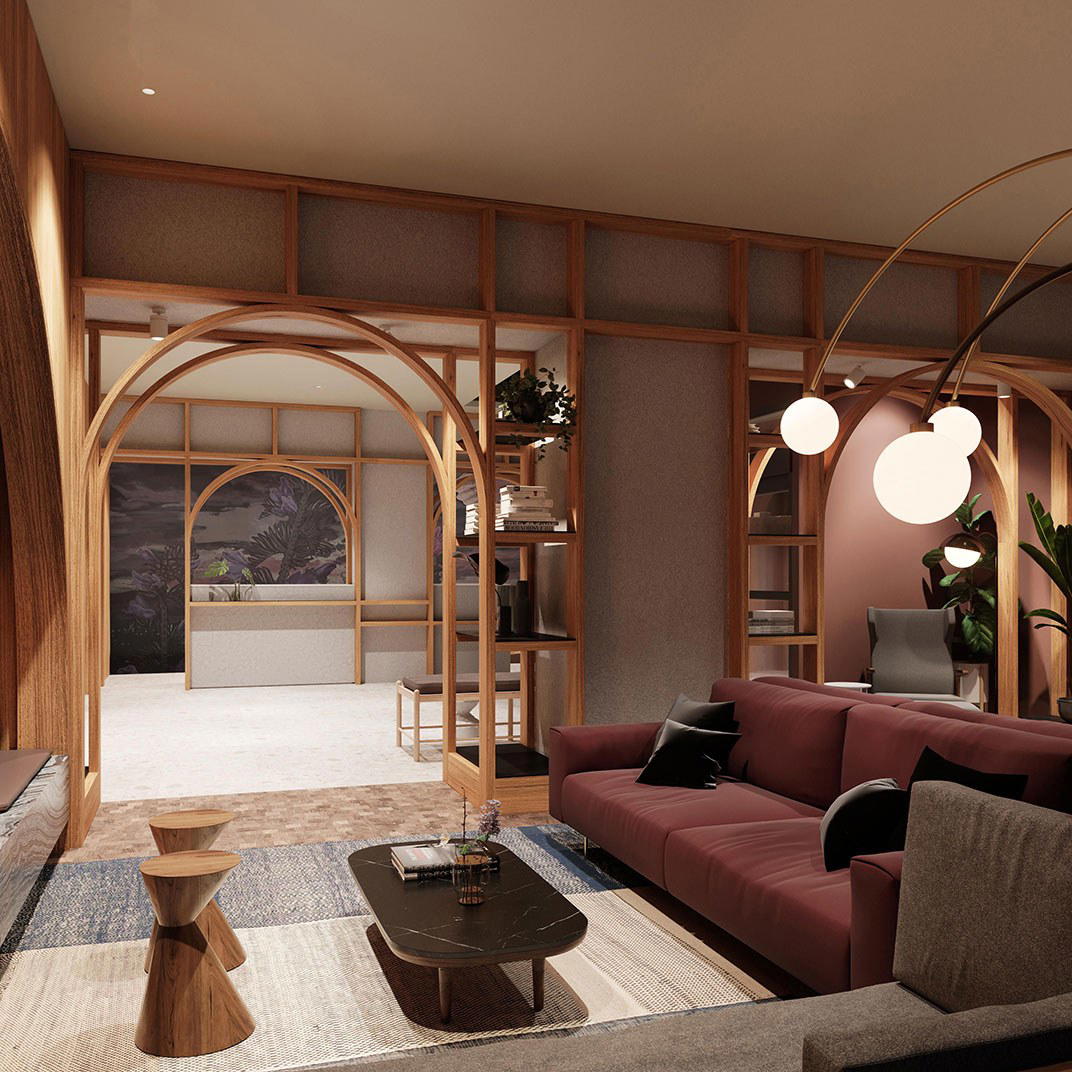
Warm, classic and cozy with candlelit tables across four elegantly designed rooms in a restored heritage mansion.