On the quieter eastern stretch of Gerrard Street, Batifole holds a specific place in Toronto's French bistro conversation: a neighbourhood room operating in the tradition of the unfussy Parisian brasserie, where the cuisine is the point and the room doesn't work to remind you of that. In a city where French cooking often arrives at either the white-tablecloth or the casual-crêperie end of the spectrum, Batifole occupies the middle register that France itself values most.
Pearl is the En Primeur Club membership app — saves, bookings, and concierge access live there. Same editors, same standards.
- Address
- 744 Gerrard St E, Toronto, ON M4M 1Y3, Canada
- Phone
- +14164629965
- Website
- batifole.ca
- Directions
- Get directions
 Saves & bookings on Pearl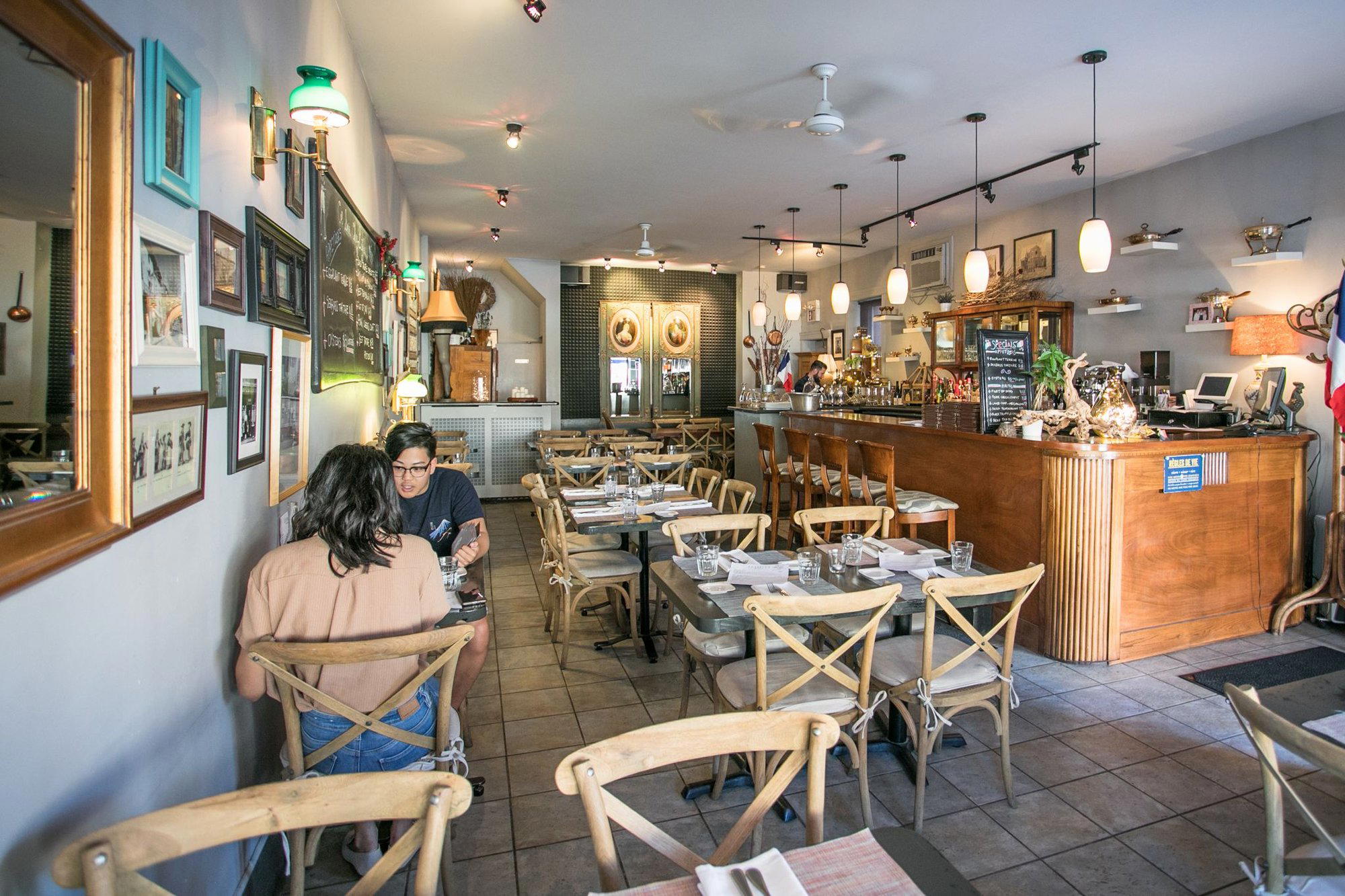
Gerrard East and the Bistro Tradition
Toronto's Gerrard Street East runs through Leslieville and the eastern edge of Riverdale with less fanfare than the dining corridors of King West or the Annex. That relative quietness is, in part, what makes it legible as a neighbourhood rather than a destination strip. Batifole, at 744 Gerrard St E, sits in that context: a room that draws from its surroundings rather than working against them. The approach mirrors what the French bistro format has always done at its most functional, absorb the character of the street outside and give it somewhere to eat.
The bistro, as a category, is frequently misread outside France. In Paris, the word signals a specific register: mid-scale, familiar, generous with time, organised around food that is technically grounded but not performative. It is not the brasserie (larger, louder, longer hours) and it is not the gastronomic restaurant (tasting menus, ceremony, occasion). The bistro sits between them, and that middle register is where France has historically produced some of its most consistent cooking. Batifole plants itself in that tradition on a Toronto side street, which is either an act of confidence or of quiet conviction, depending on your reading.
French Cooking in the Canadian City
Canadian cities carry a complicated relationship with French cuisine. In Quebec, the lineage is direct and culturally embedded, you can trace it through places like Aux Anciens Canadiens in Quebec and follow it forward through contemporary interpretations like Tanière³ in Quebec City, where classical French structure is reworked through a distinctly local ingredient lens. In Toronto and Vancouver, the relationship is more adoptive. French technique arrived as part of broader fine-dining infrastructure and has since dispersed through the kitchens of a generation of Canadian chefs, surfacing in everything from the Nordic-influenced room at AnnaLena in Vancouver to the contemporary format at Alo, which holds its position at the summit of Toronto's formal dining tier.
What Batifole represents is a different branch of that inheritance: not French technique applied to local ingredients or contemporary ambition, but the bistro format itself, transplanted and maintained. This is a narrower, more specific project. The risk is that it reads as pastiche. The argument in its favour is that the bistro format works because it was engineered over generations to work, and that Toronto, a city with the population density and cultural range to support genuine neighbourhood restaurants, is exactly the kind of city where it should find an audience.
Toronto's French dining options at the formal end of the market sit firmly in the $$$$ bracket, alongside peers like Don Alfonso 1890 and DaNico in the Italian register, or the Japanese kaiseki counter at Aburi Hana and the omakase precision of Sushi Masaki Saito. Batifole occupies a different position in the market: accessible enough to function as a neighbourhood regular, substantive enough to hold its own as a destination for the bistro specifically. That positioning is harder to sustain than it sounds, because it requires consistent kitchen discipline without the margin that high-end pricing provides.
What the Room Signals
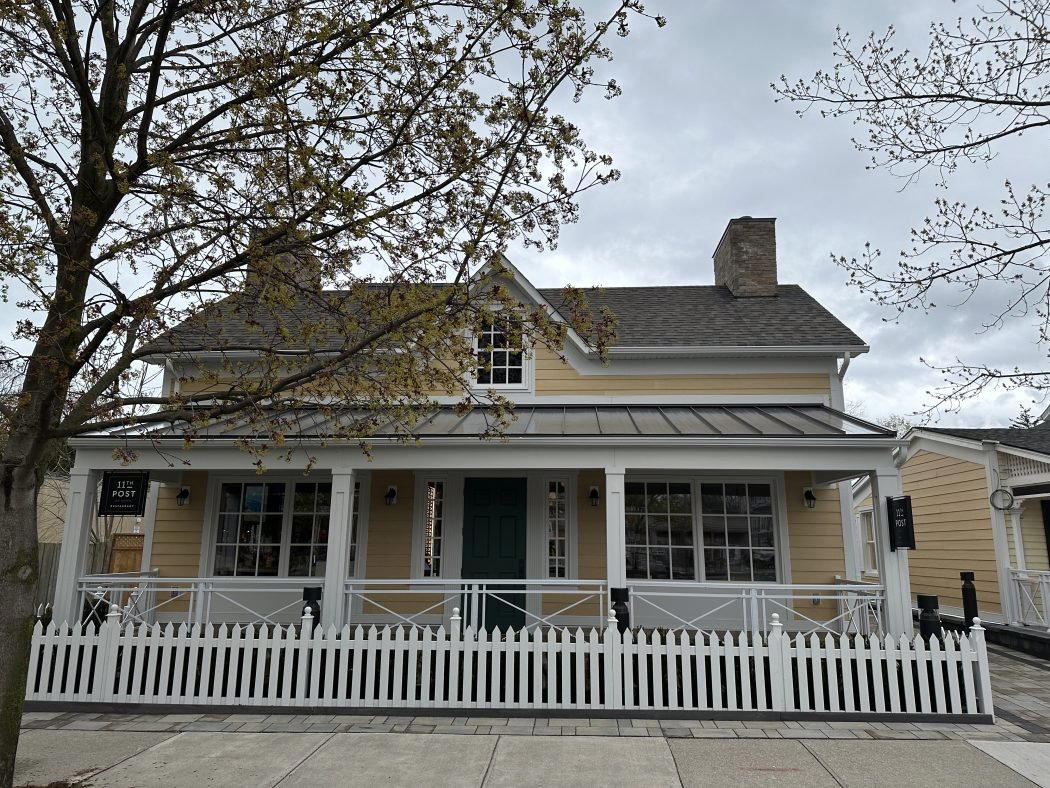
Approaching Batifole on Gerrard East, the immediate read is of a room that has resisted the renovations and rebranding cycles that tend to strip neighbourhood restaurants of whatever made them worth visiting. The bistro format, in its architectural grammar, is legible: modest frontage, interior proportions that favour conversation over spectacle, a dining room that does not ask to be photographed. This is intentional, even when it happens by default. The great Parisian bistros, the ones that have been in the same family for three generations and never appeared on a best-of list, look this way because function has always preceded aesthetics in that tradition.
For reference points further afield, the model that Batifole is working from sits closer to the neighbourhood conviction of Jérôme Ferrer - Europea in Montreal than to anything at the theatrical end of French dining. Within Ontario, the farm-rooted discipline of Eigensinn Farm in Singhampton and the ingredient-led focus at Restaurant Pearl Morissette in Lincoln suggest that the province has a genuine appetite for restaurants built around a specific culinary logic rather than a broad commercial appeal. Batifole's version of that logic is the bistro itself.
The Bistro as a Sustained Argument
Running a French bistro outside France is, in effect, a sustained argument that the format translates. The argument rests on a few specific conditions: a kitchen that can execute classical French preparations with consistency, a wine list that supports the food without overreaching, and a room that creates enough of the social warmth that makes a bistro feel like a bistro rather than a French restaurant. These are not interchangeable things. The French dining room at the summit of the market, as represented by a reference point like Le Bernardin in New York City, operates on entirely different terms: ceremony, precision, occasion. The bistro is about frequency and familiarity.
Toronto has enough French bistro-adjacent options that the category is not empty. But the genuine article, a room organised around the logic of the format rather than its aesthetics, is rarer. In that context, Batifole's position on Gerrard East reads less like a neighbourhood accident and more like a considered placement: far enough from the main dining corridors to attract a local clientele, close enough to the broader east-end dining scene to function as a reference point within it.
Comparable neighbourhood-rooted restaurants elsewhere in the EP Club network include Barra Fion in Burlington and The Pine in Creemore, both of which demonstrate that outside the major urban dining corridors, a restaurant built around a clear culinary identity can sustain itself on local loyalty rather than destination traffic alone. Batifole's Leslieville address puts it in a similar structural position within the larger city.
Fast Comparison
Comparable venues nearby, for context on price, style, and recognition.
| Venue | Cuisine | Price | Notes |
|---|---|---|---|
| BatifoleThis venue — the venue you are viewing | Authentic French Bistro | $$$ | Not listed |
| Rooftop at Le Germain Mercer | New-World French Rooftop | $$$ | Entertainment District |
| Le Sélect Bistro | Classic French Bistro | $$$ | Fashion District |
| Brownes Bistro | Classic French Bistro | $$ | Deer Park |
| Le Swan | French Diner | $$$ | Trinity Bellwoods |
| Le Baratin | Classic French Bistro | $$ | Little Portugal |
Continue exploring
More in Toronto
Restaurants in Toronto
Browse all →
Bars in Toronto
Browse all →
Hotels in Toronto
Browse all →


At a Glance
- Cozy
- Intimate
- Classic
- Date Night
- Special Occasion
- Standalone
- Extensive Wine List
Current opening hours
- Monday
- Closed
- Tuesday
- 5–9:30 PM
- Wednesday
- 5–9:30 PM
- Thursday
- 5–9:30 PM
- Friday
- 5–9:30 PM
- Saturday
- 5–9:30 PM
- Sunday
- Closed
Hours can change for holidays and private events. Last verified .
Cozy and charming bistro atmosphere with an earthy, unpretentious feel that makes guests feel at home.