De drie ridders

Michelin Plate
Our verdict
De drie ridders in Gijverinkhove holds a Michelin Plate for 2024 and 2025, earning. The kitchen draws from the agricultural depth of the Westhoek region, where polders, farms, and proximity to the coast create a distinct sourcing geography that shapes what arrives on the plate.

Pearl is the En Primeur Club membership app — saves, bookings, and concierge access live there. Same editors, same standards.
- Address
- Weegschede 1, 8691 Alveringem, Belgium
- Phone
- +32 474 77 75 18
- Hours
- Mon 7–7:30 PMTue–Wed ClosedThu–Sat 7–7:30 PMSun 1–1:30 PM
- Website
- dedrieridders.be
- Directions
- Get directions
- Booking
- Book on Zenchef
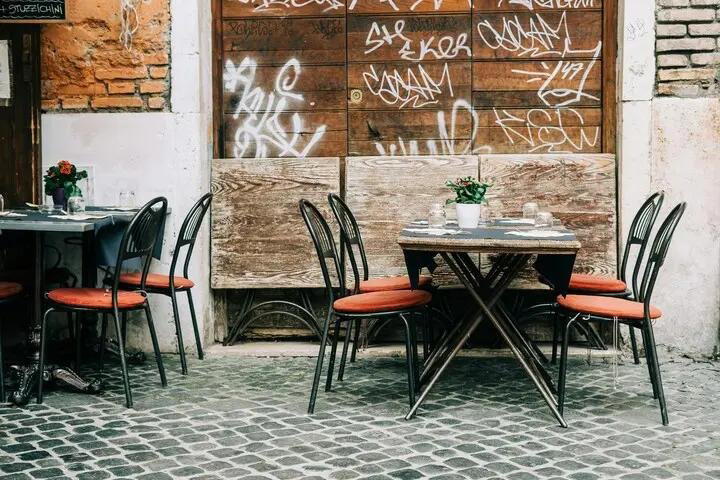
Where the Westhoek Feeds the Kitchen
West Flanders' interior is not a region that announces itself. The landscape between De Panne and Poperinghe is flat, agricultural, and largely overlooked by the restaurant circuits that concentrate around Bruges or the coast. Yet it is precisely this agricultural character that gives kitchens like De drie ridders in Gijverinkhove something that destination restaurants in denser cities have to work harder to access: direct proximity to the ingredients. The Westhoek is hop country, polder country, and close enough to the North Sea that coastal produce arrives with minimal transit. A seasonal kitchen in this corner of Belgium is not working against geography — it is working with one of the more coherent sourcing territories in the country.
De drie ridders sits on Weegschede 1 in Alveringem municipality, a setting that reflects the region's character without apology. Arriving here requires intent; this is not a restaurant you pass on the way to something else. That insularity from casual foot traffic is, for regular guests, part of the point.
Seasonal Cuisine in a Region Built for It
The Michelin Plate, awarded in both 2024 and 2025, places De drie ridders in a tier that Michelin reserves for kitchens demonstrating consistent quality cooking without yet reaching the star threshold. Across Belgium, the Plate cohort is large and varied, ranging from urban brasseries to rural tables with genuine ambition. What distinguishes the more serious entries in that tier is usually a coherent sourcing philosophy and technical discipline that punches toward the star conversation without quite crossing it yet.
Seasonal cuisine as a category has become something of a default declaration across European restaurant menus, but in the Westhoek it carries more operational specificity than in most cities. The region's farms are small-scale and the growing calendar is shaped by the maritime climate of the Belgian coast, cooler summers, milder winters, and a spring that arrives gradually rather than abruptly. Kitchens committed to genuine seasonality here are not simply swapping out a few menu items quarterly; they are working within a supply rhythm that the land itself sets. That constraint tends to produce more interesting cooking than abundance does.
Belgium has developed a strong regional dining identity in its rural west, with kitchens at various price points drawing from the same sourcing territory. Restaurants like Willem Hiele in Oudenburg and Bartholomeus in Heist have demonstrated that coastal and peri-coastal West Flanders can support serious dining ambition. De drie ridders operates inland from that coastal axis, in a quieter register and at a price point that positions it accessibly within the regional market.
Price, Peers, and Where This Kitchen Sits
At the €€€ price tier, De drie ridders occupies a clear position in the Belgian dining spectrum. The comparison set for starred or Plate-level ambition in Flanders skews expensive: Boury in Roeselare operates at €€€€ with three Michelin stars, while Castor in Beveren and Cuchara in Lommel both sit at €€€€ with two stars each. De Jonkman in Sint-Kruis, another two-star reference point in West Flanders, is similarly positioned at the higher price tier.
De drie ridders' €€€ positioning makes it a more accessible entry point to Michelin-recognised cooking in the region, not a compromise, but a different proposition. The seasonal focus suits a mid-tier pricing model well: when the kitchen is working with what the surrounding area produces rather than importing premium proteins from outside the region, the cost structure can support quality without requiring the top-end price bracket. This is the same logic that makes market-driven, hyper-local kitchens in rural France or rural Italy viable at price points below their urban equivalents.
For broader context on seasonal cuisine as a format across borders, Fields by René Mathieu in Luxembourg and Kirchenwirt in Leogang represent how the approach translates across different European sourcing territories, each shaped by its own agricultural and climatic conditions.
Planning a Visit
Gijverinkhove is a small village within the Alveringem commune in the southwestern corner of West Flanders, roughly equidistant from Veurne and Poperinghe. Getting here by car is the practical choice; public transport connections to this part of the Westhoek are limited. Given the rural setting and the 4.9 rating that signals consistent demand, reserving a table in advance is sensible, particularly for weekend evenings. The €€€ price range positions the experience comfortably within the range of a considered dinner out rather than an occasion-only spend, which likely contributes to its repeat-visitor character. For those exploring the wider region, our full Gijverinkhove hotels guide covers accommodation options in the area, and our full Gijverinkhove restaurants guide maps the broader dining context. If bars and producers are part of the itinerary, our Gijverinkhove bars guide, wineries guide, and experiences guide provide the rest of the picture.
For reference points elsewhere in the Belgian dining conversation, Bozar Restaurant in Brussels, Hof van Cleve in Kruishoutem, Zilte in Antwerp, L'air du temps in Liernu, and d'Eugénie à Emilie in Baudour illustrate how differently the country's serious kitchens interpret their respective territories and traditions.
Frequently asked questions
Is De drie ridders suitable for children?
De drie ridders runs a seasonal cuisine menu at the €€€ price tier, which signals a kitchen focused on composed, course-driven dining rather than casual family formats. That context tends to suit older children comfortable with multi-course meals more than younger ones. Confirming suitability directly with the restaurant before booking is advisable.
What's the overall feel of De drie ridders?
The setting is a small village within the Alveringem commune in the agricultural interior of West Flanders, which puts De drie ridders firmly in the category of destination rather than city-centre dining. The Michelin Plate recognition in both 2024 and 2025 points to a kitchen operating with consistent ambition, and the €€€ price range suggests a considered, unhurried pace rather than a casual drop-in format.
Is De drie ridders Michelin-listed?
De drie ridders has received recognition including: Michelin Plate (2025); Michelin Plate (2024).
What's the signature dish at De drie ridders?
For current dish information, contacting the restaurant directly or checking their website is the most reliable route.
What should I budget for a meal at De drie ridders?
Pricing at De drie ridders is listed as €€€.
Fast Comparison
| Venue | Cuisine | Awards |
|---|---|---|
| De drie riddersThis venue — the venue you are viewing | Modern Belgian Terroir | Michelin Plate |
| Boury | Modern Frlemish, Creative French | Michelin 3 Star |
| Comme chez Soi | French - Belgian, Classic Cuisine | Michelin 1 Star |
| Hertog Jan at Botanic | Modern Flemish, Creative | Michelin 2 Star |
| L'Eau Vive | French, Modern French | Michelin 2 Star |
| La Durée | French-Belgian, Creative | Michelin 2 Star |
Recognition history
Dated appearances from independent guides and award organizations, with the underlying list record or original source where available.
Michelin Plate
Michelin
Full recognition history (3 entries)
Michelin Plate
Michelin
Michelin Plate
Michelin
Continue exploring
More in Gijverinkhove
Restaurants in Gijverinkhove
Browse all →
Bars in Gijverinkhove
Browse all →
Hotels in Gijverinkhove
Browse all →
Wineries in Gijverinkhove
Browse all →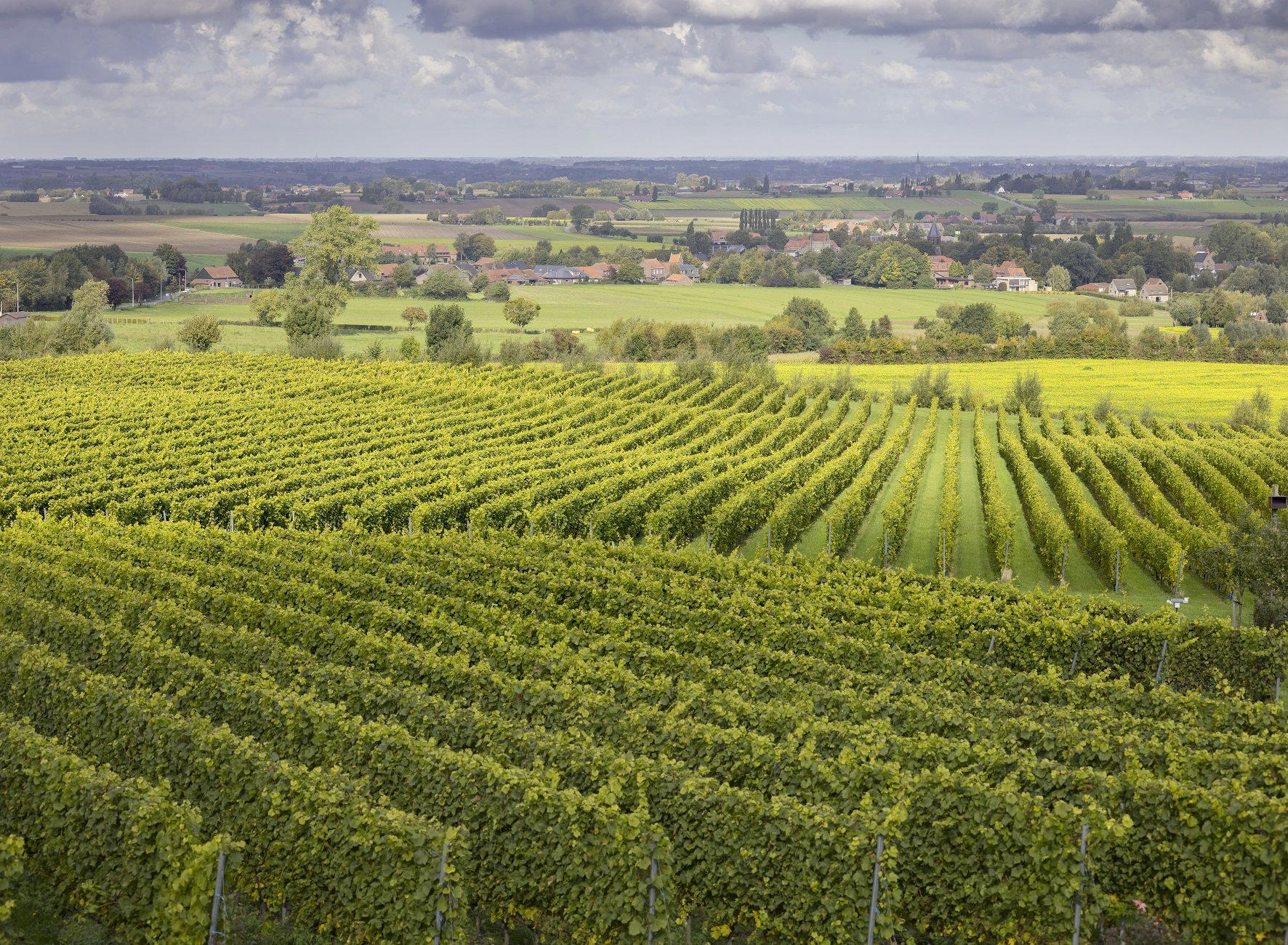
De drie ridders
The wine
- Wine program
- Curated wine list
- Extensive wine list
Details
- Cozy
- Rustic
- Intimate
- Classic
- Date Night
- Special Occasion
- Historic Building
- Extensive Wine List
- Local Sourcing
- Set Menu
- Vegetarian Friendly
Current opening hours
- Monday
- 7–7:30 PM
- Tuesday
- Closed
- Wednesday
- Closed
- Thursday
- 7–7:30 PM
- Friday
- 7–7:30 PM
- Saturday
- 7–7:30 PM
- Sunday
- 1–1:30 PM
Hours can change for holidays and private events. Last verified .
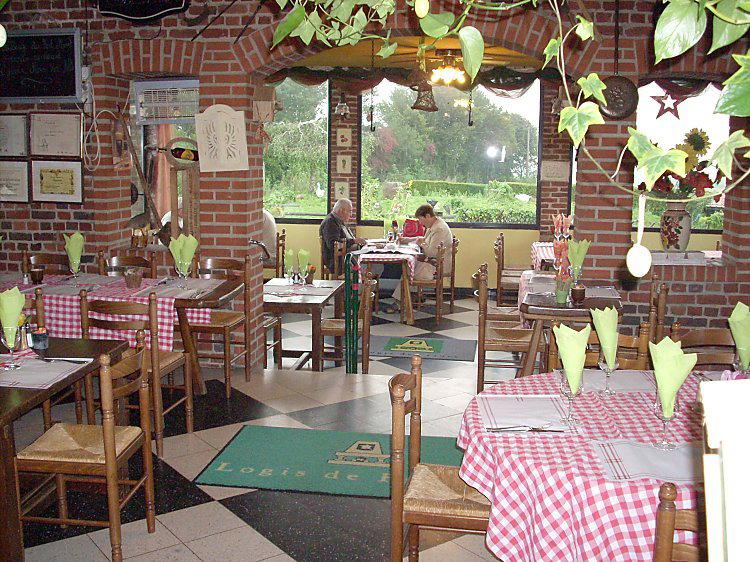
Warm and authentic atmosphere with a huge fireplace, period flooring, red and green decor, cozy village cafe vibe blended with thoughtful design.