
Falstaff Winery - Listed
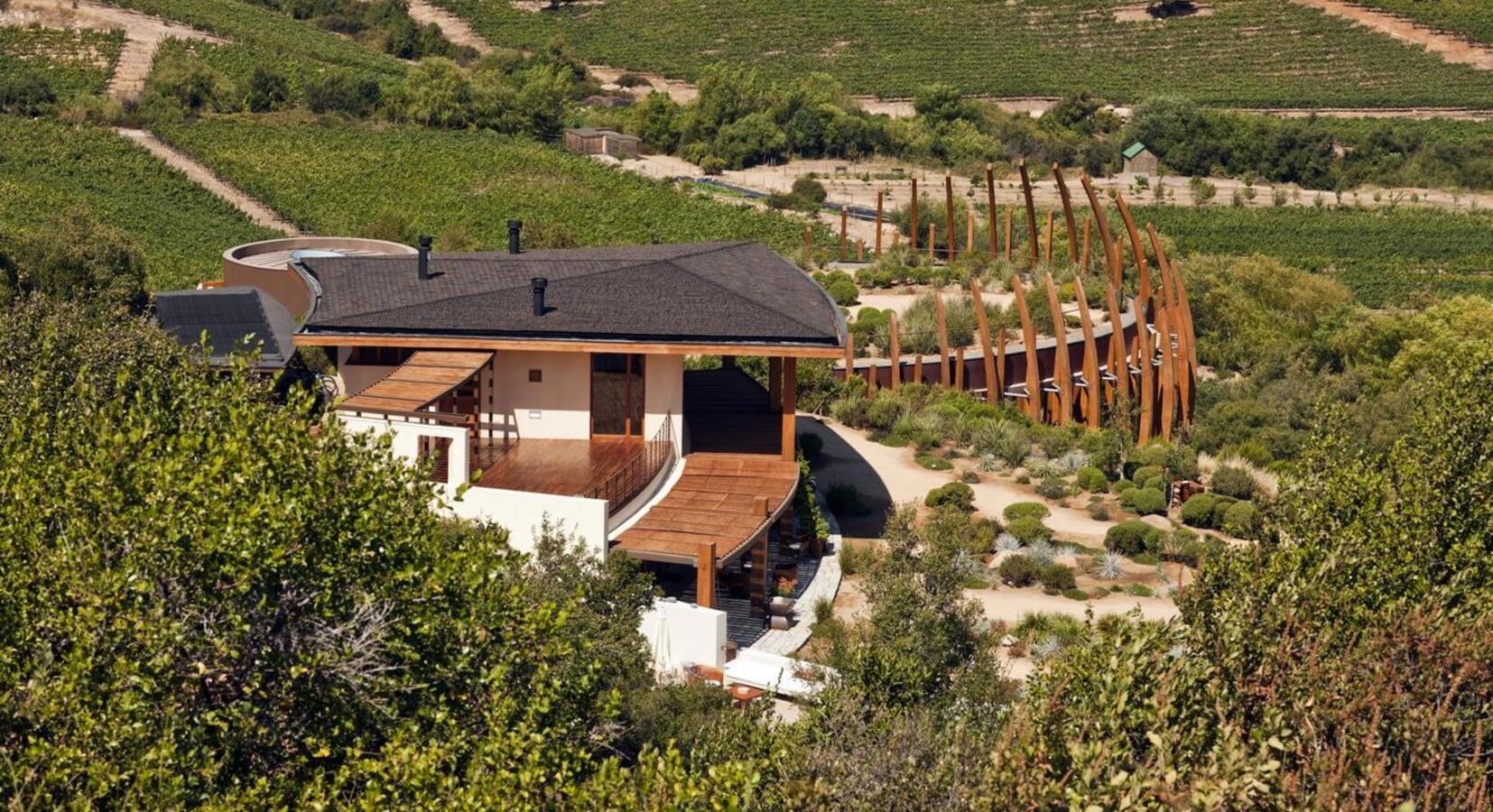
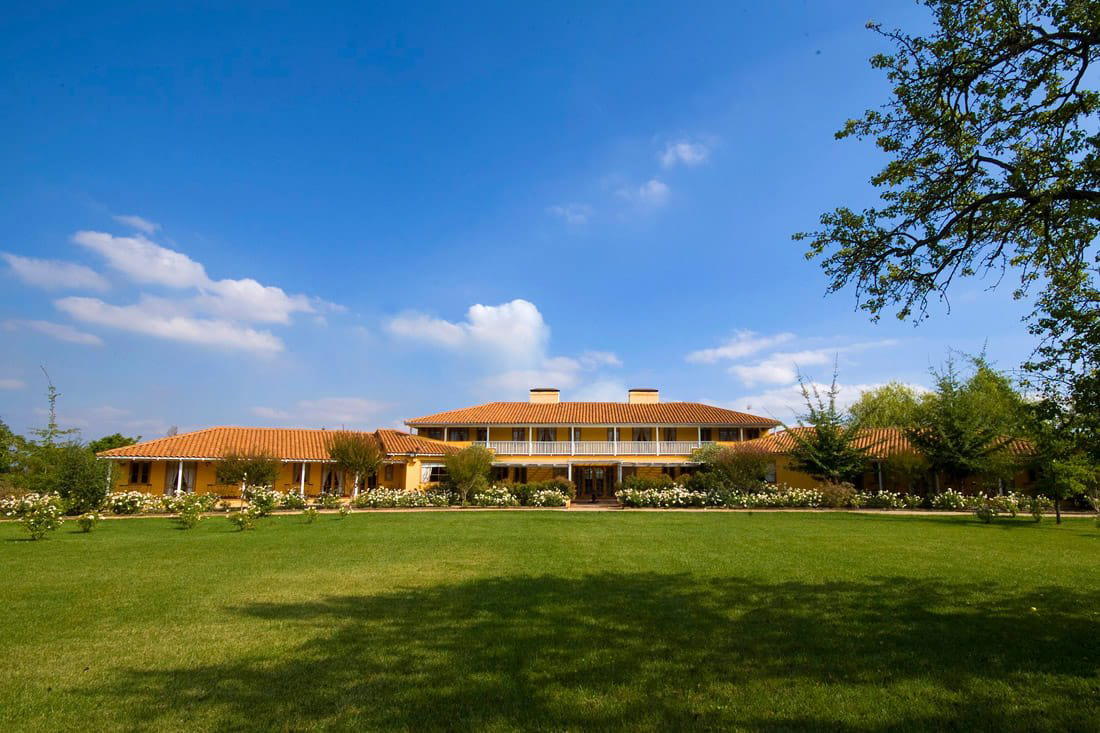
Viña Caliterra operates from Palmilla in the heart of the Colchagua Valley, one of Chile's most consequential red-wine corridors. For anyone tracing how Andean soils and a Pacific-tempered climate translate directly into the glass, Caliterra is a clear reference point.

Pearl is the En Primeur Club membership app — saves, bookings, and concierge access live there. Same editors, same standards.
- Address
- Palmilla, O'Higgins
- Phone
- +56 72 286 1663
- Website
- caliterra.com
- Directions
- Get directions
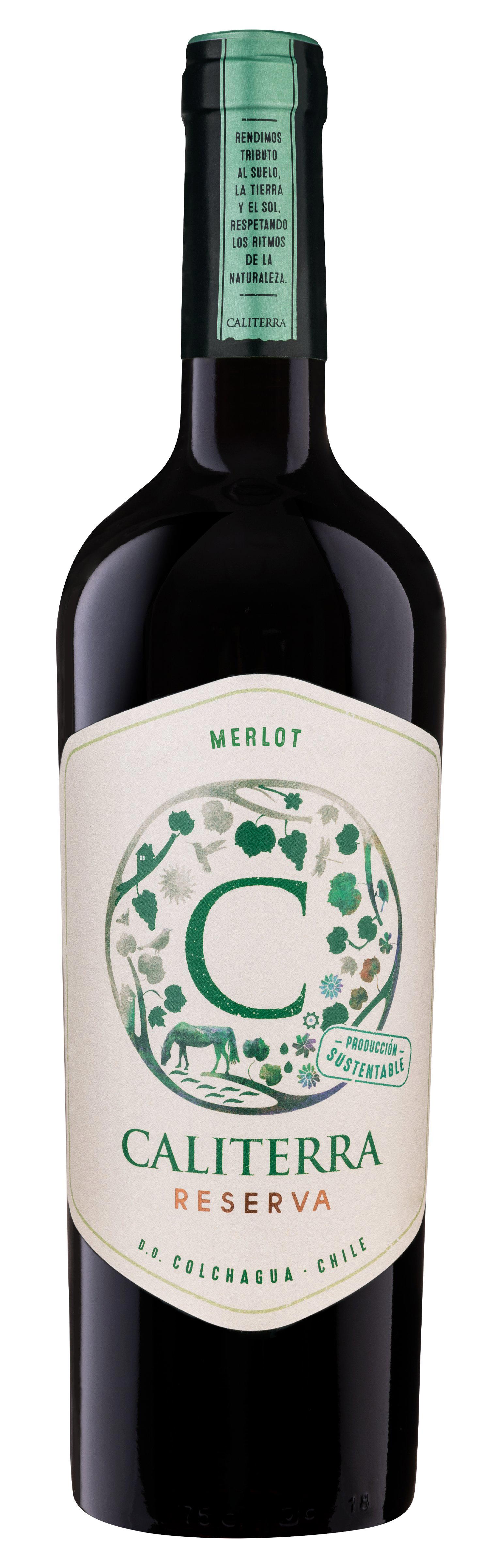
Colchagua's Terroir Logic, Expressed at Palmilla
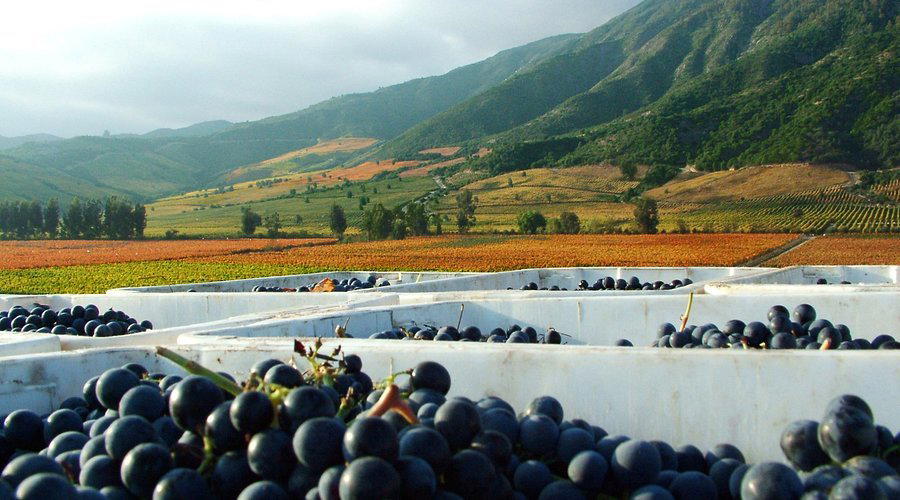
The Colchagua Valley earns its reputation through geography before anything else. Sitting roughly 180 kilometres south of Santiago, the valley runs east to west, funnelling cold air off the Pacific and channelling snowmelt from the Andes through a network of river systems that feed the vineyards below. The result is a continental climate with maritime moderation: warm, dry growing seasons that accumulate phenolic ripeness, checked by cool nights that preserve acidity and aromatic precision. This tension between heat and cold is what makes Colchagua a more complex proposition than its sunbaked image suggests, and it is the primary variable that distinguishes one estate's output from another within a valley that spans hundreds of kilometres.
Viña Caliterra sits within the Palmilla sub-zone, a specific corridor within the broader valley that positions it close to Viña MontGras, one of the area's benchmark producers. Palmilla is far enough east to retain Andean influence while remaining accessible to cooling vectors from the coast, a combination that supports structured red varieties without sacrificing freshness. The address alone signals something about the winemaking philosophy that tends to emerge from this corner of Colchagua: wines built around integration rather than extraction, where the land does most of the framing.
The rating is not a single-vintage acknowledgement but a reflection of sustained performance, and it positions Caliterra within the same peer conversation as other Colchagua producers who have earned structured recognition rather than relying on regional reputation alone.
For comparison, Viña Koyle and Viña Sutil represent Colchagua producers working within a similar register of critical seriousness. Further afield in Chilean wine country, the conversation about sustained quality at altitude and latitude shifts considerably: Viña Falernia in Vicuña operates under entirely different thermal and elevation conditions in the Elqui Valley, while Viña De Martino in Isla de Maipo works from the cooler margins of the Maipo corridor. These are not direct competitors to Caliterra but useful calibration points for understanding how different sub-regions within Chile resolve the same fundamental winemaking questions.
How Colchagua's Soil Profile Shapes the Glass
Colchagua's soils are not uniform, and Palmilla's section of the valley combines clay-loam substrates with alluvial deposits that retain moisture at depth without saturating the root zone. This forces vines to work downward for water, a stress regime that concentrates flavour at the berry level and produces wines where concentration feels earned rather than boosted. The combination of well-drained topsoil and clay retention below is a profile associated with structured Cabernet Sauvignon and Carménère, the two varieties that have come to define Colchagua's premium identity over the last two decades.
Carménère deserves specific attention here. Long misidentified as Merlot in Chilean vineyards and only correctly classified in the mid-1990s, the variety has since become Colchagua's most legible argument for originality: a grape that exists in commercial production almost nowhere else with this level of seriousness. In clay-heavy Colchagua soils, Carménère develops the herbal complexity and dark-fruit concentration that distinguishes it from its Bordeaux counterparts. Caliterra's Palmilla positioning places it squarely within the geography where this argument is made most convincingly. For producers in the broader Rapel region, the evidence trail for Carménère runs through Colchagua more than anywhere else in Chile.
Reading Caliterra Against the Chilean Premium Tier
Chile's wine industry has stratified considerably since the early 2000s. The premium tier now includes a recognisable cohort of producers with serious international distribution, critical support, and clear terroir-based identities. Viña Seña in Panquehue, for instance, operates as a Aconcagua Valley benchmark for blended reds with Bordeaux-aligned aspirations and commands pricing that reflects that positioning. At the other end of the scale, volume producers like Viña Undurraga in Talagante and Viña Valdivieso in Lontué operate across a wider quality range with broader market reach.
Viña Ventisquero in Santiago offers another point of reference: a producer with serious credentials and multiple regional expressions, demonstrating how Chilean estates can maintain coherence across geographically diverse sourcing. Caliterra's Palmilla anchor, by contrast, suggests a more focused geographical identity, which tends to produce wines that read more specifically as a place argument rather than a range argument.
For readers cross-referencing Caliterra against international producers at a similar prestige tier, Accendo Cellars in St. Helena offers a useful Napa contrast: a small-production Cabernet house where site specificity and critical recognition define the positioning. The comparison is about philosophy rather than geography, both producers using land identity as the primary claim. And for a completely different tradition, Aberlour in Aberlour illustrates how place-driven premium identity works in single malt Scotch, where the distillery's address carries as much weight as any production decision.
Planning a Visit to Colchagua
Palmilla sits within Chile's O'Higgins region, accessible from Santiago via the Ruta 5 south corridor with a turn-off toward San Fernando and then into the valley proper. The drive from Santiago runs approximately two to two-and-a-half hours depending on traffic, making the valley workable as a day trip but more rewarding over two nights, which allows visits to multiple estates in the area including Viña Casa Silva in San Fernando and others clustered around Santa Cruz. The town of Santa Cruz serves as the valley's primary hospitality hub, with accommodation and restaurant options that have grown in quality alongside the wine region's profile over the past decade. Harvest season, broadly February through April in Colchagua, is when the valley operates at maximum intensity and when visiting producers means encountering working cellars rather than polished tasting rooms. Those who prefer quieter access and more attentive hosting typically find the shoulder months of November or May more practical. Booking visits directly through each estate, or coordinating through a specialist operator, is the standard approach in this part of Chile, as walk-in access at premium producers is inconsistent. Our full Colchagua guide covers the broader logistics and regional context for planning time in the valley. For those building a wider Chilean wine itinerary, El Gobernador (Miguel Torres Chile) in Curicó sits to the north in the Curicó Valley, while Pisco Alto del Carmen Distillery in Huasco extends the spirits dimension of a Chilean producer tour into the northern desert valleys.
Fast Comparison
Comparable venues nearby, for context on price, style, and recognition.
| Venue | Cuisine | Price | Awards | Notes |
|---|---|---|---|---|
| Viña CaliterraThis venue — the venue you are viewing | Cabernet Sauvignon, Carmenere | Not listed | Falstaff Winery - Listed | Not listed |
| Viña Sutil | Cabernet Sauvignon, Carmenere | Not listed | Not listed | Peralillo |
| Viña Koyle | Carmenere, Garnacha | Not listed | Not listed | Los Lingues, Alto Colchagua |
| El Gobernador (Miguel Torres Chile) | Cabernet Sauvignon, Malbec | Not listed | Not listed | Curicó Valley |
| Bouchon Family Wines | País, Carmenère | Not listed | Falstaff Winery - Listed | Mingre |
| Viña De Martino | Carmenère, Cabernet Sauvignon | $20–30 | Falstaff Winery - Listed | Isla de Maipo |
Recognition history
Dated appearances from independent guides and award organizations, with the underlying list record or original source where available.
Falstaff Winery - Listed
Falstaff
Continue exploring
More in Colchagua
Wineries in Colchagua
Browse all →
Restaurants in Colchagua
Browse all →

Details
- Scenic
- Elegant
- Rustic
- Wine Education
- Group Outing
- Special Occasion
- Vineyard Tour
- Estate Grounds
- Barrel Room
- Panoramic View
- Sustainable
- Organic
- Vineyard
- Mountain
- Cabernet Sauvignon
- Carmenere
- Malbec
- Sauvignon Blanc
- Chardonnay
- Syrah
- Merlot
- Still Red
- Still White
- Vineyard Tour
- Cellar Visit
- Wine Tasting
- Vineyard Adventure
- Spanish
- English
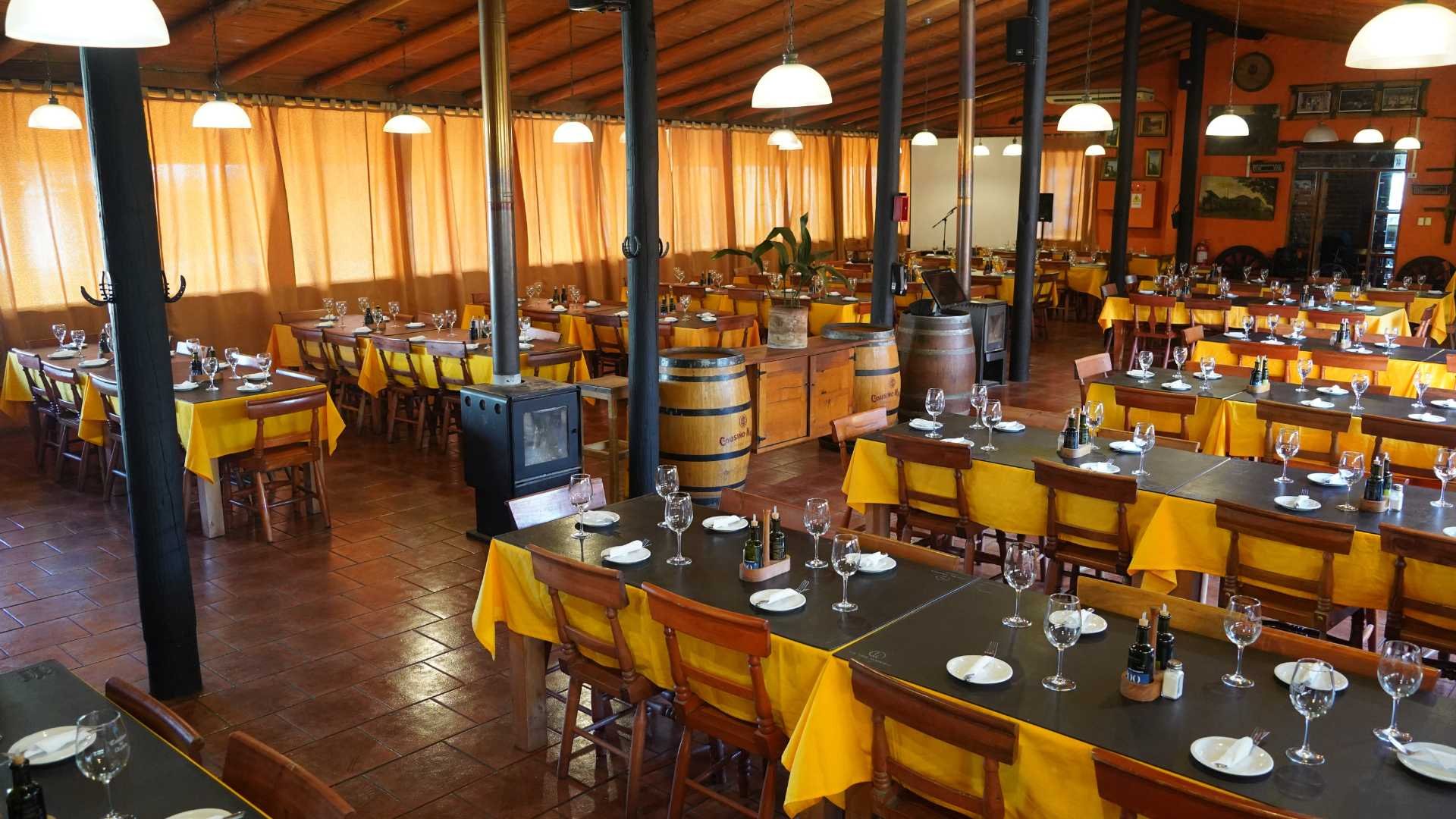
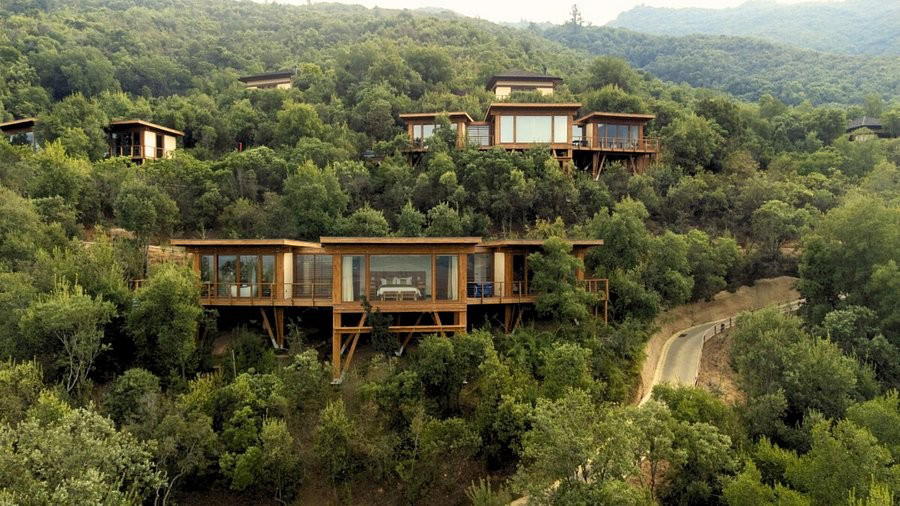
Natural and earthy atmosphere reflecting the vineyard landscape, with emphasis on connection to the land and sustainable practices throughout the estate.