Langwies Wirtshaus

Michelin Plate
Our verdict
Langwies Wirtshaus in Bad Vigaun holds consecutive Michelin Plate recognition for 2024 and 2025, placing it firmly within the Salzburg region's mid-range seasonal dining circuit. The kitchen draws consistent praise for its grounding in Austrian seasonal tradition. Price point sits at the accessible end of the Michelin-acknowledged tier, making it a practical entry into the region's recognised dining.

Pearl is the En Primeur Club membership app, where members save venues, book tables and use the concierge.
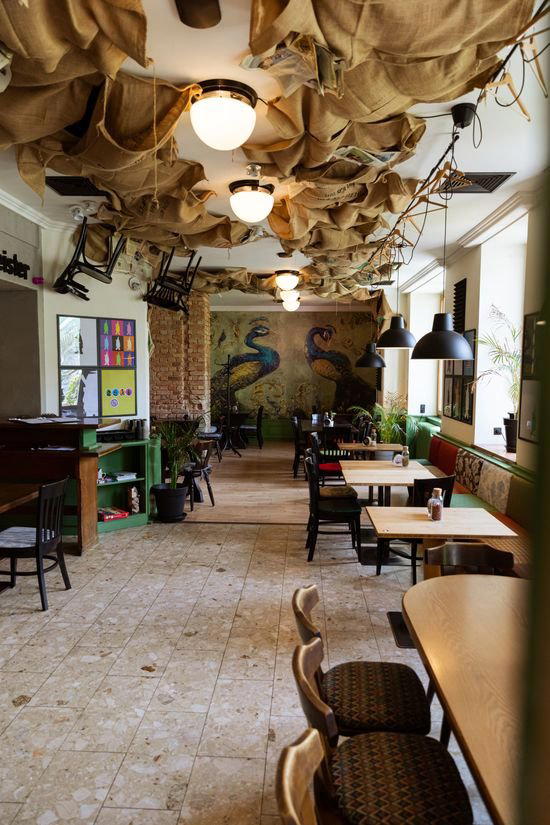
A Village Wirtshaus With Michelin Eyes on It
The Austrian Wirtshaus is one of Central Europe's most durable dining formats: a community-rooted inn where the kitchen runs on what the season provides and the room is expected to feel lived-in rather than stage-managed. In Salzburg's Tennengau district, that tradition holds with particular conviction. The villages south of Salzburg city, strung along the Salzach valley between Hallein and Golling, have long operated their own dining ecosystem, one that sits at some remove from the metropolitan prestige of the capital but has earned recognition on its own terms. Bad Vigaun's Langwies Wirtshaus belongs to this tradition, and its consecutive Michelin Plate awards in 2024 and 2025 confirm that the kitchen is doing something worth the detour.
Seasonal Cuisine in the Tennengau Context
Seasonal cooking in Austria carries specific meaning. It is not simply a menu philosophy but a structural reality shaped by altitude, climate, and supply chains that have operated on agricultural rhythms for centuries. In the Salzburg alpine foothills, that means game in autumn, river fish from the Salzach and its tributaries, dairy from nearby farms, and root vegetables and cured meats carrying kitchens through the winter months. A Wirtshaus in this zone is expected to reflect those cycles directly, and the better ones do so without mediation: what arrives on the plate connects visibly to what grows or grazes within a short radius.
Langwies Wirtshaus operates within this framework at the €€ price tier, positioning it as the accessible end of Michelin-acknowledged seasonal dining in the region. That price positioning matters editorially: it signals a kitchen that earns recognition through quality of ingredient sourcing and cooking discipline rather than through elaborate tasting-menu architecture.
Where It Sits in the Regional Dining Picture
To understand Langwies Wirtshaus properly, it helps to map it against the broader dining geography of Salzburg and its surrounding valleys. At one end of the spectrum sit the multi-award flagships: Döllerer in Golling an der Salzach, with its emphasis on innovative Alpine cuisine and a position near the best of the Austrian fine dining hierarchy, and Ikarus in Salzburg, operating at the €€€€ level with an international rotating-chef concept. Obauer in Werfen similarly occupies the highest recognition tier for classic cuisine in the Salzach corridor. These are destination restaurants where the price of entry reflects years of Michelin star accumulation and deliberate culinary ambition.
Langwies Wirtshaus does not compete in that bracket, nor does it try to. Kirchenwirt in Leogang and Mesnerhaus in Mauterndorf occupy similar positions: regionally grounded seasonal kitchens with Michelin visibility but without the price inflation that accompanies starred status. Kräuterreich by Vitus Winkler in Sankt Veit im Pongau represents a slightly different variant of this, herb-forward and more conceptually developed, but shares the commitment to alpine seasonal sourcing. The closest local peer, Kellerbauer, operates in the same village and provides a useful point of direct comparison for visitors to Bad Vigaun.
Further across the Austrian alpine restaurant scene, Gourmetrestaurant Tannenhof in Sankt Anton am Arlberg, Griggeler Stuba in Lech, Schwarzer Adler in Hall in Tirol, Ois in Neufelden, and Restaurant 141 by Joachim Jaud in Mieming each illustrate how the Michelin-acknowledged mid-tier in Austria spans geographies and formats while sharing a common thread: kitchens anchored to place rather than to international fine dining convention. Steirereck im Stadtpark in Vienna stands at the other end of that spectrum, as a reference point for what seasonal Austrian cuisine looks like when it reaches the highest level of formal recognition.
The Wirtshaus Format and Why It Endures
The longevity of the Wirtshaus as a dining institution in the German-speaking Alpine world is worth pausing on. Unlike the French bistro or the Italian trattoria, which have both undergone significant commercial dilution in tourist markets, the Wirtshaus retains a functional social role in Austrian rural communities. It is simultaneously the village restaurant, the gathering point for local farmers and tradespeople, and the place visitors arrive seeking something that feels rooted rather than performed. The better examples of the format, those with Michelin acknowledgement, have maintained this dual function without resolving the tension between them by tilting entirely toward either audience.
A Michelin Plate, as distinct from a star, recognises cooking quality without implying the full apparatus of fine dining service, extensive wine programming, or tasting-menu formats. For a Wirtshaus, that distinction is meaningful: it marks a kitchen that takes its ingredients and its technique seriously without abandoning the accessibility that defines the format's social contract.
Planning a Visit
Bad Vigaun sits roughly 20 kilometres south of Salzburg city, accessible by road through the Tennengau corridor. The village is small and the Wirtshaus at Langwies 22 is a destination in itself rather than part of a larger hospitality cluster, though pairing a meal here with exploration of the Salzach valley's broader dining scene, including the nearby options in Golling and Hallein, makes for a coherent half-day or full-day excursion from Salzburg. As a €€ establishment with Michelin recognition, booking in advance is advisable, particularly on weekends and during the summer and autumn seasons when the Salzburg region draws visitors around the music festival and hunting season respectively. Phone and website details are not currently listed in public databases; approaching directly via the address or through local tourism resources is the practical route for reservations. For a fuller picture of what Bad Vigaun offers beyond this address, see our full Bad Vigaun restaurants guide, our full Bad Vigaun hotels guide, our full Bad Vigaun bars guide, our full Bad Vigaun wineries guide, and our full Bad Vigaun experiences guide.
Frequently asked questions
Where is Langwies Wirtshaus located?
Langwies Wirtshaus is located at Langwies 22, 5424 Bad Vigaun, Austria, Bad Vigaun.
How far ahead should I plan for Langwies Wirtshaus?
Bad Vigaun is a small village and Langwies Wirtshaus operates at the €€ tier, which generally means a neighbourhood-scale room rather than a sprawling dining hall. Two years of Michelin Plate recognition tend to draw visitors from Salzburg city, roughly 20 kilometres north, so booking a week or two in advance for weekend tables is a reasonable precaution, particularly in summer and during the Salzburg Festival period.
What's Langwies Wirtshaus best at?
The Michelin Plate across 2024 and 2025 points to a kitchen that executes seasonal Austrian cooking with enough rigour to hold a reviewer's attention two years running. In the Tennengau context, that means a Wirtshaus format, community-rooted rather than destination-restaurant in scale, where the cooking reflects the Alpine supply calendar rather than a fixed international menu. It occupies a position that bridges everyday inn dining and recognisably considered cooking.
Cost and Credentials
| Venue | Cuisine | Price | Awards | Notes |
|---|---|---|---|---|
| Langwies WirtshausThis venue (the venue you are viewing) | Contemporary Austrian Seasonal Cuisine | $30–50 | Michelin Plate | Not listed |
| Steirereck im Stadtpark | Modern Austrian Fine Dining | $200–300 | 3 Michelin Stars · World's 50 Best #33 | Creative |
| Döllerer | Modern Alpine Cuisine | $100–150 | 2 Michelin Stars · La Liste Top Restaurants | Contemporary Austrian, Innovative |
| Ikarus | Guest Chef Fine Dining | $200–300 | 2 Michelin Stars · La Liste Top Restaurants | Modern European, Creative |
| Mraz & Sohn | Contemporary Austrian Fusion | $150–200 | 2 Michelin Stars · La Liste Top Restaurants | Modern Austrian, Creative |
| Obauer | Modern Austrian Fine Dining | $50–100 | 2 Michelin Stars · La Liste Top Restaurants | Classic Cuisine |
Recognition history
Dated appearances from independent guides and award organizations, with the underlying list record or original source where available.
Michelin Plate
Michelin
Full recognition history (3 entries)
Michelin Plate
Michelin
Michelin Plate
Michelin
Continue exploring
More in Bad Vigaun
Restaurants in Bad Vigaun
All restaurants in Bad Vigaun →
Bars in Bad Vigaun
Browse all →
Details
- Rustic
- Cozy
- Scenic
- Family
- Special Occasion
- Historic Building
- Local Sourcing
- Farm To Table
- Mountain
- Garden
- A La Carte
- Vegetarian Friendly
Current opening hours
- Monday
- 4 PM–1 AM
- Tuesday
- 4 PM–1 AM
- Wednesday
- 4 PM–1 AM
- Thursday
- 4 PM–1 AM
- Friday
- 4 PM–1 AM
- Saturday
- 10 AM–1 AM
- Sunday
- Closed
Hours can change for holidays and private events. Hours as of .
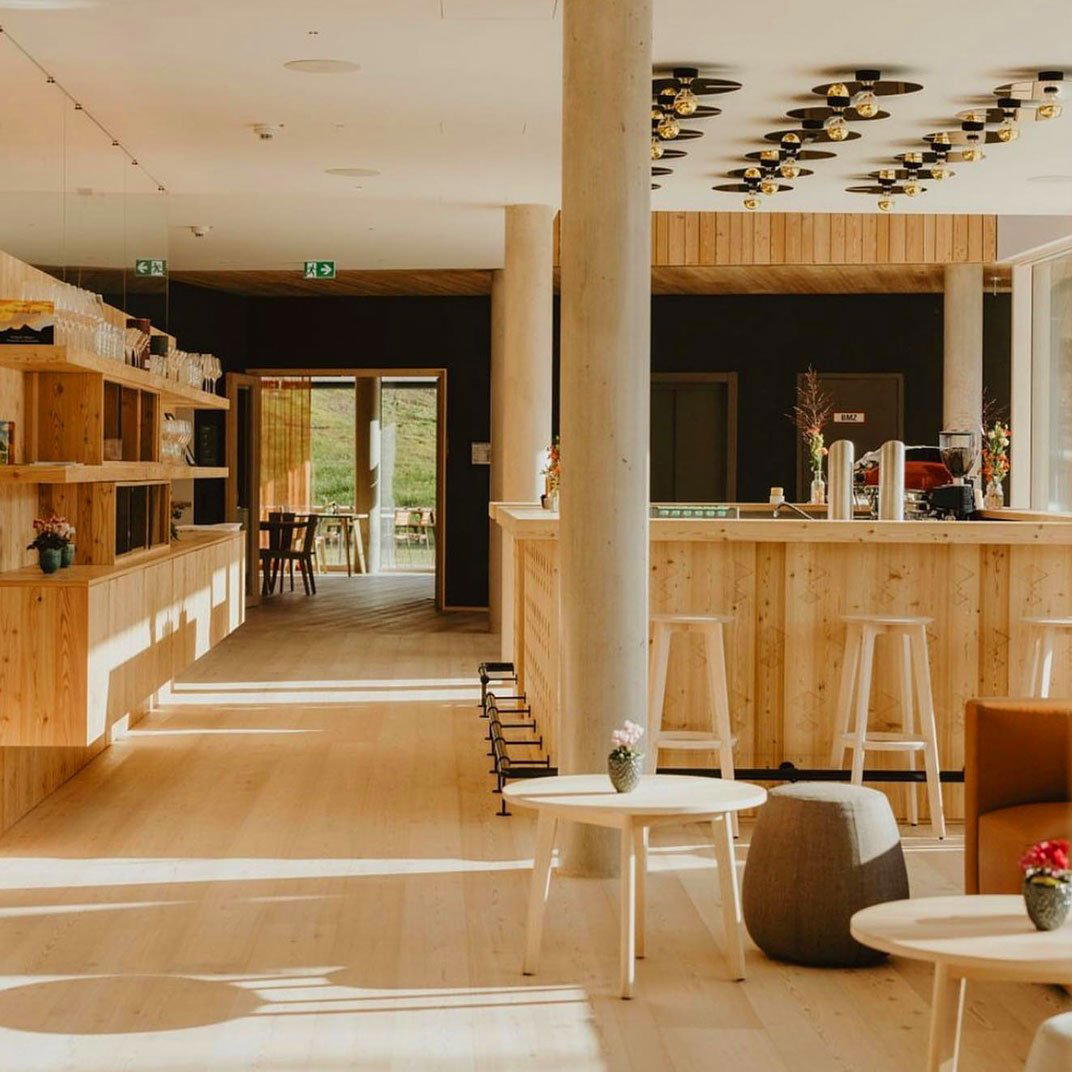
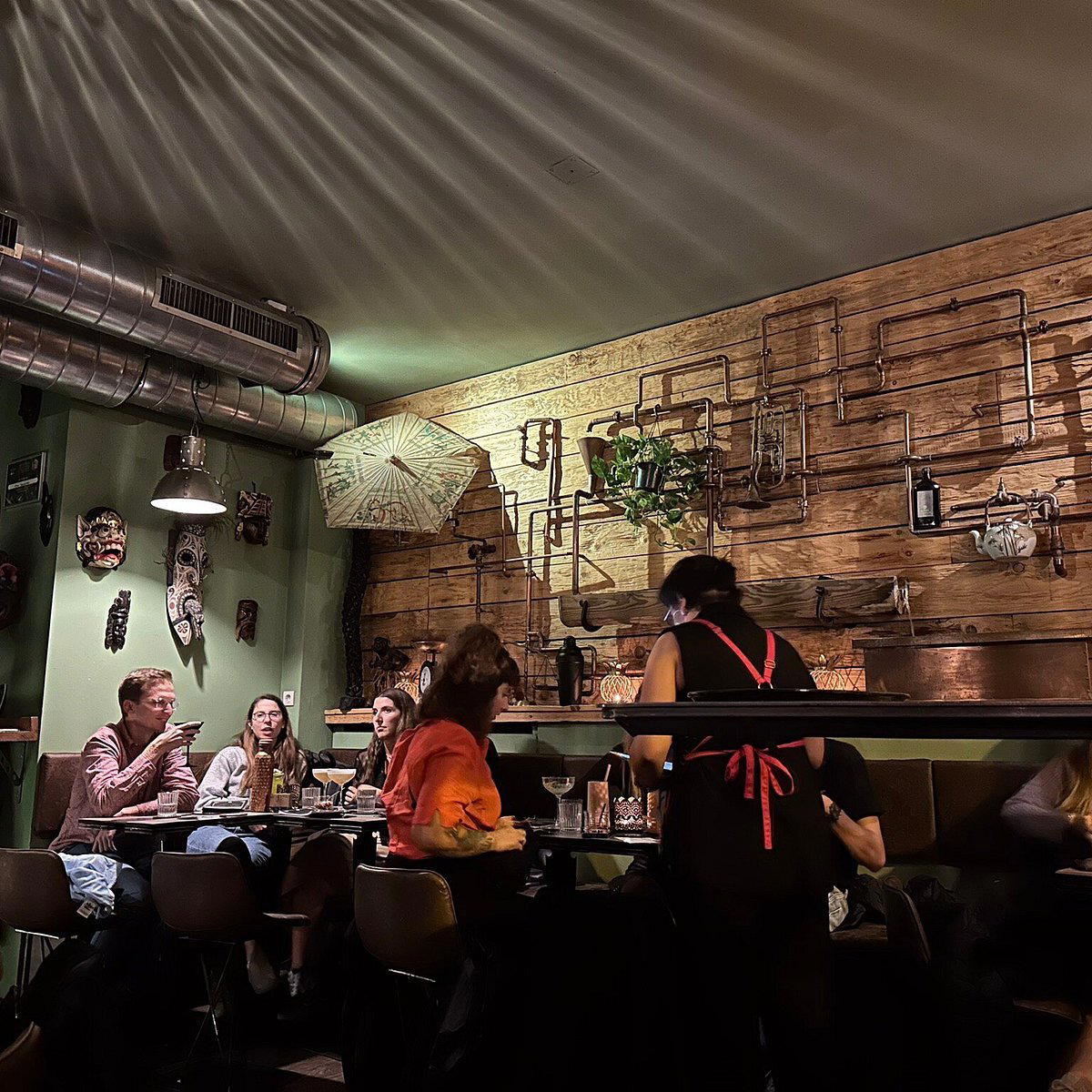
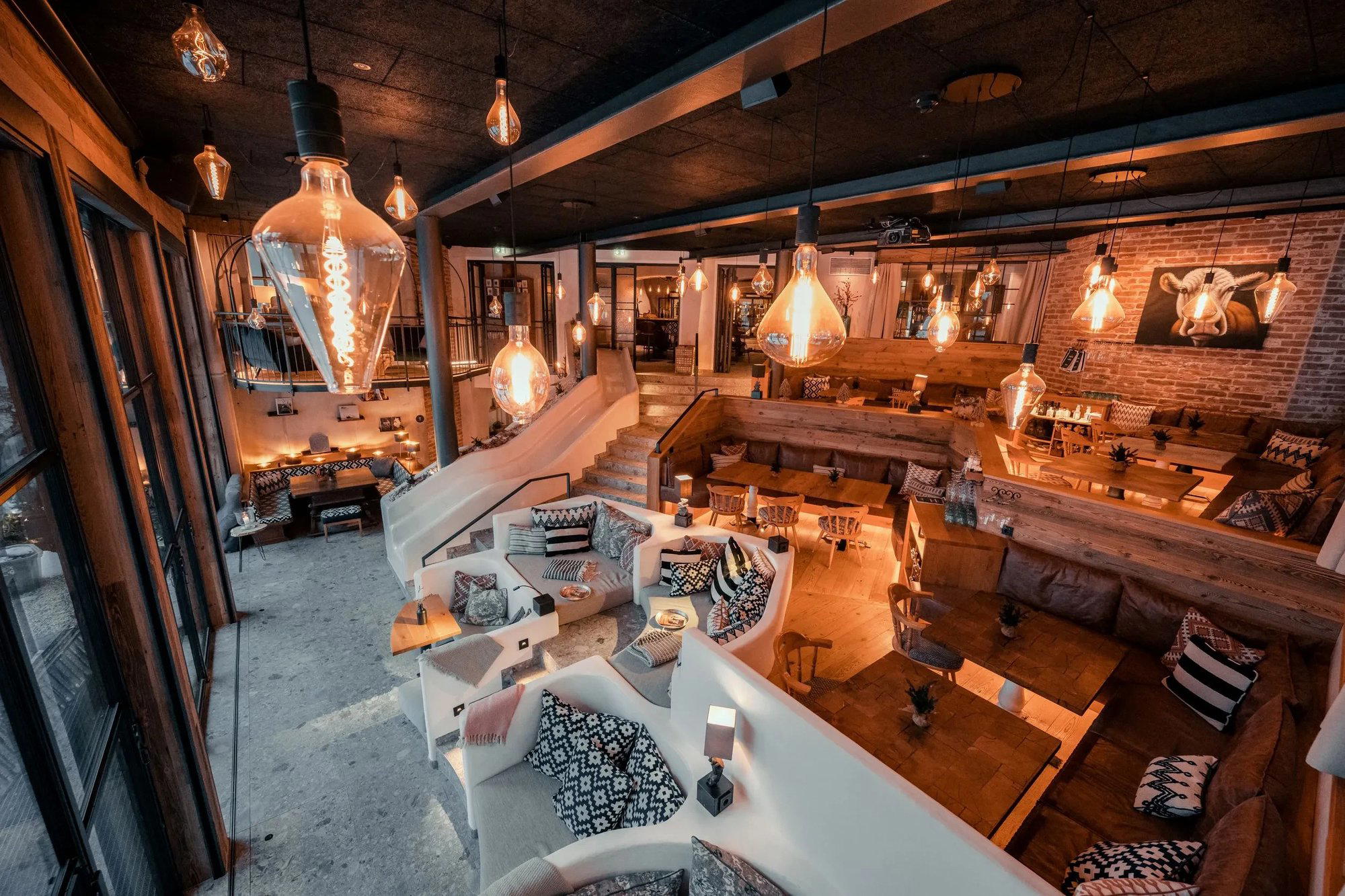
Modern and elegant spruce dining room blending traditional Austrian landhaus style with contemporary refinement, praised for its peaceful and comfortable atmosphere.