
Sang Kee Congee Shop on Burd Street in Sheung Wan has served congee in Hong Kong's working-class tradition for decades, earning recognition from Opinionated About Dining's 2025 Casual Asia ranking at number 68. It represents the kind of unglamorous, ingredient-focused cooking that serious eaters seek out alongside the city's high-end dining tier.
Pearl is the En Primeur Club membership app — saves, bookings, and concierge access live there. Same editors, same standards.
- Address
- 7 Burd Street, 7 Burd St, Sheung Wan, Hong Kong
- Phone
- +852 2541 1099
- Directions
- Get directions
 Saves & bookings on Pearl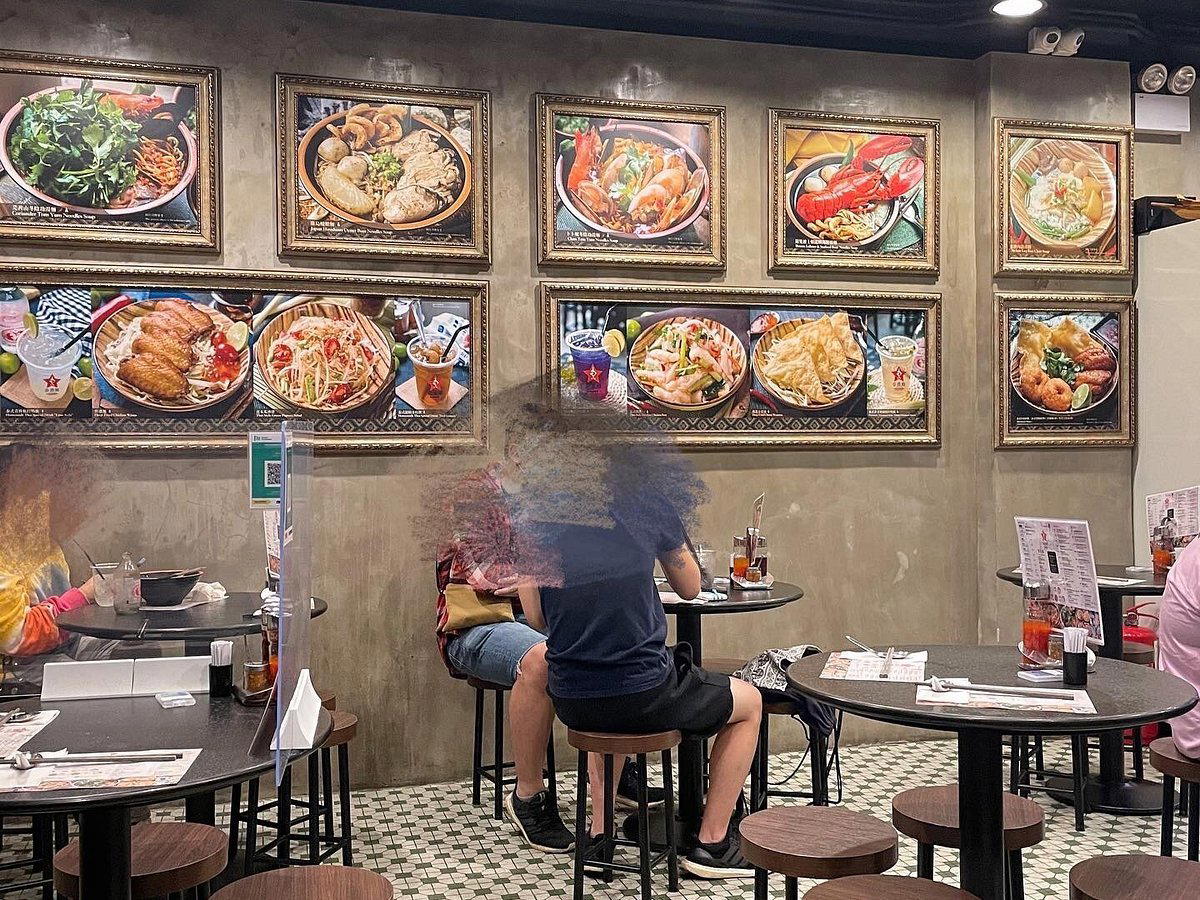
Sheung Wan's Congee Counter and What It Tells You About Hong Kong's Food Priorities
Burd Street runs quietly through Sheung Wan, a few blocks west of the Central financial district but well outside its orbit in atmosphere. The streets here are narrower, the signage bilingual by habit rather than design, and the morning foot traffic is shaped by wet markets, dried-seafood wholesalers, and the kind of dai pai dong legacy that Hong Kong's planning authorities have spent decades trying to reconcile with modernisation. Sang Kee Congee Shop sits in this neighbourhood as a functional part of it, serving Cantonese congee and noodles in a casual setting.
That context matters. Congee in Hong Kong is not a novelty format or a revival project, it is a structural part of daily eating, present across price points from hotel breakfast rooms to pavement stools. What distinguishes one congee kitchen from another is consistency, ingredient quality, and the texture of the base itself: the balance between rice and water, the length of the cook, the depth of the stock. These are not dramatic variables, which is precisely what makes them hard to get right repeatedly over years of service.
The Dish, the Tradition, and Where Sang Kee Sits Within It
Cantonese congee, jook, is distinct from its regional relatives elsewhere in Asia. Where Thai brass-pot porridge kitchens often lean on condiment complexity to build flavour, and Taiwanese versions like those at A Hsing Congee in Tainan or Dayong Street's no-name counter tend toward a looser, lighter body, Hong Kong congee is typically cooked longer, to a silkier consistency where individual rice grains have broken down almost entirely. Toppings, sliced fish, century egg, pork, offal combinations, are added to a base that is already flavoured in its own right. The base is the argument.
Across the wider region, duck congee specialists in Xiamen and Guangzhou's congee houses offer a useful comparison set: Guangdong province and Hong Kong share the same culinary root, but the pace of Hong Kong's service culture pushes its congee kitchens toward high efficiency alongside technical care. The leading operations in Sheung Wan and Sham Shui Po have maintained both for decades, a combination that is harder than it looks.
Sang Kee's position on the 2025 Opinionated About Dining Casual Asia ranking, number 68 across a list that covers the continent's most followed casual eating, places it in a defined comparable set: operations where the cooking is the credential, not the room or the concept. OAD's methodology depends on aggregated votes from experienced eaters rather than professional inspectors, which means a ranking of this kind reflects sustained relevance to an informed audience over time, not a single strong review cycle.
A Note on the Editorial Angle: Why Wine Lists Don't Apply Here, and What That Signals
At Sang Kee, the drink alongside your bowl is likely tea, poured from a communal pot without ceremony or charge.
The evaluation criteria here are ingredient provenance, stock depth, congee texture, topping freshness, and the speed and confidence of service during the morning rush.
Sheung Wan as a Dining Neighbourhood
Sheung Wan occupies an interesting position in Hong Kong's dining geography. Immediately east, Central carries the formal end of the city's restaurant scene, the hotel dining rooms, the Michelin-weighted chef-driven formats, the expense-account tasting counters. Sheung Wan absorbs some of that foot traffic in the evening, particularly along Hollywood Road and the surrounding blocks, where independent wine bars and casual European kitchens have opened in converted shophouses over the past decade. But the morning character of the neighbourhood is older and more consistent: market stalls, congee, noodle shops, dim sum houses that have traded in the same footprint for a generation or more.
For visitors oriented around the city's high-end dining, the kind of programme that might include stops at the multi-starred French and Italian rooms in Central or at design-led properties in Wan Chai and Causeway Bay, a morning in Sheung Wan represents a different kind of useful research. The congee kitchen is where you understand what the city's food culture is built on before the white tablecloths and tasting menus arrive. Sang Kee, on a street that still functions primarily for its residents rather than for inbound tourism, is one of the more accessible entry points to that layer of the city.
For broader context on where Sang Kee sits within Hong Kong's dining options, see our full Hong Kong restaurants guide. The city's hotel, bar, winery, and experience offer is covered in separate guides: hotels, bars, wineries, and experiences.
Planning Your Visit
Address: 7 Burd Street, Sheung Wan, Hong Kong. Reservations: walk-in friendly. Timing: Mon-Sat 6:30 AM-8:30 PM; Sunday closed. Budget: about US$8 per person. Recognition:298 reviews.
Price Lens
Comparable venues nearby, for context on price, style, and recognition.
| Venue | Cuisine | Price | Notes |
|---|---|---|---|
| Sang Kee Congee ShopThis venue — the venue you are viewing | Central, Cantonese Congee & Noodles | $ | Not listed |
| On Lee Noodle Soup | Not listed | $ | Hong Wan, Hong Kong Beef Brisket Noodle Soup |
| Tsui Wah Restaurant (翠華餐廳) | Central, Hong Kong Cha Chaan Teng | $ | Not listed |
| Lee Keung Kee North Point Egg Waffles | Not listed | $ | Yau Tsim Mong South, Hong Kong Street Food - Egg Waffles |
| Chee Kei (池記) | Not listed | $ | Tsim Sha Tsui, Hong Kong Wonton Noodles & Dim Sum |
| Leaf Dessert | Not listed | $ | Central, Traditional Chinese Desserts & Noodles |
Recognition history
Dated appearances from independent guides and award organizations, with the underlying list record or original source where available.
Opinionated About Dining Casual in Asia Ranked #80
Opinionated About Dining
Opinionated About Dining Casual in Asia Ranked #68
Opinionated About Dining
Continue exploring
More in Hong Kong
More from Chef Various
Browse all →
Restaurants in Hong Kong
Browse all →
Bars in Hong Kong
Browse all →
At a Glance
- Classic
- Well Known
- Rustic
- Casual Hangout
- Solo
- Open Kitchen
- Local Sourcing
Current opening hours
- Monday
- 6:30 AM–8:30 PM
- Tuesday
- 6:30 AM–8:30 PM
- Wednesday
- 6:30 AM–8:30 PM
- Thursday
- 6:30 AM–8:30 PM
- Friday
- 6:30 AM–8:30 PM
- Saturday
- 6:30 AM–8:30 PM
- Sunday
- Closed
Hours can change for holidays and private events. Last verified .
Simple, basic interior with dated pink bow-embellished tiles and white fluorescent lighting; cramped but authentic local atmosphere with minimal decor; quick eat-and-go environment with steaming kitchen visible to diners.