Lampuga
Lampuga occupies a quiet address on Anatole France in Polanco, one of Mexico City's most competitive dining corridors, where the conversation around seafood and sustainability is increasingly shaping how the neighbourhood's kitchens define themselves. The restaurant sits in a city where sourcing philosophy has become as much a marker of seriousness as technique or pedigree.
Pearl is the En Primeur Club membership app — saves, bookings, and concierge access live there. Same editors, same standards.
- Address
- Anatole France 78, Polanco, Polanco III Secc, Miguel Hidalgo, 11560 Ciudad de México, CDMX, Mexico
- Phone
- +525552802166
- Website
- lampuga.mx
- Directions
- Get directions
 Saves & bookings on Pearl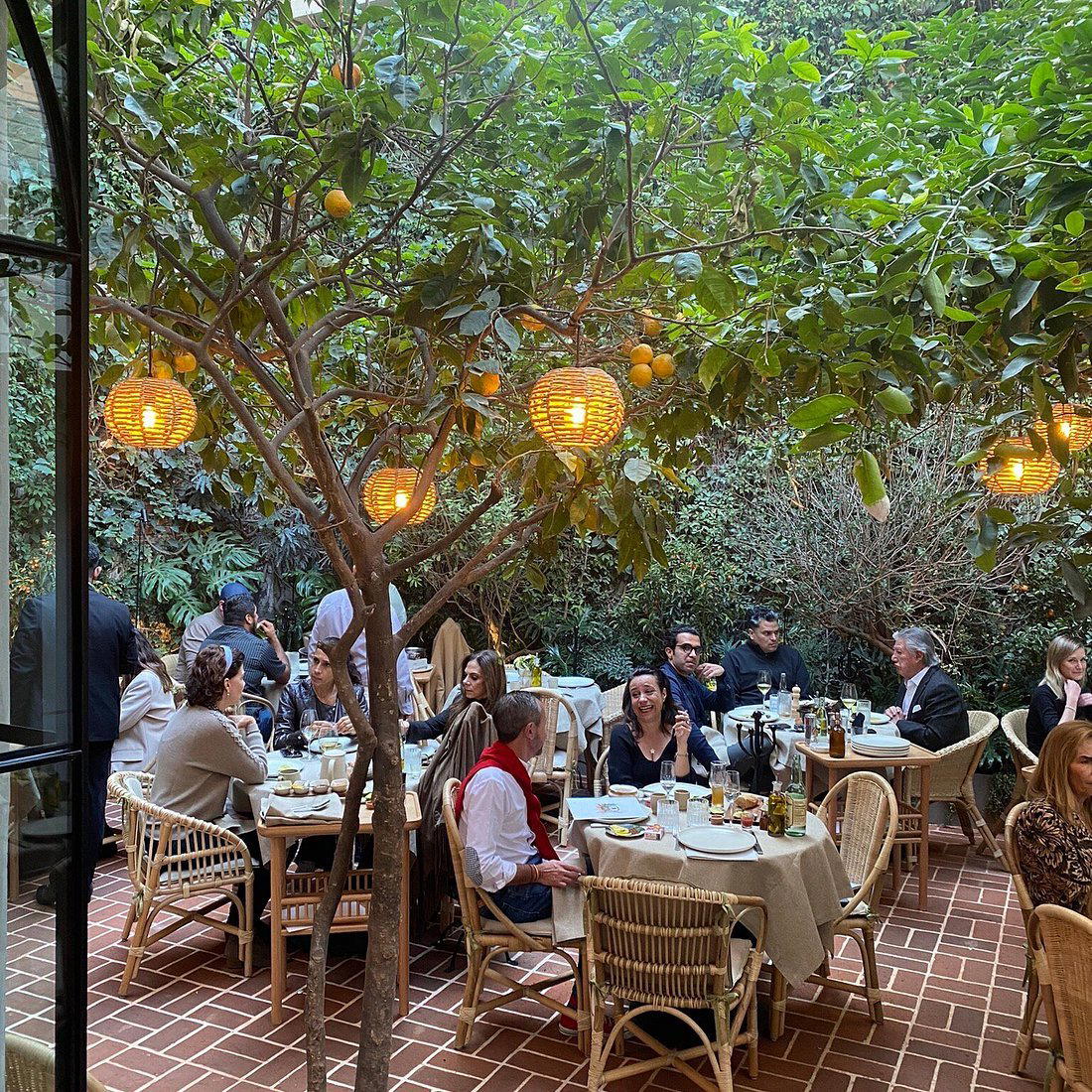
Polanco's Seafood Conversation, and Where Lampuga Fits
Mexico City's dining scene has spent the better part of a decade sorting itself into tiers defined less by tablecloth formality and more by sourcing rigour. Lampuga is a restaurant in Polanco, Mexico City, serving modern Mediterranean seafood at about $32 per person. In Polanco, the pressure is acute: the neighbourhood runs adjacent to some of Mexico's most discussed restaurant addresses, and any kitchen operating here is implicitly in conversation with places like Pujol and Quintonil, both of which have made ingredient provenance central to their identity. Lampuga, at Anatole France 78, operates in that context. The name itself, a Spanish common name for mahi-mahi, signals an orientation toward the sea in a landlocked city, which is its own editorial statement about what the kitchen is trying to do.
Mexico City's relationship with seafood has always been complicated by geography. At 2,240 metres above sea level, the capital sits roughly equidistant from the Gulf of Mexico and the Pacific coast, meaning that any serious seafood kitchen is also, necessarily, a logistics operation. The restaurants that have distinguished themselves in this category are typically those with direct supplier relationships along specific coastlines, rather than those relying on wholesale intermediaries. That supply-chain specificity is where the sustainability argument in CDMX seafood kitchens begins, not in abstract ethics, but in the practical question of knowing exactly where a fish came from and how it was caught.
The Address and the Atmosphere It Implies
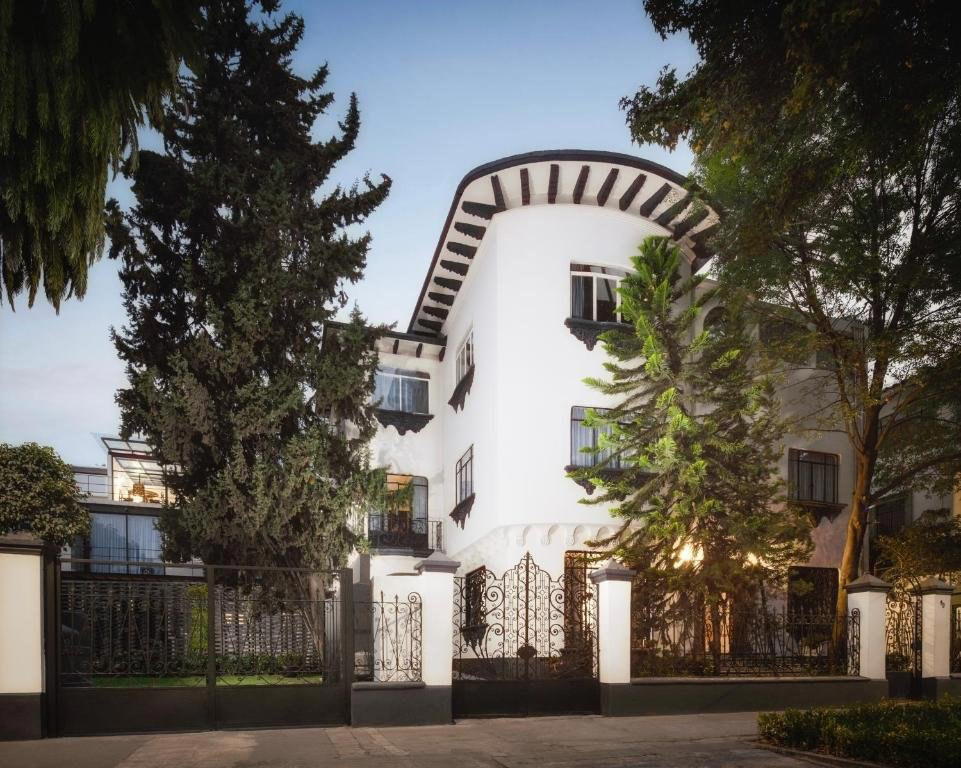
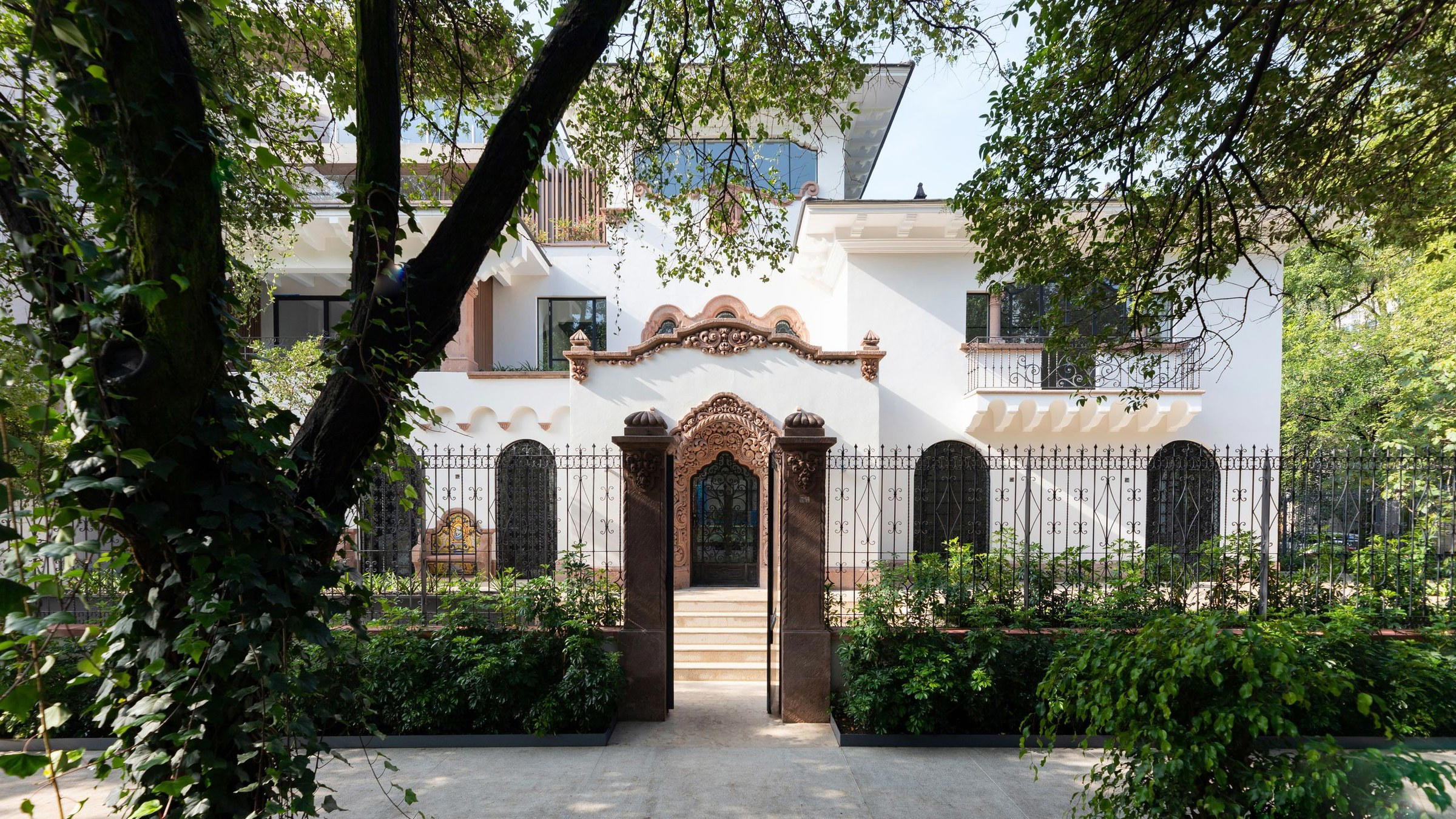
Anatole France is one of those Polanco streets that reads differently depending on what you're looking for. It runs parallel to the luxury retail axis of Presidente Masaryk but sits a block back, which tends to attract restaurants interested in a quieter register, places where the room itself does not need to compete with foot traffic or window shoppers. The physical environment on this street tends toward contained, considered spaces rather than the open terraces and large-format dining rooms that dominate the main boulevard. Lampuga's positioning here places it in the company of addresses that rely on word of mouth and repeat custom rather than high-visibility walk-in volume.
For visitors to Mexico City building an itinerary around the city's more serious dining rooms, Polanco remains the densest concentration of ambitious kitchens. It is also the neighbourhood most likely to reward advance planning: reservations at the area's better addresses book out weeks ahead, particularly on Thursday through Saturday evenings. Lampuga's Polanco location means it draws from a clientele that includes both Mexico City regulars and international visitors staying in the nearby hotel corridor along Campos Elíseos.
Sustainability as Operating Logic in CDMX Kitchens
Across Mexico's premium restaurant tier, the sustainability conversation has moved from marketing language toward something more structural. Kitchens like Sud 777 have built urban agriculture programs directly into their operations. Em has consistently foregrounded Mexican producer relationships in its menu framing. Further afield, Animalón in Valle de Guadalupe and Olivea Farm to Table in Ensenada have anchored their entire identities to the agricultural and fishing communities surrounding them. What these operations share is a shift from treating sustainability as a communications exercise to treating it as a procurement discipline.
For a seafood-focused kitchen in Mexico City, that discipline manifests in specific choices: which fishing cooperatives to source from, whether to work with species that face pressure in Mexican waters or to rotate toward more abundant alternatives, and how to handle the higher costs that typically accompany shorter, more transparent supply chains. Restaurants that have made this shift credibly tend to show it not through menu language alone but through the specificity of what they serve, seasonal availability windows, rotating species lists, and a willingness to be limited by what responsible sourcing actually delivers rather than what a static menu would require. HA' in Playa del Carmen and Le Chique in Puerto Morelos represent coastal versions of this approach, where proximity to the source makes the supply chain more legible. A city-based kitchen like Lampuga operates with less inherent geographic advantage, which raises the bar for the sourcing infrastructure it needs to maintain.
Reading Lampuga Against the Broader Mexican Seafood Scene
Mexico's coastal dining culture has developed distinct regional signatures over the past decade. The Baja peninsula, represented in the premium tier by addresses like Lunario in El Porvenir, has built a reputation around local wine pairing and Mediterranean-influenced technique applied to Pacific-sourced product. The Yucatán and Caribbean coast, where Huniik in Merida operates, works with different species profiles and a distinct culinary grammar rooted in Mayan ingredient traditions. Northern Mexico's fine dining scene, anchored by Pangea in San Pedro Garza Garcia and KOLI Cocina de Origen in Monterrey, tends toward land-based proteins rather than seafood as its prestige product. Alcalde in Guadalajara occupies a middle position, with a more diverse sourcing brief.
A Mexico City seafood restaurant that aims for the upper tier of this conversation needs to synthesise across these regional traditions while maintaining a city-specific identity. The comparison set is also international: Le Bernardin in New York City remains a reference point for what technically serious seafood fine dining can look like, and Atomix demonstrates how a tasting-format kitchen can build a sourcing narrative into the structure of service itself. These comparisons are not direct competitors for Lampuga, but they define the standard against which ambitious seafood kitchens are assessed by the international dining public.
Within Mexico City, the more immediate comparison is with creative kitchens like Rosetta, which has built a following around sourcing discipline in a different category, and with the broader field covered in our full Mexico City restaurants guide. Levadura de Olla in Oaxaca offers a regional parallel for what ingredient-first thinking produces when applied to traditional Mexican cuisine with serious intent.
Planning a Visit
Lampuga is located at Anatole France 78 in Polanco III Secc, Miguel Hidalgo. Lampuga is recommended for reservations and follows smart casual dress. Lampuga is open Monday from 1:30 to 11 PM, Tuesday from 1:30 to 11 PM, Wednesday from 1:30 to 11 PM, Thursday through Saturday from 1:30 PM to 1 AM, and Sunday from 1:30 to 7 PM. Dress expectations in this part of the city lean toward smart casual at minimum, with the upper tier of Polanco restaurants effectively setting a standard that errs toward formal without requiring it.
- tuna tostadas
- ceviche Lampuga
- grilled octopus
- salmon with caper butter
- roasted duck tacos
- octopus carpaccio
- pepper risotto
Price Lens
Comparable venues nearby, for context on price, style, and recognition.
| Venue | Cuisine | Price | Notes |
|---|---|---|---|
| LampugaThis venue — the venue you are viewing | Not listed | $$$ | Not listed |
| Agua & Sal | Not listed | $$$ | Polanco Chapultepec, Latin American Cevicheria |
| Cabanna - Polanco | Chapultepec Morales, Mexican Seafood | $$$ | Not listed |
| Treze | Not listed | $$$ | Del Bosque, Seafood with Raw Bar and Grilled Meats |
| Tori Tori Polanco | Not listed | $$$ | Polanco Chapultepec, Modern Japanese Sushi |
| Casamarena | Not listed | $$$ | Chapultepec Morales, Coastal Mexican Seafood |
Continue exploring
More in Mexico City
Restaurants in Mexico City
Browse all →
Bars in Mexico City
Browse all →
At a Glance
- Elegant
- Sophisticated
- Modern
- Romantic
- Date Night
- Business Dinner
- Group Dining
- Special Occasion
- Private Dining
- Design Destination
- Open Kitchen
- Extensive Wine List
- Craft Cocktails
- Beer Program
- Sustainable Seafood
Current opening hours
- Monday
- 1:30–11 PM
- Tuesday
- 1:30–11 PM
- Wednesday
- 1:30–11 PM
- Thursday
- 1:30 PM–1 AM
- Friday
- 1:30 PM–1 AM
- Saturday
- 1:30 PM–1 AM
- Sunday
- 1:30–7 PM
Hours can change for holidays and private events. Last verified .
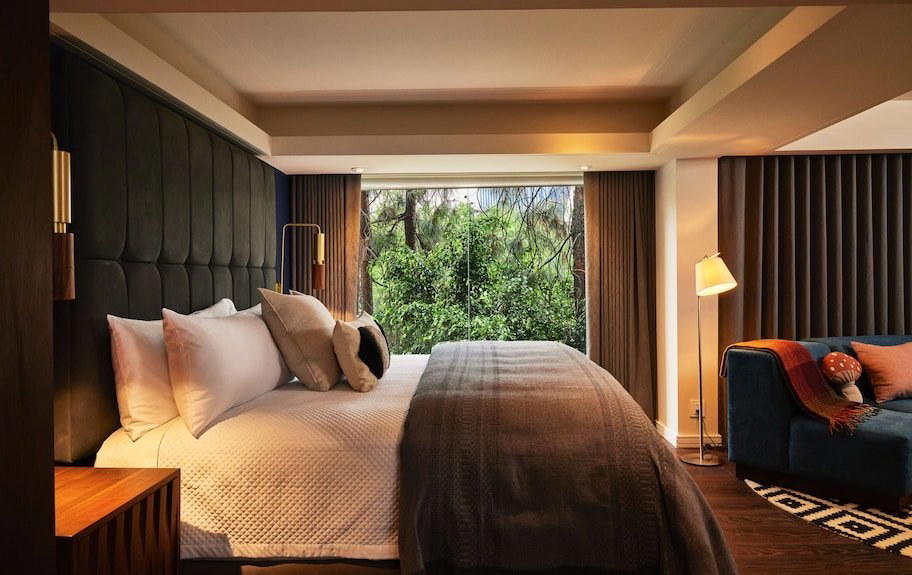
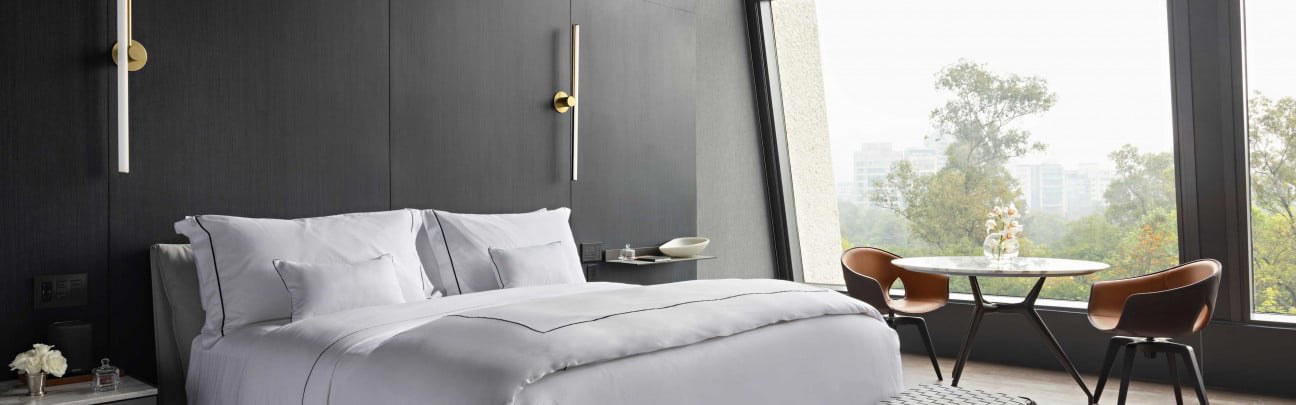
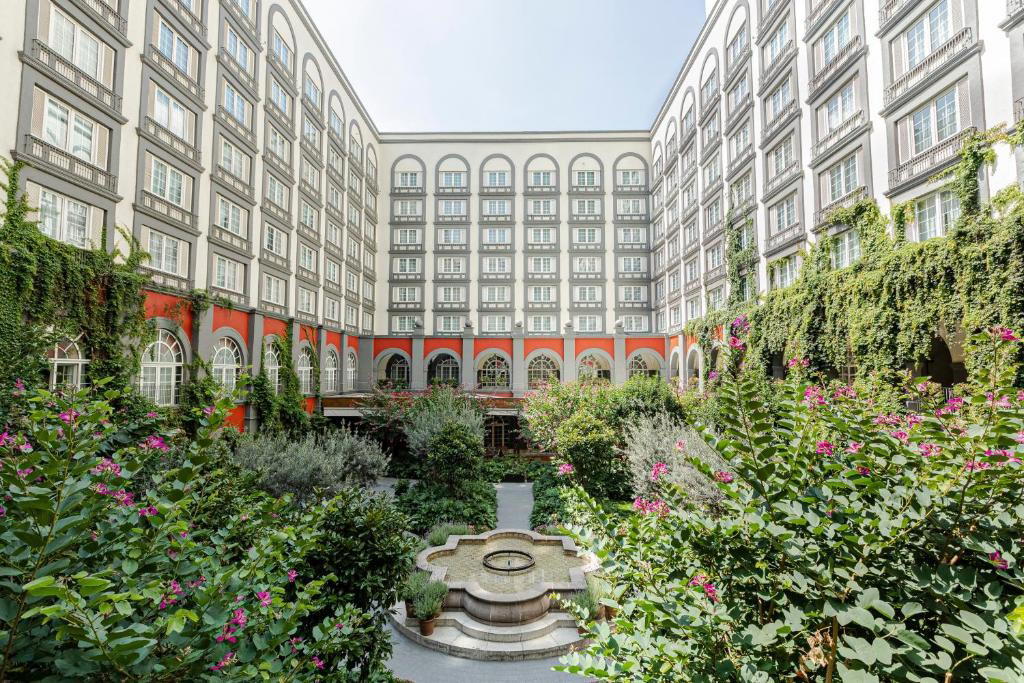
Contemporary and sophisticated with lush greenery and artwork; inspired by natural coastal and marine environments with fresh, cozy spaces.