Cabanna - Polanco
Our verdict
On Avenida Presidente Masaryk, Polanco's most commercially concentrated stretch, Cabanna sits within a neighbourhood that has become Mexico City's de facto address for high-spend dining. The venue occupies a market position shaped by its surroundings — a corridor where sourcing credentials and kitchen discipline carry more weight than novelty alone. For visitors building a Mexico City itinerary, it warrants consideration alongside the district's better-documented peers.

Pearl is the En Primeur Club membership app — saves, bookings, and concierge access live there. Same editors, same standards.
- Address
- Av. Pdte. Masaryk 134, Polanco, Polanco V Secc, Miguel Hidalgo, 11560 Ciudad de México, CDMX, Mexico
- Phone
- +525555452225
- Hours
- Mon–Thu 12–10 PMFri–Sat 12 PM–12 AMSun 12–8 PM
- Website
- cabanna.com.mx
- Directions
- Get directions
- Booking
- Book on OpenTable
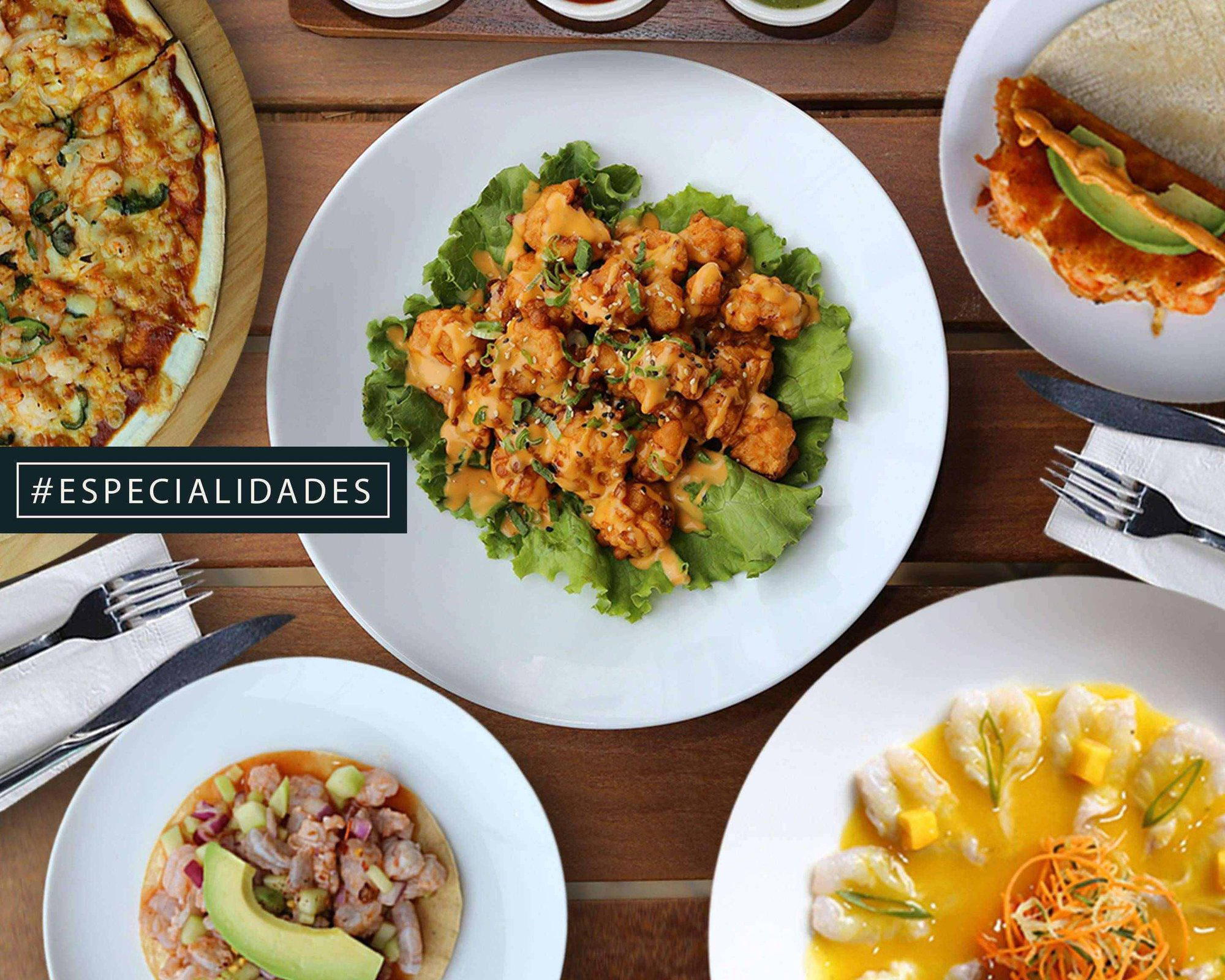
The menu
What to order
- Quesitos Cabanna
- Tuna Ceviche
- Pulpo Tacos
Masaryk and the Polanco Dining Standard
Avenida Presidente Masaryk functions as something close to a proof-of-concept for Mexico City's modern dining ambition. The boulevard runs through Polanco's fifth section — formally designated Polanco V Secc — and concentrates a density of high-spend restaurants, international retail, and hotel dining that has few equivalents in Latin America. What the address signals, for any restaurant operating here, is a competitive threshold: proximity to venues like Pujol and Quintonil means the room is frequently shared with diners who have already eaten at Mexico City's most scrutinised tables. That context shapes expectations before anyone sits down.
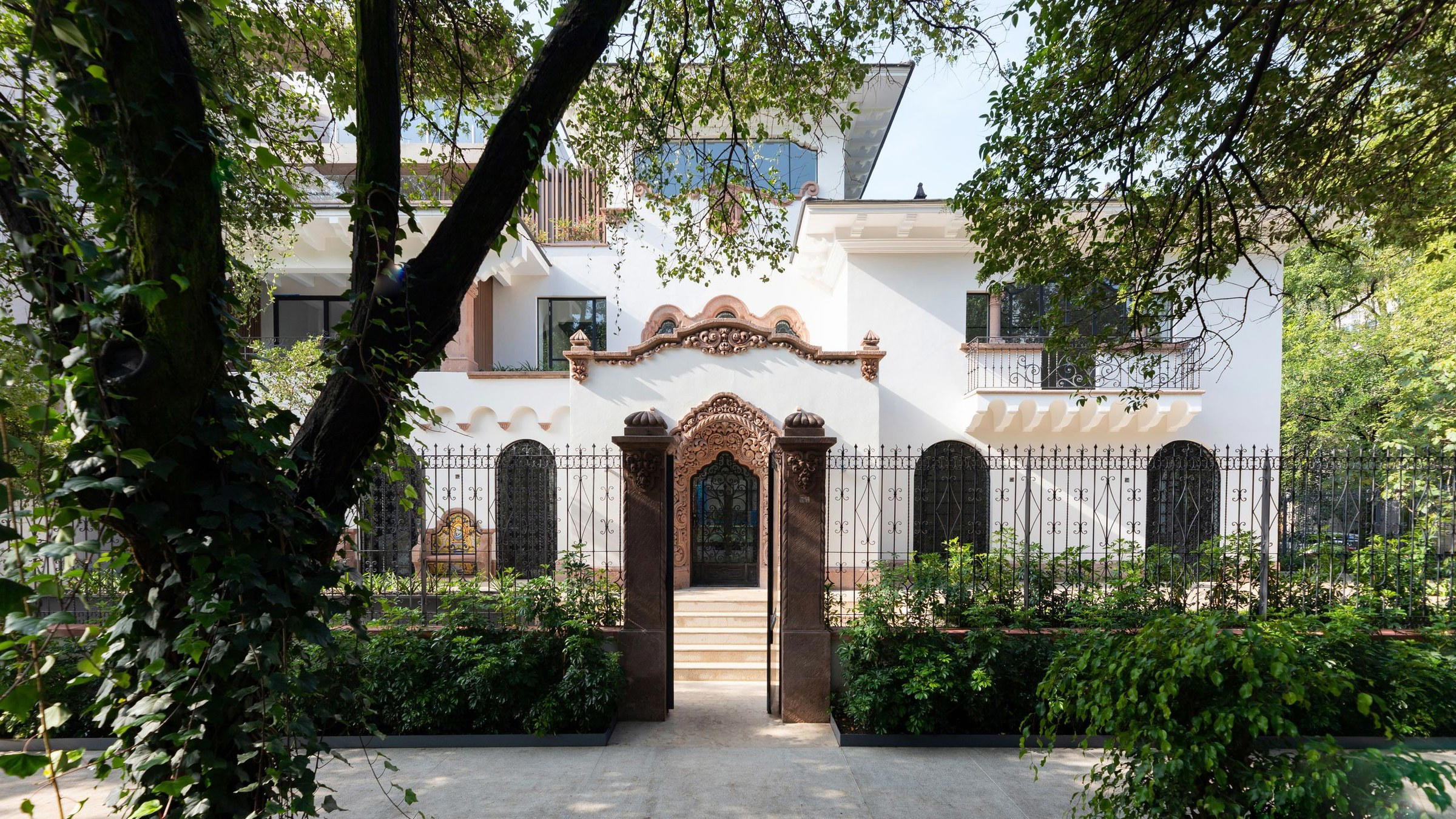
Cabanna, located at Masaryk 134, operates within that frame. The name, drawn from the Spanish word for hut or cabin, suggests an aesthetic register that leans away from the modernist precision that defines much of Polanco's fine dining. Whether that registers as warmth or studied informality depends on what you bring to the table, but it places the venue in a different mood category than the clinical tasting-menu format that dominates the district's most awarded addresses.
Where the Food Comes From, and Why Polanco Diners Notice
Mexico's sourcing conversation has matured considerably over the past decade. What began as a loose farm-to-table gesture across the country's restaurant sector has tightened, particularly in Mexico City, into something more specific: named producers, regional identifications, and a growing expectation that a kitchen can account for its ingredients geographically. Venues like Animalón in Valle de Guadalupe and Olivea Farm to Table in Ensenada have built their entire editorial identity around that traceability. In Oaxaca, Levadura de Olla does the same through a deeply regional lens.
In Polanco specifically, ingredient sourcing operates as a signal of seriousness rather than a marketing category. The neighbourhood's diners skew international and well-travelled, the kind of clientele that has eaten at Le Bernardin in New York City or Lazy Bear in San Francisco and returns to Mexico City with comparative reference points already loaded. Within that context, a kitchen that can speak credibly about where its proteins, herbs, and seasonal produce originate carries a legitimacy that a well-designed room alone cannot manufacture.
The name Cabanna, with its vernacular register, hints at a sourcing sensibility rooted in something less urban than its postcode suggests, a positioning that differentiates it from the white-tablecloth formality of its immediate neighbours without abandoning the production standards that Masaryk's clientele expects. That gap between rustic signalling and fine-dining execution is where some of Mexico City's more interesting mid-tier restaurants have found their footing in recent years.
Polanco in the Broader Mexico City Picture
To understand Cabanna's position, it helps to understand how Polanco fits into Mexico City's wider dining geography. The city's most internationally discussed restaurants are distributed across several neighbourhoods: Roma Norte claims Rosetta, while venues like Em and Sud 777 operate from the south of the city with a more experimental brief. Polanco holds the city's highest concentration of expense-account dining and international hotel restaurants, which gives it a different character: more formal, more transactional in some ways, and more likely to attract visitors on short itineraries who want a single reliable address rather than a neighbourhood to explore.
That transactional quality cuts both ways. It means Polanco restaurants face a more sceptical room, diners who are benchmarking rather than discovering, but it also means a kitchen that delivers consistently can build a reputation across a wide international word-of-mouth network quickly. Venues across Mexico have demonstrated this dynamic: Pangea in San Pedro Garza Garcia and Alcalde in Guadalajara both established national credibility before significant international attention arrived. In Polanco, the international attention arrives first.
For a fuller map of where Cabanna sits within Mexico City's dining tier structure, the EP Club Mexico City restaurants guide provides context across neighbourhoods and price points, including how the city's tasting-menu format has evolved alongside its more casual, ingredient-driven alternatives.
Peer Context Across Mexico
Mexico's restaurant scene beyond the capital has developed its own sourcing-forward institutions, and comparing them sharpens what the Polanco standard means. KOLI Cocina de Origen in Monterrey frames its entire menu through regional ingredient identity. Le Chique in Puerto Morelos applies technical ambition to Yucatecan and Caribbean produce. HA' in Playa del Carmen and Arca in Tulum have built reputations around jungle and coastal sourcing that would be impossible to replicate in an urban setting. Lunario in El Porvenir operates within Baja's wine country, where the boundary between winery and kitchen has nearly dissolved.
What these venues share is a coherent answer to the question of where their food comes from. That answer has become a meaningful differentiator across Mexico's premium tier, not because sourcing is inherently more virtuous, but because it requires the logistical discipline and producer relationships that casual operations cannot sustain. For a restaurant on Masaryk operating under a name that gestures toward rusticity, the implicit question is whether the kitchen's sourcing story is as developed as its address would demand.
Know Before You Go
- Address: Av. Pdte. Masaryk 134, Polanco V Secc, Miguel Hidalgo, 11560 Ciudad de México, CDMX
- Neighbourhood: Polanco, Mexico City, one of the city's highest-density fine-dining corridors
- Phone / Website: Not currently listed, confirm booking channels directly on arrival or via hotel concierge
- Price range: Not confirmed in, budget against Polanco mid-tier benchmarks, which typically run MXN 500–1,200 per person before wine at venues in this postcode
- Nearby reference points: Parque Lincoln is within walking distance; Pujol and Quintonil operate in the same immediate vicinity
Frequently asked questions
Can I walk in to Cabanna Polanco?
Polanco operates at a high-occupancy level across its dining corridor, particularly on weekday evenings and weekend lunch, the two services that attract the neighbourhood's most consistent international traffic. Given that context, making contact in advance through your hotel or by visiting the address directly is a more dependable approach than arriving without a reservation. Pricing and format are also unconfirmed, so a brief advance enquiry helps set expectations on both counts.
What has Cabanna Polanco built its reputation on?
What can be said with confidence is that operating on Masaryk 134, in immediate proximity to some of Mexico City's most internationally discussed restaurants, places Cabanna inside a competitive set where kitchen discipline and sourcing credibility are the primary metrics by which local and visiting diners assess a newcomer. The venue name's vernacular register suggests a positioning built around warmth and ingredient identity rather than technical formality.
What kind of dining experience does Cabanna Polanco offer compared to the district's tasting-menu format?
Polanco's most awarded addresses, including Pujol, have established the neighbourhood's reputation through structured tasting menus that run to multiple courses and require advance booking weeks out. Cabanna's name and positioning suggest a less prescriptive format, closer to the ingredient-driven, à la carte registers that venues like Rosetta have used successfully in Roma Norte. For diners who want the Polanco address without the full commitment of a fixed tasting sequence, that distinction matters when planning an evening.
Pricing, Compared
Comparable venues nearby, for context on price, style, and recognition.
| Venue | Cuisine | Price | Awards | Notes |
|---|---|---|---|---|
| Cabanna - PolancoThis venue — the venue you are viewing | Mexican Seafood | $30–50 | Not listed | Not listed |
| Con Vista al Mar Juárez | Coastal Mexican Seafood | $20–30 | Not listed | Juarez, Coastal Mexican Seafood |
| The Spicy Crab | Cajun-Mexican Seafood Fusion | $20–30 | Not listed | Ampl Napoles, Cajun-Mexican Seafood Fusion |
| Taller de Ostiones | Fresh Coastal Seafood & Oyster Bar | $20–30 | Not listed | Juarez, Fresh Coastal Seafood & Oyster Bar |
| Au Pied de Cochon | Classic French Brasserie | $100–150 | Star Wine List · Wine Spectator Best of Award of Excellence | Polanco, 24-hour Traditional French Brasserie |
| Taboo | Modern Mediterranean | $50–100 | Not listed | Polanco Chapultepec, Modern Mediterranean |
Continue exploring
More in Mexico City
Restaurants in Mexico City
Browse all →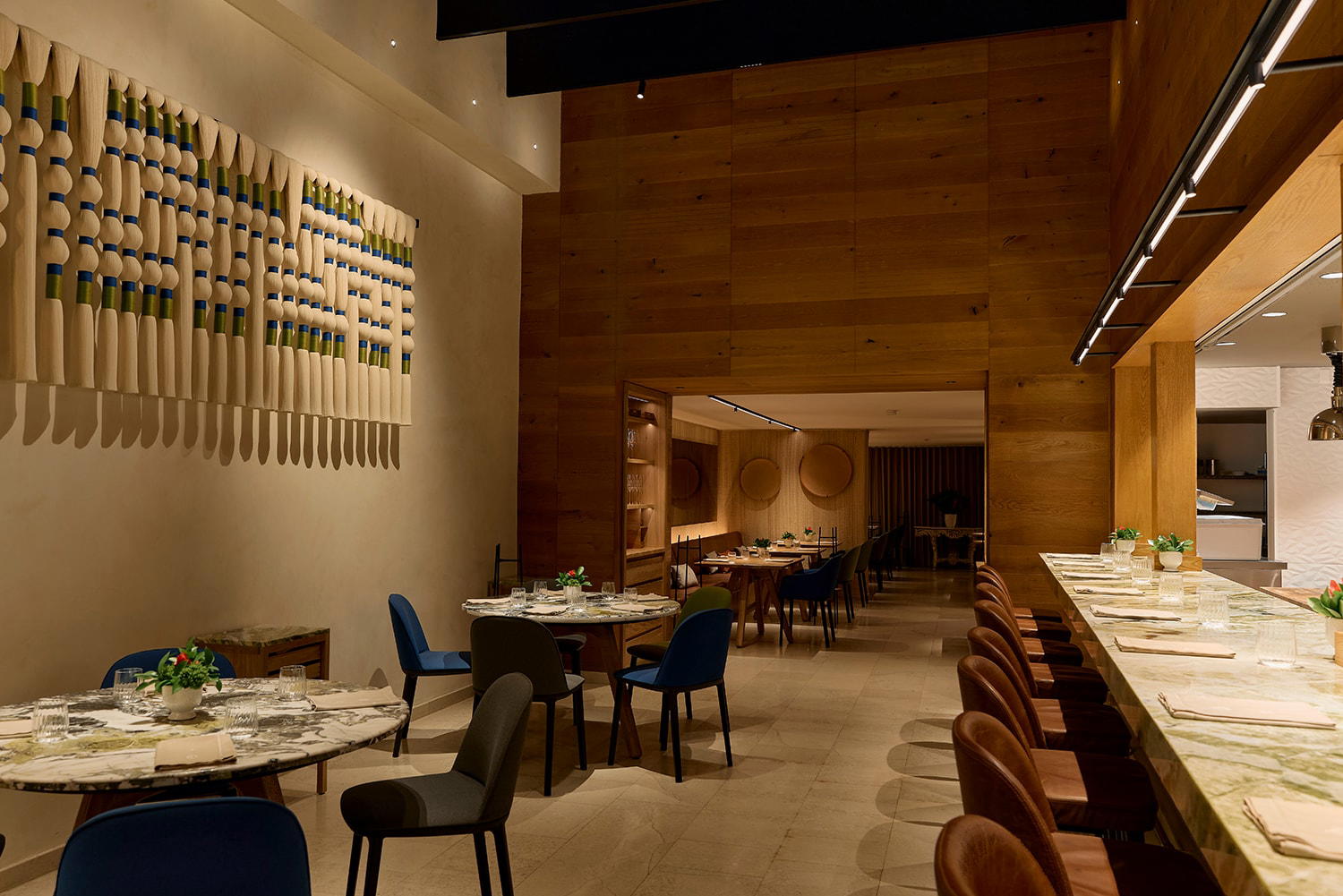
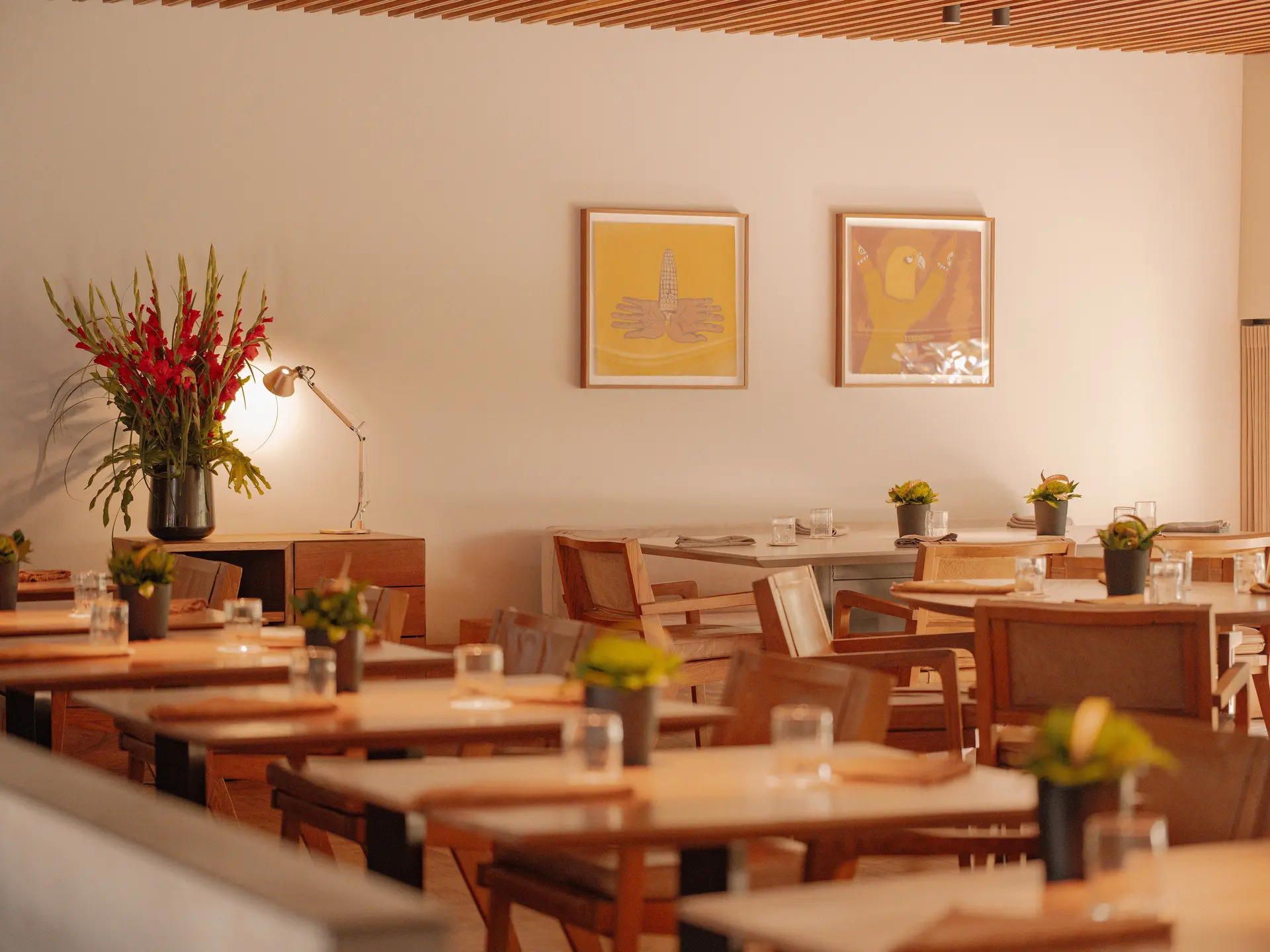
Bars in Mexico City
Browse all →
Details
- Trendy
- Lively
- Sophisticated
- Modern
- Group Dining
- Casual Hangout
- Brunch
- Late Night
- Terrace
- Craft Cocktails
- Street Scene
- A La Carte
- Small Plates
- Family Style
- Vegetarian Friendly
Current opening hours
- Monday
- 12–10 PM
- Tuesday
- 12–10 PM
- Wednesday
- 12–10 PM
- Thursday
- 12–10 PM
- Friday
- 12 PM–12 AM
- Saturday
- 12 PM–12 AM
- Sunday
- 12–8 PM
Hours can change for holidays and private events. Last verified .
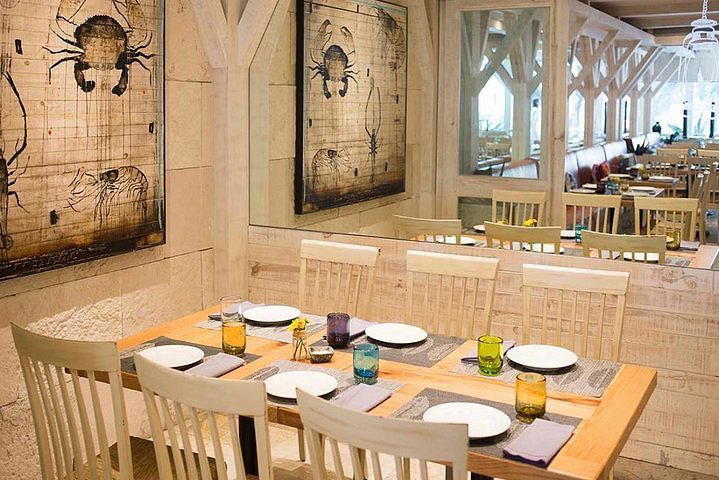
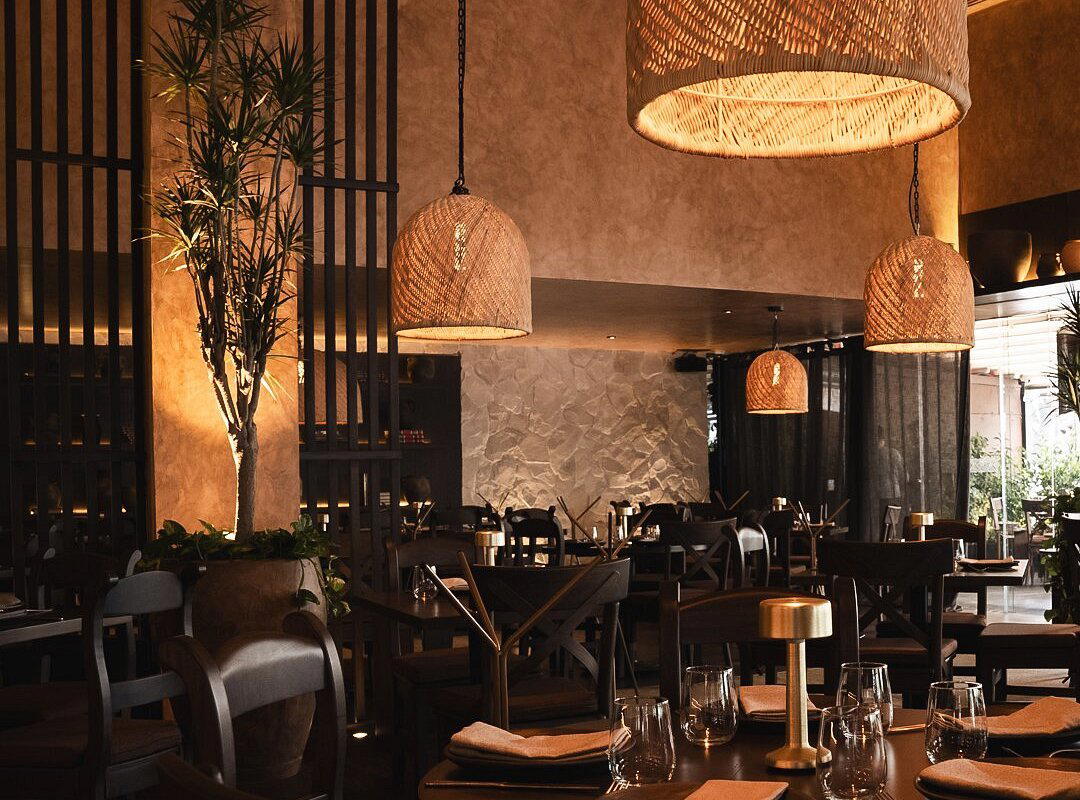
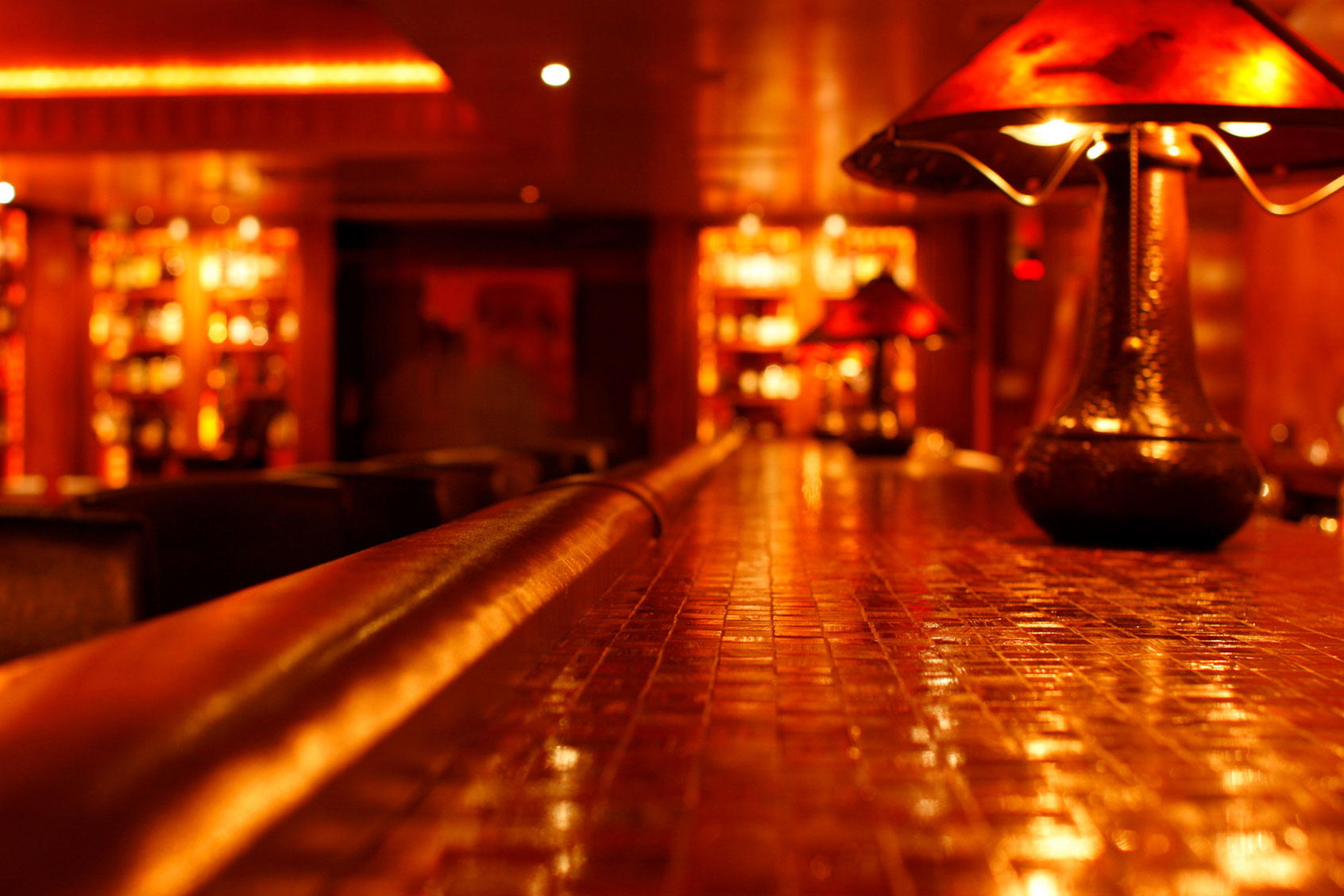
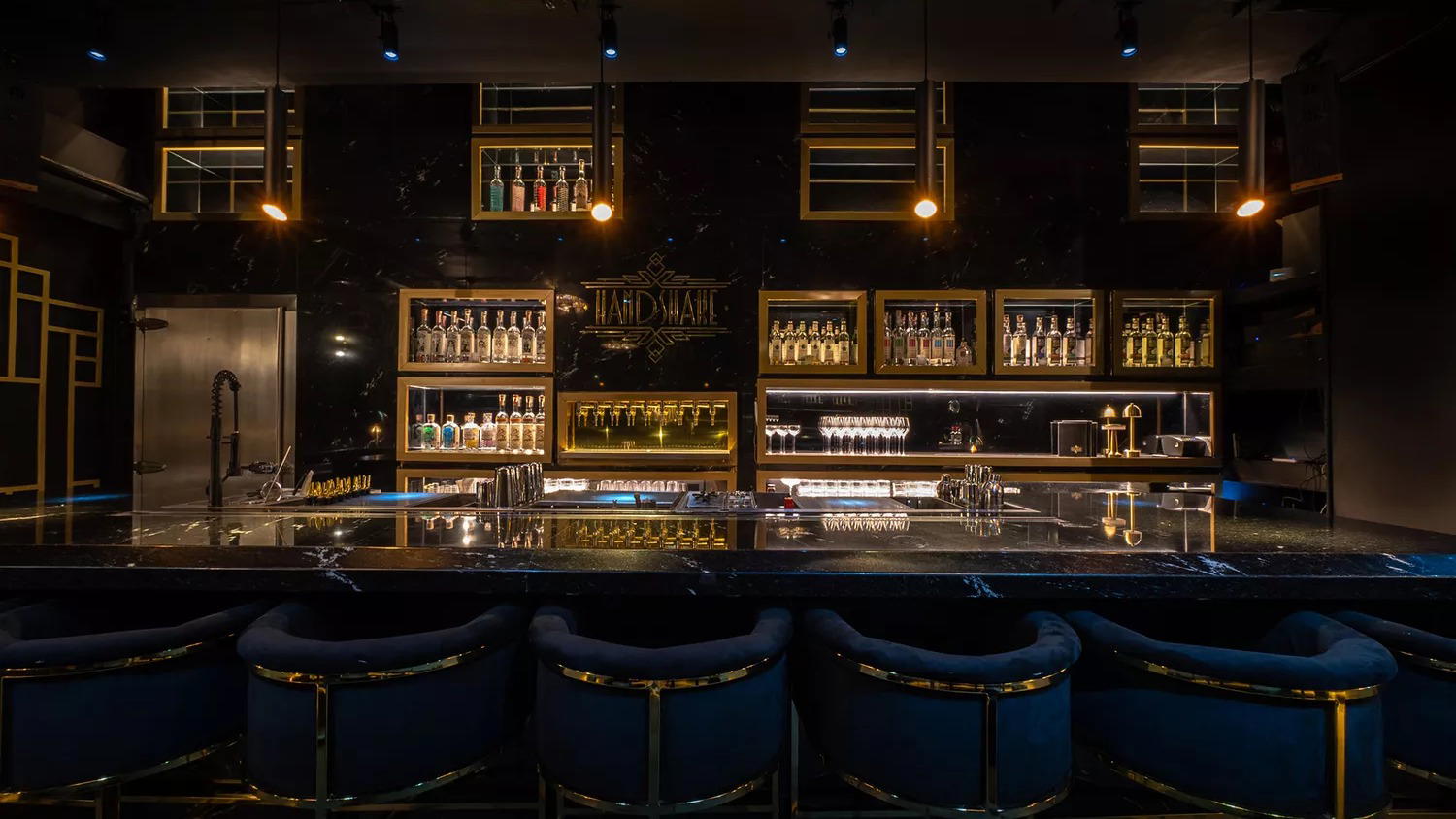
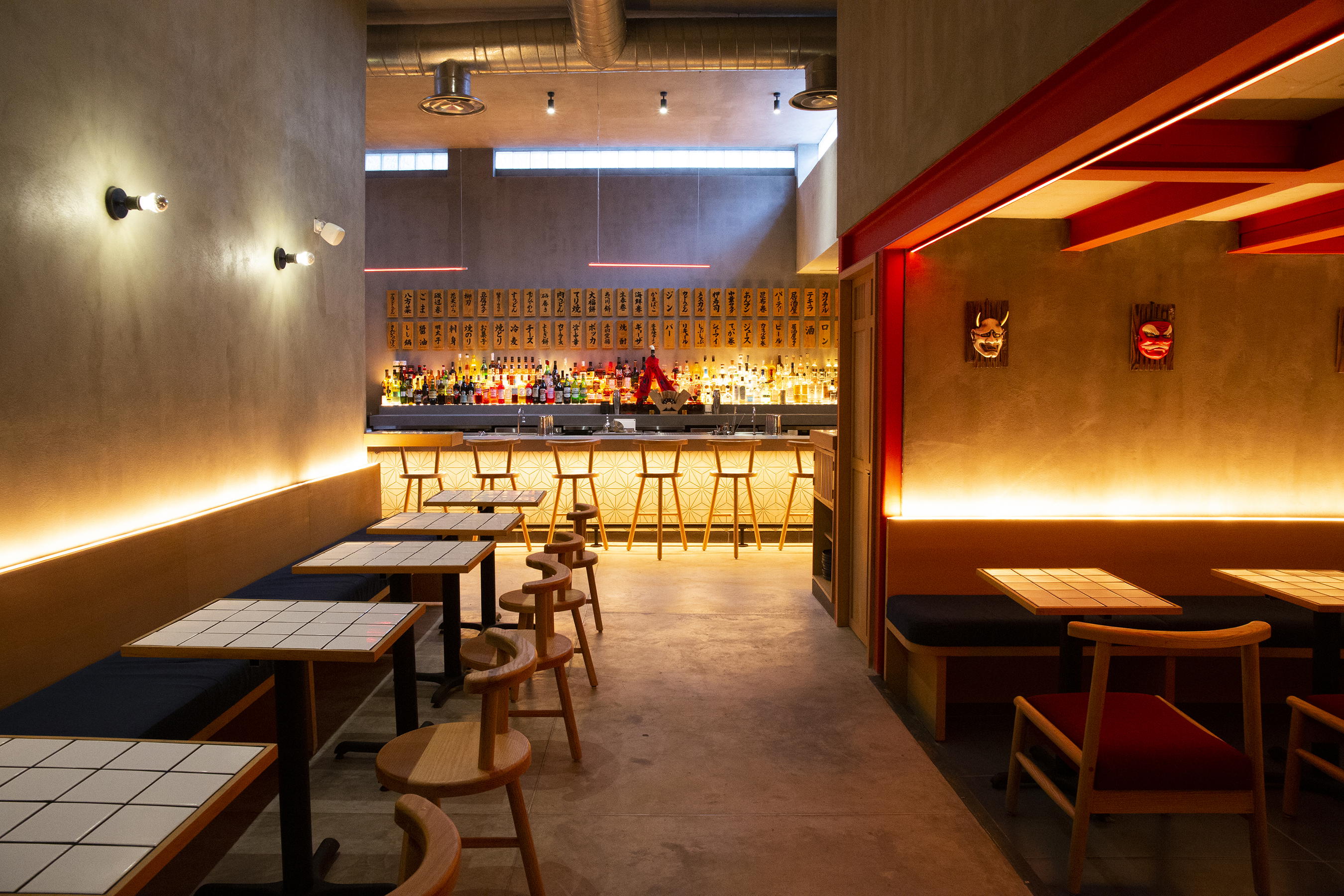
Modern decor with a warm, inviting atmosphere that combines sophistication and casual energy, occasionally lively with crowds.