
A Michelin Bib Gourmand recipient in 2024 and 2025, Gong De Lin sits on Qianmen East Street in Dongcheng, holding one of Beijing's longest-running reputations in vegetarian Chinese cooking. At the ¥¥ price tier, it occupies a different bracket from starred vegetarian peers like Lamdre, making Michelin-recognised plant-based cooking genuinely accessible in the capital.
Pearl is the En Primeur Club membership app — saves, bookings, and concierge access live there. Same editors, same standards.
- Address
- 2 Qianmen E St, Dongcheng, Beijing, China, 100051
- Phone
- +86 10 6511 2542
- Directions
- Get directions
 Saves & bookings on Pearl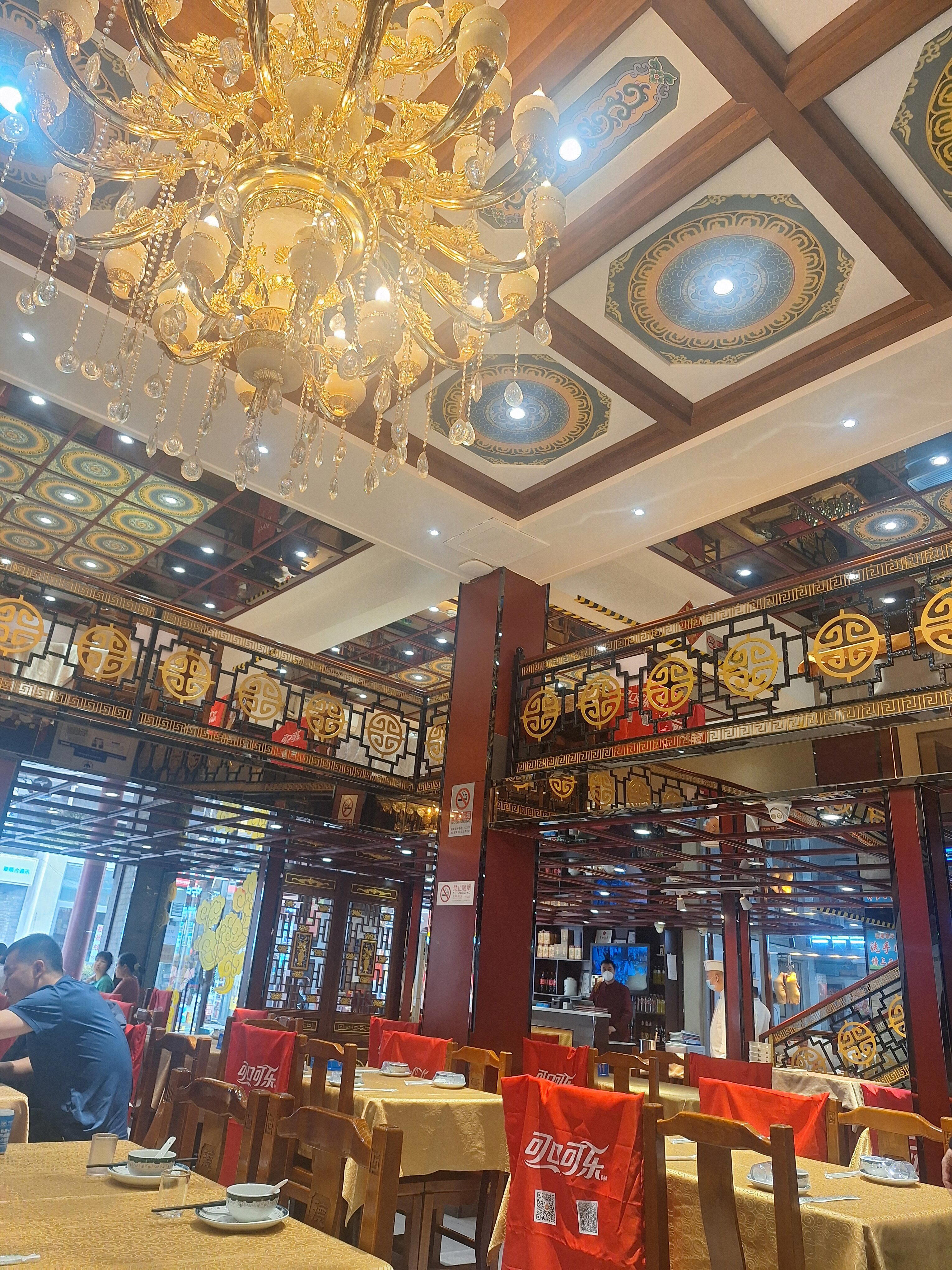
Where Qianmen Meets the Plate: Approaching Gong De Lin
Qianmen East Street in Dongcheng is one of Beijing's more layered corridors: a stretch that runs south from Tiananmen Square through a neighbourhood shaped by centuries of commerce, temple proximity, and working-class food culture. Gong De Lin is a classic Chinese Buddhist vegetarian restaurant in Beijing's Dongcheng district, with a casual dress code, recommended reservations, and about $12 per person. Arriving at Gong De Lin here is not incidental. The address places it within a district where eating well has always implied eating practically, where the Bib Gourmand's promise of quality at a fair price reads less like a concession and more like a statement of intent. The restaurant sits at street level on a thoroughfare that long predates the city's current restaurant boom, and the physical context matters: this is not a tucked-away courtyard operation or a high-floor hotel dining room. It presents itself to the street, the way restaurants in this part of the city always have.
Beijing's vegetarian dining scene has expanded considerably over the past decade, splitting between high-ceremony formats at the premium end and neighbourhood-rooted cooking at the accessible tier. Gong De Lin occupies the latter, holding a ¥¥ price point while receiving Michelin Bib Gourmand recognition in both 2024 and 2025. That two-year run is a signal: the guides do not award the Bib Gourmand out of sentiment, and sustaining it requires consistent kitchen execution across a broad menu of plant-based dishes rooted in Chinese culinary tradition.
The Vegetarian Table in Beijing: What the Category Actually Means
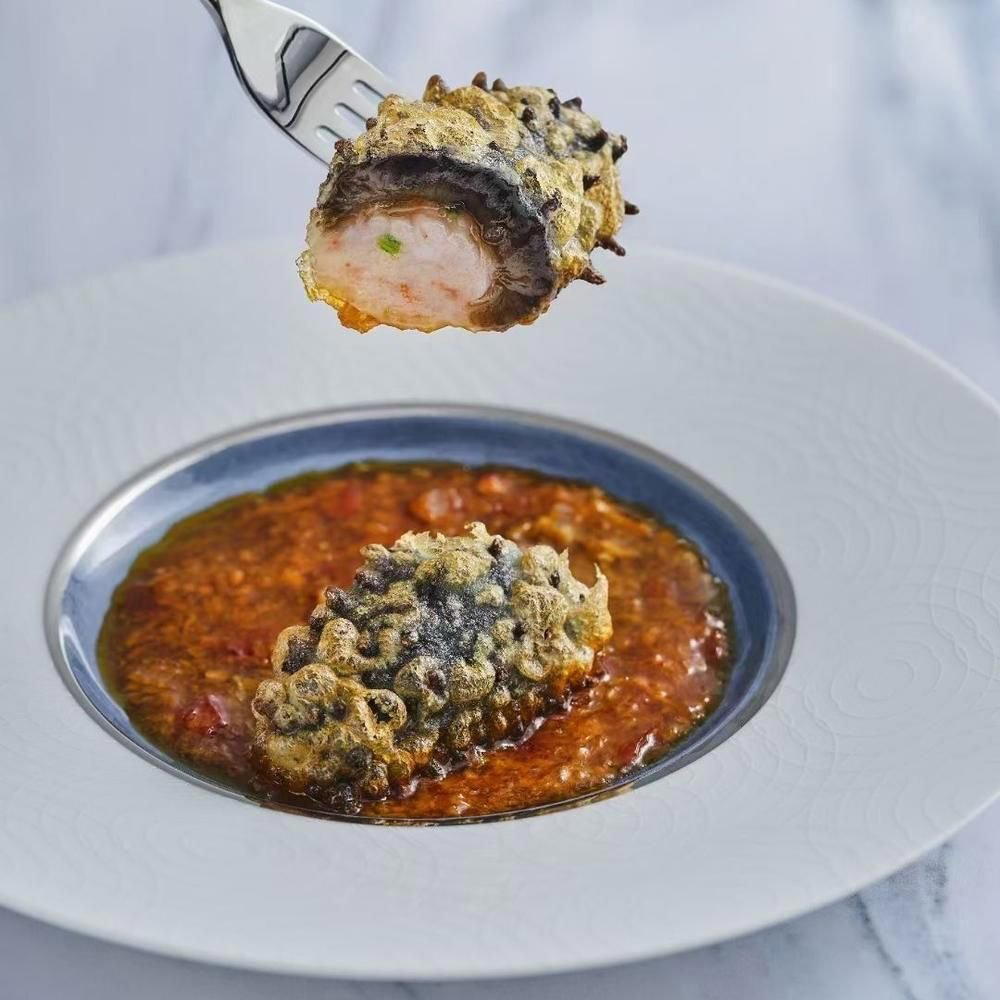
Chinese vegetarian cooking is not a single tradition but several overlapping ones. Buddhist temple cuisine, which abstains from meat, fish, and the five pungent vegetables of allium, has existed in China for over a millennium. Secular vegetarian restaurants emerged later, often replicating the textures and presentations of meat dishes using wheat gluten, tofu skins, and pressed bean curd, creating a parallel grammar of cooking that has its own technical demands. The restaurant works within this tradition, where the craft lies in transformation: making something plant-derived carry the weight and satisfaction that a diner might associate with a more protein-heavy plate.
Understanding this tradition shifts how you read the menu. A dish described as mock duck or vegetarian roast pork is not a compromise or a substitute; it is a demonstration of a specific skill set that has been refined in Chinese kitchens for generations. The Bib Gourmand outcome reflects that the kitchen meets its own standard with consistency.
For comparison within Beijing's Michelin-recognised vegetarian tier, Lamdre holds a single Michelin star and operates at ¥¥¥¥, four price tiers above. The gap between the two venues describes the range of the category in the capital: star-level ambition at the leading, Bib Gourmand rigour at the accessible end. Blossom Vegetarian in Dongcheng and L. Bodhi on Guanghua Road represent further points across that range. The restaurant's position at ¥¥ with two Bib Gourmands makes it a value-conscious Michelin-recognised vegetarian option in Beijing.
The Question of Pairing: Drink Alongside an All-Vegetable Menu
Plant-based Chinese cooking presents a specific challenge for anyone thinking about what to drink alongside it. The flavour architecture of this tradition tends toward fermented sauces, braised preparations, wok-fried vegetables with high heat and smoke, and delicate steamed dishes. These are not uniform flavour profiles, and approaching them with a single drink strategy will serve some courses well and others poorly.
The general logic for pairing with Chinese vegetarian food follows a few observable patterns. Dishes built on umami depth, such as braised mushrooms, fermented black bean preparations, or aged tofu, can take white wines with texture and some residual weight: aged white Burgundy, skin-contact wines, or oxidative styles like fino sherry. Lightly wok-fried greens with ginger and garlic, by contrast, ask for something with more lift and less weight, where a dry Riesling or a low-intervention pét-nat can work without drowning the dish's inherent freshness.
Chinese rice wine and Shaoxing-style pairings remain underused by international diners but are often one coherent choice with Buddhist-influenced vegetarian cooking specifically: the fermented grain character of these wines mirrors the fermentation notes in many of the sauces and preserved ingredients the cuisine relies on. At the Bib Gourmand price tier, where the food cost is deliberately moderate, the drink choice can shift the overall bill significantly, the restaurant's ¥¥ positioning means there is room to invest in a more considered drink selection without the total becoming disproportionate.
For those building a broader exploration of how Chinese kitchens handle pairing at the premium end, Fu He Hui in Shanghai operates a full vegetarian tasting format with serious beverage programming, while 102 House in Shanghai demonstrates how contemporary Chinese fine dining approaches drink architecture more broadly. The contrast between those formats and what the restaurant does at the ¥¥ level is informative about where the category sits across Chinese cities.
Dongcheng in the Context of Beijing's Dining Geography
Beijing's recognised restaurant concentration has shifted considerably toward Chaoyang over the past decade, with Sanlitun and the business districts around Guomao drawing much of the international and hotel-backed investment. Dongcheng operates differently. Its dining identity is shaped more by heritage and proximity to the historic core than by international footfall, and the restaurants that have built reputations here tend to be rooted in Chinese culinary tradition rather than oriented toward imported formats.
The restaurant's address on Qianmen East Street sits in this context. The nearby Xin Rong Ji on Xinyuan South Road operates at ¥¥¥¥ with three Michelin stars, representing the premium end of Chinese regional cooking in the capital; Chao Shang Chao in Chaoyang similarly holds three stars at the leading price tier. These comparisons are useful not for ranking but for situating the restaurant accurately: it is not competing for the same occasion or budget as Beijing's starred Chinese restaurants, but it operates within a city where the Michelin infrastructure now covers a wide enough range that Bib Gourmand recognition carries real weight as a credentialling signal.
Those building a multi-city China trip can also draw on coverage of Xin Rong Ji in Chengdu, Ru Yuan in Hangzhou, Imperial Treasure Fine Chinese Cuisine in Guangzhou, Dai Yuet Heen in Nanjing, and Chef Tam's Seasons in Macau for a fuller picture of how Chinese fine dining varies by city and tradition. For those curious how the vegetarian format plays in a European context, Bonvivant in Berlin offers a useful point of contrast.
Planning a Visit
The restaurant is located at 2 Qianmen East Street, Dongcheng, Beijing. The Qianmen area is well-served by metro, with Qianmen station on Line 2 placing the restaurant within walking distance.1 across 54 reviews. The ¥¥ price tier means a full meal for two with drinks is accessible relative to Beijing's broader mid-range dining options. Reservations are recommended. The restaurant is open daily from 10:30 AM to 9:30 PM.
Cuisine and Credentials
Comparable venues nearby, for context on price, style, and recognition.
| Venue | Cuisine | Price | Awards | Notes |
|---|---|---|---|---|
| Gong De LinThis venue — the venue you are viewing | Classic Chinese Buddhist Vegetarian | $ | Bib Gourmand | Not listed |
| Ladychai | Traditional Beijing Beef Noodles | $ | Bib Gourmand | Gongrentiyuchang |
| Jingyi (Liulichang East Street) | Hubei Cuisine | $$ | Bib Gourmand | Dazhalan |
| No. 69 Fangzhuanchang Zhajiangmian (Fangzhuanchang Hutong) | Traditional Beijing Zhajiangmian | $ | Bib Gourmand | Dianmen |
| Bao Yuan | Colorful Dumplings & Sichuanese | $ | Bib Gourmand | Tuanjiehu |
| Hong Fan Qie (Yuyuantan South Road) | Hubei Cuisine | $$ | Bib Gourmand | Huichengmen |
Recognition history
Dated appearances from independent guides and award organizations, with the underlying list record or original source where available.
Michelin Bib Gourmand
Michelin
Michelin Bib Gourmand
Michelin



At a Glance
- Classic
- Well Known
- Family
- Group Dining
- Casual Hangout
- Historic Building
- Private Dining
Current opening hours
- Monday
- 10:30 AM–9:30 PM
- Tuesday
- 10:30 AM–9:30 PM
- Wednesday
- 10:30 AM–9:30 PM
- Thursday
- 10:30 AM–9:30 PM
- Friday
- 10:30 AM–9:30 PM
- Saturday
- 10:30 AM–9:30 PM
- Sunday
- 10:30 AM–9:30 PM
Hours can change for holidays and private events. Last verified .
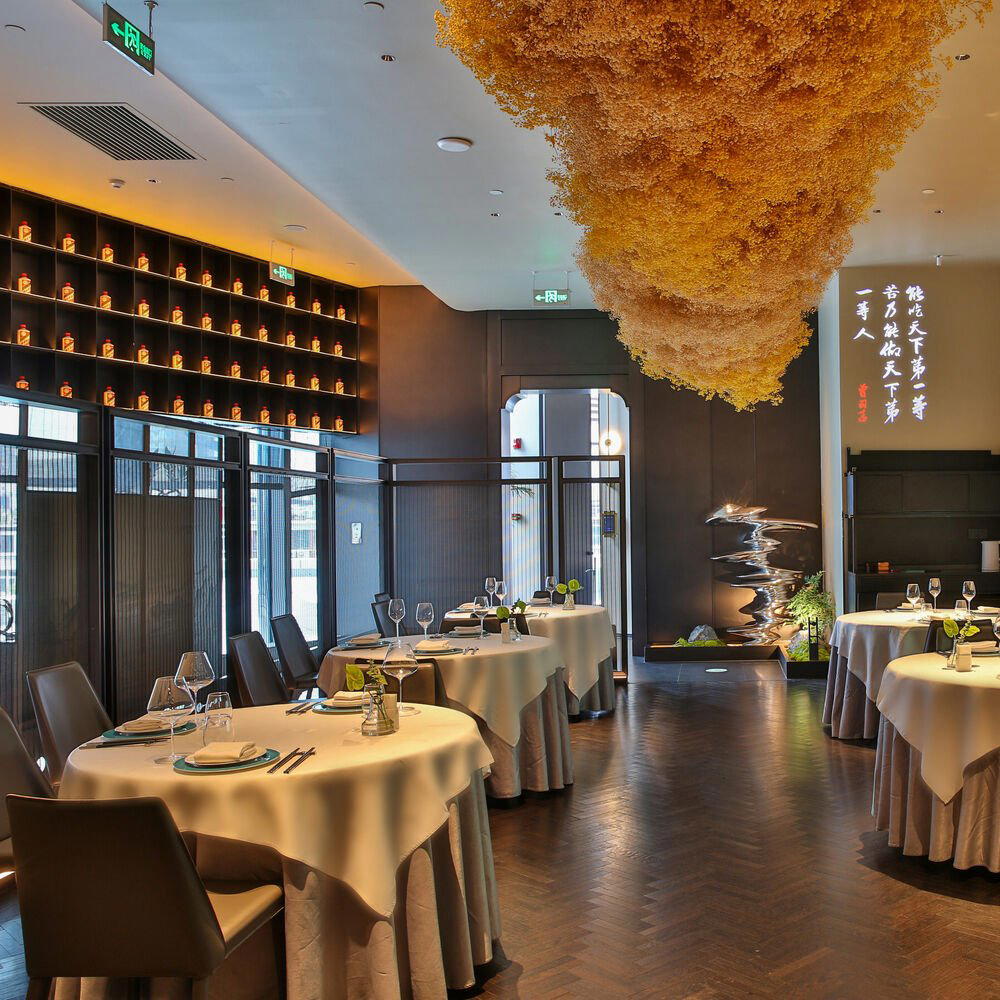
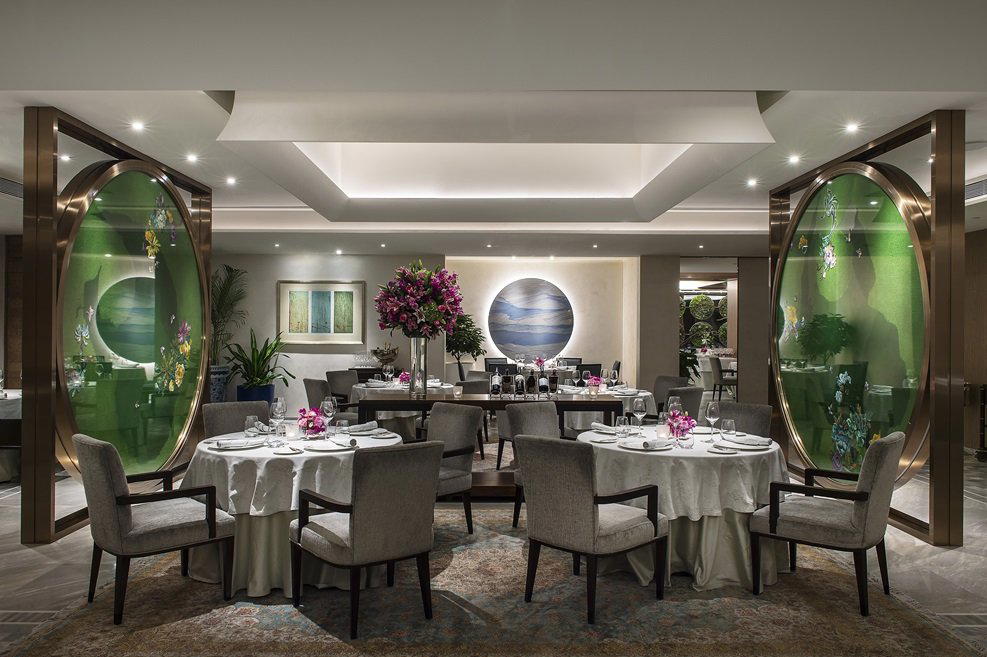
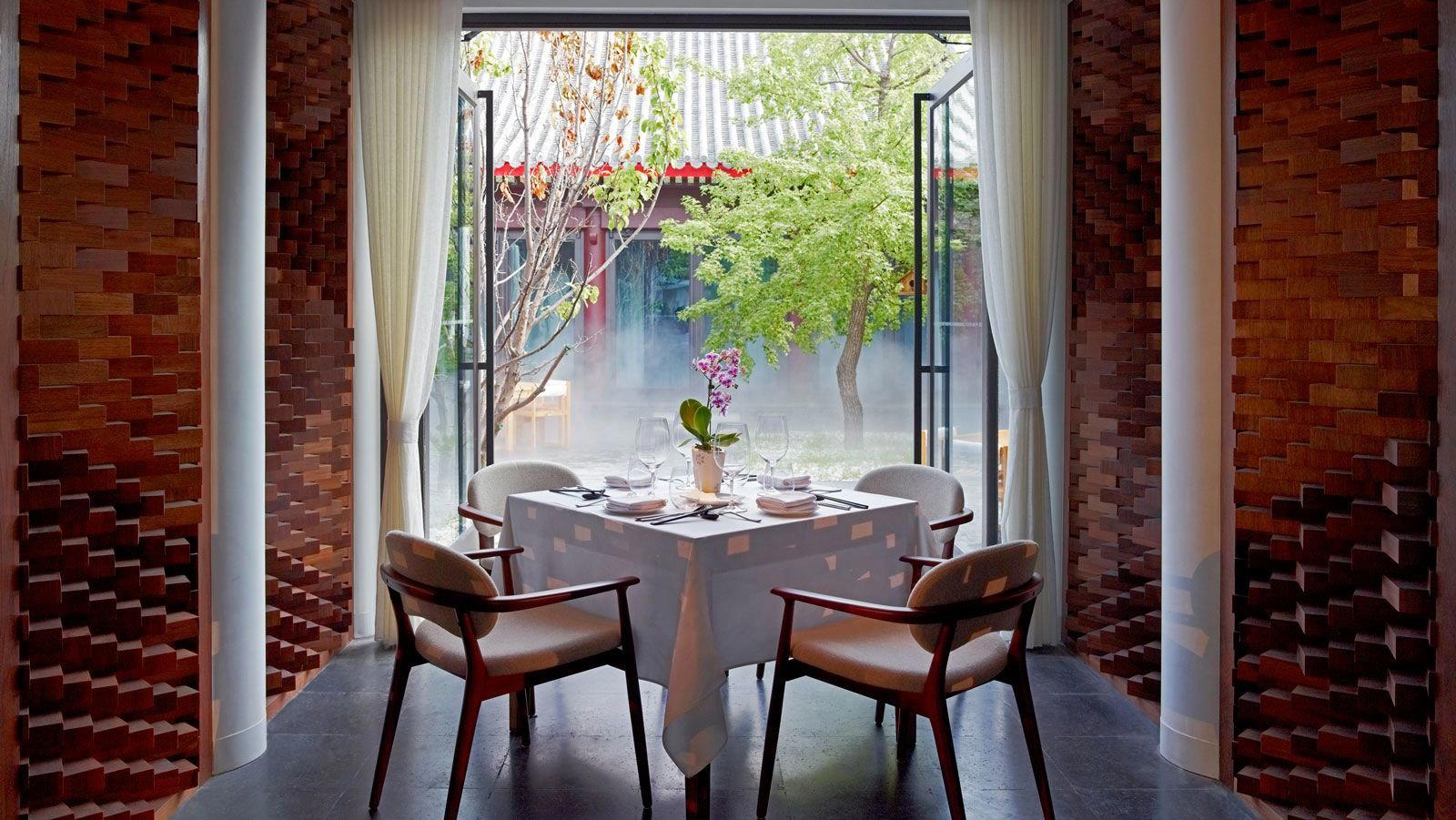
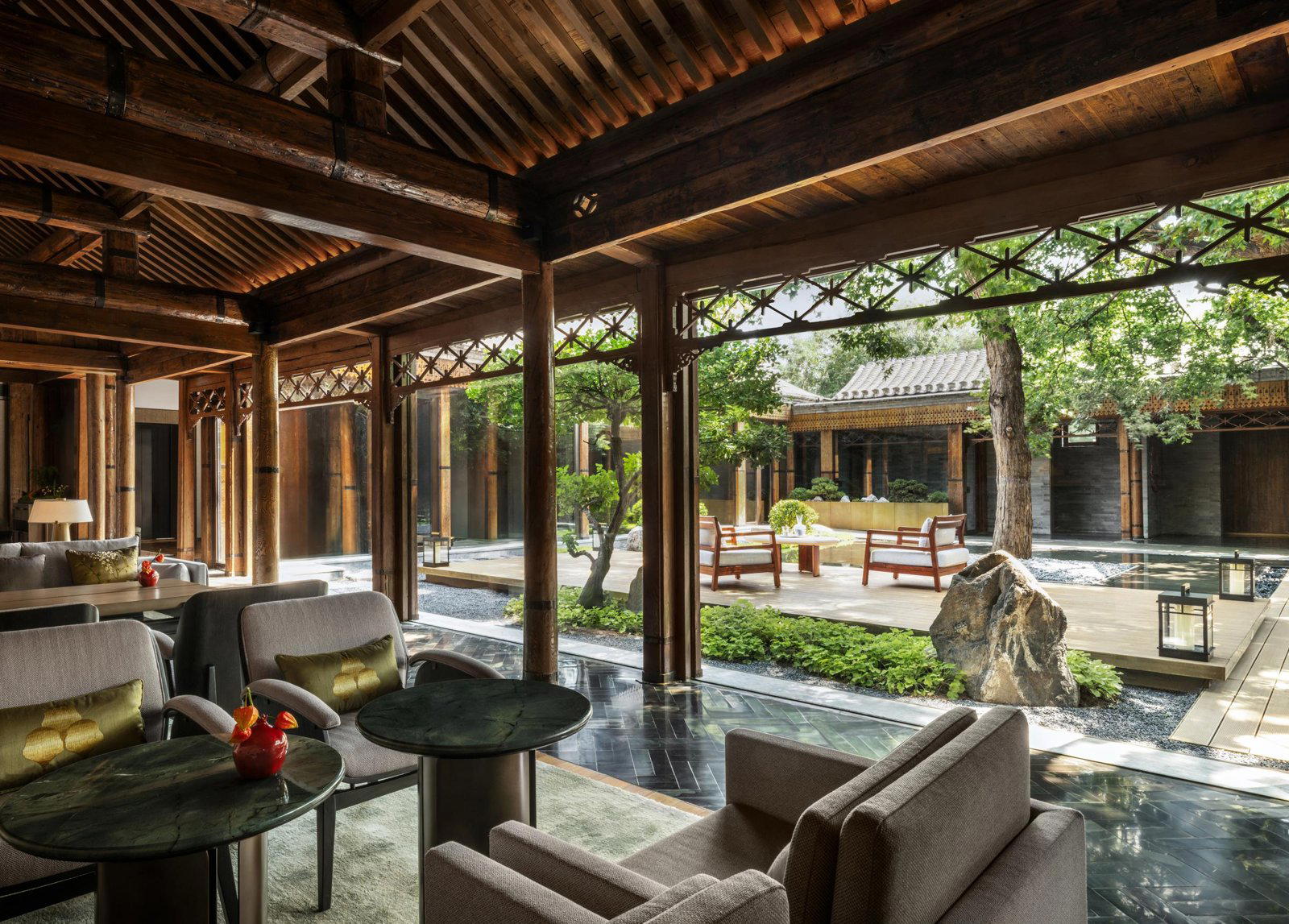
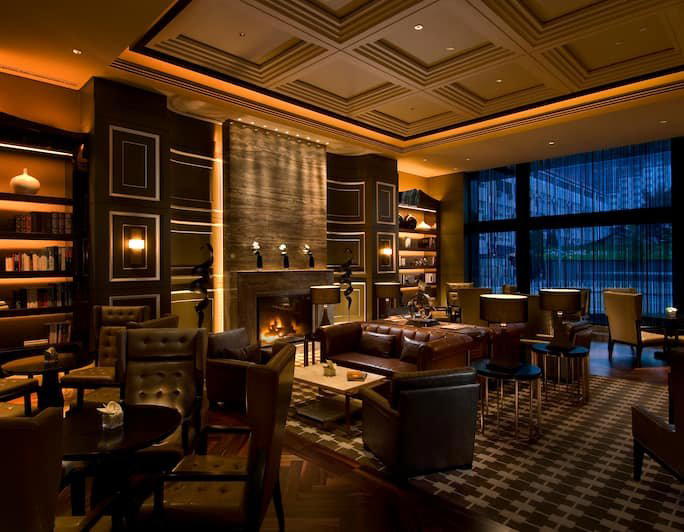
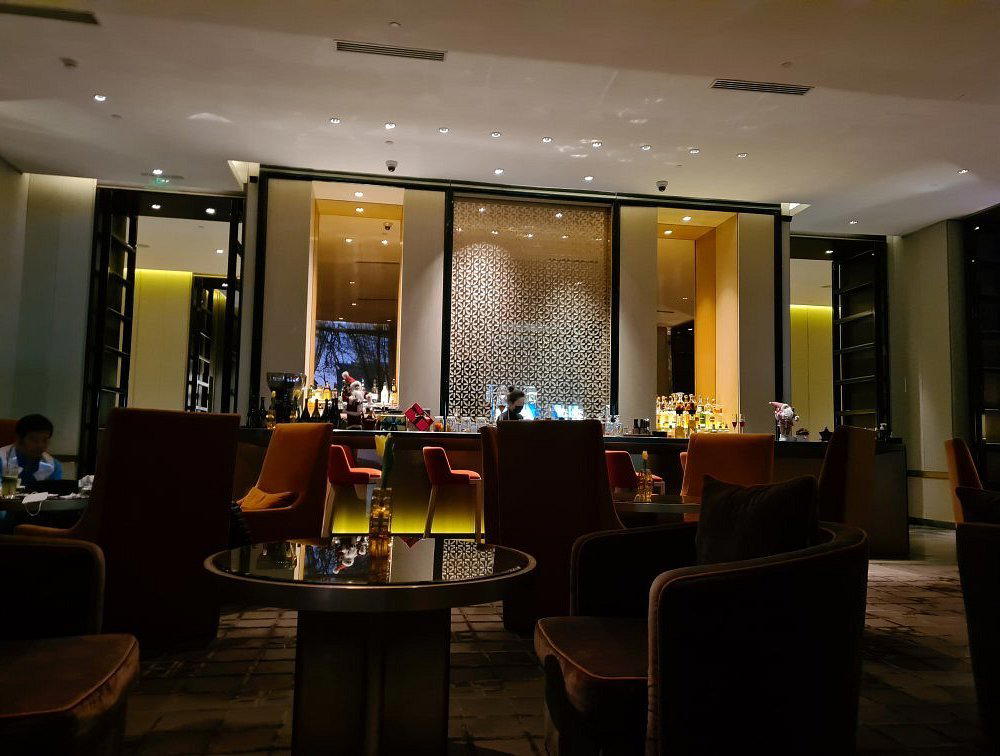
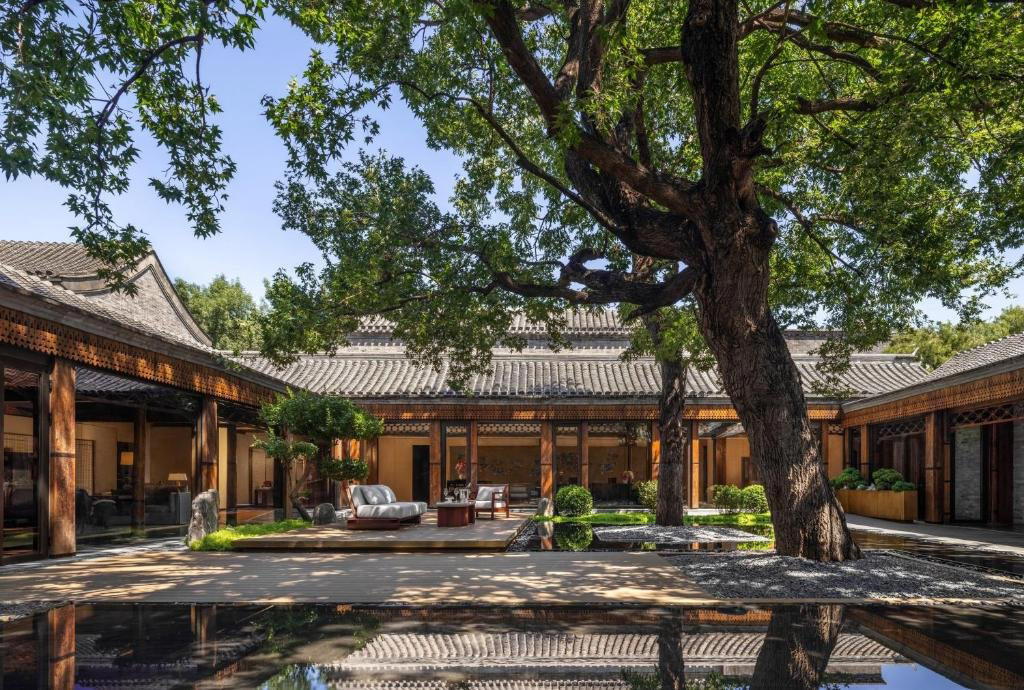
Traditional Chinese setting with Buddha statues, main dining hall downstairs, and private themed rooms upstairs, offering a classic and festive atmosphere.