La Zagara sits on Via Giuseppe Orlandi in the quieter, higher reaches of Anacapri, where the island's lemon groves and kitchen gardens define the table before a single dish is plated. The setting positions it within a local dining tradition rooted in what the island produces rather than what can be imported, placing it in a different register from Capri's more formal dining tier.
Pearl is the En Primeur Club membership app — saves, bookings, and concierge access live there. Same editors, same standards.
- Address
- Via Giuseppe Orlandi, 182, 80071 Anacapri NA, Italy
- Phone
- +39818372923
- Website
- zagaracapri.com
- Directions
- Get directions
 Saves & bookings on Pearl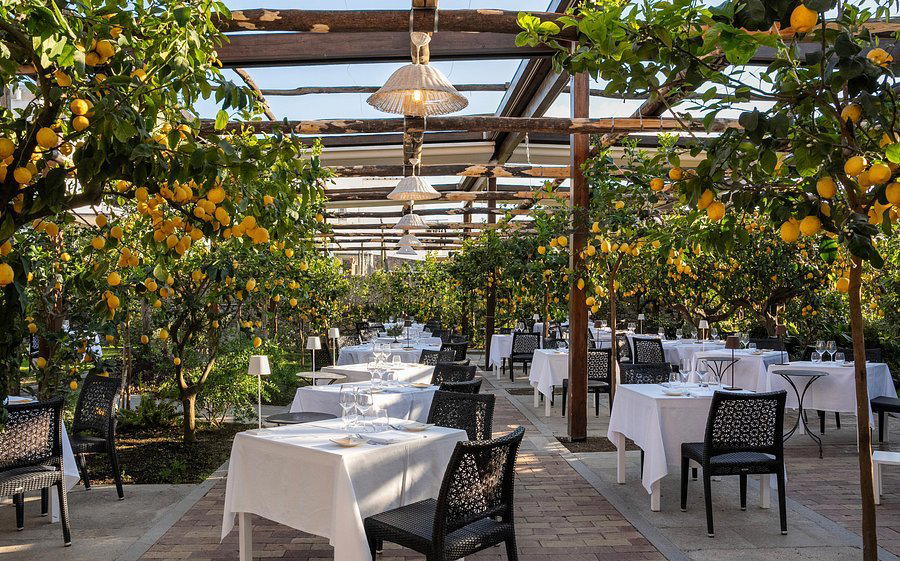
Where the Island Feeds Itself
Anacapri operates at a different register from the port-facing glamour of Capri town below. Higher on Monte Solaro's slopes, the streets narrow, and the growing conditions that made the island's lemons famous become visible: terraced kitchen gardens, citrus groves draped with nets, herb plots pressed against whitewashed walls. Via Giuseppe Orlandi, the main artery threading through Anacapri's residential core, is where most of the neighbourhood's day-to-day life runs. La Zagara sits at number 182 on that street, which tells you something useful before you even arrive: this is not a restaurant positioned for passing tourist traffic from the ferry, but one that has planted itself inside the fabric of the village itself.
That geographical positioning connects to a broader pattern in how southern Italian island cooking has organised itself over the past generation. Grounded dining on islands like Capri, Ischia, and Procida tends to happen inland, away from the waterfront tables that price against the view rather than the plate. La Zagara's address places it in that inland, neighbourhood-facing tier, where the sourcing logic of the kitchen is shaped by what grows close enough to reach.
The Ingredient Logic of the Sorrentine Coast
The Campanian coast and its offshore islands produce a specific agricultural vocabulary that the leading local tables have always organised around: San Marzano-style tomatoes from the volcanic soils above Sorrento, bufala from the Caserta plains an hour's drive north, the island's own lemons (Capri's variety shares characteristics with the sfusato amalfitano, prized for its thick, intensely aromatic pith), zucchini flowers in early summer, capers from the rockfaces, and fish drawn from the Tyrrhenian rather than farmed elsewhere and shipped in. This is simply how the island fed itself before refrigerated transport made provenance optional.
Restaurants in Anacapri that commit to this sourcing logic sit in a distinct peer group from the formal fine-dining tier further up the cliff at properties like L'Olivo, where Italian Contemporary technique reshapes those same local ingredients under Michelin-starred discipline, or the seafront positioning of Il Riccio, which brings a €€€€ seafood focus and a Michelin star to the Blue Grotto shoreline. La Zagara's address and neighbourhood orientation place it closer to the register of Da Gelsomina, a €€ regional kitchen whose farm-grown produce and garden setting define its identity, though the two occupy different parts of the island.
This matters because the dining decision on Capri is often framed as a binary between white-tablecloth formality and tourist-facing trattorias. The more useful frame is sourcing depth: which kitchens are cooking from what the island and the surrounding coast actually produce, and which are producing the same Mediterranean greatest-hits available everywhere from Positano to Palermo. Via Giuseppe Orlandi's proximity to Anacapri's productive hinterland keeps that question answered in the kitchen's favour.
Atmosphere and Approach
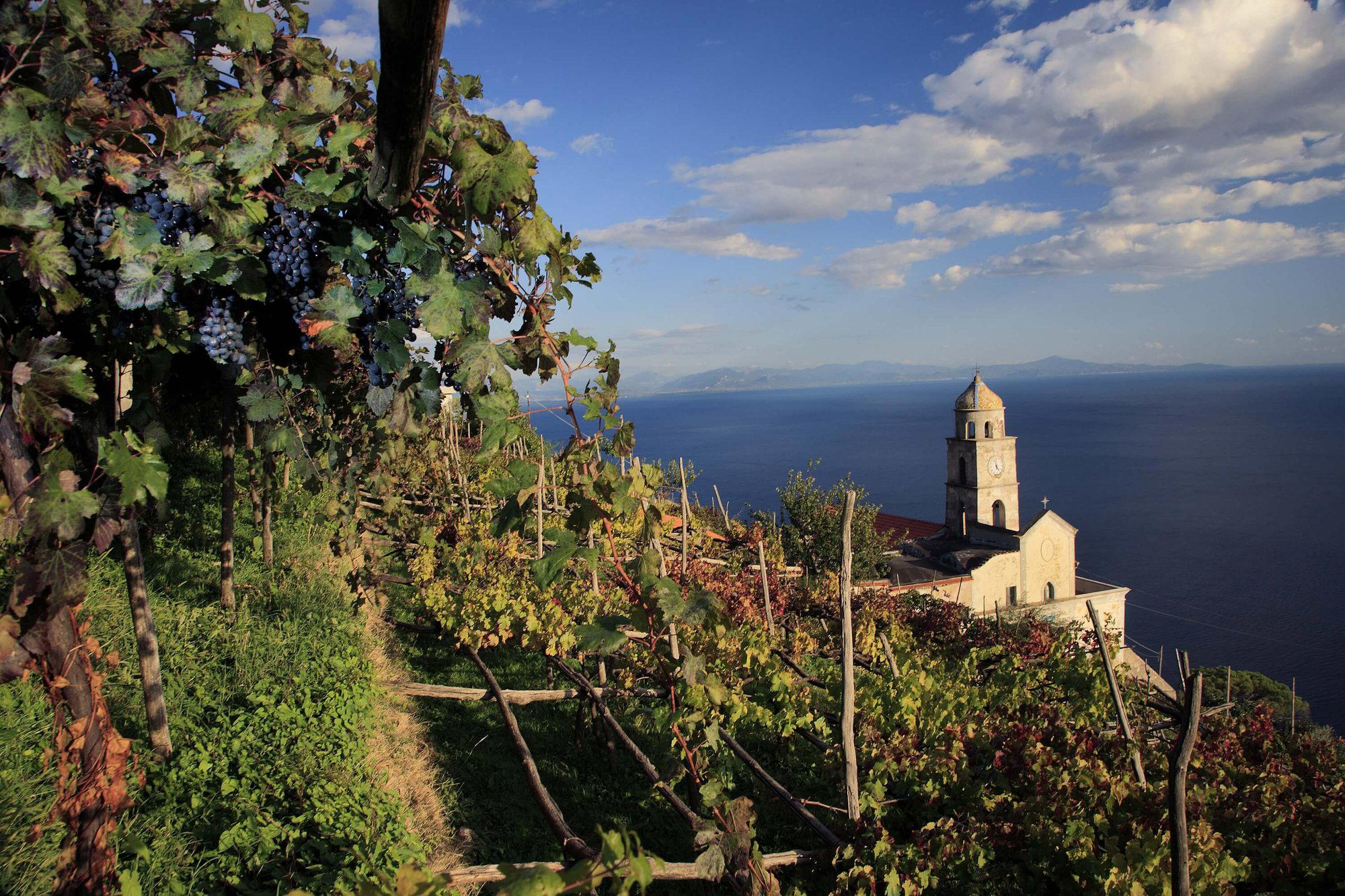
The name zagara is the Sicilian and Neapolitan dialect word for orange blossom, the flower of the citrus groves that historically defined the agricultural character of this entire coastline. Using it as a name signals an orientation toward the island's plant life rather than its sea views or its celebrity associations, which have shaped so much of Capri's public identity since the early twentieth century. The fragrance of zagara in late spring, when the citrus trees flower across Anacapri's terraces, is one of the environmental details that distinguishes the upper village from the port below.
Dining in this part of Anacapri tends toward the unhurried. The pace of the neighbourhood, the absence of a harbour clock driving table turns, and the residential character of the street all favour a longer sit. In the broader context of Campanian coastal dining, this kind of setting, a named garden reference, a village-street address, a kitchen drawing from close-range sources, belongs to a tradition that Quattro Passi in Marina del Cantone has formalised at two Michelin stars, and that Caesar Augustus approaches from a hotel-dining angle with Mediterranean-facing terraces and a different price positioning.
For the wider frame of what serious Italian regional cooking looks like when it connects to local agriculture at the highest level, the reference points extend well beyond Campania: Osteria Francescana in Modena, Piazza Duomo in Alba, and Dal Pescatore in Runate each demonstrate how deep regional sourcing can anchor a kitchen's identity at the highest technical tier. At the other end of that continuum, Anacapri's neighbourhood tables, the restaurant among them, hold the same sourcing principle without the formal apparatus.
Planning a Visit
Anacapri is reached by bus or taxi from Capri town's main square after arriving by ferry from Naples, Sorrento, or Positano. The journey up takes roughly fifteen minutes by bus. Via Giuseppe Orlandi runs through the heart of Anacapri and is walkable from the central piazza. As with most neighbourhood restaurants in the village, arriving with some flexibility on timing is advisable during peak summer months, when the island's overall visitor numbers compress available seating across all price tiers. The shoulder season, late April through early June, and September through October, offers the island's produce at its most varied and the streets at their most navigable.
maps the island's dining across price tiers and cuisine types, including the Michelin-starred end of the spectrum at L'Olivo and Il Riccio, the hotel-dining format at Columbus Capri, and the farm-rooted regional cooking at Da Gelsomina. The sourcing-led regional tradition the restaurant represents connects to kitchens as varied as Uliassi in Senigallia, Reale in Castel di Sangro, Atelier Moessmer Norbert Niederkofler in Brunico, Le Calandre in Rubano, Enrico Bartolini in Milan, and Enoteca Pinchiorri in Florence, each anchoring a menu to the produce of a specific Italian region, at varying levels of formality and price. Outside Italy, the precision with which coastal sourcing can be translated into fine-dining technique is most visible at Le Bernardin in New York City and the ingredient-forward approach of Atomix in New York City.
How It Stacks Up
Comparable venues nearby, for context on price, style, and recognition.
| Venue | Cuisine | Price | Awards | Notes |
|---|---|---|---|---|
| La ZagaraThis venue — the venue you are viewing | Modern Mediterranean Capri Cuisine | $$$$ | Not listed | Not listed |
| Columbus Capri | Authentic Caprese Trattoria | $$ | Not listed | Anacapri |
| Caesar Augustus | Traditional Italian Fine Dining | $$$$ | Not listed | Anacapri |
| Da Gelsomina | Traditional Capri Italian | $$$ | Michelin Plate | Anacapri |
| A-Ma-Re Capri | Neapolitan seafood osteria & gourmet pizza by the sea | $$$ | Not listed | Anacapri |
| Il Riccio | Mediterranean Seafood Fine Dining | $$$$ | Michelin Plate | Anacapri |
Continue exploring
More in Anacapri
Restaurants in Anacapri
Browse all →
Bars in Anacapri
Browse all →
Hotels in Anacapri
Browse all →

At a Glance
- Romantic
- Elegant
- Scenic
- Intimate
- Cozy
- Date Night
- Special Occasion
- Celebration
- Garden
- Terrace
- Extensive Wine List
- Garden
Current opening hours
- Monday
- 12–3 PM, 7–11 PM
- Tuesday
- 12–3 PM, 7–11 PM
- Wednesday
- 12–3 PM, 7–11 PM
- Thursday
- 12–3 PM, 7–11 PM
- Friday
- 12–3 PM, 7–11 PM
- Saturday
- 12–3 PM, 7–11 PM
- Sunday
- 12–3 PM, 7–11 PM
Hours can change for holidays and private events. Last verified .
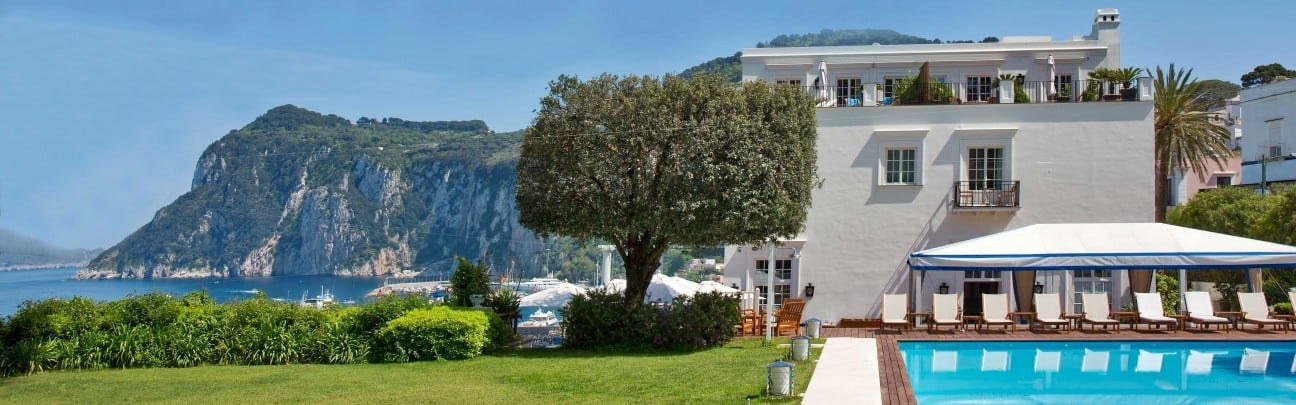
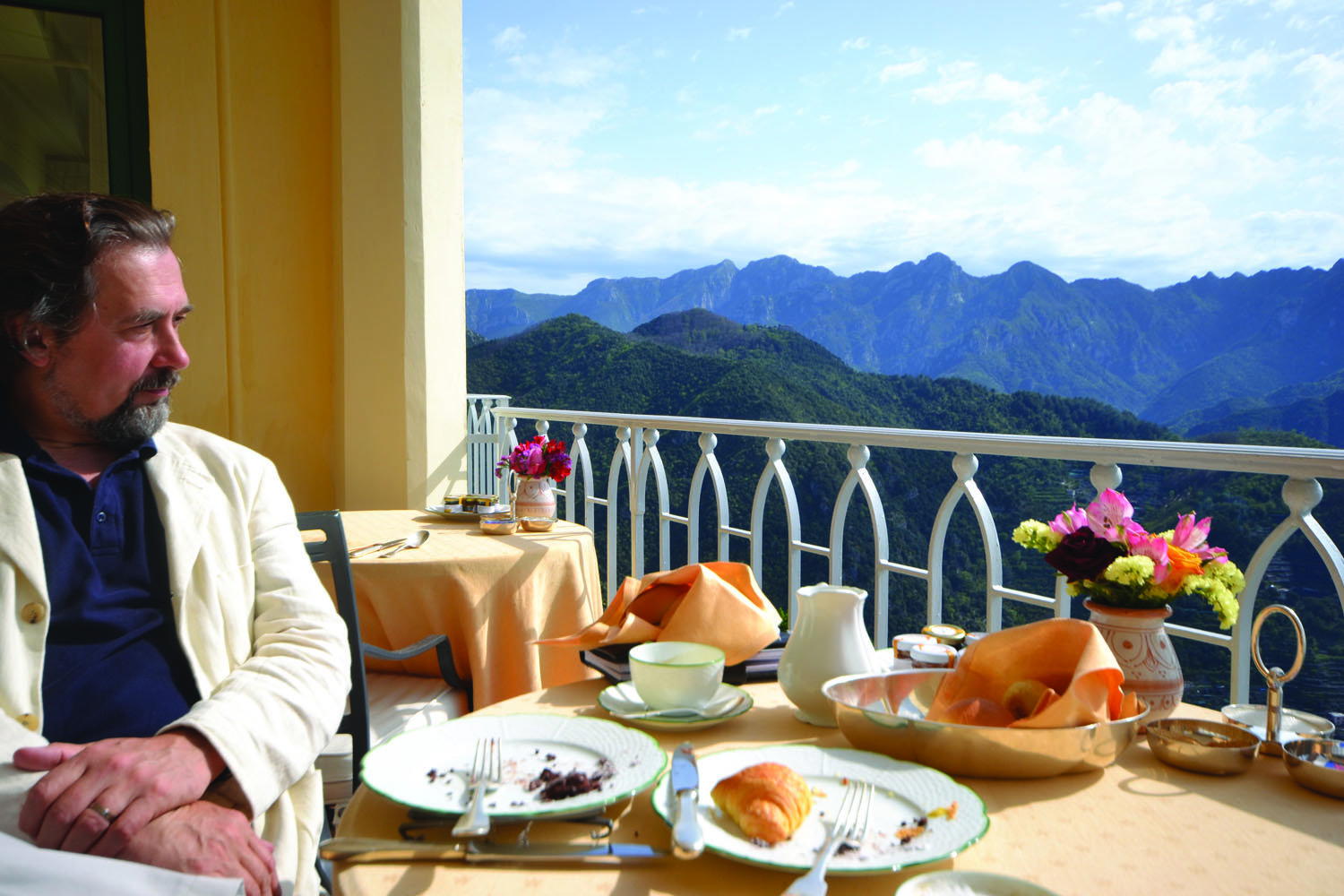
Charming and elegant atmosphere under shady lemon groves with citrus blossom scents, creating an intimate and relaxing shaded outdoor dining experience.