Columbus Capri sits in Anacapri at an address that places it away from the busier port-side scene, making it a reference point for visitors seeking the quieter, residential side of the island. The dining here connects to the agricultural and coastal sourcing traditions that define Campanian cooking at its most grounded. For context on where it fits among the island's options, the full Anacapri restaurant circuit rewards careful planning.
Pearl is the En Primeur Club membership app — saves, bookings, and concierge access live there. Same editors, same standards.
- Address
- Salita Caposcuro, 8, 80071 Anacapri NA, Italy
- Phone
- +39818371441
- Website
- columbuscapri.com
- Directions
- Get directions
 Saves & bookings on Pearl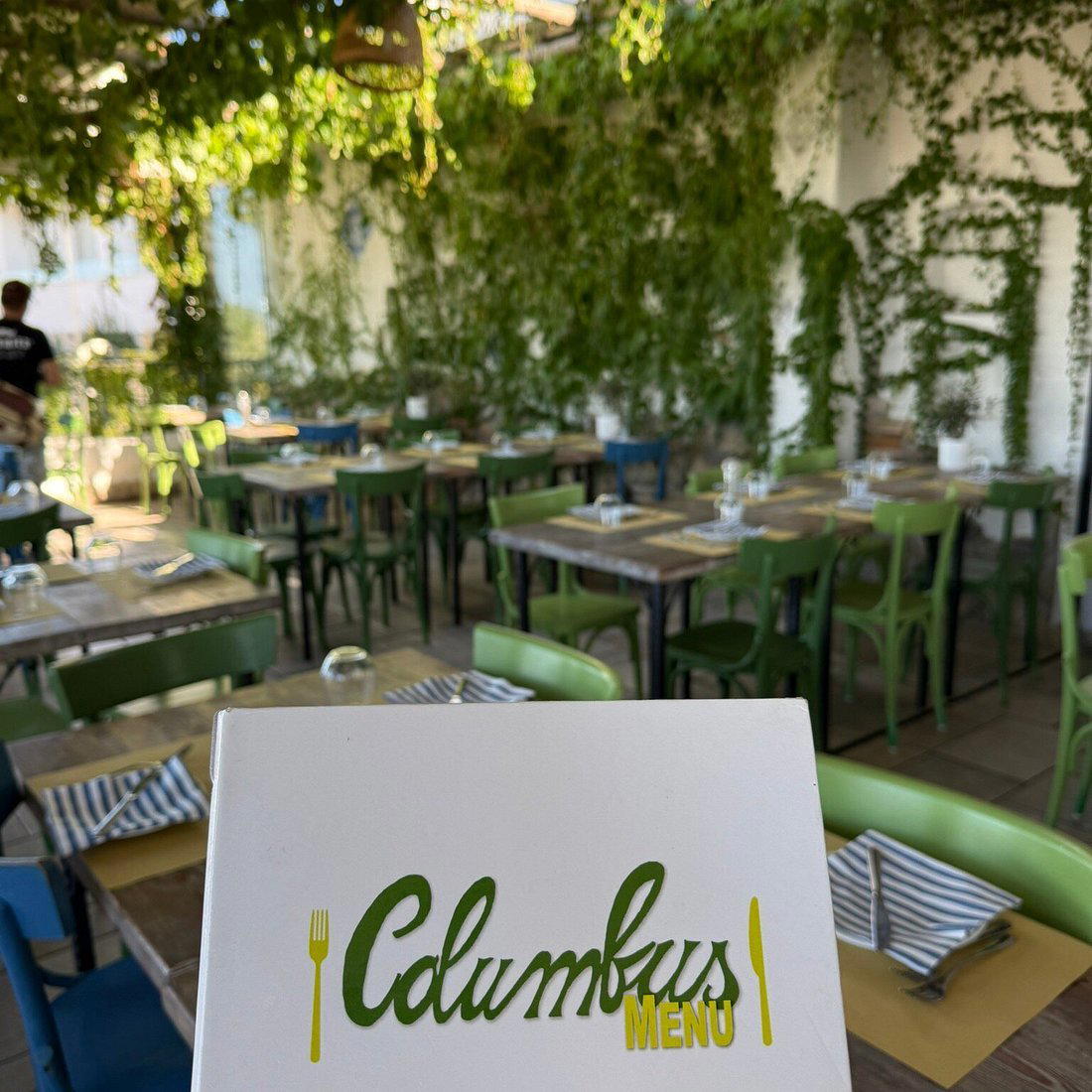
Anacapri's Quieter Register
Capri's dining reputation is built almost entirely around its lower town and the Marina Grande arrivals corridor. Anacapri, the island's upper municipality reached by a switchback road that most day-trippers never bother with, operates at a different pace and draws a different kind of visitor. The restaurants that have settled here over the decades tend to serve a clientele that has already decided to stay longer, look harder, and eat with fewer distractions. Columbus Capri is an authentic Caprese trattoria in Anacapri, with a price point around $45 per person. Arriving on foot from the town's central piazza, you pass walls thick with bougainvillea and lemon trees grown at altitude, their fruit noticeably more aromatic than what reaches the harbour. The approach itself frames what eating in Anacapri is about: proximity to the source.
Where the Food Comes From
Campanian cooking is one of Italy's most ingredient-driven traditions, and on Capri that instinct is sharpened by geography. The island cannot import everything economically, which means the kitchens that do it properly lean into what grows or swims nearby. The terraced gardens of Anacapri have historically supplied tomatoes, capers, herbs, and citrus to the island's tables. The sfusato limone, the elongated Amalfi-coast lemon cultivated on terraces from Positano to Capri, shapes desserts and sauces in ways that bottled concentrate cannot replicate. Locally caught fish, including the spigola and orata that move through the waters around the Faraglioni, form the backbone of the seafood courses that dominate menus in this part of the Tyrrhenian. This sourcing geography is the context within which any serious Anacapri dining address should be read.
The island's restaurant scene has sorted itself across a clear price and ambition spectrum. At the formal end, L'Olivo operates at the €€€€ tier with Italian contemporary cooking and a record of critical recognition that places it in a national comparable set. Il Riccio occupies the same price tier with a seafood focus and a setting that leans into the coastal drama. At the other end, Da Gelsomina operates at the €€ level with regional cuisine that draws heavily from its own farm, making it one of the clearest examples of hyperlocal sourcing on the island. Caesar Augustus and La Zagara complete a picture of an area where the options range from produce-to-plate simplicity to technically ambitious destination dining. Columbus Capri sits in this mix as a neighbourhood address rather than a marquee destination, which is a meaningful distinction in a place where too many visitors eat only where the view is loudest.
The Anacapri Dining Tradition
What separates the better Anacapri kitchens from their Capri Town equivalents is often a matter of restraint. The lower town's restaurants have spent decades calibrating themselves to high-turnover summer tourism. The menus are broader, the portions adjusted for speed, and the wine lists oriented toward recognisable labels. Anacapri's kitchens, insulated by altitude and a slightly more committed visitor base, have had more room to stay specific. That specificity shows in the way caper berries from the island's volcanic soil turn up as a flavouring and not just a garnish, and in the way the pasta sauces tend to be shorter and more acidic, shaped by tomatoes that ripen fully in Mediterranean sun rather than in transit. This is a culinary tradition shaped by constraint and seasonality in equal measure, and Columbus Capri operates within it.
For broader comparison, Italy's most formally recognised dining addresses, Osteria Francescana in Modena, Enoteca Pinchiorri in Florence, Piazza Duomo in Alba, and Le Calandre in Rubano, work at a different scale and with a different ambition. Coastal southern Italy has its own tier of reference points: Quattro Passi in Marina del Cantone works the Sorrentine peninsula's seafood tradition at a high formal level, while Uliassi in Senigallia represents what Adriatic coastal cooking looks like with serious technical investment behind it. The Anacapri scene, the restaurant included, operates well below that tier of formality and investment, which is not a criticism. The island's food culture was never built around the tasting-menu format that drives those addresses.
Eating Around the Island: Planning Notes
Anacapri rewards a visit structured around more than one meal. The geography means that commuting between the upper town and the Marina Grande at dinner time is inefficient, particularly in summer when the funicular queues lengthen. Visitors who base themselves in Anacapri are better served by committing to the upper town's restaurant circuit across their stay. The full Anacapri restaurants guide maps the current options with enough specificity to plan a multi-day itinerary without doubling back. Outside Italy's Tyrrhenian context, the closest parallels for coastal ingredient-led cooking with serious sourcing discipline appear at addresses like Dal Pescatore in Runate and, at a more experimental register, Atelier Moessmer Norbert Niederkofler in Brunico, which treats Alpine sourcing with the same rigour that the leading Campanian kitchens apply to their coastal and agricultural produce. Internationally, Le Bernardin in New York City and Lazy Bear in San Francisco represent what sourcing-led cooking looks like when placed inside a fully resourced urban format, a contrast that clarifies how much the Anacapri approach depends on place. The northern Italian reference points, including Enrico Bartolini in Milan and Reale in Castel di Sangro, demonstrate how far Italian regional cooking has travelled when given the infrastructure for it.
Fast Comparison
Comparable venues nearby, for context on price, style, and recognition.
| Venue | Cuisine | Price | Awards | Notes |
|---|---|---|---|---|
| Columbus CapriThis venue — the venue you are viewing | Authentic Caprese Trattoria | $$ | Not listed | Not listed |
| La Zagara | Modern Mediterranean Capri Cuisine | $$$$ | Not listed | Anacapri |
| A-Ma-Re Capri | Neapolitan seafood osteria & gourmet pizza by the sea | $$$ | Not listed | Anacapri |
| Da Gelsomina | Traditional Capri Italian | $$$ | Michelin Plate | Anacapri |
| Caesar Augustus | Traditional Italian Fine Dining | $$$$ | Not listed | Anacapri |
| Il Riccio | Mediterranean Seafood Fine Dining | $$$$ | Michelin Plate | Anacapri |
Continue exploring
More in Anacapri
Restaurants in Anacapri
Browse all →
Bars in Anacapri
Browse all →
Hotels in Anacapri
Browse all →

At a Glance
- Romantic
- Scenic
- Cozy
- Classic
- Date Night
- Casual Hangout
- Terrace
- Garden
- Standalone
- Beer Program
- Farm To Table
- Local Sourcing
- Street Scene
- Garden
Current opening hours
- Monday
- 7:30 AM–5 PM
- Tuesday
- 7:30 AM–5 PM
- Wednesday
- 7:30 AM–5 PM
- Thursday
- 7:30 AM–5 PM
- Friday
- 7:30 AM–11:30 PM
- Saturday
- 7:30 AM–11:30 PM
- Sunday
- 7:30 AM–11:30 PM
Hours can change for holidays and private events. Last verified .
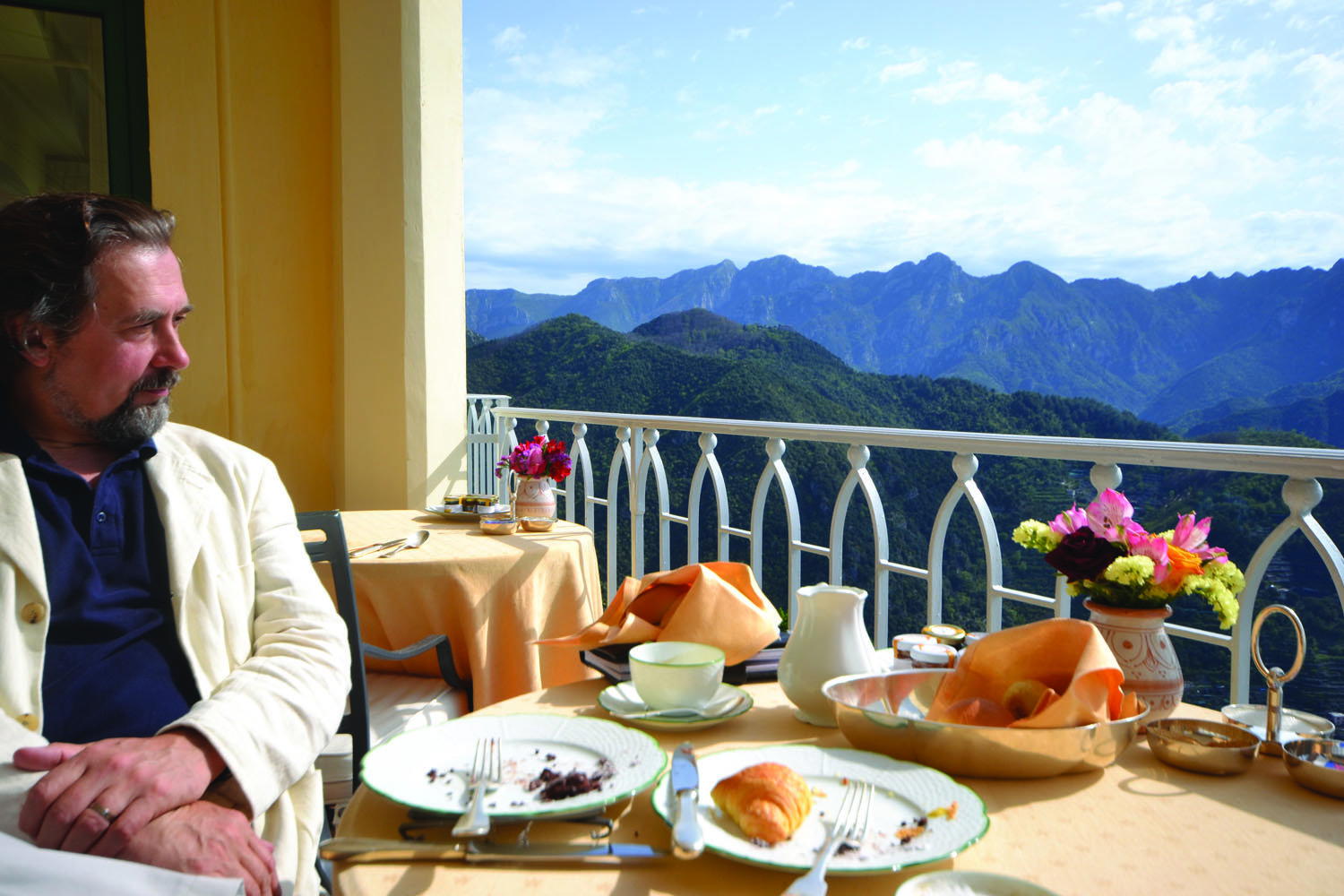
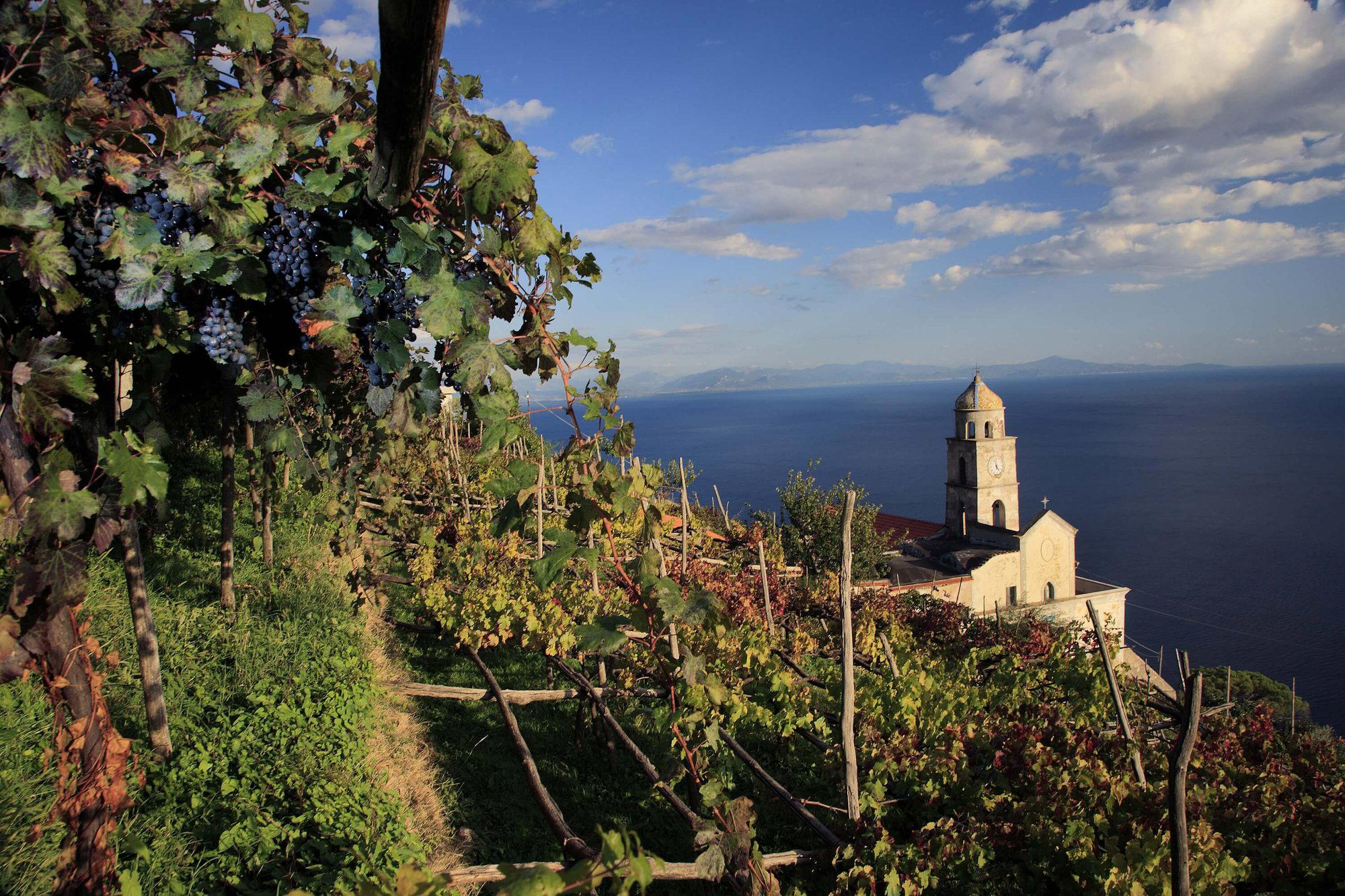
Relaxing and welcoming with a beautiful, vine-covered terrace offering lovely people-watching during the day and a chill atmosphere at night.