
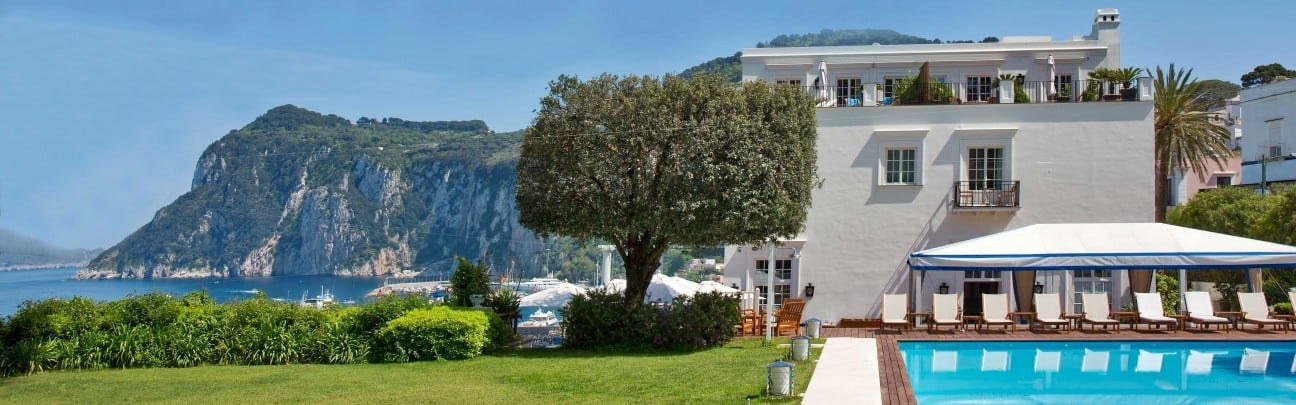
Perched on Anacapri's cliff edge at Via Giuseppe Orlandi 4, Caesar Augustus is a family-run villa property where the Tyrrhenian Sea fills every sightline and Italian Mediterranean cooking is grounded in the southern Italian olive oil tradition.
Pearl is the En Primeur Club membership app — saves, bookings, and concierge access live there. Same editors, same standards.
- Address
- Via Giuseppe Orlandi, 4, 80071 Anacapri NA, Italy
- Phone
- +39 081 837 3395
- Website
- caesar-augustus.com
- Directions
- Get directions
 Saves & bookings on Pearl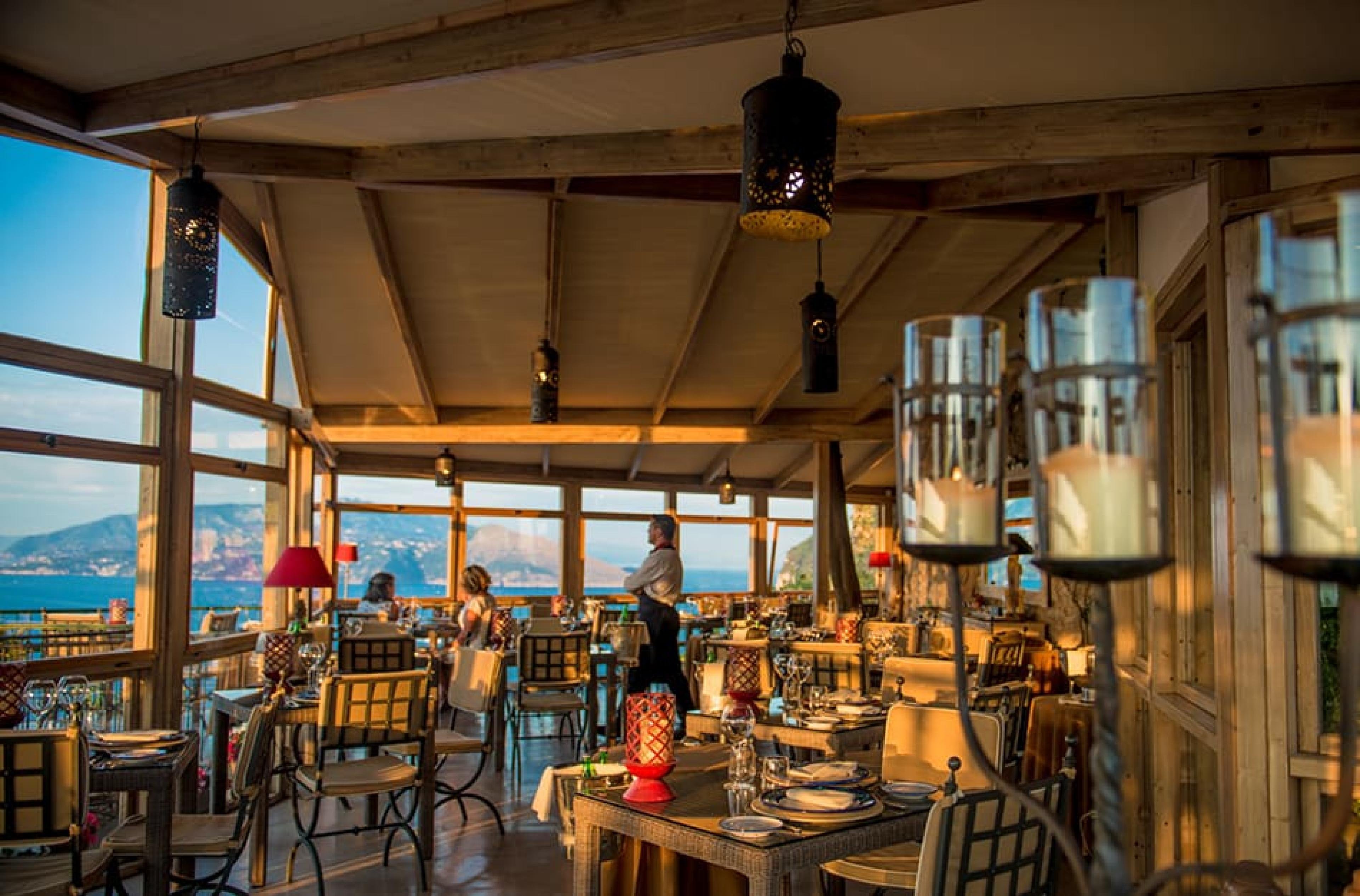
The Cliff-Edge Villa and What It Demands of the Cuisine
Approaching Anacapri from the port below, the island splits into two distinct personalities. The lower town serves the day-trip economy. Anacapri, higher up, is quieter, more residential, and considerably more serious about its relationship with the land. Caesar Augustus sits on the cliff edge of this upper village at Via Giuseppe Orlandi 4, where the drop to the Tyrrhenian Sea is vertiginous enough that the horizon appears to begin at the tablecloth. That physical fact shapes everything about how the property operates. When a setting commands this much attention, the food either earns its place or disappears into the scenery. Here, the kitchen's answer is rooted in the oldest logic of southern Italian cooking: olive oil.
The Campanian coast has produced some of Italy's most characterful extra virgin oils for centuries, pressed from cultivars like Ravece and Pisciottana that carry a peppery finish and a grassy intensity rarely found in the blended oils dominating northern European markets. In a cuisine defined by restraint and quality of base ingredient rather than complexity of technique, that foundation matters more than any single garnish or imported protein. At Caesar Augustus, the Italian Mediterranean register leans into this tradition, letting the oil do the structural work that butter or cream would do elsewhere.
Where Caesar Augustus Sits in Anacapri's Dining Tier
Anacapri's restaurant scene stratifies quickly. At the formal end, L'Olivo holds two Michelin stars and operates at €€€€ pricing, with Italian Contemporary cooking aimed squarely at the international luxury clientele staying on the island's highest-rated properties. Il Riccio operates in the same price bracket with a seafood focus and direct cliff-access drama of its own. The restaurant occupies a different tier entirely, functioning as a family-run property rather than a chef-driven fine dining project. The peer comparison is closer to Da Gelsomina, the island's most respected regional-cuisine address, where the priority is cooking that tastes of the island rather than cooking that performs for critics.
This positioning is not a compromise. Italy's most deeply satisfying tables have often been family-run properties where the cuisine connects to a specific place and a specific pantry rather than to a seasonal tasting menu format. That score, maintained across a substantial review base, signals consistency and guest alignment with what the property is actually offering: a cliff-edge setting with food that respects the southern Italian canon.
The Olive Oil Argument on the Plate
In Italian Mediterranean cooking, olive oil is not a finishing flourish. It is the cooking medium, the emulsifier, the dressing, and frequently the primary flavour in a dish. The great seafood preparations of the Campanian coast, from acqua pazza poached fish to simple grilled catch dressed at the table, depend on the oil carrying flavour that the protein and salt cannot supply alone. A cold-pressed Campanian extra virgin, with its characteristic bitterness and peppery throat-catch, changes the character of a dish entirely compared with a neutral refined oil. Kitchens that understand this use olive oil the way a French kitchen uses a properly made stock: as the invisible architecture that makes everything else taste better.
Chef Colin Henderson works within this framework at the restaurant. The Italian Mediterranean designation positions the kitchen in the broader coastal tradition rather than in the more technically elaborate register occupied by Osteria Francescana in Modena or Le Calandre in Rubano. The comparison set for a family-run Anacapri property sits closer to the agrarian Italian tradition represented by Dal Pescatore in Runate, where decades of family continuity produce a cuisine that is coherent precisely because it has not been redesigned for each new critical cycle.
The Setting as an Active Ingredient
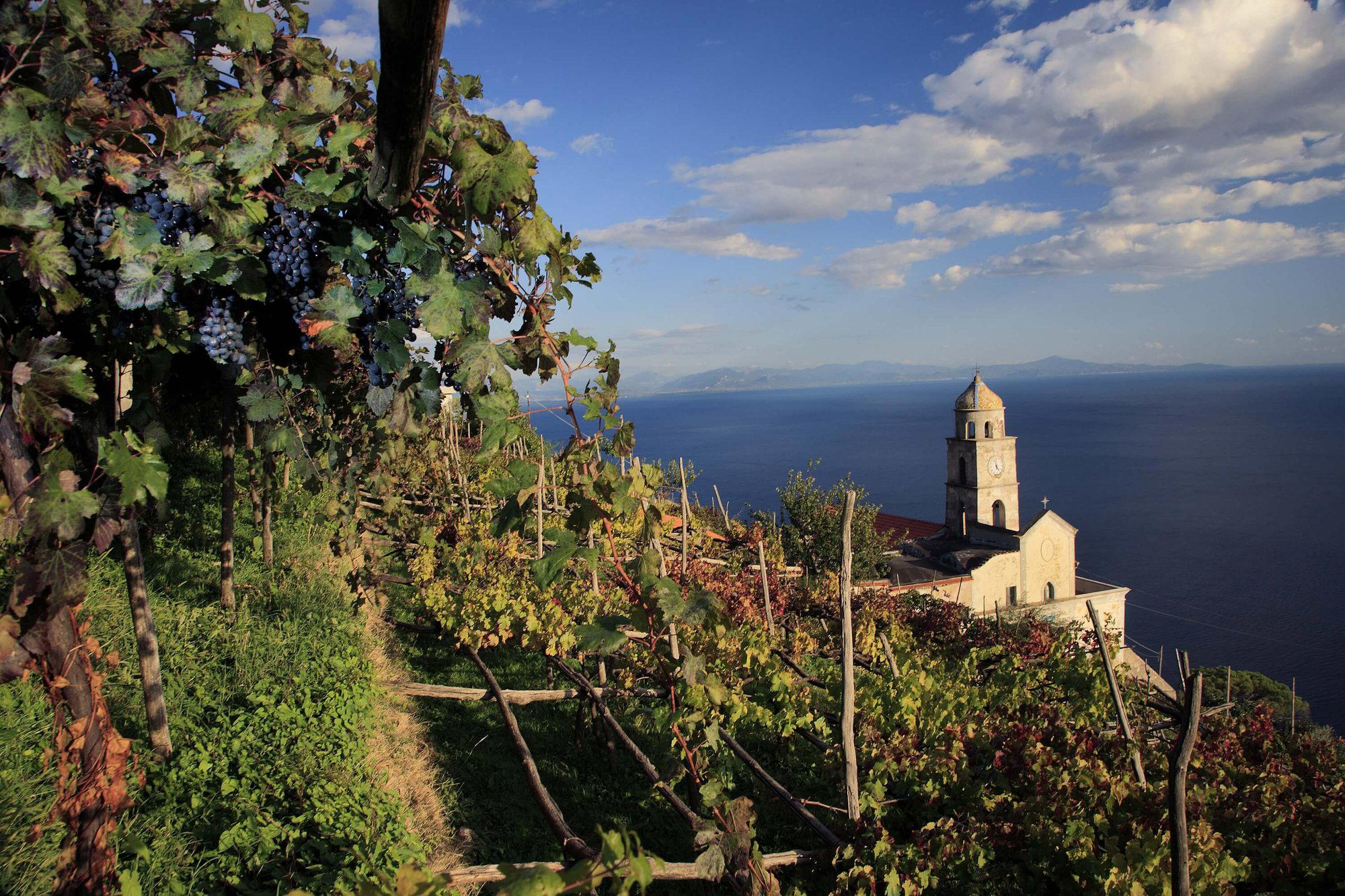
The cliff-edge villa format is not common in Italian hospitality. Properties with this kind of exposure to the sea tend to become destination dining propositions almost by default, because the view creates an experience that no indoor restaurant can replicate regardless of its technical achievements. The dining position at the restaurant, looking out over the Tyrrhenian with the Faraglioni rocks in the far distance on a clear day, produces a quality of attention in guests that seasoned hospitality operators recognise as an asset worth protecting. The family-run structure helps preserve that character. Large hotel groups tend to standardise service rhythms and menu formats in ways that can flatten the specificity of a place. A family operation has more latitude to respond to the season, the morning's fish market, and the particular quality of oil from a trusted local producer.
Italy has a number of properties that perform this role with real distinction, from Quattro Passi in Marina del Cantone along the same coastline to Piazza Duomo in Alba in Piedmont, where the connection between setting, producer relationships, and cuisine creates something more integrated than a tasting menu alone can achieve. The restaurant operates in that spirit, without the Michelin architecture.
Planning a Visit
Access to Anacapri follows the island's own logic. From Naples Capodichino International Airport, the standard route is a taxi to the port of Naples followed by a hydrofoil to Capri, a journey covering roughly 37 kilometres from airport to island. From Napoli Centrale train station, the port is approximately 30 kilometres. Once on the island, the restaurant offers shuttle bus service and private transfer arrangements on request, which is worth organising in advance given that Anacapri's narrow roads make ad hoc transport unreliable during peak season. The GPS coordinates for the property are 40.5585, 14.2230, and the address is Via Giuseppe Orlandi 4, 80071 Anacapri.
For those comparing Italian dining options at a regional level, Atelier Moessmer Norbert Niederkofler in Brunico, Enoteca Pinchiorri in Florence, and Enrico Bartolini in Milan represent the upper formal register across different Italian regions. At the international end of the spectrum, Le Bernardin in New York City and Atomix in New York City sit in a peer conversation about what serious cooking with a clear culinary identity looks like at the highest level.
In Context: Similar Options
Comparable venues nearby, for context on price, style, and recognition.
| Venue | Cuisine | Price | Awards | Notes |
|---|---|---|---|---|
| Caesar AugustusThis venue — the venue you are viewing | Traditional Italian Fine Dining | $$$$ | Not listed | Not listed |
| La Zagara | Modern Mediterranean Capri Cuisine | $$$$ | Not listed | Anacapri |
| Il Riccio | Mediterranean Seafood Fine Dining | $$$$ | Michelin Plate | Anacapri |
| A-Ma-Re Capri | Neapolitan seafood osteria & gourmet pizza by the sea | $$$ | Not listed | Anacapri |
| Da Gelsomina | Traditional Capri Italian | $$$ | Michelin Plate | Anacapri |
| Columbus Capri | Authentic Caprese Trattoria | $$ | Not listed | Anacapri |
Recognition history
Dated appearances from independent guides and award organizations, with the underlying list record or original source where available.
Relais Chateaux Award
Relais Chateaux
Continue exploring
More in Anacapri
Restaurants in Anacapri
Browse all →
Bars in Anacapri
Browse all →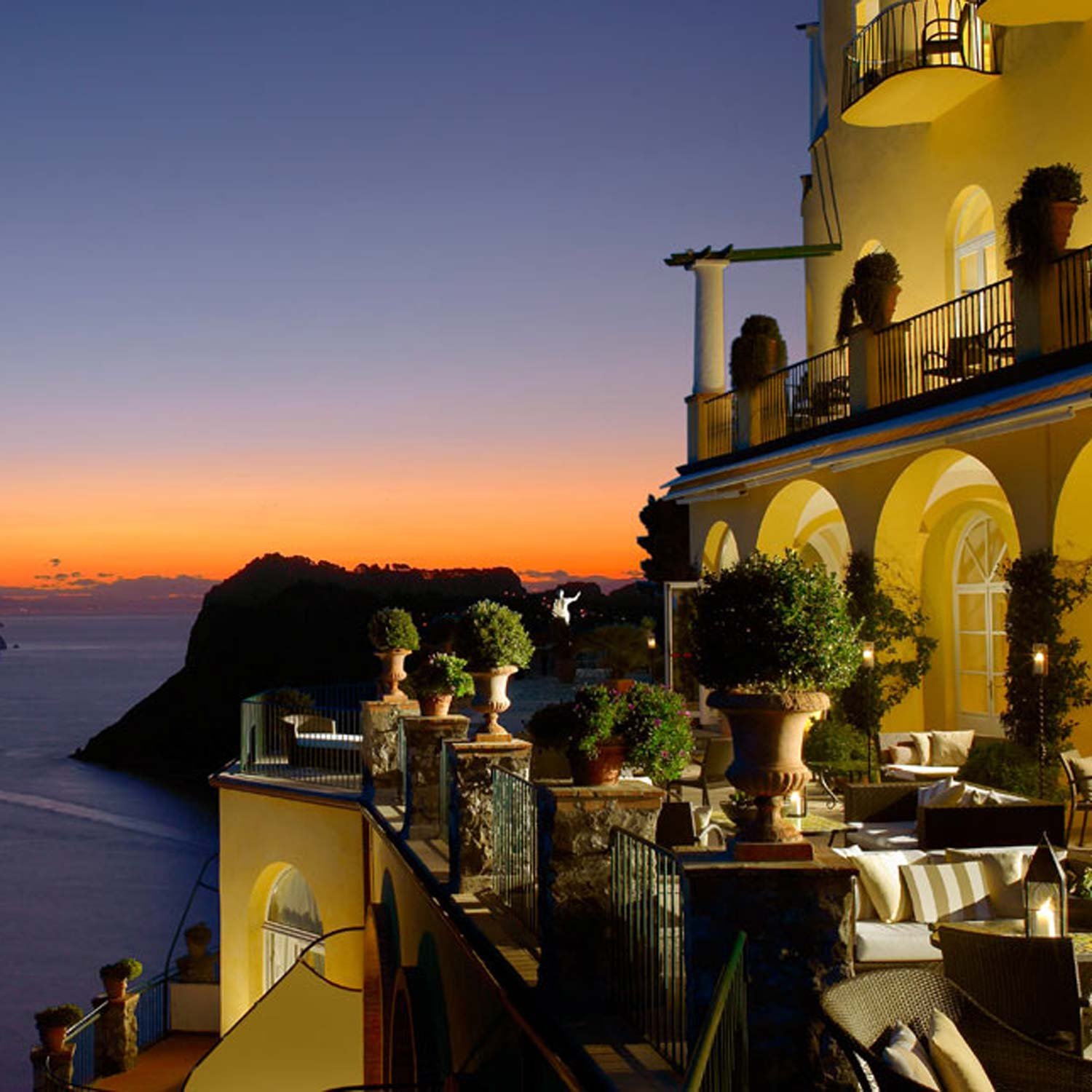
Hotels in Anacapri
Browse all →

At a Glance
- Romantic
- Elegant
- Scenic
- Sophisticated
- Intimate
- Date Night
- Special Occasion
- Celebration
- Terrace
- Panoramic View
- Hotel Restaurant
- Extensive Wine List
- Organic
- Local Sourcing
- Mountain
- Waterfront
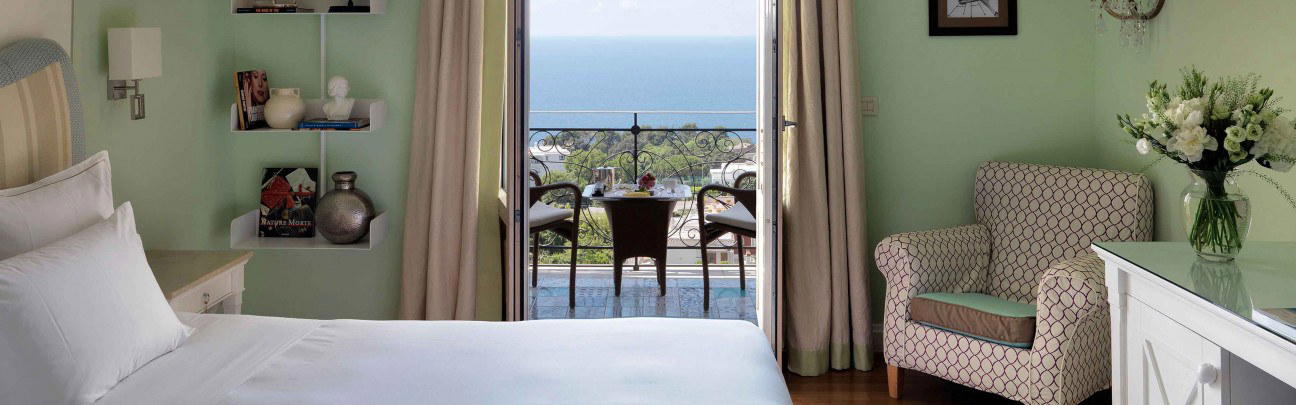
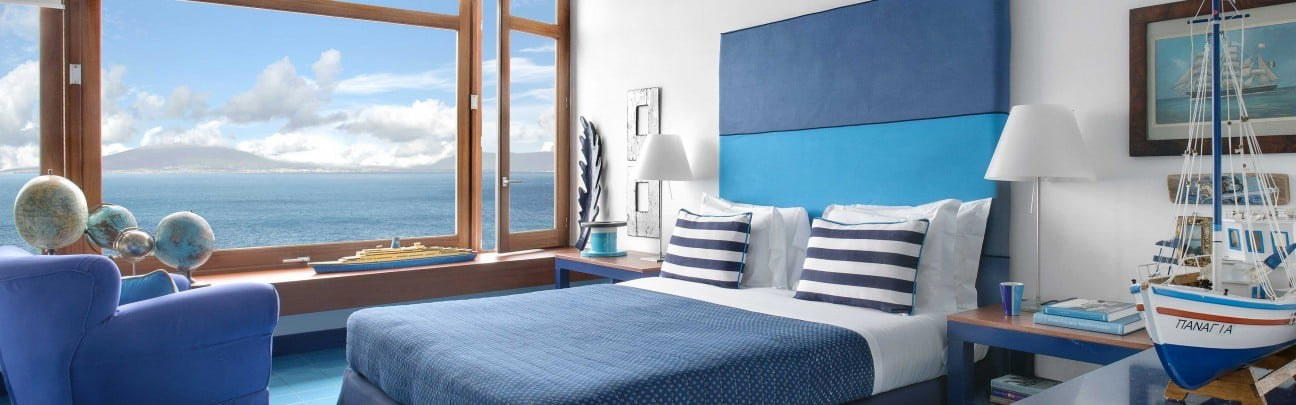
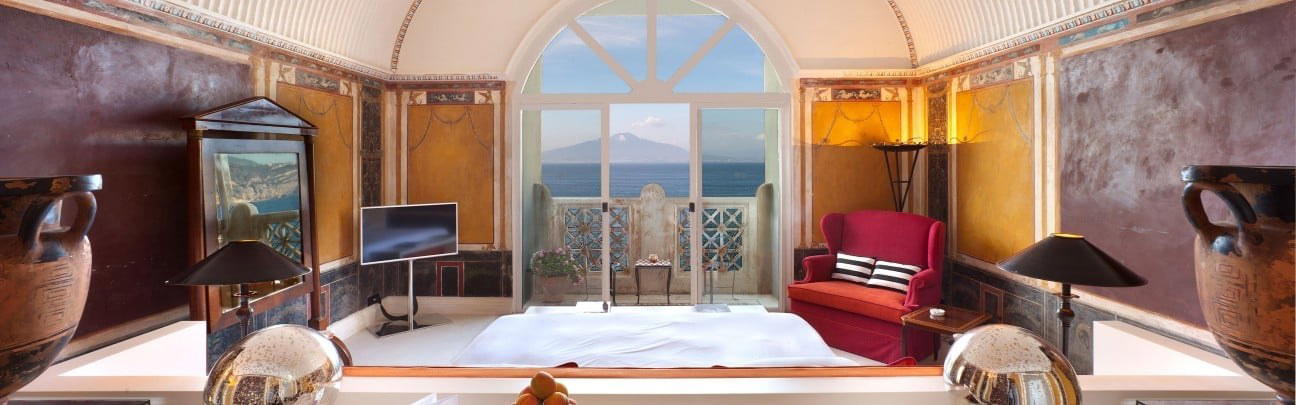
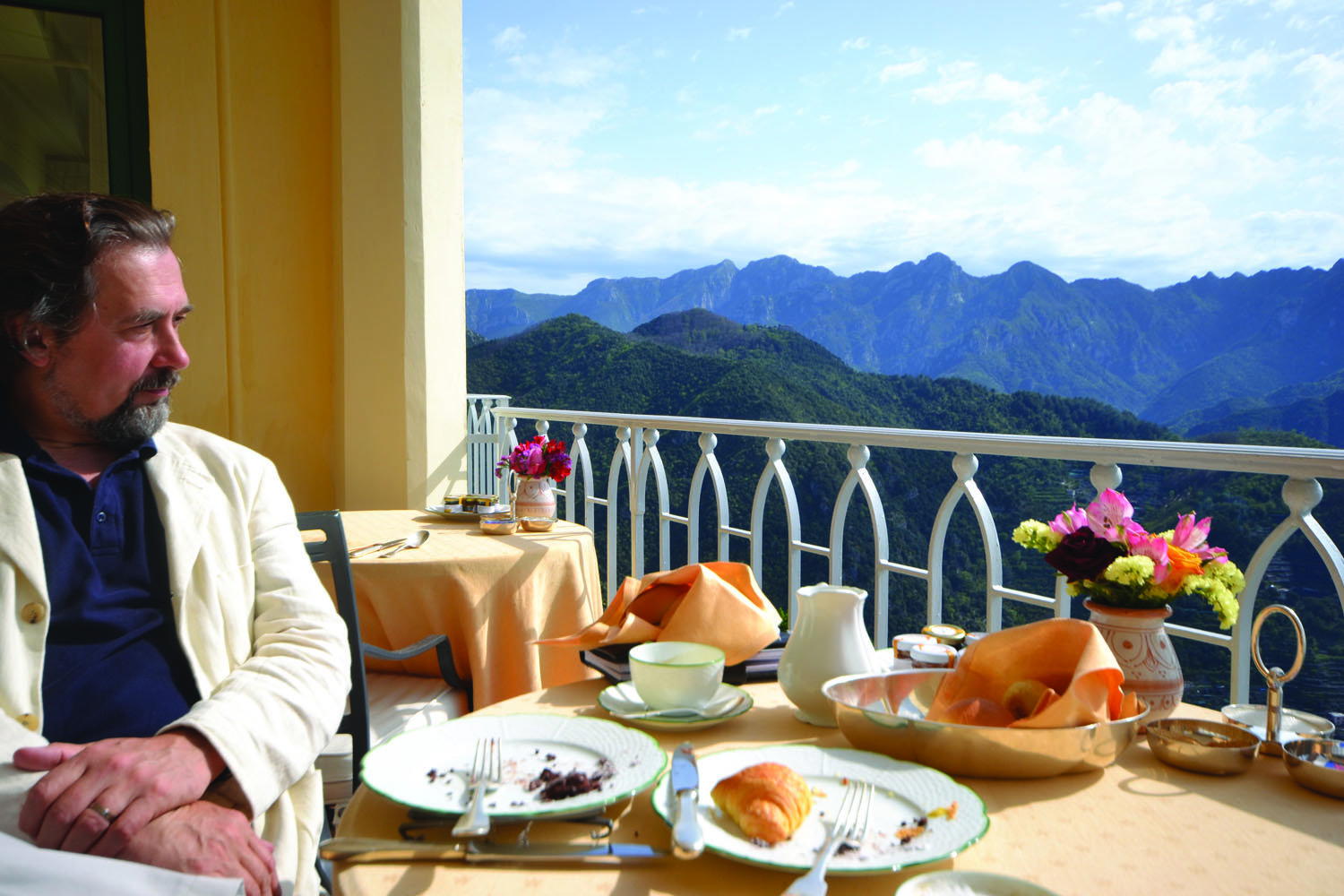
Romantic and elegant terrace setting with dramatic sunset views, quiet atmosphere, and warm lighting enhancing the sophisticated luxury.