Esens'all occupies a quiet address in Paris's 17th arrondissement, positioning itself within the city's broader conversation about wine-led dining and considered hospitality. The room draws guests who come as much for the cellar as for the kitchen, placing it in a niche tier of Paris restaurants where the sommelier's selections carry equal weight to what arrives from the stove.
Pearl is the En Primeur Club membership app — saves, bookings, and concierge access live there. Same editors, same standards.
- Address
- 12 Rue Dulong, 75017 Paris, France
- Phone
- +33142276671
- Website
- esensall.com
- Directions
- Get directions
 Saves & bookings on Pearl
Wine-Led Dining in the 17th: Where Paris's Quieter Arrondissements Do the Serious Work
Paris has long sorted its fine dining into predictable postcodes: the 8th for grand palace restaurants like Le Cinq at the Four Seasons Hôtel George V, the 7th for austere temple dining in the style of Arpège, the 1st for the kind of place that sends a leather-bound wine list to the table before anyone asks. The 17th arrondissement operates differently. Quieter, less trafficked by the luxury hotel circuit, it has historically housed the kind of restaurants that Parisians themselves return to rather than the ones that appear on international itineraries. Esens'all, at 12 Rue Dulong, sits inside that tradition.
Rue Dulong runs through the Batignolles quarter, a neighbourhood that shifted its character over the past two decades from working-class residential to a district with a distinct food-and-drink identity. The pattern here follows what has happened in comparable Paris arrondissements: independent operators with specific expertise in either wine or a particular culinary tradition have found that lower rents and a local clientele allow for a more focused offer than would be possible closer to the Champs-Élysées. In cities like Lyon or Bordeaux, this kind of neighbourhood-anchored dining culture is well-documented. In Paris, it tends to concentrate in the 11th, the 9th, and, increasingly, pockets of the 17th.
The Case for a Cellar-First Approach
Across Paris's mid-to-upper dining tier, a split has emerged between kitchens that treat the wine list as a support document and those that treat it as co-author of the meal. The latter category includes some of the city's most discussed addresses of the past decade. At Alléno Paris au Pavillon Ledoyen, the cellar runs to thousands of references and functions as a signature in its own right. At L'Ambroisie on Place des Vosges, the wine offer has always matched the classical ambitions of the kitchen. Even a more contemporary address like Kei treats its French wine selection as integral to the Franco-Japanese proposition rather than incidental to it.
Esens'all positions itself within this wine-forward current, though at a different price tier and with a different spatial register than the grandes tables of the 8th. The emphasis on the cellar as the primary editorial voice of a restaurant reflects a broader shift in how ambitious independent operators signal seriousness. For many guests arriving at this address, the expectation is that the person guiding the wine choices will have shaped the meal as much as the kitchen brigade.
This approach has precedent across France. Houses like Bras in Laguiole and Auberge du Vieux Puits in Fontjoncouse have built their reputations partly on how wine service intersects with the philosophy of the kitchen. In the Paris context, where competition for attention is dense and guests often arrive with specific reference points from other cities, a coherent wine identity is increasingly the differentiator that word-of-mouth travels on.
The Batignolles Quarter as Context
Understanding Esens'all requires understanding Batignolles. The neighbourhood sits between the 17th's more residential northern blocks and the busier southern edge near Place de Clichy. It has a market, a village-scaled square, and enough foot traffic from a mix of locals and visitors to support independent hospitality without relying on tourist circuits. For anyone who has spent time in comparable European neighbourhood-dining cultures, whether in Copenhagen's Nørrebro or Barcelona's Gràcia, the dynamic will feel familiar: operators here are playing to a repeat-visit clientele rather than a one-time occasion crowd.
That audience tends to be more specific in its demands. They have often eaten at Mirazur in Menton or Flocons de Sel in Megève on their travels through France. Some will have made the pilgrimage to Paul Bocuse's Auberge du Pont de Collonges or to Troisgros in Ouches. They carry those reference points with them into a neighbourhood restaurant and bring expectations calibrated accordingly. An address that holds this clientele needs to offer something that justifies the loyalty, and in the 17th, that typically means either a kitchen with a clear point of view, a cellar with genuine depth, or both.
France's Wine Culture as the Operating Language
France's relationship with wine in a restaurant context operates on different assumptions than in most other dining cultures. Even at modest price points, the expectation that the wine list has been assembled with intention rather than expediency is widespread. At the upper end, references from houses like Georges Blanc in Vonnas or Auberge de l'Ill in Illhaeusern set a standard for cellar depth that shapes expectations across the country. In Paris specifically, the density of excellent wine-focused operators means that a restaurant positioning itself through its cellar is entering a competitive field where the bar for credibility is set by decades of accumulated practice.
The international frame is useful here too. Restaurants like Le Bernardin in New York have demonstrated that a wine program with genuine intellectual ambition can function as a secondary identity for a kitchen already known for its food. Closer to the contemporary independent model, Lazy Bear in San Francisco has shown how beverage pairing, treated as co-equal to the tasting menu, reshapes how guests experience the meal. These are different operating contexts from a Paris neighbourhood restaurant, but the underlying logic, that what is in the glass is as deliberate as what is on the plate, translates across formats and geographies.
For Les Prés d'Eugénie and La Table du Castellet, the wine offer is embedded in a destination-dining proposition where the journey is part of the point. At Esens'all, the address on Rue Dulong makes a different argument: that this level of care with the cellar is available in a residential Paris street, on a Tuesday evening, without a dress code or a major occasion to justify the visit.
Planning a Visit
The restaurant is located at 12 Rue Dulong in the 17th arrondissement, reachable from the Batignolles or Brochant metro stations on line 13. The restaurant is open Monday to Saturday from 7:30 to 9 PM and closed on Sunday. Reservations are essential, and the address is 12 Rue Dulong, 75017 Paris, France.
Category Peers
Comparable venues nearby, for context on price, style, and recognition.
| Venue | Cuisine | Price | Notes |
|---|---|---|---|
| Esens'allThis venue — the venue you are viewing | Organic French Fine Dining | $$$ | Not listed |
| Aux Dés Calés 18 - Moreau | French Bistronomic Bistro | $$$ | Butte-Montmartre |
| Un jour à Peyrassol | Provençal Truffle Bistro | $$$ | Vivienne |
| Clémentine | Classic French Bistro | $$$ | Quartier Vivienne |
| La Fontaine de Mars | Traditional French Bistro | $$$ | 7ème arrondissement |
| Babille | Festive French Brasserie | $$$ | Grands Boulevards |
Continue exploring
More in Paris
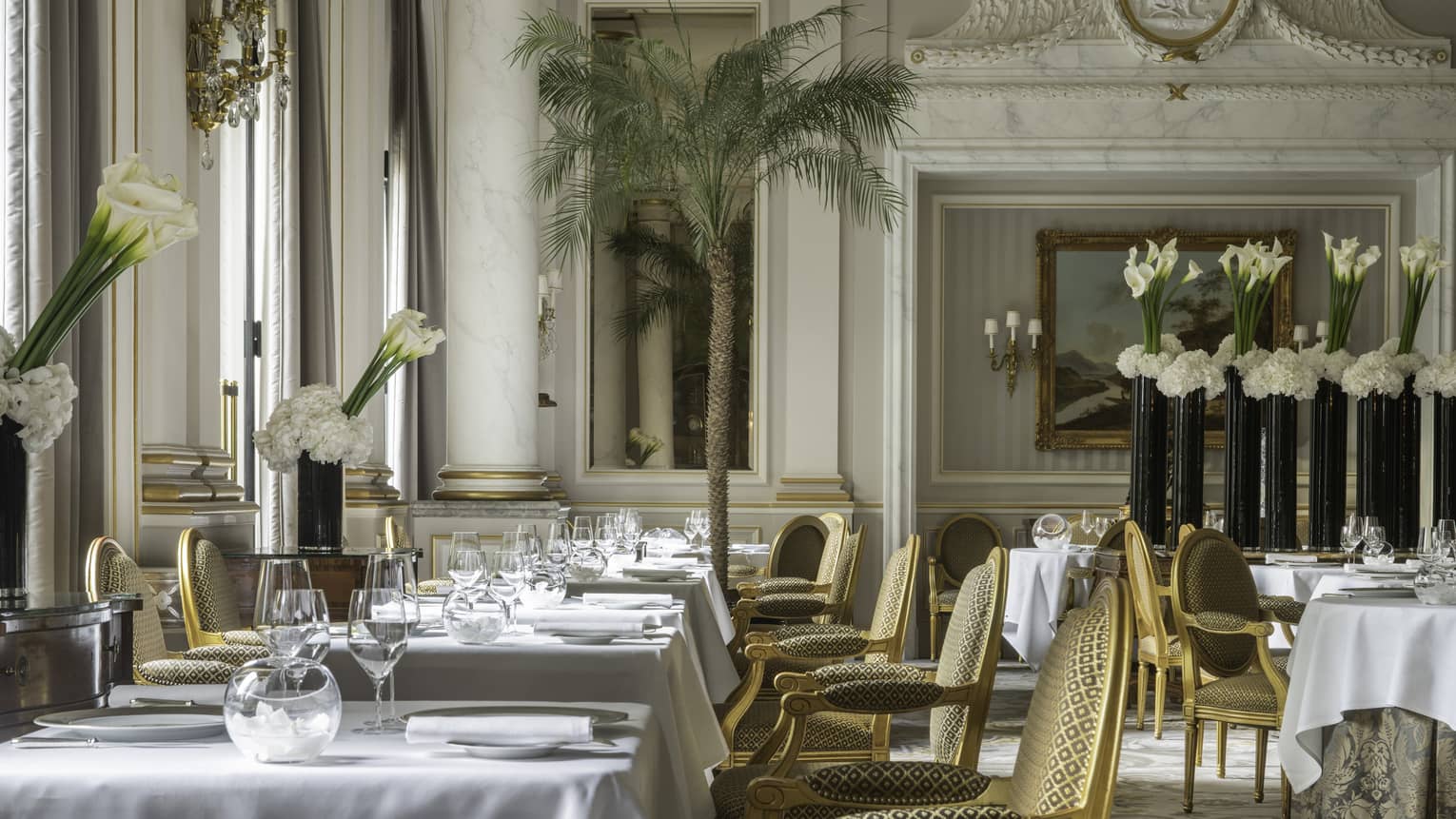
Restaurants in Paris
Browse all →

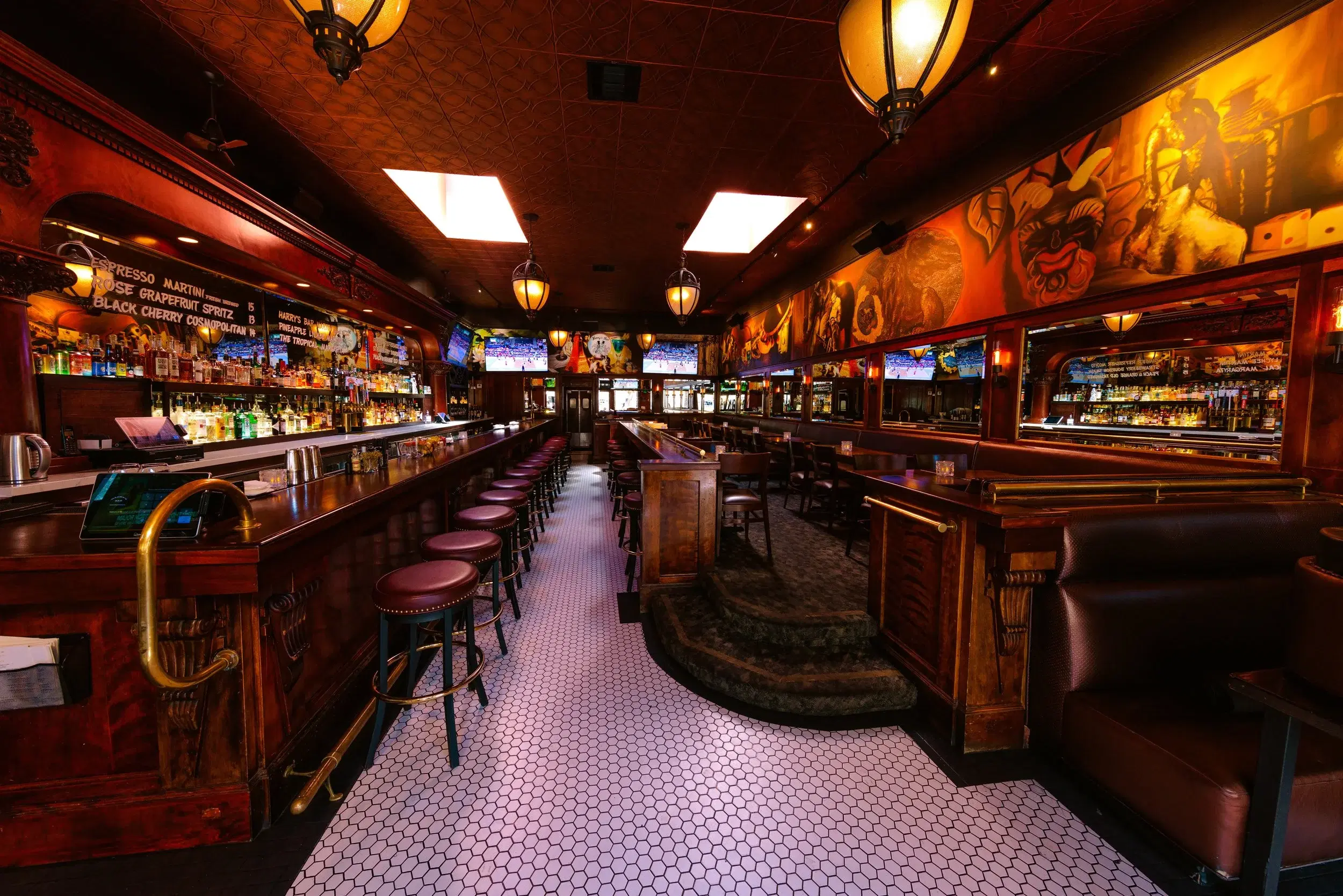
Bars in Paris
Browse all →
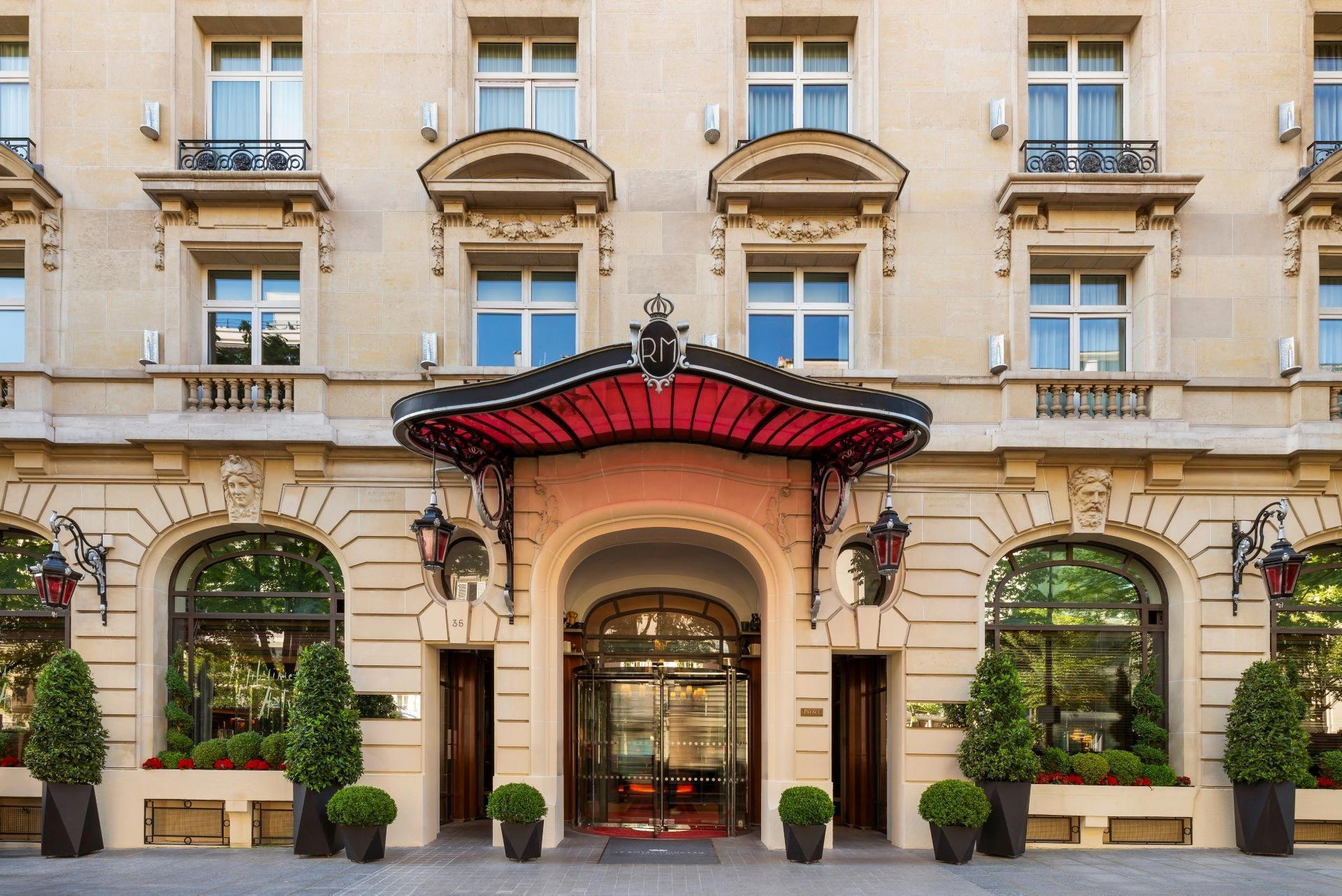
Hotels in Paris
Browse all →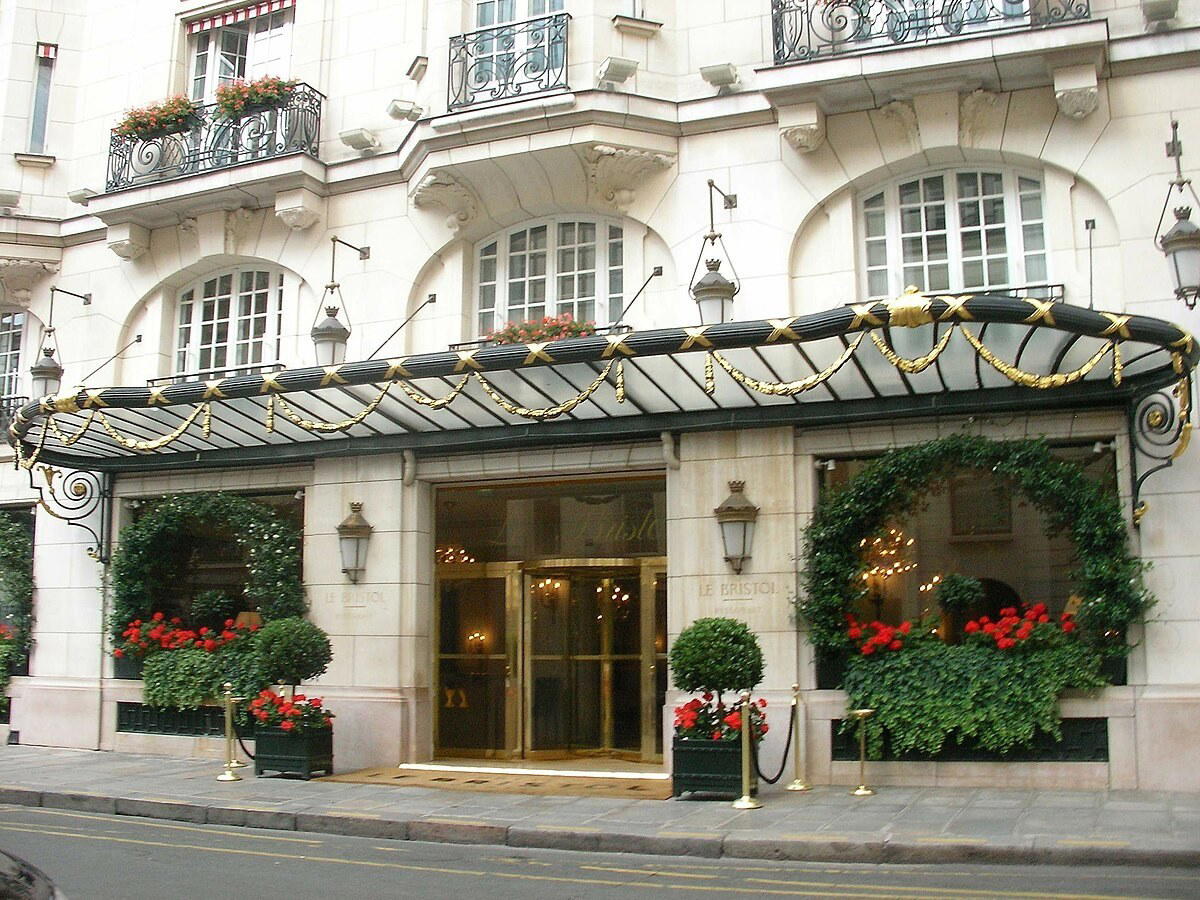
At a Glance
- Romantic
- Intimate
- Elegant
- Sophisticated
- Date Night
- Special Occasion
- Private Dining
- Extensive Wine List
- Organic
Current opening hours
- Monday
- 7:30–9 PM
- Tuesday
- 7:30–9 PM
- Wednesday
- 7:30–9 PM
- Thursday
- 7:30–9 PM
- Friday
- 7:30–9 PM
- Saturday
- 7:30–9 PM
- Sunday
- Closed
Hours can change for holidays and private events. Last verified .
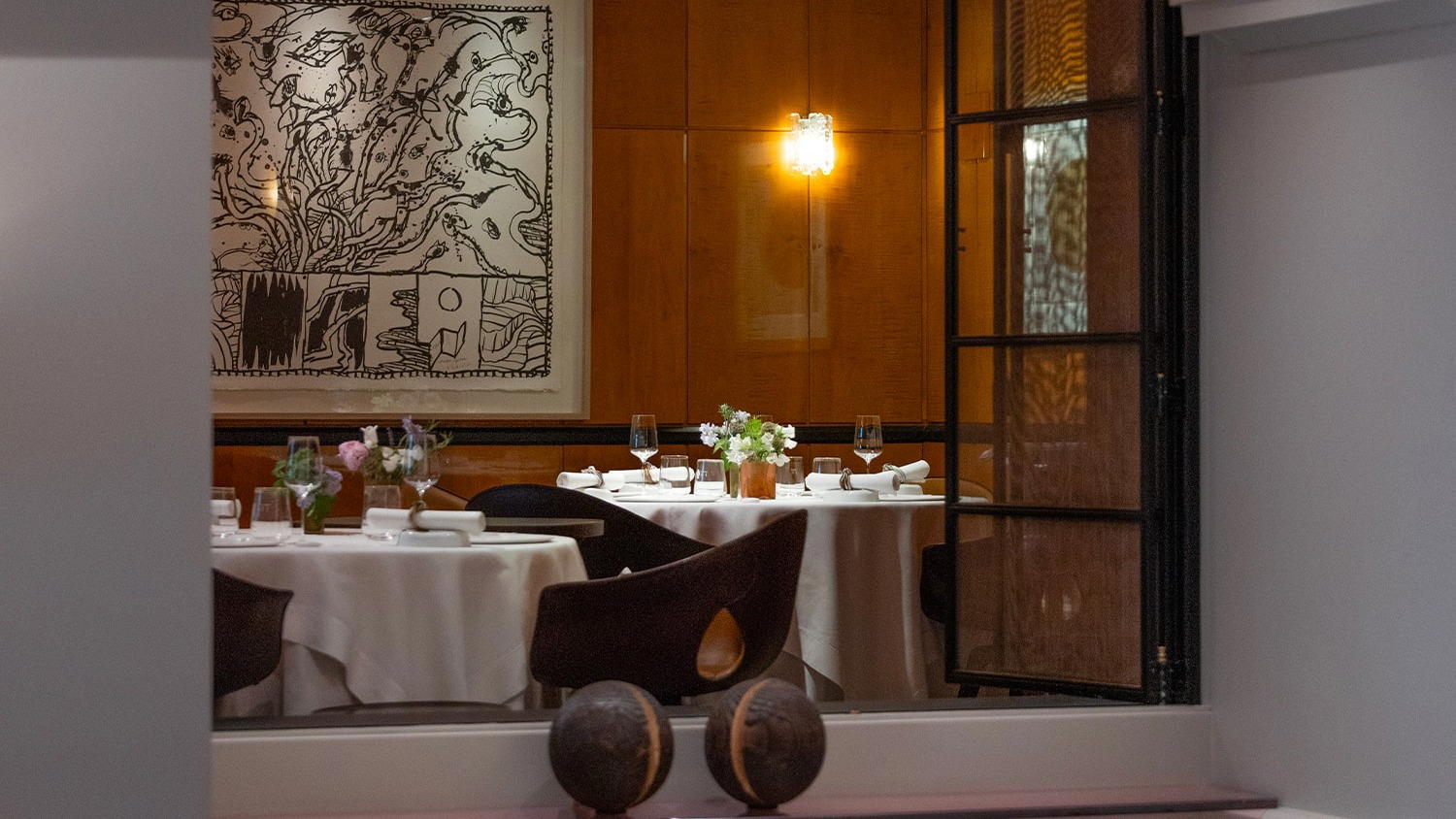
Intimiste et feutré with a romantic atmosphere well-suited for a nice, long dinner.