La Vagú sits in the Fuencarral-El Pardo district of Madrid, a residential quarter that rewards deliberate visitors over passing trade. For travellers who treat the booking process itself as a signal of quality, it belongs on the shortlist for Madrid dining worth planning around.
Pearl is the En Primeur Club membership app — saves, bookings, and concierge access live there. Same editors, same standards.
- Address
- Av. de Monforte de Lemos, 42, Fuencarral-El Pardo, 28029 Madrid, Spain
- Phone
- +34676471584
- Website
- lavagu.es
- Directions
- Get directions
 Saves & bookings on Pearl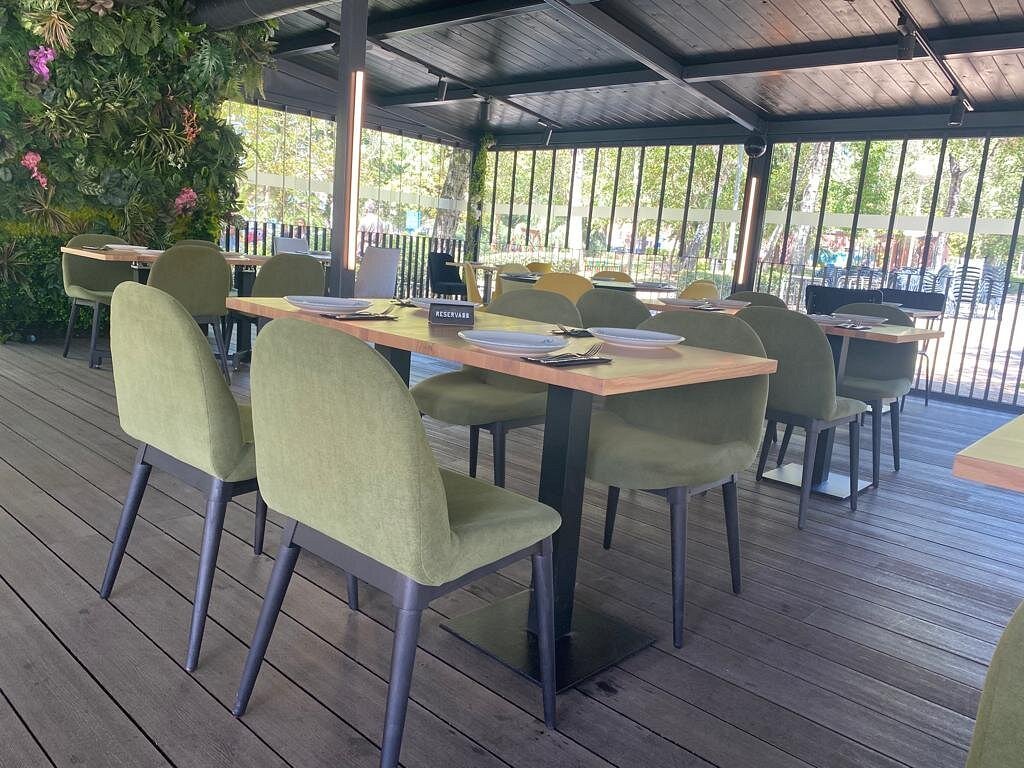
A Neighbourhood Where Restaurants Have to Earn Their Reputation
Fuencarral-El Pardo is not where Madrid's dining press tends to look first. The district sits north of the city's traditional restaurant corridors, away from the Salamanca postcodes that attract the Michelin inspectors' most regular circuits and the central barrios that generate the bulk of food media coverage. That geography creates a specific dynamic: restaurants here build their audiences through repeat local custom and word-of-mouth rather than tourist footfall or proximity to hotel clusters. La Vagú, on Avenida de Monforte de Lemos, operates inside that dynamic.
Madrid's serious restaurant scene has, over the past decade, consolidated around a recognisable set of flagship addresses. DiverXO, Coque, Deessa, DSTAgE, and Paco Roncero anchor the upper tier, each carrying formal recognition and a booking demand that reflects it. Beneath that tier sits a second layer of addresses that earn loyalty without necessarily collecting starred accolades or appearing on international lists. La Vagú appears to occupy a position in that second layer, where consistency and neighbourhood trust are the primary currency.
What the Booking Process Tells You
In a city where the highest-profile tables run on three-to-six-month advance windows and prepaid reservation systems, the relative obscurity of La Vagú's booking infrastructure is itself informative. No confirmed online reservation platform is on record, and no direct booking contact is publicly listed at time of writing. That places it in the category of Madrid restaurants where the approach is direct contact by phone or walk-in, a model that suits local regulars more than it suits arriving visitors who plan from abroad.
For travellers used to the algorithmic booking mechanics of platforms like TheFork or direct web portals, this requires a different kind of preparation. The practical move is to confirm current hours and reservation policy before arriving in Madrid, either through the venue directly or via local concierge networks. Madrid's hospitality sector is generally responsive to in-person enquiry, and many districts-level restaurants that do not maintain active online presences are still reachable through hotel concierge contacts with established local relationships.
The booking difficulty at venues like this is worth framing correctly: limited digital presence does not indicate limited quality. Across Spain, a significant number of restaurants operating at a high level maintain minimal web infrastructure, particularly outside the major cities' media-facing dining corridors. Aponiente in El Puerto de Santa María and Atrio in Cáceres both demonstrate that compelling dining in Spain frequently happens away from the most press-saturated coordinates. The absence of a polished booking interface at La Vagú says more about its positioning within the local market than it does about what happens at the table.
Madrid's Broader Dining Register
Understanding where La Vagú sits requires some sense of how Madrid's restaurant register is structured. The capital has developed, particularly since the mid-2000s, into one of Europe's most layered dining cities. Spain's wider fine dining tradition, anchored by addresses like Arzak in San Sebastián, Azurmendi in Larrabetzu, El Celler de Can Roca in Girona, and Martín Berasategui in Lasarte-Oria, has filtered into Madrid through chefs and formats trained in those traditions. The city now supports a continuous spectrum from avant-garde tasting menus to neighbourhood-anchored cooking that reflects Madrid's own culinary identity: roasting traditions, offal-forward casquería culture, and the kind of generous, table-centred service that has always defined the capital's dining character.
Restaurants in residential districts like Fuencarral-El Pardo tend to skew toward the latter end of that spectrum. The audience is less oriented toward theatrical formats and more toward reliable, considered cooking at a price point that sustains regular visits. That context shapes what La Vagú likely represents to its regular clientele: not an occasion venue for special-event dining, but a dependable address that rewards a neighbourhood relationship.
Across Spain, the question of what constitutes quality dining outside the major press circuits has produced some of the country's most compelling eating. Quique Dacosta in Dénia, Ricard Camarena in València, Mugaritz in Errenteria, and Cocina Hermanos Torres in Barcelona each built reputations that eventually crossed into international recognition, but the foundation in each case was local trust established over time. The same process operates at a quieter register for neighbourhood-anchored restaurants across the country.
Planning Your Visit
The practical challenge for visitors to La Vagú is information density: with limited confirmed data in public circulation, the planning process requires more groundwork than a Michelin-listed address would demand. The approach that works well is treating the venue as you would treat any off-circuit restaurant in a European city: arrive with a confirmed reservation, come at a time that suits the venue's rhythm rather than your own convenience, and resist the impulse to read sparse online presence as a negative signal.
Fuencarral-El Pardo is accessible from central Madrid by metro, placing the restaurant within reasonable reach of the city's main visitor accommodation zones. For travellers whose Madrid itinerary already includes a high-end tasting menu at one of the city's recognised flagship addresses, La Vagú offers a different register: a neighbourhood context and the kind of unpressured atmosphere that major destination restaurants, however skilled, cannot replicate. The comparison is not about hierarchy but about what kind of experience the meal is designed to produce.
For those building a broader picture of serious dining in Spain, our full Madrid restaurants guide maps the city's dining geography in full, and our coverage extends to international reference points including Le Bernardin in New York and Atomix for comparative context on how different market structures shape the dining experience.
Know Before You Go
- Address: Av. de Monforte de Lemos, 42, Fuencarral-El Pardo, 28029 Madrid, Spain
- District: Fuencarral-El Pardo, northern Madrid
- Booking: No confirmed online reservation platform on record. Recommend direct contact or concierge enquiry before arrival.
- Hours: Not publicly confirmed at time of writing. Verify locally.
- Getting there: Accessible by Madrid Metro from central districts. Confirm the nearest line and stop through local transit maps.
- Phone: Not publicly listed. Contact via hotel concierge or local directory services.
- Budget research recommended before visit.
Continue exploring
More in Madrid
Restaurants in Madrid
Browse all →
Bars in Madrid
Browse all →
Hotels in Madrid
Browse all →


At a Glance
- Scenic
- Cozy
- Casual Hangout
- Brunch
- Terrace
- Garden
- Garden
- Street Scene
Current opening hours
- Monday
- 12 PM–12 AM
- Tuesday
- 12 PM–12 AM
- Wednesday
- 12 PM–12 AM
- Thursday
- 12 PM–12 AM
- Friday
- 12 PM–1 AM
- Saturday
- 12 PM–1 AM
- Sunday
- 12 PM–12 AM
Hours can change for holidays and private events. Last verified .
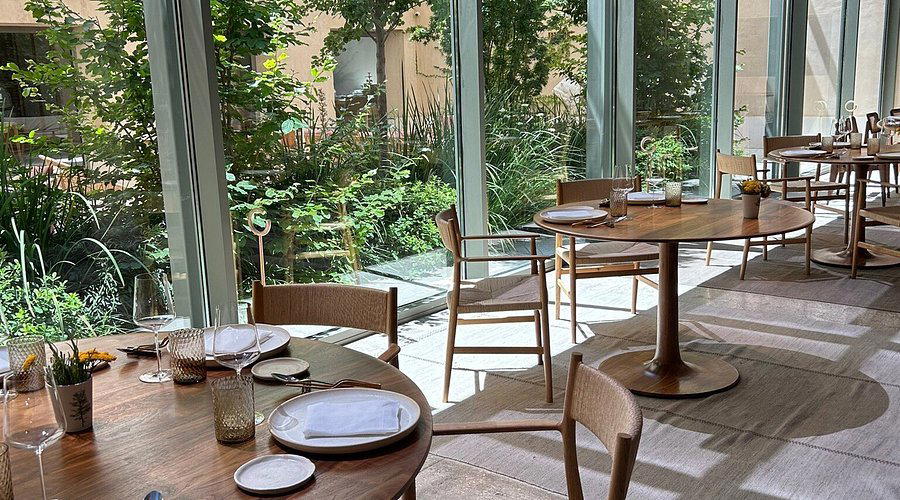
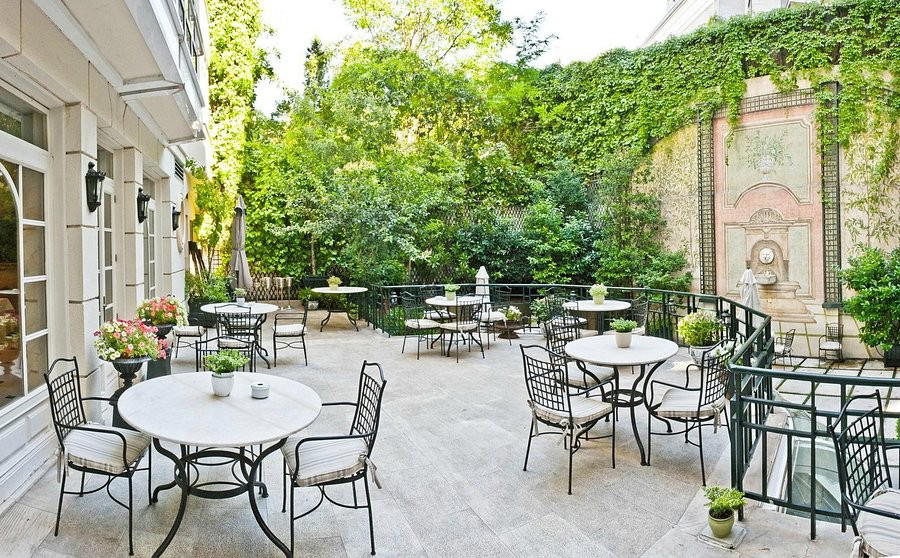
Peaceful and tranquil terrace atmosphere in a park setting, perfectly climatized for comfortable dining.
Know Before You Go
- Getting there
- Av. de Monforte de Lemos, 42, Fuencarral-El Pardo, 28029 Madrid, Spain