La Torre
Our verdict
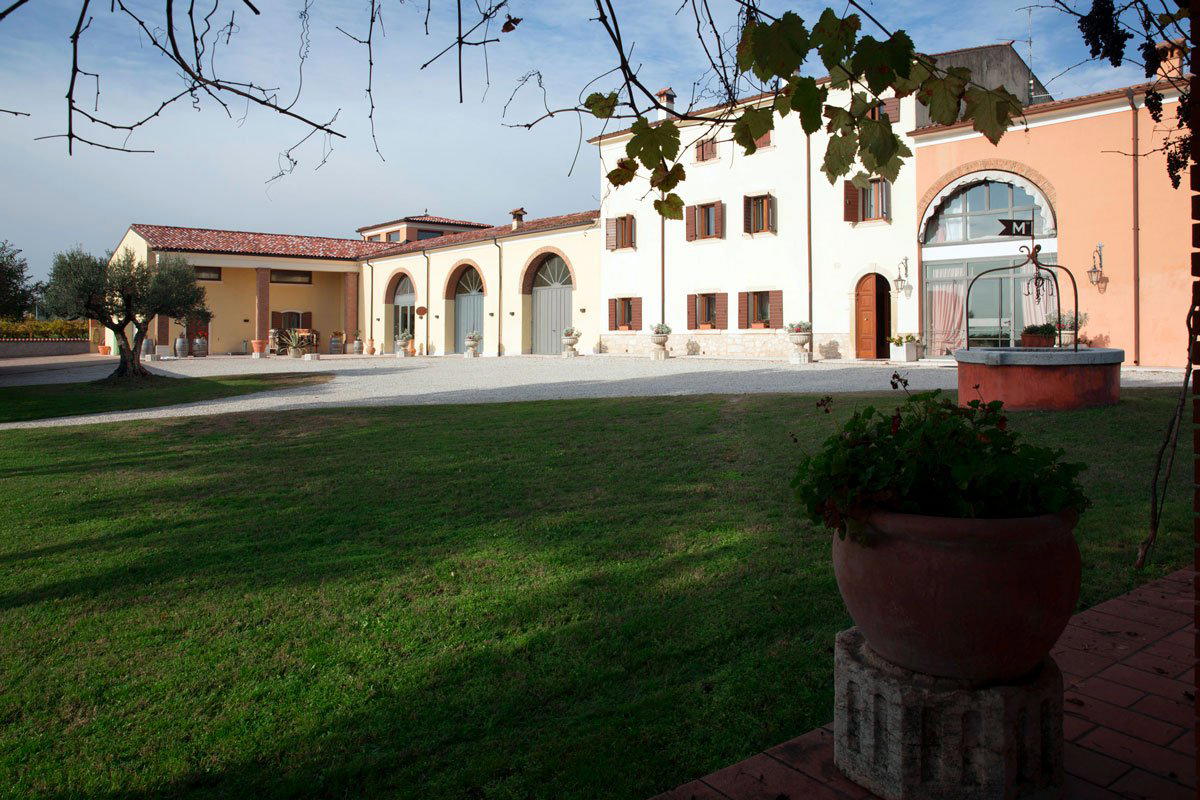
In the quiet hill village of Mezzane di Sotto, east of Verona, La Torre occupies a square-facing address that places it firmly within the agricultural rhythms of the Lessinia plateau. The surrounding Valpolicella and Soave growing zones define what appears on the table here, making ingredient provenance less a marketing choice than a geographic given. For visitors tracing northeastern Italy's wine-country dining circuit, it offers a grounded counterpoint to the region's more decorated rooms.

Pearl is the En Primeur Club membership app, where members save venues, book tables and use the concierge.
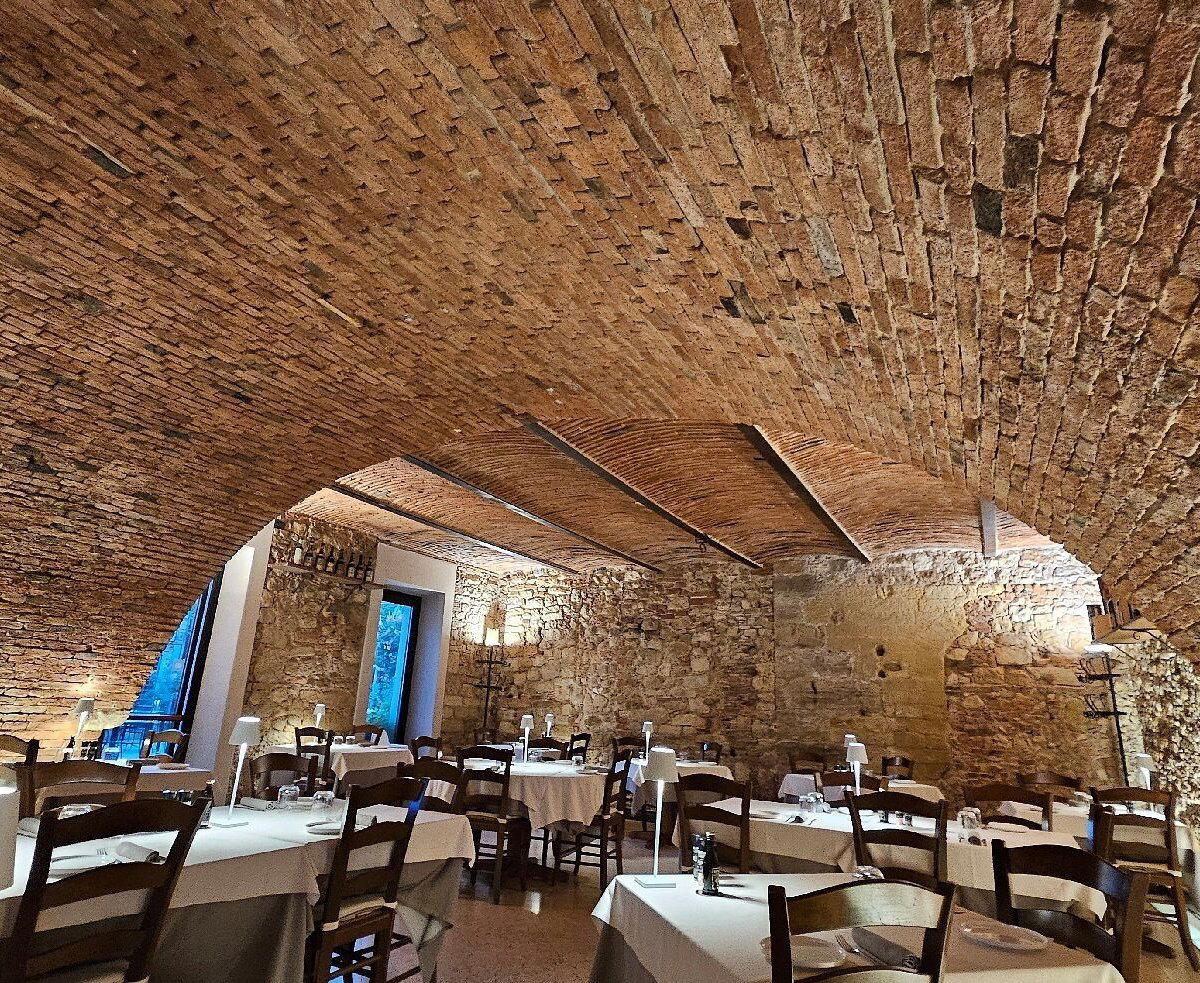
A Village Square in the Verona Hinterland
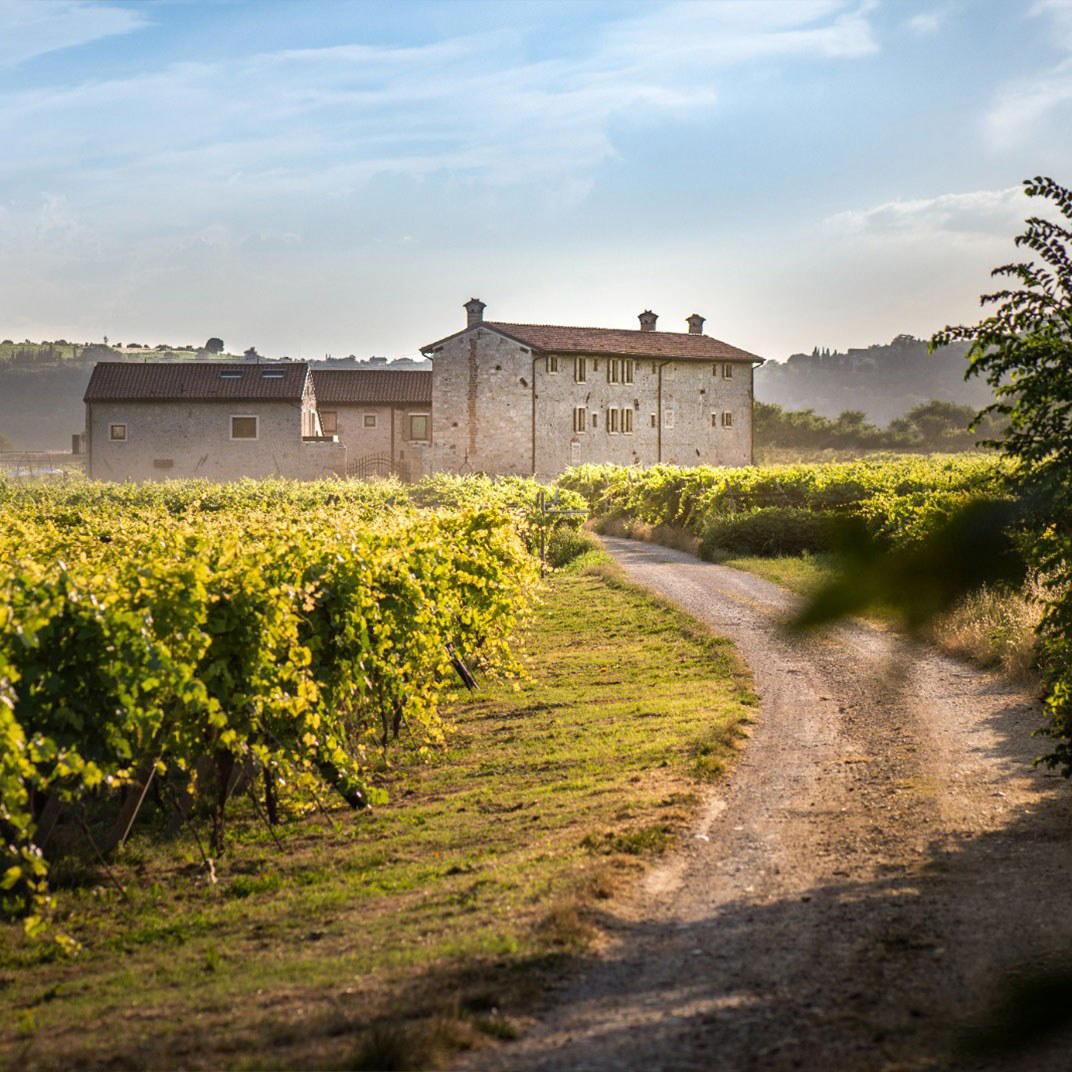
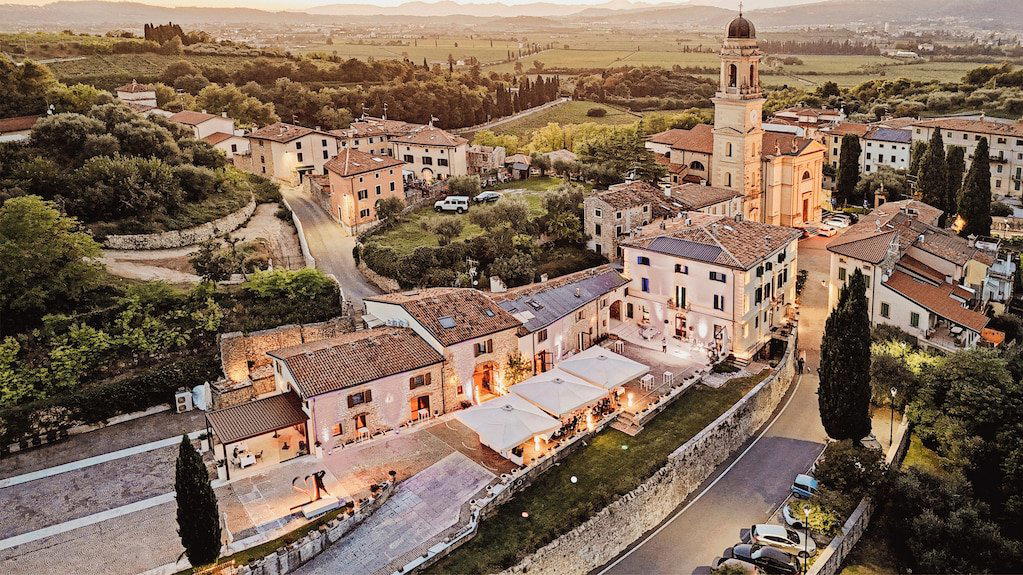
Mezzane di Sotto sits in a shallow valley east of Verona where the plains begin their slow climb toward the Lessinia plateau. The village is small enough that Piazza Quattro Novembre functions as its civic centre, a place where the post office, the church, and a handful of addresses share the same sightlines. La Torre occupies number 23 on that square, which means arriving here feels less like reaching a dining destination and more like arriving in a place that simply happens to have one. That quality, the absence of any staging or approach sequence, is characteristic of the northeastern Italian countryside, where serious eating has always coexisted with unremarkable exteriors.
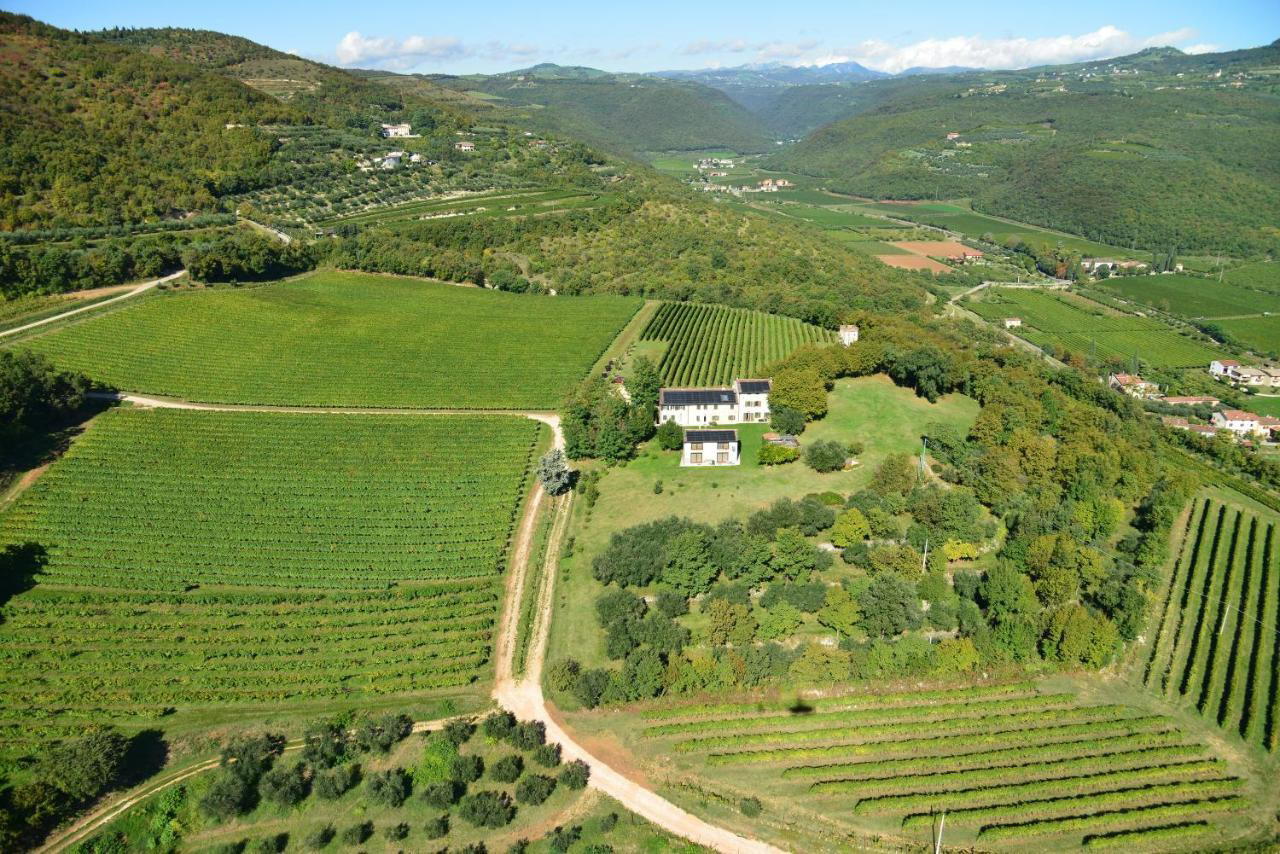
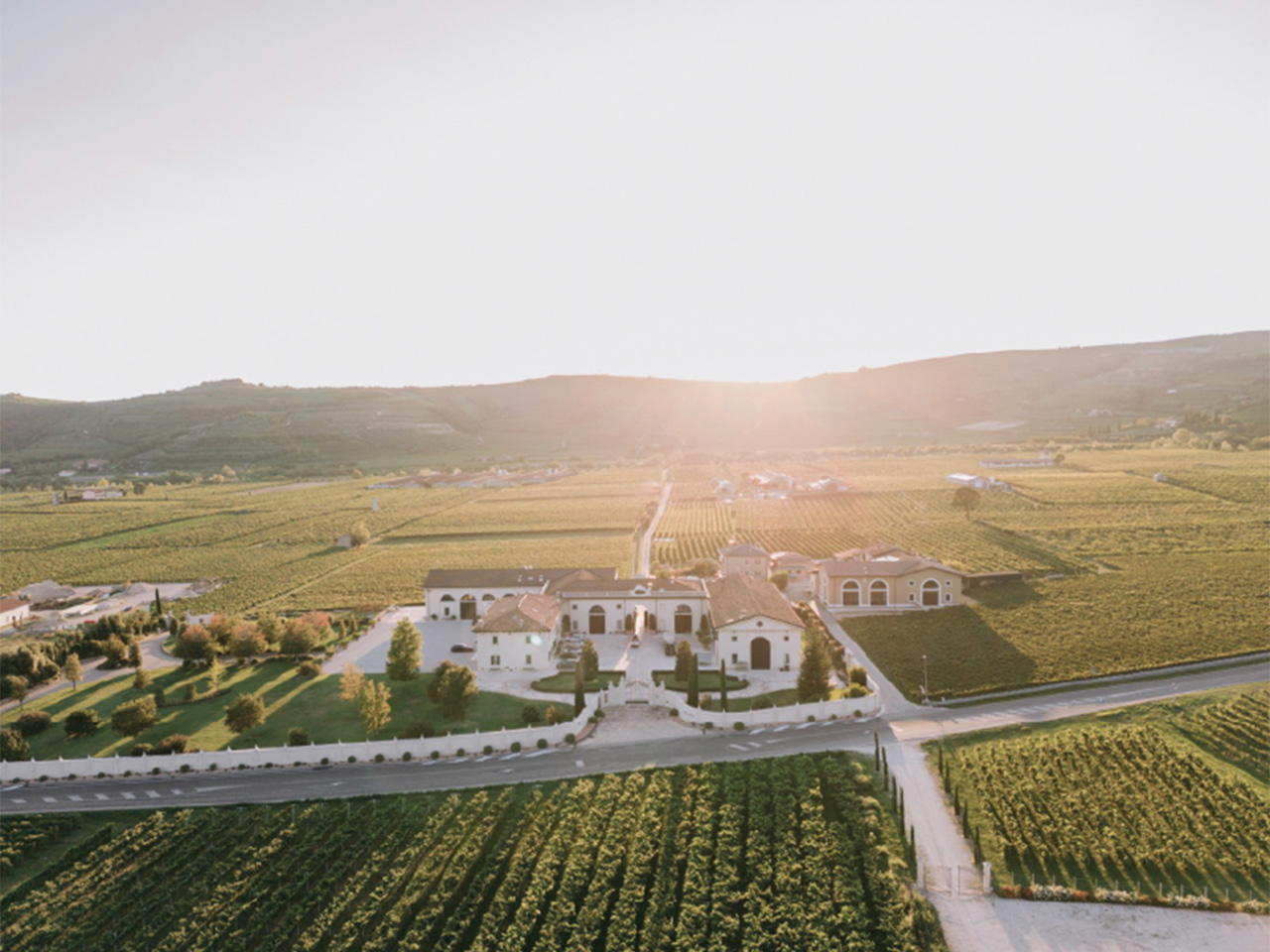
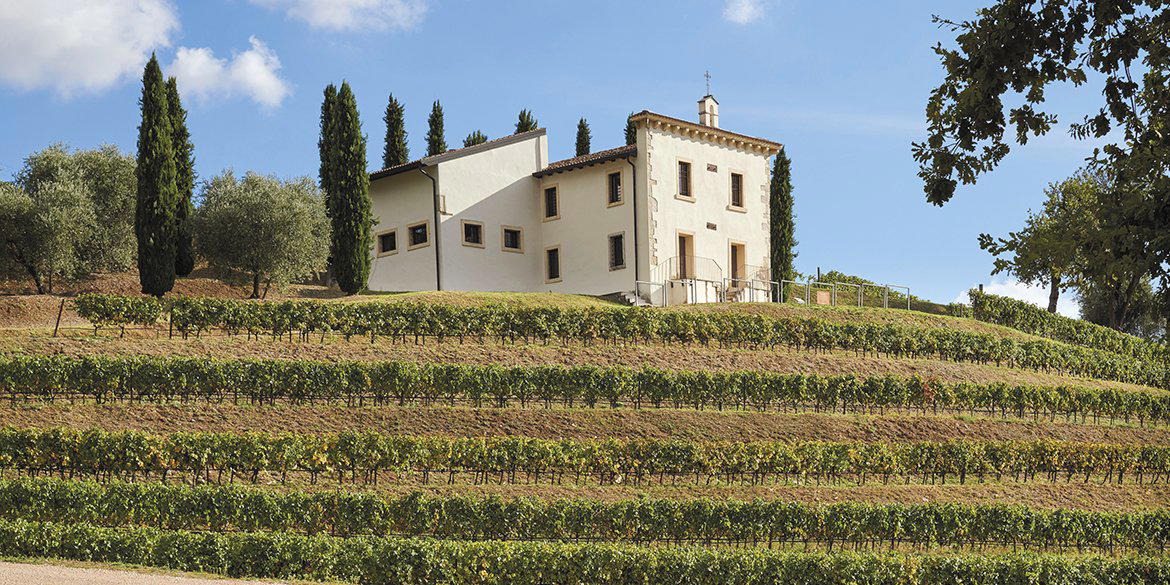
The Mezzane valley is bounded on one side by the Soave Classico zone and on the other by the eastern reaches of Valpolicella. Both appellations have spent the past two decades reestablishing their credibility: Soave through a return to old-vine Garganega on volcanic hillside soils, Valpolicella through producers willing to separate the identity of ripasso and Amarone from the volume commodity market. Any kitchen operating inside this geography inherits that agricultural conversation by default. The question for a village address like La Torre is how deliberately it chooses to engage with it. For a detailed view of where this sits within northeastern Italy's broader dining picture, see our full Mezzane di Sotto restaurants guide.
Ingredient Geography as the Defining Context
Italian cooking has always used the phrase chilometro zero, zero kilometres, to describe sourcing from the immediate surrounding area, but the concept carries more weight in some places than others. In the Lessinia foothills, it is less a philosophical position than a practical reality. The plateau above Mezzane produces cheese, wild herbs, mushrooms in autumn, and game through the colder months. The valley floor and lower slopes carry viticulture and market gardens. Restaurants in this tier of northeastern Italy tend to reflect that seasonal cycle not because they have committed to a sourcing manifesto but because the supply infrastructure simply runs that way, the producers are nearby and the logistics of looking further afield would require active effort.
This is what separates village-square trattorie in the Verona hinterland from the kind of ingredient-focused fine dining that has become a talking point in Italy's larger critical conversation. Places like Atelier Moessmer Norbert Niederkofler in Brunico have built an internationally recognised programme around Alpine sourcing as an explicit culinary argument. Dal Pescatore in Runate draws on the Po Valley agricultural tradition with similar intentionality. La Torre operates at a different register, a neighbourhood register, where the sourcing connection is structural rather than programmatic, and where the diner's relationship to place arrives through familiarity rather than presentation.
Northeastern Italy's Dining Hierarchy
Verona and its surrounding province occupy a specific position in Italy's restaurant hierarchy. The city itself has Casa Perbellini 12 Apostoli, which represents the highest decorated tier in the immediate area. Beyond that, the province spreads into a network of village addresses, agriturismo operations, and wine-estate dining rooms that service both local clientele and the steady traffic of wine tourists moving between producers. That tourist circuit is significant: the Valpolicella and Soave zones collectively draw visitors throughout the year, with peak activity from late September through November when harvests and wine releases align.
A square-facing address in a village of this size sits in that second or third tier of the hierarchy, meaningful to locals, occasionally discovered by visitors who have moved beyond the major DOC producer estates and are looking for somewhere to eat that reflects actual daily life in the valley rather than a wine-tourism experience. The broader Italian fine dining circuit, from Osteria Francescana in Modena to Le Calandre in Rubano and Enoteca Pinchiorri in Florence, operates at a remove from this kind of address, those rooms are destinations unto themselves, while a village square restaurant is part of a place rather than a reason to visit it.
The Wine-Country Dining Circuit
Visitors spending more than a day in the Verona wine country tend to follow a loose circuit: a morning at a Soave producer, an afternoon in Valpolicella, and an evening meal somewhere in between. The concentration of DOC and DOCG production in this strip of northeastern Veneto means that the food and wine connection is almost unavoidable, estate restaurants, converted farmhouses, and village trattorie all pull from the same agricultural base. That context matters when thinking about where a piazza-facing address like La Torre sits: it is a local anchor point, the kind of place that appears in a village's daily rhythm rather than on a major tasting itinerary.
For comparison, the more celebrated rooms of the broader Italian circuit, Piazza Duomo in Alba, Uliassi in Senigallia, or Reale in Castel di Sangro, have built their reputations on ingredient sourcing frameworks that are both regional and explicitly argued. La Torre operates without that kind of public positioning, which is itself a characteristic of the village-square category across Italy. The food arrives from a known local geography; the argument is made through the plate rather than through editorial framing. Other notable rooms on the Italian circuit worth considering include Quattro Passi in Marina del Cantone, Da Vittorio in Brusaporto, La Pergola in Rome, Villa Crespi in Orta San Giulio, Gambero Rosso in Marina di Gioiosa Ionica, and Enrico Bartolini in Milan. For international reference points in ingredient-led technique, Le Bernardin in New York City and Atomix in New York City represent how sourcing rigour translates into a different critical register.
Planning a Visit
Mezzane di Sotto is accessible by car from Verona in under thirty minutes, following the SP6 east through the vineyard corridor. The village has no dedicated tourist infrastructure, no hotel, no organised visitor programme, which means any visit to La Torre is leading combined with a broader day in the valley, ideally timed around producer visits in Soave or Valpolicella. The autumn months, from late September through November, align with harvest activity across both appellations and represent the period when the valley's agricultural character is most present, a relevant consideration if the sourcing connection matters to how you want to eat.
Frequently asked questions
Is La Torre good for families?
Village-square restaurants on a piazza like Mezzane di Sotto's Piazza Quattro Novembre tend to operate at a relaxed pace that suits mixed-age groups. The setting, an open square in a small Verona hinterland village, lends itself to the kind of unhurried, informal service where children are neither a novelty nor a logistical problem.
Is La Torre formal or casual?
The address on Piazza Quattro Novembre in a village of Mezzane di Sotto's scale points firmly toward a casual register. This part of the Verona hinterland operates differently from the city's more polished dining rooms: the emphasis is on the local table rather than formal ceremony.
Is La Torre a good base for exploring the Soave and Valpolicella wine zones?
Mezzane di Sotto sits at the geographic intersection of both appellations, making it a practical starting point for a day across either wine zone. The village is reachable from Verona in under thirty minutes via the SP6, and the surrounding valley roads connect directly to Soave Classico producers to the east and Valpolicella estates to the northwest. A meal at La Torre on Piazza Quattro Novembre fits naturally into a day that combines winery visits with a sit-down lunch or dinner in the hinterland rather than returning to the city.
What's the best thing to order at La Torre?
Mezzane di Sotto sits where the Valpolicella and Soave Classico zones converge, and restaurants in this valley corridor typically draw on both the meat-forward traditions of the Verona hills and the lighter, olive-oil-driven cooking of the eastern plains. Asking the kitchen what is sourced locally that week is the most reliable way to eat well at a village restaurant in this part of northeastern Italy.
Where is La Torre located?
La Torre is located at Piazza Quattro Novembre, 23, 37030 Mezzane di Sotto VR, Italy, Mezzane Di Sotto.
Comparison Snapshot
Comparable venues nearby, for context on price, style, and recognition.
| Venue | Cuisine | Price | Notes |
|---|---|---|---|
| La TorreThis venue (the venue you are viewing) | Traditional Italian Trattoria | Not listed | Not listed |
| Antica Osteria della Valpolicella | Traditional Valpolicella Osteria | $30–50 | San Rocco |
| Locanda Benetti | Traditional Veneto Trattoria | $50–100 | Costabissara |
| Pastificio Remelli | Traditional Italian Pasta with Tortellini di Valeggio | $20–30 | Valeggio Sul Mincio |
| Antica Osteria Paverno | Traditional Veneto Trattoria | $30–50 | Valgatara, Marano di Valpolicella |
| Trattoria Ai Colli Storici | Traditional Italian Trattoria | $20–30 | Custoza |
Continue exploring
More in Mezzane Di Sotto
Restaurants in Mezzane Di Sotto
All restaurants in Mezzane Di Sotto →
Bars in Mezzane Di Sotto
Browse all →
Details
- Rustic
- Cozy
- Romantic
- Intimate
- Date Night
- Family
- Celebration
- Terrace
- Historic Building
- Extensive Wine List
- Local Sourcing
- A La Carte
- Vegetarian Friendly
- Gluten Free Options
Current opening hours
- Monday
- 12–2 PM, 7:30–9:30 PM
- Tuesday
- 12–2 PM, 7:30–9:30 PM
- Wednesday
- Closed
- Thursday
- 7:30–9:30 PM
- Friday
- 12–2 PM, 7:30–9:30 PM
- Saturday
- Closed
- Sunday
- 12–2 PM
Hours can change for holidays and private events. Hours as of .
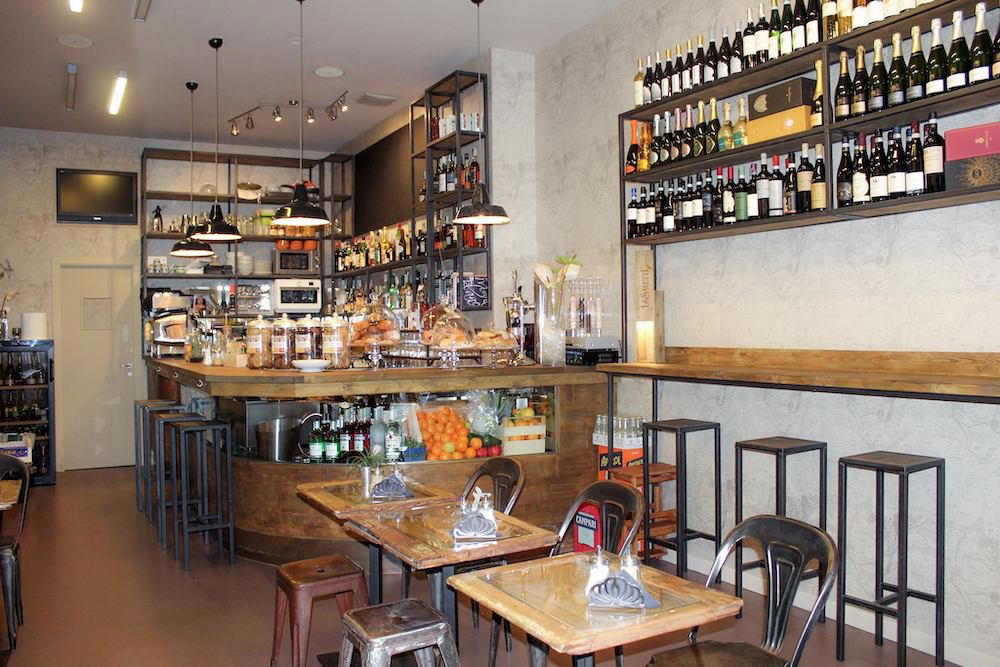
Warm and welcoming atmosphere in an old stone cellar with vaulted ceilings, well-suited for romantic dinners or convivial evenings.