Azienda Agricola Musella S.S.

Azienda Agricola Musella S.S. is a Demeter-certified biodynamic estate in San Martino Buon Albergo, working Valpolicella’s Corvina-led tradition through estate vineyards, olive trees, fruit trees and a country relais setting. The draw is not spectacle but terroir literacy: guided tastings, estate tours and a quiet parkland atmosphere that frame Amarone, Recioto, Ripasso and Valpolicella DOC through soil, farming and place.
Pearl is the En Primeur Club membership app — saves, bookings, and concierge access live there. Same editors, same standards.
- Address
- San Martino Buon Albergo, Veneto, Italien
- Directions
- Get directions
 Saves & bookings on Pearl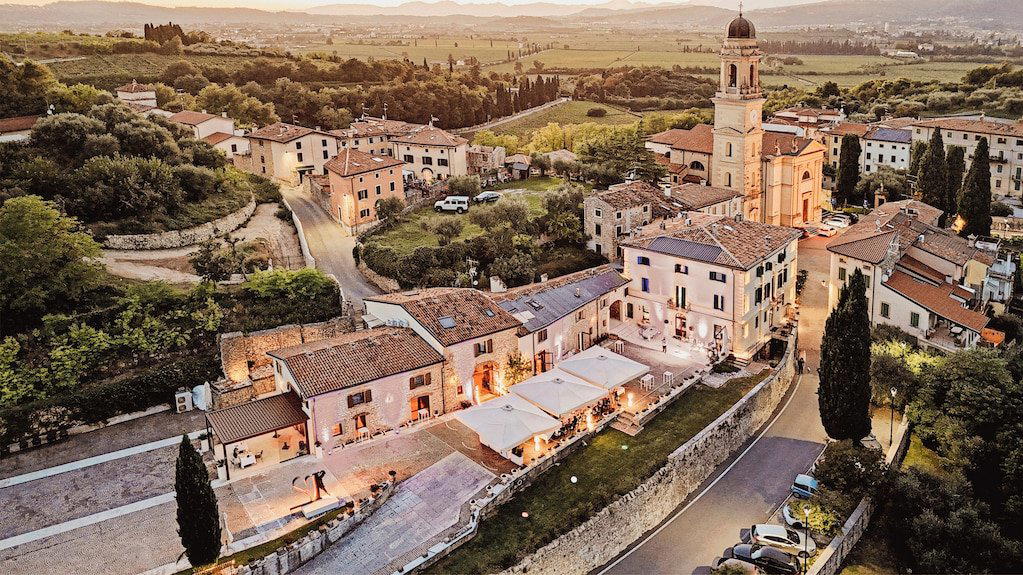
The approach to Azienda Agricola Musella S.S. follows the slower grammar of the Veneto countryside: vineyard rows, garden views, olive trees and the quiet scale of a historic estate, not the polished theatre of an urban tasting room. In San Martino Buon Albergo, just outside Verona’s orbit, Valpolicella is clay, limestone, exposure, dried-grape tradition and the discipline of keeping Corvina, Corvinone, Rondinella and Barbera in balance.
Read Musella as a biodynamic Valpolicella estate where hospitality is built around land first, wine second and leisure third. The property combines winery and country relais, giving the visit a slower tempo than a cellar-door flight. The estate feels quiet, rural and small, with outdoor seating and vineyard or garden views, while the wine program offers guided tastings, estate tours with tasting, premium flights and food pairings.
Valpolicella read through biodynamic farming and estate fruit
Valpolicella is often reduced to Amarone, but the region’s more revealing story lies in the relationship between fresh red wine, ripasso technique, passito drying and the local grape mix. Musella works from estate vineyards with Corvina, Corvinone, Rondinella and Barbera across still red, still white, rosé, sparkling and dessert wines. Its appellation anchor is Valpolicella DOC, and its Amarone della Valpolicella DOCG and Recioto della Valpolicella DOCG place it firmly inside the dried-grape tradition.
The agricultural signal is stronger than the luxury signal. Open since 1995, Musella is certified by Demeter, the biodynamic standard beyond conventional organic farming. That matters in Valpolicella, where ripeness, drying and oak can easily overbuild wines. The interest here is the counterweight: biodynamic farming, estate fruit and a production philosophy that keeps the vineyard ecosystem visible. The estate sits within a historic property of around 400 hectares with vineyards, fruit trees, olive trees and natural parkland, making the biodynamic claim more than a label gesture.
The soil picture gives context. Vineyard references include white clay, porous limestone known locally as tufo, and iron-rich red clay. In a region where Amarone can overshadow nuance, these distinctions frame how Valpolicella moves between freshness, structure, bitterness, spice and dried-fruit concentration without leaving its regional identity. A tasting works well as a study in that range, not a hunt for one flagship bottle.
The visit favors quiet education over cellar-door performance
Hospitality suits travelers who want the agricultural backstory explained without turning the visit into a seminar. Tastings are by reservation, with English and Italian available, and formats include guided tastings, vineyard tours, estate-ground visits and food pairings. Tours run 60 to 90 minutes, enough to connect farming, cellar choices and the broader Valpolicella vocabulary without losing the rhythm of a countryside stop.
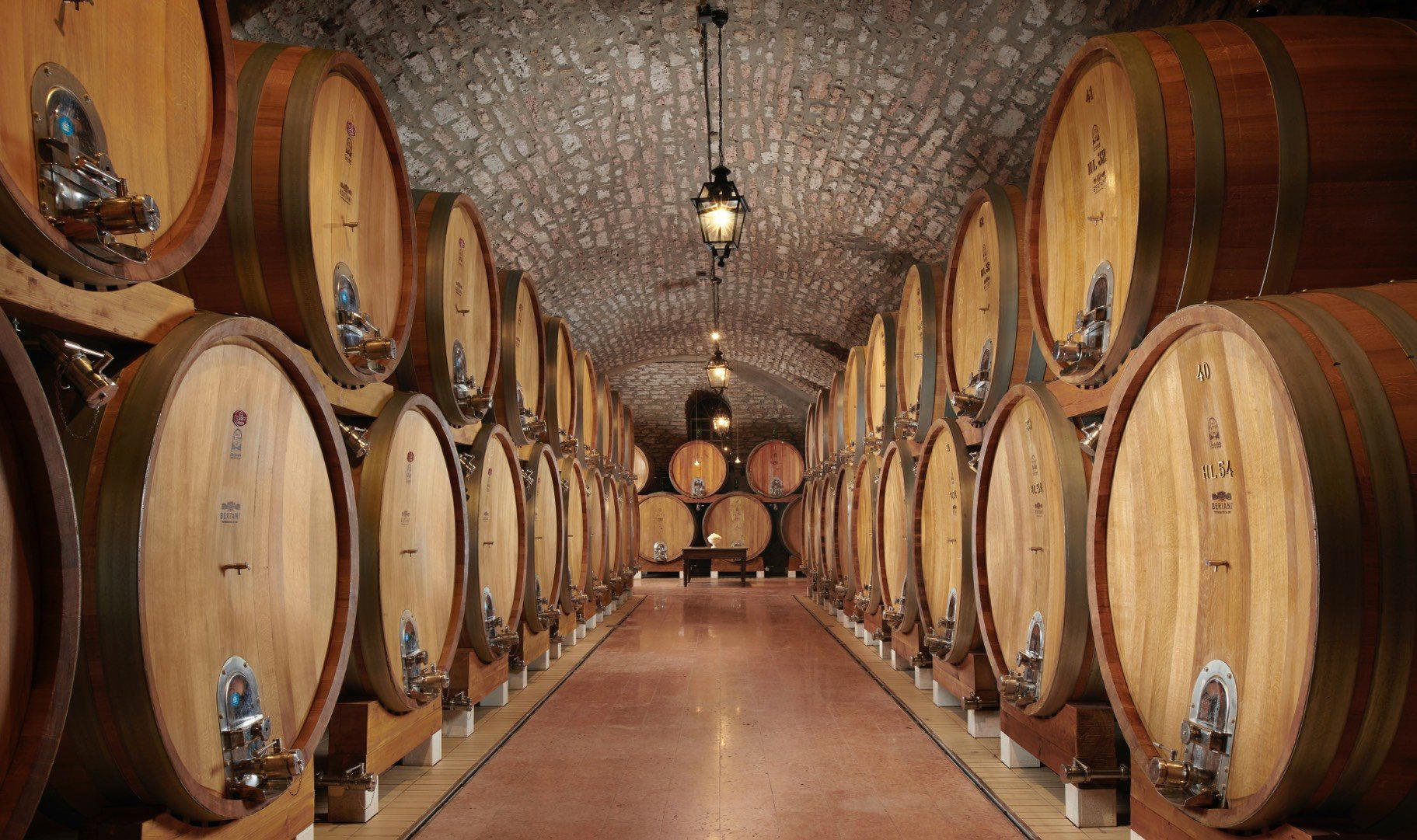
Enrico Raber is named as winemaker, but the larger point is what the role represents here: technical control over varieties that can move from bright and supple to dense and appassimento-driven. Valpolicella Superiore, Ripasso, Amarone and Recioto ask different questions of the same grape family. Indigenous yeasts, temperature-controlled fermentation and restrained oak matter because they shape how much the wines speak of farming and site rather than cellar styling.
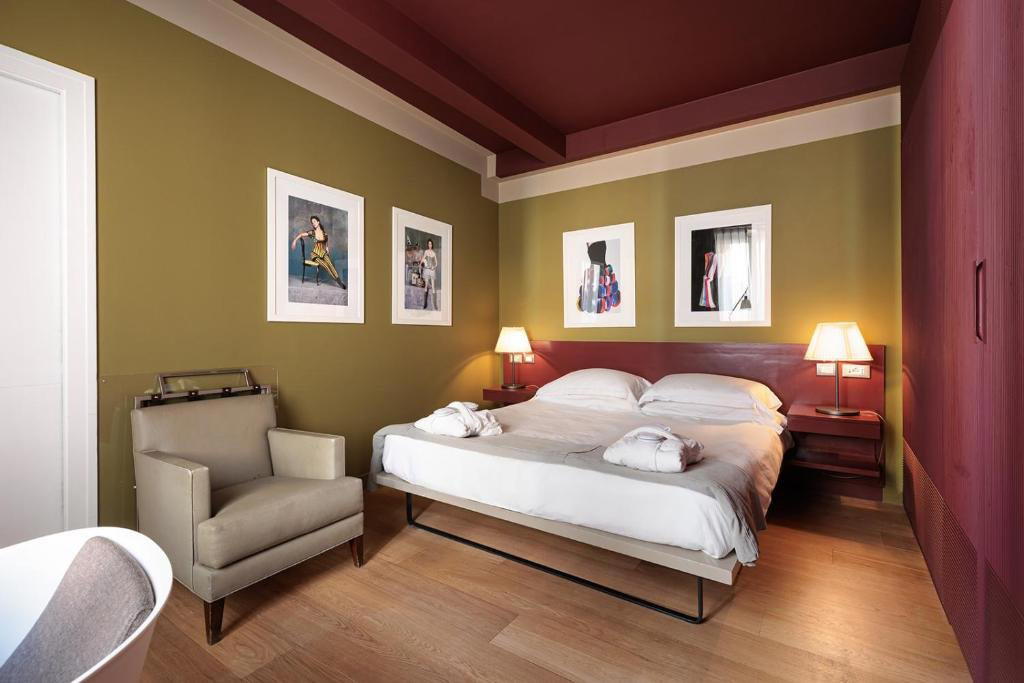
The country relais changes the visitor decision. A quick tasting can work, but the stronger use case is a slower itinerary treating Musella as part winery, part rural base and part introduction to biodynamic Valpolicella. The atmosphere is low-noise and pastoral, with on-site parking and a setting suited to romantic getaways, small group outings, celebrations, wine education and solo exploration. It is not aimed at children and is not dog-friendly, so the audience is clearer than at more casual rural estates.
How to place it within a San Martino Buon Albergo wine itinerary
San Martino Buon Albergo is a practical base for reading the eastern edge of Verona’s wine country without turning every stop into a long transfer. Musella’s value is its combination of Demeter certification, estate-scale agriculture and multiple visitor formats. For a local wine day, the broader area can include Burato Wines, Cavedini, Corte Lavel, Corte Scaletta and Marion, though Musella’s biodynamic-country-relais format gives it the more immersive agricultural frame.
The price signal is moderate, with the tasting experience listed at $32 per person, and reservations should be taken seriously because the property suits planned visits better than casual drop-ins. Payment options include cash, credit card and debit card, and allocation status is open, so the experience reads as accessible rather than member-driven. Wine club participation is not offered, and shipping is not listed, keeping the visit focused on the estate rather than post-trip procurement.
For planning beyond the cellar, San Martino Buon Albergo rewards a mixed itinerary. Use Our full San Martino Buon Albergo wineries guide for the wine circuit, then cross-reference Our full San Martino Buon Albergo restaurants guide, Our full San Martino Buon Albergo hotels guide, Our full San Martino Buon Albergo bars guide and Our full San Martino Buon Albergo experiences guide to shape the rest of the day.
Travelers comparing biodynamic and estate-led wine culture more broadly can look beyond Veneto through 3GP SRL in Treviso, 47 Anno Domini in Trebaseleghe, A Mano Wine in Noci, »der Steiner« Hans Steiner in Podersdorf am See and & Handwein in Mannheim. Musella’s case is clear: Valpolicella through Demeter farming, a quiet estate setting and enough hospitality structure to make the land legible in the glass.
Recognition history
Dated appearances from independent guides and award organizations, with the underlying list record or original source where available.
Falstaff Winery - Listed
Falstaff
Continue exploring
More in San Martino Buon Albergo
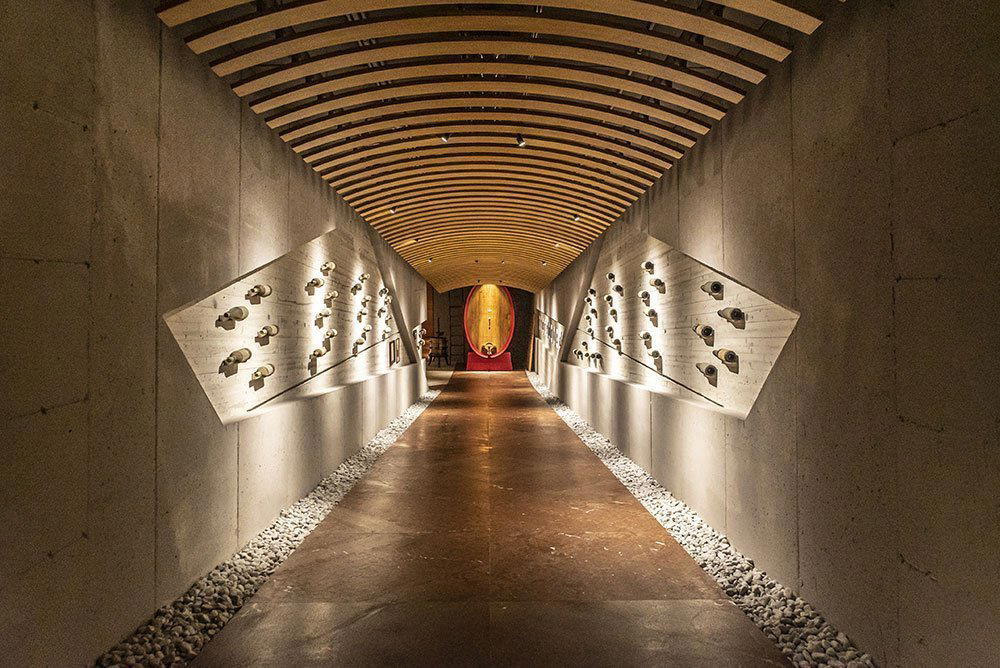
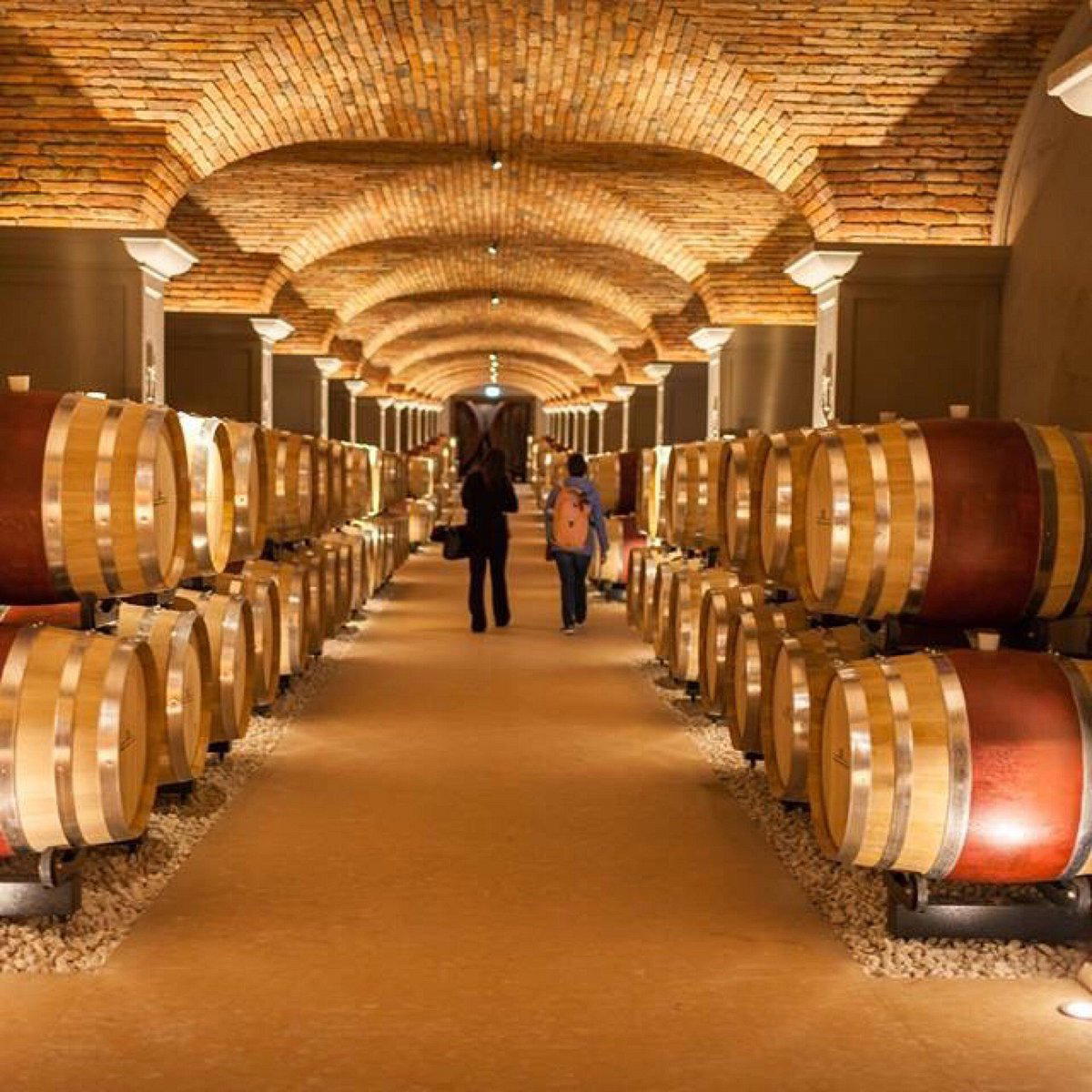
Wineries in San Martino Buon Albergo
Browse all →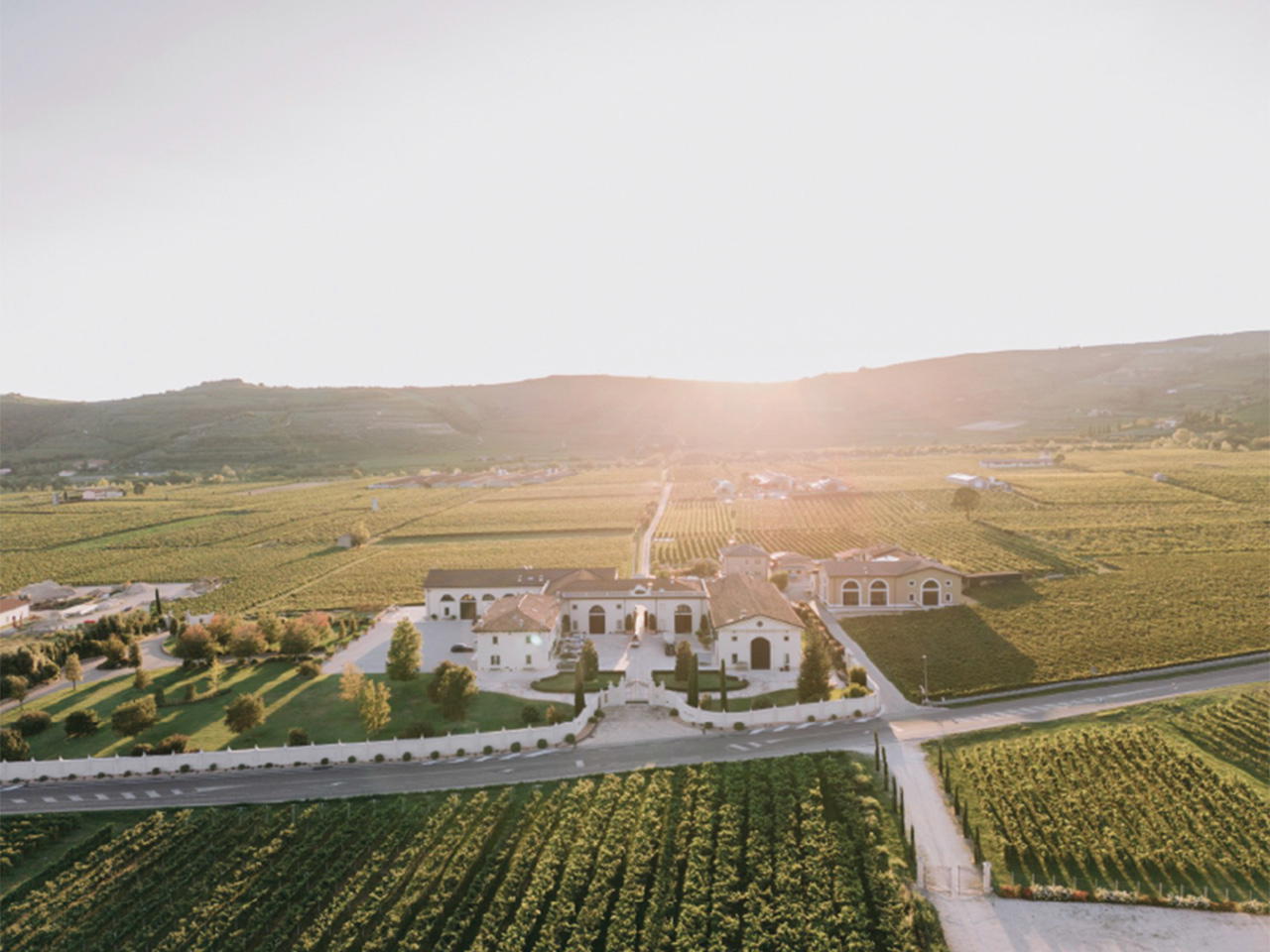
Bars in San Martino Buon Albergo
Browse all →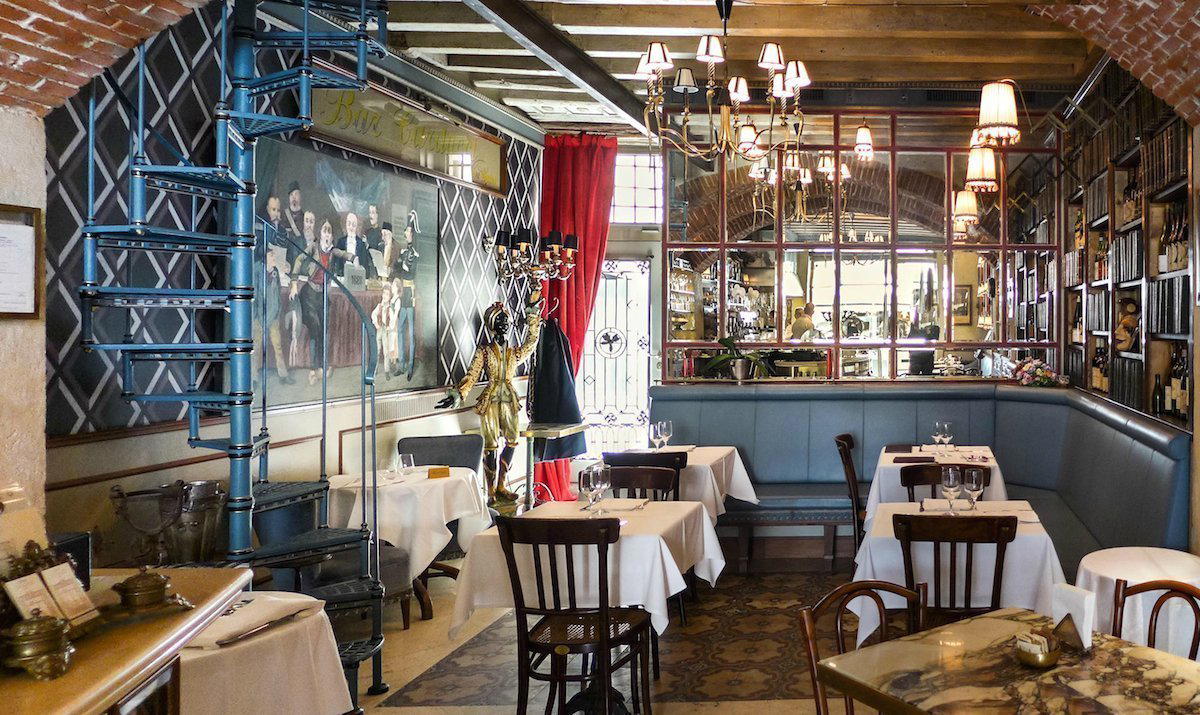
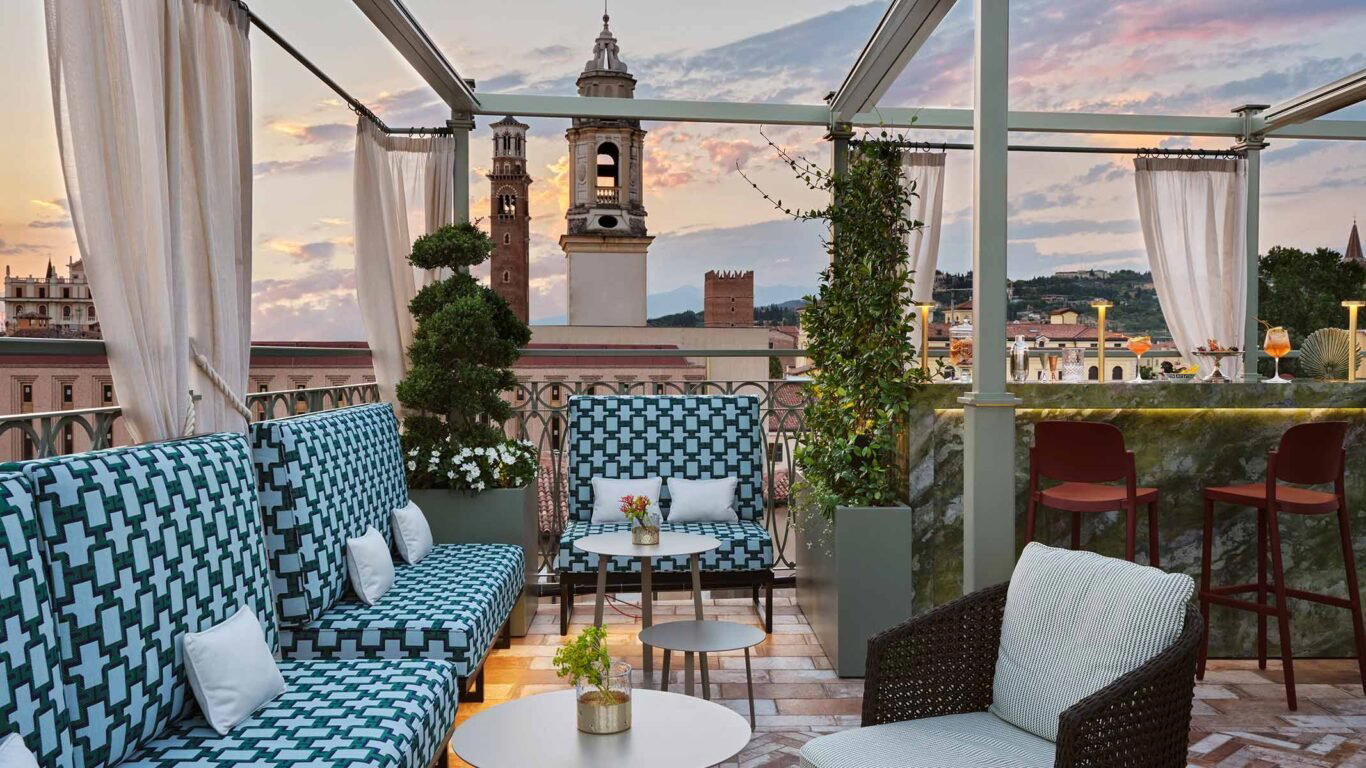
Restaurants in San Martino Buon Albergo
Browse all →
Hotels in San Martino Buon Albergo
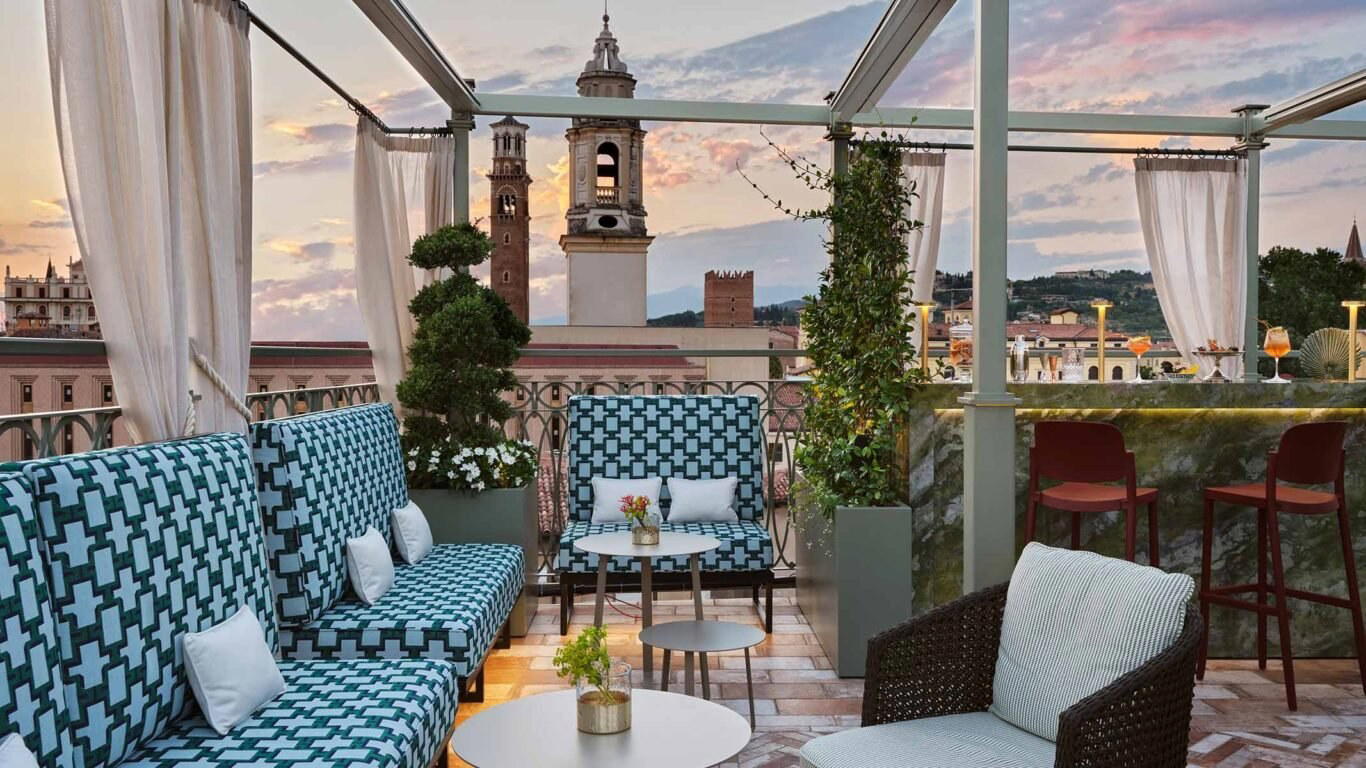
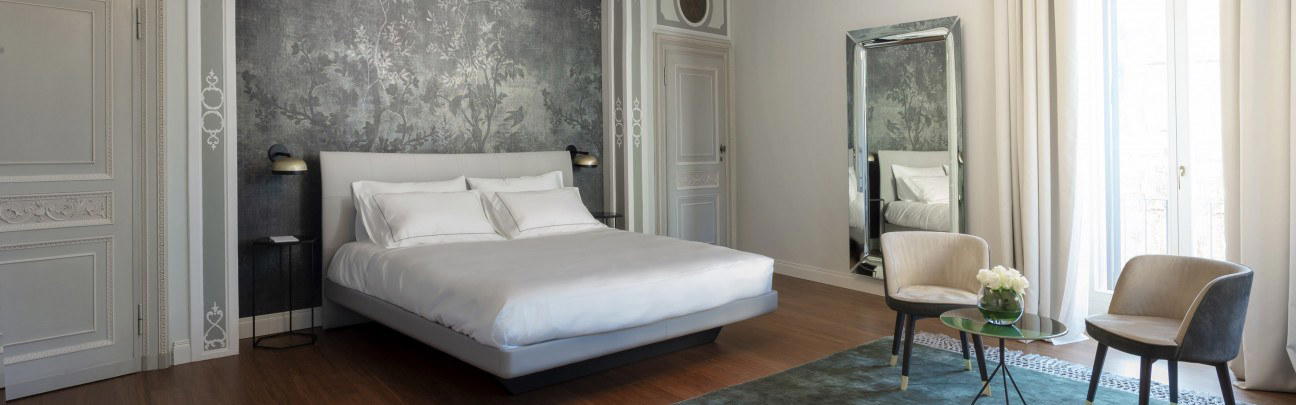
Browse all →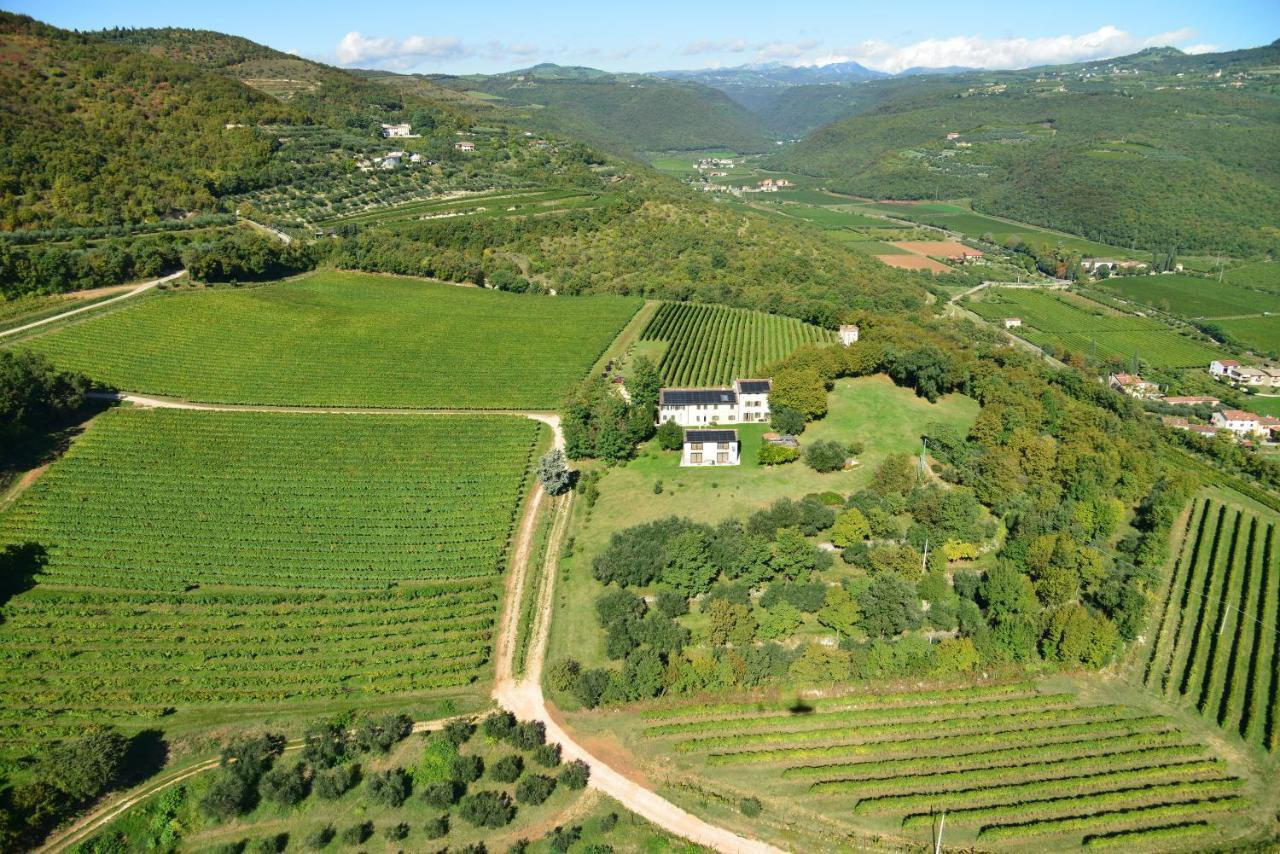
At a Glance
- Scenic
- Rustic
- Romantic
- Cozy
- Classic
- Romantic Getaway
- Group Outing
- Celebration
- Wine Education
- Special Occasion
- Solo Exploration
- Vineyard Tour
- Estate Grounds
- Historic Building
- Private Tasting
- Biodynamic
- Organic
- Sustainable
- Vineyard
- Garden
- Valpolicella DOC
- Corvina
- Corvinone
- Rondinella
- Barbera
- Still Red
- Still White
- Still Rosé
- Sparkling
- Dessert
- Guided Tasting
- Estate Tour With Tasting
- Premium Flight
- Food Pairing
A historic country relais set within a natural park and estate vineyards on the hills of San Martino Buon Albergo, offering a tranquil, scenic and rustic atmosphere with a strong connection to nature and biodynamic farming.