La Terraza de Alba

Michelin Plate
Our verdict
La Terraza de Alba holds consecutive Michelin Plate recognition (2024 and 2025) for its traditional Spanish cooking with a contemporary edge. Located in Tres Cantos, north of Madrid, it draws a loyal local following with a menu organised around rice dishes, bluefin tuna, and two tableside preparations. The €€ price range makes it one of the more accessible Michelin-recognised addresses in the Madrid region.

Pearl is the En Primeur Club membership app — saves, bookings, and concierge access live there. Same editors, same standards.
The menu
What to order
- Salt-crusted beef tenderloin
- Bluefin tuna
- Rice dishes
Traditional Cooking, Anchored in Place
Tres Cantos is a planned city, built from scratch in the 1980s on the northern fringe of Madrid's commuter belt. It was never meant to be a dining destination, and for most of its existence it wasn't. What has changed in the past decade is the emergence of a small group of restaurants that take the suburb's residential audience seriously — cooking for the table rather than the tourist, and building menus around the kind of Spanish culinary tradition that city-centre addresses often trade away in favour of novelty. La Sartén, which works the fusion register, is one part of that picture. La Terraza de Alba works the other: the terrain of traditional Spanish cuisine, updated without being reinvented.
Spain's relationship with its own culinary heritage is more complicated than the export version suggests. The country that produced DiverXO and Mugaritz has also produced a quiet counter-movement: chefs and owners who treat classical technique and regional product as the primary reference, not a starting point to abandon. La Terraza de Alba operates in that tradition. Its consecutive Michelin Plate recognition in 2024 and 2025 signals that the guide's inspectors found consistent, honest cooking — the Plate designation marks restaurants where the kitchen is doing something right, even if the full constellation is not yet in reach. For a Tres Cantos address in the €€ bracket, that recognition carries weight.
What the Menu Is Actually Built Around
The structure of the menu at La Terraza de Alba reflects an understanding of how Spanish households and dining rooms actually eat. Half portions are available across many dishes, which matters more than it might initially appear: it is an architecture that encourages exploration, allows two people to cover more ground, and avoids the rigidity of tasting-menu-only formats that have become standard at the upper end of Spanish fine dining. Compare that approach to the locked-in progression at addresses like Arzak or El Celler de Can Roca, and the difference in philosophy becomes clear. This is a restaurant that wants its guests to eat well and return regularly, not to experience a single choreographed event.
Two sections of the menu carry particular editorial weight. The rice section, which requires a minimum of two diners, places La Terraza de Alba in the tradition of the Spanish restaurant that treats rice as a serious discipline rather than a filler course. Across Spain, from Valencia through the interior, rice preparation remains one of the clearest markers of kitchen confidence, the timing, the stock, the ratio, the resting time. Restaurants that build a dedicated section around it are making a statement about what they value. The second section covers bluefin tuna, a product that carries its own cultural and ecological weight in Spanish gastronomy. Bluefin, atún rojo in its proper form, has been associated with the southern fishing tradition of the almadraba, the ancient net-trap system used off Cádiz and Tarifa. Bringing that product to a Tres Cantos menu, as a dedicated section rather than a single line item, connects the restaurant to a longer story about Spanish coastal produce and its movement inland.
The Tableside Moment and the New Room
Tableside preparation has a particular resonance in traditional Spanish dining. It is less about theatre for its own sake than about transparency, the kitchen showing its hand, the diner understanding what is happening to their food. At La Terraza de Alba, two preparations happen in the dining room. The salt-crusted beef tenderloin with fine herbs arrives and is finished at the table, the crust broken open to reveal the meat cooked inside its saline shell. Among desserts, the almond mortar with cream cheese and passion fruit ice cream is assembled in front of the guest. Both preparations represent the category of dish where the process is part of the argument, where you understand the dish better for having watched it made. This is not a new idea in Spanish cooking; it draws on a long tradition of tableside service at traditional asadores and family-style restaurants across Castile and the wider Iberian interior.
The addition of a multipurpose room with its own entrance, where a tasting menu is also available, reflects a pattern seen across mid-tier Spanish restaurants that have found their footing. Once a dining room has an established core audience, the question becomes how to build a secondary format without disrupting what works. The tasting menu in a separate space is one answer: it allows the kitchen to explore a more structured register while keeping the main dining room operating as it always has. Owner Óscar Fernández oversees both formats, and the hands-on management style that the restaurant is known for applies across both spaces.
Where This Fits in the Madrid Region
Madrid's restaurant scene concentrates its critical attention on the capital itself. The addresses that draw international coverage, DiverXO at the extreme creative end, the broader wave of neo-taberna cooking in Malasaña and Lavapiés, are city-centre operations. The ring of towns and planned municipalities north of the M-30 exists largely outside that conversation. La Terraza de Alba earns its Michelin recognition precisely within this context: it is a restaurant doing serious work in a location that receives no ambient critical credit, building an audience through consistency and an offer that residents can engage with repeatedly rather than saving for a special occasion.
For readers exploring what the broader Madrid region produces beyond the capital's headline addresses, Tres Cantos is worth the twenty-minute journey north. The full Tres Cantos restaurants guide maps the wider picture. Those spending more time in the area can also consult our Tres Cantos hotels guide, bars guide, wineries guide, and experiences guide for a fuller read on the town.
For comparison against Spain's most decorated traditional and creative addresses, the EP Club restaurant section covers Aponiente in El Puerto de Santa María, Azurmendi in Larrabetzu, Cocina Hermanos Torres in Barcelona, Martin Berasategui in Lasarte-Oria, Quique Dacosta in Dénia, and Ricard Camarena in València. For traditional cuisine operating at a similar register in other European markets, see also Auberge Grand'Maison in Mûr-de-Bretagne and Auga in Gijón.
Planning Your Visit
La Terraza de Alba sits at C. del Alba, 5, 28760 Tres Cantos, Madrid. The €€ price point places it in a tier where a full meal with wine is accessible without advance financial planning, and the half-portion structure keeps the bill flexible. The rice dishes require a minimum party of two, so solo travellers should factor that in when choosing between sections. The adjacent multipurpose room and tasting menu offer an alternative format for those who prefer a more structured progression. Booking in advance is advisable given the consistent demand that Michelin recognition sustains, particularly for weekend services.
What's the Signature Dish at La Terraza de Alba?
Two preparations define the experience most clearly, and both happen in the dining room rather than behind the kitchen pass. The salt-crusted beef tenderloin with fine herbs, finished tableside, is the main course that most guests reference first. Among desserts, the almond mortar with cream cheese and passion fruit ice cream is assembled at the table and represents the kitchen's confidence in letting a dessert be both technically considered and visually direct. The bluefin tuna section, as a dedicated menu chapter rather than a single dish, is the other coherent argument the restaurant makes about what Spanish produce can anchor a serious menu.
Frequently asked questions
What's the signature dish at La Terraza de Alba?
Two preparations define the menu most clearly, and both are finished in the dining room. The salt-crusted beef tenderloin with fine herbs is carved tableside, and the dessert course features an almond mortar with cream cheese and passion fruit ice cream, also prepared before guests. The restaurant also dedicates a full menu section to bluefin tuna, which sets it apart from most traditional kitchens in the Tres Cantos area.
How much does it cost to eat at La Terraza de Alba?
Pricing at La Terraza de Alba is listed as €€.
Price Lens
| Venue | Cuisine | Price | Awards |
|---|---|---|---|
| La Terraza de AlbaThis venue (the venue you are viewing) | Modern Traditional Spanish | $50–100 | Michelin Plate |
| Aponiente | Progressive - Seafood, Creative | Not listed | Michelin 3 Star |
| Arzak | Modern Basque, Creative | Not listed | Michelin 3 Star |
| DiverXO | Progressive - Asian, Creative | Not listed | Michelin 3 Star |
| El Celler de Can Roca | Progressive Spanish, Creative | Not listed | Michelin 3 Star |
| Quique Dacosta | Creative | Not listed | Michelin 3 Star |
Recognition history
Dated appearances from independent guides and award organizations, with the underlying list record or original source where available.
Michelin Plate
Michelin
Full recognition history (3 entries)
Michelin Plate
Michelin
Michelin Plate
Michelin
Continue exploring
More in Tres Cantos
Restaurants in Tres Cantos
All restaurants in Tres Cantos →
Bars in Tres Cantos
Browse all →

La Terraza de Alba
The wine
- Wine program
- Curated wine list
- Extensive wine list
Details
- Cozy
- Elegant
- Classic
- Family
- Business Dinner
- Date Night
- Celebration
- Terrace
- Extensive Wine List
- A La Carte
- Small Plates
- Vegetarian Friendly
- Vegan Options
- Gluten Free Options
Current opening hours
- Monday
- Closed
- Tuesday
- 1–6 PM, 8 PM–12 AM
- Wednesday
- 1–6 PM, 8 PM–12 AM
- Thursday
- 1–6 PM, 8 PM–12 AM
- Friday
- 1–6 PM, 8 PM–1 AM
- Saturday
- 1–6 PM, 8 PM–1 AM
- Sunday
- 1–6 PM
Hours can change for holidays and private events. Last verified .
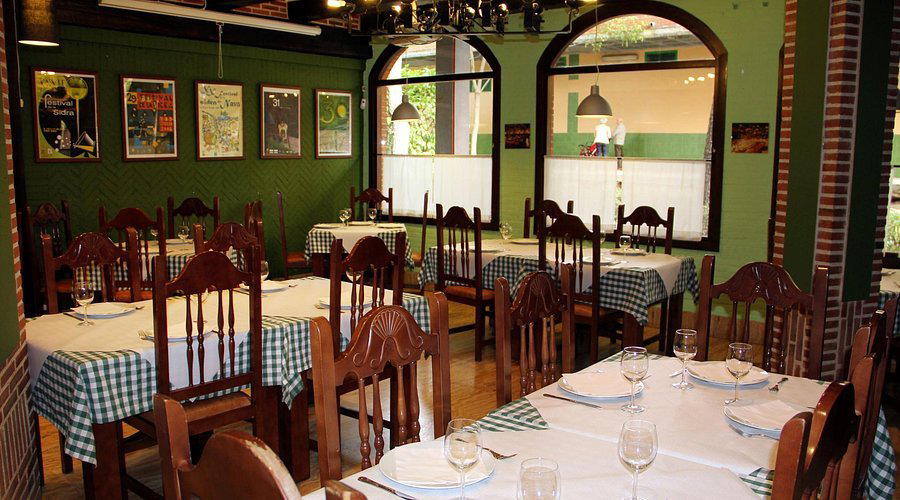
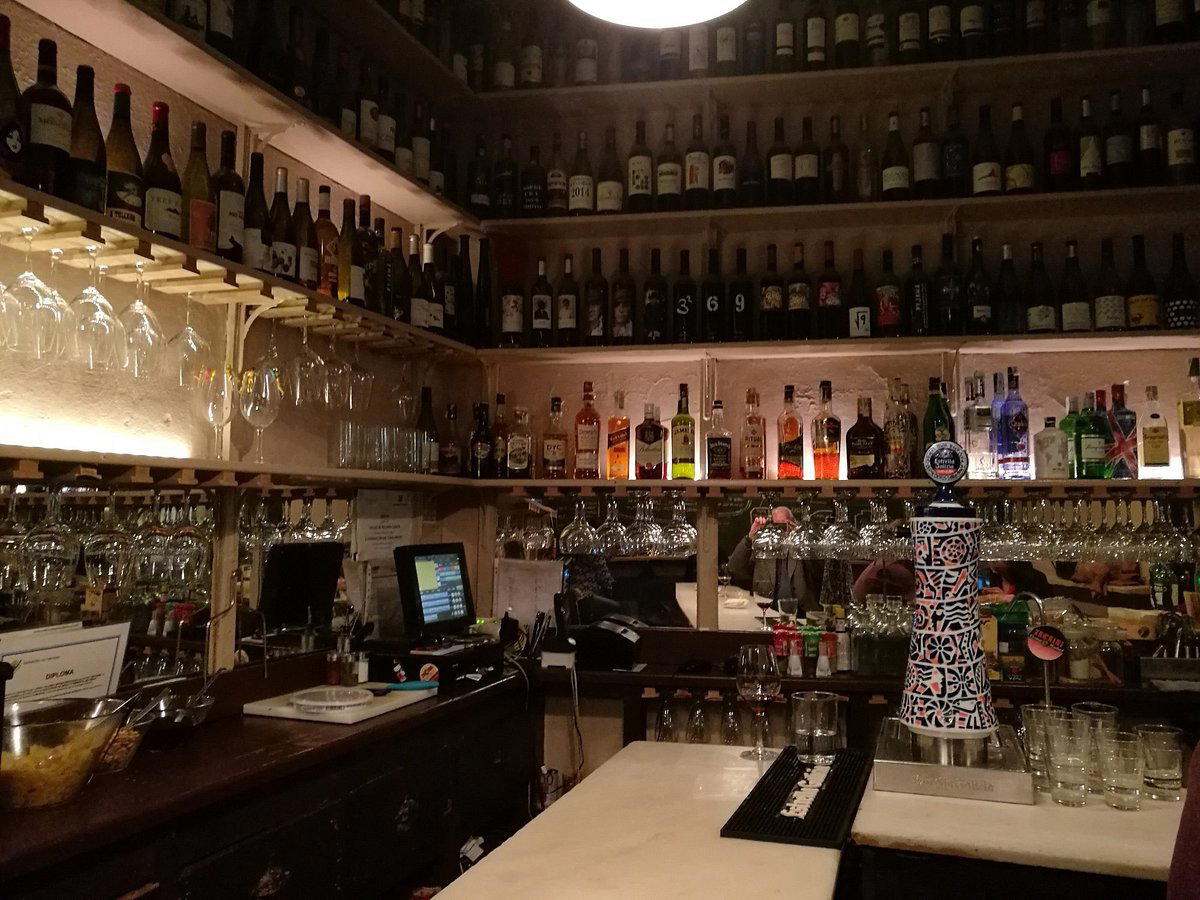
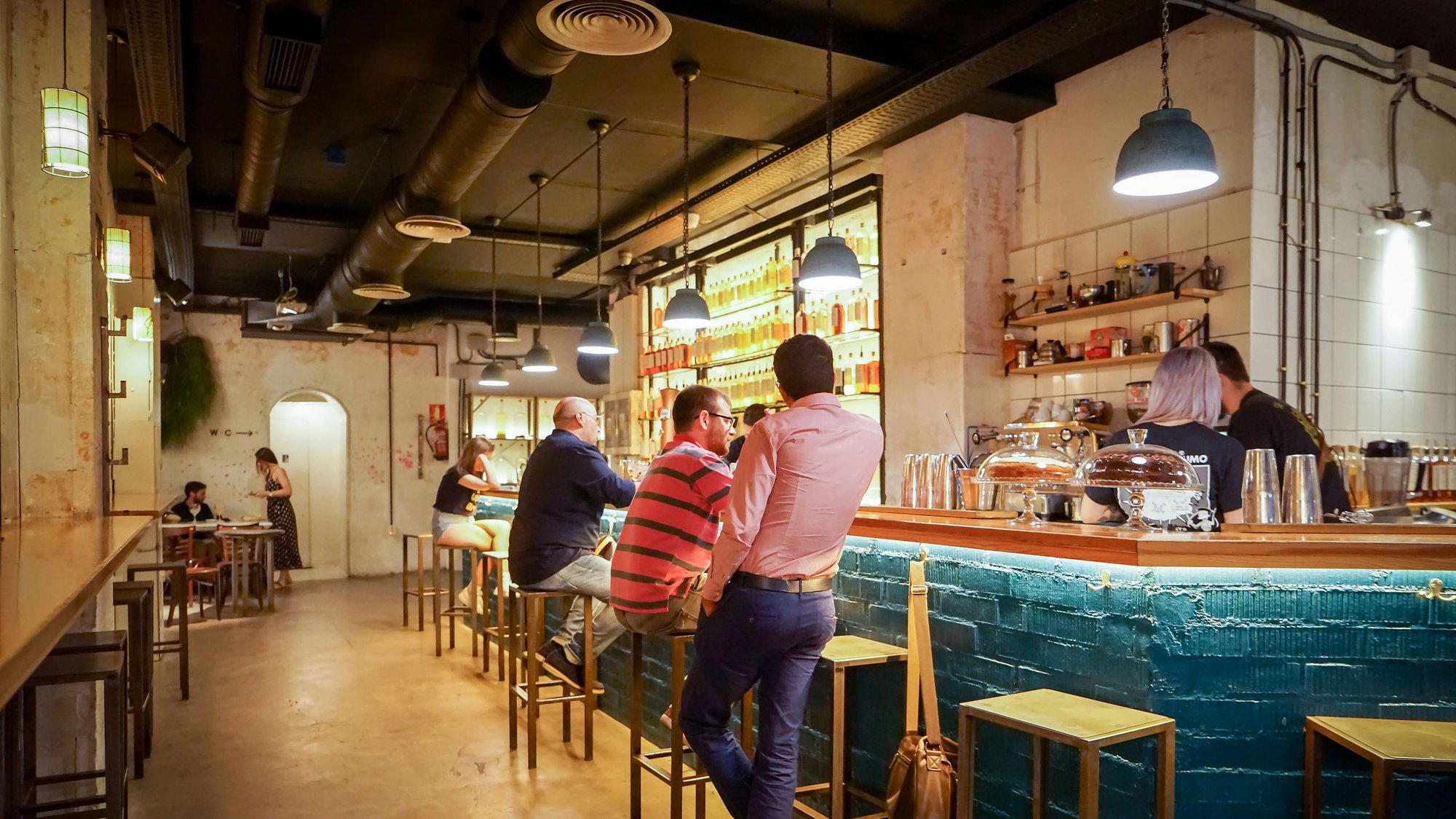
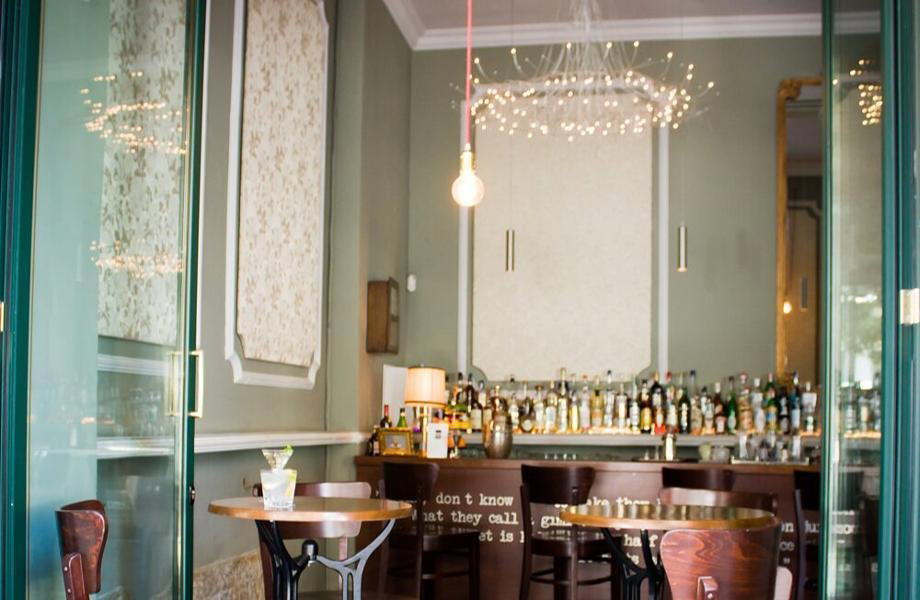
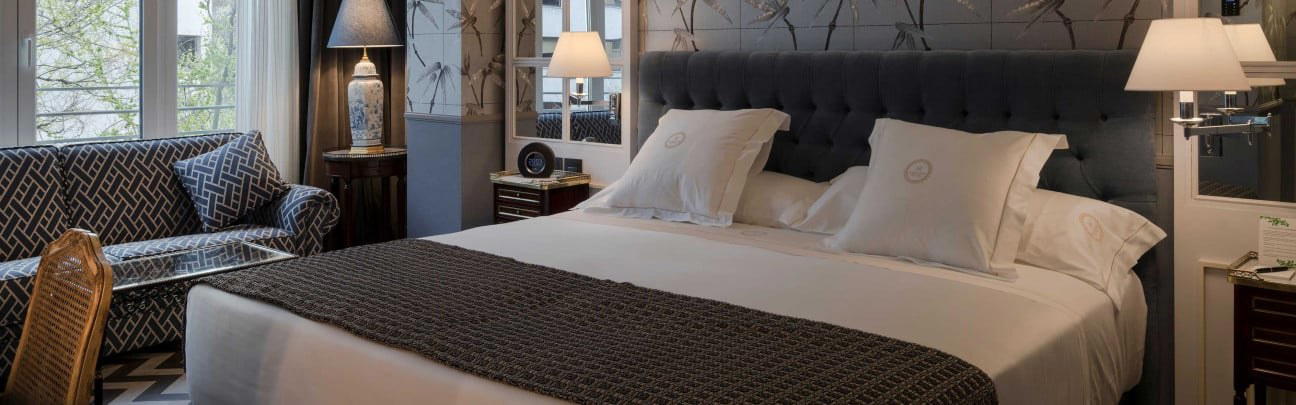
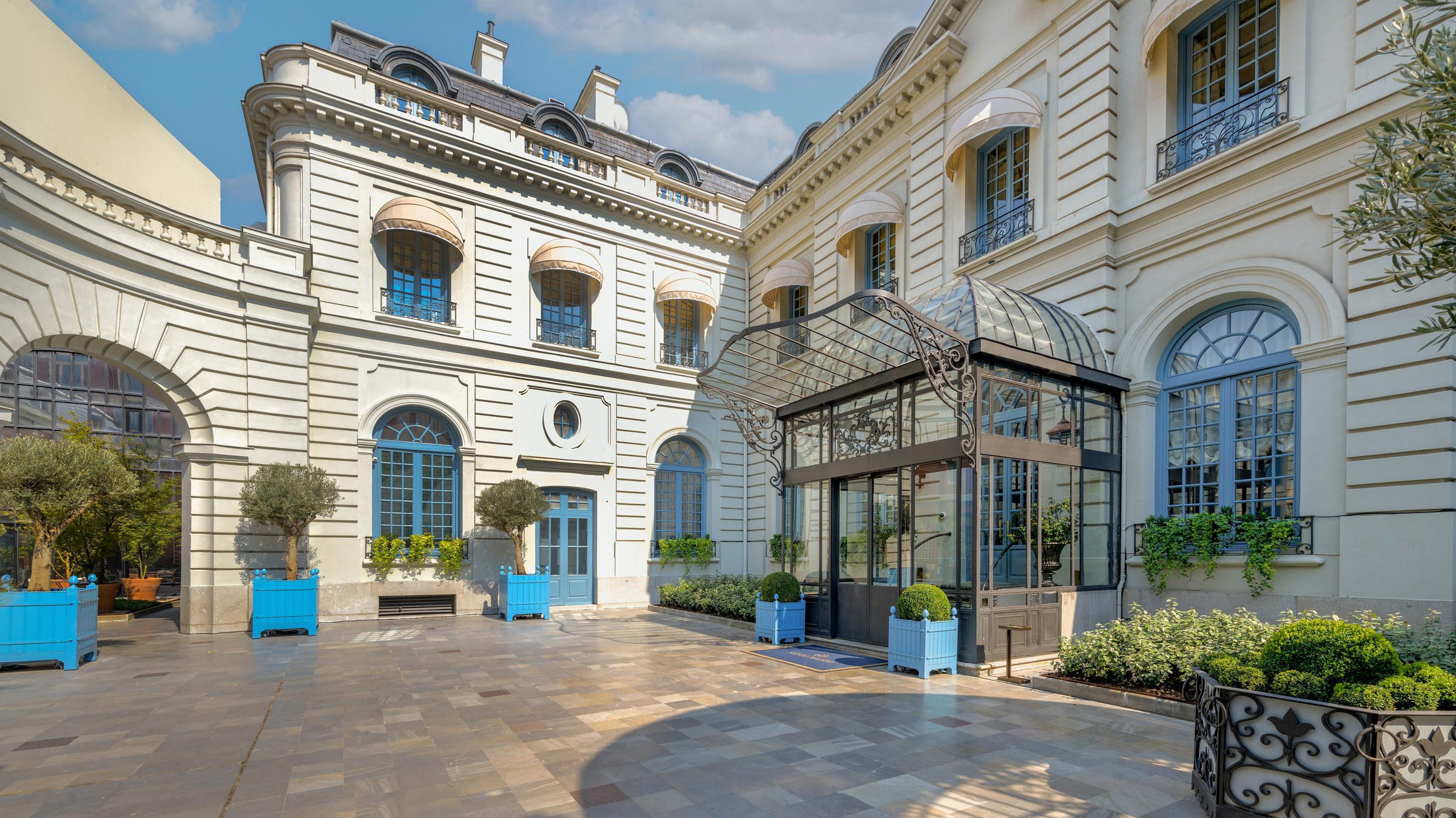
Cozy and well-decorated interior reminiscent of an external terrace, with a pleasant terrace for sunny days and relaxing atmosphere.