La Tavernicola occupies a corner of Sant Martí, the district that has absorbed more of Barcelona's creative and residential overflow than any other in the past decade. Set on Carrer de Roc Boronat, it operates within a neighbourhood increasingly defined by working locals rather than tourists, placing it in a different register from the Eixample dining circuit that dominates most Barcelona restaurant coverage.
Pearl is the En Primeur Club membership app — saves, bookings, and concierge access live there. Same editors, same standards.
- Address
- Carrer de Roc Boronat, 70, Sant Martí, 08005 Barcelona, Spain
- Phone
- +34 930 11 93 48
- Website
- latavernicola.com
- Directions
- Get directions
 Saves & bookings on Pearl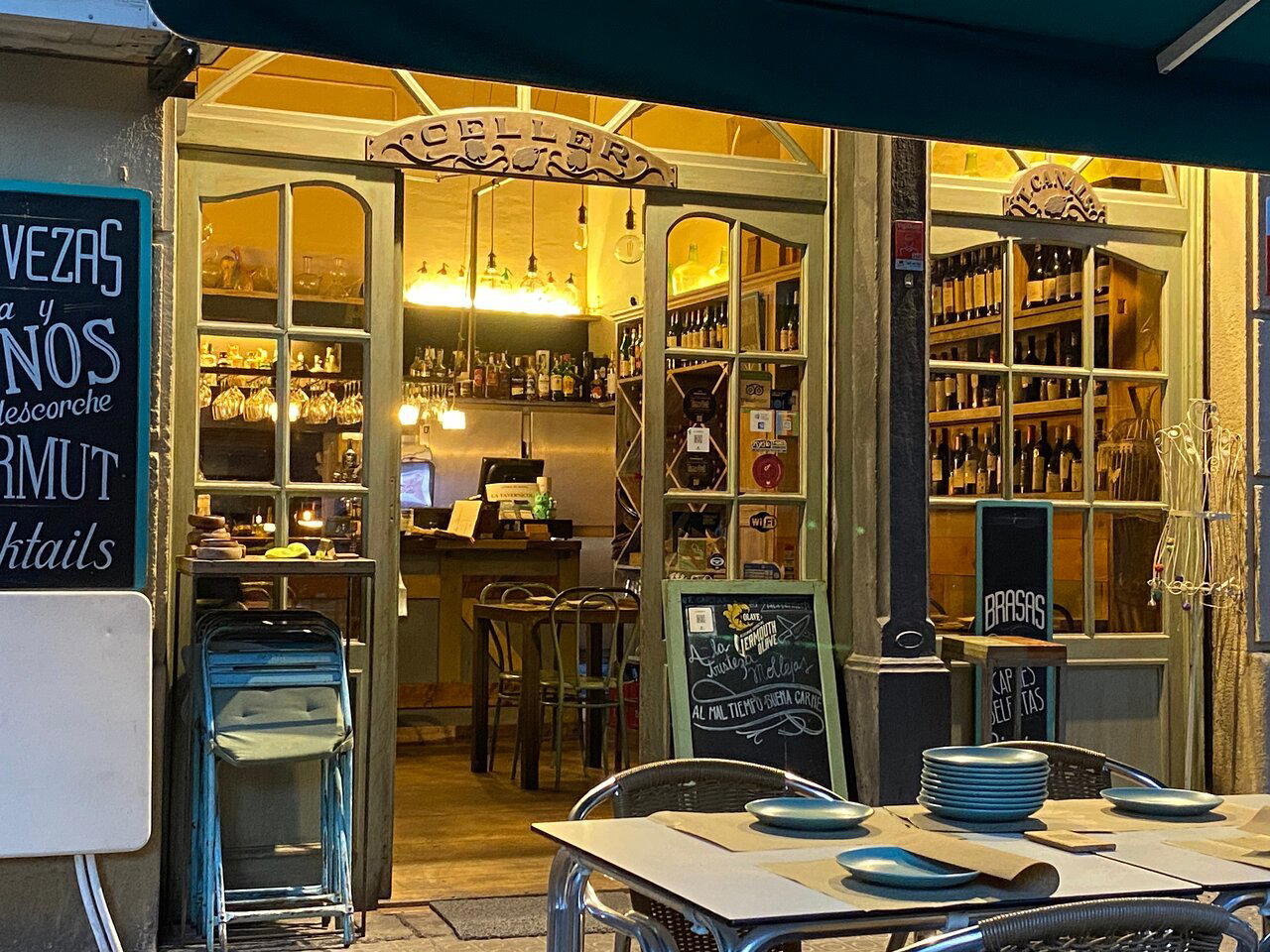
Sant Martí and the Shift Away from the Eixample Circuit
Barcelona's restaurant map has long been organised around the Eixample grid, where addresses carry automatic prestige and tables at places like Disfrutar, Lasarte, and ABaC are planned weeks or months in advance. The pull of that circuit is real: it concentrates Michelin recognition, international press coverage, and the kind of creative ambition that has made Barcelona a reference point on the same shortlist as El Celler de Can Roca in Girona and Mugaritz in Errenteria. But the weight of that recognition also produces a particular kind of dining experience: curated, high-ceremony, frequently priced at €€€€ and oriented toward visitors as much as residents.
Sant Martí, the district that stretches eastward from the Eixample toward the sea, has developed differently. Where Poblenou, its most discussed sub-neighbourhood, has drawn tech companies and converted warehouses into studios and co-working spaces, the quieter streets closer to Roc Boronat have retained a working residential character. Restaurants in this area tend to answer to a local clientele rather than to a passing tourist flow, and that accountability shapes what they serve and how they price it. La Tavernicola sits on Carrer de Roc Boronat, within that residential fabric, at a remove from the high-density dining corridors that generate most of the city's international coverage.
What the Address Tells You
The street itself is worth considering before you arrive. Carrer de Roc Boronat runs through a part of Sant Martí that has not been redeveloped into a destination, which means the clientele walking in is largely from the surrounding blocks. In Barcelona's dining geography, that distinction matters. The restaurant categories that thrive in such locations, across Spain and beyond, tend to prioritise value-to-quality ratio and kitchen consistency over the kind of spectacle or conceptual ambition that draws press coverage. Compare this to the position of somewhere like Enigma on the other end of the city's attention spectrum, where the address, the format, and the booking process are part of the experience itself.
That is not a criticism of either model. Spain's most celebrated kitchens, from Quique Dacosta in Dénia to Aponiente in El Puerto de Santa María, often began by serving a local community before press recognition arrived. The neighbourhood trattoria format, embedded in residential streets, has historically been one of the more reliable markers of kitchen seriousness: when there is no tourist buffer and no spectacle to distract, the food carries the full weight of each visit. La Tavernicola's placement in this part of Sant Martí positions it within that tradition.
The Tavernicola Format in Barcelona's Dining Register
The name itself signals something about the register. "Tavernicola" carries an Italian inflection that, in Barcelona, has become a shorthand for a particular dining posture: informal in structure, direct in service, and focused on the kind of cooking that rewards repetition rather than novelty. This is a distinct category from the progressive Spanish kitchens that dominate Barcelona's international profile. Those kitchens, including Cocina Hermanos Torres, operate with a logic of invention and transformation; the tavern format operates with a logic of execution and reliability.
Across Spain's broader dining scene, a similar split is visible at a regional level. The press attention falls on kitchens like DiverXO in Madrid, Arzak in San Sebastián, and Azurmendi in Larrabetzu. But the daily eating life of most Spanish cities runs on a parallel track: neighbourhood restaurants with short menus, local wine lists, and kitchens that compete on consistency rather than concept. La Tavernicola belongs, by address and apparent format, to the second category. For visitors who have already covered stronger examples from Barcelona's creative restaurant tier, or who are looking for a meal that reflects how the city actually eats rather than how it performs for an international audience, that positioning is the relevant one.
Getting There and Planning a Visit
Carrer de Roc Boronat 70 sits in the 22@ district of Sant Martí, a part of the city that has become more walkable and better connected in the past several years as the area's residential and commercial density has increased. Public transport options in the district include metro access via Poblenou or Llacuna on Line 4, both within reasonable walking distance of this address. The neighbourhood is not oriented toward evening tourism traffic in the way that El Born or the Gothic Quarter are, which means the surrounding streets are quieter after dinner, and the dining experience itself is less likely to be shaped by the energy of high-turnover tourist restaurants nearby.
For those building a Barcelona itinerary that moves between the city's international-facing fine dining tier and its more embedded local restaurant culture, this part of Sant Martí offers a useful contrast. For comparable positioning outside Spain, the neighbourhood-embedded format at this price tier finds parallels in places like Lazy Bear in San Francisco, which similarly built credibility with a local audience before attracting wider recognition, and in the longer tradition of European neighbourhood restaurants exemplified at a different tier by Le Bernardin in New York City, where address and format were deliberate signals about the kind of dining being offered.
A Tight Comparison
Comparable venues nearby, for context on price, style, and recognition.
| Venue | Price | Notes |
|---|---|---|
| La TavernicolaThis venue — the venue you are viewing | $$ | Not listed |
| El Boliche del Gordo Cabrera | $$ | la Dreta de l'Eixample, Uruguayan/Argentinean Steakhouse |
| Dr Stravinsky | $$ | Sant Pere, Santa Caterina i la Ribera, Experimental Cocktail Bar |
| El Laurel | $$ | Sant Antoni, Authentic Argentine Empanadas |
| Marlowe | $$ | Sant Pere, Santa Caterina i la Ribera,null |
| Minyam | $$ | el Poblenou, Modern Mediterranean Rice & Seafood |
Continue exploring
More in Barcelona
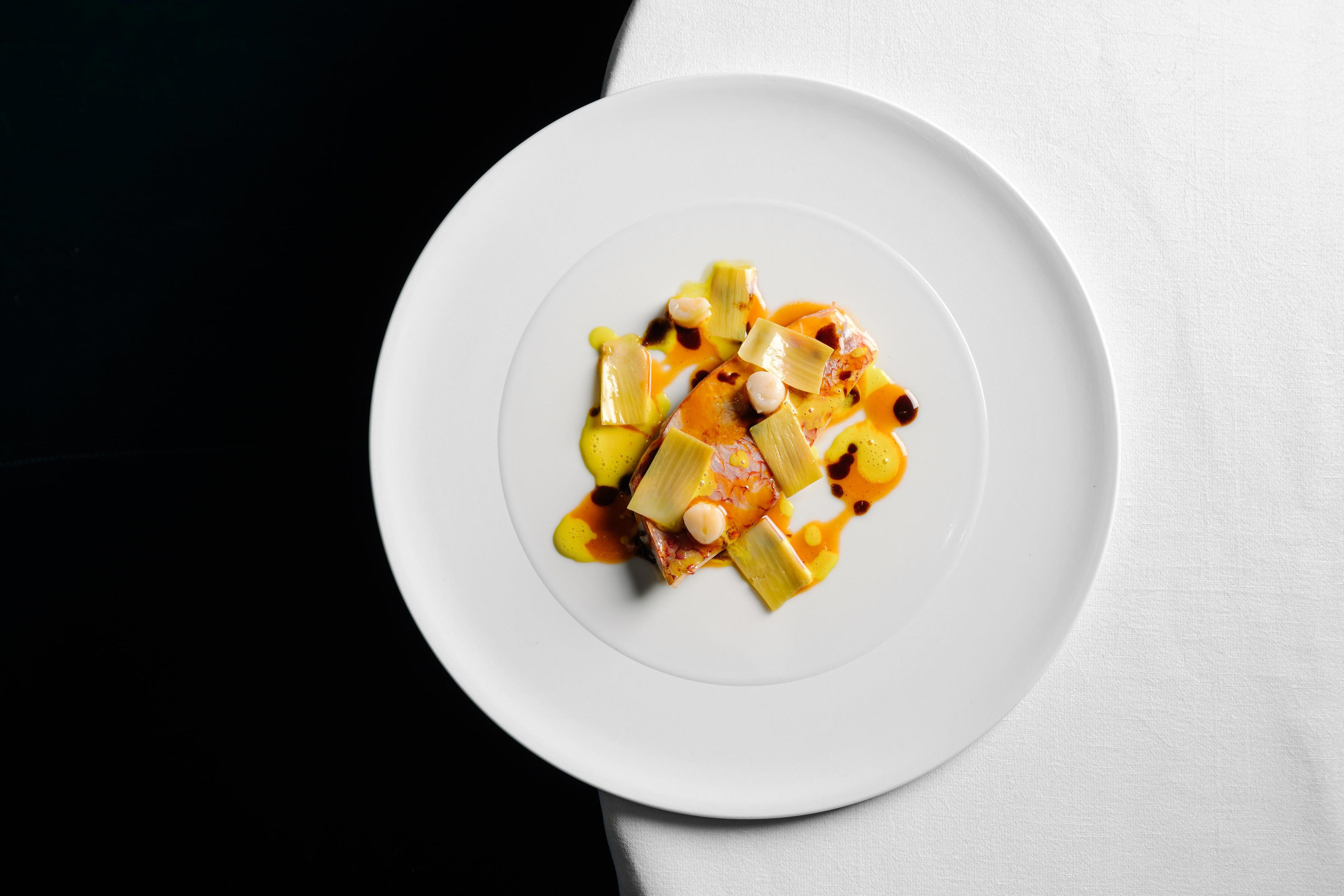
Restaurants in Barcelona
Browse all →
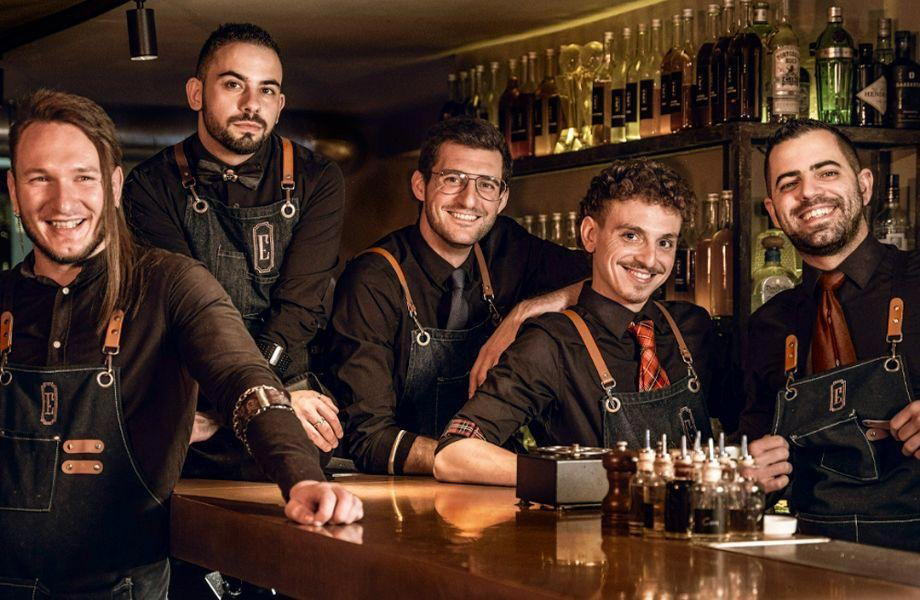
Bars in Barcelona
Browse all →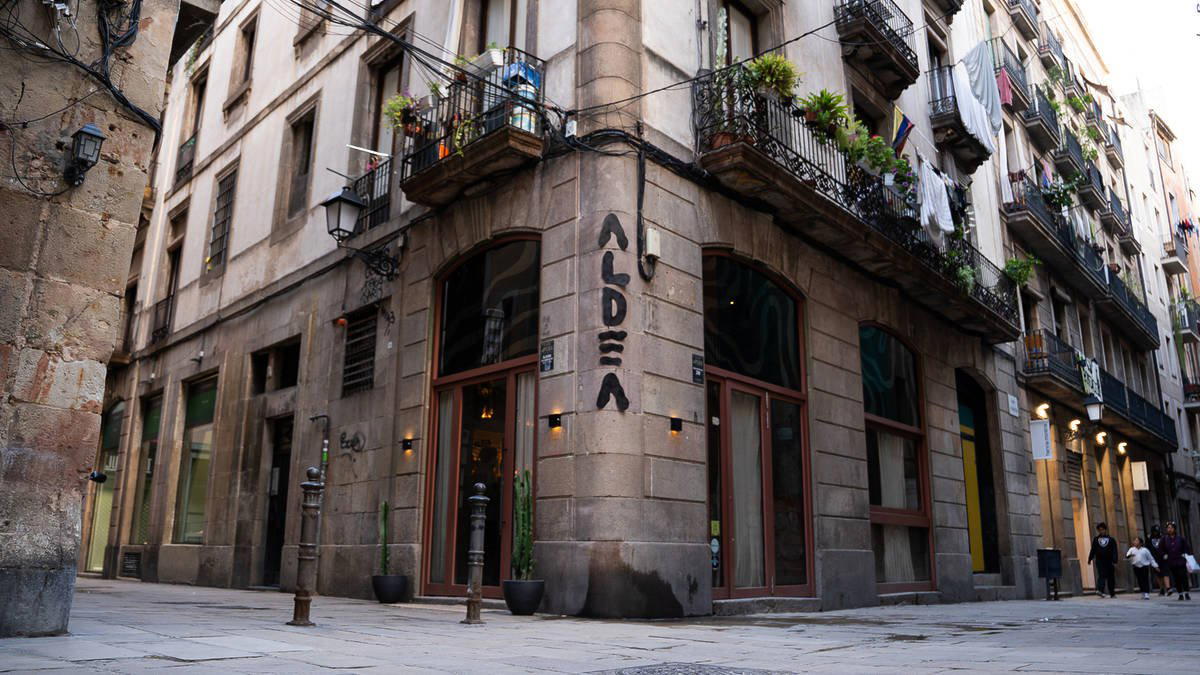
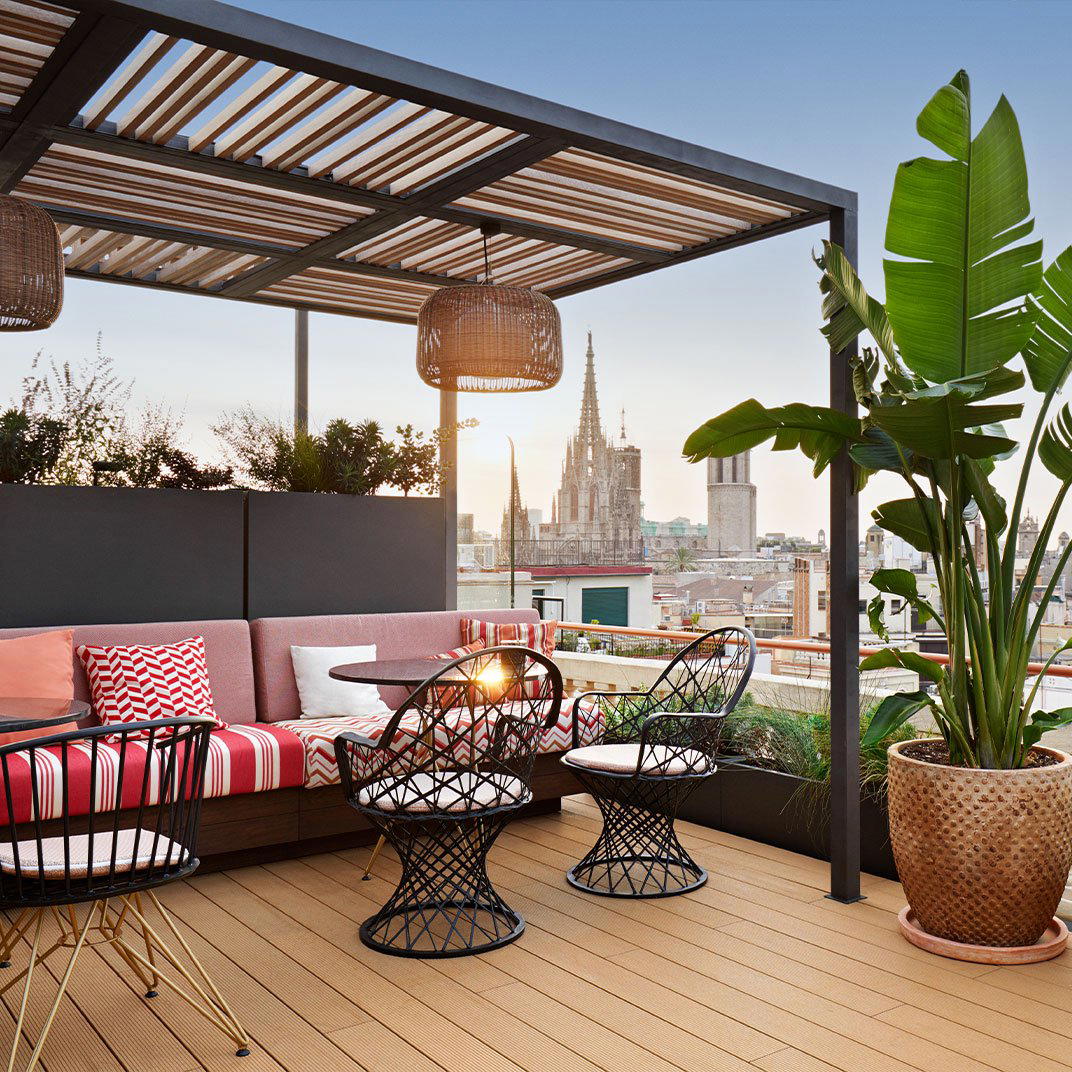
Hotels in Barcelona
Browse all →
At a Glance
- Cozy
- Rustic
- Intimate
- Casual Hangout
- Special Occasion
- Open Kitchen
- Extensive Wine List
Current opening hours
- Monday
- Closed
- Tuesday
- 1–11:30 PM
- Wednesday
- 1–11:30 PM
- Thursday
- 1–11:30 PM
- Friday
- 1–11:30 PM
- Saturday
- 1–11:30 PM
- Sunday
- 1–4 PM
Hours can change for holidays and private events. Last verified .
Cozy and welcoming with lovely decoration that feels homey and charming.