
On Consell de Cent in the Eixample grid, El Boliche del Gordo Cabrera represents the quieter end of Barcelona's dining spectrum, where neighbourhood loyalty and product-driven cooking hold more weight than tasting-menu theatre. The address places it among a cluster of mid-century tabernas that have outlasted several waves of gastro-trend, making it a reliable reference point for understanding what Barcelona actually eats when the tourists aren't watching.
Pearl is the En Primeur Club membership app — saves, bookings, and concierge access live there. Same editors, same standards.
- Address
- Carrer del Consell de Cent, 338, Eixample, 08009 Barcelona, Spain
- Phone
- +34932156881
- Website
- elbolichedelgordo.com
- Directions
- Get directions
 Saves & bookings on Pearl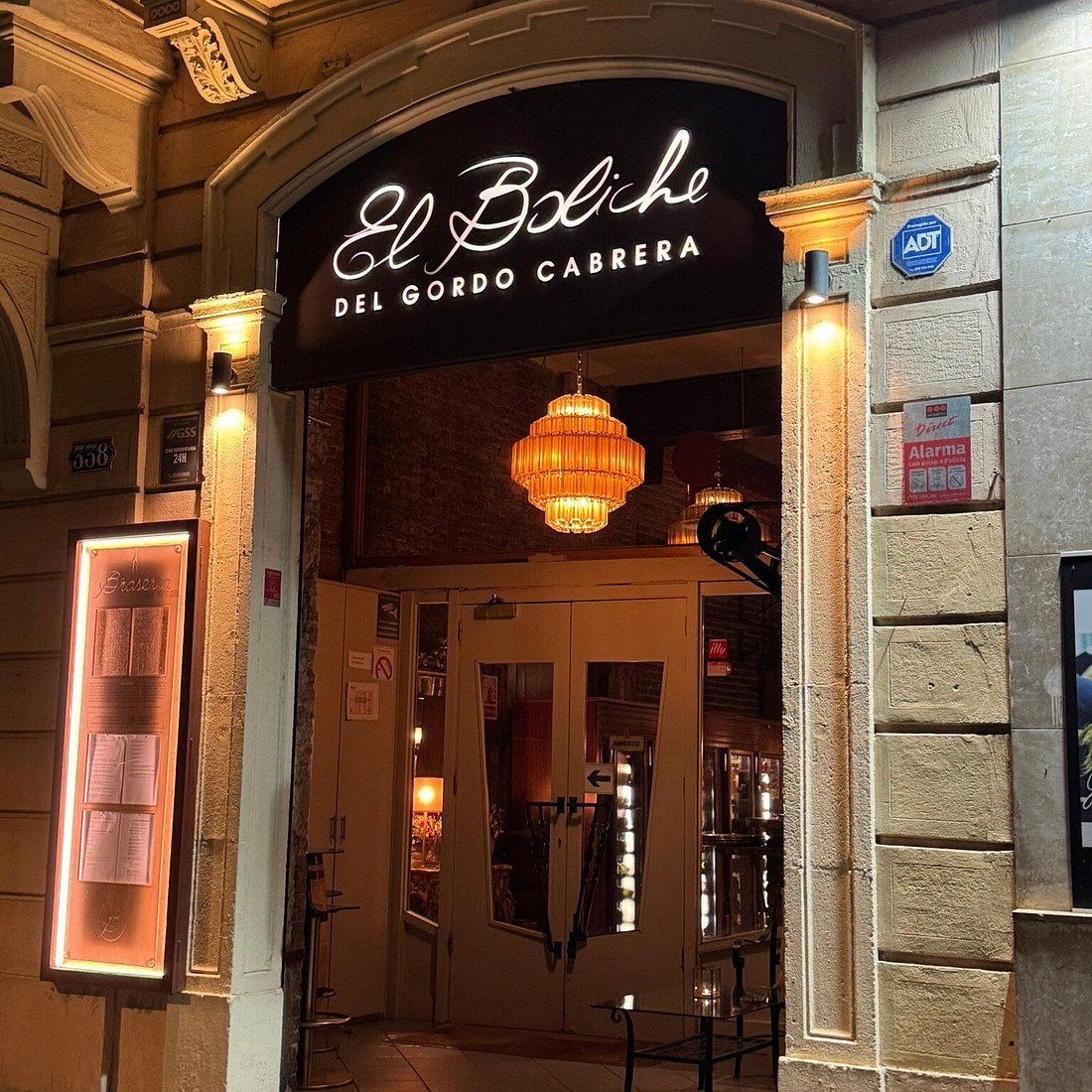
Where Eixample Eats Without the Spectacle
Barcelona's Eixample district has spent the last decade hosting some of Spain's most technically ambitious restaurants. Disfrutar, Cocina Hermanos Torres, and Lasarte have pulled serious international attention into the grid streets between Gràcia and Sant Antoni, and the neighbourhood now reads, on any given weekend, like a map of progressive Spanish cooking at its most decorated. Against that backdrop, the taberna format has quietly held its ground. Carrer del Consell de Cent, where El Boliche del Gordo Cabrera operates at number 338, runs through the heart of this tension, a street where the city's ambitions and its appetites exist at close quarters.
The physical approach to a place like this tells you what to expect before you sit down. Eixample's Cerdà grid produces long, even facades with chamfered corners, and Consell de Cent 338 sits on a block that still functions as a working neighbourhood address rather than a destination strip. That positioning matters. The restaurants that have survived in these interiors longest have done so not by chasing the dining press but by maintaining a consistent product for a regular clientele. In a city where ABaC and Enigma compete in the high-concept tier, the boliche format occupies a different social role entirely.
The Boliche Tradition and What It Signals
The word boliche carries specific meaning in Spanish and Argentine vernacular: a small, unpretentious bar or eating house, often associated with a particular neighbourhood identity. That framing is not incidental. Across Spain, durable dining institutions have often been those that resist the logic of scalability, small rooms, fixed suppliers, cooking that doesn't require a brigade to execute. The name Gordo Cabrera carries its own register: informal, self-deprecating in the tradition of Iberian taverna naming, more likely to signal a loyal local crowd than a first-time visitor looking for a tasting menu.
This places El Boliche del Gordo Cabrera in a peer group that has little overlap with El Celler de Can Roca in Girona or Mugaritz in Errenteria, but considerable overlap with the kind of neighbourhood address that cities like Barcelona depend on to function as places people actually live in, rather than simply visit. Spain has a strong tradition of this: Arzak in San Sebastián began as a family sideria before its Michelin trajectory; Ricard Camarena in València built a career on market sourcing before the formal recognition followed. The boliche model is, in many respects, the starting condition for how serious Spanish cooking develops.
Sustainability as Default, Not Strategy
There is a meaningful distinction between restaurants that have retrofitted sustainability as a marketing position and those that have always operated along its principles by necessity and habit. In smaller, independent taberna-format restaurants, ethical sourcing and waste reduction have historically not been choices made for public relations reasons, they have been economic defaults. Short supply chains, seasonal menus that change with market availability, cooking that uses every part of an ingredient: these are the working conditions of a restaurant without the margins to operate otherwise.
Across Spain, the taberna and boliche format has long functioned this way. Aponiente in El Puerto de Santa María made the sustainability argument explicit at fine-dining scale, building an entire culinary identity around sea-margin ingredients and the ethics of marine ecology. Azurmendi in Larrabetzu has embedded environmental architecture into its physical building. But the less-discussed version of the same principle operates in smaller rooms, where the chef's relationship with two or three suppliers is more consequential than any formal certification. El Boliche del Gordo Cabrera, in its Eixample address, operates within Barcelona's dense network of Boqueria-adjacent market culture, a city where ingredient sourcing at the neighbourhood restaurant level is often closer to the production source than in larger, more formalized operations.
The Eixample's local market infrastructure, including the Mercat de l'Abaceria in Gràcia and direct relationships with Boqueria vendors, supports a model of cooking where the day's produce determines the menu, not the other way around. That structural reality has environmental implications that rarely get framed as sustainability, because at this scale, they are simply called cooking.
Positioning in Barcelona's Dining Tiers
Barcelona's restaurant market has stratified sharply over the past decade. At the leading, a cluster of multi-Michelin operations, Disfrutar, Cocina Hermanos Torres, price against international fine-dining peers rather than local competition. Below that, a mid-range creative tier occupies the contemporary Catalan and Spanish-influenced space. Further down, the neighbourhood taberna format operates on frequency rather than occasion: these are the places regulars visit weekly, not monthly.
El Boliche del Gordo Cabrera operates in that third tier, where the logic of discovery differs from the tasting-menu circuit. The relevant comparison set is not DiverXO in Madrid or Quique Dacosta in Dénia; it is the cluster of Eixample addresses that have maintained a regular clientele through consistency rather than novelty. For a full map of how these tiers interact across the city, our full Barcelona restaurants guide covers the range in detail.
For international visitors used to comparing Barcelona's standing against cities like New York, where Le Bernardin sets a formal ceiling, or San Francisco, where Lazy Bear represents the chef-driven communal format, the boliche model can read as underwhelming on paper. In practice, it fills a function that formal restaurants cannot: the place where the city's food culture is maintained at the everyday level, without ceremony.
How It Compares on Logistics
| Venue | Tier | Price Range | Booking Lead Time |
|---|---|---|---|
| The restaurant | Neighbourhood taberna | Not confirmed | Walk-in likely; confirm locally |
| Disfrutar | Fine dining / Michelin | €€€€ | Months in advance |
| Cocina Hermanos Torres | Fine dining / Michelin | €€€€ | Weeks to months |
| Lasarte | Fine dining / Michelin | €€€€ | Weeks in advance |
Planning Your Visit
The address at Carrer del Consell de Cent, 338 in the Eixample places the restaurant within walking distance of the Passeig de Gràcia axis, reachable from L2, L3, or L4 metro lines depending on your approach. The Eixample grid is one of the more walkable parts of the city, and the neighbourhood rewards arrival on foot, the block character around Consell de Cent gives context that arriving by taxi removes.
The Short List
Comparable venues nearby, for context on price, style, and recognition.
| Venue | Cuisine | Price | Notes |
|---|---|---|---|
| El Boliche del Gordo CabreraThis venue — the venue you are viewing | Not listed | $$ | Not listed |
| El Laurel | Not listed | $$ | Sant Antoni, Authentic Argentine Empanadas |
| Dr Stravinsky | Not listed | $$ | Sant Pere, Santa Caterina i la Ribera, Experimental Cocktail Bar |
| Paradiso | Not listed | $$$ | Sant Pere, Santa Caterina i la Ribera, Craft Cocktail Bar |
| Lasun restaurant | la Sagrada Familia, Authentic Nepalese | $$ | Not listed |
| La Tavernicola | Not listed | $$ | el Poblenou, Authentic Argentine Steakhouse |
Recognition history
Dated appearances from independent guides and award organizations, with the underlying list record or original source where available.
Macarfi 7.1 Food Rating
Macarfi
Continue exploring
More in Barcelona
Restaurants in Barcelona
Browse all →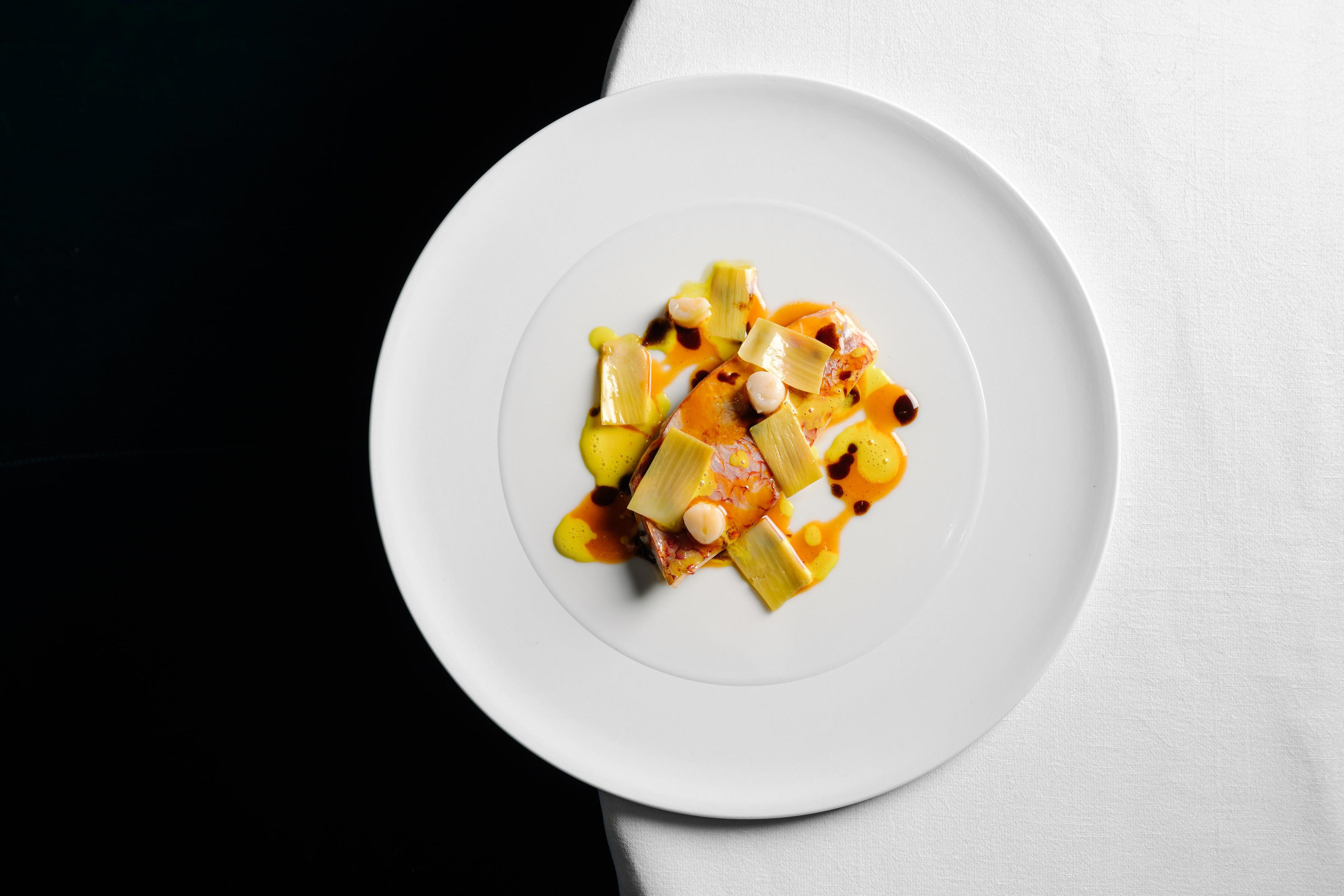
Bars in Barcelona
Browse all →
Hotels in Barcelona
Browse all →
At a Glance
- Cozy
- Elegant
- Rustic
- Group Dining
- Family
- Business Dinner
- Open Kitchen
- Extensive Wine List
Current opening hours
- Monday
- Closed
- Tuesday
- 1–4 PM, 8–11 PM
- Wednesday
- 1–4 PM, 8–11 PM
- Thursday
- 1–4 PM, 8–11 PM
- Friday
- 1–4 PM, 8–11 PM
- Saturday
- 1–4 PM, 8–11 PM
- Sunday
- Closed
Hours can change for holidays and private events. Last verified .
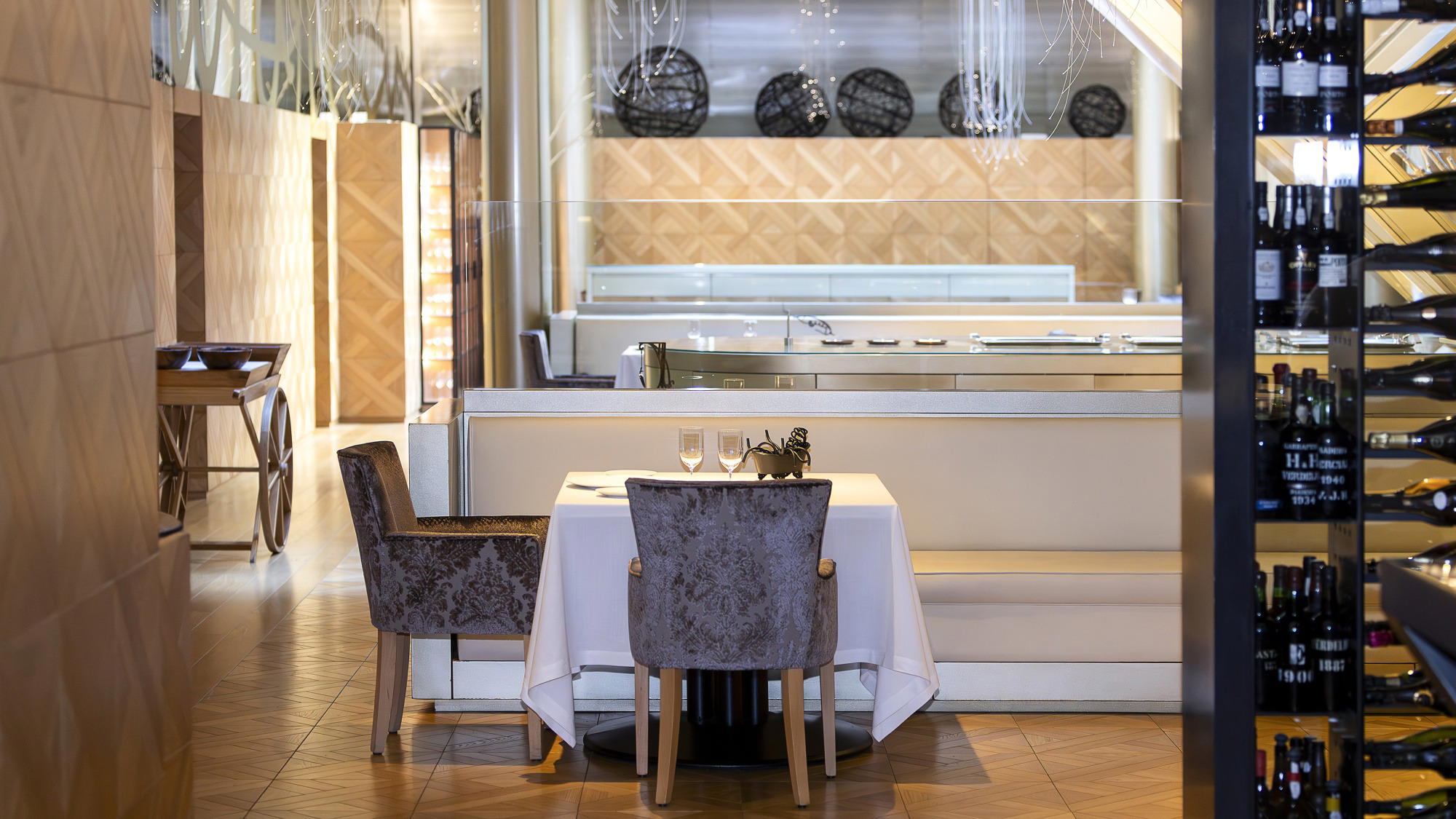
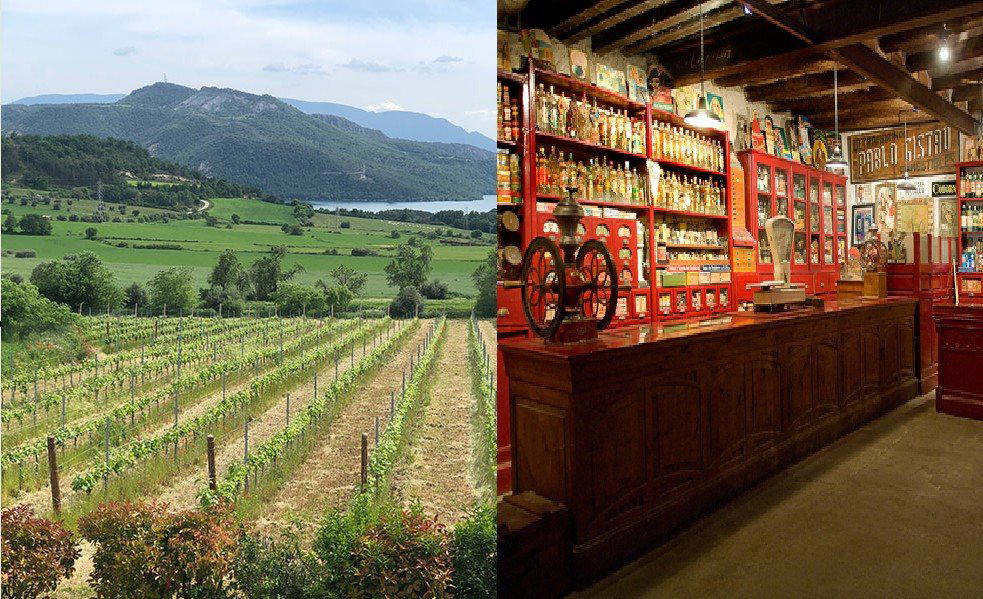
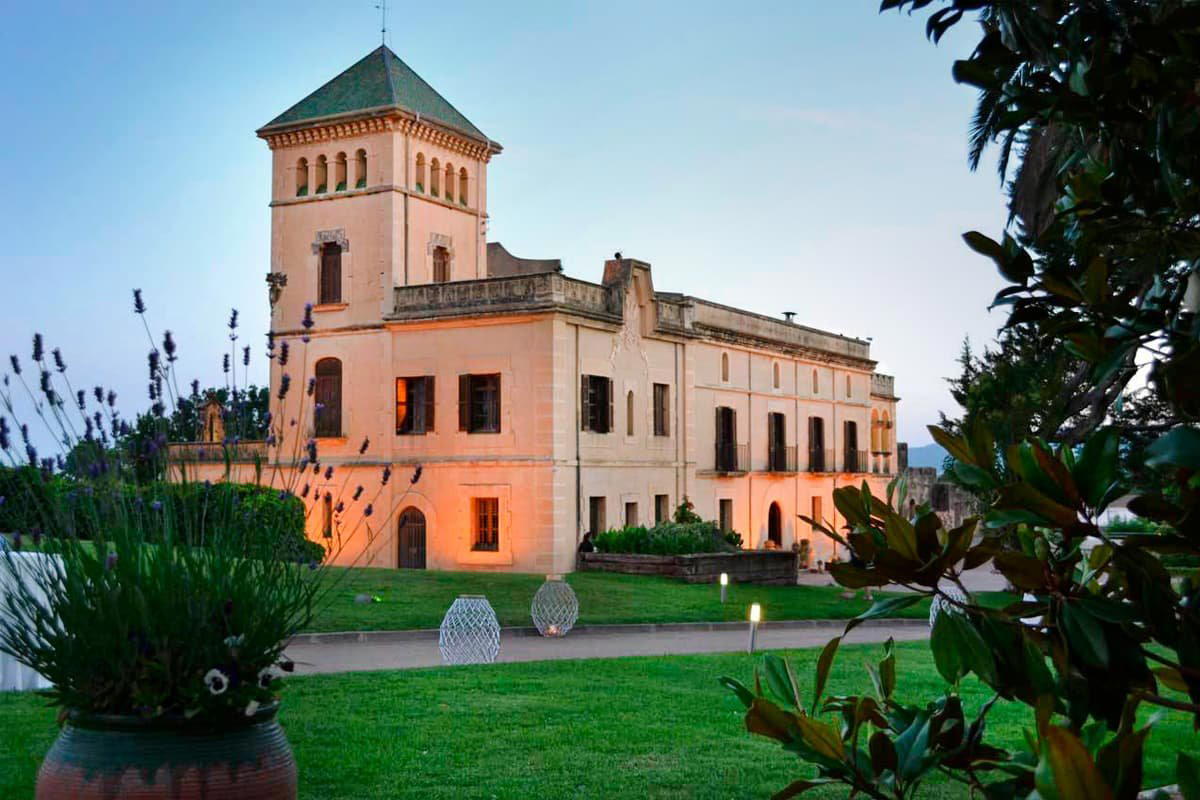
Beautiful, elegant decor with open kitchen view, cozy and surprisingly sophisticated atmosphere.