La Tavernetta
The Case for the Italian Tavern in a City of Seafood Boston's dining identity is built around the ocean. The raw bars of the North End, the oyster programs along the waterfront, the seafood grills threading through the Seaport, the city's most...
Pearl is the En Primeur Club membership app — saves, bookings, and concierge access live there. Same editors, same standards.
- Address
- 45 Lewis St, East Boston, MA 02128
- Phone
- (617) 600-8922
- Website
- latavernettaeastie.com
- Directions
- Get directions
 Saves & bookings on Pearl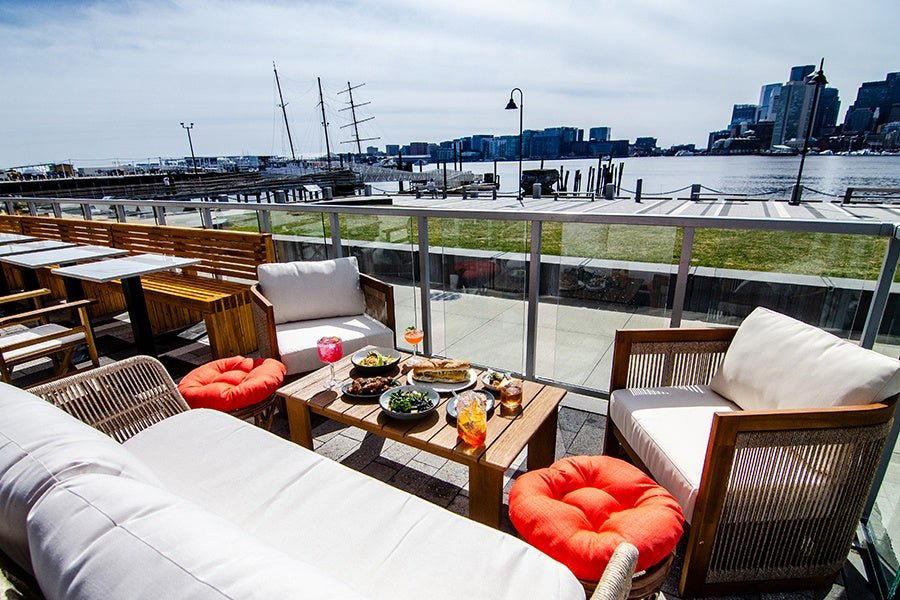
The Case for the Italian Tavern in a City of Seafood
Boston's dining identity is built around the ocean. The raw bars of the North End, the oyster programs along the waterfront, the seafood grills threading through the Seaport, the city's most celebrated tables tend to answer the same question: what do you do with what comes out of the harbor? Against that backdrop, the Italian tavern format occupies a different register. It asks you to slow down, to order a second carafe, to take the room on its own terms.
Italian-American communities shaped the North End for generations, and the neighborhood's red-sauce institutions remain genuinely beloved. But the tavern format, less formal than a ristorante, more food-serious than a trattoria, closer in spirit to the enoteca model where wine and food arrive as equals, has never been as deeply represented in Boston as in cities like New York or Philadelphia. La Tavernetta reads as a response to that gap.
What the Room Communicates Before the Food Arrives
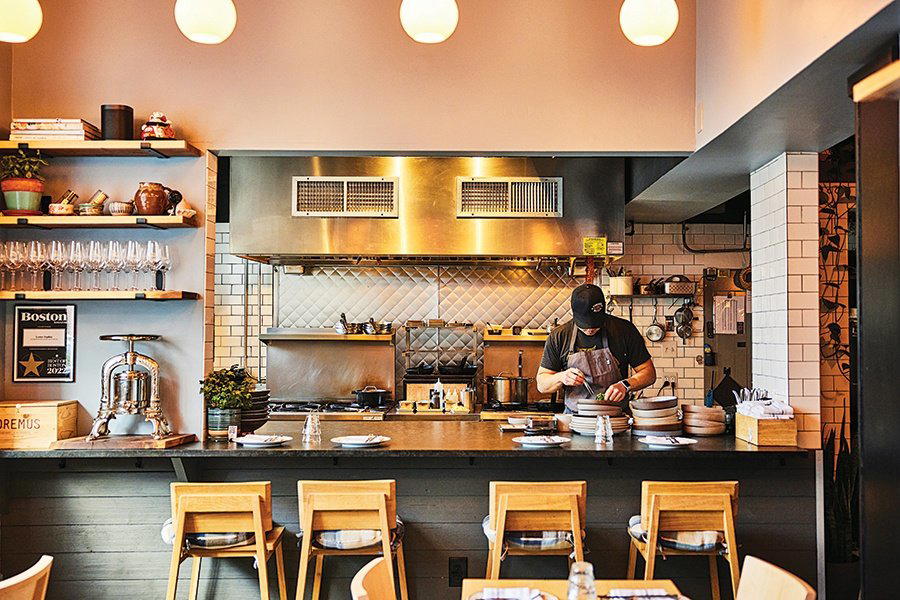
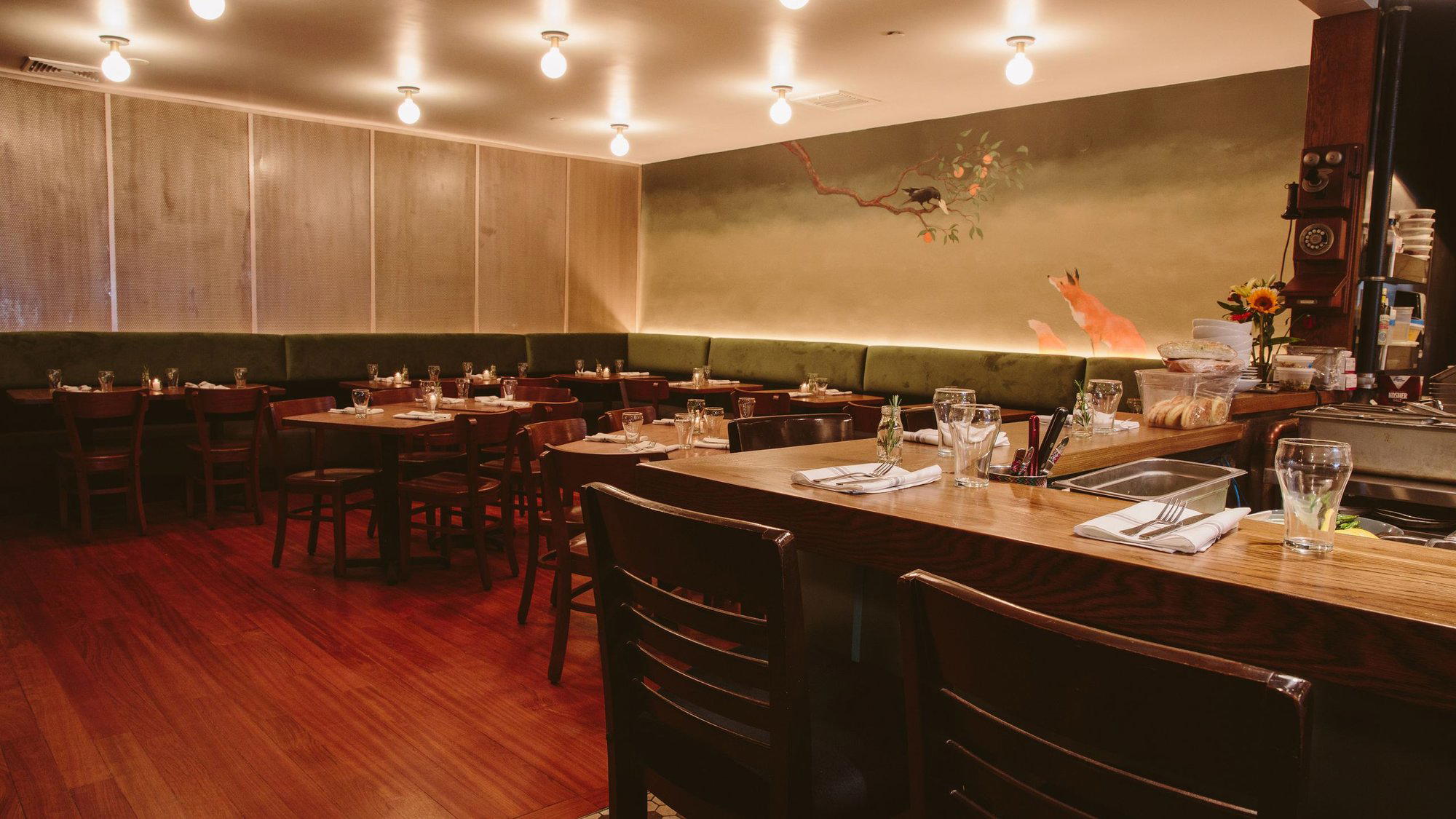
The sensory logic of a good tavern is established in the first sixty seconds. You read it in the lighting temperature, the sound ceiling, the distance between tables, the weight of the glassware. These details are not decorative, they are structural commitments about what kind of meal you are about to have. The leading Italian tavern environments in the American Northeast operate at a specific pitch: warm enough to feel like a neighborhood place, considered enough to signal that the kitchen takes the food seriously.
That balance is harder to achieve than it sounds. The city's Italian dining options tend to split between legacy red-sauce rooms built on decades of neighborhood loyalty and newer, higher-design entrants with ambitious wine lists and tasting menus oriented toward the expense-account tier. The tavern sits between those poles, and doing it well requires a particular kind of editorial restraint, knowing what not to add as much as what to include. For contrast, consider where Boston's more ambitious Italian-adjacent programs have pushed: toward Agosto, with its Portuguese-influenced tasting-menu chef's counter format, or toward the water-facing rooms like 75 on Liberty Wharf, where the setting does considerable editorial work. La Tavernetta operates in a quieter register than either.
Tavern Fare as a Category: What It Actually Means
The phrase "tavern fare" can mean almost anything in an American context, from wings and sliders to something genuinely rooted in European inn-kitchen cooking. In the Italian tradition, taverna cooking draws from peasant economics: ingredients that travel, preparations that hold, dishes designed to accompany wine rather than compete with it. Braised meats, legume-based primi, conserved fish, aged cheeses served as course markers rather than afterthoughts. These are not simplified dishes, they are dishes where the technique is embedded in the ingredient handling rather than the plating.
That culinary lineage places Italian tavern fare in an interesting position relative to the broader Boston scene. The city's most-discussed Italian program in recent years, alongside neighborhood stalwarts in the North End, has trended toward either the upscale-casual format or the raw-bar-adjacent seafood focus. Venues like Neptune Oyster and Ostra represent the seafood-first tradition that dominates Boston dining conversation. La Tavernetta's cuisine type positions it outside that conversation, anchoring to land-based cooking in a city that consistently looks seaward.
For readers accustomed to tracking how the tavern format plays out at higher-recognition levels nationally, reference points include the kind of editorial authority that places like Blue Hill at Stone Barns bring to ingredient-driven cooking, or the sustained press attention that The French Laundry commands for format discipline. The restaurant operates at a different scale and register than those destinations, but the underlying question, what does it mean for a kitchen to take an unfashionable format seriously, is the same one.
Boston's Italian Dining Context: Where La Tavernetta Fits
The North End remains the city's most concentrated Italian dining zone, and its character has shifted over the past decade. The area that once operated almost entirely on tourist traffic and neighborhood regulars has seen a second generation of operators move in with sharper wine programs and more deliberate kitchen sourcing. That shift has not produced a Boston equivalent of New York's carbonara-obsessive natural-wine scene, but it has created space for more considered Italian formats to operate alongside the legacy institutions.
The restaurant reads as part of that second wave, a venue making an argument for the tavern format as a serious adult-dining option rather than a casual fallback. The comparison set in Boston includes Abe and Louie's for the expense-account tradition, 1928 Rowes Wharf for the hotel-dining register, and more format-adventurous options like 311 Omakase for readers who follow the chef's-counter model across cuisines. The restaurant sits outside all of those comparable venues, which is precisely what makes its format coherent as a distinct choice.
For readers cross-referencing against ambitious Italian programs beyond Boston, the field includes 8 1/2 Otto e Mezzo Bombana in Hong Kong at the prestige end of Italian fine dining globally, and domestically, the kind of produce-driven Italian-inflected cooking that surfaces at venues like Single Thread Farm in Healdsburg. These are not direct comparators, they operate at different price points, formats, and ambition levels, but they illustrate how broadly the Italian culinary tradition has been adapted and where the tavern format sits within that spectrum.
Planning Your Visit
The restaurant is recommended for advance reservations, Weekend evenings tend to fill quickly, so advance booking is advisable. Weeknight visits in the Italian tavern format often produce a more settled room, the pacing of service differs, the noise level drops, and the kitchen tends to be more responsive to off-menu requests when covers are lower.
Cuisine Lens
Comparable venues nearby, for context on price, style, and recognition.
| Venue | Cuisine | Price | Notes |
|---|---|---|---|
| La TavernettaThis venue — the venue you are viewing | Italian Waterfront Tavern | $$$ | Not listed |
| Euno | Authentic Sicilian & Mediterranean | $$$ | North End |
| Tony & Elaine's | Red Sauce Italian | $$$ | North End |
| Arya Trattoria | Old World Italian Trattoria | $$$ | North End |
| Capri Italian Steakhouse | Italian Steakhouse | $$$ | South End |
| Scampo | Italian-Mediterranean | $$$ | West End |
Continue exploring
More in Boston
Restaurants in Boston
Browse all →
Bars in Boston
Browse all →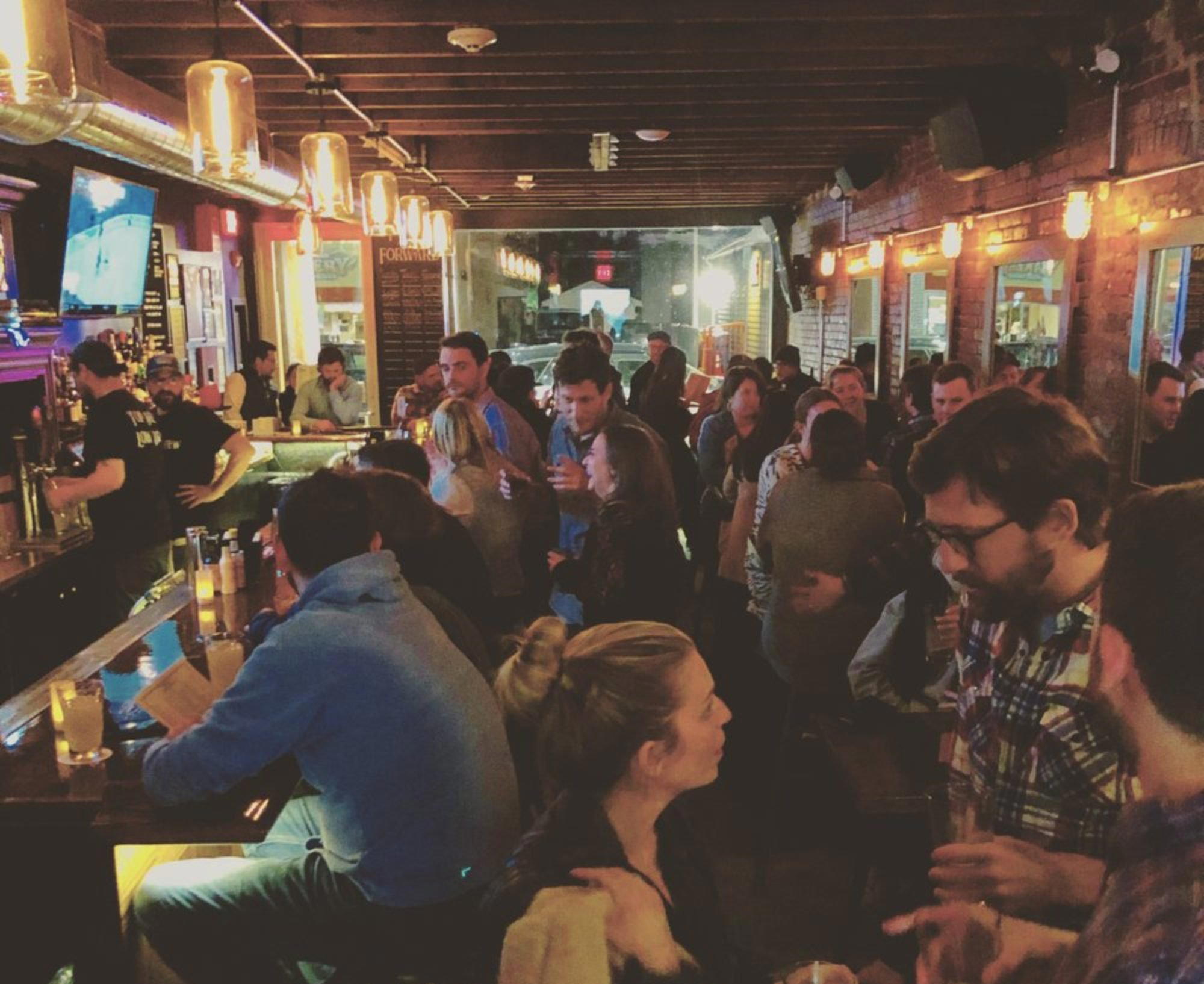
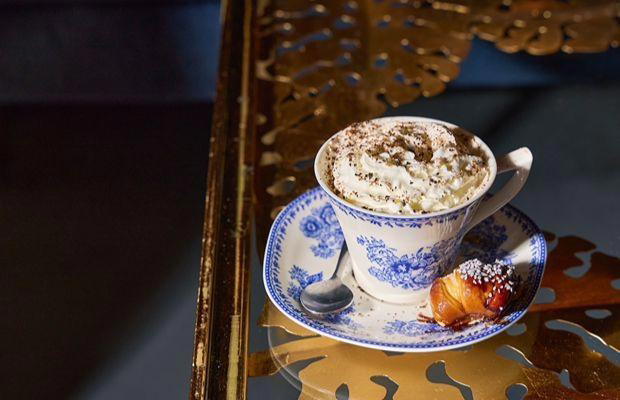
Hotels in Boston
Browse all →
Wineries in Boston
Browse all →
At a Glance
- Cozy
- Scenic
- Lively
- Date Night
- Casual Hangout
- Group Dining
- Waterfront
- Terrace
- Open Kitchen
- Craft Cocktails
- Waterfront
- Skyline
Current opening hours
- Monday
- 11 AM–12 AM
- Tuesday
- 11 AM–12 AM
- Wednesday
- 11 AM–12 AM
- Thursday
- 11 AM–12 AM
- Friday
- 11 AM–1 AM
- Saturday
- 11 AM–1 AM
- Sunday
- 11 AM–12 AM
Hours can change for holidays and private events. Last verified .
Sunny patio overlooking Boston Harbor with fun, tavern-like atmosphere for spritzes and long conversations.