Euno
Euno occupies a North End address on Salem Street, placing it inside Boston's most historically dense Italian-American neighbourhood. The restaurant sits within a dining corridor where old-guard red-sauce institutions and a newer generation of chef-driven formats compete for the same narrow sidewalk. Details on cuisine, pricing, and booking are limited in current records, which is noted throughout.
Pearl is the En Primeur Club membership app — saves, bookings, and concierge access live there. Same editors, same standards.
- Address
- 119 Salem St, Boston, MA 02113
- Phone
- +16175739406
- Website
- eunorestaurant.com
- Directions
- Get directions
 Saves & bookings on Pearl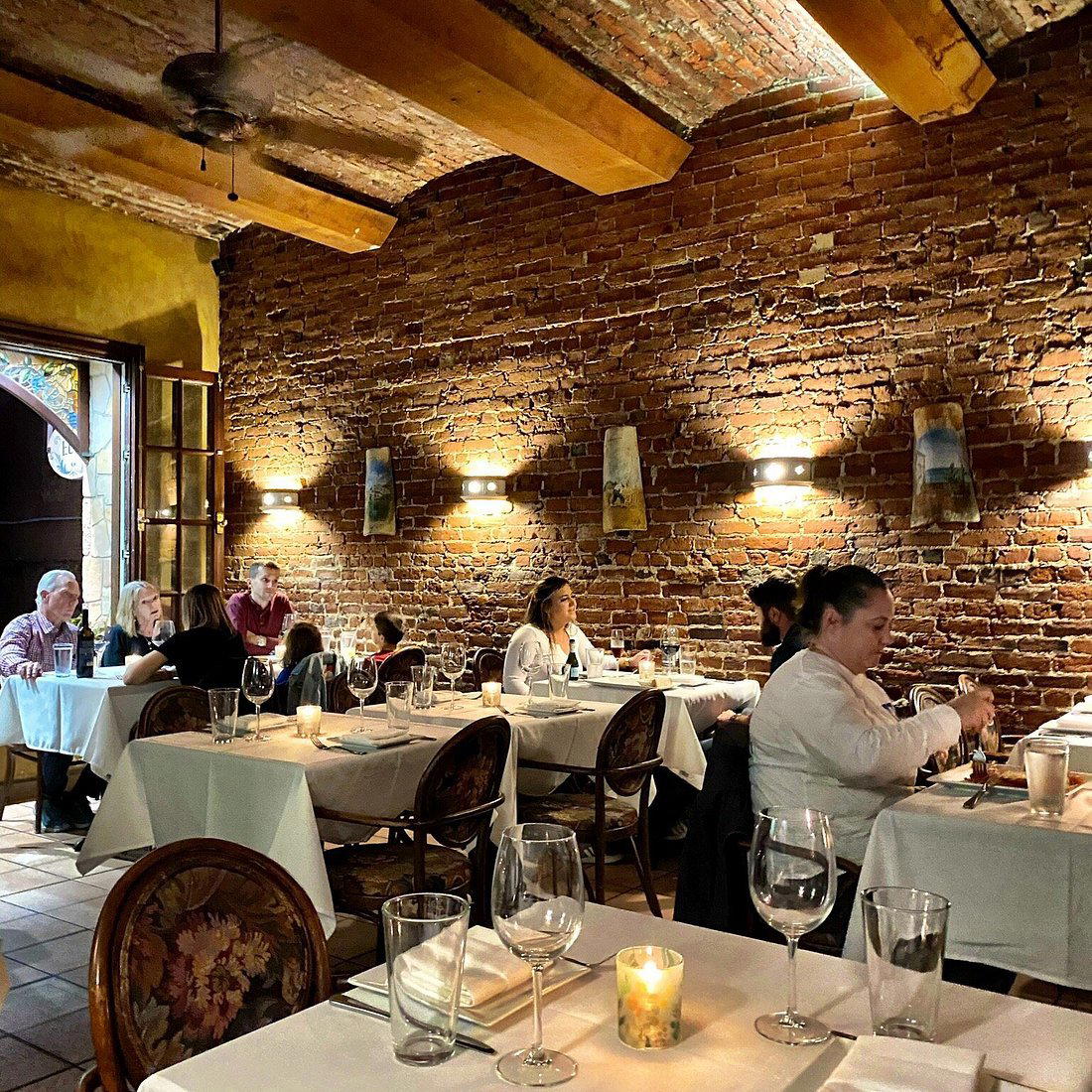
Salem Street and the North End's Layered Dining Identity
Boston's North End is among the more read-about dining neighbourhoods on the Eastern Seaboard, and also among the more misread. The street-level picture, particularly along Hanover and Salem, still registers as Italian-American comfort territory: red sauce, cannoli, checked tablecloths. That reading is accurate as far as it goes, but it omits the quieter second tier of the neighbourhood, where smaller rooms and less-marketed formats have been absorbing a different kind of diner for the better part of a decade. Euno, a restaurant at 119 Salem Street in Boston's North End, sits inside that second tier.
Salem Street itself runs parallel to Hanover but carries less foot traffic and less tourist orientation. That geography matters. In neighbourhoods with an established culinary identity as strong as the North End's, the parallel street often functions as a pressure valve, where operators can run tighter formats without competing directly on volume. The North End dining corridor as a whole has been slowly bifurcating: on one side, high-throughput trattorias optimised for the Freedom Trail crowd; on the other, a smaller set of addresses where the pace is different and the room counts are lower.
The Arc of a Meal in a Compact Format
The editorial angle that matters most when assessing a North End address in Euno's position is sequencing: how a meal builds from arrival through to close. Boston's strongest tasting-format rooms, whether the chef's counter approach at Agosto or the omakase discipline at 311 Omakase, share a structural logic that sets expectations before the first course arrives. Compact rooms with limited seats tend to enforce that logic by necessity. The room size controls pacing, the server-to-table ratio climbs, and the meal becomes a progression rather than a transaction.
Within the North End specifically, that kind of sequenced experience is not the default. Most rooms here are built for turnover, and the meal arc is relatively flat: bread basket, pasta, secondo, dessert, check. The more interesting addresses resist that template without abandoning the neighbourhood's culinary grammar. A well-constructed Italian-influenced tasting progression, even an informal one, borrows from the same tradition that animates The French Laundry or Smyth in Chicago: the idea that each course should modify the conditions for the next, building cumulative weight rather than presenting isolated dishes.
At the level of the national fine-dining conversation, tasting progression as a format has been stress-tested extensively. Rooms like Le Bernardin in New York City, Lazy Bear in San Francisco, and Providence in Los Angeles have built their critical cases on exactly this architecture. The question for a neighbourhood room in the North End is whether that discipline translates to a smaller, less ceremony-dependent format, and whether the kitchen has the range to sustain interest across multiple courses without the budget or brigade of a destination room.
Positioning Within Boston's Broader Fine Dining Set
Boston's fine dining tier has expanded and diversified meaningfully over the past decade. The waterfront corridor, anchored by addresses like 1928 Rowes Wharf and 75 on Liberty Wharf, competes on view and occasion-dining volume. The steakhouse tier, represented by Abe and Louie's, serves a largely corporate and celebration market. The North End occupies a different position: neighbourhood-rooted, less dependent on hotel traffic, and carrying an ethnic culinary identity that gives it a distinct competitive footing.
Comparisons further afield illustrate the range of what neighbourhood-rooted fine dining can achieve. Blue Hill at Stone Barns near New York made its case on provenance and agricultural integration. Single Thread Farm in Healdsburg built around a Japanese-inflected kaiseki format in wine country. Addison in San Diego operates in a similarly neighbourhood-adjacent mode while holding Michelin recognition. Each of these rooms uses a specific cultural or geographic identity as the anchor for its menu architecture. The North End offers a comparable anchor in its Italian-American heritage, though few addresses in the neighbourhood have fully exploited it at the level of multi-course precision.
International comparisons are equally instructive. Atelier Moessmer Norbert Niederkofler in Brunico demonstrates how a region-specific culinary identity can underpin a globally recognised tasting format. Atomix in New York City does the same for Korean fine dining. The template is consistent: take an existing culinary tradition, apply serious technical rigour, and structure the meal so the progression tells a coherent story.
What the North End Format Demands of a Diner
Dining in the North End on a weekend evening requires patience that some Boston neighbourhoods do not. Parking is functionally unavailable on Salem Street; the T's Haymarket stop is the practical entry point for most visitors, placing Euno a short walk north through the neighbourhood's narrow grid. The street itself is busy through most of the evening service window, and the ambient noise level on the block is higher than in Boston's quieter fine-dining corridors.
That context shapes expectations before the door opens. The rooms that perform well here tend to create an interior register that decouples from the street outside, using layout, lighting, and pace to establish a different atmosphere once you are seated. Whether Euno achieves that separation is worth assessing on arrival, as the contrast between Salem Street's evening energy and whatever the room offers is one of the primary sensory transitions of the meal.
Know Before You Go
Address: 119 Salem St, Boston, MA 02113
Neighbourhood: North End, Boston
Getting There: Haymarket (Green and Orange Lines) is the nearest T stop; walk north through the North End grid. Street parking on Salem Street is not practicable during evening service.
Price, Hours, and Booking: Price is about $60 per person, opening hours run Monday through Thursday and Sunday from 5 to 10 PM and Friday and Saturday from 5 to 11 PM, and reservations are essential.
Dress Code:
A Pricing-First Comparison
Comparable venues nearby, for context on price, style, and recognition.
| Venue | Cuisine | Price | Notes |
|---|---|---|---|
| EunoThis venue — the venue you are viewing | Not listed | $$$ | Not listed |
| Strega | Not listed | $$$ | North End, Authentic Italian & Steakhouse |
| Ristorante Saraceno | Not listed | $$$ | North End, Classic Italian/Napoletana |
| Bambola | Not listed | $$$ | Seaport District, Roman Italian Supper Club |
| Panza | North End, Traditional Italian | $$ | Not listed |
| Cantina Italiana | North End, Traditional Italian-American | $$$ | Not listed |
Continue exploring
More in Boston
Restaurants in Boston
Browse all →
Bars in Boston
Browse all →
Hotels in Boston
Browse all →
Wineries in Boston
Browse all →
At a Glance
- Romantic
- Cozy
- Classic
- Intimate
- Elegant
- Date Night
- Special Occasion
- Celebration
- Group Dining
- Wine Cellar
- Private Dining
- Historic Building
- Standalone
- Extensive Wine List
- Sommelier Led
- Local Sourcing
Current opening hours
- Monday
- 5–10 PM
- Tuesday
- 5–10 PM
- Wednesday
- 5–10 PM
- Thursday
- 5–10 PM
- Friday
- 5–11 PM
- Saturday
- 5–11 PM
- Sunday
- 5–10 PM
Hours can change for holidays and private events. Last verified .
Cozy and charming with a Tuscan/Sicilian country house aesthetic, featuring an arched wine cellar downstairs with warm lighting and intimate seating, creating a romantic Old-World Italian atmosphere.