Our verdict
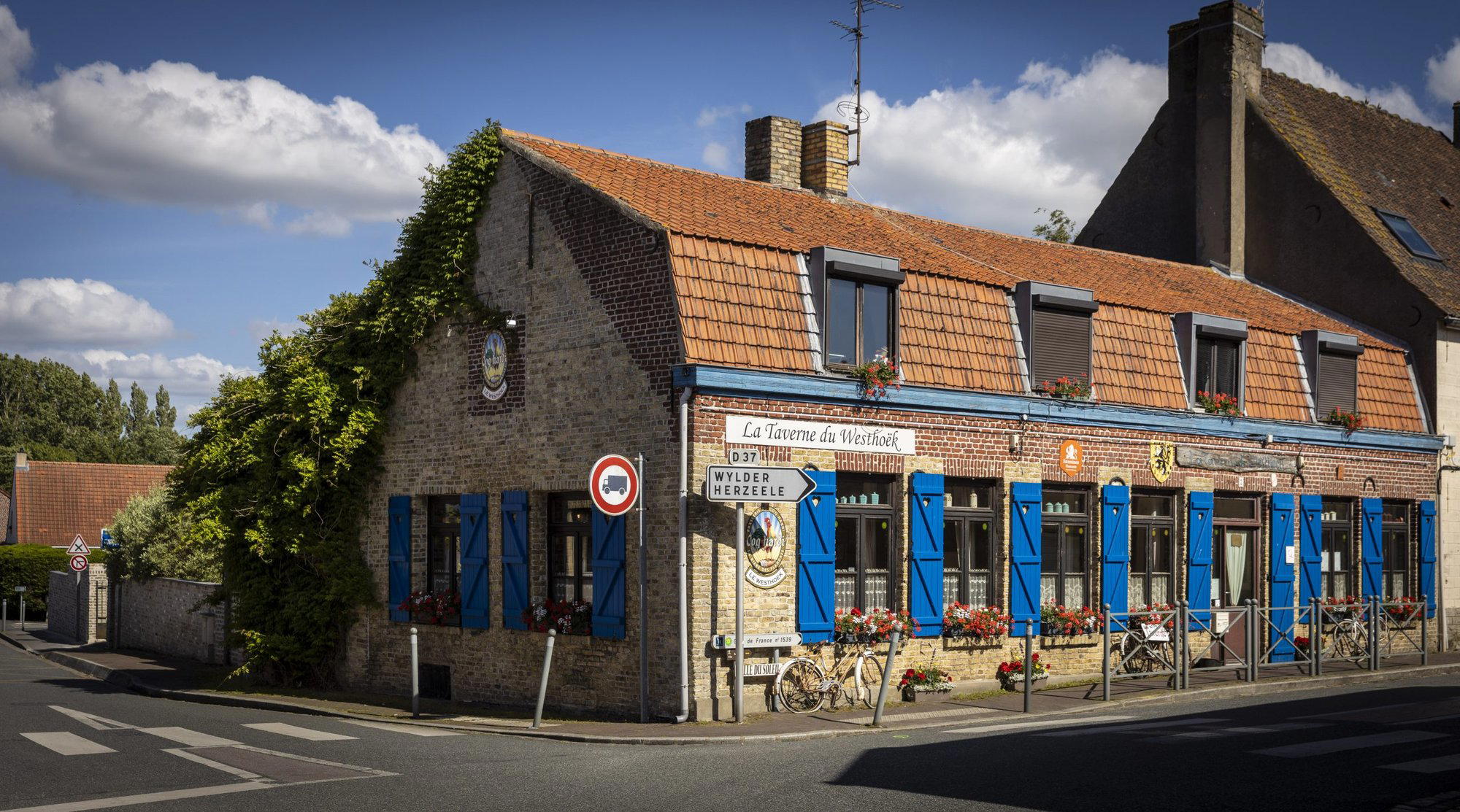
La Taverne du Westhoek serves Traditional Flemish French dishes such as Carbonnade Flamande and Potjevleesch, with beer-led drinks and a conversational, standard-paced room for lunch or dinner.

Pearl is the En Primeur Club membership app — saves, bookings, and concierge access live there. Same editors, same standards.
- Address
- 2 Rte de Wylder, 59380 Quaëdypre, France
- Phone
- +33328686814
- Hours
- Mon–Wed ClosedThu–Sat 12–3 PM, 7–10:30 PMSun 12–4 PM
- Website
- lataverneduwesthoek.com
- Directions
- Get directions
- Booking
- Book on the venue's website
The menu
What to order
- Carbonnade Flamande
- Welsh Traditionnel
- Potjevleesch
Flemish Flanders at the Table: What La Taverne du Westhoek Represents
The flat, wind-scoured terrain between Dunkirk and the Belgian border does not announce itself with drama. Villages like Quaedypre sit at road junctions where the land has been farmed the same way for centuries, and the architecture is low, brick, and without pretension. It is in exactly this kind of setting that the French auberge and taverne tradition has always found its most honest expression: cooking that answers to the land around it rather than to a metropolitan audience. La Taverne du Westhoek, at 2 Route de Wylder in Quaedypre, occupies that local position in the Westhoek, the historically Flemish corner of French Flanders where the dialect, the brewing tradition, and the agricultural character all tilt northward toward Belgium rather than south toward Paris.
The Westhoek Terroir: Where the Cooking Comes From
Understanding what a taverne in this part of France is likely to serve requires understanding the Westhoek as an agricultural zone. The polders here, reclaimed from the North Sea over centuries, produce some of northern France's most productive market-garden land. Endive, leeks, hop shoots in spring, sugar beets, and a variety of root vegetables form the backbone of the local larder. The hop-growing tradition in particular links this corridor directly to the brasserie and estaminet culture that defines Flemish-French food at its most localized: beer appears not just in the glass but in braises, stews, and sauces, a technique that separates Flemish cooking from the wine-braised traditions of Burgundy or Alsace.
The livestock tradition here leans toward poultry and rabbit, with pork charcuterie remaining a household staple across the region. Waterzooi, the Flemish broth-based dish, migrates easily across the border in both directions, and carbonade flamande, the beef and dark-ale stew that is perhaps the defining dish of this culinary zone, appears in some form on virtually every serious table between Lille and Bruges. A taverne positioned in this geography is, at its most functional, an access point to that tradition, the kind of place where the sourcing radius is measured in kilometers rather than supply-chain relationships.
This proximity to ingredient sources matters in ways that become concrete at the plate. Northern French coastal access means that fish and shellfish from the Côte d'Opale, one of France's least-publicized but seriously productive fishing stretches, can reach inland tables in Quaedypre with a freshness that more celebrated coastal restaurants in distant cities cannot match. For context, restaurants like La Marine in Noirmoutier-en-l'île or Christopher Coutanceau in La Rochelle have built critical reputations in part on exactly that kind of coastal proximity argument. In the Westhoek, the argument is available to local kitchens without the prestige infrastructure.
The Taverne Format in French Regional Dining
The word taverne in French regional usage carries specific expectations: more informal than a restaurant gastronomique, more food-serious than a simple café, and typically tied to a specific local identity rather than a generic bistro register. In Flemish Flanders, this format has a traceable lineage to the estaminet, the traditional gathering house of the Flemish-speaking north where beer, simple food, and community overlapped without hierarchy. The contemporary taverne in villages like Quaedypre inherits that social function while adapting it to a dining public that expects more culinary deliberateness than a purely functional meal.
This positions a venue like La Taverne du Westhoek in a different competitive conversation than the destination restaurants that define French fine dining internationally. The reference points for the French gastronomic tradition, from Mirazur in Menton to Troisgros in Ouches or Alléno Paris au Pavillon Ledoyen, operate in a register where tasting menus, wine pairings, and international critical recognition define the framework. The taverne format in the Westhoek is not competing in that register. It is doing something arguably more difficult: holding a regional tradition in place without either fossilizing it or abandoning it in pursuit of trend.
Regional anchors like Auberge de l'Ill in Illhaeusern or Georges Blanc in Vonnas demonstrate that deeply regional French cooking can hold serious critical standing over decades. In the Westhoek, that institutional depth has rarely been formalized with national recognition, which means local tables operate on Tier E authority: neighbourhood and regional reputation, community trust, and the specific loyalty of a dining public that knows exactly what the surrounding land produces.
Getting There and Planning Your Visit
Quaedypre is a small commune in the Nord department, roughly equidistant between Dunkirk and Saint-Omer, in a part of France that most visitors pass through rather than stop in. The nearest significant transport hub is Dunkirk, reachable by TGV connections through Lille. From Dunkirk, the village sits approximately 15 kilometres south, making a car the practical requirement for any visit. This is not a destination that rewards spontaneity: the surrounding road network is rural, and the Westhoek as a broader area offers limited accommodation density, so planning around a day trip from Lille, Dunkirk, or even a cross-Channel stop from Calais is the most logical approach. Calais is within 40 kilometres, which places La Taverne du Westhoek within reach of travellers moving between the Channel ports and the French interior, a routing that is underused relative to its potential. For visitors building a longer itinerary through northern France, pairing the Westhoek with a stop at a more formally recognized table, such as Assiette Champenoise in Reims or eastward to Au Crocodile in Strasbourg, creates a north-to-east arc through French regional cooking that is rarely assembled as a deliberate trip. See our full Quaedypre restaurants guide for broader area context.
Direct contact with the venue before visiting is strongly advised, particularly given the rural location and the limited alternatives in the immediate area if the venue is closed.
How La Taverne du Westhoek Sits in the Broader French Dining Map
France's dining identity is not reducible to its three-star tables. The tradition that produced Bras in Laguiole or Auberge du Vieux Puits in Fontjoncouse runs through remote villages where the connection between land and plate has never been interrupted by the pressures of urban supply chains. The Westhoek's version of that tradition is Flemish in character, northern in temperament, and largely invisible to the international travel market that concentrates attention on Paris, Lyon, and the Mediterranean. That invisibility is not a quality judgment. It is a reflection of how poorly the French north has been narrated to international audiences, a gap that makes places like La Taverne du Westhoek more interesting to the reader willing to look past the familiar circuits, not less.
Frequently asked questions
Can I bring kids to La Taverne du Westhoek?
The taverne format in French Flemish villages like Quaedypre is historically family-oriented, distinct from formal restaurant gastronomique dining. A taverne in this regional tradition typically welcomes all ages without the hushed protocol of a destination table. That said, specific family provisions at this address in Quaedypre — high chairs, children's menus — are worth confirming directly before visiting.
Is La Taverne du Westhoek formal or casual?
The taverne category in northern France sits deliberately between a bistro and a full restaurant gastronomique: food-serious but without the formality of a tasting-menu room. At an address in a small commune like Quaedypre, on the Rte de Wylder, the setting is almost certainly convivial rather than ceremonial. Dress codes at this type of regional table in the Nord department tend to reflect the agricultural character of the Westhoek — practical and unfussy.
Is La Taverne du Westhoek worth a detour from Dunkirk or Saint-Omer?
Quaedypre sits roughly equidistant between Dunkirk and Saint-Omer in the Nord department, placing La Taverne du Westhoek within reach of either as a day-trip anchor. The Westhoek is one of France's least-visited agricultural zones despite its distinct Flemish-French culinary identity, which means tables in villages like this one rarely carry the wait times of better-known regional destinations. For travellers already moving along the D916 corridor, the detour is measured in minutes rather than significant distance.
What do people recommend at La Taverne du Westhoek?
Regionally, tavernes in the Westhoek polderlands between Dunkirk and the Belgian border draw on a larder that includes local chicory, estaminet-style beer-braised meats, and North Sea fish — the likely reference points for the kitchen here. Checking recent visitor accounts closer to your travel date will give the most current picture.
Comparison Snapshot
Comparable venues nearby, for context on price, style, and recognition.
| Venue | Cuisine | Price | Notes |
|---|---|---|---|
| La Taverne du WesthoekThis venue — the venue you are viewing | Traditional Flemish French | $20–30 | Not listed |
| T'Kasteelhof | Traditional Flemish Estaminet | $20–30 | Mont Cassel |
| Au Vieux de la Vieille | Traditional Northern French Estaminet | $20–30 | Vieux Lille 3 |
| Auberge Du Kok Smid | Traditional French Bistro | $20–30 | Ledringhem |
| Le Chatillon | Traditional French Seafood | $30–50 | Capécure |
| Le Signal 2108 | Bistronomic French with Regional Alpine Specialties | $30–50 | Signal Mountain |
Continue exploring
More in Quaedypre
Restaurants in Quaedypre
Browse all →
Bars in Quaedypre
Browse all →
Hotels in Quaedypre
Browse all →
Wineries in Quaedypre
Browse all →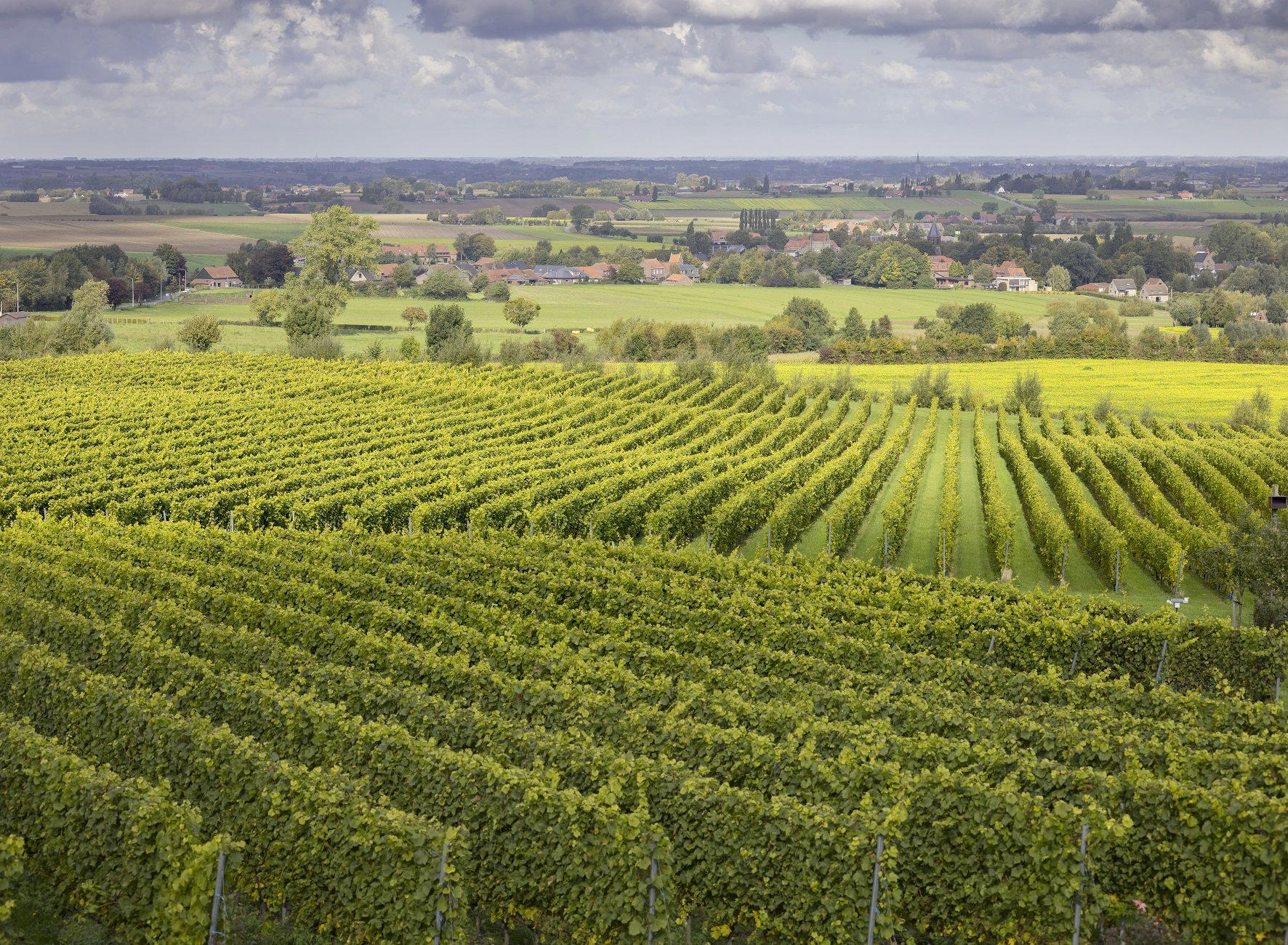
Details
- Rustic
- Cozy
- Classic
- Casual Hangout
- Family
- Historic Building
- Beer Program
- Local Sourcing
- A La Carte
- Beer Program
Current opening hours
- Monday
- Closed
- Tuesday
- Closed
- Wednesday
- Closed
- Thursday
- 12–3 PM, 7–10:30 PM
- Friday
- 12–3 PM, 7–10:30 PM
- Saturday
- 12–3 PM, 7–10:30 PM
- Sunday
- 12–4 PM
Hours can change for holidays and private events. Last verified .
Typical and welcoming Flemish decor in a traditional brick house with blue shutters, creating an authentic and pleasant regional atmosphere.