

Michelin Bib Gourmand · Star Wine List
Our verdict
A Michelin Bib Gourmand holder in consecutive years, Terminus brings classic French discipline to the hop-farming hinterland of Watou, a Belgian village better known for abbey beer than destination dining. Chef Keiji Nakazawa works a cuisine rooted in the French tradition at a price point that keeps the room accessible. For the Westhoek region, that combination is rare enough to warrant the detour.

Pearl is the En Primeur Club membership app, where members save venues, book tables and use the concierge.
The menu
What to order
- Bouillabaisse
- Sole Meunière
- Tarte Mazarin de Poperinge
Where the Westhoek Meets the French Kitchen
The road into Watou runs through flat hop fields and past the low brick profiles of farmhouses that have barely changed in silhouette since the nineteenth century. Poperinge, the nearest town of any size, is the undisputed capital of Belgian hop cultivation, and the villages that fan out from it, Watou among them, share that agricultural tempo. It is not the kind of landscape that announces destination dining. Which is precisely what makes the presence of a Michelin Bib Gourmand recipient at Callecannes 16 worth understanding in context. For the full Watou restaurants guide, Terminus sits at the top of a short list.
Classic French cooking, practiced seriously, has always had a complicated relationship with rural Belgium. The country's most decorated tables, places like Boury in Roeselare or Hof van Cleve in Kruishoutem, operate at €€€€ price points and pitch themselves toward a cosmopolitan audience willing to treat dinner as a significant occasion. What survives at the other end of the register, the €€ tier where the Bib Gourmand lives, is rarer and more interesting: kitchens that bring genuine technique to food that a working farming region can actually use on a midweek evening.
The Provenance Argument in a Hop-Growing Village
Classic French cuisine has always leaned on terroir logic, even when the word itself belonged more to wine than to cooking. The foundational premise, that the leading ingredient is the regional ingredient, treated correctly, sits underneath everything from a proper sole meunière to a braised rabbit with mustard. In the Westhoek, the larder is specific: Poperinge hops, Flemish cattle and pork raised on flat pastureland, chicory that grows in the heavier soils toward the French border, and a coastal proximity that keeps the North Sea fish supply reasonable. A kitchen rooted in French tradition, operating in this corner of West Flanders, has access to raw material that the French classics were essentially designed to handle.
Chef Keiji Nakazawa's name sits somewhat unexpectedly against that backdrop. Japanese-named chefs working in the French classical tradition are not, at this point in European gastronomy, especially unusual: the discipline that French technique demands has long attracted practitioners from outside the French-speaking world, and some of the most forensically precise French kitchens in Europe and Japan operate under exactly that dynamic. What Terminus demonstrates is that the French classical approach, applied in a rural Flemish village at a Bib Gourmand price point, produces something with genuine local utility rather than imported aspiration.
What the Bib Gourmand Signal Tells You
Michelin's Bib Gourmand category, awarded to Terminus in both 2024 and 2025, signals a specific proposition: cooking of notable quality at a price the guide considers reasonable. The consecutive years matter. A single year might reflect a good run; two consecutive awards suggest a kitchen operating with consistency rather than occasional ambition. In West Flanders, that signal is meaningful. The region's higher end, tables like Bartholomeus in Heist or Willem Hiele in Oudenburg, occupy a different tier and a different peer conversation entirely. Terminus does not compete with those rooms. It occupies a distinct slot: recognizably serious, structurally accessible, planted in a village that has no particular history of drawing outside visitors for food alone.
For comparison, the €€€€ tables that define Belgian fine dining, including La Durée in Izegem and L'Eau Vive in Arbre, work with creative or modern French frameworks and price accordingly. Terminus occupies the classical end of that lineage without the premium pricing structure. The cuisine type listed is Classic French, and in that mode, precision of execution and quality of sourcing carry more weight than innovation. The Bib Gourmand is a reasonable marker that both conditions are being met.
The Classic French Tradition at the €€ Register
Classic French cooking at the accessible tier is, across Europe, under some pressure. The category that once produced reliable bourgeois restaurants, tables built on stock, butter, and seasonal discipline, has contracted in most cities as real-estate costs and labor economics make the margin difficult. What survives tends to cluster in two places: metropolitan rooms with high table-turn volume, and rural restaurants where costs remain lower and the local clientele provides a steady floor of trade. Watou fits the second model.
That breadth matters. For visiting diners, it means Terminus functions as a proper restaurant rather than a performance-oriented tasting experience. The Classic French frame implies sauced dishes, properly rendered proteins, structured courses, and the kind of cooking that rewards attention without demanding it. Compared to the more theatrical end of Belgian gastronomy, as represented at somewhere like Zilte in Antwerp, this is a different register altogether: provincial, grounded, and arguably more honest about what cooking in this part of Belgium should actually look like.
Placing Terminus in a Broader European Frame
Classic French cooking in rural Western Europe has a handful of reference points that help calibrate the category. At one end, Waterside Inn in Bray represents the formal apex of the tradition in Britain. Cheval Blanc by Peter Knogl in Basel shows what the discipline produces at three-star level in a central European context. Terminus occupies a much earlier position on that spectrum, and that is entirely appropriate. The Bib Gourmand was not designed for rooms competing with starred peers. It identifies the kitchens where the tradition is kept alive at scale, for a local audience, without the apparatus of a destination restaurant. In the Westhoek, that is a more specific achievement than it might appear in a city with dozens of French alternatives.
For those arriving from outside the region, the practical frame is worth noting. Poperinge and Watou sit in the western edge of West Flanders, roughly equidistant between Ypres to the east and the French border to the west. The area draws visitors primarily for hop tourism, the abbey at Sint-Sixtus (producer of Westvleteren beer, the most allocated abbey beer in Belgium), and the First World War memorial landscape around Ypres. Terminus fits a specific itinerary slot: a properly cooked dinner or lunch that does not require driving to Bruges or Kortrijk. For accommodation context, see the Watou hotels guide; for the broader hospitality picture, the bars guide, the wineries guide, and the experiences guide provide regional depth. Elsewhere in Belgium, the classic and creative French tradition continues at tables including Bozar in Brussels, d'Eugénie à Emilie in Baudour, Ralf Berendsen in Neerharen, and Sir Kwinten in Sint-Kwintens-Lennik, each positioned at different points of the price and style range. Terminus is the only entry in that set operating at €€ with consecutive Bib Gourmand recognition in a village of fewer than a thousand residents.
Planning a Visit
The address is Callecannes 16, 8978 Poperinge, in the commune of Poperinge that includes Watou. The price range sits at €€, placing it comfortably within the Bib Gourmand band. No booking method, hours, or seating capacity are confirmed in available data; contacting the restaurant directly before travelling from any distance is advisable.
Frequently asked questions
What should I budget for a meal at Terminus?
Pricing at Terminus is listed as €€.
Comparison Snapshot
| Venue | Cuisine | Price | Awards | Notes |
|---|---|---|---|---|
| TerminusThis venue (the venue you are viewing) | Classic French Country Cooking | $30–50 | Michelin Bib Gourmand · Star Wine List | Not listed |
| Boury | Creative French Fine Dining | $300–500 | 3 Michelin Stars · La Liste Top Restaurants | Modern Frlemish, Creative French |
| Comme chez Soi | French - Belgian, Classic Cuisine | Not listed | Michelin 1 Star | Not listed |
| Hertog Jan at Botanic | Modern Japanese Omakase Fine Dining | Not listed | 2 Michelin Stars · La Liste Top Restaurants | Modern Flemish, Creative |
| L'Eau Vive | Modern French Fine Dining | $150–200 | 2 Michelin Stars · La Liste Top Restaurants | French, Modern French |
| La Durée | Modern French Fine Dining | $150–200 | 2 Michelin Stars · La Liste Top Restaurants | French-Belgian, Creative |
Recognition history
Dated appearances from independent guides and award organizations, with the underlying list record or original source where available.
Michelin Bib Gourmand
Michelin
Star Wine List
Star Wine List
Full recognition history (6 entries)
Michelin Bib Gourmand
Michelin
Michelin Bib Gourmand
Michelin
Star Wine List
Star Wine List
Star Wine List
Star Wine List
Continue exploring
More in Watou
Restaurants in Watou
All restaurants in Watou →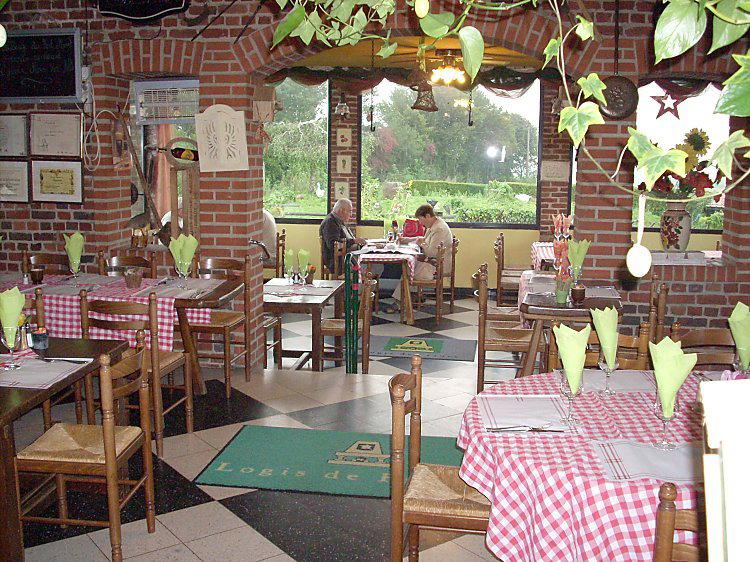
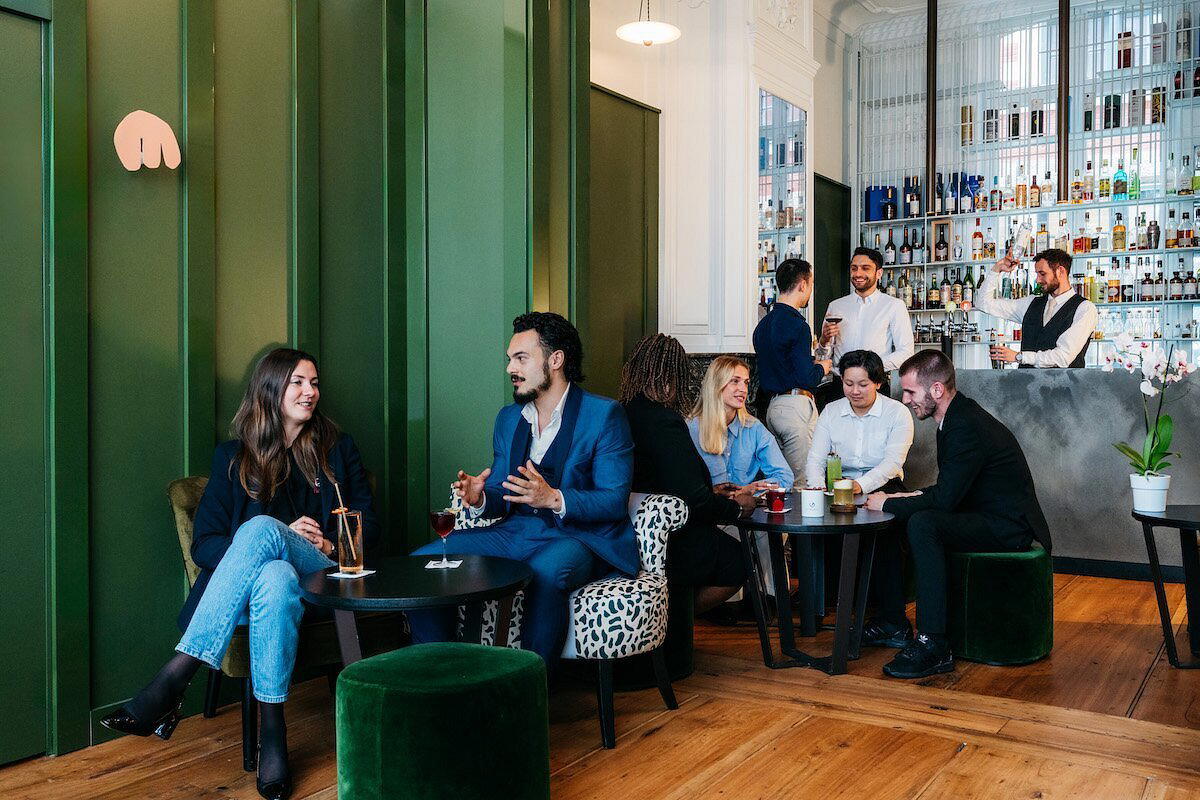
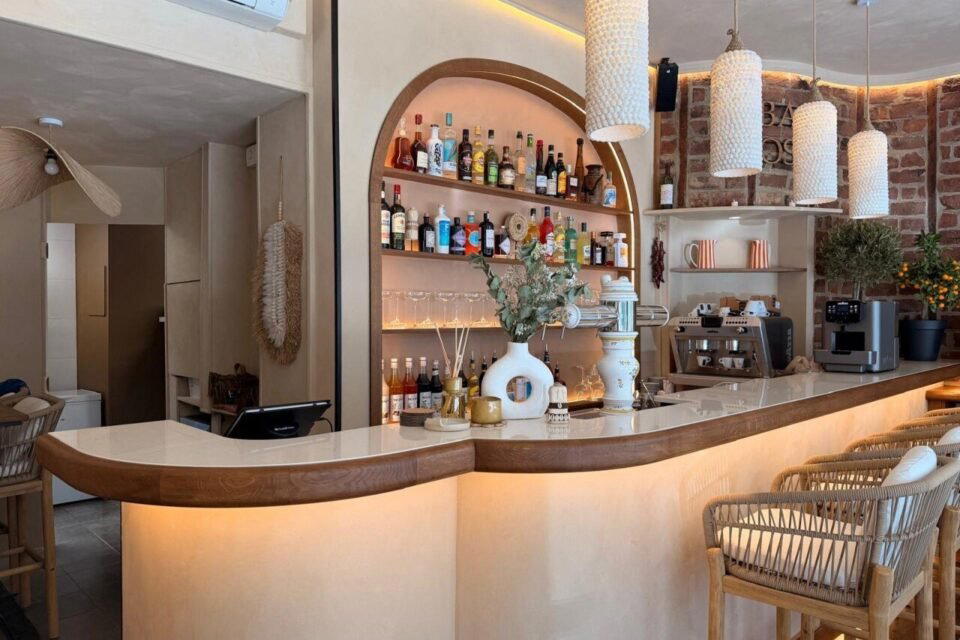
Bars in Watou
Browse all →

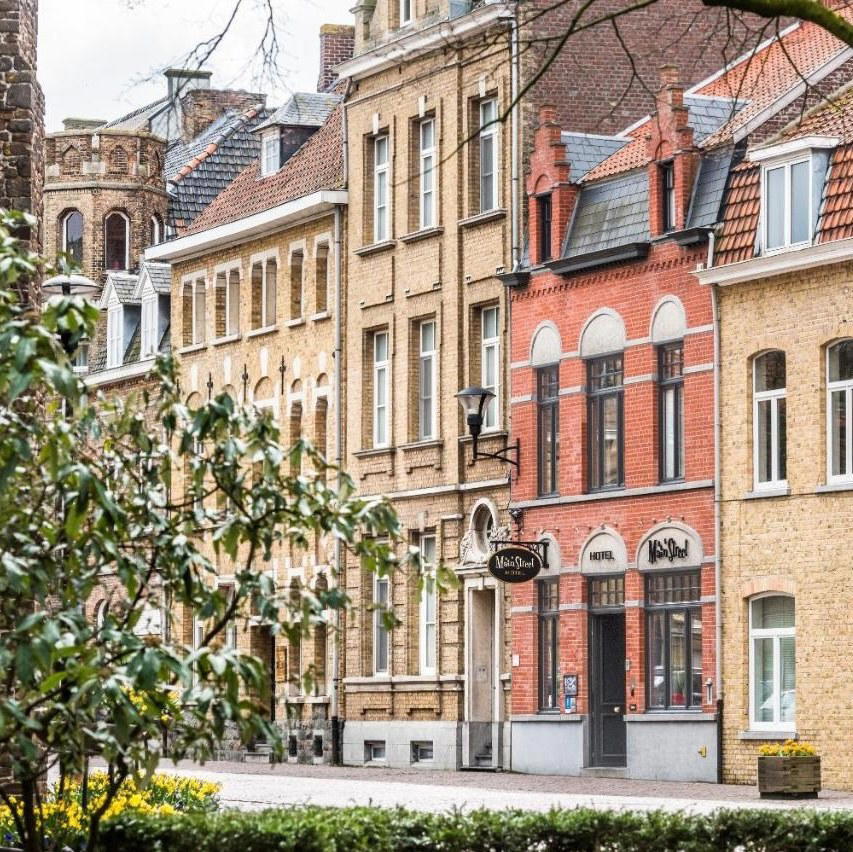
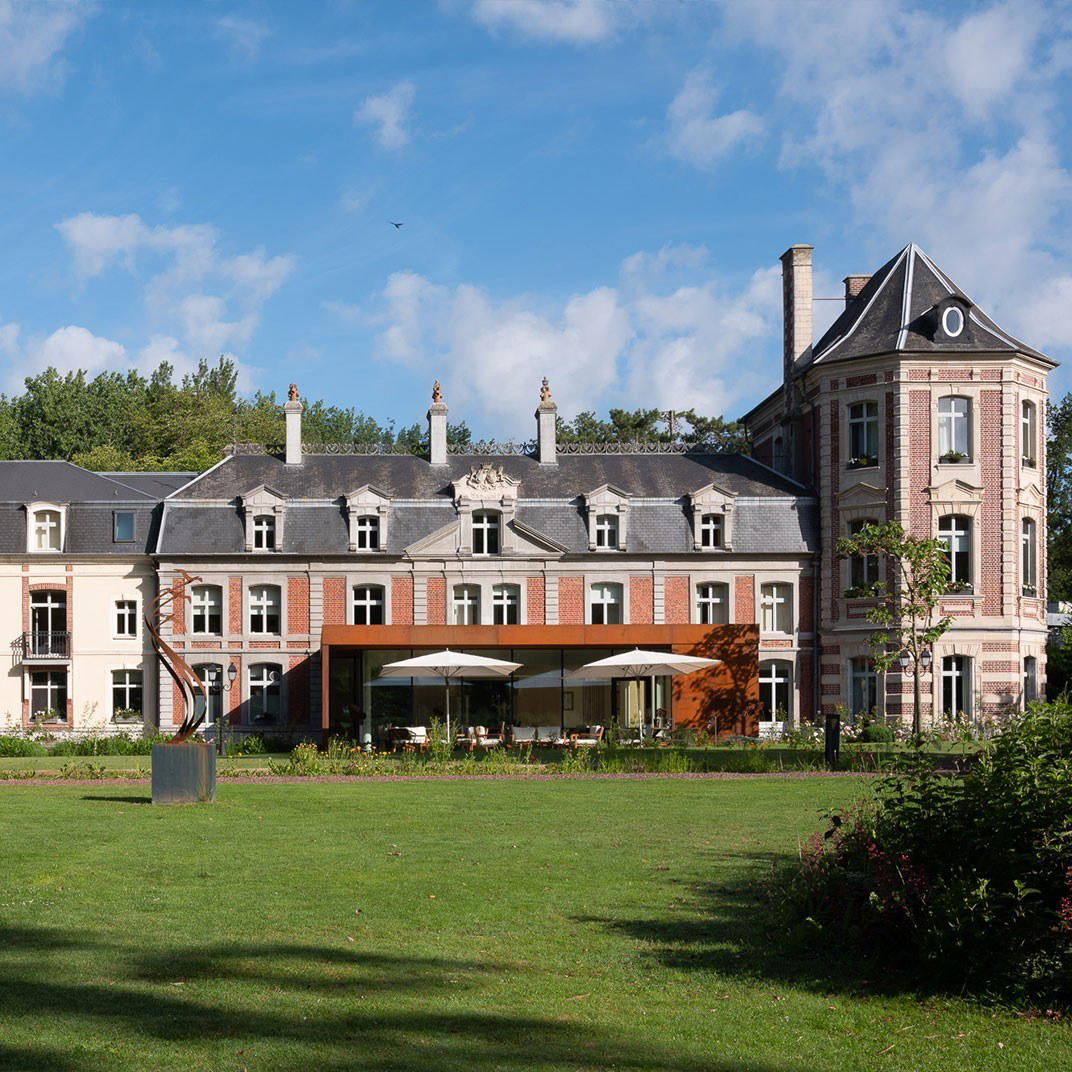
Hotels in Watou
Browse all →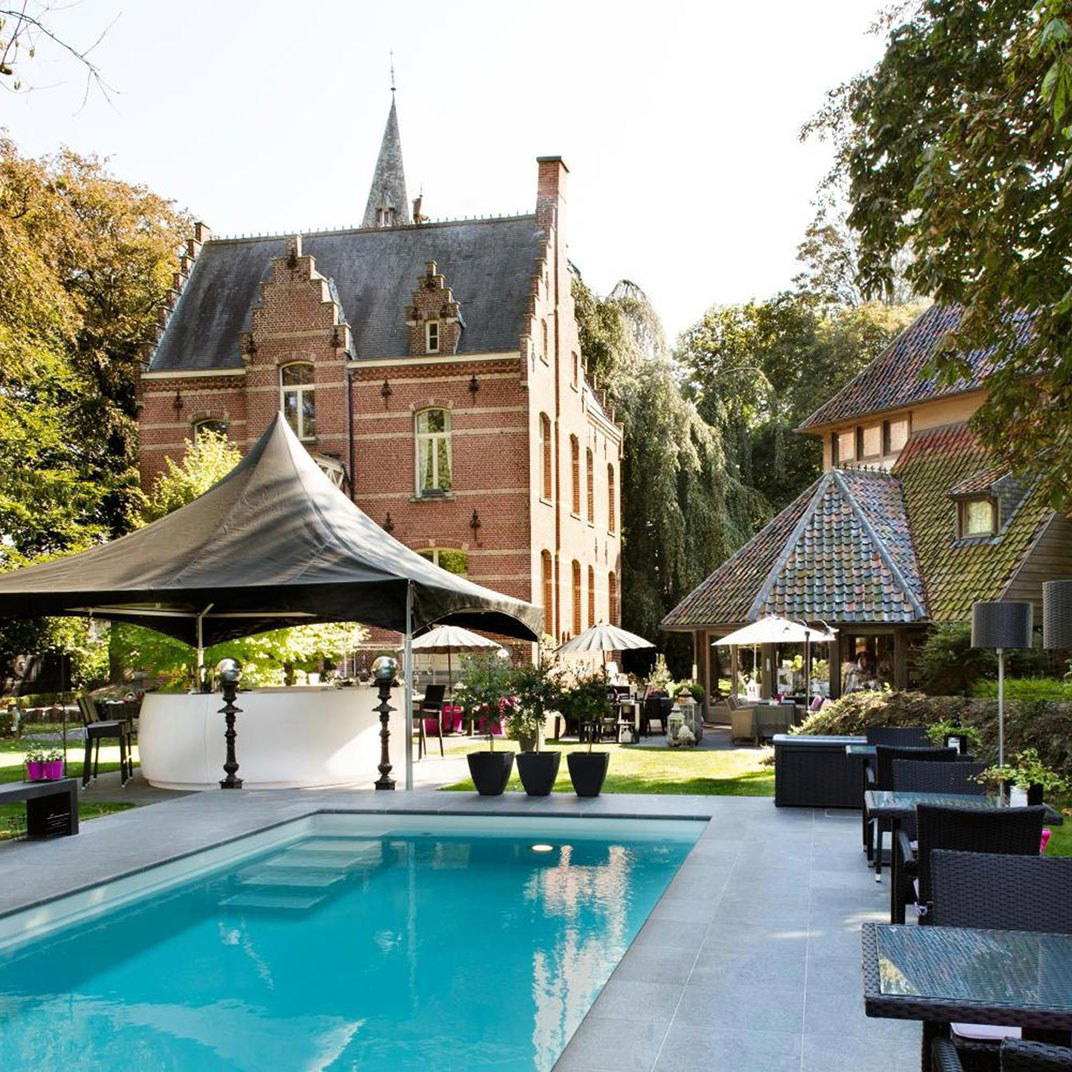
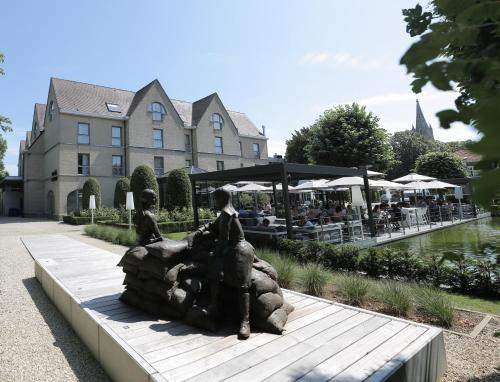
Wineries in Watou
Browse all →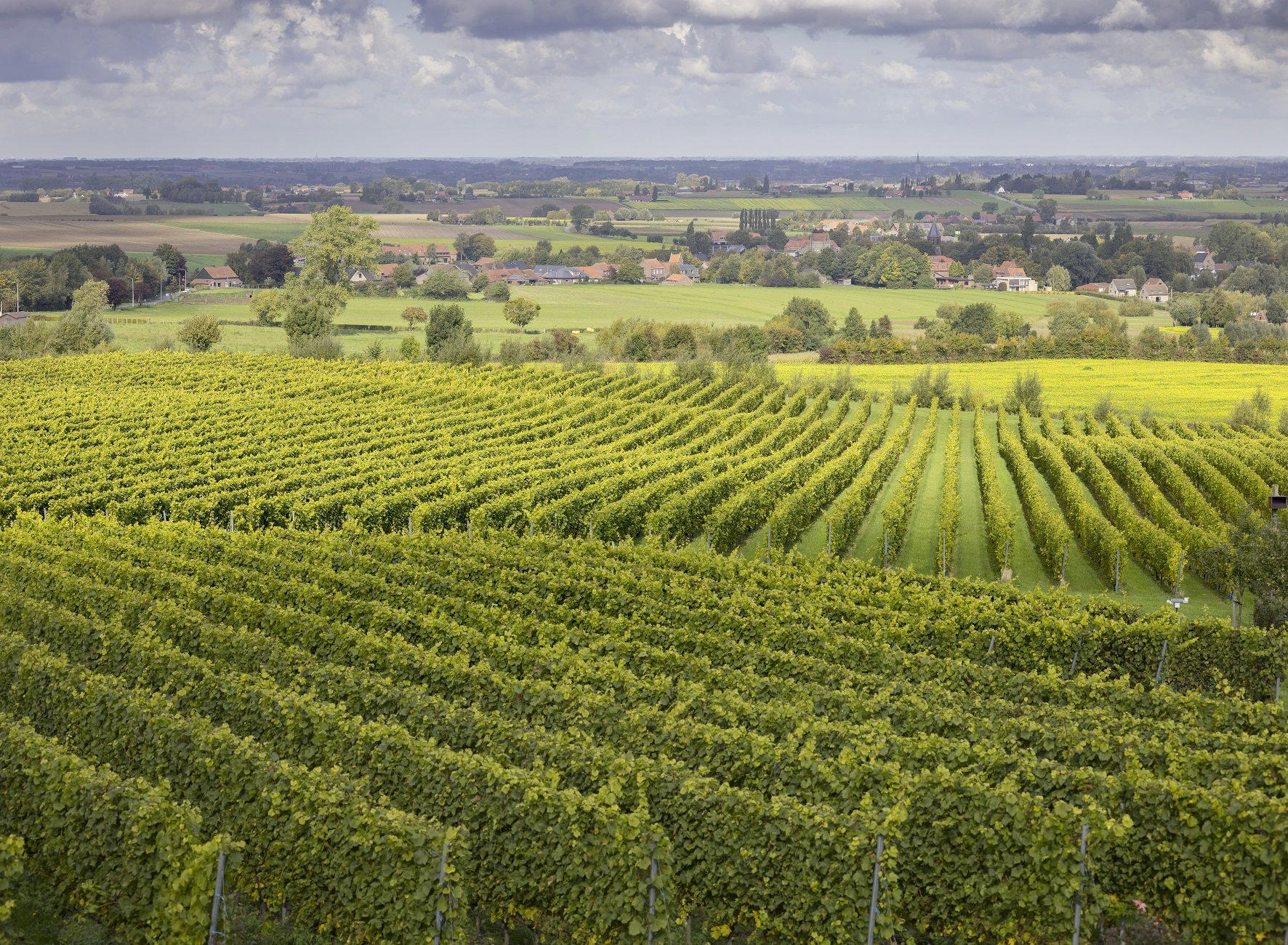
Details
- Cozy
- Rustic
- Classic
- Family
- Casual Hangout
- Garden
- Extensive Wine List
- Farm To Table
- Local Sourcing
- Garden
- A La Carte
- Vegetarian Friendly
Current opening hours
- Monday
- 11:30 AM–10 PM
- Tuesday
- 11:30 AM–10 PM
- Wednesday
- Closed
- Thursday
- 11:30 AM–10 PM
- Friday
- 11:30 AM–10 PM
- Saturday
- 11:30 AM–10 PM
- Sunday
- 11:30 AM–10 PM
Hours can change for holidays and private events. Hours as of .
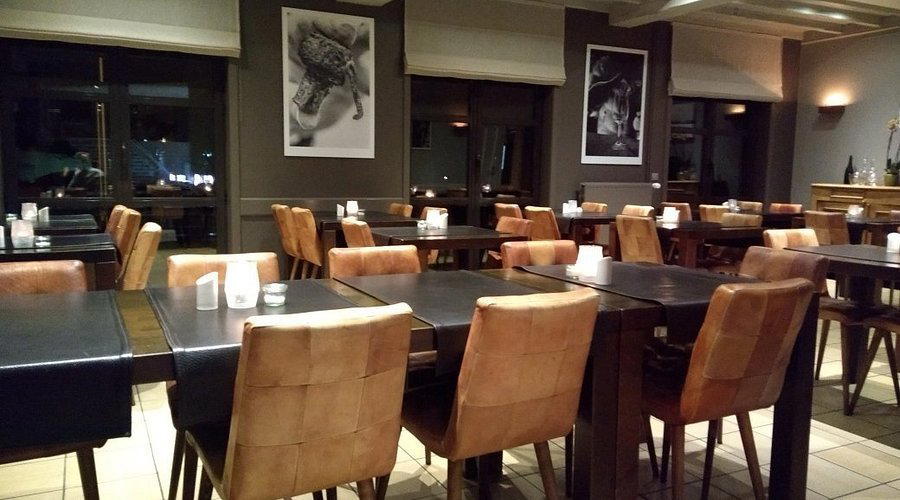
Bright dining room with simple, functional furnishings and warm, welcoming family atmosphere; garden seating surrounded by greenery offers a calm al fresco experience.