
1 Michelin Star
Our verdict
Haut Bonheur de la Table holds a Michelin star for the second consecutive year (2024 and 2025), placing it among a small group of destination restaurants operating well outside France's major cities. Chef Eugène Hobraiche runs a modern cuisine menu from a Grand' Place address in Cassel, a hilltop market town in French Flanders, at a mid-range price point unusual for starred cooking of this register.

Pearl is the En Primeur Club membership app, where members save venues, book tables and use the concierge.
The menu
What to order
- Saumon confit au poivre de Sichuan avec textures de choux et dashi de shiitaké
- Lieu jaune rôti avec gnocchis à la moutarde et multicolore de carotte
A Hilltop Town and Its Starred Table
French Flanders is not the first region that comes to mind when mapping the country's Michelin geography. The concentration of starred addresses sits predictably around Paris, Lyon, the Côte d'Azur, and Alsace. Restaurants like Alléno Paris au Pavillon Ledoyen, Mirazur in Menton, and Au Crocodile in Strasbourg anchor that familiar circuit. That Haut Bonheur de la Table has held a Michelin star in both 2024 and 2025 from this address says something about the direction of serious French cooking, that credibility and sourcing discipline, not metropolitan proximity, increasingly determine where the guide points its readers. The Nord-Pas-de-Calais region and its borders with Belgium sit within one of Europe's most productive agricultural zones: market gardens, specialist dairy operations, endive cultivation, and coastal fishing grounds accessible via Dunkirk and Boulogne-sur-Mer all fall within a short radius of Cassel. The cooking tradition that emerged here was never as codified or celebrated as Burgundian or Lyonnais cuisine, but it was always rooted in produce of genuine quality. Carbonnade, potjevleesch, and the region's long tradition of chicory and hop-based preparations reflect an ingredient culture shaped more by Flemish pragmatism than Parisian refinement.
Modern cuisine at this address takes that raw material seriously. Chef Eugène Hobraiche works within the modern cuisine classification, a broad category that spans everything from cerebral tasting menus in Paris to more grounded, produce-forward cooking in provincial settings. At the €€ price tier, Haut Bonheur de la Table occupies an unusual position: starred cooking without the pricing architecture that usually surrounds it. For comparison, three-star addresses like Troisgros in Ouches, Bras in Laguiole, or Paul Bocuse in Collonges-au-Mont-d'Or represent the upper end of French destination dining, where the full price structure of a starred experience, service, wine pairing, amuse-bouche sequences, compounds quickly. The town has a documented military history, it served as a British command post in both World Wars, and its elevation above the Flemish plain gives it a quality of remove that larger Flemish towns like Lille or Ghent do not have. The square itself is modest in scale but architecturally coherent, and the surrounding area supports a small number of restaurants and accommodation options. [See our full Cassel hotels guide and our full Cassel bars guide for the wider picture.]
Arriving by car is the practical approach for most visitors: Cassel sits roughly 50 kilometres from Lille and approximately 30 kilometres from Dunkirk, accessible via the A25. Planning a meal here typically means planning a wider visit to the area, given the distance from any major hub. The full Cassel restaurants guide covers the table's local context and peer options, including Fenêtre sur Cour, another address worth considering alongside it.
Sourcing Discipline and the One-Star Signal
A Michelin star retained across two consecutive years (2024 and 2025) is a consistency signal, not just a moment of recognition. The guide's inspectors return; a retained star means the kitchen is holding its standard rather than peaking for a single visit.
The modern cuisine classification is deliberately broad, but at the one-star level it typically reflects technique applied with restraint, seasonal awareness, and a willingness to let sourcing quality do rhetorical work on the plate. Restaurants like Flocons de Sel in Megève and AM par Alexandre Mazzia in Marseille illustrate how differently modern cuisine can express itself across French regions when the sourcing brief changes. In Cassel, the brief is Flemish: agricultural produce, northern coastal fish, dairy from a landscape built for it. The discipline lies in not overworking that material.
That figure reflects repeated visits over time, not a single wave of enthusiasm following a media moment, which aligns with the retained-star pattern. The emergence of starred tables in towns like Cassel, small, historically underrepresented in the guide's geography, suggests the inspectors are reaching further. Whether that reflects a genuine broadening of the guide's definition of excellence, or simply the expansion of modern cuisine's footprint into smaller markets, is a question worth tracking.
For reference, addresses like Auberge de l'Ill in Illhaeusern and Assiette Champenoise in Reims represent the established model of French provincial starred dining: multi-generational, deeply rooted in regional identity, with the infrastructure of a destination restaurant built over decades. Internationally, the pattern of high-recognition cooking in unexpected small-town settings is also visible in formats like Frantzén in Stockholm and FZN by Björn Frantzén in Dubai, where the departure from conventional restaurant geography is itself part of the identity.
Planning Your Visit
Booking ahead is the sensible approach for any starred table operating at this scale in a small town. The restaurant's €€ price tier makes it accessible relative to most starred experiences, but the real planning commitment is the journey: this is not a walk-in destination for Lille day-trippers, and it rewards combining with an overnight stay. The Cassel hotels guide and Cassel experiences guide cover the logistics of building a full stay around the meal. For wine and local producers in the wider region, the Cassel wineries guide provides further context.
Frequently asked questions
How do I find Haut Bonheur de la Table?
Haut Bonheur de la Table is located at 18 Grand' Place, 59670 Cassel, France, Cassel.
Does Haut Bonheur de la Table have a Michelin star or similar recognition?
Haut Bonheur de la Table has received recognition including: Michelin 1 Star (2025); Michelin 1 Star (2024).
How hard is it to get a table at Haut Bonheur de la Table?
Cassel is a small hilltop town rather than a major city, which means the dining room operates at limited covers. A Michelin-starred address in this kind of setting typically fills its sittings well in advance, particularly during the region's stronger visitor seasons.
A Pricing-First Comparison
| Venue | Cuisine | Price | Awards | Notes |
|---|---|---|---|---|
| Haut Bonheur de la TableThis venue (the venue you are viewing) | Modern French Fine Dining | $50–100 | 1 Michelin Star | Not listed |
| Alléno Paris au Pavillon Ledoyen | Modern French Fine Dining | $150–200 | 3 Michelin Stars · World's 50 Best #79 | Creative |
| Kei | Contemporary French, Modern Cuisine | Not listed | Michelin 3 Star | Not listed |
| L'Ambroisie | Classic French Haute Cuisine | $300–500 | 2 Michelin Stars · World's 50 Best #23 | French, Classic Cuisine |
| Le Cinq - Four Seasons Hôtel George V | Modern French Fine Dining | $300–500 | 3 Michelin Stars · World's 50 Best #24 | French, Modern Cuisine |
| Plénitude | Modern French Sauce-Led Fine Dining | $300–500 | 3 Michelin Stars · World's 50 Best #14 | Contemporary French |
Recognition history
Dated appearances from independent guides and award organizations, with the underlying list record or original source where available.
Michelin 1 Star
Michelin
Full recognition history (3 entries)
Michelin 1 Star
Michelin
Michelin 1 Star
Michelin
Continue exploring
More in Cassel
Restaurants in Cassel
All restaurants in Cassel →
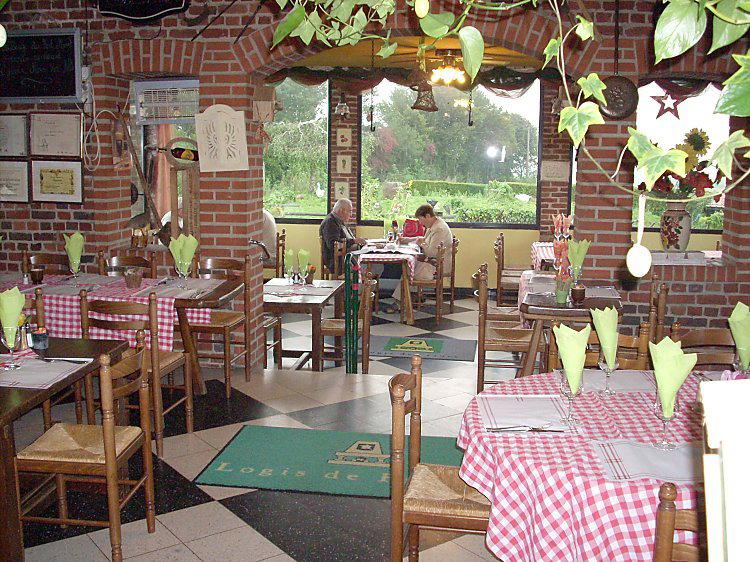
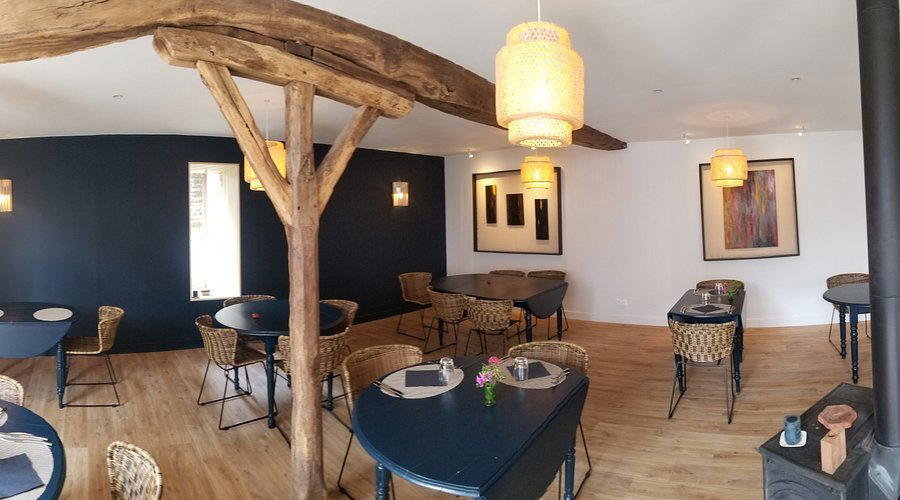
Bars in Cassel
Browse all →
Hotels in Cassel
Browse all →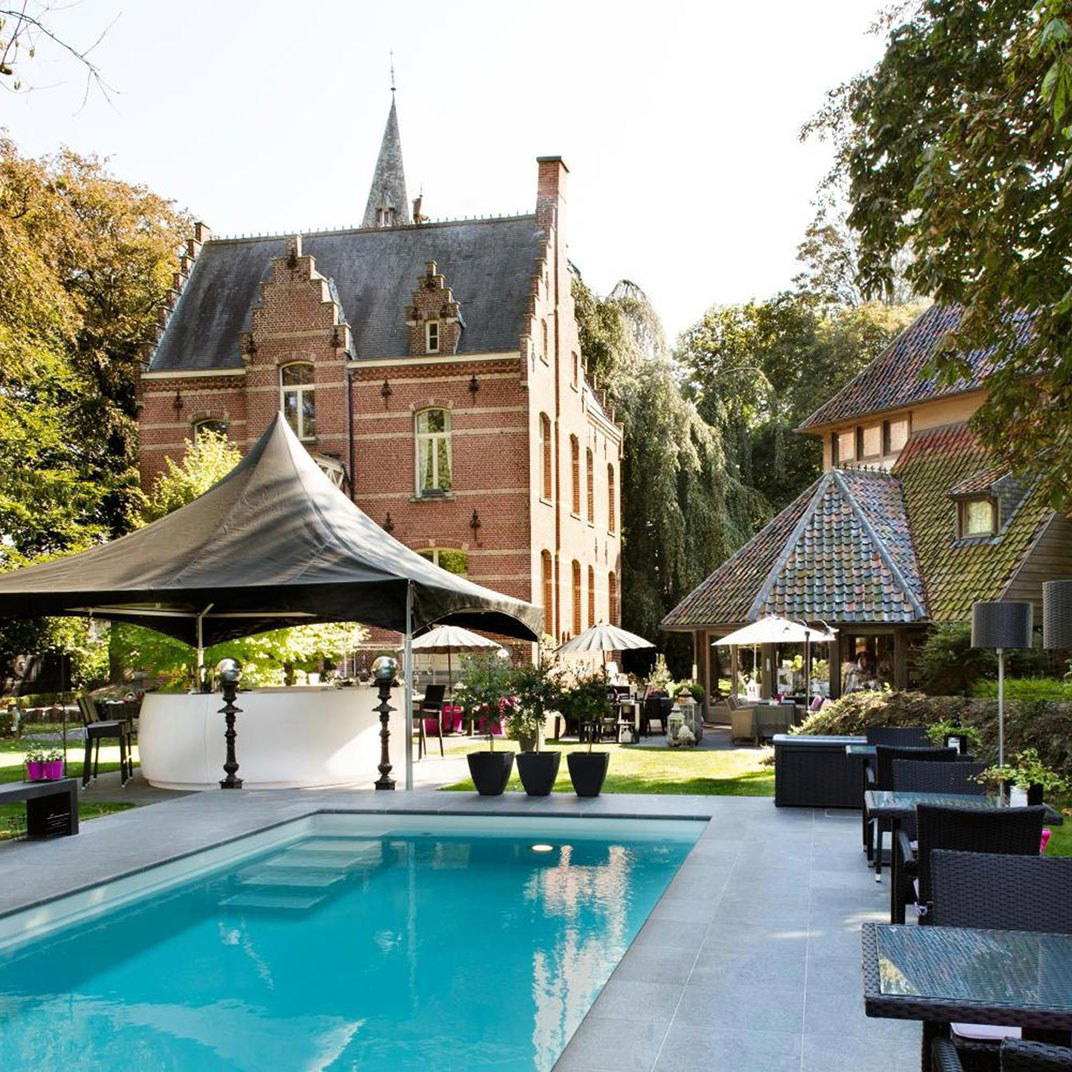
Wineries in Cassel
Browse all →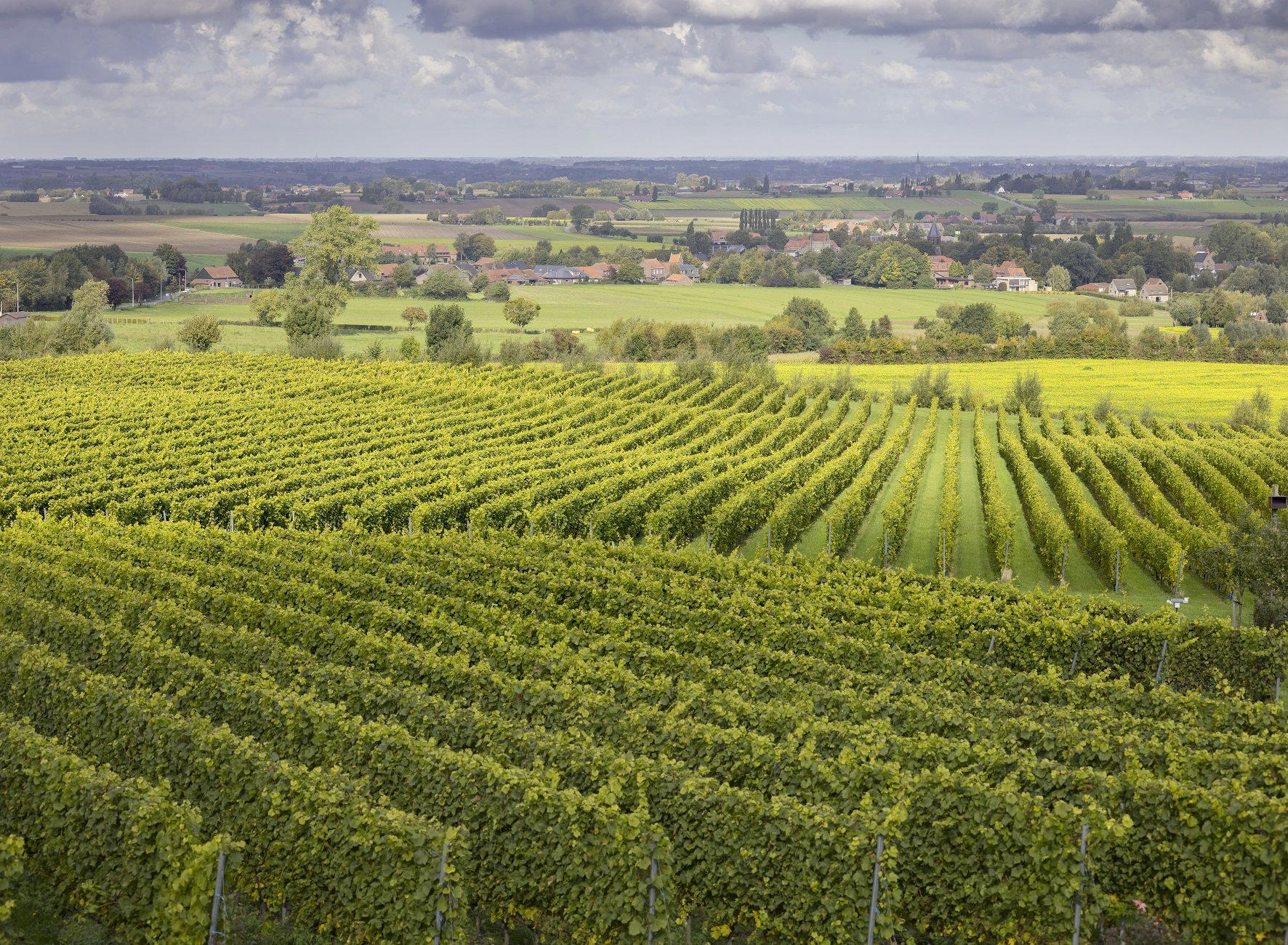
Details
- Intimate
- Elegant
- Romantic
- Quiet
- Date Night
- Special Occasion
- Celebration
- Historic Building
- Panoramic View
- Terrace
- Local Sourcing
- Prix Fixe
- A La Carte
Current opening hours
- Monday
- 12:15–1:15 PM
- Tuesday
- Closed
- Wednesday
- Closed
- Thursday
- 12:15–1:15 PM, 7:30–8:30 PM
- Friday
- 12:15–1:15 PM, 7:30–8:30 PM
- Saturday
- 12:15–1:15 PM, 7:30–8:30 PM
- Sunday
- 12:15–1:15 PM
Hours can change for holidays and private events. Hours as of .
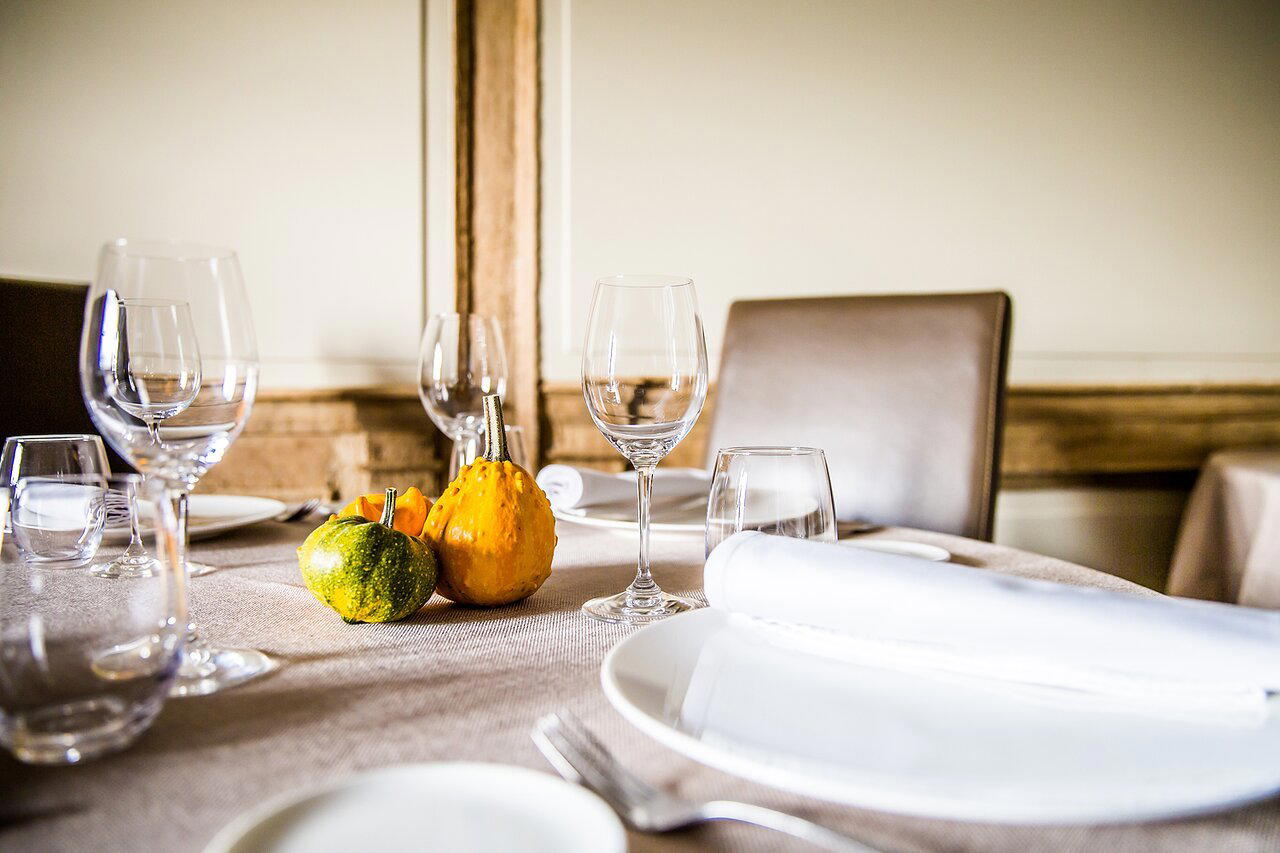
Intimate and refined with an epurated aesthetic; guests describe the setting as peaceful and elegant with beautiful views of the surrounding Flemish landscape.