Our verdict
T'Kasteelhof occupies a stone address at 8 Rue Saint-Nicolas in Cassel, a hilltop Flemish town in French Flanders that sits well off the main tourist circuit. The restaurant draws from the agricultural depth of the surrounding Nord-Pas-de-Calais plain, placing it inside a small but serious dining tradition that prizes regional sourcing over cosmopolitan ambition. For visitors making the drive from Lille or the coast, it represents a deliberate, place-rooted meal.

Pearl is the En Primeur Club membership app — saves, bookings, and concierge access live there. Same editors, same standards.
- Address
- 8 Rue Saint-Nicolas, 59670 Cassel, France
- Phone
- +33328405929
- Hours
- Mon–Wed ClosedThu–Sun 11 AM–10 PM
- Website
- estaminet-kasteelhof.fr
- Directions
- Get directions
The menu
What to order
- Carbonnade
- Tarte flamande
- Potjevleesch
- Gratiné au maroilles
- Tripe à la bière
Cassel's Table on the Hill: Where Flemish Terroir Meets the Plate
Cassel is the kind of town that rewards the traveller who consults a map rather than an algorithm. Perched on one of the few genuine hills in the flat Nord department, it commands a view across the Flanders plain that stretches, on clear days, as far as the English coast. The town itself is compact, cobbled, and architecturally Flemish in character, its market square lined with brick facades that recall the cross-border cultural zone this region has always been. Dining here is not incidental to a visit; for many, it is the visit. T'Kasteelhof, at 8 Rue Saint-Nicolas, sits within that logic.
A Regional Ingredient Story, Field to Table
French Flanders is not a cuisine that travels well in reputation. It does not carry the global cachet of Lyonnais tradition or the fashionable weight of Basque country cooking, and that relative obscurity has arguably kept it more honest. The Nord-Pas-de-Calais plain is one of France's most productive agricultural zones: sugar beet, chicory, endive, hops, and a livestock tradition that supplies serious cuts of beef and pork. The North Sea coast, reachable within an hour from Cassel, adds flatfish, shellfish, and herring to the regional pantry. A kitchen operating in this geography, if it commits to proximity sourcing, has access to ingredients that urban restaurants in Paris or Lyon would fly in at considerable cost.
That ingredient context shapes what Flemish table cooking has historically meant: dishes built around what the surrounding countryside and coast produce in quantity, prepared with methods suited to a northern climate. Carbonade flamande, the slow-braised beef and beer preparation, uses the region's centuries-old brewing tradition as a cooking medium. Waterzooi, though more closely associated with Ghent, appears in French Flemish kitchens as a broth-based dish that demands honest stock-making rather than disguise through reduction. The use of local juniper beer and aged genièvre in cooking reflects an ingredient geography that extends into the pantry, not just the larder. For venues in Cassel's small dining circuit, including T'Kasteelhof and its neighbours Haut Bonheur de la Table and Fenêtre sur Cour, the question is how faithfully that regional sourcing principle is maintained against the pressures of a broader food-supply system.
The broader context of French gastronomy is useful here. Restaurants such as Mirazur in Menton and Bras in Laguiole have built international reputations precisely on radical proximity to their local terroir, the former through its kitchen garden above the Mediterranean, the latter through the volcanic plateau of Aubrac. In each case, the place shapes the plate in a way that a metropolitan kitchen cannot replicate. Cassel operates on a smaller register of ambition, but the underlying logic is the same. You can find our full Cassel restaurants guide for broader context on what the town's dining scene currently offers.
The Physical Setting as Context
The address on Rue Saint-Nicolas places T'Kasteelhof in the older residential fabric of the hilltop town, away from the main square's commercial activity. Stone construction and the particular quiet of a Flemish hill town at the end of a working day create a dining environment that reads as deliberate rather than decorative. This is not the arranged rusticity of a Paris bistrot imitating regional warmth; in Cassel, the surroundings are the genuine article. The walk from the central square takes minutes, and the change in atmosphere on descent from the main square toward the side streets is perceptible. Venues that operate in this kind of physical context carry their setting as a credential in ways that urban restaurants cannot.
France's finest kitchens in provincial settings, from Auberge de l'Ill in Illhaeusern to Auberge du Vieux Puits in Fontjoncouse, have long understood that a specific geography and physical address can function as part of the culinary argument. The ingredient supply, the visual surroundings, and the pace of a small town all contribute to what lands on the plate and how it is received. T'Kasteelhof operates in that same provincial-setting tradition, even if at a different scale of recognition than those reference points.
Cassel in the French Provincial Dining Pattern
The concentration of serious restaurants in a town this small, with T'Kasteelhof alongside at least two other notable addresses, follows a pattern visible across provincial France. Towns with strong gastronomic identity and tourist circulation often develop a cluster of complementary venues rather than a single dominant destination. Vonnas, with Georges Blanc, and Collonges-au-Mont-d'Or, with Paul Bocuse - L'Auberge du Pont de Collonges, represent the extreme anchor-restaurant version of this pattern. Cassel represents the more common middle ground: a town where the dining identity is distributed across several addresses rather than concentrated in one.
For French regional cooking more broadly, the current direction is away from elaborate presentation and toward the clarity of sourced ingredients presented with confidence. Christopher Coutanceau in La Rochelle has applied that logic to Atlantic seafood; AM par Alexandre Mazzia in Marseille uses a Mediterranean ingredient base with high technical ambition. The Nord-Pas-de-Calais version of that story is less frequently told at national level, which is partly why a visit to Cassel carries weight for a reader interested in French regional gastronomy that extends beyond the established circuits of Alsace, Burgundy, or the Atlantic coast. For those interested in how Alsace handles the same regional-ingredient argument, Au Crocodile in Strasbourg offers a useful point of comparison.
Planning Your Visit
Cassel sits approximately 55 kilometres west of Lille, making it feasible as a day trip from the city or as a stop on a cross-Channel itinerary, given its proximity to the Calais-Dunkerque coastal corridor. The town is compact enough that arrival by car is the practical default; public transport connections from Lille exist but require planning. T'Kasteelhof's address at 8 Rue Saint-Nicolas is direct to locate on foot once in the centre. Given the limited number of dining options in Cassel and the relatively contained size of any table serving serious regional cooking, advance contact to confirm opening days and availability is advisable, particularly outside summer months when reduced service schedules are common in smaller French towns. The drive from Lille takes under an hour and justifies the effort for anyone with an interest in French Flemish cooking served in its actual geographic context.
Frequently asked questions
Does T'Kasteelhof work for a family meal?
T'Kasteelhof sits on Rue Saint-Nicolas in Cassel's quieter residential quarter, away from the main square's foot traffic, which gives it a calmer atmosphere suited to unhurried dining rather than a bustling family-focused setting. Whether it works depends on the age and expectations of the group. Cassel itself is a small hilltop town with limited dining alternatives, so if the family is travelling through, it may well be the most considered option on the hill.
Is T'Kasteelhof better for a quiet night or a lively one?
Given its address in the older residential fabric of Cassel rather than near the main square, T'Kasteelhof reads as a place for focused, quiet dining. Cassel is a small town of a few thousand residents, not a destination with a late-night scene, and the restaurant reflects that context. Expect conversation over atmosphere, and regional cooking over spectacle.
Is T'Kasteelhof a good restaurant stop between Calais and Lille?
Cassel sits on the D933 corridor between Calais and Lille, placing T'Kasteelhof at 8 Rue Saint-Nicolas in a logical position for travellers on a cross-Channel itinerary who want something more considered than a motorway stop. The town is approximately 55 kilometres west of Lille and under an hour from the Channel Tunnel terminal. French Flanders is not a cuisine widely represented outside this region, which makes a stop here worthwhile for anyone interested in the specific character of Nord cooking.
What's the signature dish at T'Kasteelhof?
What the French Flemish kitchen tends to centre on is locally sourced produce from the surrounding bocage and polderland, with preparations grounded in the region's distinct culinary tradition — closer to Flemish cooking than to the Lyonnais or Basque models more familiar to international visitors. Contacting the restaurant directly will give the clearest picture of current offerings.
Where exactly is T'Kasteelhof?
T'Kasteelhof is located at 8 Rue Saint-Nicolas, 59670 Cassel, France, Cassel.
Should I book T'Kasteelhof in advance?
Cassel has a concentration of serious restaurants for a town its size, which means good tables are a finite resource, particularly at weekends and during summer when cross-Channel and Lille day-trip traffic increases. Booking ahead is advisable. The restaurant's address is 8 Rue Saint-Nicolas, 59670 Cassel, and direct contact details can be found through local directories.
What is T'Kasteelhof known for?
T'Kasteelhof is associated with the French Flemish dining tradition in Cassel, a hilltop town in the Nord department roughly 55 kilometres west of Lille. The region's cuisine draws on ingredients specific to French Flanders — a culinary identity distinct from both mainstream French and Belgian cooking — and the restaurant occupies a setting in the town's older residential quarter that reinforces its local character rather than pitching at a tourist audience.
Comparable Venues
Comparable venues nearby, for context on price, style, and recognition.
| Venue | Cuisine | Price | Awards | Notes |
|---|---|---|---|---|
| T'KasteelhofThis venue — the venue you are viewing | Traditional Flemish Estaminet | $20–30 | Not listed | Not listed |
| Fenêtre sur Cour | Refined French Gastronomic | $50–100 | Michelin Plate | Cassel |
| Haut Bonheur de la Table | Modern French Fine Dining | $50–100 | 1 Michelin Star | Cassel |
| L'O à la Bouche | French Traditional Bistro | $30–50 | Not listed | centre-ville |
| La Taverne du Westhoek | Traditional Flemish French | $20–30 | Not listed | Quaëdypre |
| Le Gaston | French Bistronomic | $30–50 | Not listed | Rosendael |
Continue exploring
More in Cassel
Restaurants in Cassel
Browse all →
Bars in Cassel
Browse all →
Hotels in Cassel
Browse all →
Wineries in Cassel
Browse all →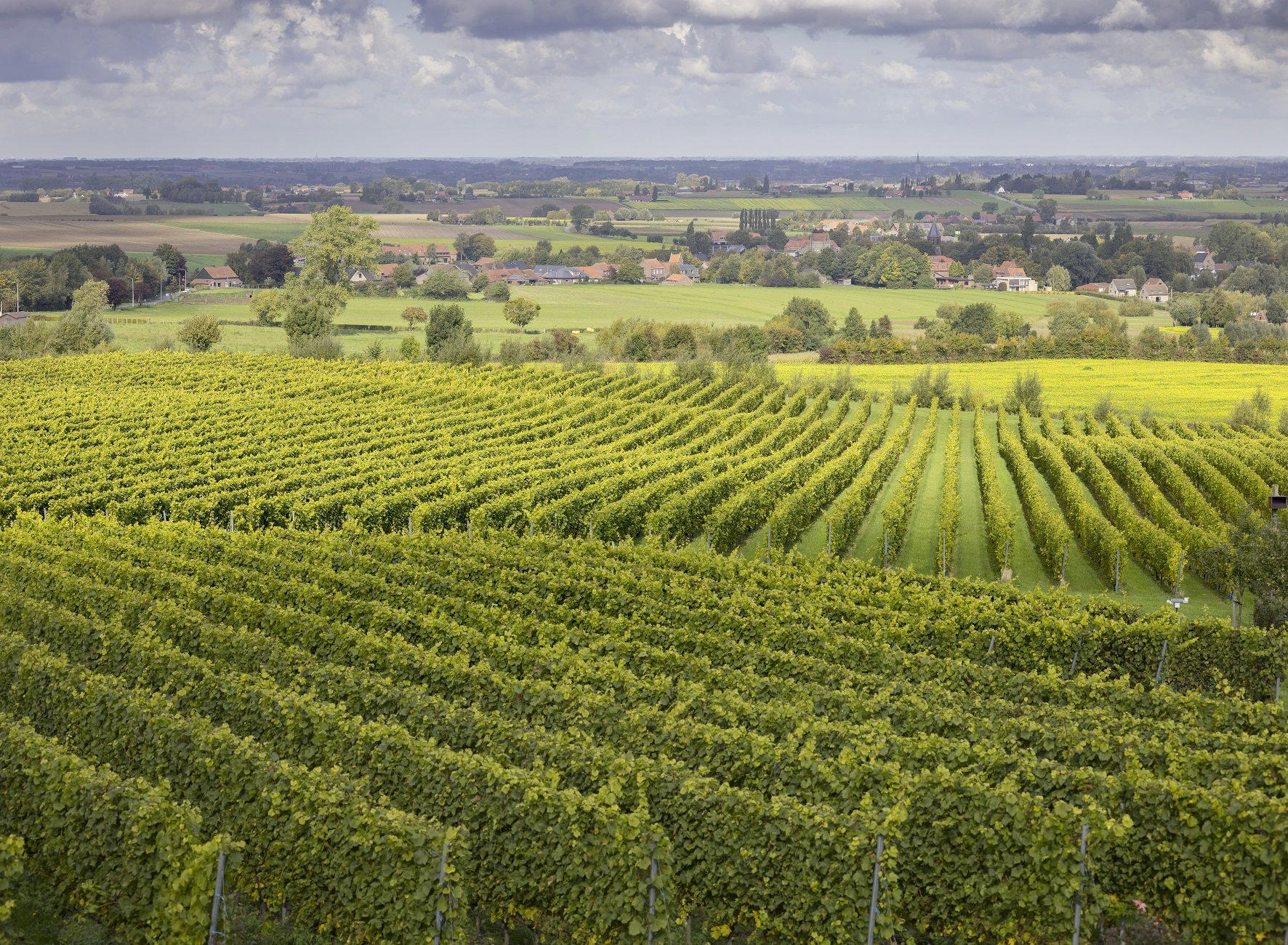
Details
- Rustic
- Cozy
- Well Known
- Classic
- Group Dining
- Casual Hangout
- Celebration
- Terrace
- Panoramic View
- Historic Building
- Standalone
- Beer Program
- Local Sourcing
- Street Scene
- A La Carte
- Family Style
- Regional Beer
- Local Beer
Current opening hours
- Monday
- Closed
- Tuesday
- Closed
- Wednesday
- Closed
- Thursday
- 11 AM–10 PM
- Friday
- 11 AM–10 PM
- Saturday
- 11 AM–10 PM
- Sunday
- 11 AM–10 PM
Hours can change for holidays and private events. Last verified .
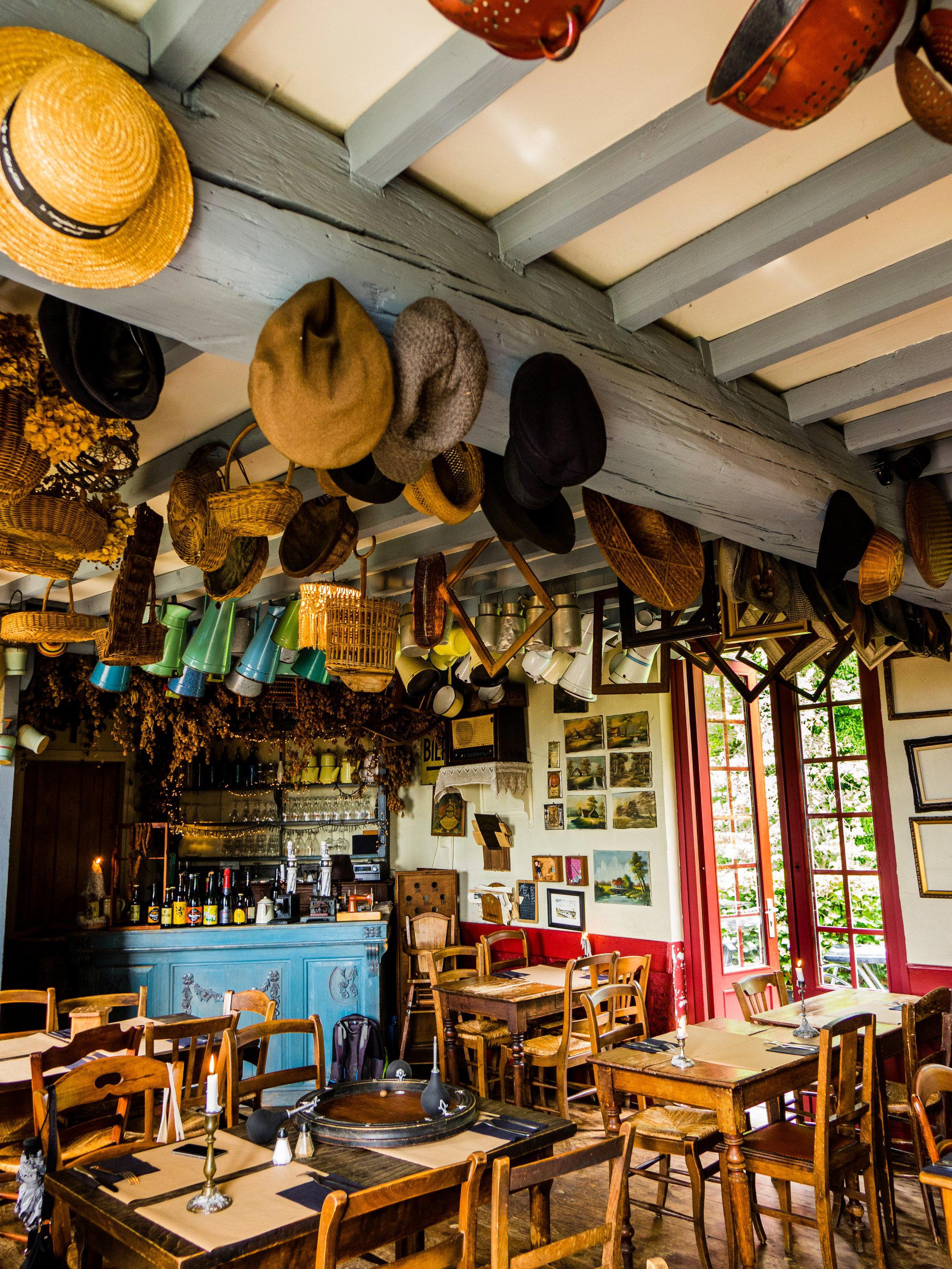
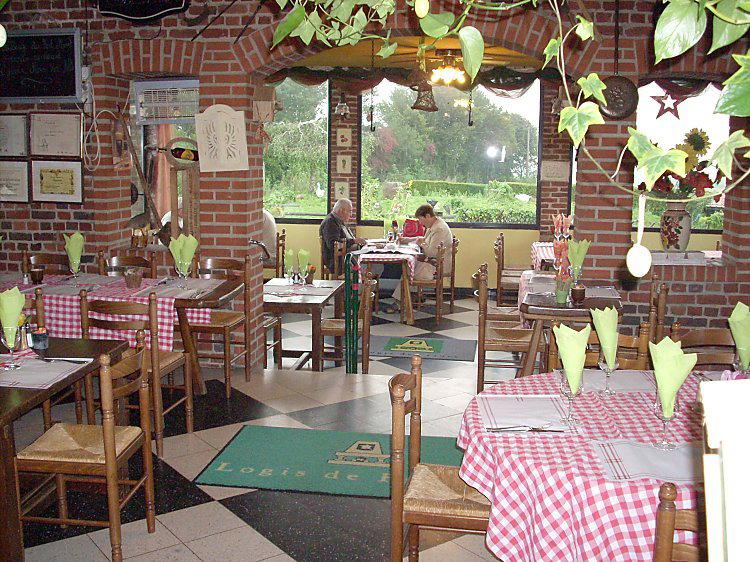
Warmly decorated with Flemish charm, featuring an overly decorated and cozy interior that feels like stepping into a traditional Flemish painting, with a convivial and welcoming atmosphere.