Auberge Du Kok Smid
Our verdict
Auberge Du Kok Smid serves Traditional French Bistro cooking in a historic building in Ledringhem, with local sourcing and a casual dress code for lunch or dinner.

Pearl is the En Primeur Club membership app, where members save venues, book tables and use the concierge.
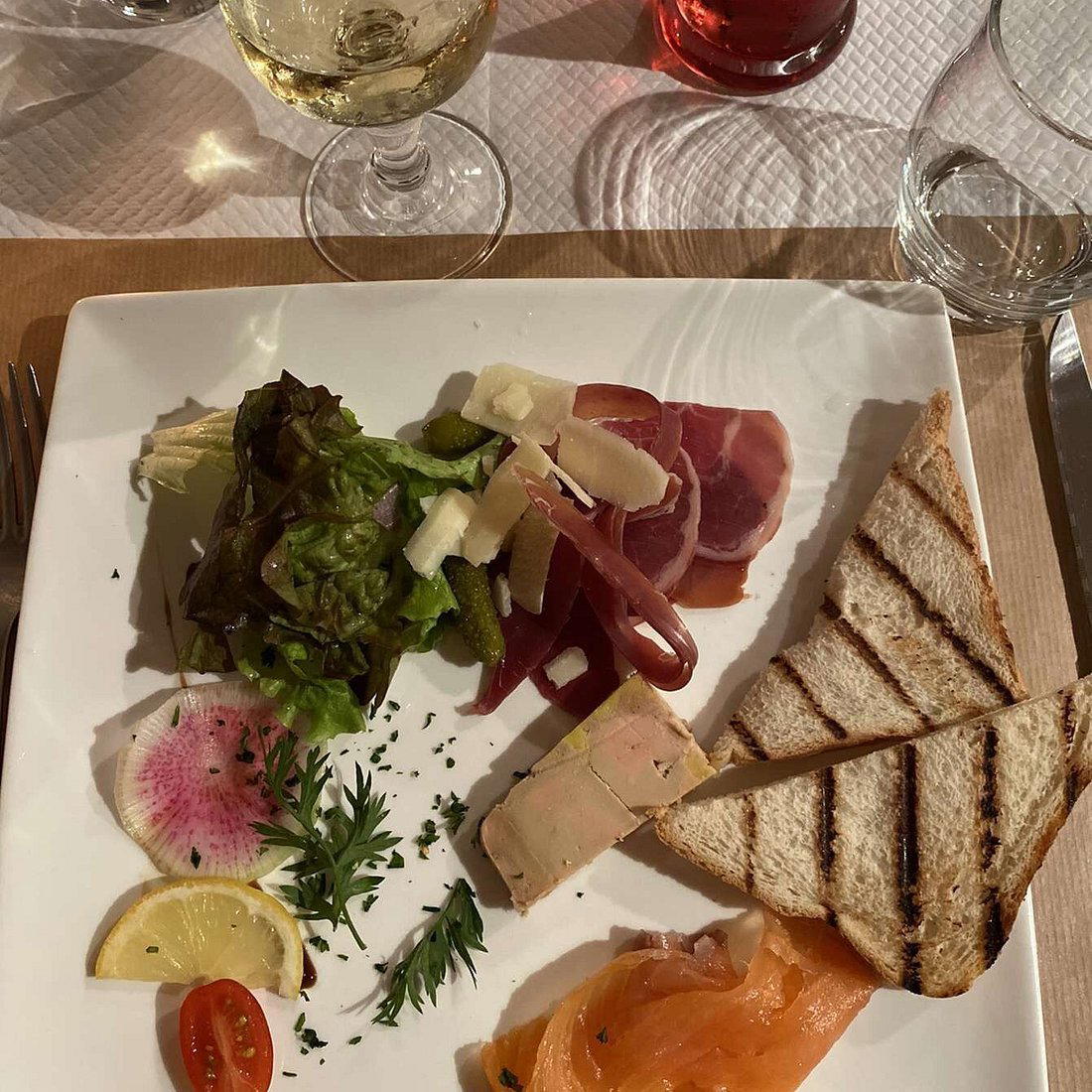
Where the Flemish Countryside Meets the French Table
The road into Ledringhem does not announce itself dramatically. Flat fields stretch toward a low horizon, broken by windbreaks and the occasional farm building. This corner of French Flanders, wedged between Dunkirk and the Belgian border, sits far outside the circuits that carry most gastronomes through France. That geographic remove is precisely what gives auberges like Auberge Du Kok Smid their particular character: the dining room does not compete with a famous city address or a wine-region postcode. It earns its place through the logic of the countryside itself, where what arrives at the table is shaped first by what grows or grazes nearby.
The name is telling. "Kok Smid" reads as a hybrid of French and Flemish, a signal of the dual cultural inheritance that defines this slice of northern France. The region was Flemish-speaking within living memory, and that layered identity shows up in the local food culture: estaminets serving carbonnade and waterzooi sit alongside brasseries built on classic French technique, and the leading rural tables draw from both traditions without making a fuss about it. Auberge Du Kok Smid, at 41 Route de Wormhout, sits within that tradition rather than above it.
Ingredient Logic in French Flanders
Editorial case for this part of France is an ingredient case. Northern France produces some of the country's least-celebrated but most consistent raw materials. The loam soils around Hazebrouck and the Aa valley grow endive, leeks, and potatoes with a density and sweetness that reflects the cool, wet growing season. Maroilles, the pungent washed-rind cheese from just over the border in Avesnois, anchors dozens of local preparations, from flamiche to simple cheese boards. Freshwater fish from the canal network and cold-smoked eel from the coastal marshes at the Côte d'Opale add a northern dimension rarely found in French restaurant cooking further south.
Auberge format, which this address follows by name and almost certainly by format, has historically been the primary vehicle for this kind of ingredient-driven, place-specific cooking in rural France. Unlike the destination restaurant, which draws guests from distance and builds a menu to justify that distance, the auberge feeds the immediate community and the traveller passing through, and it earns its credibility by sourcing close and cooking without waste. The great French auberges, from Auberge de l'Ill in Illhaeusern to Auberge du Vieux Puits in Fontjoncouse, operate on this logic at a high level. The village auberge operates on the same logic at a more local scale, and that is not a lesser ambition.
The Rural Auberge in the French Fine-Dining Conversation
France's most-discussed restaurants increasingly occupy either urban addresses or high-profile regional destinations. Mirazur in Menton commands the clifftop above the Mediterranean; Flocons de Sel in Megève operates at altitude in the Alps; Alléno Paris au Pavillon Ledoyen occupies a Champs-Élysées pavilion. At the opposite end of the visibility spectrum, addresses like Auberge Du Kok Smid operate in a near-total absence of media attention, which means their audience is almost entirely local and regional, and the quality benchmark is set by the returning customer rather than the visiting critic.
That is a different kind of accountability. The Parisian destination with a three-month booking queue can afford an occasional off-night; the village auberge that seats the same farmers, tradespeople, and Sunday-lunch families week after week cannot. Troisgros in Ouches and Georges Blanc in Vonnas both built their reputations over generations within tight regional communities before achieving national and international recognition. The pattern is not accidental: regional rootedness tends to produce a more durable kind of quality than destination-driven ambition.
For the traveller approaching this part of northern France, the broader peer context includes places like Bras in Laguiole and Les Prés d'Eugénie in Eugénie-les-Bains, both of which operate within a deep rurality that is central to their cooking identity. These are reference points for understanding what ingredient-led, place-rooted French cooking looks like when it is given space and time to develop. The Ledringhem address operates within the same philosophical tradition, even if its scale and visibility differ substantially.
Planning a Visit to Ledringhem
Ledringhem sits in the Flandre Intérieure, roughly 20 kilometres southeast of Dunkirk and within easy reach of the A25 motorway that connects Lille to the Channel coast. The nearest significant towns are Cassel, with its hilltop market and estaminet culture, and Hazebrouck, which has a rail connection. Travellers arriving via the Channel Tunnel at Calais can reach the area in under an hour by car, making this corner of France more accessible from London than many parts of the French interior. Those combining northern France with a broader itinerary might note that Maison Lameloise in Chagny and Paul Bocuse's Auberge du Pont de Collonges represent the Burgundy and Lyon end of the country's classic auberge tradition, useful for understanding how differently the same format can express itself across regions.
Rural auberges in this part of France often operate on reduced weekly schedules, closing on one or two weekday evenings and offering a limited Sunday-lunch format. Arriving without a confirmed booking is possible but inadvisable, particularly on weekends when local family trade tends to fill a small room quickly.
Frequently asked questions
Is Auberge Du Kok Smid a family-friendly restaurant?
Ledringhem is a small rural commune in the Flandre Intérieure, and auberges of this type in northern France have traditionally served as community gathering points for families and multi-generational groups. check the venue's official channels via its address at 41 Route de Wormhout before visiting with young children.
How would you describe the vibe at Auberge Du Kok Smid?
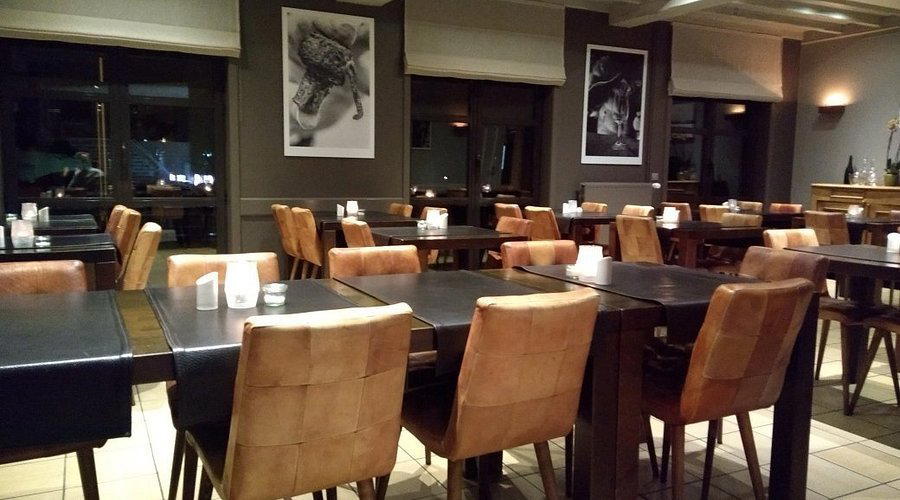
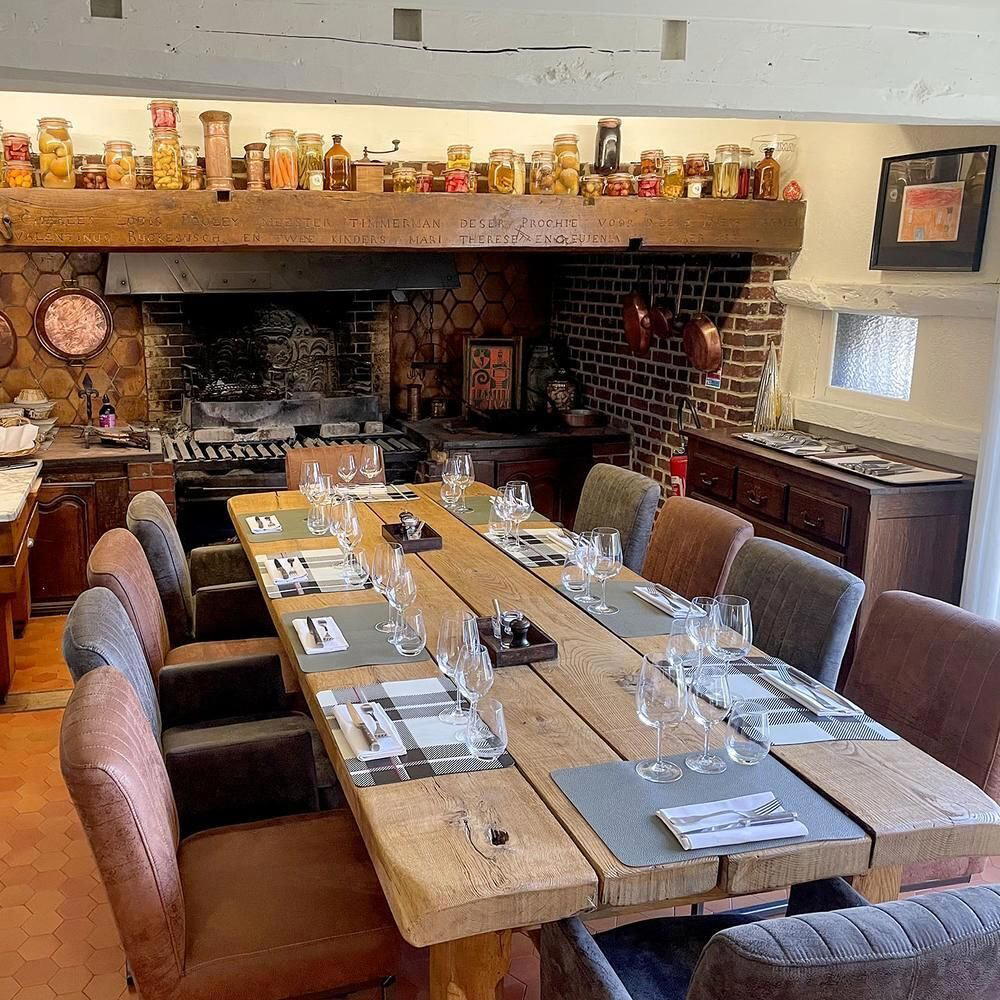
Situated on the Route de Wormhout in a flat agricultural commune roughly 20 kilometres southeast of Dunkirk, the setting points toward the quiet, unhurried register typical of rural Flemish-French auberges, a format built on familiarity rather than spectacle. The word 'auberge' itself signals something closer to a working inn or local dining house than a destination restaurant. Expect a room shaped by the surrounding countryside rather than by urban design trends.
Is Auberge Du Kok Smid worth a detour from Lille or Dunkirk?
Ledringhem sits between the A25 motorway corridor linking Lille to Dunkirk and the quieter back roads of the Flandre Intérieure, making it reachable from either city without a significant time commitment. Rural auberges at this remove from major urban centres tend to operate on regional custom rather than tourist traffic, which can mean a more grounded local experience.
What dish is Auberge Du Kok Smid famous for?
Northern France, and this part of French Flanders in particular, draws on a larder that includes chicory, aged Maroilles cheese, river fish, and beef from the Flemish plains, ingredients that define the regional table. Whether the kitchen works within that tradition or takes a different direction is something a visit to Ledringhem would settle.
Comparable Spots, Quickly
Comparable venues nearby, for context on price, style, and recognition.
| Venue | Cuisine | Price | Notes |
|---|---|---|---|
| Auberge Du Kok SmidThis venue (the venue you are viewing) | Traditional French Bistro | $20–30 | Not listed |
| Le Bruegel | Traditional Flemish Regional Cuisine | $10–20 | Bergues city centre |
| Le Pain de la Bouche | Traditional Northern French Estaminet | $20–30 | near the train station |
| Le Gaston | French Bistronomic | $30–50 | Rosendael |
| La table de Cha' | Traditional French Bistro | Not listed | Citadelle |
| L’aventure | French Mountain Grill | $30–50 | Oz en Oisans |
Continue exploring
More in Ledringhem
Restaurants in Ledringhem
All restaurants in Ledringhem →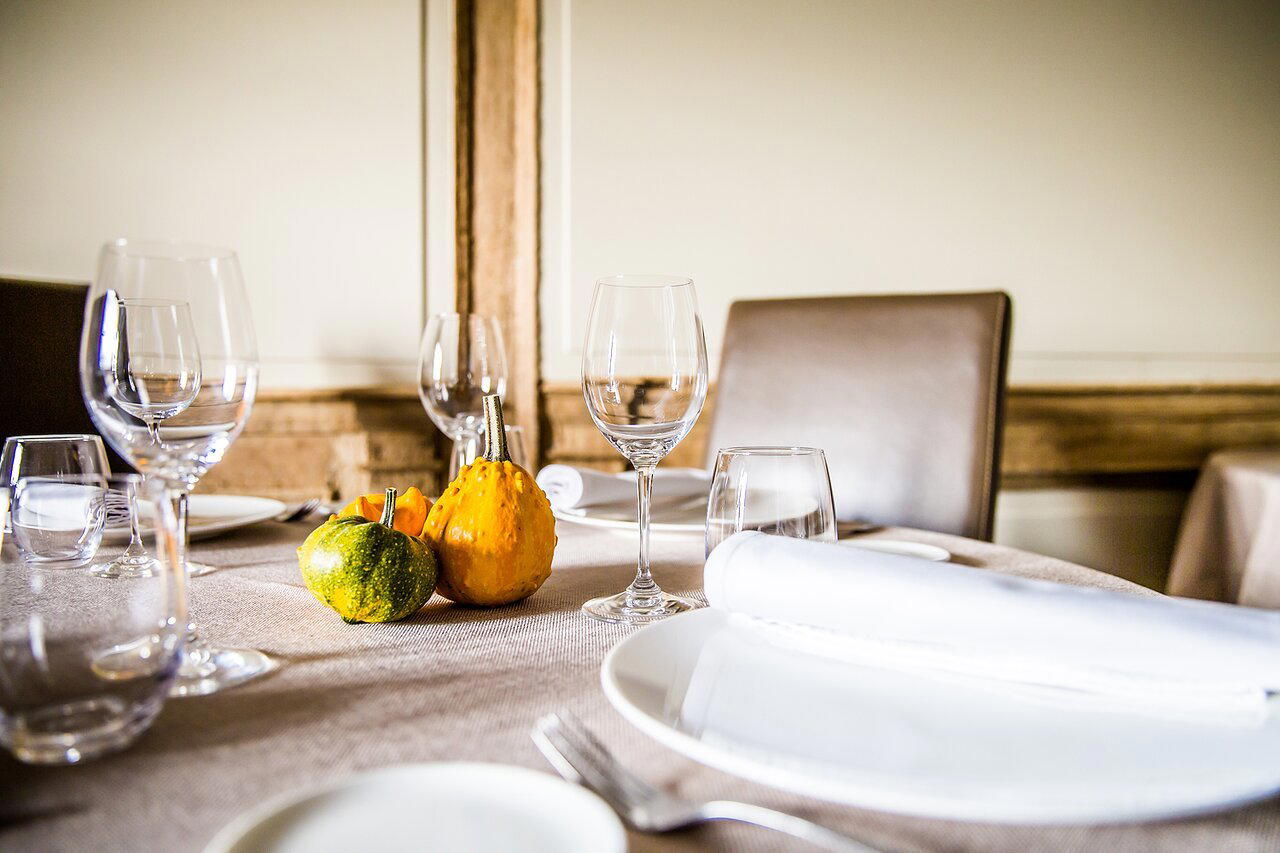
Bars in Ledringhem
Browse all →
Hotels in Ledringhem
Browse all →
Wineries in Ledringhem
Browse all →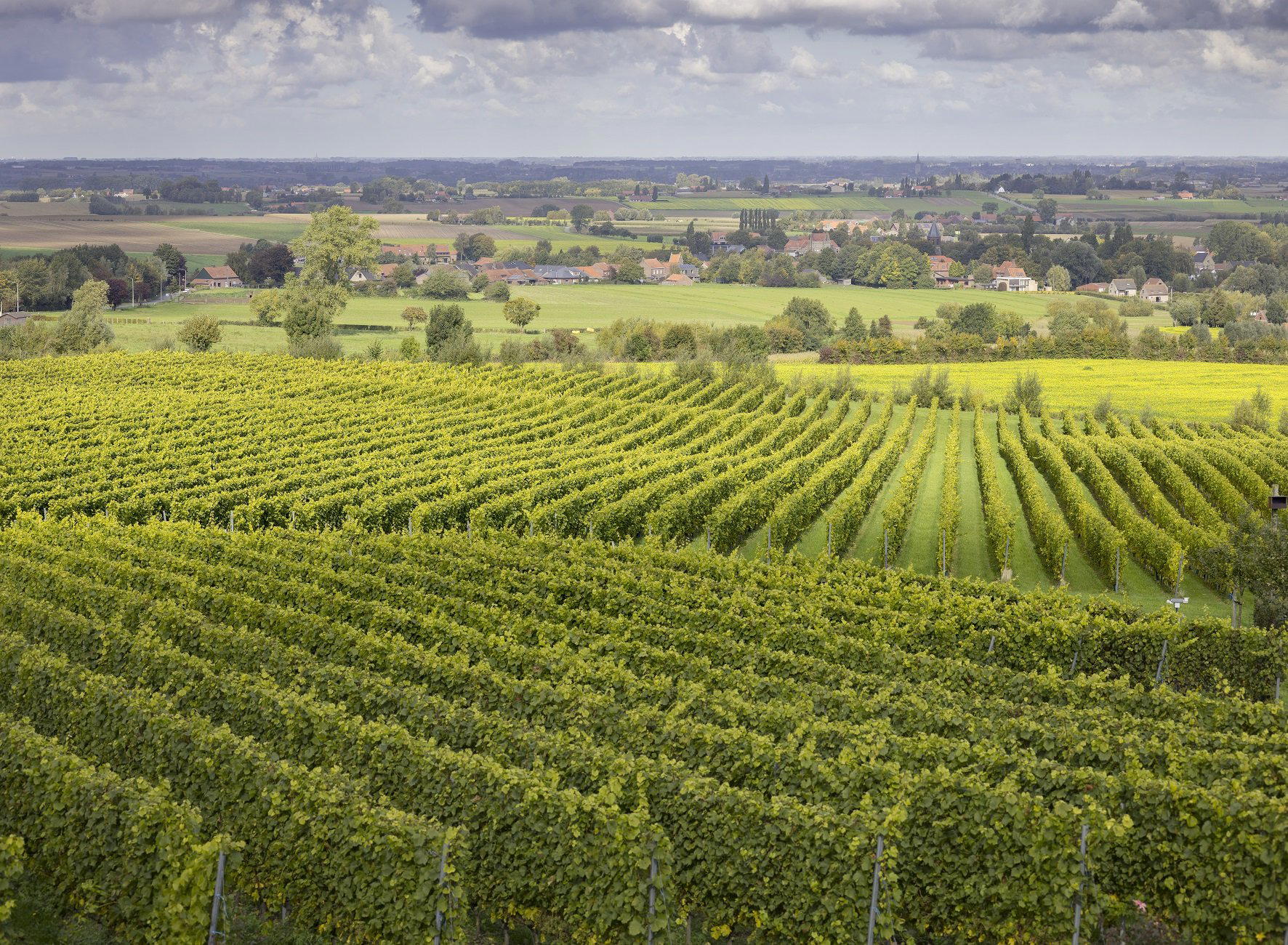
Details
- Rustic
- Cozy
- Classic
- Family
- Casual Hangout
- Historic Building
- Local Sourcing
- A La Carte
Charming and captivating atmosphere in a rehabilitated forge.