
On a narrow street in Ciutat Vella, La Sosenga occupies a corner of Barcelona's old town where the district's culinary identity runs deep. The kitchen draws on the sourcing traditions of Catalonia's markets and coastal producers, positioning it within a neighbourhood dining scene that rewards those who look past the obvious tourist circuit. Reservations and current hours are best confirmed directly before visiting.
Pearl is the En Primeur Club membership app — saves, bookings, and concierge access live there. Same editors, same standards.
- Address
- Carrer de n'Amargós, 1, Ciutat Vella, 08002 Barcelona, Spain
- Phone
- +34937505820
- Website
- lasosenga.es
- Directions
- Get directions
 Saves & bookings on Pearl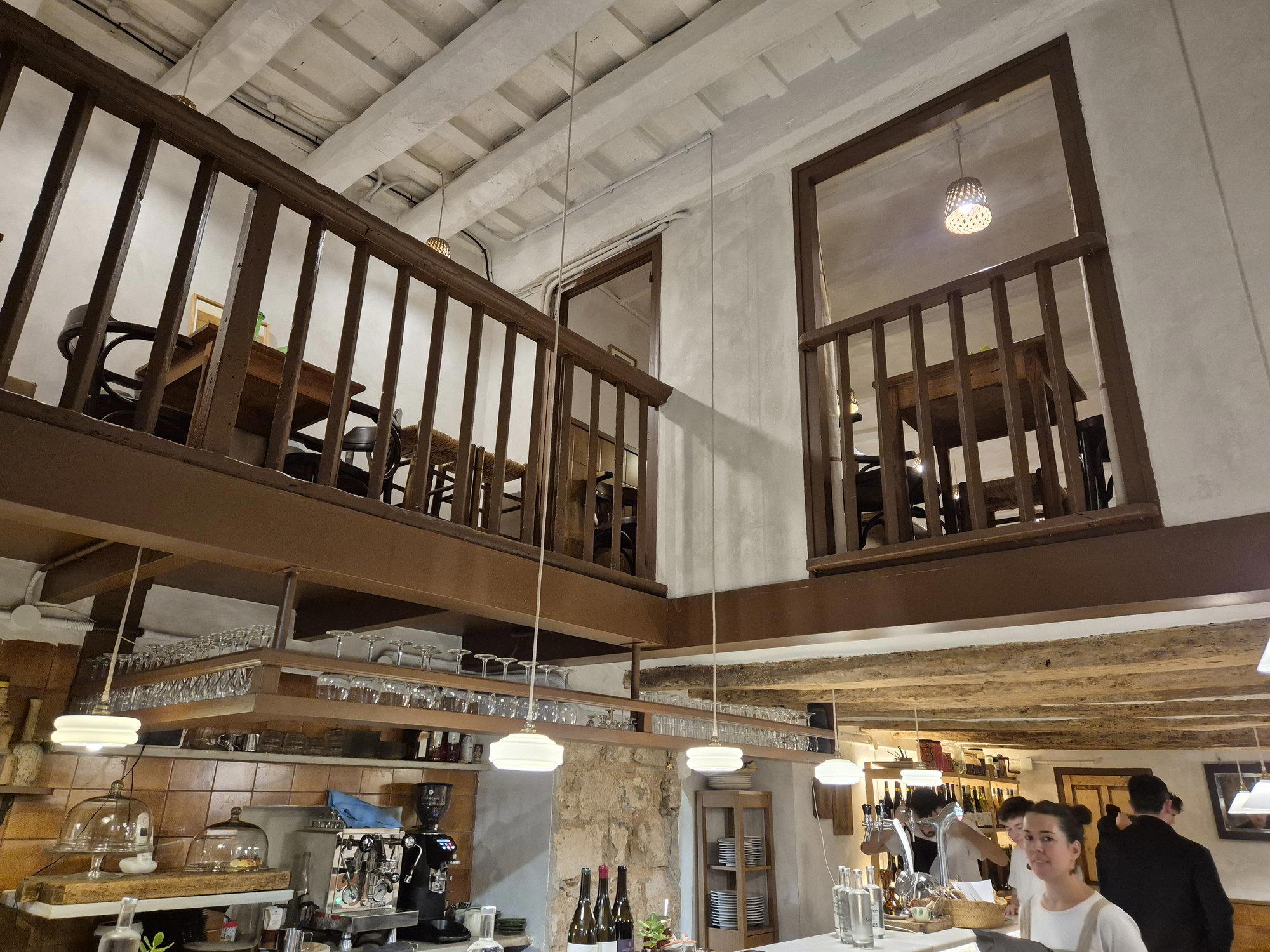
Ciutat Vella's Sourcing Logic
Barcelona's Ciutat Vella is one of those districts where the same street can hold a centuries-old church, a fishmonger serving chefs from three different kitchens, and a restaurant shaped by what arrives from local markets each morning. La Sosenga sits on Carrer de n'Amargós, a narrow throughfare in the 08002 postal zone that runs through the older residential and commercial grain of the neighbourhood rather than along its tourist-facing edges. That address is not incidental. Restaurants that choose to anchor themselves in this part of the Barri Gòtic and Sant Pere corridor are making a statement about proximity to supply: La Boqueria is minutes away on foot, the Sant Antoni market draws serious produce buyers from across the city, and the Catalan coastal fishing tradition that feeds Barcelona's kitchens stretches south toward the Delta de l'Ebre and north toward the Costa Brava.
The sourcing logic that defines serious Catalan cooking is not merely romantic. It is structural. Chefs working at this level of the city's dining scene argue that the quality differential between a kitchen that sources from the market daily and one that works through a central distributor is legible on the plate. At La Sosenga, that commitment to place-based ingredients is a framing device for understanding what the kitchen is doing and why.
Where La Sosenga Sits in Barcelona's Dining Tier
Barcelona's top tier of creative and progressive cooking is well-documented and well-awarded. Disfrutar (Progressive, Creative), Cocina Hermanos Torres (Creative), ABaC (Creative), Lasarte (Progressive Spanish, Creative), and Enigma (Creative) occupy the upper bracket of the city's restaurant economy, where tasting menus run long and prices reflect the ambition of the kitchen. La Sosenga operates at a different register. It is part of the city's mid-register, neighbourhood-anchored dining scene that feeds Barcelonins rather than destination diners who have flown in specifically for a multi-Michelin experience.
That distinction matters for understanding what the restaurant offers. The Spanish fine-dining circuit, which runs from El Celler de Can Roca in Girona to Arzak in San Sebastián, from Mugaritz in Errenteria to Aponiente in El Puerto de Santa María, is one of the densest concentrations of technically ambitious cooking anywhere in Europe. But the restaurants that feed a city day to day are a different ecosystem. They are the ones that keep Catalan culinary identity alive at table-level, translating the market's seasonal output into cooking that reflects both tradition and the specific geography of Catalonia's coastline, mountains, and interior plains.
The Ingredient Geography of Catalan Cooking
To understand what sourcing-led cooking means in this part of Spain, it helps to map the inputs. Catalonia's coastline provides fish and shellfish from the Mediterranean with a character distinct from Atlantic sources: the langoustines from the Garraf coast, the anchovies cured in l'Escala, the mussels farmed in the Delta de l'Ebre. The interior adds another layer: wild mushrooms from the Pyrenean foothills in autumn, lamb from the Pyrenees, the particular sweetness of Catalan onions used in slow-cooked sofregit bases. Further afield but still within the regional identity, the olive oils of Les Garrigues, the Empordà's wine production, and the dry-cured meats of the Vic plain all inform what a serious Catalan kitchen reaches for.
This is the ingredient geography that restaurants in Ciutat Vella, when they are operating thoughtfully, connect to. It is a discipline that separates the kitchens worth tracking from those that have drifted toward imported shortcuts. Spain's broader commitment to ingredient provenance, visible at places like Ricard Camarena in València, Quique Dacosta in Dénia, and Azurmendi in Larrabetzu, filters down to neighbourhood-level kitchens as an expectation rather than a differentiator. Diners in Barcelona now read menus with a level of sourcing literacy that would have seemed unusual two decades ago.
The contrast with international benchmarks is instructive. At Le Bernardin in New York City, sourcing precision is expressed through French technique applied to seafood from specific Atlantic fisheries. At Atomix in New York City, it manifests as Korean ingredient scholarship in a tasting menu format. In Barcelona, the sourcing tradition is embedded in market culture in a way that shapes both the format and the rhythm of eating: smaller plates, more courses, a willingness to let an ingredient's seasonal peak dictate the menu rather than the other way around.
The Neighbourhood Around Carrer de n'Amargós
Carrer de n'Amargós sits at the edge of El Born and the Barri Gòtic, a zone that has been eating and trading for longer than most European cities have existed as cities. The Roman settlement of Barcino underlies the street plan here; medieval guild structures shaped which trades clustered where. For food purposes, this translates into a neighbourhood where the proximity of suppliers, kitchens, and diners is still relatively compressed. The walk from the restaurant to the Mercat de Santa Caterina, which supplies many of the serious kitchens in this part of the city, is short enough that a cook can do it twice before service.
This physical proximity to supply is what gives restaurants in this part of Barcelona an operational advantage over venues in more dispersed or tourist-saturated parts of the city. It also creates a kind of accountability: when you are cooking with ingredients from a market your suppliers know you visit, the relationship between sourcing claim and plate reality is harder to fake. Spain's most celebrated kitchens, from Martin Berasategui in Lasarte-Oria to DiverXO in Madrid to Atrio in Cáceres, have built their identities partly on this kind of supply-chain integrity. At neighbourhood scale, the same principle applies with fewer layers between field and fork.
Planning a Visit
The restaurant is located at Carrer de n'Amargós, 1, in Ciutat Vella, placing it within walking distance of the major Gothic Quarter landmarks and a short metro or taxi ride from the Eixample. As with many serious neighbourhood restaurants in Barcelona's old town, current hours, reservation requirements, and pricing are best confirmed through direct contact before visiting, since operational details at this level of the dining scene can shift by season or by day of the week.
Awards and Standing
Comparable venues nearby, for context on price, style, and recognition.
| Venue | Cuisine | Price | Notes |
|---|---|---|---|
| La SosengaThis venue — the venue you are viewing | Contemporary Catalan | $$ | Not listed |
| Taller de Tapes | Traditional Spanish Tapas | $$ | Sant Pere, Santa Caterina i la Ribera |
| Euskal Etxea | Basque Pintxos and Tavern | $$ | Sant Pere, Santa Caterina i la Ribera |
| Bodega Alaparra | Spanish Wine Bar with Tapas | $$ | el Poblenou |
| Cavina Vinoteca | Modern Spanish Tapas | $$ | el Poblenou |
| El Pintxo De Petritxol | Authentic Basque Pintxos & Spanish Tapas | $$ | Barri Gotic |
Recognition history
Dated appearances from independent guides and award organizations, with the underlying list record or original source where available.
Macarfi 7.6 Food Rating
Macarfi
Continue exploring
More in Barcelona
Restaurants in Barcelona
Browse all →
Bars in Barcelona
Browse all →
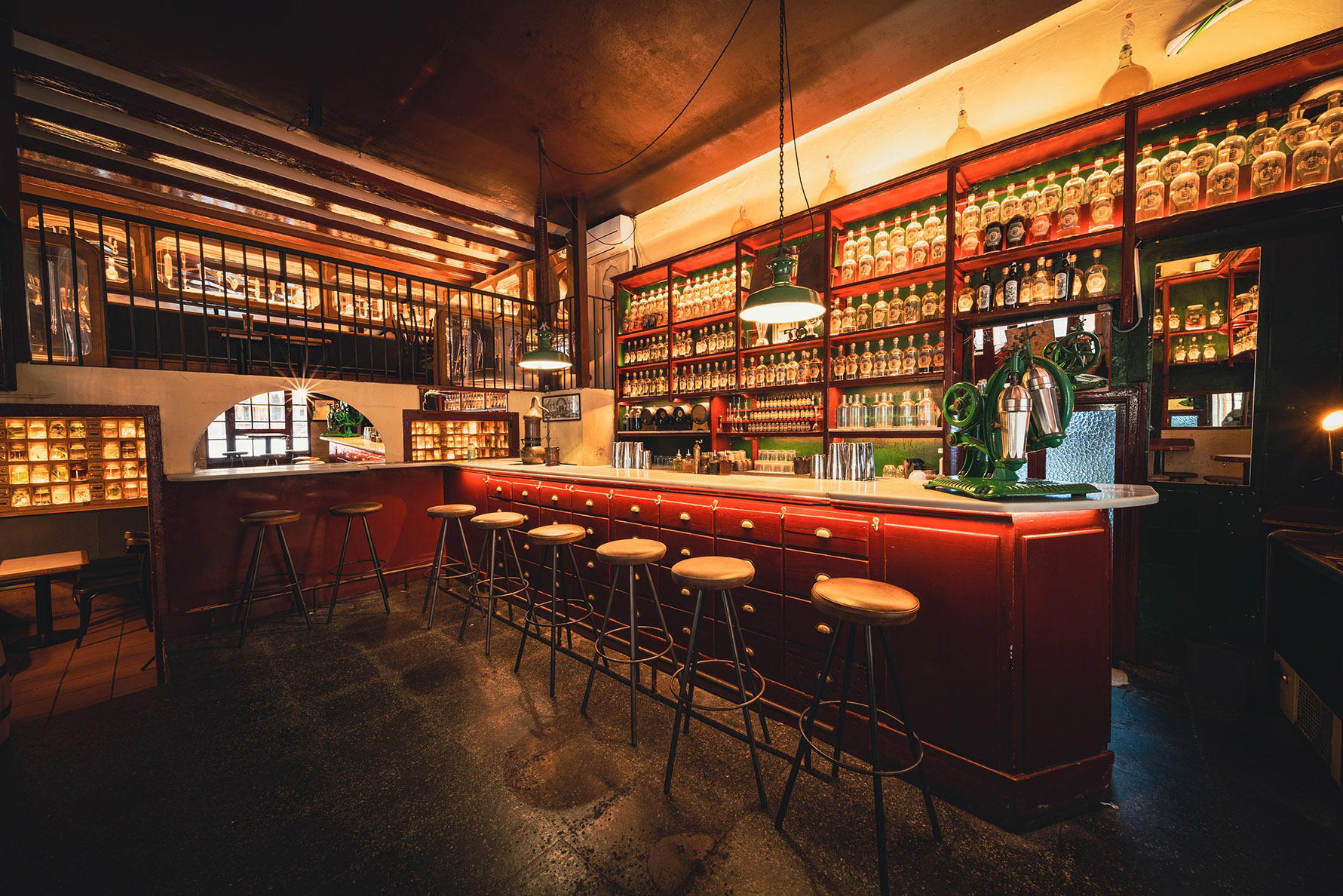
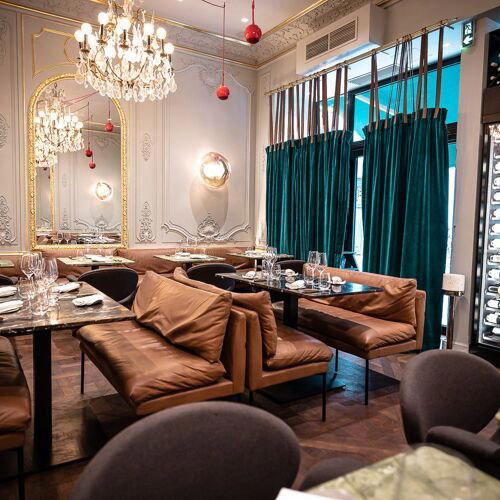
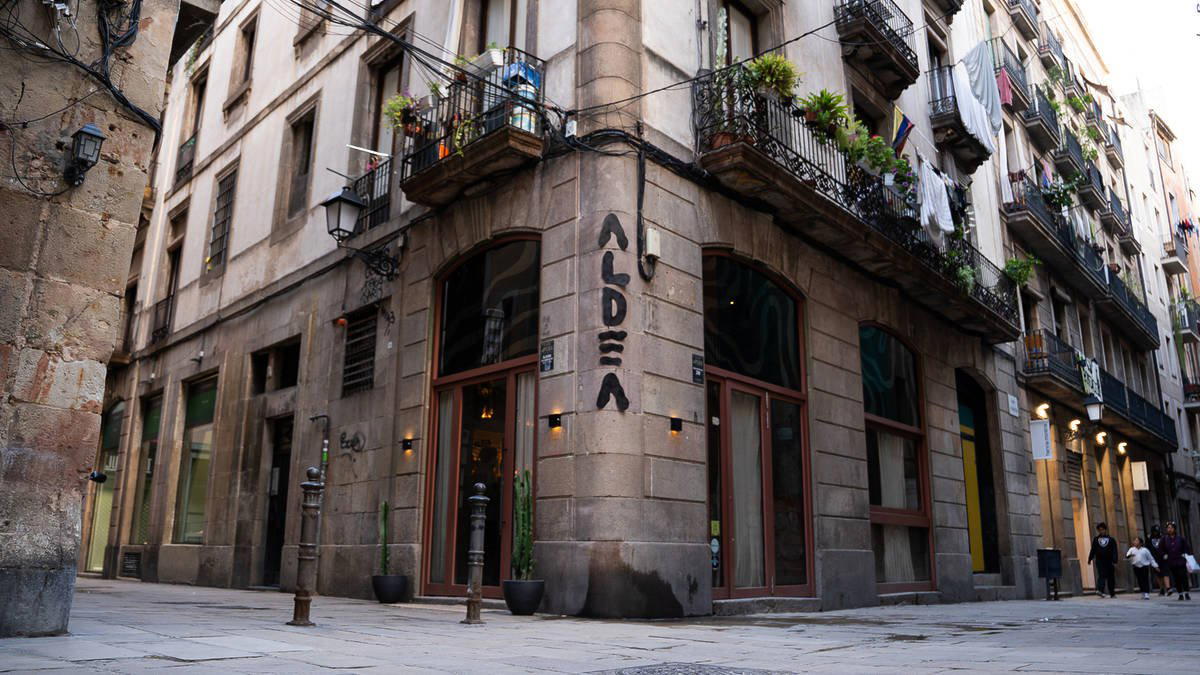
Hotels in Barcelona
Browse all →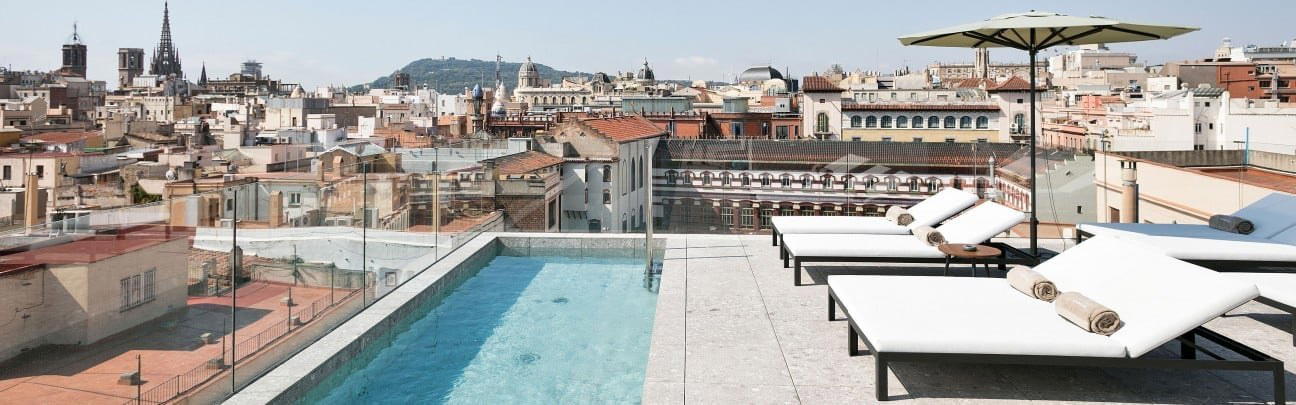
At a Glance
- Cozy
- Intimate
- Date Night
- Special Occasion
- Open Kitchen
- Natural Wine
- Local Sourcing
- Organic
Current opening hours
- Monday
- Closed
- Tuesday
- 1–4 PM
- Wednesday
- 1–4 PM
- Thursday
- 1–4 PM, 8–11 PM
- Friday
- 1–4 PM, 8–11 PM
- Saturday
- 1–4 PM
- Sunday
- Closed
Hours can change for holidays and private events. Last verified .
Cozy, vintage-style with warm lighting and intimate atmosphere.