Euskal Etxea occupies a corner of Plaça de Montcada in Barcelona's El Born, a square that has anchored Basque culture in the city for decades. The bar operates within the Basque cultural centre framework, serving pintxos in a format that mirrors the txoko tradition of San Sebastián more closely than any other Barcelona address. For visitors oriented around Spain's Basque food culture, this is a reference point rather than a detour.
Pearl is the En Primeur Club membership app — saves, bookings, and concierge access live there. Same editors, same standards.
- Address
- Placeta de Montcada, 1, Ciutat Vella, 08003 Barcelona, Spain
- Phone
- +34933102185
- Website
- euskaletxeataberna.com
- Directions
- Get directions
 Saves & bookings on Pearl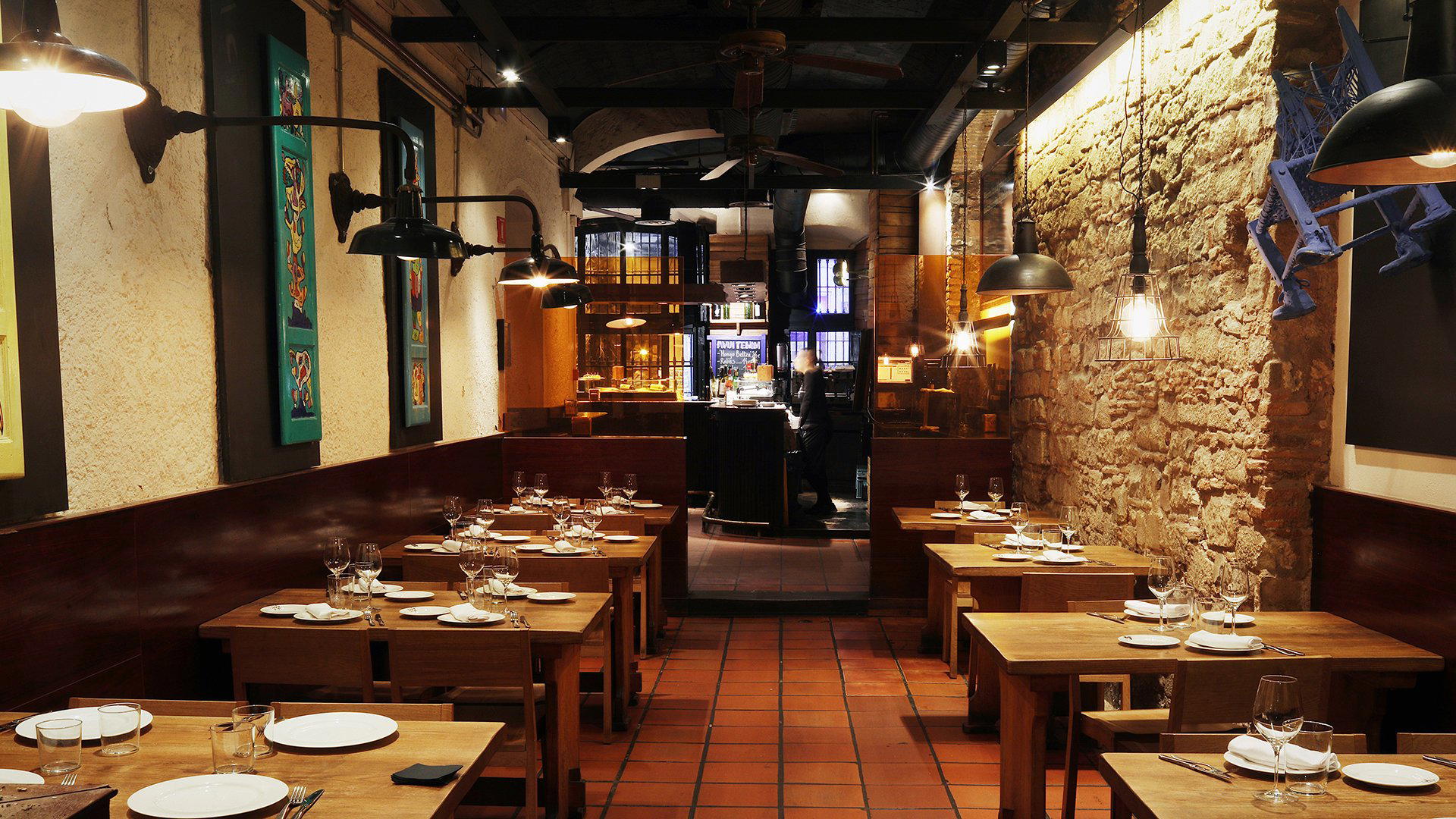
El Born's Basque Enclave: What Plaça de Montcada Tells You About Barcelona's Food Geography
Barcelona's relationship with Basque cuisine is longer and more structural than most visitors realise. The city has absorbed waves of Basque migration since the mid-twentieth century, and that demographic history produced something unusual: a genuine Basque cultural infrastructure in the heart of Catalonia. Euskal Etxea sits at Placeta de Montcada, 1, inside the Basque Country Cultural Centre of Barcelona, and that institutional framing shapes everything about the experience. This is a Basque bar inside the Basque Cultural Centre of Barcelona, in the heart of Ciutat Vella.
El Born, the neighbourhood that contains Plaça de Montcada, has become one of the more contested dining corridors in the city. The streets around the Basílica de Santa Maria del Mar now carry a dense concentration of wine bars, contemporary Catalan kitchens, and international concepts aimed squarely at the design-hotel traveller. Within that context, a bar running on Basque cultural-centre mandate rather than commercial hospitality logic occupies a genuinely different position. The institutional anchor insulates it, to a degree, from the churn that has repositioned much of El Born's food offer over the past decade.
The Pintxo Format and Where It Fits in Barcelona's Eating Habits
Pintxos, the Basque small-plate format built around bread bases loaded with combinations of fish, cured meat, egg, and pepper, operate on different social rhythms from Catalan tapas. In San Sebastián's old town, the format is tied to a specific early-evening circuit where bars refresh their counter displays at set intervals and groups move between addresses. Barcelona has never replicated that circuit with the same density, but Euskal Etxea represents one of the city's most sustained attempts to keep the format intact rather than adapt it for Catalan or international palates.
For context on where Basque culinary tradition sits within Spain's broader dining conversation, the region and its diaspora kitchens have shaped some of Spain's most influential addresses. Arzak in San Sebastián and Mugaritz in Errenteria anchor the formal end of that tradition, while Azurmendi in Larrabetzu and Martin Berasategui in Lasarte-Oria represent the Basque Country's pull on international fine-dining circuits. Euskal Etxea operates nowhere near that tier commercially, but it draws from the same cultural source: the Basque etxea (house) tradition that treats food as communal, place-specific, and resistant to abstraction.
Barcelona's Creative Fine-Dining Tier vs. the Neighbourhood Bar Register
It is worth placing the restaurant clearly within Barcelona's eating hierarchy, because the city's restaurant conversation is frequently dominated by its €€€€ creative tier. Disfrutar, regularly ranked among the world's leading restaurants, and Cocina Hermanos Torres represent the city at its most technically ambitious. Lasarte, ABaC, and Enigma sit in the same premium bracket, each requiring advance reservation and significant per-head commitment.
The restaurant operates in a completely separate register: the pintxo bar, where the transaction is fast, the seating is informal, and the measure of quality is the counter display rather than a tasting menu. These are not competing formats. A visitor to Barcelona who spends one evening at Disfrutar and another at the restaurant is experiencing two entirely different dimensions of the city's food culture, and both are worth the time. For comparison, Spain's Basque-influenced creative tradition also extends south and east: Quique Dacosta in Dénia, Ricard Camarena in València, and Aponiente in El Puerto de Santa María each draw, in different ways, on the Basque kitchen's emphasis on product integrity and technique discipline. El Celler de Can Roca in Girona, DiverXO in Madrid, and Atrio in Cáceres each represent distinct regional high-water marks across the peninsula. None of that changes what the restaurant is, which is a bar running on institutional Basque identity in a medieval Barcelona square.
What the Address Means Physically
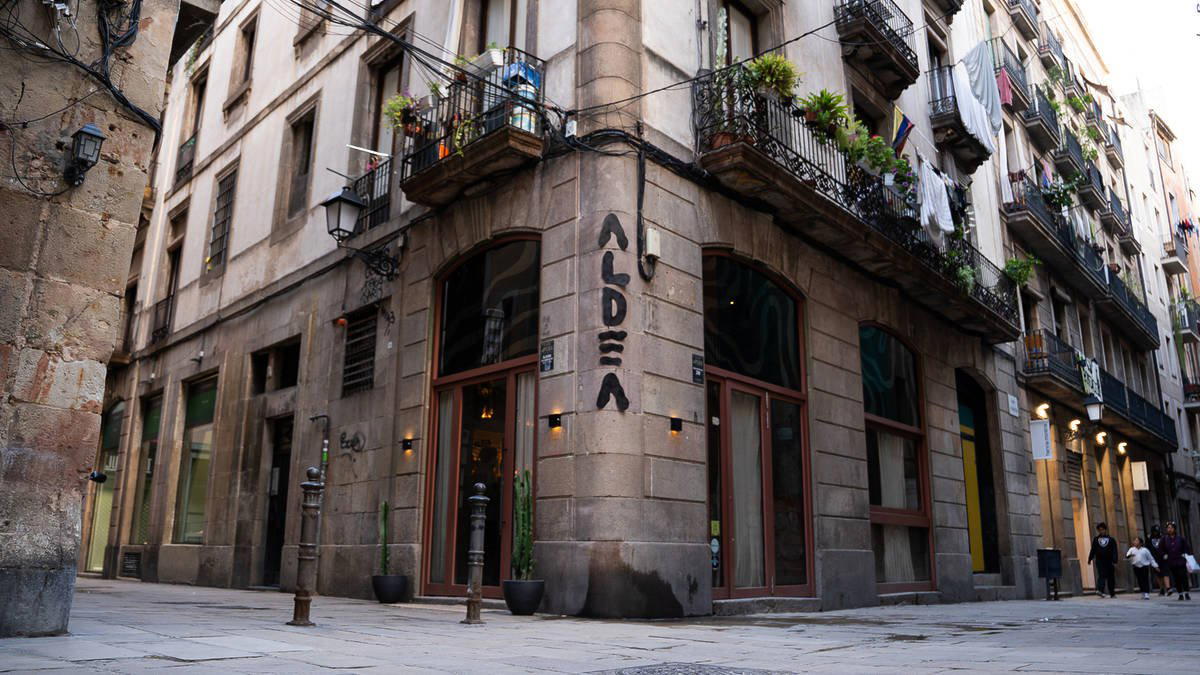
Placeta de Montcada is a small square off Carrer de Montcada, one of the better-preserved Gothic and medieval streets in the city. The surrounding block contains the Museu Picasso and several former merchant palaces converted into cultural spaces. The pedestrian density here is high during tourist season, but the square itself has a compressed, interior character that filters some of that pressure. Arriving on foot from the Jaume I metro station, the walk through Carrer de Montcada takes under five minutes and passes through the kind of streetscape that makes Barcelona's medieval quarter one of the more legible in southern Europe. The physical setting is not incidental to the experience: a Basque cultural centre placed in a medieval Catalan square is a specific kind of cultural overlap, and the address has accumulated meaning over decades of operation.
Planning a Visit
The restaurant is recommended for reservations, though walk-ins are also common. The bar is open daily from 12 PM to 12 AM, and the compact room suits a casual, walk-in visit. Arriving early in a service window gives access to the freshest counter display; the format does not require reservations in the conventional sense, but the physical space is compact.
| Format | Venue Type | Booking Required | Price Register | Leading For |
|---|---|---|---|---|
| The restaurant | Institutional Basque pintxo bar | Walk-in (likely) | Low to moderate | Basque food culture reference |
| Disfrutar | Creative tasting menu | Months in advance | €€€€ | Avant-garde Spanish cuisine |
| Neighbourhood wine bar (El Born) | Catalan natural wine focus | Walk-in or same-day | Low to moderate | Catalan wine exploration |
| Lasarte | Progressive Spanish tasting menu | Weeks in advance | €€€€ | Basque-lineage fine dining in Barcelona |
For a broader map of where the restaurant fits within the city's eating options, see the Barcelona restaurants guide. For international reference points on what an institutionally grounded neighbourhood dining format looks like at different price tiers, Le Bernardin in New York City and Lazy Bear in San Francisco illustrate how culinary tradition and institutional identity can anchor a restaurant's positioning independently of tasting-menu theatre.
Pricing, Compared
Comparable venues nearby, for context on price, style, and recognition.
| Venue | Cuisine | Price | Notes |
|---|---|---|---|
| Euskal EtxeaThis venue — the venue you are viewing | Not listed | $$ | Not listed |
| Cafeteria Fernando | Not listed | $$ | Barri Gotic, Traditional Spanish Tapas & Paella |
| El Pintxo De Petritxol | Not listed | $$ | Barri Gotic, Authentic Basque Pintxos & Spanish Tapas |
| Cafè del Centre | Not listed | $$ | la Dreta de l'Eixample, Traditional Catalan Tapas |
| La Paella de Su | Not listed | $$ | la Dreta de l'Eixample, Authentic Valencian Paella |
| Pepa Tomate Parlament | Sant Antoni, Modern Catalan Tapas | $$ | Not listed |
Continue exploring
More in Barcelona
Restaurants in Barcelona
Browse all →
Bars in Barcelona
Browse all →
Hotels in Barcelona
Browse all →
At a Glance
- Rustic
- Lively
- Cozy
- Casual Hangout
- Group Dining
- Open Kitchen
- Beer Program
- Street Scene
Current opening hours
- Monday
- 12 PM–12 AM
- Tuesday
- 12 PM–12 AM
- Wednesday
- 12 PM–12 AM
- Thursday
- 12 PM–12 AM
- Friday
- 12 PM–12 AM
- Saturday
- 12 PM–12 AM
- Sunday
- 12 PM–12 AM
Hours can change for holidays and private events. Last verified .
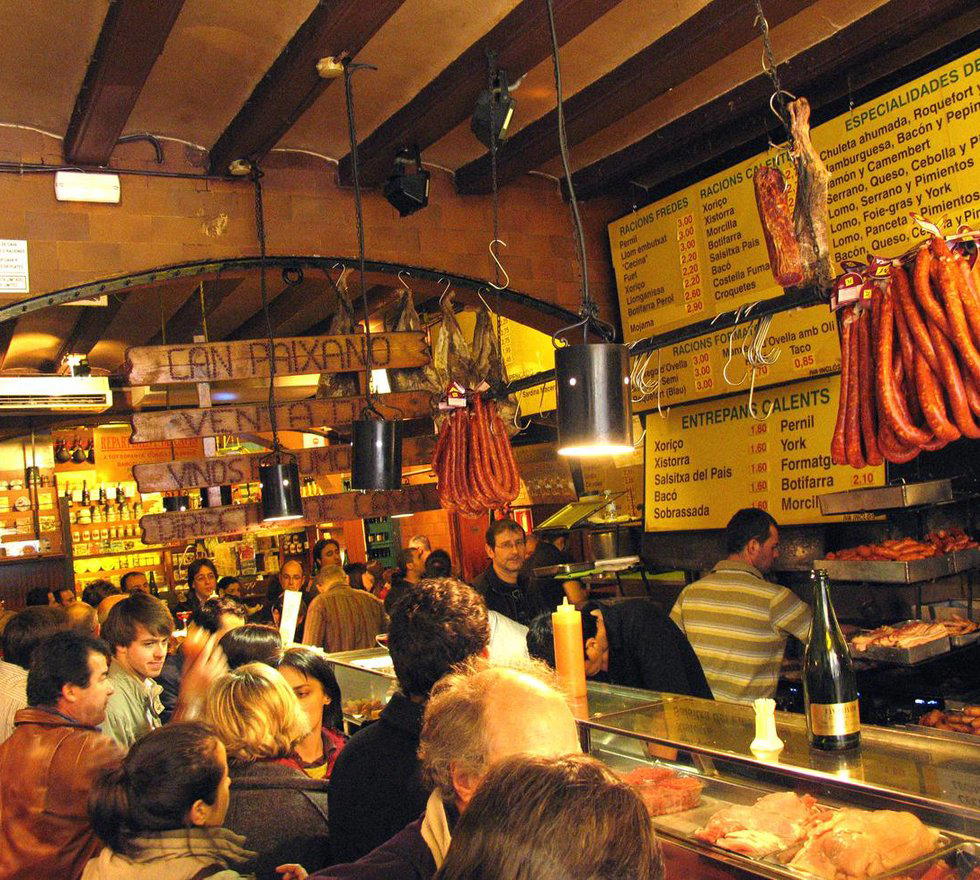
Rustic Basque tavern atmosphere, simple and warm with a lively bar and cozy seating.