La Scarola

La Scarola is a long-running Italian-American fixture on West Grand Avenue in Chicago's River West neighbourhood, operating in a tradition of red-sauce hospitality that pre-dates the city's fine-dining boom. The room trades in the kind of unpretentious familiarity that Chicago's neighbourhood Italian houses do well: close tables, a loyal local following, and cooking anchored in Southern Italian-American convention.
Pearl is the En Primeur Club membership app — saves, bookings, and concierge access live there. Same editors, same standards.
- Address
- 721 W Grand Ave, Chicago, IL 60654
- Phone
- +13122431740
- Website
- lascarola.com
- Directions
- Get directions
 Saves & bookings on Pearl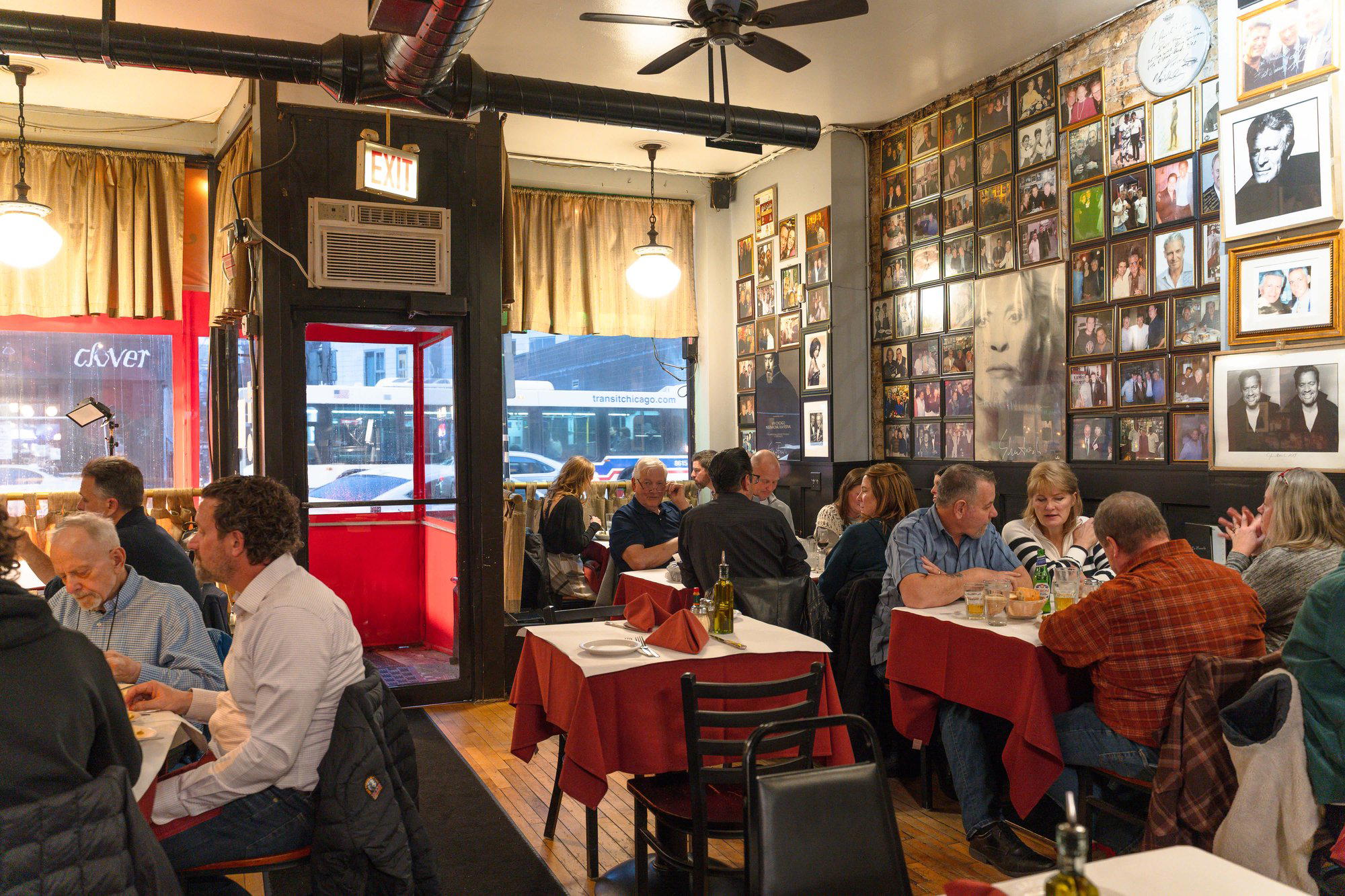
Red Sauce, River West, and the Particular Pleasure of a Room That Hasn't Changed
La Scarola is a Chicago restaurant in River West serving Classic Italian Trattoria fare. West Grand Avenue sits at the edge of River West, a corridor that has absorbed waves of development without losing the low-key commercial character that makes it practical rather than scenic. La Scarola, at 721 W Grand Ave, occupies that corridor in the way that certain neighbourhood Italian houses occupy their blocks across American cities: with a kind of gravitational permanence that owes nothing to press cycles or tasting-menu trends. The room signals this the moment you approach it. The exterior reads as a place that has been feeding people for a long time and expects to continue doing so.
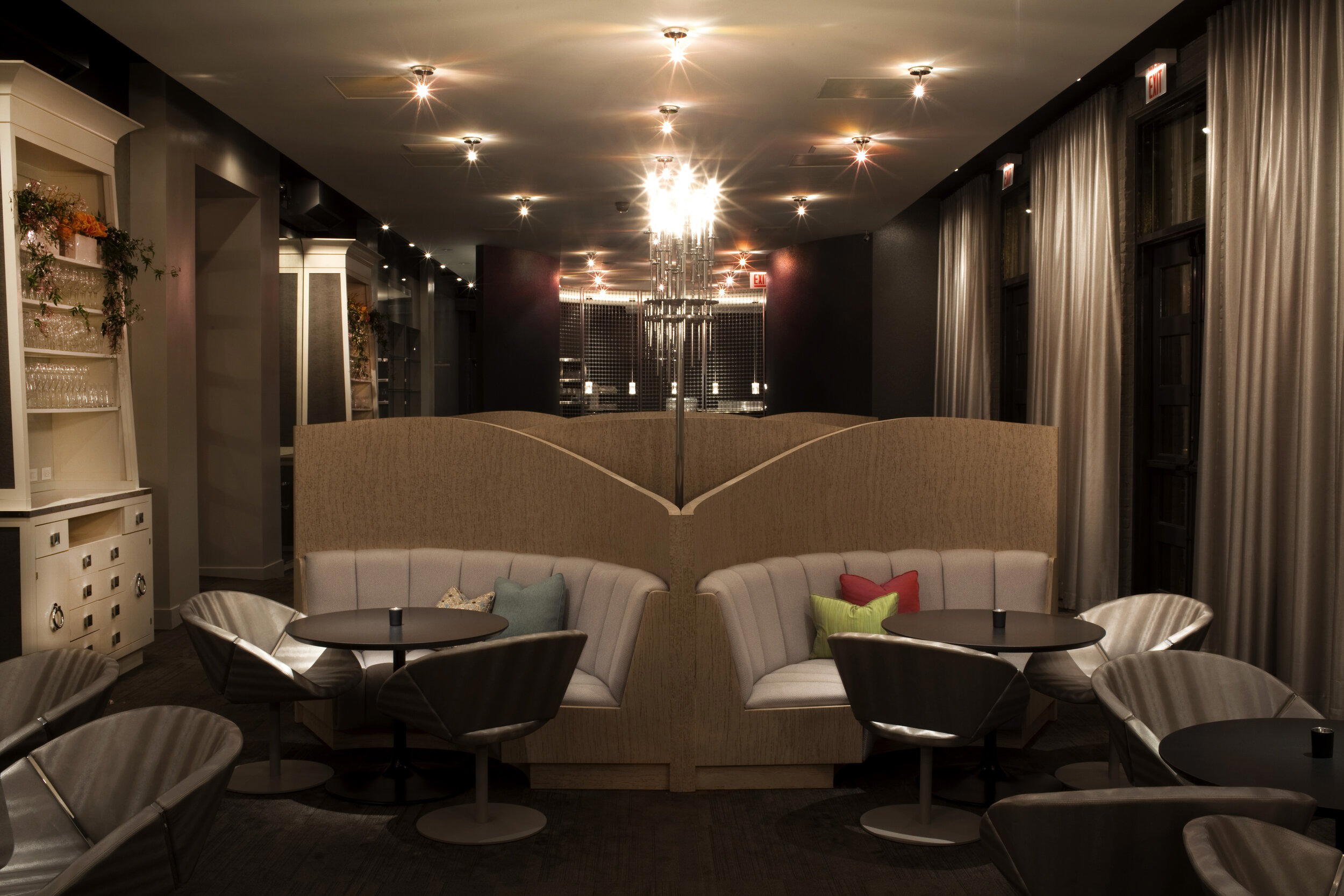
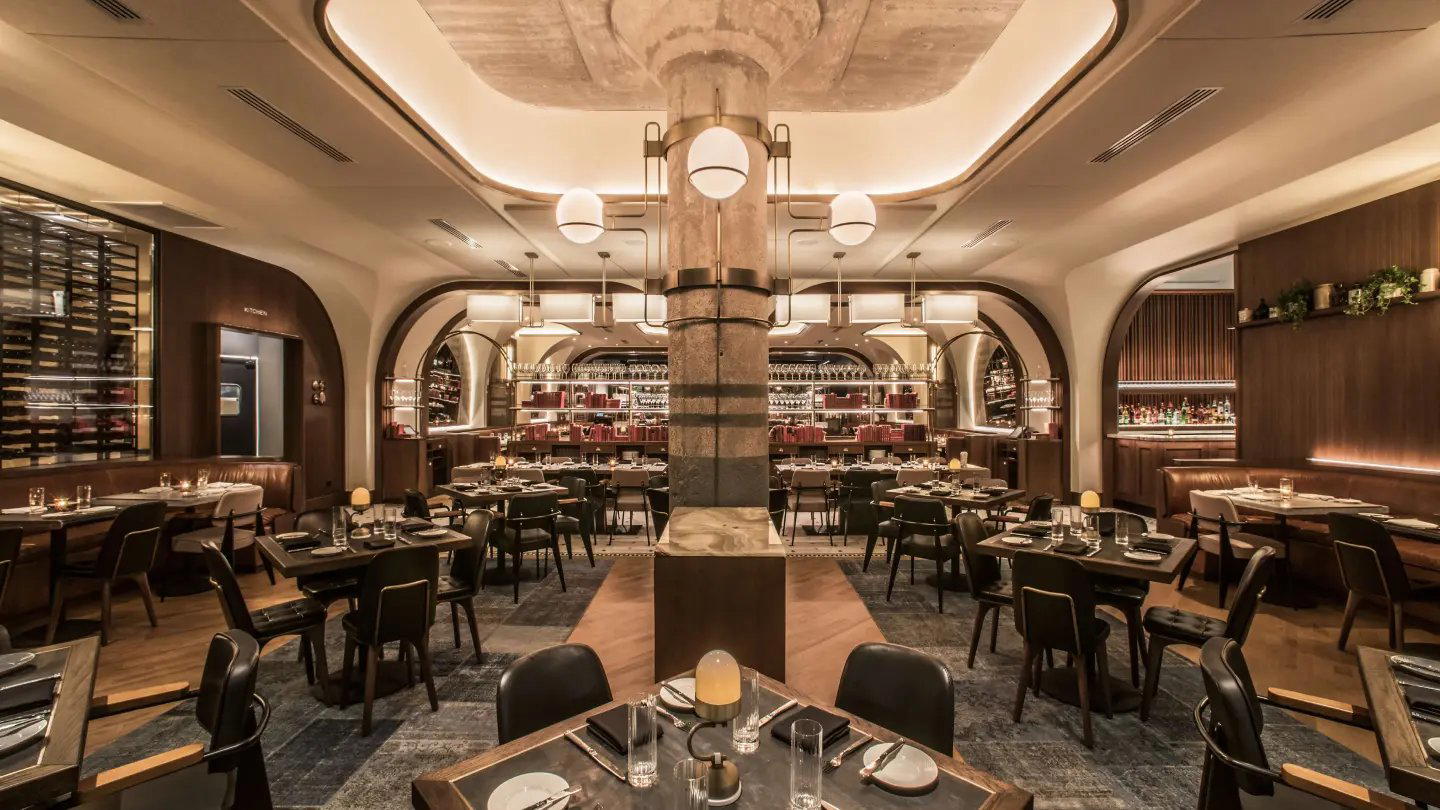
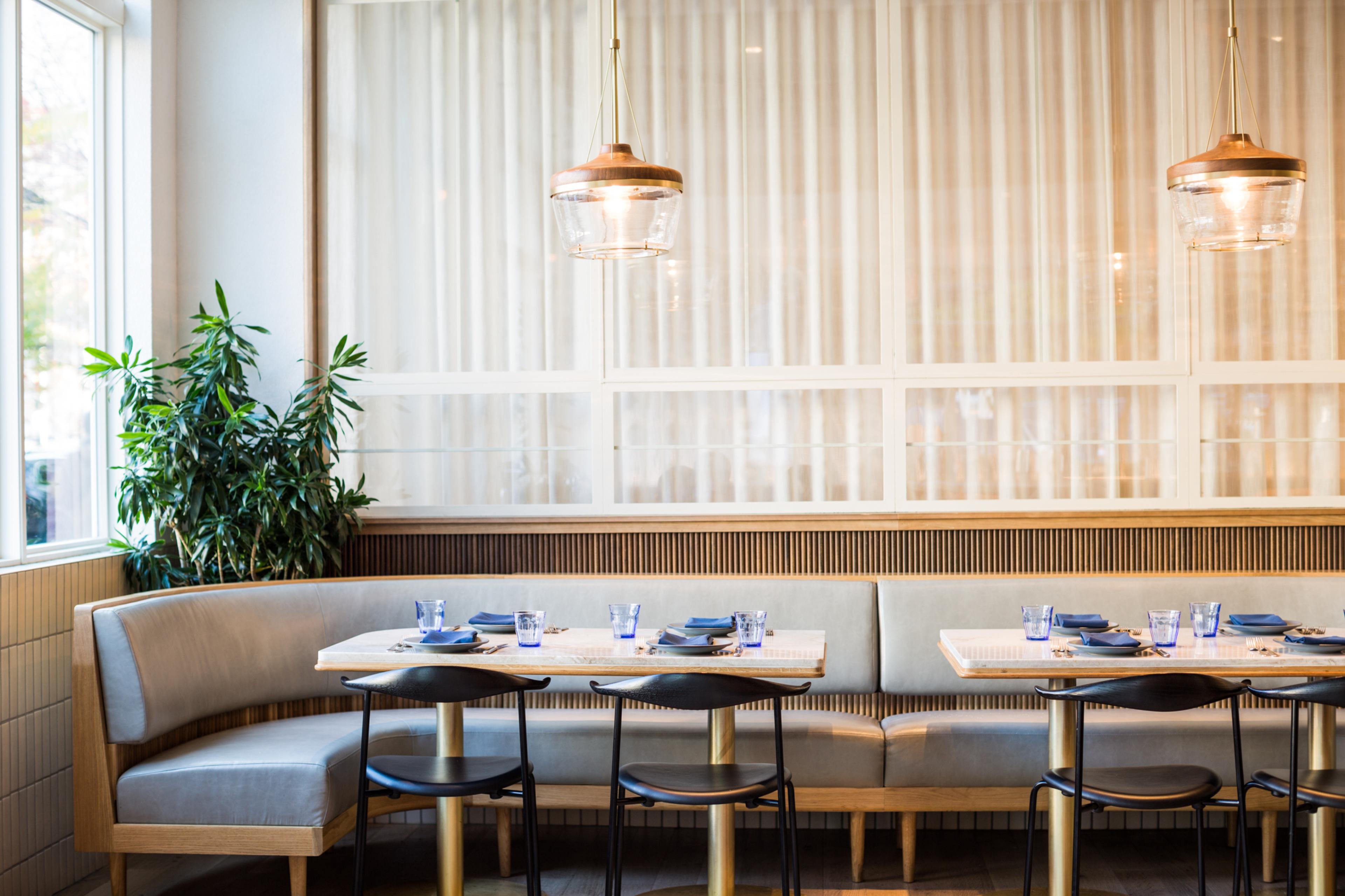
Inside, the atmosphere belongs to a specific and increasingly rare register of American dining. The Italian-American red-sauce house, in its purest form, is a sensory environment defined by compression: tables close enough that neighbouring conversations become ambient texture, the smell of garlic and olive oil carrying from the kitchen before the menu arrives, the sound of a room that has been full since early in the service and expects to stay that way. These are not accidental qualities. They are the product of a dining format that prioritised volume, warmth, and repetition over minimalism and precision, and they produce a particular kind of comfort that the city's newer generation of tasting-menu rooms, places like Alinea, Smyth, and Oriole, are structurally incapable of offering.
The Italian-American Tradition La Scarola Sits Within
Southern Italian immigration to Chicago's Near West Side in the late nineteenth and early twentieth centuries produced a cooking culture that diverged from its origins in predictable ways: proteins amplified, portions scaled upward, tomato sauces deepened with longer cooking times to suit a clientele doing physical labour. The restaurants that emerged from that community became a fixed part of Chicago's identity, distinct from the city's steakhouse tradition but equally load-bearing in its cultural architecture. By the time the contemporary fine-dining era arrived, with Next Restaurant and its rotating concept model and Kasama representing what a $$$$ Chicago room might now look like, the neighbourhood Italian house had settled into a different role: not competition for the tasting-menu tier, but a counterweight to it.
That counterweight function is what places like La Scarola serve in a city's dining ecosystem. They absorb the nights when a regular at a fine-dining room wants pasta and a carafe of house wine without the production. They anchor the blocks that expensive destination restaurants cannot afford to occupy. And they maintain a living record of how a cuisine actually moved through time in a particular city, which is more useful to a serious diner than any curated heritage menu. Compare this with how the Italian-American tradition plays out in other American cities: Emeril's in New Orleans exists in a different idiom entirely, shaped by Creole crossover, while Bacchanalia in Atlanta reflects a Southern-American fine-dining register that has little overlap with Chicago's red-sauce heritage.
What the Sensory Register Tells You About the Room
The editorial angle on the restaurant is the cumulative sensory effect of the environment. Red-sauce Italian houses at their functional peak produce a dining atmosphere that is difficult to replicate in purpose-designed contemporary rooms because the effect depends on density, age, and repetition. The sound of a full service in a room with low ceilings and no acoustic intervention is a different experience from the controlled atmosphere of a ticketed tasting room. The smell of a sauce that has been on since early afternoon communicates something about the kitchen's priorities that a composed plate on white porcelain does not. These are value signals of a different kind, not worse than the signals at The French Laundry in Napa or Providence in Los Angeles, but operating in a completely different register of hospitality.
This is not nostalgia as argument. The point is that a dining room communicates its intentions through its physical conditions as much as through its menu, and the conditions at a long-running neighbourhood Italian house on a working commercial block in River West communicate something specific: that the primary contract here is between the kitchen and a regular clientele, not between a chef and a culinary concept. That contract produces a different kind of reliability. It also produces a different kind of pressure: the room has to perform on volume and consistency rather than on novelty, which is a harder test over time than launching a well-reviewed tasting menu and riding the recognition cycle.
Chicago Italian in Broader Context
Chicago's Italian-American dining tradition is older and more deeply embedded than its fine-dining international profile suggests. While the city's global restaurant recognition has clustered around progressive American cooking and the tasting-menu format, the neighbourhood Italian house remained a parallel infrastructure that never needed awards validation to sustain itself. The contrast is worth holding alongside comparison points elsewhere: Blue Hill at Stone Barns in Tarrytown and Single Thread Farm in Healdsburg both represent a farm-to-table idiom that requires a specific kind of intentional dining decision. The restaurant represents the opposite decision: cooking anchored in convention, where the measure of success is execution of familiar things rather than invention of new ones. Both are legitimate, and a city that only offers one of the two is a city with a narrower dining culture than it claims. Readers building a deeper picture of American dining at this level should also consider Addison in San Diego, The Inn at Little Washington, Lazy Bear in San Francisco, Atomix in New York City, Le Bernardin in New York City, and 8½ Otto e Mezzo Bombana in Hong Kong to understand how different dining traditions create legitimacy through entirely different means.
Know Before You Go
- Address: 721 W Grand Ave, Chicago, IL 60654
- Neighbourhood: River West, Near West Side
- Price tier: $$
- Reservations: Recommended
- Dress code: Smart casual
- When to go: Early weekday service offers one relaxed version of the room; weekend evenings run at full volume
Cost and Credentials
Comparable venues nearby, for context on price, style, and recognition.
| Venue | Cuisine | Price | Notes |
|---|---|---|---|
| La ScarolaThis venue — the venue you are viewing | West Town, Classic Italian Trattoria | $$ | Not listed |
| La Crosta Woodfire Pizzeria Italiana | Not listed | $$ | Lincoln Park, Authentic Italian Woodfire Pizza |
| Zia's Social | Not listed | $$ | Norwood Park, Regional Italian with Modern Twist |
| Vito & Nick's Pizzeria | Not listed | $$ | Ashburn, Classic Chicago Thin Crust Pizza |
| Giordanos | Not listed | $$ | Downtown / The Loop, Chicago-Style Deep Dish Pizza |
| Labriola Italian Specialties | Not listed | $$ | Magnificent Mile, Chicago-Style Italian Pizza and Pasta |
Recognition history
Dated appearances from independent guides and award organizations, with the underlying list record or original source where available.
Diners, Drive-Ins and Dives Featured Restaurant
Diners, Drive-Ins and Dives · 2026 Diners, Drive-Ins and Dives Featured Restaurants
At a Glance
- Classic
- Cozy
- Rustic
- Date Night
- Group Dining
- Casual Hangout
- Historic Building
Current opening hours
- Monday
- Closed
- Tuesday
- 5–11 PM
- Wednesday
- 5–11 PM
- Thursday
- 5–11 PM
- Friday
- 5–11 PM
- Saturday
- 4–11 PM
- Sunday
- 4–10 PM
Hours can change for holidays and private events. Last verified .
Warm and personal atmosphere with friendly staff, evoking classic neighborhood trattoria charm.