Our verdict
La Porte Bellon sits on Rue Bellon in the medieval town of Senlis, roughly 45 kilometres north of Paris, operating in a dining register that rewards visitors looking beyond the capital's well-mapped restaurant circuit. Senlis has long traded on its cathedral and Roman walls; its quieter restaurant scene reflects that same unhurried character. La Porte Bellon is worth the detour for anyone already making the journey into Picardy.

Pearl is the En Primeur Club membership app, where members save venues, book tables and use the concierge.
The menu
What to order
- Picardy-inspired revisited traditional dishes
A Town That Eats on Its Own Terms
Senlis does not perform for visitors. The town's medieval core, its Gothic cathedral rising above streets barely wide enough for two cars, sets the tempo for everything here, including how its restaurants operate. There is no late-night dining culture, no chef-table spectacle culture built for social media, and no pressure to fill a room with noise. La Porte Bellon, on Rue Bellon at the edge of the old town, fits that register. Approaching it, you are already inside one of the better-preserved medieval streetscapes in the Île-de-France region, which frames even a direct dinner as something worth slowing down for.
For context on where Senlis sits relative to France's broader dining map, the most decorated tables in the country cluster in Paris or in deeply rural regions with strong agricultural identities: Mirazur in Menton, Bras in Laguiole, Auberge de l'Ill in Illhaeusern, Flocons de Sel in Megève. Small-town Picardy sits outside that circuit. What it offers instead is a more honest relationship between kitchen and region, without the infrastructure of a destination restaurant to maintain.
The Case for Ingredient-Led Cooking in Picardy
Northern France does not have the same ingredient mythology as Périgord or Provence, but the raw materials of the Oise department are quietly serious. Endive cultivation is deeply embedded in the broader Hauts-de-France region. Game from the Chantilly and Compiègne forests has supplied kitchens in this corridor for centuries. Root vegetables, chicory, leek, and the heavier brassicas of northern climates define what regional cooking here looks like at its most honest. Watercress from the chalk streams of the Paris basin has a particular clarity. Pike and perch from the Oise river have featured in local cooking long before farm-to-table became a category.
The logic of ingredient-first cooking in a town like Senlis is direct: proximity to source replaces the premium supply chains available in Paris. What a kitchen here cannot buy from a specialist distributor, it sources more directly, or it does not serve. That structural constraint, when embraced rather than worked around, tends to produce menus that track the actual season rather than approximate it.
La Porte Bellon sits inside this context. The address on Rue Bellon places it close to the old town's market rhythms and within the regional supply web that has fed Senlis for generations.
Senlis Against the Paris Frame
Most visitors to this part of northern France come through Chantilly, drawn by the château and the racing calendar. Senlis gets a fraction of that traffic despite being the more historically intact town and sitting only a few kilometres further along the same road. That disparity shapes its restaurant scene. Kitchens here are not pricing or pacing for coach parties or day-trippers with two hours between trains. The dining room at La Porte Bellon, like most rooms in Senlis, is sized for the town it serves, which means the experience tends toward the local and the deliberate rather than the theatrical.
For comparison, the Paris end of the spectrum, from Alléno Paris au Pavillon Ledoyen to the broader cohort of Michelin-tracked creative tables, operates on entirely different infrastructure: sommelier teams, sourcing from specialist importers, menus that change weekly rather than seasonally, and price points that position them against international peer sets. Senlis is not that, and does not try to be. The comparison is useful not to diminish what Senlis offers but to clarify why someone leaves Paris for it in the first place.
See our full Senlis restaurants guide for the wider picture, including Le Julianon, which sits in the creative end of the local dining range.
Planning a Meal Here
Senlis is accessible from Paris by road in under an hour from the north of the city, making it a genuine lunch destination rather than an overnight commitment. The A1 motorway and RN17 both run through or close to Senlis; the nearest rail connection with a Paris link is Chantilly-Gouvieux, from which Senlis is a short taxi or bus ride. Visitors combining Senlis with Chantilly or the Compiègne forest have a natural itinerary that justifies the journey without relying on the restaurant alone to carry it.
Arriving without a reservation at a provincial French table of this type is a risk that rarely pays off at lunch.
The broader French restaurant tradition in towns of Senlis's scale is to close one or two days mid-week, to run a shorter service on Sundays, and to observe August with reduced hours or full closure. None of this is confirmed for La Porte Bellon specifically, but the pattern is consistent enough across provincial France that it shapes the planning logic regardless.
For reference, some of France's most discussed tables in comparable small-town settings, such as Auberge du Vieux Puits in Fontjoncouse, Georges Blanc in Vonnas, or L'Oustau de Baumanière in Les Baux, have built booking lead times of weeks or months. La Porte Bellon operates in a less pressurised tier, but the same principle applies: call ahead.
Where La Porte Bellon Sits in the Broader Picture
France's restaurant culture distributes its quality unevenly. The Michelin-tracked tier, represented in the north by Assiette Champenoise in Reims or further afield by Au Crocodile in Strasbourg, captures much of the critical attention, but a denser layer of competent, regionally rooted kitchens operates beneath it, less visible and less expensive, often doing more coherent work with local ingredients precisely because they lack the budget to source globally.
La Porte Bellon sits in that layer. That is not a lesser category. In a country where the everyday bistrot has been eroding for decades, a room that continues to cook and serve with care for its local population is itself a meaningful thing.
For those whose interest in French dining extends to the decorated end of the spectrum, the same northern corridor offers easy access to the Paris tables, from Paul Bocuse's Auberge du Pont de Collonges to contemporary reference points like AM par Alexandre Mazzia in Marseille, Christopher Coutanceau in La Rochelle, and Troisgros in Ouches. La Porte Bellon belongs to a different conversation, but it is not a lesser one.
Frequently asked questions
Is La Porte Bellon good for families?
Senlis itself is a small, manageable town with a medieval centre that suits an unhurried family outing, and La Porte Bellon sits within that context at 51 Rue Bellon. Booking ahead is advisable given the town's limited dining options.
How would you describe the vibe at La Porte Bellon?
Senlis operates at a pace that resists the performative bustle of Paris or Chantilly, and La Porte Bellon reflects that register. The address on Rue Bellon places it within the town's historic fabric, suggesting a room that earns its atmosphere from the setting rather than from designed theatrics. Expect a French provincial rhythm: unhurried, focused on the plate, and oriented toward the serious lunch rather than the occasion dinner.
Is La Porte Bellon worth the trip from Paris as a standalone lunch destination?
Senlis is reachable from the north of Paris in under an hour by road, which puts La Porte Bellon in genuine day-trip range without requiring an overnight stay. The town receives far less visitor traffic than nearby Chantilly, meaning a meal here operates outside the château-tourism circuit entirely. For anyone already in the Oise for other reasons, Chantilly, Compiègne, or the Picardy countryside, Senlis at 51 Rue Bellon represents a more considered dining stop than the alternatives along that route.
What should I eat at La Porte Bellon?
The Oise department produces serious raw materials quietly, game, freshwater fish, and market vegetables from the northern plains, and a kitchen in Senlis working with French technique has obvious seasonal directions to follow. In this part of northern France, that question tends to get an honest answer.
| Venue | Cuisine | Price | Awards | Notes |
|---|---|---|---|---|
| La Porte BellonThis venue (the venue you are viewing) | Authentic French and Picardy Cuisine | $50–100 | Not listed | Not listed |
| Alléno Paris au Pavillon Ledoyen | Modern French Fine Dining | $150–200 | 3 Michelin Stars · World's 50 Best #79 | Creative |
| Kei | Modern French with Japanese Influences | $300–500 | 3 Michelin Stars · World's 50 Best #93 | Contemporary French, Modern Cuisine |
| L'Ambroisie | Classic French Haute Cuisine | $300–500 | 2 Michelin Stars · World's 50 Best #23 | French, Classic Cuisine |
| Le Cinq - Four Seasons Hôtel George V | Modern French Fine Dining | $300–500 | 3 Michelin Stars · World's 50 Best #24 | French, Modern Cuisine |
| Mirazur | Modern French Fine Dining | $300–500 | 3 Michelin Stars · World's 50 Best #1 | Modern French, Creative |
Continue exploring
More in Senlis
Restaurants in Senlis
All restaurants in Senlis →
Bars in Senlis
Browse all →




Details
- Cozy
- Classic
- Quiet
- Rustic
- Business Dinner
- Group Dining
- Special Occasion
- Private Event
- Hotel Restaurant
- Historic Building
- Garden
- Terrace
- Private Dining
- Extensive Wine List
- Local Sourcing
- Garden
- A La Carte
- Regional Wines
- Local Wines
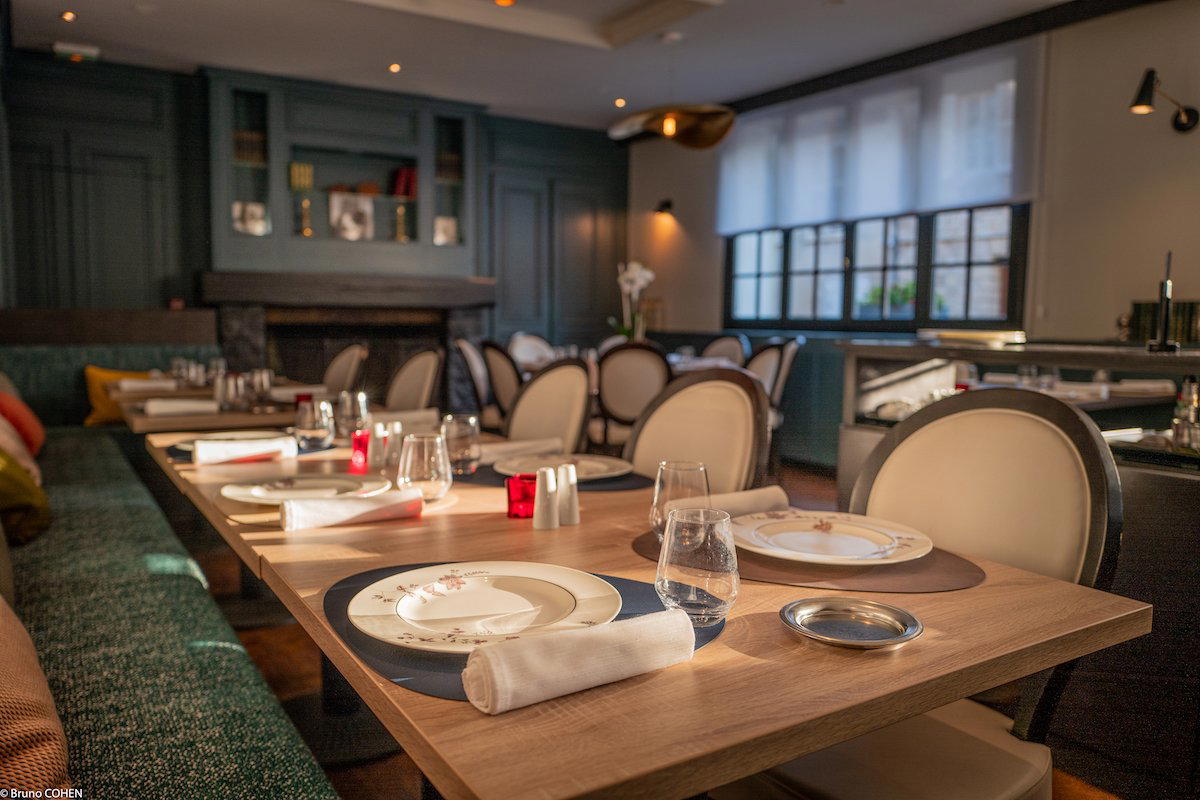
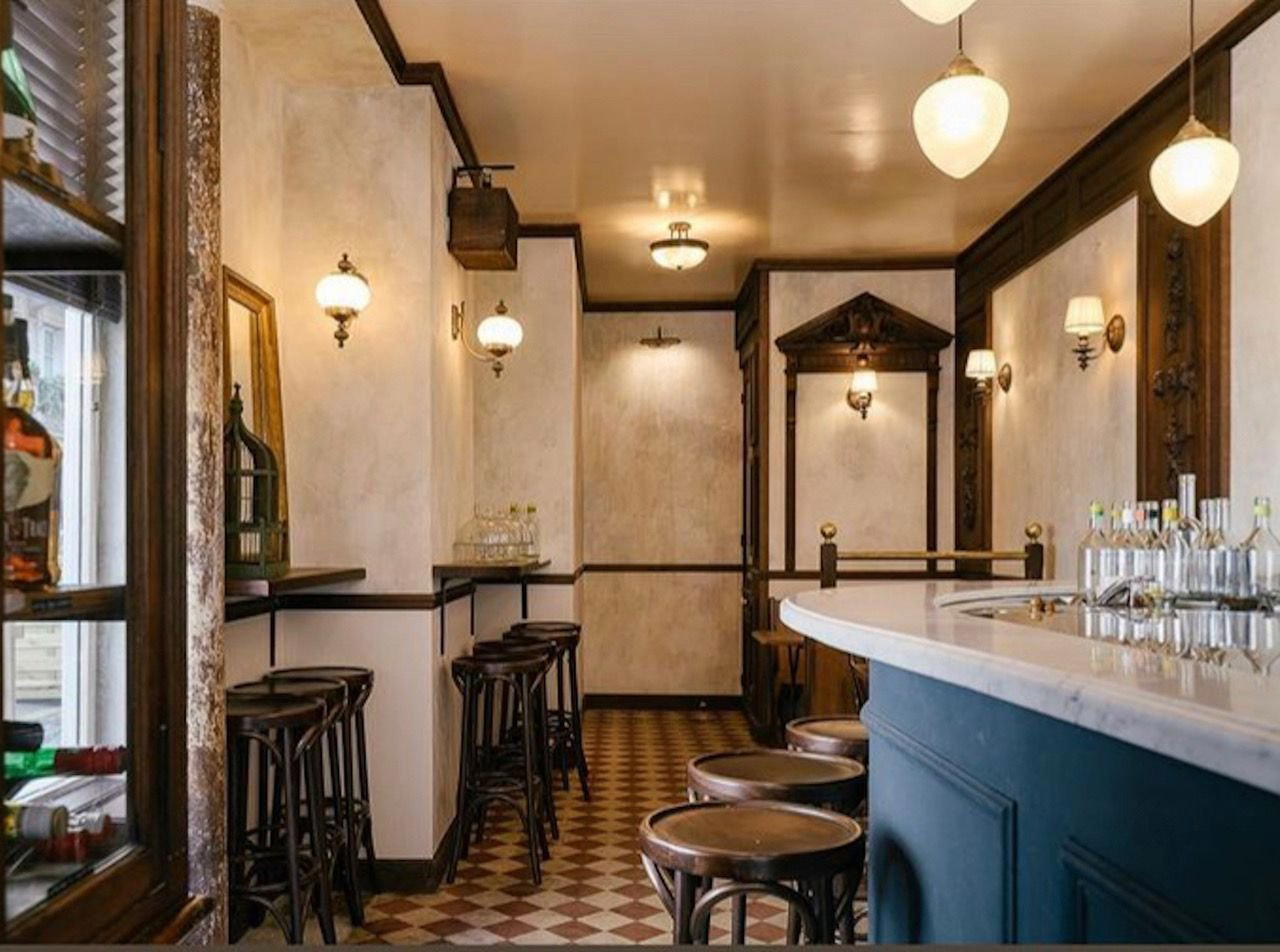
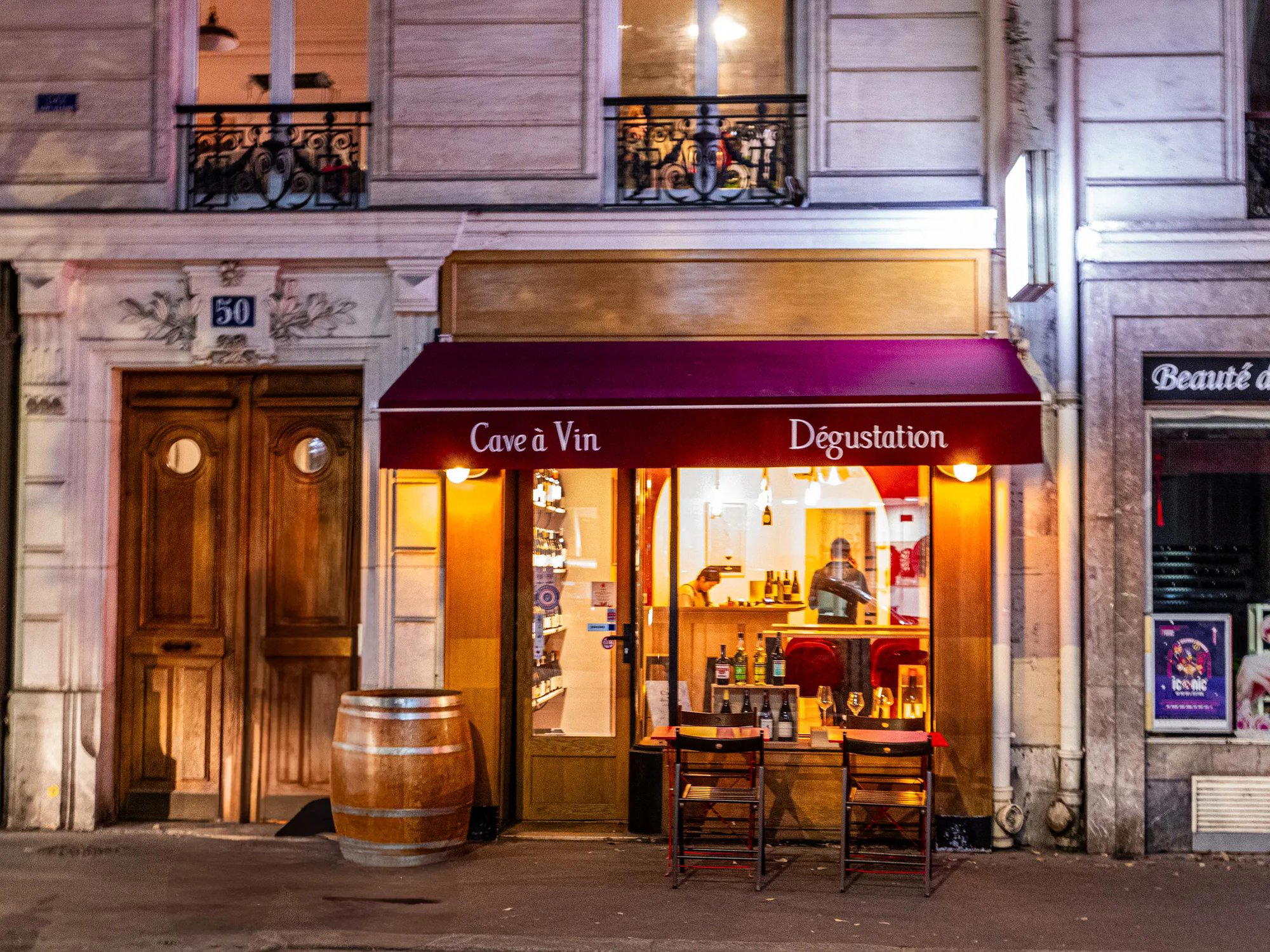
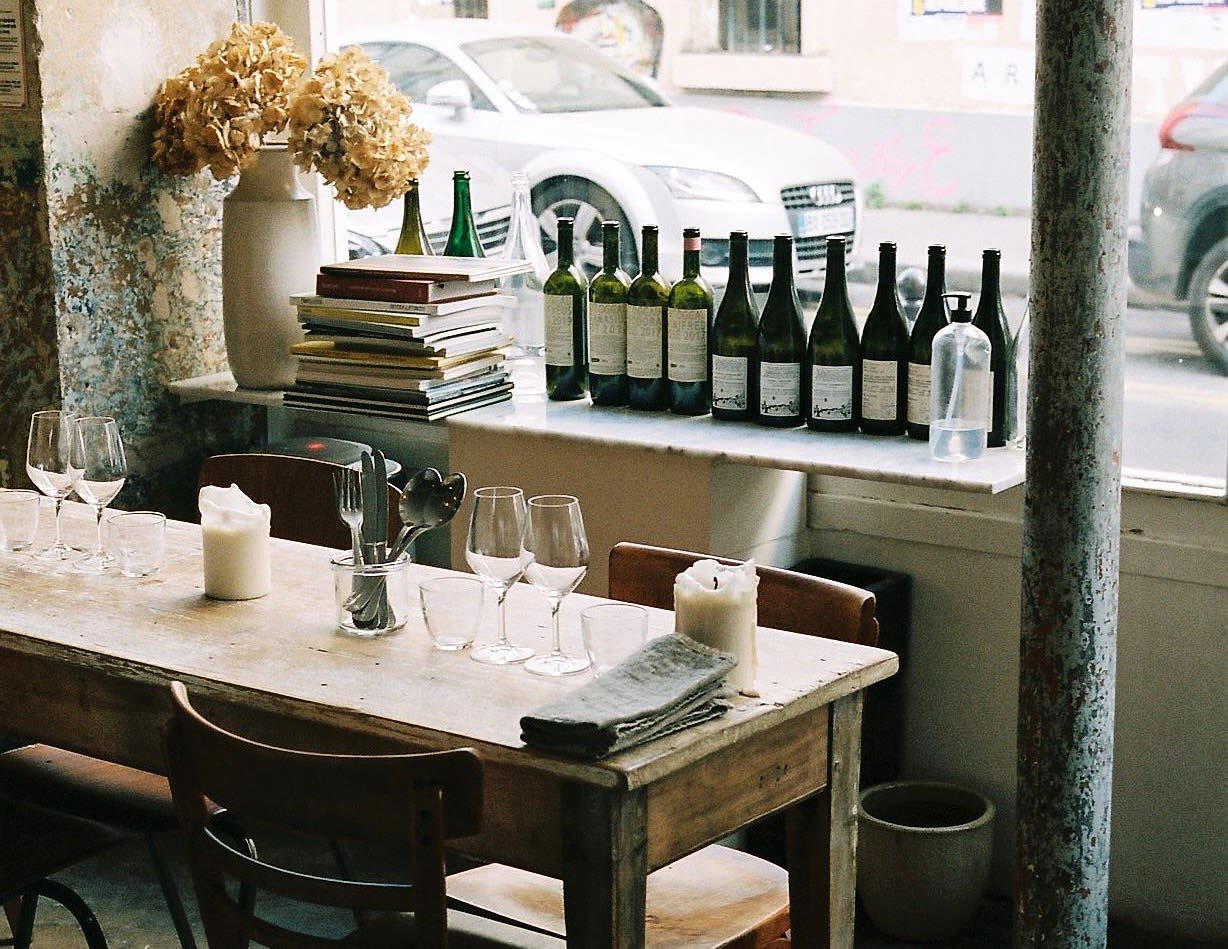
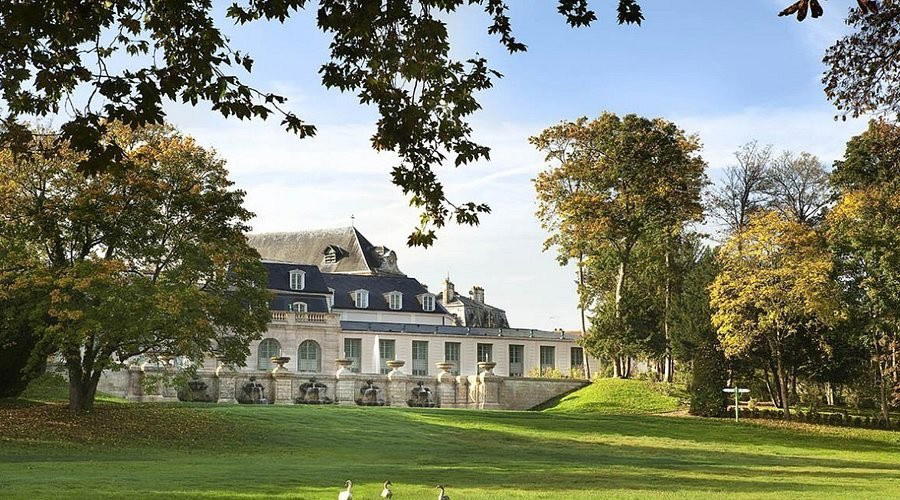
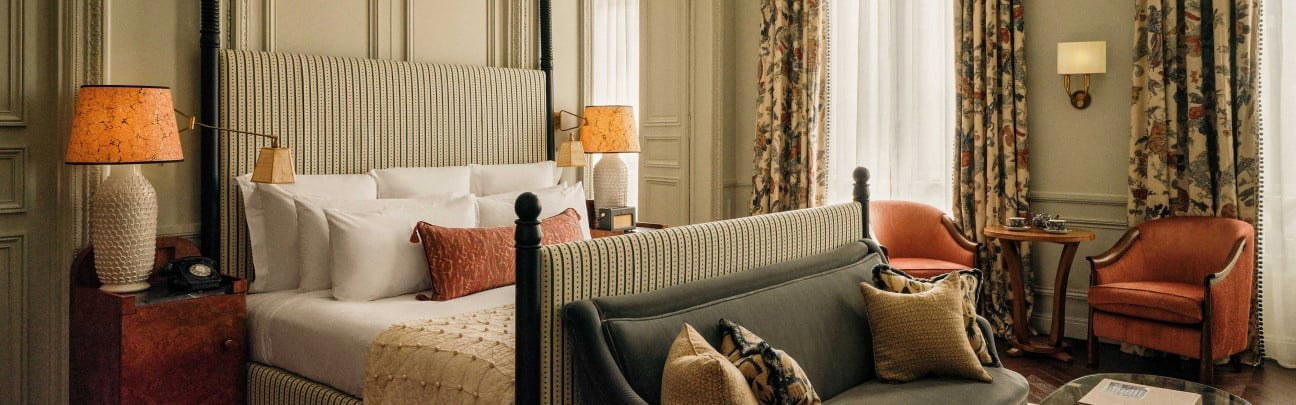
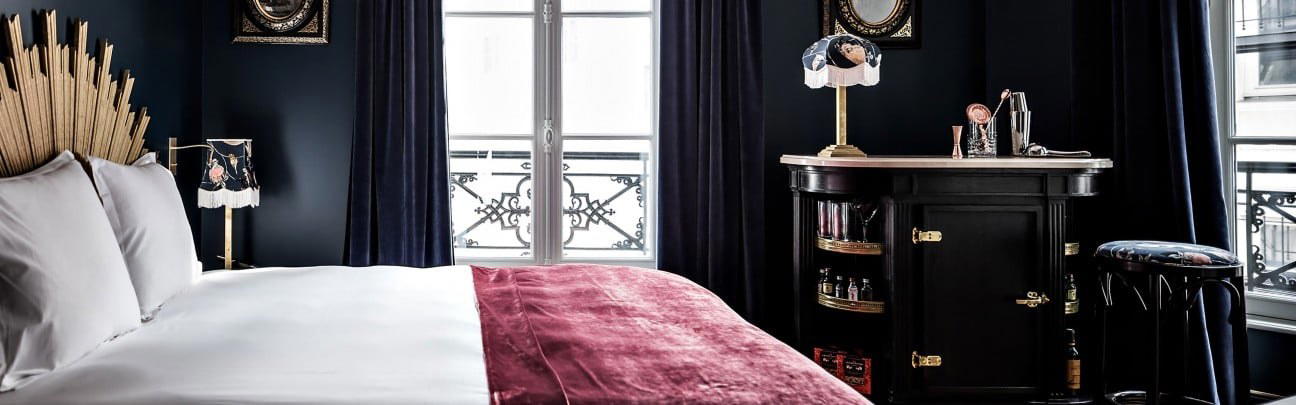
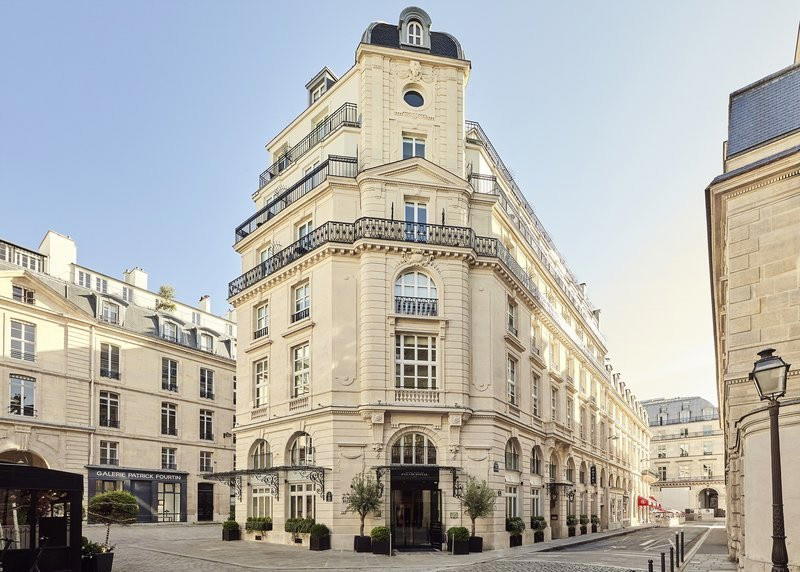
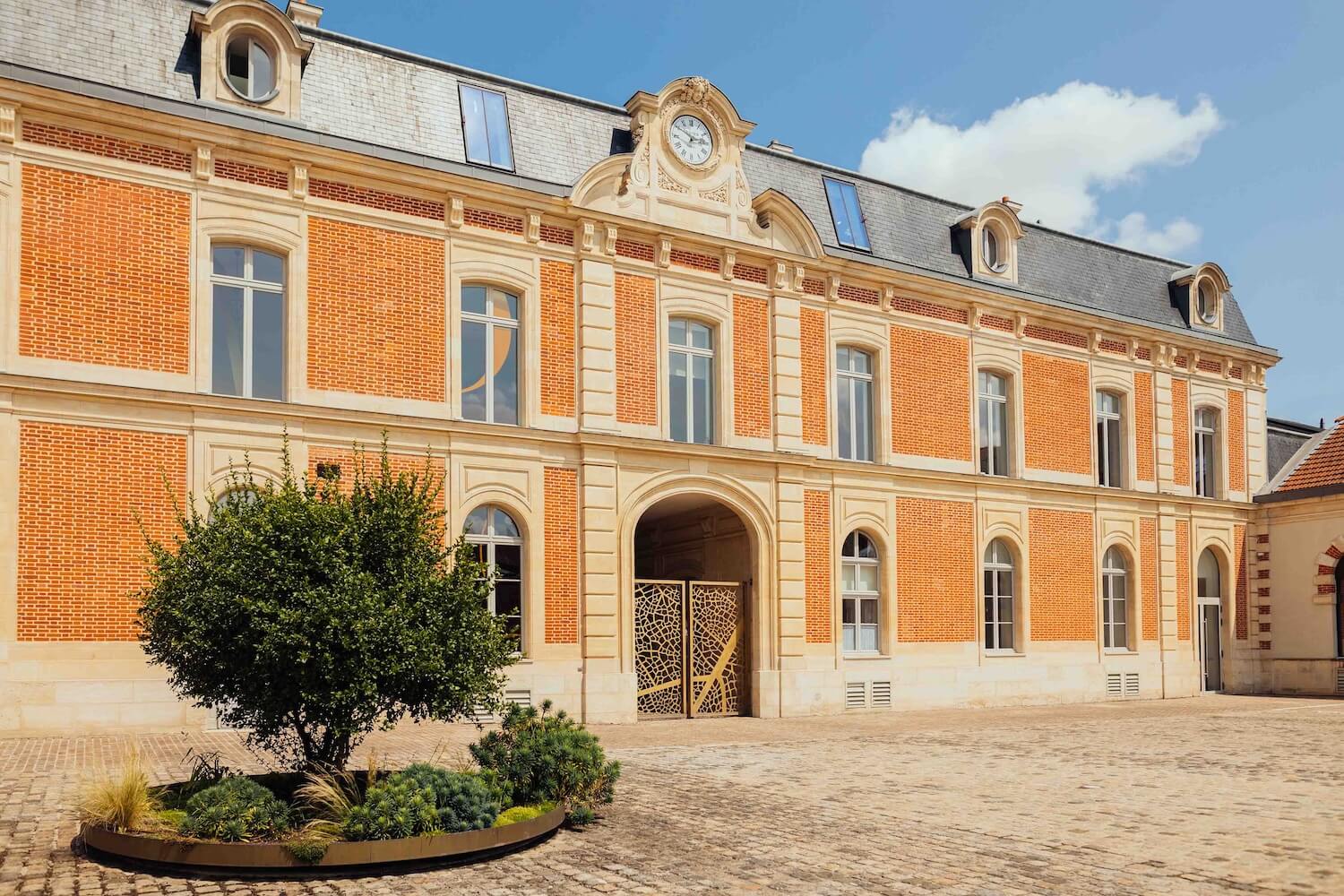
Calm and cocooning, with traditional charm from stonework, patinated wood, a shaded garden, sunny terrace, bright veranda, and a more-than-century-old Gothic cellar.