Positioned on the Place du Marché Saint-Honoré in Paris's 1st arrondissement, L'Absinthe sits within one of the city's most historically layered dining neighbourhoods, where classic bistro craft meets contemporary French technique. The address places it in a comparable set that includes some of Paris's most serious kitchens, yet the scale and setting suggest a more intimate register than the grand dining rooms a few streets away.
- Address
- 24 Pl. du Marché Saint-Honoré, 75001 Paris, France
- Phone
- +33149269004
- Website
- restaurantabsinthe.com
- Directions
- Get directions
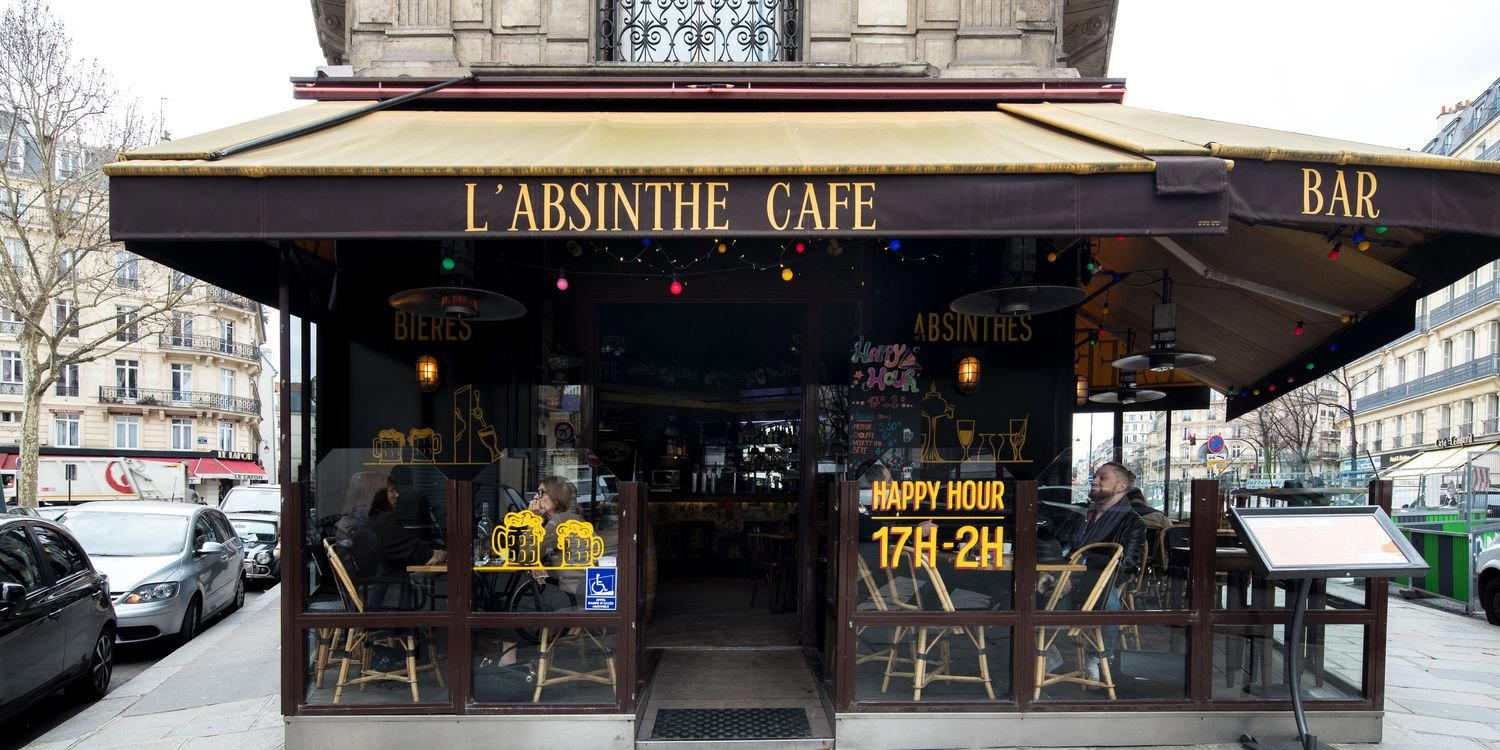
Place du Marché Saint-Honoré: Where the 1st Arrondissement Eats Seriously
The Place du Marché Saint-Honoré occupies an interesting middle ground in Paris's dining geography. It sits close enough to the Palais-Royal and the Tuileries to attract a well-travelled crowd, yet its market-square format keeps it grounded in the kind of neighbourhood rhythm that the more formal addresses along Rue du Faubourg Saint-Honoré deliberately avoid. Restaurants here tend to operate with a different register than the high-ceremony rooms a few hundred metres to the east: the format is more accessible, the room sizes more human, and the expectation is that technique should speak through the plate rather than through the production surrounding it. L'Absinthe, at 24 Place du Marché Saint-Honoré, sits squarely inside that tradition.
The French Kitchen at This Price Point: What the Address Signals
Paris's first arrondissement has long functioned as a proving ground for French cooking that takes classical foundations seriously without retreating into formalism. The neighbourhood's leading tables compete in a dense comparable set. L'Ambroisie, a few minutes' walk toward the Marais, represents the apex of classic French cuisine with its three Michelin stars and Place des Vosges address. Kei, also in the 1st, demonstrates how Japanese precision applied to French product has carved out a distinct position in the city's contemporary dining scene. Alléno Paris au Pavillon Ledoyen pushes toward the creative end of the spectrum near the Champs-Élysées. L'Absinthe occupies a different register within this geography: the scale suggests a kitchen focused on daily execution rather than event dining, which in Paris is not a lesser ambition but a different one.
The broader editorial question for any restaurant in this neighbourhood is how it positions itself relative to the two dominant modes of serious Parisian cooking: the grand institution and the chef-driven contemporary room. L'Absinthe's market-square address places it closer to the latter mode, in the tradition of Paris restaurants where the sourcing and the technique carry the weight rather than the room's physical statement.
Local Ingredients, Continental Method: A Recurring Paris Pattern
The editorial angle that runs through much of the 1st arrondissement's serious cooking is the intersection of French regional produce and technique that may originate far from the source of the ingredients. This is a pattern that defines contemporary Paris dining more broadly. Kei is the clearest example in this neighbourhood: Japanese culinary training applied to French product, resulting in a style that belongs to neither tradition exclusively and is stronger for the synthesis. The same logic appears, in different forms, at Le Cinq at the Four Seasons Hôtel George V, where classic French technique is delivered in a setting shaped by international luxury hospitality standards. And it extends across France: Mirazur in Menton built its reputation on Mediterranean produce filtered through an Argentine chef's perspective, while AM par Alexandre Mazzia in Marseille applies a technique-heavy, globally influenced approach to southern French ingredients.
What this pattern tells a reader deciding where to eat in Paris is not simply that fusion exists, but that particularly interesting rooms in the city are those where a clearly identifiable technical vocabulary meets a clearly identifiable sourcing commitment. When those two elements are in genuine tension or productive dialogue, the cooking is worth paying attention to. The restaurant's Place du Marché Saint-Honoré location places it in a neighbourhood where that standard is the expectation.
France Beyond Paris: The Context Behind the Plate
Understanding what distinguishes a Paris bistro or contemporary French room from its regional counterparts requires some familiarity with the wider French dining tradition. The grandes maisons of the provinces set the standard against which Paris kitchens are inevitably measured. Troisgros in Ouches and Paul Bocuse's Auberge du Pont de Collonges represent the deeply rooted, terroir-anchored end of the French tradition. Bras in Laguiole and Flocons de Sel in Megève show how mountain and plateau ingredients can anchor menus of real technical ambition. Auberge de l'Ill in Illhaeusern and Au Crocodile in Strasbourg demonstrate the Alsatian strand, where Germanic structure meets French finesse. Auberge du Vieux Puits in Fontjoncouse and Assiette Champenoise in Reims round out a picture of French serious dining as a genuinely national project, not a Paris monopoly.
Paris restaurants that earn sustained attention are those that engage with this wider tradition rather than simply reacting to international trends. The 1st arrondissement's leading rooms know their place in the national conversation. For a full picture of where the restaurant sits among Paris's serious addresses, see our full Paris restaurants guide.
International Reference Points
For readers who move between cities and want to calibrate expectations, the contemporary French approach that characterises the leading 1st arrondissement rooms has direct equivalents internationally. Le Bernardin in New York demonstrates how French technique applied to a single product category, in that case seafood, can sustain a position at the summit of a demanding market for decades. Atomix in New York shows how Korean culinary structure, applied to largely French technical frameworks, creates a distinct vocabulary. The lesson across all these cases is that technique without a clear sourcing identity produces menus that could be from anywhere, while sourcing without technique produces menus that rarely sustain serious interest over multiple visits.
Planning Your Visit
The restaurant is located at 24 Place du Marché Saint-Honoré in the 1st arrondissement, within walking distance of the Tuileries garden and the Palais-Royal, and a short distance from the Pyramides and Opéra metro stations. The market-square setting means the area has a different character at lunch versus dinner: midday draws a working neighbourhood crowd alongside tourists, while evenings are more settled. As with most serious Paris addresses in this part of the city, booking ahead is advisable, particularly for weekend evenings when the 1st arrondissement's restaurants fill from a combination of local regulars and visitors staying nearby. Reservations are recommended.
The Minimal Set
Comparable venues nearby, for context on price, style, and recognition.
| Venue | Price | Notes |
|---|---|---|
| L'AbsintheThis venue — the venue you are viewing | $$$ | Not listed |
| Comptoir De Vie | $$$ | 2nd Arrondissement, Modern French Tasting Counter-Bar |
| Les Cartes Postales | $$$ | Louvre/Palais-Royal, French-Japanese Fusion |
| Angelina | $$$ | 1st arrondissement, Classic French Patisserie & Tea Room |
| Café Sud | $$$ | 8th arrondissement (Madeleine), Modern French Bistro |
| Lipp | $$$ | Saint-Germain-des-Prés, Traditional Alsatian Brasserie |
Continue exploring
More in Paris
Restaurants in Paris
Browse all →
Bars in Paris
Browse all →
Hotels in Paris
Browse all →
Wineries in Paris
Browse all →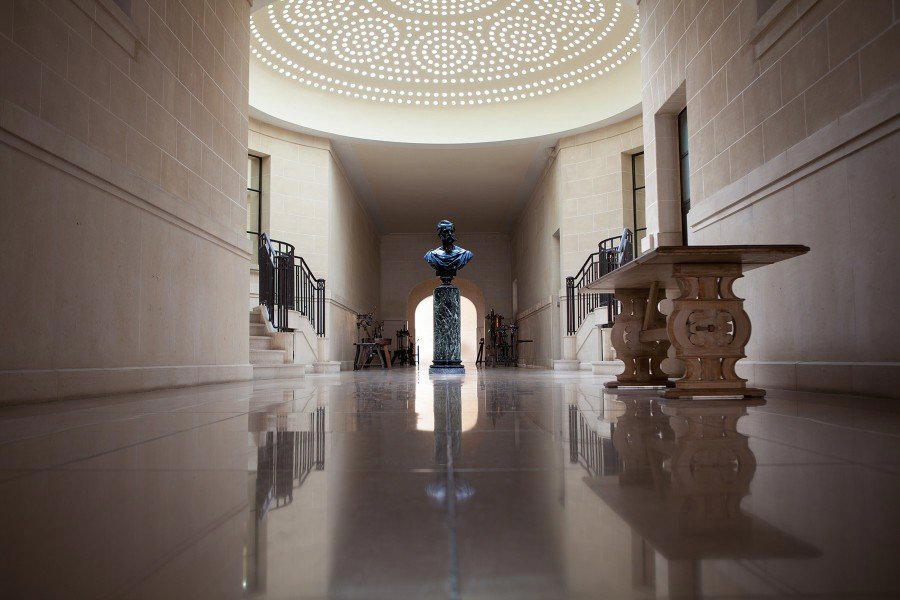
At a Glance
- Cozy
- Elegant
- Classic
- Date Night
- Special Occasion
- Terrace
- Extensive Wine List
- Local Sourcing
- Street Scene
Cozy ambiance with Art Nouveau-inspired decor, warm and friendly atmosphere, and a genteel setting enhanced by sidewalk terrace dining.