Our verdict
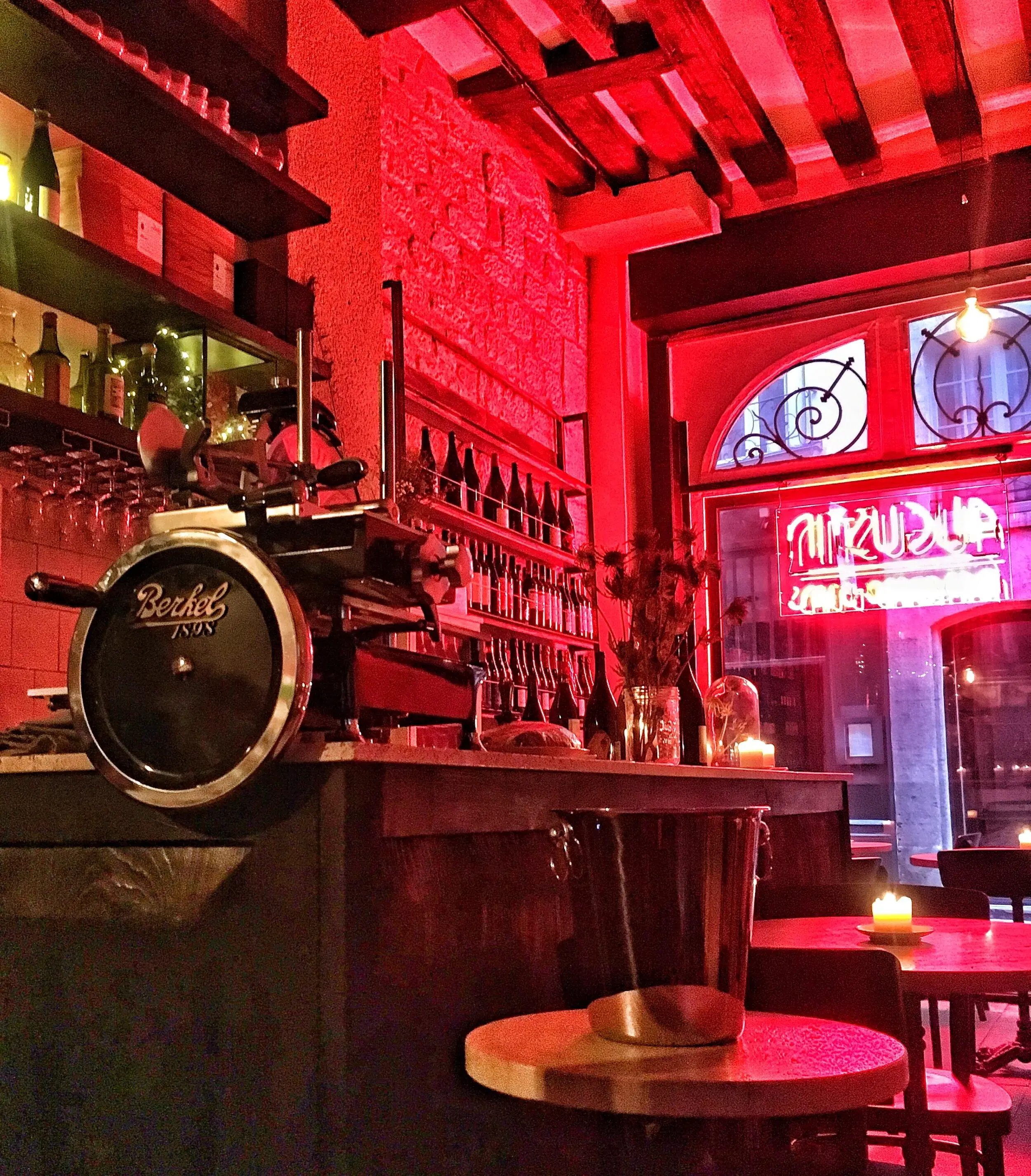
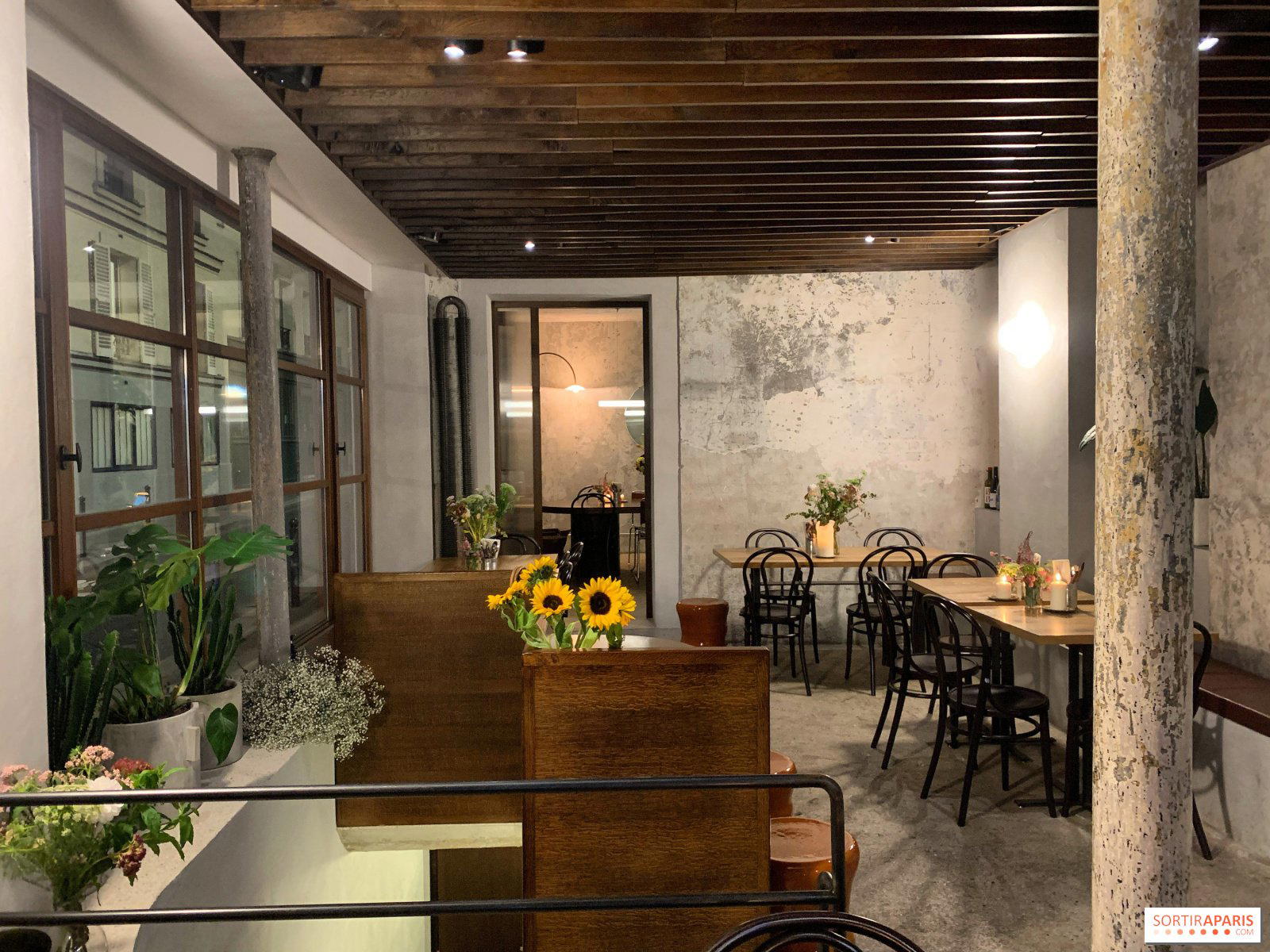
On Rue Jean-Pierre Timbaud in the 11th arrondissement, Bouche Paris occupies a stretch of Paris where neighbourhood bistro culture and a newer generation of kitchen ambition coexist. The address places it squarely in one of the city's most active dining corridors, where the tradition of honest, produce-led cooking remains the standard against which everything else is measured.

Pearl is the En Primeur Club membership app, where members save venues, book tables and use the concierge.
The menu
What to order
- Octopus okonomiyaki with lardo
- Butter-and-cream mushroom raviolo
- Oysters
- Mezcal lime coconut milk slushy
The 11th's Cooking Logic
Rue Jean-Pierre Timbaud runs through the Oberkampf quarter of the 11th arrondissement, a neighbourhood that spent the 1990s as a bar district and the 2010s quietly becoming one of the more interesting places to eat in Paris. The transformation followed a pattern common to several inner-arrondissement corridors: rents that once attracted artists and musicians later made room for a particular kind of chef, one with serious training who preferred a room with forty covers and no tablecloths over a formal address in the 8th. That shift produced a specific dining register, technically grounded, produce-focused, unpretentious in format, that now defines the 11th's culinary identity as clearly as the grand tradition defines the Right Bank's.
Bouche Paris, at number 85 on that street, fits within this broader pattern. The name itself signals intention: bouche, the French word for mouth, is also the root of boucher (butcher) and appears in the classical term bouche à bouche, mouth to mouth, the most direct form of transmission. Whether that etymology is deliberate or coincidental, it points toward a certain kind of cooking philosophy that the neighbourhood has come to represent: direct, without detour, rooted in the materials at hand.
Where the 11th Sits in Paris's Dining Order
Paris dining in 2024 operates across several distinct tiers, and understanding where a restaurant sits within them matters more than any single review. At one end, the grandes maisons of the 7th and 8th arrondissements, addresses like Arpège, Alléno Paris au Pavillon Ledoyen, and Le Cinq at the Four Seasons George V, carry multi-decade reputations and price structures to match. Further along the spectrum, classic establishments like L'Ambroisie on the Place des Vosges hold the old formal register, while addresses like Kei represent a more contemporary interpretation of French technique applied with international influence.
The 11th represents something different: a tier where the cooking ambition can match any of those addresses but the format stays deliberately spare. Tables are close. Wine lists lean toward natural and small-producer. The aesthetic is stripped rather than dressed. For visitors arriving with a fixed budget and an appetite calibrated by the grand restaurant tradition, this can read as casual. For those who understand the neighbourhood's cooking logic, it reads as a statement about where effort and attention are actually directed. The produce-led, bistronomy-adjacent format that defines this corridor is the same current that fed the careers of chefs who now appear in guides covering Mirazur in Menton and Flocons de Sel in Megève.
The Cultural Roots of This Kind of Cooking
French cuisine carries two parallel traditions that are often conflated but operate by different rules. The first is the haute cuisine lineage: Escoffier's brigade structure, the three-star system, the tasting menu as the primary vehicle for ambition. That tradition runs through addresses like Paul Bocuse's Auberge du Pont de Collonges, Troisgros, and Auberge de l'Ill, houses where lineage, ceremony, and the room itself are part of the proposition.
The second tradition is older and less discussed abroad: the cooking of everyday France, where the measure of quality is the quality of the ingredient and the restraint of the hand that prepares it. This is the tradition that produced the Lyon bouchon, the Basque pintxos bar, and, in a more recent urban form, the Paris bistronomy movement that emerged in the late 1990s under figures like Yves Camdeborde. That movement's logic, fine-dining technique applied to accessible, market-driven formats, is now standard across the 11th. Addresses like Bras in Laguiole, Auberge du Vieux Puits in Fontjoncouse, and Les Prés d'Eugénie each represent the regional expression of this commitment to place and produce. The 11th's current generation of kitchens is the urban version of the same impulse.
Bouche Paris sits within this second tradition. The name, the address, the neighbourhood all suggest a kitchen that understands its cultural context and has chosen to operate within it rather than against it. That is not a small thing in a city where the temptation to perform grandeur runs deep.
Visiting: What to Know Before You Go
The 11th arrondissement is accessible from multiple Metro lines, with Parmentier and Couronnes on line 3 both within walking distance of Rue Jean-Pierre Timbaud. The corridor between those two stations concentrates much of the neighbourhood's dining activity, making it practical to treat an evening here as a longer exploration rather than a single-destination visit. For visitors cross-referencing Paris addresses across price tiers, our full Paris restaurants guide maps the city's dining options by neighbourhood and register.
Given the neighbourhood's trajectory and the format typical of kitchens in this tier, it is worth checking directly through the restaurant's own channels for table availability, particularly on weekends when the Oberkampf corridor draws significant foot traffic from across the city. French restaurants in this bracket, compared to the more institutionalised grands restaurants, tend to operate with smaller teams and shorter service windows, so advance confirmation is always the more reliable approach.
For a broader frame of reference on French dining across formats and regions, our coverage extends to Georges Blanc in Vonnas, La Table du Castellet in the south, and international expressions of French culinary influence at Le Bernardin in New York and Lazy Bear in San Francisco.
Frequently asked questions
What part of town is Bouche Paris in?
Bouche Paris is located at 85 Rue Jean-Pierre Timbaud, 75011 Paris, France, Paris.
How does Bouche Paris compare to other restaurants in the 11th arrondissement?
The 11th arrondissement now holds one of the densest concentrations of serious independent cooking in Paris, with Rue Jean-Pierre Timbaud acting as a through-line for much of it. Its Oberkampf address puts several other well-regarded tables within walking distance.
What should I eat at Bouche Paris?
The kitchen at 85 Rue Jean-Pierre Timbaud works within the bistronomy tradition that the 11th arrondissement helped establish: market-led plates built on classical French technique without the formality of a tasting menu format. Specific dishes change with season and availability, so checking current offerings directly with the venue is the most reliable approach.
Should I book Bouche Paris in advance?
Bouche Paris sits on Rue Jean-Pierre Timbaud in Oberkampf, a strip that draws a loyal local crowd alongside visitors who track the 11th's dining scene closely. Tables at smaller neighbourhood restaurants in this quarter fill quickly, particularly Thursday through Saturday evenings. Reserving at least a week ahead is a reasonable baseline.
What do critics highlight about Bouche Paris?
Coverage of Bouche Paris tends to focus on its positioning within the 11th's broader shift from bar district to serious cooking destination, a transition that gathered pace through the 2010s. The address on Rue Jean-Pierre Timbaud places it at the centre of that conversation rather than on the periphery of it.
Can Bouche Paris adjust for dietary needs?
French neighbourhood restaurants operating in the bistronomy format typically have limited kitchen bandwidth for extensive substitutions, since menus are built tightly around what's available that week. Contacting Bouche Paris directly before your reservation is the clearest way to confirm what the kitchen can accommodate on a given service.
Side-by-Side Snapshot
| Venue | Cuisine | Price | Awards | Notes |
|---|---|---|---|---|
| Bouche ParisThis venue (the venue you are viewing) | French Seasonal Small Plates & Natural Wine | $50–100 | Not listed | Not listed |
| Alléno Paris au Pavillon Ledoyen | Modern French Fine Dining | $150–200 | 3 Michelin Stars · World's 50 Best #79 | Creative |
| Kei | Modern French with Japanese Influences | $300–500 | 3 Michelin Stars · World's 50 Best #93 | Contemporary French, Modern Cuisine |
| L'Ambroisie | Classic French Haute Cuisine | $300–500 | 2 Michelin Stars · World's 50 Best #23 | French, Classic Cuisine |
| Le Cinq - Four Seasons Hôtel George V | Modern French Fine Dining | $300–500 | 3 Michelin Stars · World's 50 Best #24 | French, Modern Cuisine |
| Pierre Gagnaire | Avant-Garde French Fine Dining | $200–300 | 3 Michelin Stars · World's 50 Best #17 | French, Creative |