Chez Julien serves classic French brasserie with modern twists in a historic building, with a terrace, street scene views, and an extensive wine list for lunch, dinner, or late night.
Pearl is the En Primeur Club membership app — saves, bookings, and concierge access live there. Same editors, same standards.
- Address
- 1 Rue du Pont Louis-Philippe, 75004 Paris, France
- Phone
- +33142783164
- Website
- chezjulien.paris
- Directions
- Get directions
 Saves & bookings on Pearl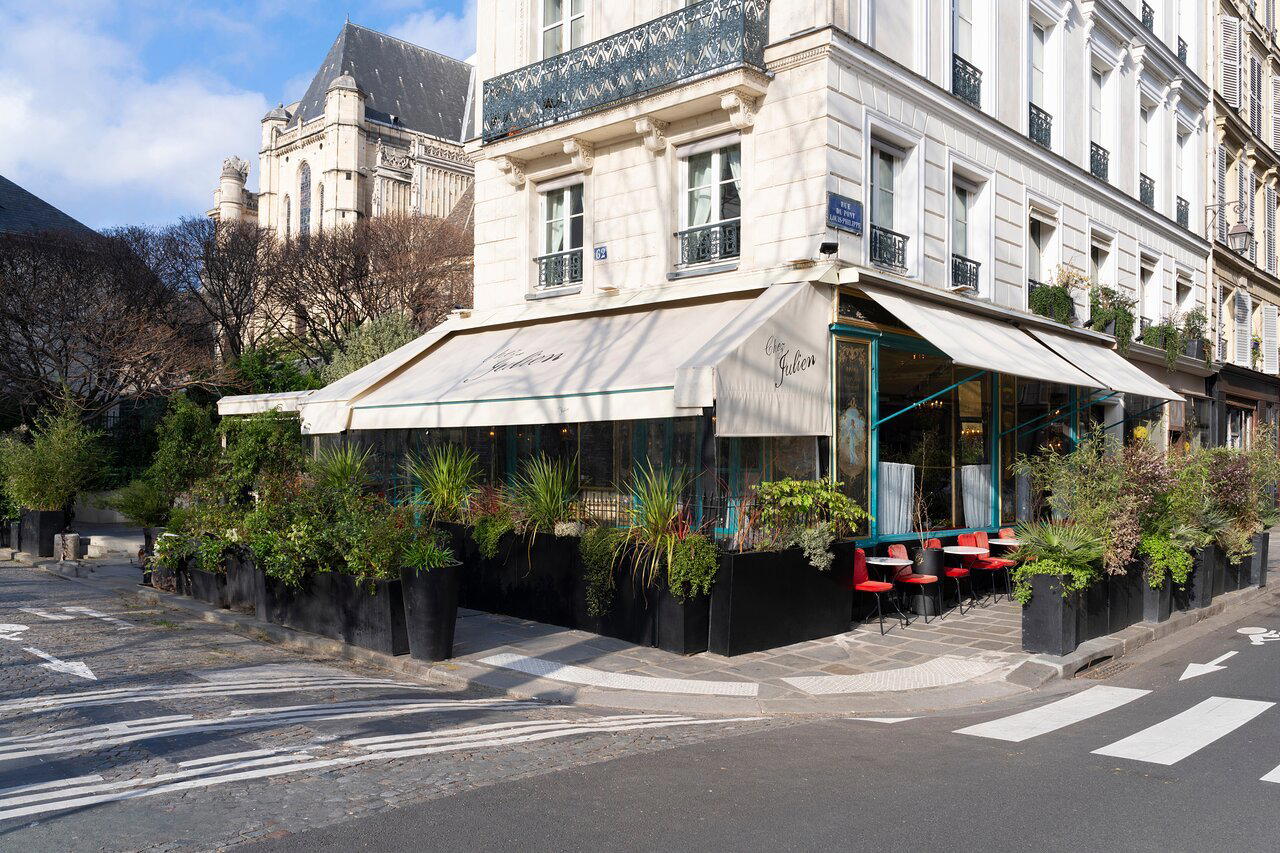
The Seine's Left Bank, Framed in Stone and River Light
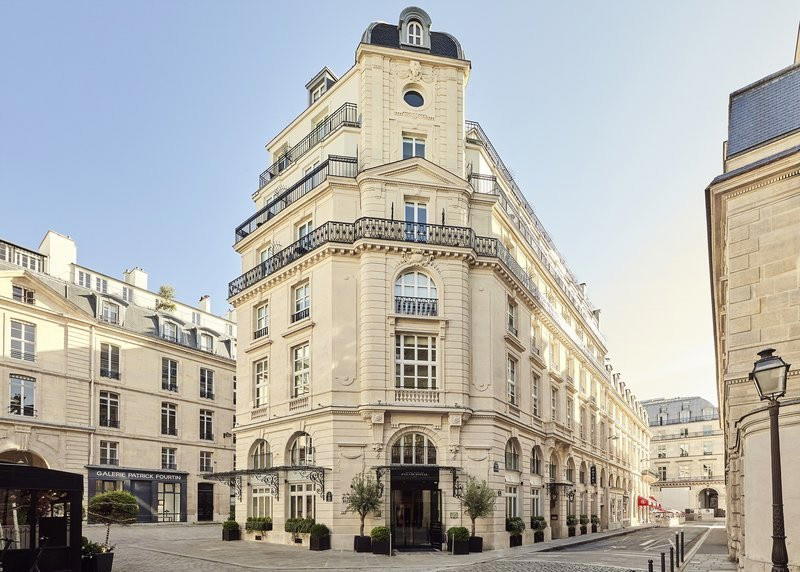
Chez Julien is a classic French brasserie with modern twists in Paris's 4th arrondissement, at 1 Rue du Pont Louis-Philippe; it is a mid-priced table with an average spend of about $50 per person. At the point where Rue du Pont Louis-Philippe meets the quai on the Île Saint-Louis side of the 4th arrondissement, the architecture does much of the work before you reach the door. This stretch of the Marais riverbank still preserves the older, narrower street grammar. The light off the Seine at dusk is part of the appeal here. The city's medieval topography remains legible beneath the stone.
Sourcing as Identity: How the Marais Bistro Tradition Earns Its Authority
French bistro cooking at its most honest has always been a sourcing argument before it is a technique argument. The canonical dishes of this register, from steak tartare to pot-au-feu to a properly made sole meunière, expose their ingredients in ways that grand-cuisine sauces do not. There is no fond to correct a mediocre cut or emulsification to compensate for a dull vegetable. The kitchen's relationship with its suppliers becomes, in a direct sense, the food on the plate.
This matters in a city where the sourcing hierarchy is well established. The grandes tables, places such as Arpège and L'Ambroisie on the nearby Place des Vosges, command first access to the producers who have built reputations over decades: the Breton fishermen, the Lozère lamb farmers, the Île-de-France market gardeners whose names appear on menus as trust signals. The more interesting question, when assessing a neighbourhood bistro of this address and apparent ambition, is whether it draws from the same geographic logic, even at a different price register. Rue du Pont Louis-Philippe sits close enough to the Marché Saint-Paul and within reach of Rungis supply lines. Proximity to those networks matters.
For comparison, the sourcing frameworks used by particularly respected regional French tables, Bras in Laguiole, with its Aubrac plateau foraging identity, or Flocons de Sel in Megève, built around Alpine producers, show how French fine dining has increasingly made geographic specificity the primary editorial statement. The Paris bistro equivalent of that commitment is a menu that changes with the market rather than printing the same twelve dishes across seasons.
The 4th Arrondissement's Restaurant Tier: Where Chez Julien Sits
The Marais and the Saint-Paul quarter have, over the past fifteen years, stratified into a recognisable dining hierarchy. The top tier is anchored by L'Ambroisie, Bernard Pacaud's three-Michelin-star address on Place des Vosges, which prices itself against Paris's absolute upper bracket and books months in advance. Below that sits a second tier of serious, often decorated bistros and brasseries with more accessible price points but genuine culinary intent. Chez Julien, positioned on a Seine-adjacent street in among the more photographed corners of the arrondissement, falls broadly into that second tier in terms of ambition and address.
This is a competitive position to occupy. Visitors to the 4th often arrive with strong prior research, and the neighbourhood's reputation means that even mid-range tables face comparisons with places like Kei, which applies Japanese precision to classical French technique, or the more theatrical formats found further west at Alléno Paris au Pavillon Ledoyen. The bistro format, done with sincerity, holds its own against that field precisely because it offers ease without ceremony.
Classic French Form and the Value of Restraint
The tradition the restaurant operates within has a clear lineage. French classic cuisine, as codified through the auberge and bistro form rather than the palace hotel dining room, earned its authority through repetition and precision rather than innovation. The leading examples of the type, Auberge de l'Ill in Illhaeusern, Les Prés d'Eugénie in Eugénie-les-Bains, Auberge du Vieux Puits in Fontjoncouse, show how the format can maintain its provincial, ingredient-forward identity. The urban bistro draws from the same well, but compresses the format into smaller rooms and shorter menus.
What does not compress, in the leading examples, is the sourcing discipline. A cassoulet made with the correct duck confit from Gascony, a côte de bœuf from a named Norman farm, a cheese course that reflects the affinage traditions of a specific maison: these are the signals that separate a serious bistro from a decorative one. They are also, for a table at this address, the primary reason to return.
For those interested in how French culinary tradition translates across the Atlantic, tables like Le Bernardin in New York City demonstrate what happens when classical French rigour, particularly around fish and sourcing, is applied in a non-French context. The comparison is instructive: the discipline travels; the terroir does not.
Getting There and Planning the Visit
Rue du Pont Louis-Philippe runs directly along the right bank of the Seine in the 4th arrondissement, a short walk from the Pont Marie Métro station on Line 7. The street is pedestrian-scale and narrow, with the river visible from the approach. The neighbourhood is heavily visited on weekends, particularly in summer, when the quais fill with tourists and the tables with reservations. Midweek evenings in autumn and winter offer a noticeably different atmosphere: quieter streets, more local clientele, shorter approaches to the restaurant's physical setting.
Paris's broader dining scene, including the full range of options in the 4th and across the city's other arrondissements, is mapped in our full Paris restaurants guide. Those planning a longer itinerary around French regional cuisine would also find useful context at Troisgros in Ouches, Paul Bocuse in Collonges-au-Mont-d'Or, Georges Blanc in Vonnas, Mirazur in Menton, and La Table du Castellet in Le Castellet. For a contrasting editorial on chef-driven innovation in a non-European context, Lazy Bear in San Francisco is a useful point of comparison for how the communal table format translates outside France.
For a grand-hotel dining experience within Paris that occupies the opposite end of the formality spectrum, Le Cinq at the Four Seasons Hôtel George V sets the benchmark for that tier.
Reputation Context
Comparable venues nearby, for context on price, style, and recognition.
| Venue | Cuisine | Price | Notes |
|---|---|---|---|
| Chez JulienThis venue — the venue you are viewing | Classic French Brasserie with Modern Twists | $$$ | Not listed |
| Restaurant Bachaumont | Modern French Brasserie | $$$ | |
| Chez Françoise | Traditional French Bistro | $$$ | 7e Arr. - Palais-Bourbon |
| 6 New-York | Modern French Bistro | $$$ | 16th Arr. - Passy |
| Le V | Mediterranean Fusion French | $$$ | Étoile |
| Mayo Restaurant | French Bistro | $$$ | Ternes |
Continue exploring
More in Paris
Restaurants in Paris
Browse all →
Bars in Paris
Browse all →
Hotels in Paris
Browse all →




At a Glance
- Classic
- Elegant
- Romantic
- Well Known
- Date Night
- Special Occasion
- Historic Building
- Terrace
- Extensive Wine List
- Street Scene
Current opening hours
- Monday
- 8 AM–11 PM
- Tuesday
- 8 AM–11 PM
- Wednesday
- 8 AM–11 PM
- Thursday
- 8 AM–11 PM
- Friday
- 8 AM–11 PM
- Saturday
- 8 AM–11 PM
- Sunday
- 8 AM–11 PM
Hours can change for holidays and private events. Last verified .
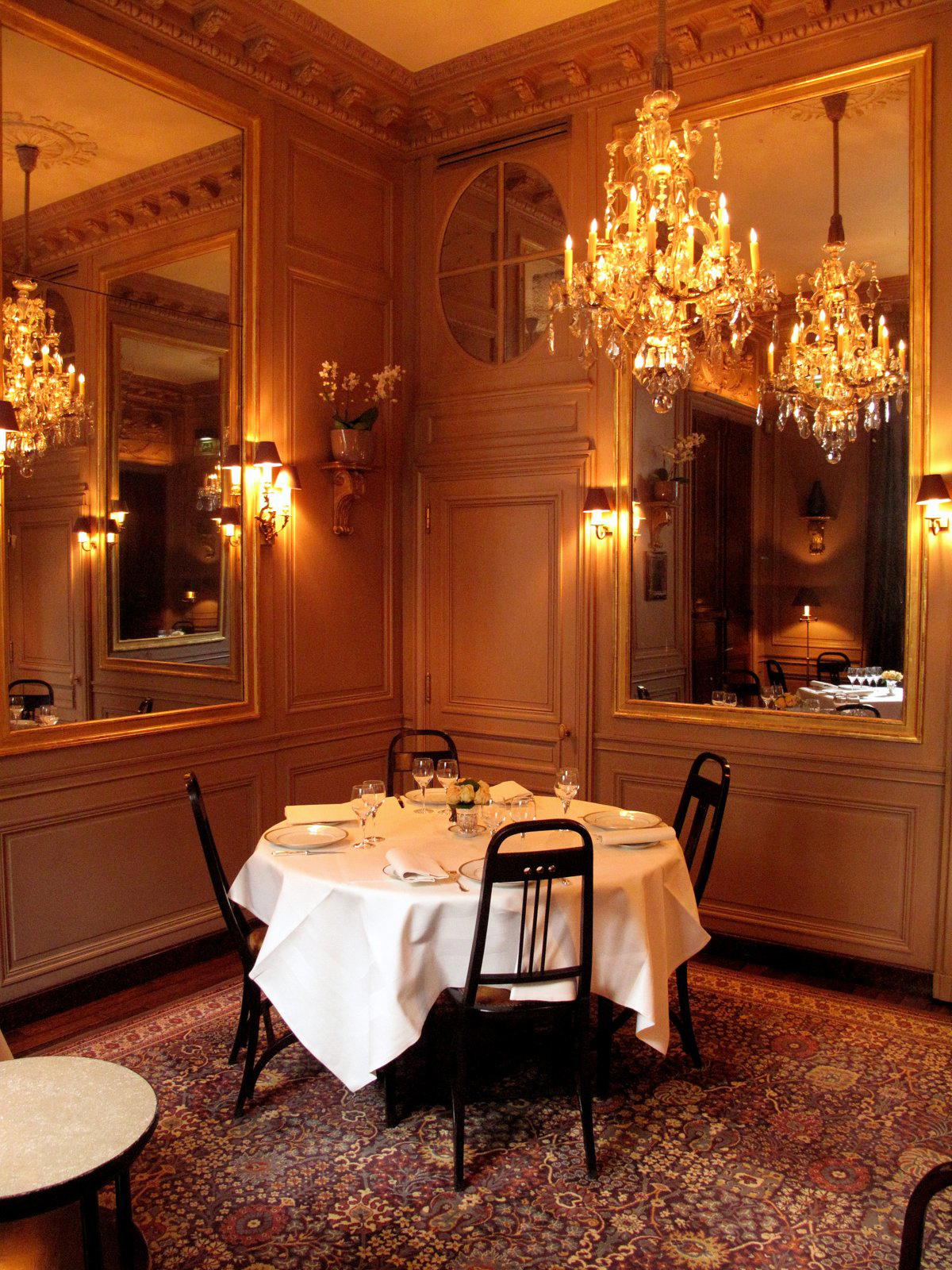
Charming Parisian atmosphere with mirrors, chandeliers, candlelight, and authentic brasserie elegance.