On a quietly compelling street in the old centre of Uzès, La Parenthèse represents the kind of neighbourhood restaurant that provincial French towns do better than almost anywhere else: locally sourced, seasonally driven, and free of pretension. In a town whose market and garrigue terroir set the agenda for what ends up on the plate, La Parenthèse reads as a considered expression of where the Gard meets the table.
Pearl is the En Primeur Club membership app — saves, bookings, and concierge access live there. Same editors, same standards.
- Address
- 1-3 Rue de la Grande Bourgade, 30700 Uzès, France
- Phone
- +33466221106
- Website
- laparentheseuzes.fr
- Directions
- Get directions
 Saves & bookings on Pearl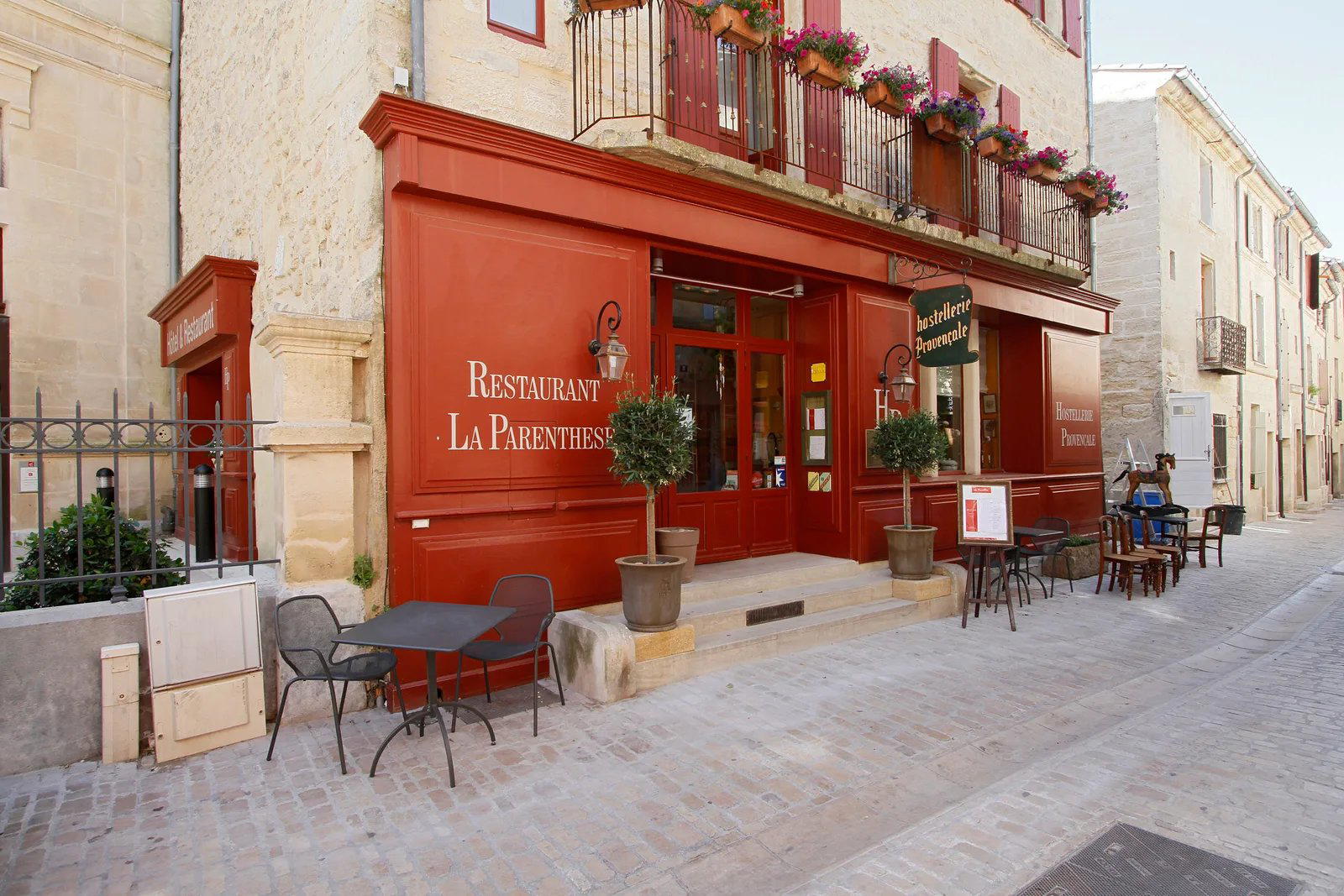
Where Uzès Sets the Table
There is a particular quality to eating well in a small French town that no amount of Parisian polish can replicate. The towns of the Gard department, with Uzès at their centre, have long understood that proximity to producers is not a marketing position but a practical reality: the garrigue rolls in from the hills, the Rhône valley terraces press olives and grapes, and market stalls in the Place aux Herbes trade on what was harvested days, not weeks, ago. On the Rue de la Grande Bourgade, a short walk from that market square, La Parenthèse is a traditional French market bistro at 1-3 Rue de la Grande Bourgade in Uzès. The address itself is a signal: streets this close to the medieval hub of Uzès carry centuries of commercial and civic weight, and restaurants that endure there do so by serving what the town actually wants to eat, not what a destination concept demands.
The Ingredient Geography of the Gard
To understand what a table like La Parenthèse draws from, it helps to map the immediate larder. Uzès sits roughly equidistant between Nîmes to the south and the Cévennes to the northwest, with the Pont du Gard a dozen kilometres south and the garrigue scrubland pressing in from multiple directions. This geography produces a specific set of ingredients: wild thyme and rosemary that perfume lamb from the Causses; truffles from the Périgord-adjacent limestone country to the north; olives pressed into the assertive oils of the Gard; vegetables grown in the alluvial plains of the Gardon river valley. The Uzès market, held on Wednesdays and Saturdays and regarded as one of the more serious weekly markets in the Languedoc, is the aggregation point for this supply chain. Restaurants in Uzès that orient their menus around the market cycle are operating inside a procurement logic that connects the plate directly to an identifiable landscape within an hour's drive.
This is the sourcing framework that gives Uzès its culinary identity, distinct from the more theatrical provençal registers of Provence proper, and less austere than the Cévennes mountain cooking to the north. It is a cuisine of the in-between: Mediterranean warmth moderated by altitude and garrigue aromatics, with an emphasis on technique that respects rather than obscures the primary ingredient. French regional restaurants that work within this tradition tend to resist seasonal-menu theatrics and instead let the market calendar do the editorial work. La Parenthèse's address places it squarely within this tradition.
Uzès in the Broader French Dining Register
Destination kitchens like Mirazur in Menton, Alléno Paris au Pavillon Ledoyen, or Flocons de Sel in Megève represent one extreme of French culinary ambition, where sourcing becomes a conceptual statement as much as a practical one. At the other end, the French tradition of the serious neighbourhood table, rooted in regional produce and priced for regulars rather than pilgrims, has produced some of the country's most durable restaurants: think the sustained local authority of Bras in Laguiole or the deep regional commitment of Auberge du Vieux Puits in Fontjoncouse. The restaurant operates in neither of those registers. It belongs to the intermediary stratum that sustains provincial French food culture day to day: technically accomplished, market-anchored, and legible to a local clientele that returns regularly rather than once in a lifetime.
Uzès itself has attracted a more international residential population over the past two decades, as northern Europeans and Parisians have bought into the town's medieval centre. This demographic shift has raised the general expectation at local tables without necessarily pushing them toward destination-dining theatrics. Restaurants in this environment need to satisfy both the weekly-lunch regular and the occasional visitor who has read enough to know what the region should taste like. That dual brief produces a different kind of discipline than either pure bistro cooking or aspirational tasting-menu formats. It demands consistency over novelty, and sourcing credibility over technique display.
For visitors arriving by car from Nîmes (roughly 25 kilometres southwest) or from Avignon (around 40 kilometres east), Uzès rewards a half-day or full-day visit structured around the market on Wednesday or Saturday morning, with lunch at one of the town's better tables as the anchor. Those looking for more formal dining in the area have options at La Table d'Uzès and La Maison d'Uzès, both of which operate at a more elaborate register. The restaurant on the Rue de la Grande Bourgade positions itself as a different kind of proposal: less ceremony, more attention to what the week's market actually delivered.
The southern French tradition of the quality neighbourhood table has antecedents across the region. AM par Alexandre Mazzia in Marseille represents what happens when that tradition is pushed toward creative extremes; tables like Auberge de l'Ill in Illhaeusern or Georges Blanc in Vonnas show how deep regional embedding can sustain a restaurant across generations. In a different context entirely, Le Bernardin in New York City and Atomix demonstrate what sourcing-led discipline looks like when transplanted to a major metropolitan market. The point of these comparisons is to locate the logic, not to conflate the ambition: the restaurant's value is precisely that it does not try to be any of those things, but instead serves the particular brief that Uzès in 2024 actually requires.
Planning a Visit
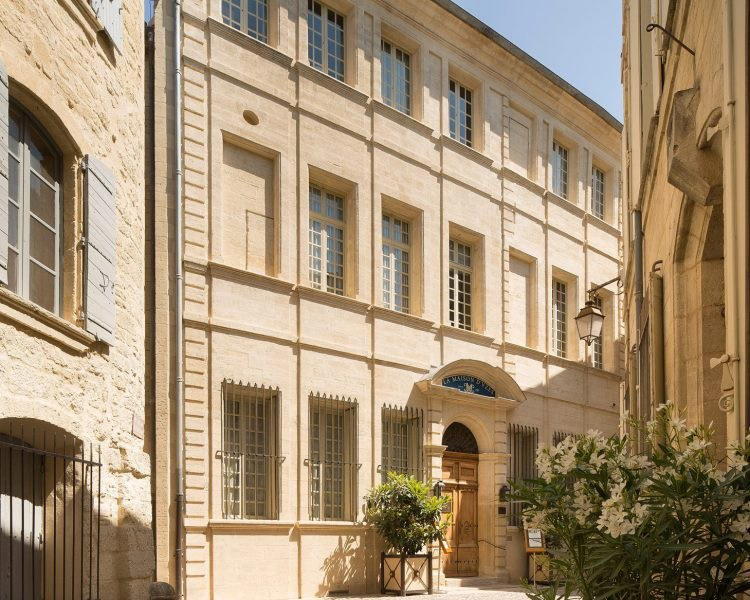
The restaurant is found at 1-3 Rue de la Grande Bourgade in central Uzès, walkable from the Place aux Herbes and the Duché. Reservations are recommended, and the restaurant is priced at about $40 per person. Wednesday and Saturday mornings, when the market is running, are one practical anchor for a visit, with lunch at the restaurant as a natural continuation of the market circuit. Parking in Uzès is available at the edge of the medieval centre; the walk to the Rue de la Grande Bourgade takes under ten minutes from most of the town's main car parks.
Comparable Venues
Comparable venues nearby, for context on price, style, and recognition.
| Venue | Cuisine | Price | Awards | Notes |
|---|---|---|---|---|
| La ParenthèseThis venue — the venue you are viewing | Traditional French Market Bistro | $$$ | Not listed | Not listed |
| La Maison d'Uzès | French Gastronomic Terroir | $$$$ | Not listed | centre ville |
| La Table d'Uzès | Michelin-Starred Southern French Fine Dining | $$$$ | Michelin 1 Star | centre historique |
| Restaurant Le Carré D'Art | Traditional French Provençal | $$$ | Not listed | Nimes |
| Mas de l'Echanson | Provençal French Bistro | $$$ | Not listed | Chateaurenard |
| Maison Blanche | Modern French Fine Dining | $$$ | Not listed | 8th arrondissement |

At a Glance
- Romantic
- Scenic
- Intimate
- Classic
- Date Night
- Business Dinner
- Casual Hangout
- Rooftop
- Terrace
- Hotel Restaurant
- Historic Building
- Extensive Wine List
- Local Sourcing
- Skyline
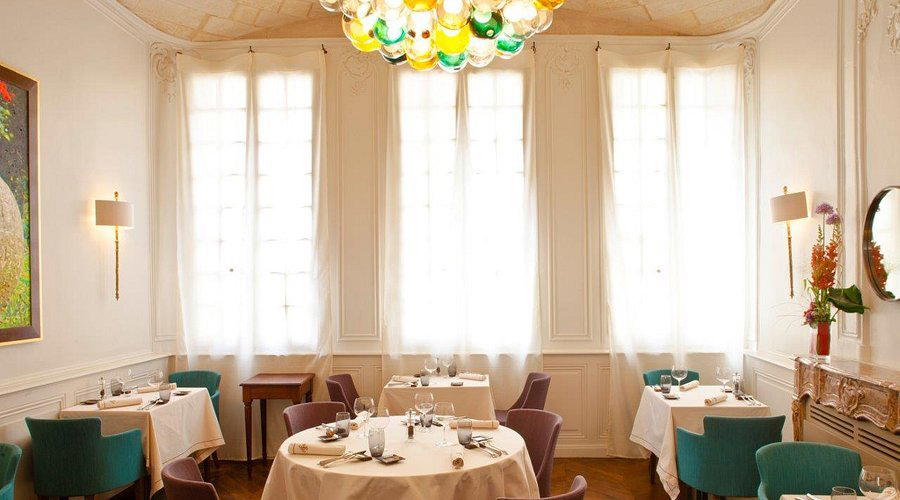
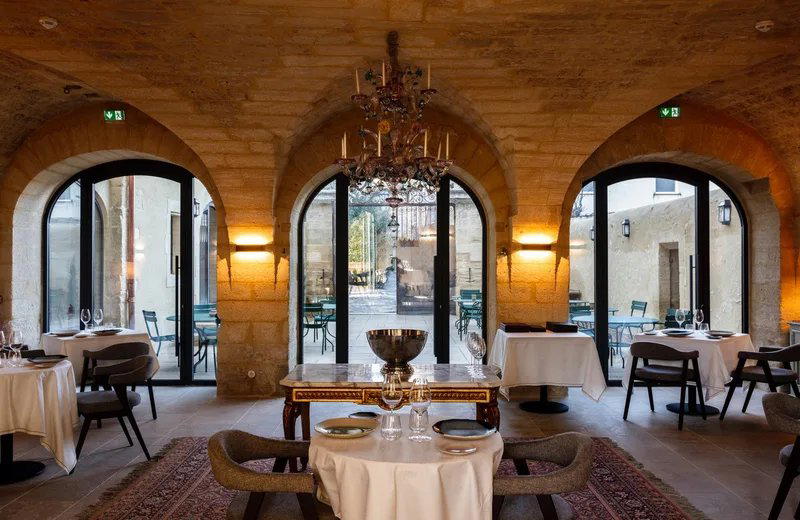
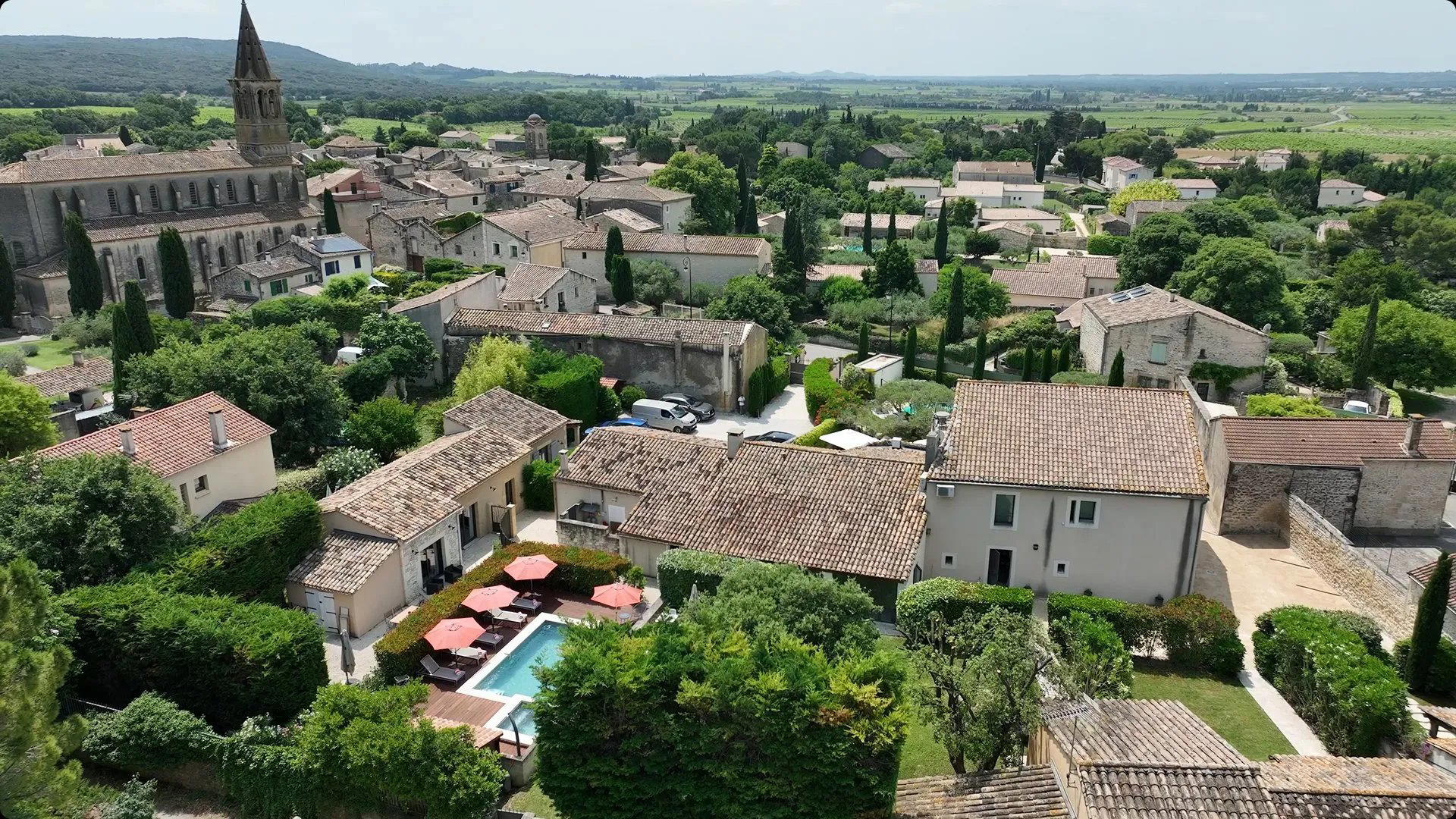
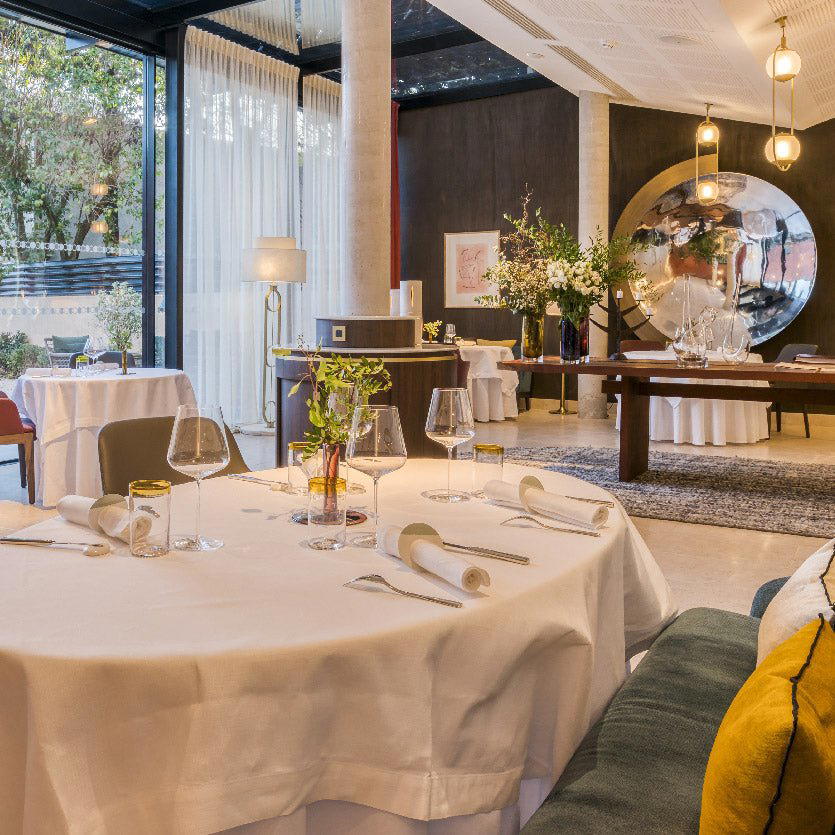
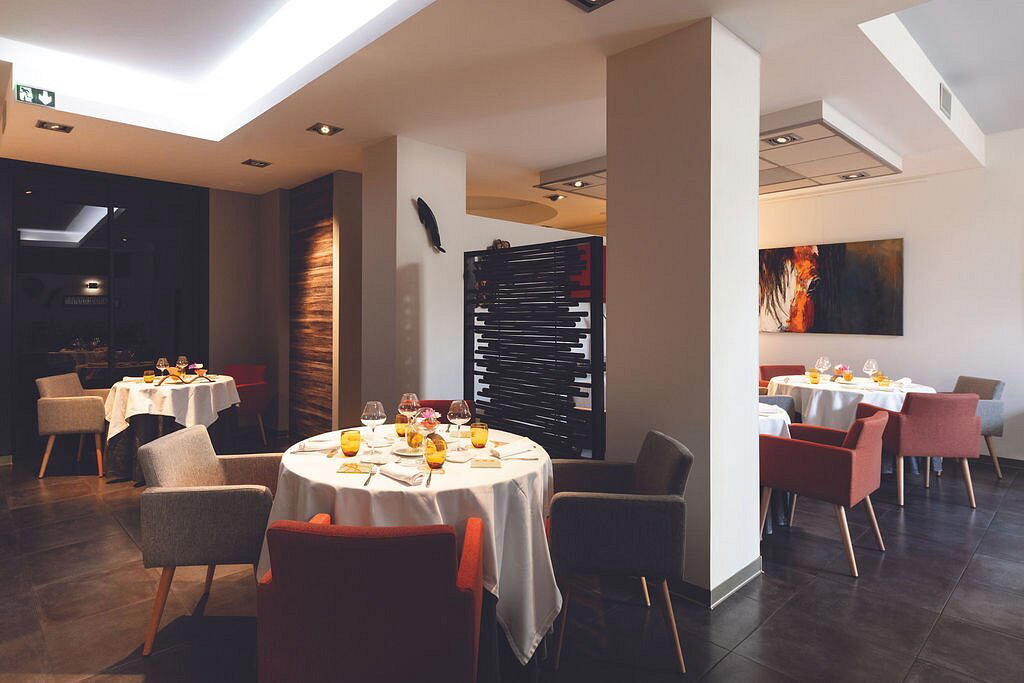
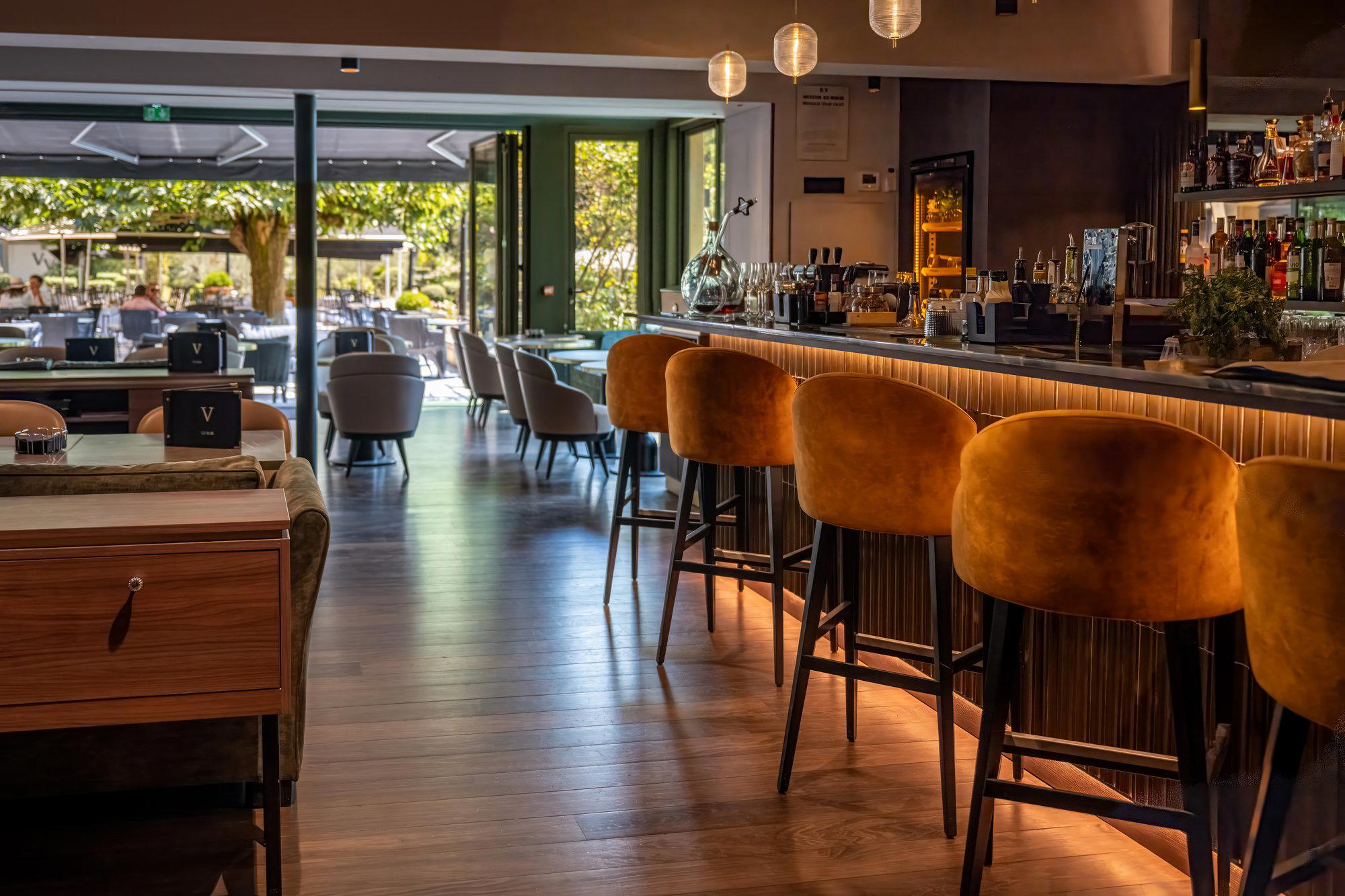
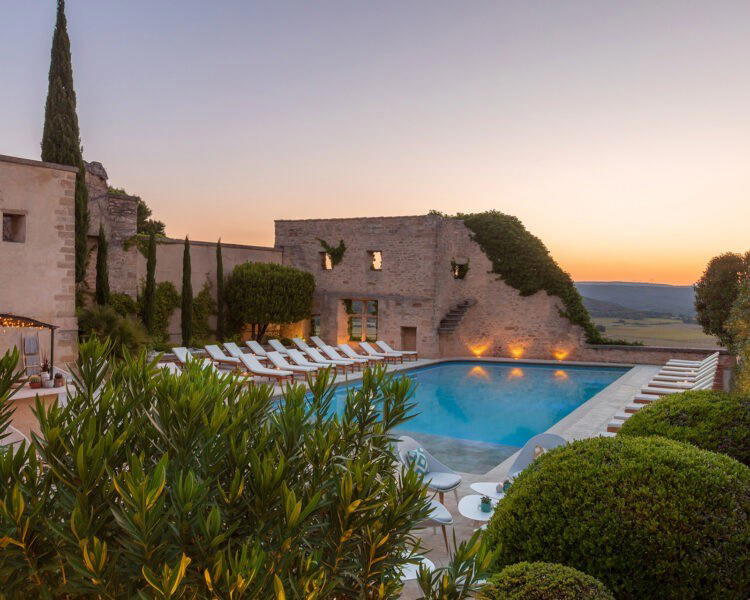
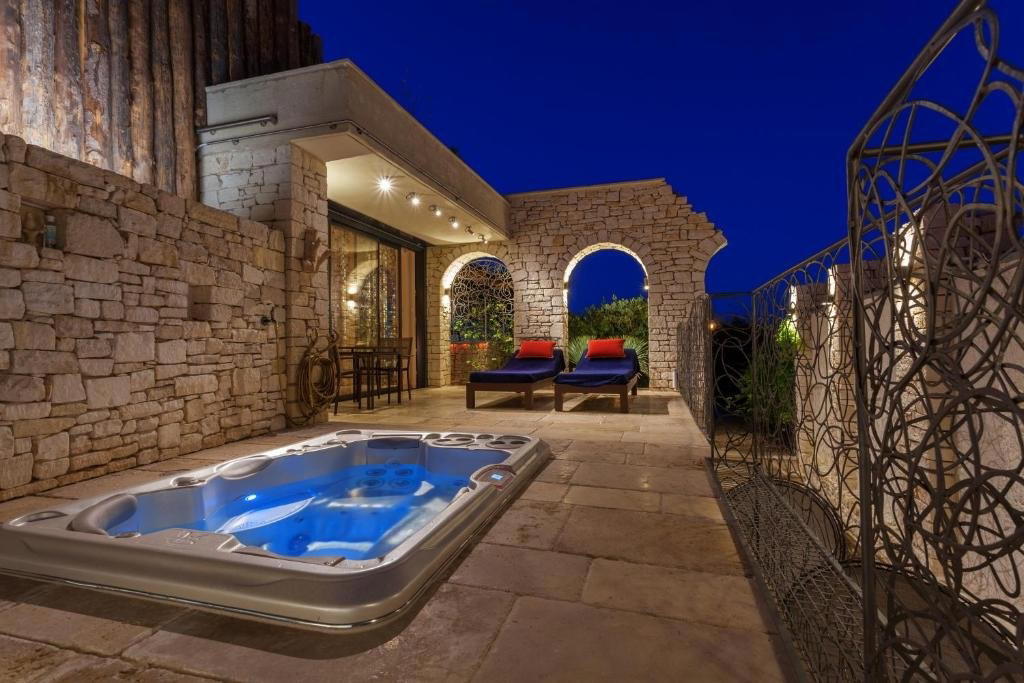
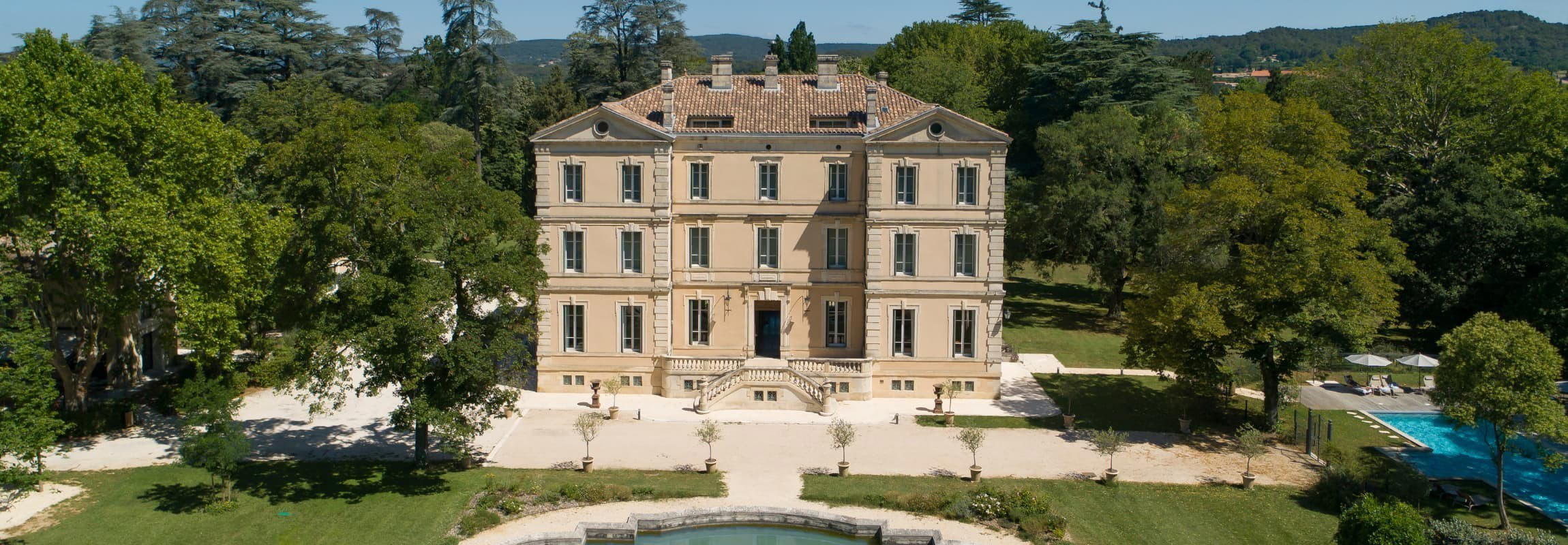
Charming and intimate, with a seasonal terrace setting above the rooftops of Uzès and a romantic hotel-restaurant atmosphere.