La Palma sits on Dundas Street West in one of Toronto's most restless dining corridors, a stretch where neighbourhood ambition and culinary reinvention have long outpaced the city's more established dining districts. The room has evolved through several distinct phases, placing it in the conversation alongside the wave of mid-scale Italian-influenced venues that reshaped west-end Toronto dining over the past decade.
Pearl is the En Primeur Club membership app — saves, bookings, and concierge access live there. Same editors, same standards.
- Address
- 849 Dundas St W, Toronto, ON M6J 1V5, Canada
- Phone
- +14163684567
- Website
- lapalma.ca
- Directions
- Get directions
 Saves & bookings on Pearl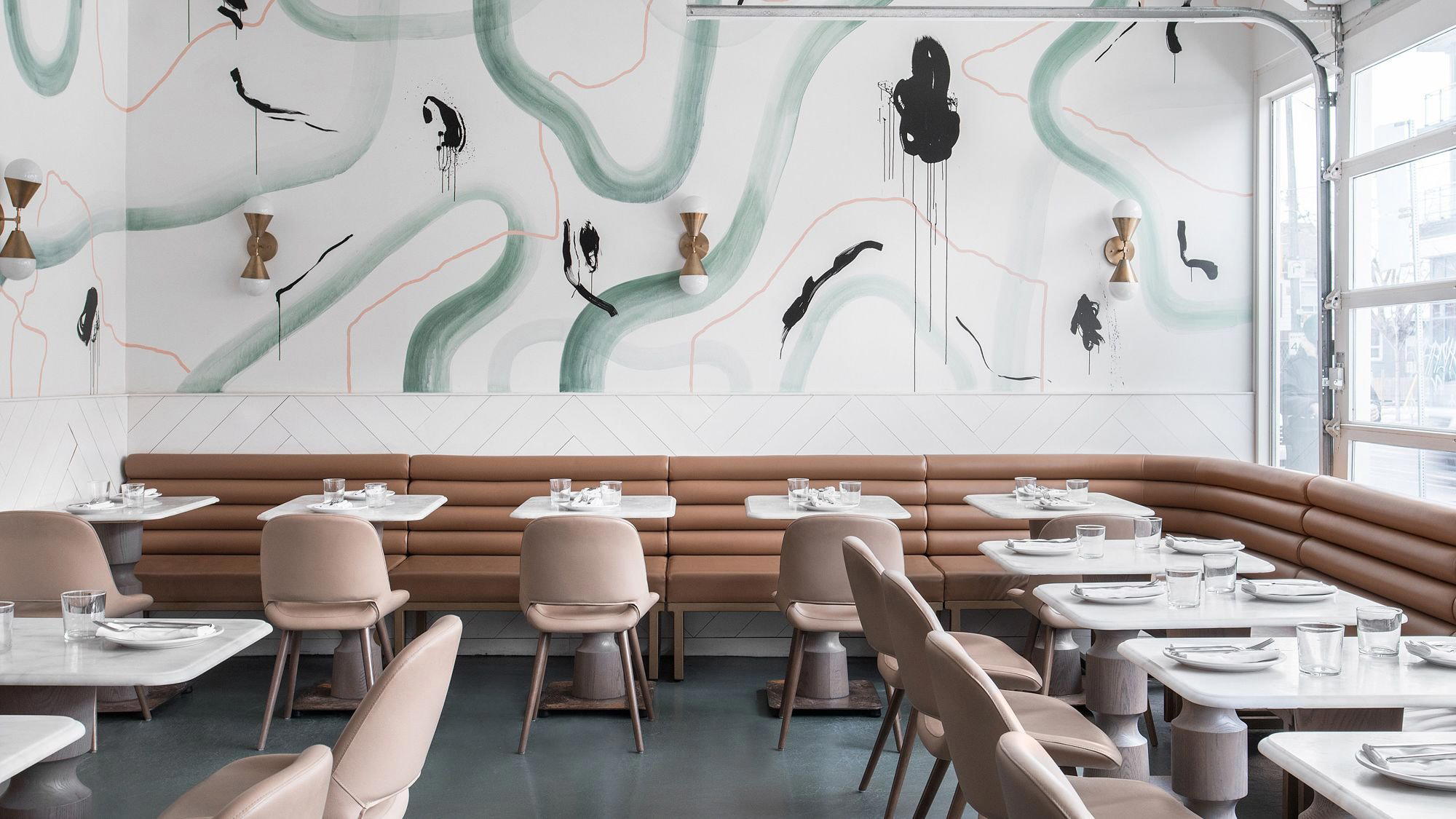
Dundas West and the Reinvention Problem
Toronto's Dundas Street West corridor has always been a testing ground. The stretch between Ossington and Dufferin has cycled through successive waves of dining ambition: early neighbourhood staples giving way to destination restaurants, which gave way to concept-driven openings, which eventually gave way to something harder to categorise. La Palma is a Toronto restaurant at 849 Dundas St W serving Southern California-Italian Fusion. La Palma, at 849 Dundas St W, sits inside this pattern rather than apart from it. Understanding the venue requires understanding the neighbourhood's appetite for reinvention, because the two have moved in parallel.
West-end Toronto dining, unlike the more formally credentialled rooms at Alo or the precision-focused counters at Sushi Masaki Saito, has generally favoured atmosphere over ceremony. The price points trend lower, the formats more casual, and the room often carries as much weight as the plate. La Palma was conceived within this sensibility, though its trajectory over time reflects a broader question the neighbourhood keeps asking: how do you stay relevant on a block that refreshes itself every two years?
What the Room Has Become
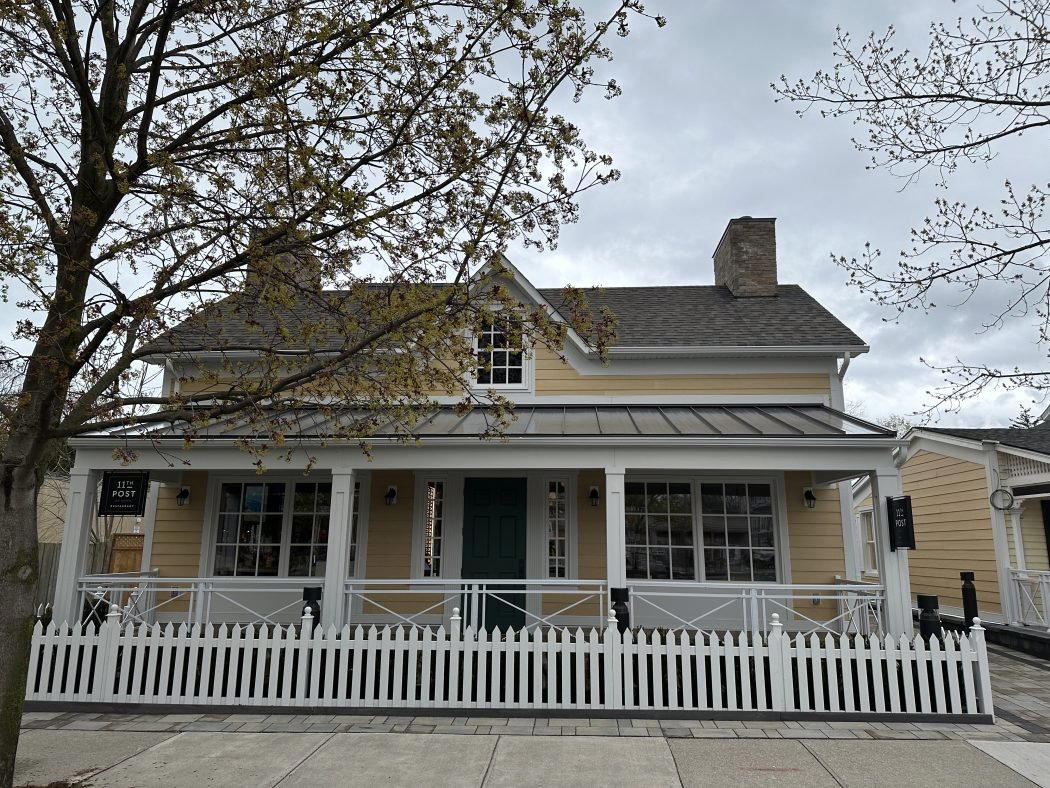
The physical environment at La Palma signals where the venue has landed after its various iterations. The space occupies a footprint that reads as relaxed European, the kind of room that prioritises lingering over turnover, with a design vocabulary borrowed from Italian trattoria tradition filtered through a contemporary Toronto lens. Light matters here in a way that separates the room from the more industrial aesthetic that dominated west-end openings during the mid-2010s. The approach to space reflects a maturation away from the stripped-back, exposed-everything aesthetic that defined the earlier wave of openings on this corridor.
Italian-inflected dining in Toronto has developed its own internal hierarchy. At the formal end sit places like Don Alfonso 1890, carrying the weight of a storied Southern Italian name, and DaNico, which operates in a more refined contemporary register. The restaurant has historically occupied a different tier: accessible enough to function as a neighbourhood regular, considered enough to draw from across the city. That positioning is not a weakness, it is a deliberate choice, and one that requires ongoing calibration as the city's dining culture shifts.
The Evolution in Format and Focus
One instructive thing about the restaurant's arc is not any single menu change but the broader direction those changes describe. Venues that open with strong concept energy and then survive past the five-year mark in Toronto's west end almost always do so by editing, not by expanding. The casual-Italian format that restaurant inhabits has seen considerable pressure from both ends: neighbourhood spots pushing upward in ambition, and higher-end Italian rooms periodically relaxing their formats to compete for the same mid-week reservation. Staying legible within that squeeze requires a clarity of identity that can erode quickly if a venue tries to be everything.
That dynamic plays out across Canadian dining broadly. Compare the evolution of destination-casual formats here to what has happened at AnnaLena in Vancouver or the sustained reinvention at Tanière³ in Quebec City: the venues that hold attention over time are those that treat reinvention as a controlled process rather than a reactive one. The same principle applies on Dundas West, where the turnover rate for concept-driven openings has historically been high.
Cuisine, Format, and What to Eat
The restaurant's culinary register sits within the Italian-influenced, wood-fired, and seasonal-produce tradition that defines a significant portion of Toronto's mid-market dining. The format has always leaned toward sharing and accessibility rather than the formal progression model used by kaiseki-adjacent rooms like Aburi Hana. Pizza has been a consistent anchor, positioned not as fast-casual but as a considered product within a broader menu that includes antipasti, pasta, and rotating vegetable-forward plates.
The category itself has matured in Toronto. What reads as direct pizza in 2016 now sits inside a more competitive field that includes Neapolitan-certified producers, New York-style specialists, and hybrid formats that blur the lines. The restaurant's version has always carried more intention than the category average, which is part of what has kept it in the conversation. For a table ordering broadly, the pasta and pizza formats tend to function as the structural centre, with smaller plates working as genuine openers rather than filler.
comparable set and Where La Palma Fits
Placing the restaurant in its competitive context requires acknowledging that Toronto's dining categories do not map cleanly onto price or formality alone. The Italian-inflected casual tier competes on atmosphere, consistency, and booking access as much as on plate quality. In that framework, the restaurant's location on Dundas West gives it both an advantage and a constraint: the neighbourhood draws a loyal, returning clientele but can also trap a venue in a local-identity box that limits its reach across the city.
The broader Canadian dining conversation, which runs from Eigensinn Farm in Singhampton to Restaurant Pearl Morissette in Lincoln at the destination end, and includes neighbourhood-anchored spots like Barra Fion in Burlington, reflects a dining culture that increasingly values regional identity and local sourcing over imported prestige. The restaurant's position within Toronto mirrors this shift: the venues with staying power on Dundas West are those that have stopped performing cosmopolitanism and started reflecting the actual neighbourhood.
For context on how that plays out at a higher price point, Le Bernardin in New York City and Atomix in New York City represent what sustained critical and commercial success looks like when reinvention is managed with discipline over decades. The comparison is not about scale but about the underlying logic: clarity of identity, maintained through change rather than despite it.
Planning a Visit
The restaurant operates on Dundas Street West in Toronto's Trinity Bellwoods area, accessible by streetcar on the 505 Dundas line. The venue functions well for both walk-in visits during quieter service periods and advance reservations on weekends, when Dundas West dining traffic runs high across the corridor. Given the neighbourhood's density of options and the restaurant's consistent draw from both locals and visitors, booking ahead for weekend evenings is the practical approach. The format suits groups of two to four as the menu's sharing structure works most effectively at that size. Additional Italian-register comparisons include DaNico and Don Alfonso 1890 for those looking to calibrate across price tiers.
Standing Among Peers
Comparable venues nearby, for context on price, style, and recognition.
| Venue | Cuisine | Price | Notes |
|---|---|---|---|
| La PalmaThis venue — the venue you are viewing | Southern California-Italian Fusion | $$ | Not listed |
| Pizzeria Via Mercanti | Authentic Neapolitan Pizza | $$ | Kensington |
| Y Not Italian | Casual Italian Bistro | $$ | Palmerston-Little Italy |
| Taverna Mercatto | Modern Italian Trattoria | $$ | Waterfront Communities-The Island |
| Cantina Mercatto | Modern Italian with Pizza and Pasta | $$ | Church-Yonge Corridor |
| La Pizza & La Pasta | Neapolitan Pizza & Pasta | $$ | Yorkville |
Continue exploring
More in Toronto
Restaurants in Toronto
Browse all →
Bars in Toronto
Browse all →
Hotels in Toronto
Browse all →

At a Glance
- Cozy
- Modern
- Trendy
- Whimsical
- Brunch
- Casual Hangout
- Date Night
- Group Dining
- Celebration
- Open Kitchen
- Private Dining
- Craft Cocktails
Current opening hours
- Monday
- 5–10 PM
- Tuesday
- 5–10 PM
- Wednesday
- 5–10 PM
- Thursday
- 5–11 PM
- Friday
- 5–11 PM
- Saturday
- 11 AM–11 PM
- Sunday
- 11 AM–9 PM
Hours can change for holidays and private events. Last verified .
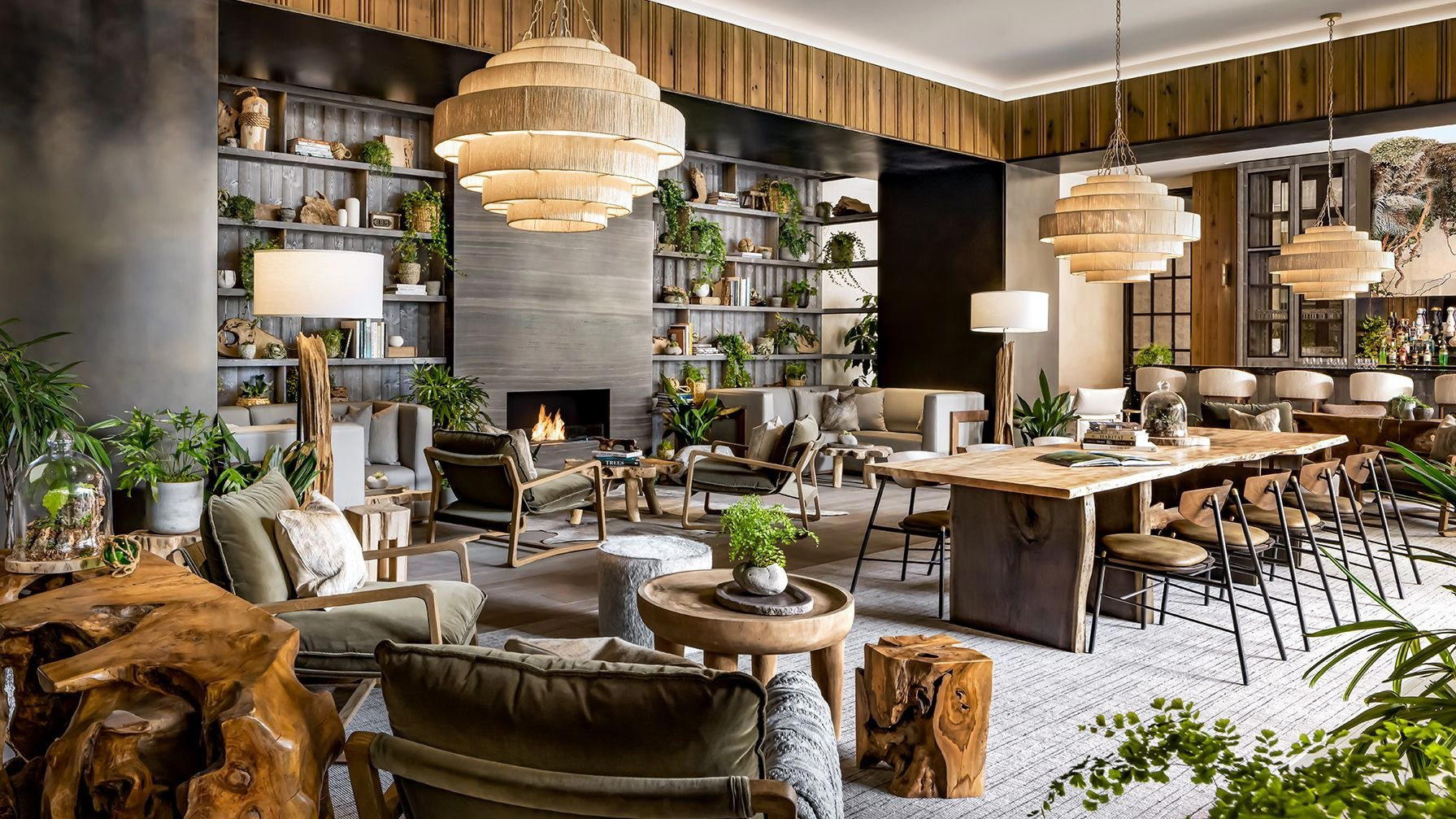
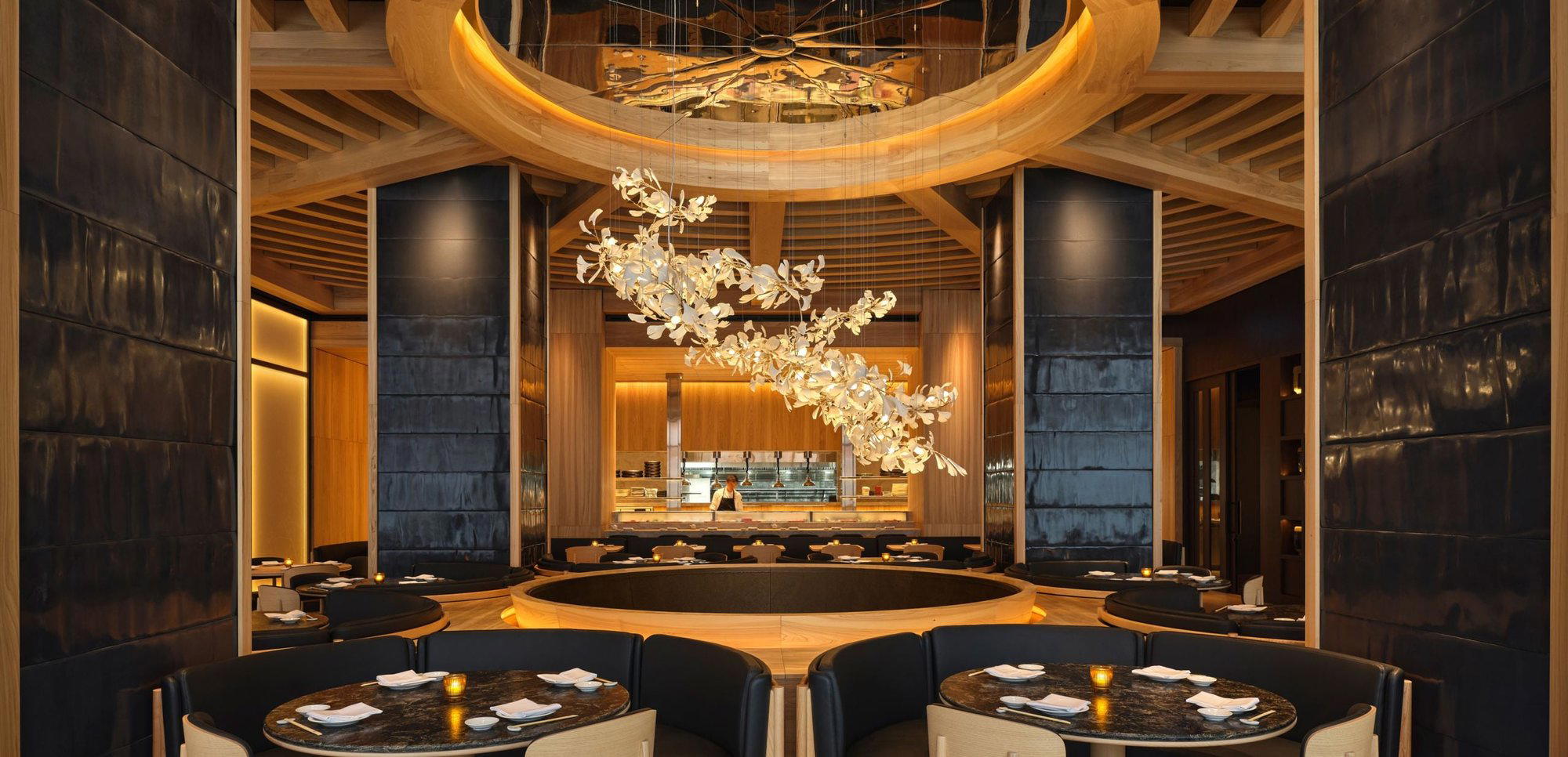
Bright, artsy white room with an open-concept kitchen and large windows creating a warm, inviting atmosphere that feels like a fun dinner party.