Google: 4.6 · 1,241 reviews
.png)
La Mar Madrid by Gastón Acurio brings the acclaimed Lima-rooted La Mar concept to the Spanish capital, positioning itself near the Santiago Bernabéu as the group's European beachhead. The menu covers tiraditos, ceviches, and wok-cooked dishes drawn from Creole, Chifa, and Nikkei traditions, set against a bar-forward layout and a room animated by Latin music.
 Discover on Pearl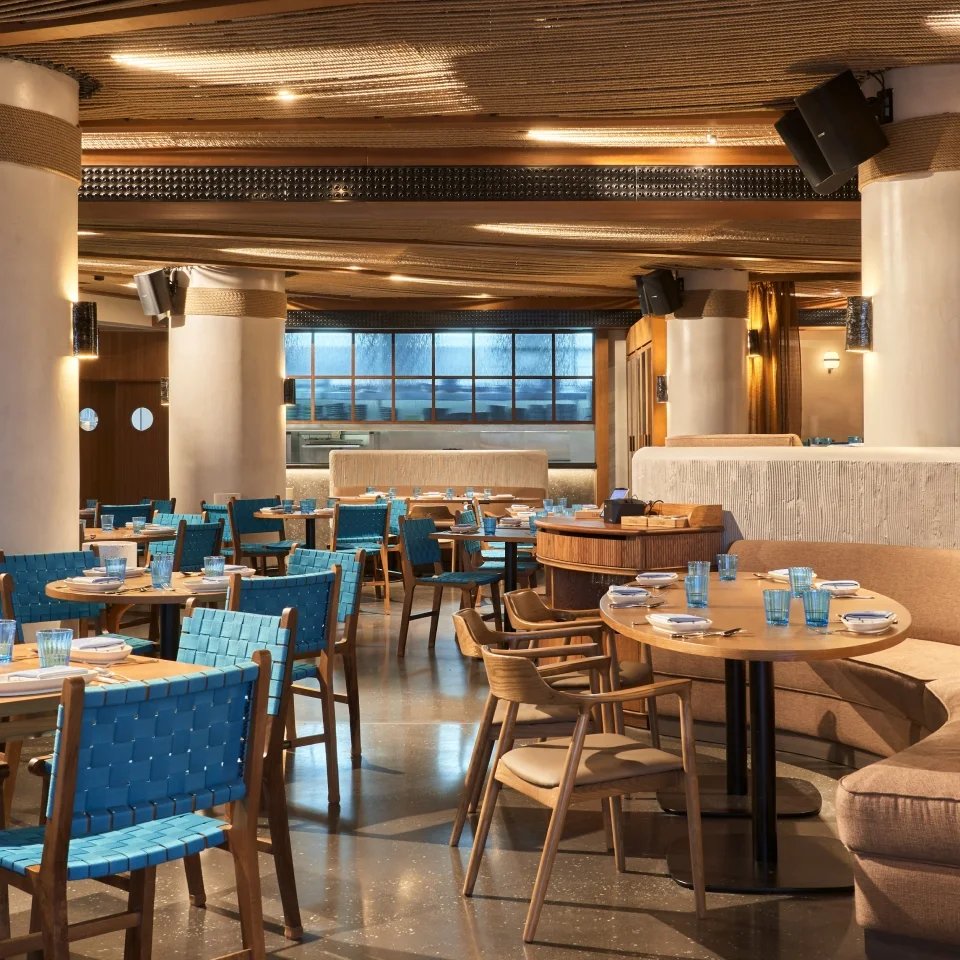
Peruvian Dining Ritual in a European Room
Madrid's relationship with Latin American cuisine has deepened considerably over the past decade, moving well past the scattered neighbourhood spots that once held the category. The city now hosts serious, format-conscious Peruvian restaurants that treat ceviche bars, tiradito counters, and pisco-led cocktail programs as distinct disciplines rather than one undifferentiated menu. La Mar Madrid by Gastón Acurio arrives in this context as the European debut of the La Mar concept, a format that the Acurio group has already stress-tested in Santiago de Chile, Bogotá, Miami, San Francisco, and Dubai. That operational depth matters: the kitchen isn't learning how to plate leche de tigre for a new market; it's translating a proven ritual to a new room.
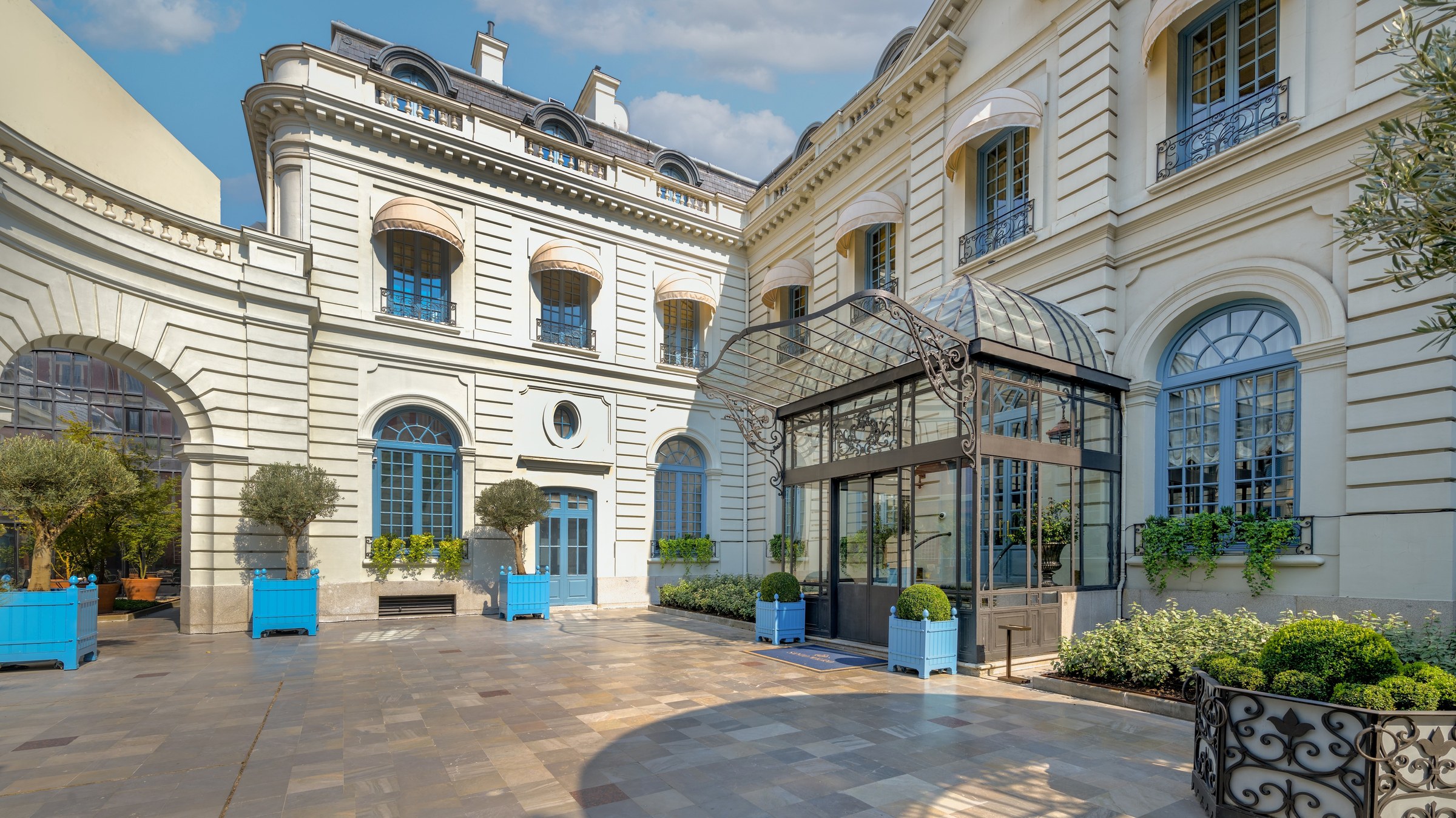
The address — Avenida del General Perón, 36 in the Tetuán district — places the restaurant a short distance from the Santiago Bernabéu stadium, a part of the city that draws a mixed crowd of office workers, sports tourists, and northern Madrid residents. It is not a location that courts the traditional fine-dining circuit concentrated around Salamanca or the Paseo del Prado, and that separation feels intentional. The La Mar format, at its core, is animated and social, not hushed and reverent.
How the Room Is Designed to Be Used
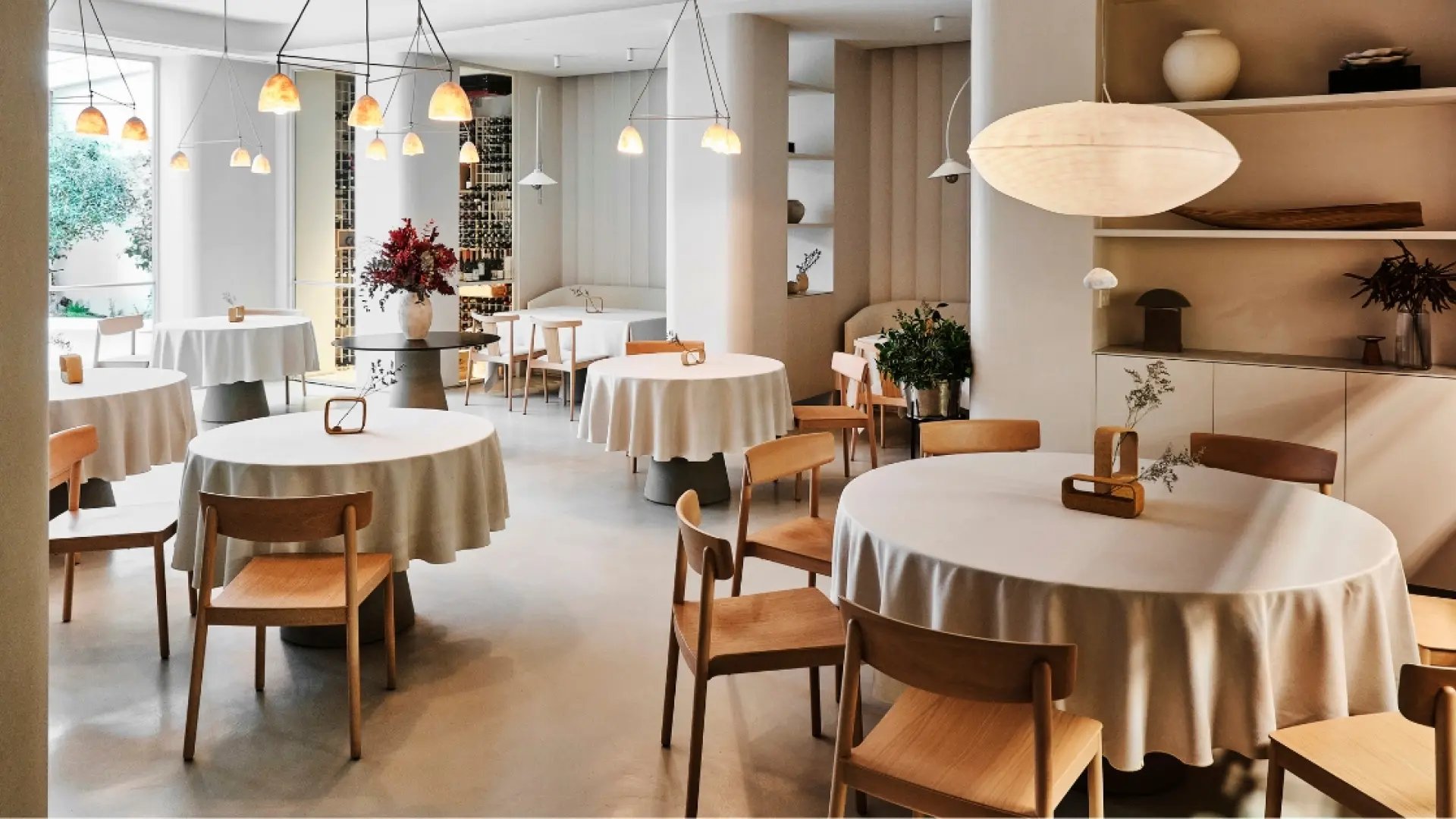
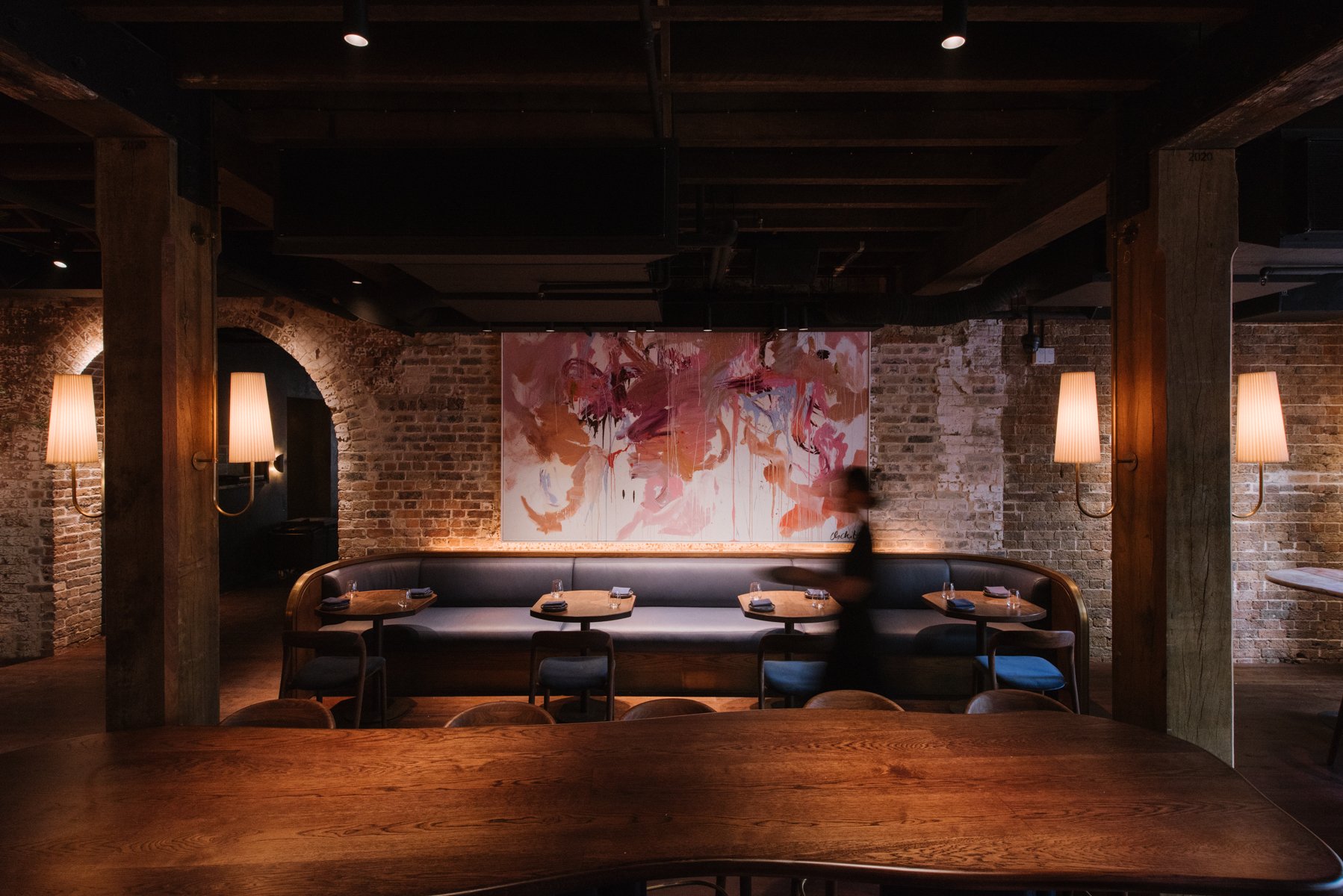
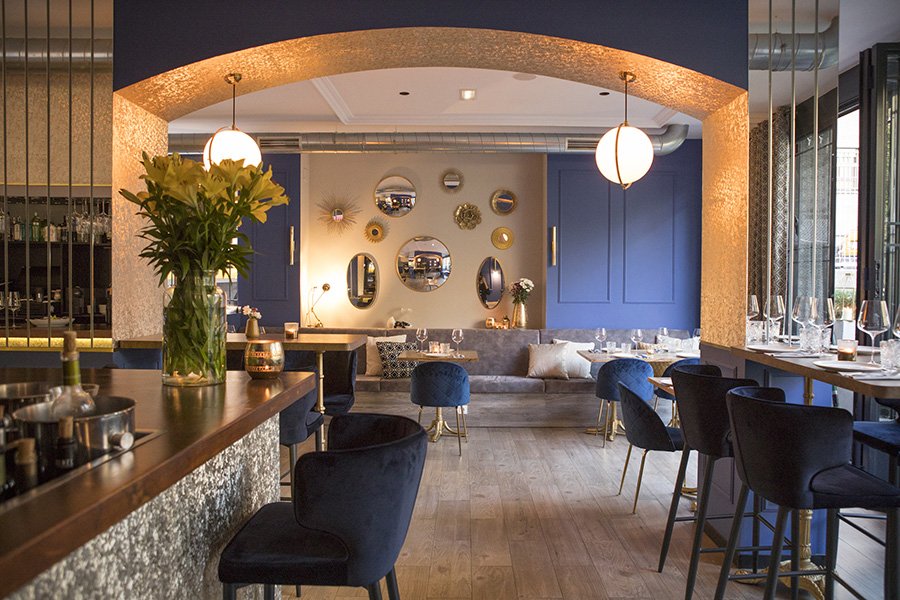
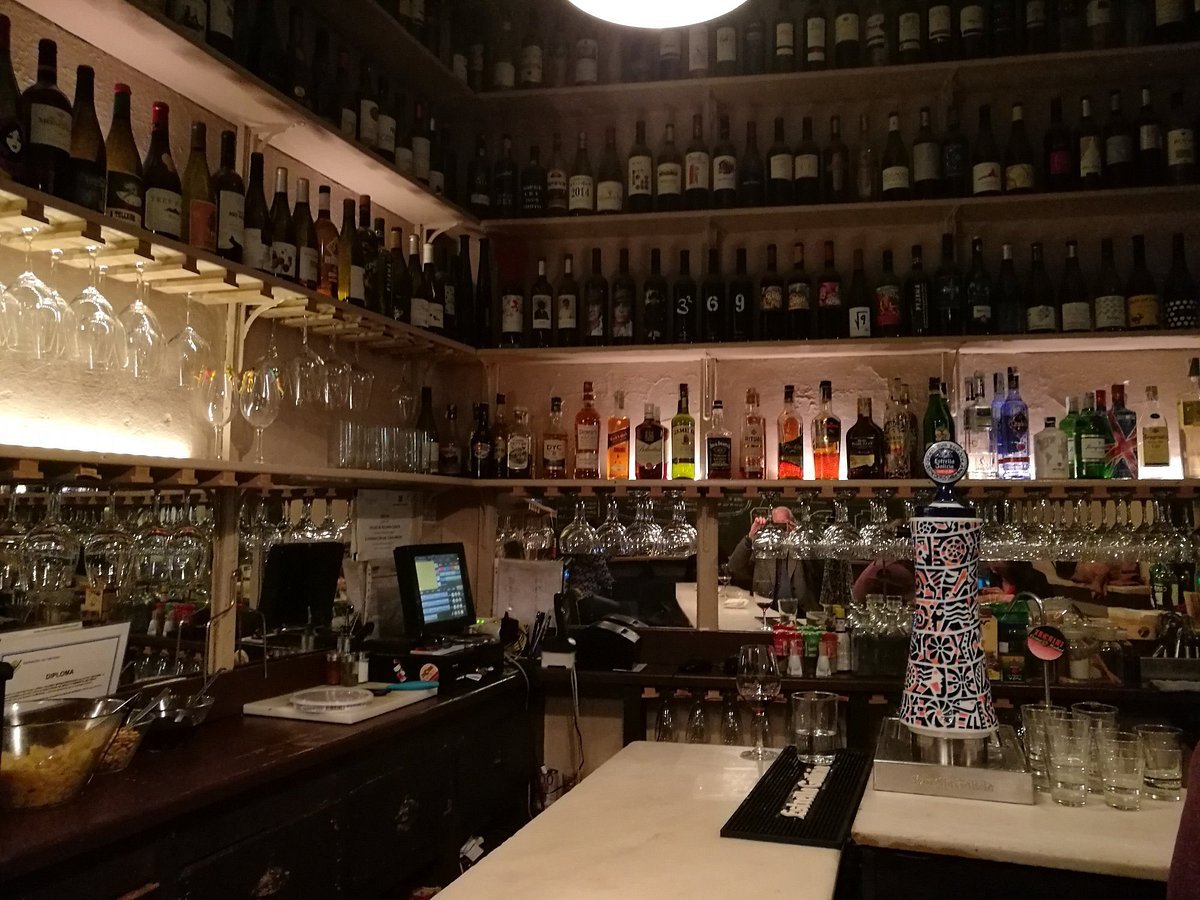
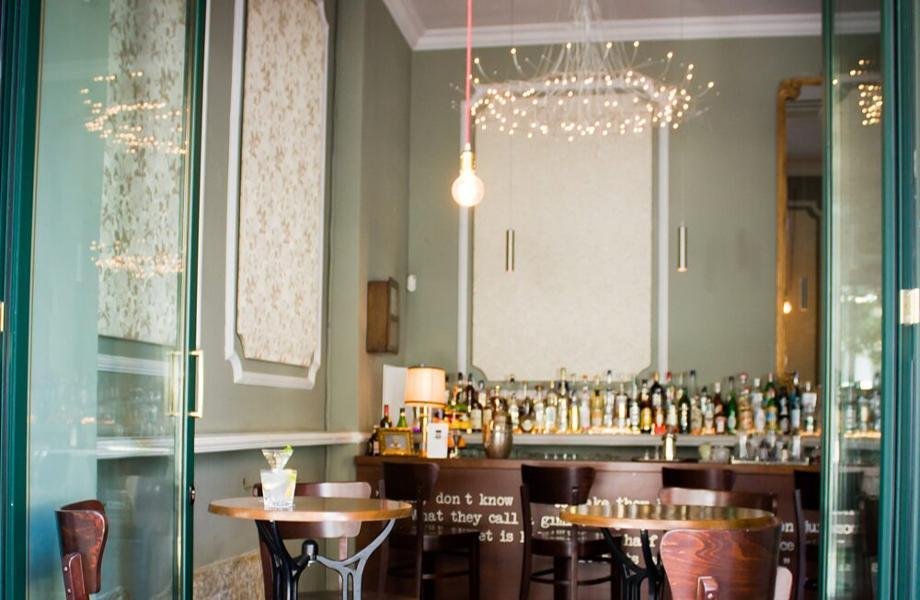
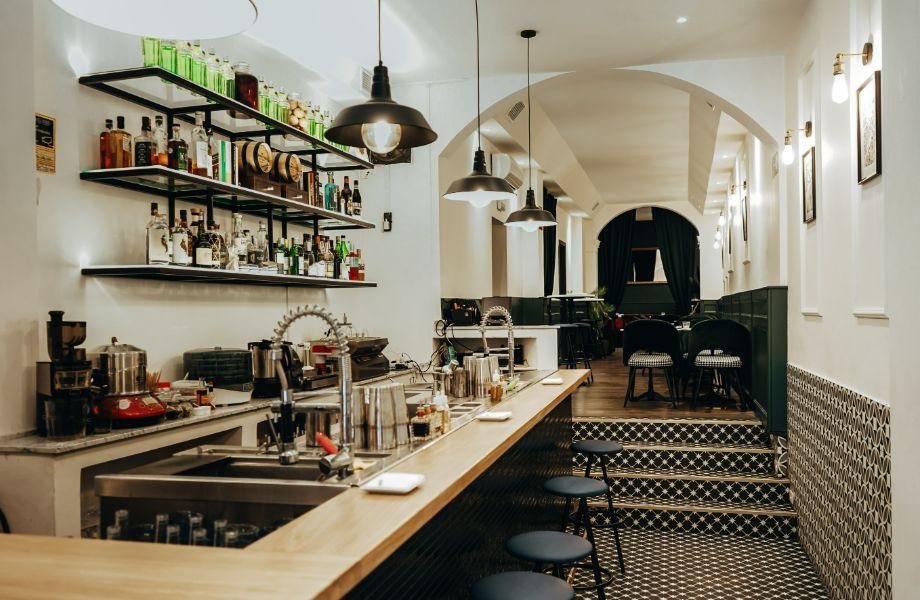
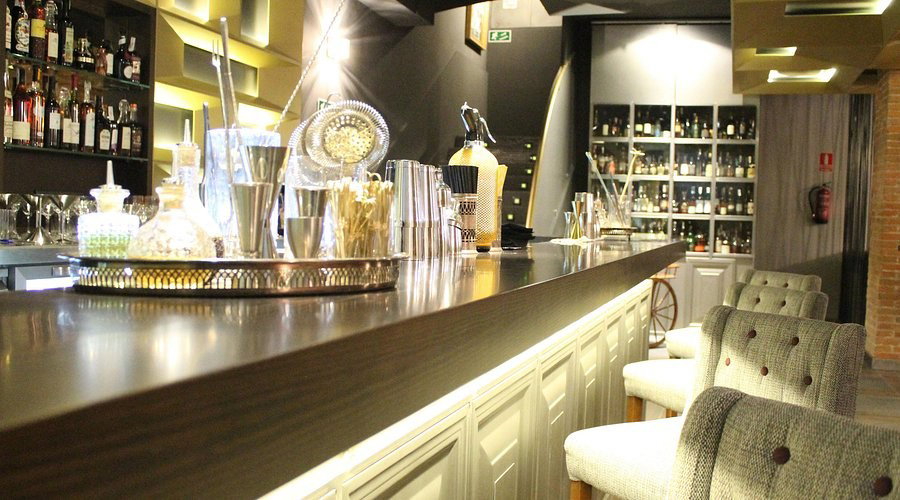
The physical layout at La Mar Madrid encodes a particular theory of how Peruvian food should be eaten. A bar area with high tables sits near the entrance, configured for snacking and cocktail tasting rather than full-meal dining. Adjacent to it, a cold-dishes bar handles the ceviche and tiradito preparations, keeping the raw fish program visible and immediate. The main dining room, with the open kitchen positioned at the back, functions as the more extended-meal space for guests working through the fuller menu arc. Latin music plays throughout.
This three-zone structure reflects a broader pattern in how Lima-trained operators have exported Peruvian dining culture. The meal is not meant to proceed in a single linear register from amuse-bouche to dessert. Instead, it invites movement between registers: something sharp and cold at the bar, then something from the wok, then a return to acidity. The pacing is the guest's to manage. Compared to Madrid's tasting-menu houses , places like DiverXO, Coque, or Deessa, where the kitchen controls sequencing entirely , La Mar operates with a different grammar.
The Menu's Three Culinary Registers
Peruvian cuisine at this level of international deployment rarely presents itself as a single tradition, because it isn't one. The La Mar menu at Madrid covers three overlapping registers that reflect Lima's layered food history. Creole cooking represents the Spanish-African-indigenous synthesis that formed the base of Peruvian culinary identity. Chifa , Peru's Chinese-Peruvian hybrid tradition, the result of Cantonese immigration in the 19th and early 20th centuries , shows up in the wok-cooked dishes. Nikkei, the Japanese-Peruvian fusion that emerged from Japanese immigration, informs the tiraditos and certain ceviches, where soy, sesame, and citrus operate alongside traditional ají-based leche de tigre.
The Nikkei ceviche using bluefin tuna, cucumber, sesame oil, and Nikkei leche de tigre is the most direct expression of this tradition on the menu. Tiradito as a form , raw fish sliced thinly rather than cut into cubes, dressed at service , owes its existence to the Japanese sashimi influence on Lima's fish preparations. Understanding that lineage makes the dish more legible: it is neither Peruvian ceviche nor Japanese sashimi, but a third thing with its own internal logic.
Starters and snacks anchor the bar-area experience, while grilled preparations extend the menu toward more substantial plates. The range means the restaurant can function as a drinks-and-snacks stop, a full-lunch destination, or a dinner occasion without requiring a format reset between visits.
Where This Sits in Madrid's Dining Spread
Madrid's upper tier is dense with Spanish creative cooking. DSTAgE and Paco Roncero represent the progressive Spanish strand; the city's Michelin portfolio is largely domestic in orientation. La Mar occupies a different position: it is the primary outpost for a specific strain of Lima-trained, internationally scaled Peruvian cooking in the Spanish capital, operating at a register that is celebratory rather than cerebral.
For context on Spain's wider fine-dining spread, EP Club's guides to restaurants such as Aponiente in El Puerto de Santa María, Arzak in San Sebastián, Azurmendi in Larrabetzu, El Celler de Can Roca in Girona, Martin Berasategui in Lasarte-Oria, and Cocina Hermanos Torres in Barcelona map the formal end of Spanish gastronomy. La Mar is not competing in that frame. Its peer set is international , other Acurio-group properties and the handful of serious Peruvian restaurants now operating across European capitals.
Spring and early summer, April through June, represent a strong window to visit. Madrid's dining culture migrates toward lighter, sharper flavours as temperatures rise, and the ceviche-and-tiradito core of the La Mar menu aligns well with that seasonal shift. The bar-and-high-table format becomes more appealing when the city is warm and the pre-dinner energy is higher.
Planning Your Visit
| Detail | La Mar Madrid | DiverXO | DSTAgE |
|---|---|---|---|
| Format | À la carte, bar + dining room | Tasting menu only | Tasting menu |
| Price tier | Not confirmed | €€€€ | Not confirmed |
| Neighbourhood | Tetuán (near Bernabéu) | Alcobendas | Central Madrid |
| Booking difficulty | Not confirmed | High (advance required) | Moderate |
| Cuisine tradition | Peruvian (Creole, Chifa, Nikkei) | Progressive Asian-influenced | Modern Spanish |
The restaurant is at Avenida del General Perón, 36, Tetuán, 28020 Madrid. For booking, hours, and current menu, check directly with the venue. For further context on where to eat, drink, and stay around La Mar's neighbourhood, see our full Madrid restaurants guide, our Madrid hotels guide, our Madrid bars guide, our Madrid wineries guide, and our Madrid experiences guide.
- Ceviche Limeño
- Nikkei Ceviche
- Tiradito
- Hamachi Nigiri
- Chaufa Aeropuerto
- Pulpo Brasa
Style and Standing
A quick snapshot of similar venues for side-by-side context.
| Venue | Cuisine | Awards | Notes |
|---|---|---|---|
| La Mar Madrid by Gastón Acurio | This casual restaurant with a festive atmosphere (it even has Latin music playin… | This venue | |
| DiverXO | Progressive - Asian, Creative | Michelin 3 Star | Progressive - Asian, Creative, €€€€ |
| Deessa | Modern Spanish, Creative | Michelin 2 Star | Modern Spanish, Creative, €€€€ |
| Smoked Room | Progressive Asador, Contemporary | Michelin 2 Star | Progressive Asador, Contemporary, €€€€ |
| Coque | Spanish, Creative | Michelin 2 Star | Spanish, Creative, €€€€ |
| Paco Roncero | Creative | Michelin 2 Star | Creative, €€€€ |

At a Glance
- Lively
- Energetic
- Modern
- Elegant
- Group Dining
- Celebration
- After Work
- Late Night
- Open Kitchen
- Design Destination
- Live Music
- Craft Cocktails
- Sommelier Led
- Extensive Wine List
- Sustainable Seafood
- Local Sourcing
Festive and lively with Latin music, turquoise and natural wood décor inspired by Lima's coastal aesthetic, featuring a high-table cocktail bar and open kitchen design that creates an energetic yet sophisticated dining environment.
- Ceviche Limeño
- Nikkei Ceviche
- Tiradito
- Hamachi Nigiri
- Chaufa Aeropuerto
- Pulpo Brasa