La Girolle
Our verdict
On the Chemin Sainte-Foy corridor west of the Old City, La Girolle occupies a quieter register than Quebec City's more decorated dining rooms — a neighbourhood address that rewards the kind of local knowledge rarely found in hotel concierge notes. The restaurant sits within a French-rooted dining tradition that defines much of the city's culinary identity, operating at a remove from the tourist circuit that clusters around Place-Royale and the Plains of Abraham.

Pearl is the En Primeur Club membership app — saves, bookings, and concierge access live there. Same editors, same standards.
- Address
- 1384 Ch Ste-Foy, Québec, QC G1S 2N6, Canada
- Phone
- (418) 527-4141
- Hours
- Mon ClosedTue 5:30–9 PMWed 11:30 AM–2 PM, 5:30–9 PMThu–Fri 11:30 AM–2 PM, 5:30–10 PMSat 5:30–10 PMSun 5:30–9 PM
- Website
- lagirolle.ca
- Directions
- Get directions
- Booking
- Book on the venue's website
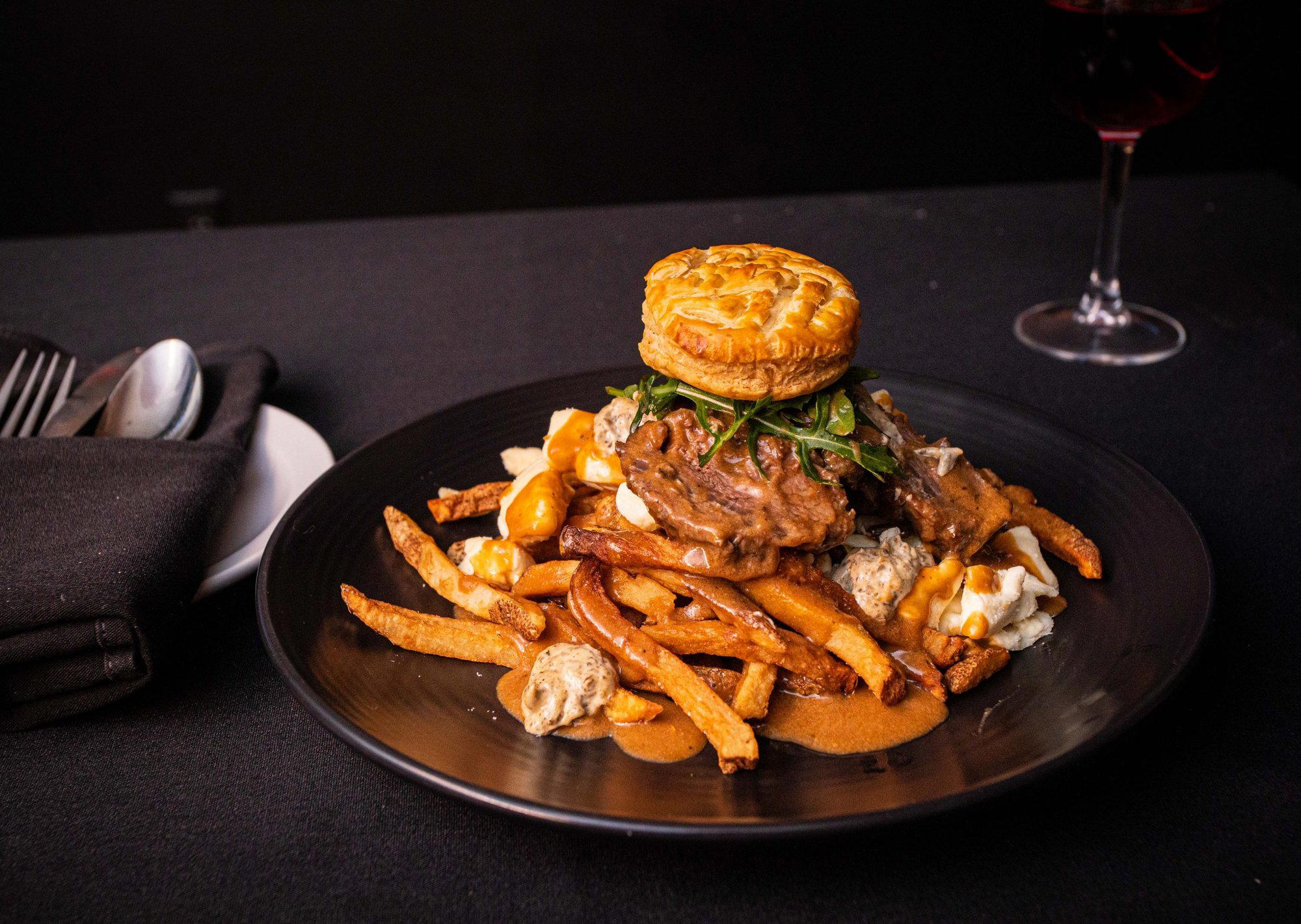
The Ritual Before the First Course
There is a particular kind of meal in Quebec City that does not announce itself. It does not have a tasting menu countdown printed on card stock, a sommelier with a narrative about each pour, or a reception desk that asks for your Instagram handle. It simply begins — with bread, perhaps, or a small amuse that arrives without ceremony — and it unfolds at a pace the kitchen controls, not the clock. This is the older French-province mode of dining, one that persisted in Quebec long after it softened in Paris, and La Girolle on Chemin Sainte-Foy belongs to that register.
The address itself is instructive. Chemin Sainte-Foy runs through a residential and institutional corridor west of the walled city, a stretch more familiar to university staff and neighbourhood regulars than to visitors working through a list of acclaimed dining rooms. That positioning is not incidental. Restaurants that occupy these less-trafficked corridors in Quebec City tend to trade on consistency and repeat clientele rather than on destination cachet, which shapes everything from the pace of service to the expectations at the table.
Where La Girolle Sits in Quebec City's Dining Order
Quebec City's restaurant scene has stratified clearly over the past decade. At the leading, rooms like Tanière³ and ARVI operate in the progressive tasting-menu tier, drawing national attention and booking windows that stretch months ahead. Auberge Saint-Antoine anchors Canadian cuisine with institutional weight in the Old Port. Kebec Club Privé and Laurie Raphaël occupy a creative middle ground that bridges fine dining and accessibility. La Girolle does not compete in any of those tiers. It sits in a separate category altogether, the neighbourhood French restaurant, a format that Quebec City has historically supported better than most Canadian cities, partly because of the province's cultural relationship with French culinary tradition and partly because the local population actually uses these rooms on a Tuesday.
That distinction matters for how you approach a meal here. The dining rituals at neighbourhood French addresses in Quebec differ from those at destination rooms. You are not being guided through a chef's argument about terroir. The meal is not structured as a progression with emotional arcs. What you get instead is the kind of pacing that assumes you have nowhere pressing to be, courses that arrive when they are ready, not when the table has been quiet for a calculated interval, and a service register that is attentive without being choreographed.
For comparison, the destination-room model is well represented elsewhere in the country: Alo in Toronto and AnnaLena in Vancouver both operate with the kind of intentional, arc-driven format that La Girolle explicitly is not. Even within Quebec, Jérôme Ferrer's Europea in Montreal plays a different register entirely. The neighbourhood French room is its own discipline, and it requires a different set of expectations from the diner.
The French-Province Dining Ritual in Practice
The customs that govern a meal at this kind of address are worth understanding before you arrive. French-rooted Quebec restaurants, particularly those operating outside the tourist corridor, tend to assume a fluency with the format that destination rooms cannot take for granted. The menu will likely be written primarily in French. The wine list will skew toward French and Quebec producers without extensive annotation. Servers will not always translate the ritual for you; they will assume you know when to ask for the addition and when to simply wait.
This is not inhospitality. It is the residue of a dining culture that predates the modern era of guest-experience management, one that Quebec preserved in part because the French language created a cultural enclosure. Aux Anciens Canadiens is the most visible example of that preservation in the tourist zone; La Girolle represents the less-visible neighbourhood version. The difference is that Aux Anciens Canadiens has adapted its service register to explain itself, while a room on Chemin Sainte-Foy has less reason to.
Across Canada, the restaurants that operate in a similarly self-contained, community-first mode tend to be the ones that survive longest. Eigensinn Farm in Singhampton and The Pine in Creemore both operate with a similar indifference to tourist discovery, they exist for a specific kind of diner who seeks them out deliberately. Narval in Rimouski holds a comparable position in a smaller Quebec city. La Girolle fits that pattern: a room that functions because its neighbourhood sustains it, not because a review cycle keeps it visible.
What the Chemin Sainte-Foy Address Implies
The Sainte-Foy district, which runs west from the Old City toward the university quarter and the suburban arterials, is not a dining destination in the way that Saint-Jean-Baptiste or Saint-Roch are. Those inner neighbourhoods have drawn younger chef-driven projects and bar programs that feel contemporary. Sainte-Foy operates on a different frequency: more established, more residential, with a restaurant culture that reflects the needs of the people who actually live there rather than those passing through.
Restaurants that anchor themselves to that kind of neighbourhood tend to build loyal clientele slowly and hold it for years. The trade-off is lower visibility in national media and award cycles, the kind of recognition that flows to Restaurant Pearl Morissette in Lincoln or gets tracked on broader platforms, but a stability that destination rooms often lack. Whether that stability translates to longevity at La Girolle specifically is a question leading answered by the regulars who fill the dining room on a weeknight rather than by any external ranking. See our full Quebec City restaurants guide for a broader map of where this address sits relative to the city's other dining options.
Planning Your Visit
La Girolle sits at 1384 Chemin Sainte-Foy, accessible from the Old City by a short drive or a bus along the Sainte-Foy corridor. Given its neighbourhood positioning rather than tourist-circuit location, reservations are advisable on weekends, rooms like this that operate on local repeat business can fill surprisingly quickly on Friday and Saturday evenings, less so mid-week. Arriving without a booking on a quiet Tuesday is generally a lower-risk proposition, though confirming by phone or in person is the practical approach when specific contact information is not readily available through standard channels. Dress expectations at neighbourhood French addresses in Quebec tend toward smart casual rather than formal, and the pace of a meal here is more suited to a long evening than a quick pre-theatre window. Readers planning a broader Quebec City itinerary should consider how this address sits alongside options like Barra Fion in Burlington for regional comparison, or look further afield to Le Bernardin in New York City and Atomix to understand where the French-tradition dining format stands globally and how Quebec's neighbourhood version relates to that broader spectrum. For Canadian fine dining reference points, Bearspaw Golf Club in Calgary represents a different kind of member-facing, community-sustained room, a useful structural parallel even across very different culinary registers.
Frequently asked questions
How do I find La Girolle?
La Girolle is located at 1384 Ch Ste-Foy, Québec, QC G1S 2N6, Canada, Quebec City.
Is La Girolle a good option for French cuisine in Quebec City outside the Old City?
For diners seeking French-rooted Quebec cooking without the pricing pressure and foot traffic of Old City addresses, the Chemin Sainte-Foy corridor is where locals have long eaten. La Girolle at number 1384 occupies that category — a neighbourhood address in a district that runs toward the university quarter rather than toward tourist infrastructure. It represents the Quebec City dining tradition that operates largely below the radar of most visitor itineraries.
What's the best thing to order at La Girolle?
Without a current menu on record, specific dish recommendations aren't available. At French-rooted Quebec City addresses of this type, the kitchen typically centres on French provincial preparations where technique carries the meal rather than novelty. Arriving without a fixed agenda and taking direction from the server is the approach that tends to reward most at this kind of table.
How hard is it to get a table at La Girolle?
La Girolle sits at 1384 Chemin Sainte-Foy, outside the Old City tourist circuit, which means it draws a predominantly local clientele rather than travellers cycling through reservation platforms. That neighbourhood position typically keeps availability more accessible than comparable rooms in the Old City, though contacting the venue directly before your trip remains the reliable approach.
What's La Girolle best at?
La Girolle's address in the Sainte-Foy district, away from the concentrated dining traffic of Vieux-Québec, points toward a room oriented around regulars and French-rooted service rhythms rather than occasion dining for tourists. That positioning tends to produce the kind of meal where the pacing and hospitality carry as much weight as what arrives on the plate.
Category Peers
Comparable venues nearby, for context on price, style, and recognition.
| Venue | Cuisine | Price | Awards | Notes |
|---|---|---|---|---|
| La GirolleThis venue — the venue you are viewing | Traditional French Bistro | Not listed | Not listed | Not listed |
| Le Lapin Sauté | Traditional French-Canadian Game Cuisine | $30–50 | Not listed | Vieux-Québec, Cap-Blanc, Colline parlementaire |
| Restaurant Le Fin Gourmet | French with Quebec influences | Not listed | Not listed | Saint-Sauveur |
| Restaurant Louis-Hébert | French Market Cuisine | $50–100 | Not listed | Vieux-Québec, Cap-Blanc, Colline parlementaire |
| Graffiti | French-Italian Fine Dining | $50–100 | Not listed | Montcalm |
| Le Bedeau | Modern French Wine Bar Tapas | $50–100 | Star Wine List | Vieux-Québec, Cap-Blanc, Colline parlementaire |
Continue exploring
More in Quebec City
Restaurants in Quebec City
Browse all →
Bars in Quebec City
Browse all →
Details
- Relaxed
- Elegant
- Cozy
- Date Night
- Business Dinner
- Historic Building
- A La Carte
- Vegetarian Friendly
- Gluten Free Options
Current opening hours
- Monday
- Closed
- Tuesday
- 5:30–9 PM
- Wednesday
- 11:30 AM–2 PM, 5:30–9 PM
- Thursday
- 11:30 AM–2 PM, 5:30–10 PM
- Friday
- 11:30 AM–2 PM, 5:30–10 PM
- Saturday
- 5:30–10 PM
- Sunday
- 5:30–9 PM
Hours can change for holidays and private events. Last verified .
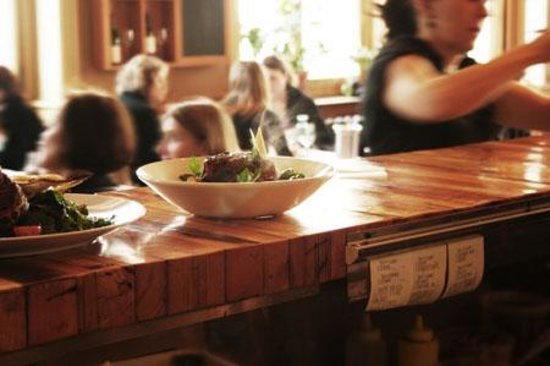
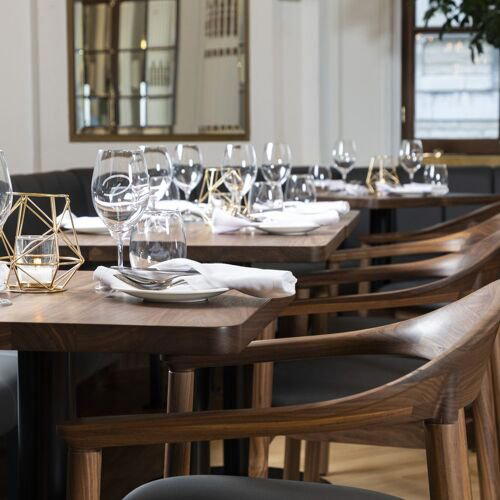
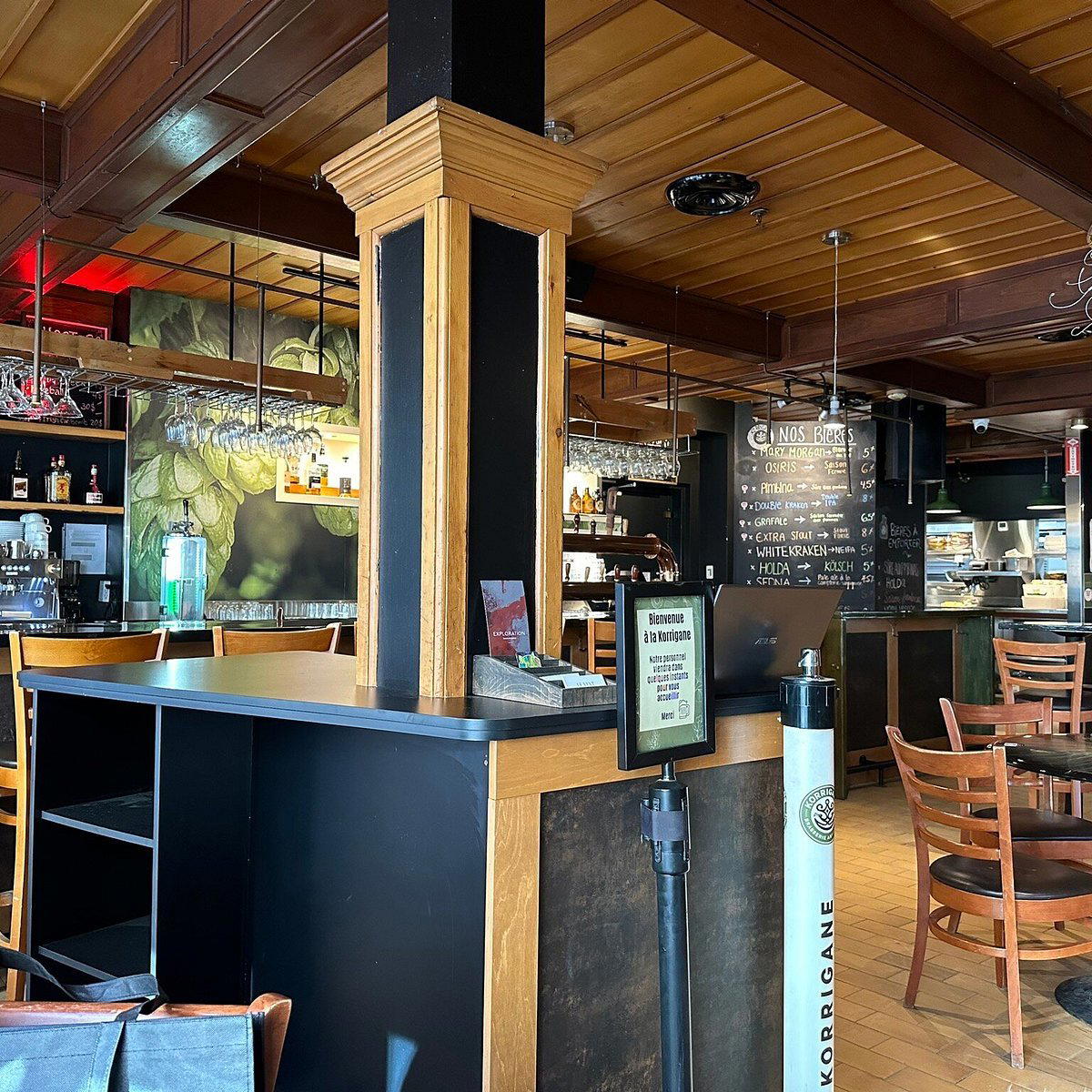
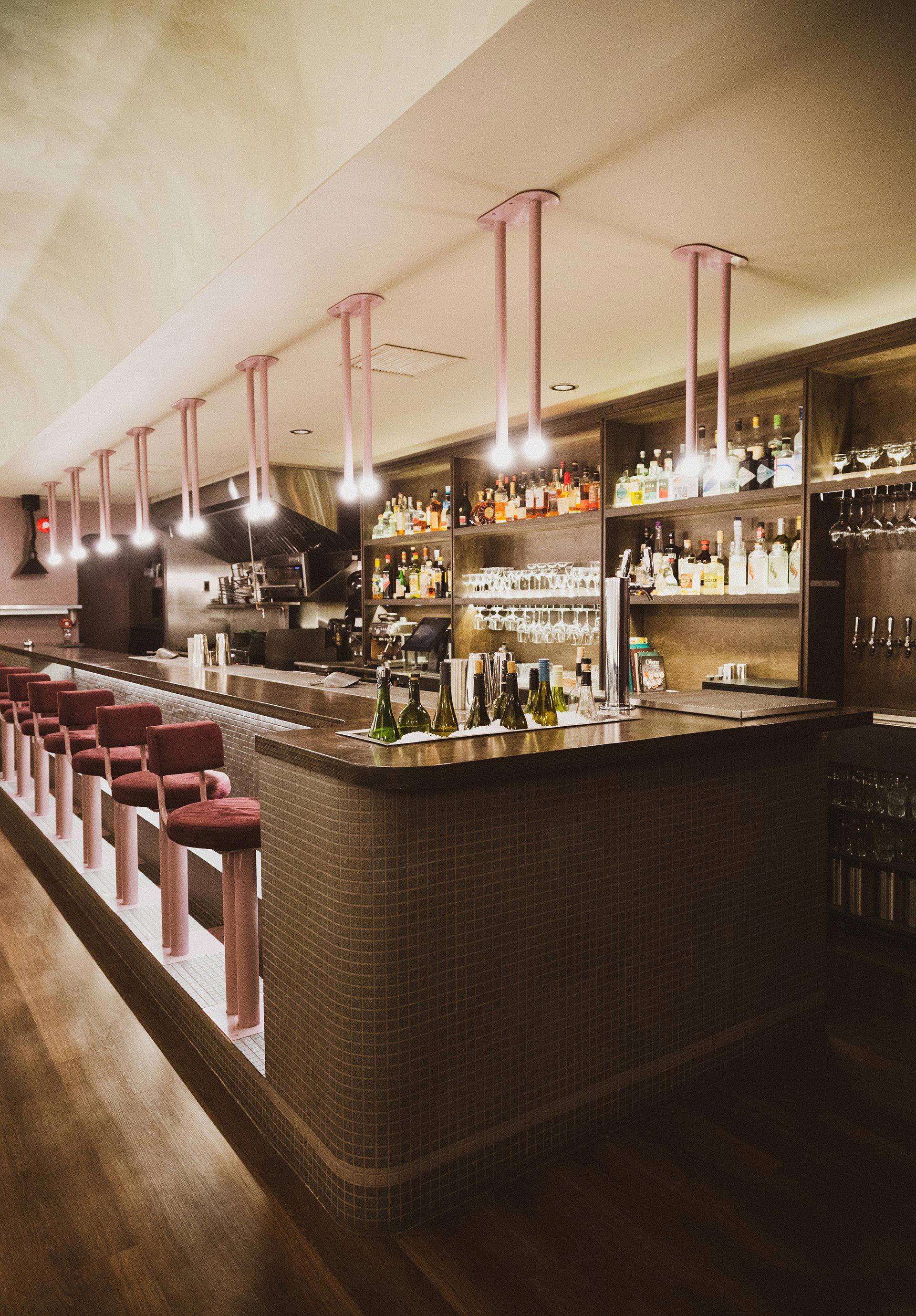
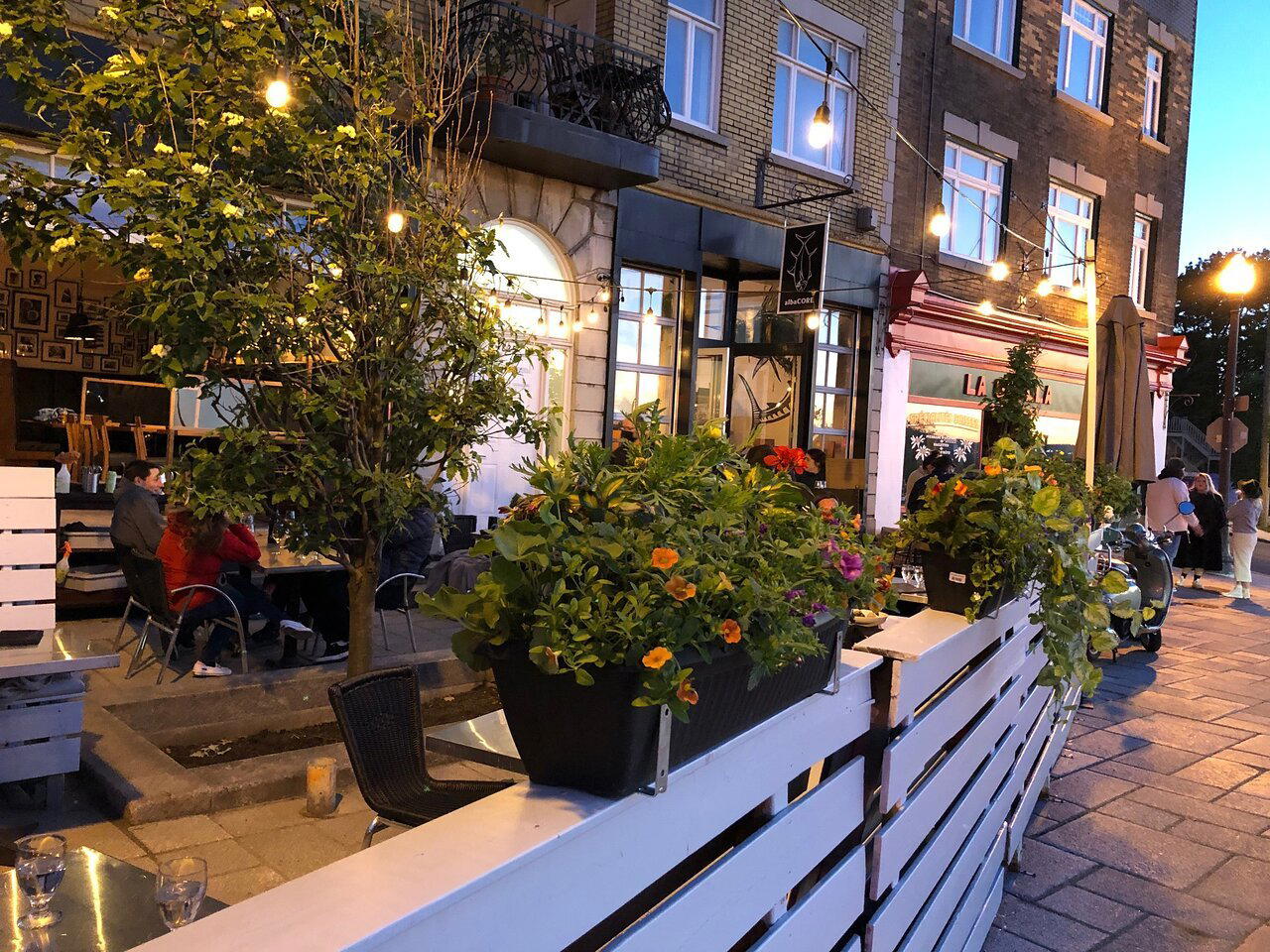
Relaxed elegant atmosphere with warm, welcoming lighting and a cozy, community-oriented feel.