La Gallerie occupies a address on Gaustraße in central Mainz, placing it within a city whose dining scene has quietly grown more ambitious over the past decade. Against a backdrop of Rhine Valley wine culture and a handful of serious kitchens, the restaurant sits in a neighbourhood where old-city architecture and contemporary appetite meet. Visitors planning an evening here should treat it as an entry point into Mainz's broader fine-dining conversation.
Pearl is the En Primeur Club membership app — saves, bookings, and concierge access live there. Same editors, same standards.
- Address
- Gaustraße 29, 55116 Mainz, Germany
- Phone
- +4961316969414
- Website
- lagallerie-mainz.de
- Directions
- Get directions
 Saves & bookings on Pearl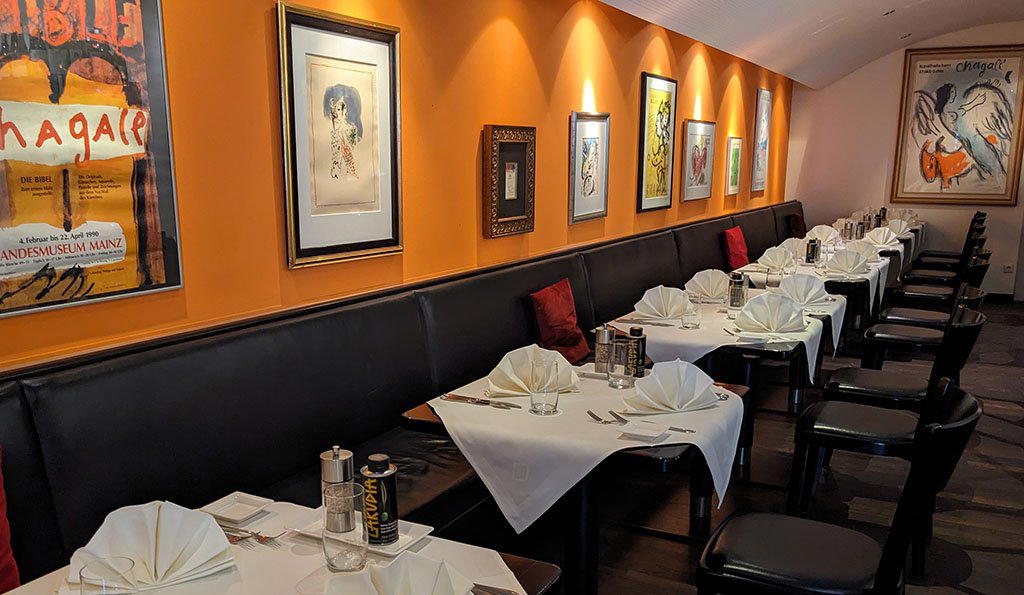
Gaustraße After Dark: What the Street Tells You Before You Step Inside
Mainz's Altstadt in the early evening has a particular quality, when the light off the Rhine softens the sandstone facades and the streets narrow enough to feel curated rather than accidental. Gaustraße sits in that part of the city centre where the pedestrian grid opens into something more residential, the foot traffic thins, and the restaurants that remain tend to operate with a degree of intention. La Gallerie, at number 29, occupies that register. The address alone signals something: this is not a tourist-corridor dining room chasing passing trade, but a space that expects its guests to arrive having decided to be there.
That sense of purposeful arrival matters in Mainz more than it might in Frankfurt, forty minutes up the autobahn. Mainz does not have the volume of high-end covers that would sustain a purely transient clientele, so the kitchens that survive here do so by building a local following, which in turn shapes the atmosphere. A room full of regulars reads differently from a room full of first-timers, and in Germany's mid-sized wine cities, that distinction tends to run through every element of an evening.
The Mainz Dining Register: Where La Gallerie Sits
Mainz's restaurant scene is smaller and more specific than its regional status might suggest. The city is the capital of Rhineland-Palatinate, sits at the confluence of the Rhine and Main rivers, and operates in the long shadow of Rheinhessen, one of Germany's largest and most progressive wine-producing regions. That proximity to serious wine shapes what the better kitchens here prioritise: food that works with glass pours rather than against them, menus built around seasonal produce from the surrounding agricultural flatlands, and a general preference for restraint over spectacle.
The competitive set in Mainz clusters around a handful of clear tiers. At the accessible end, classic German wine-restaurant culture persists in places like the €€-bracket classics that pair regional Riesling and Silvaner with hearty cold-weather cooking. Above that, a group of more ambitious kitchens has emerged over the past several years, including FAVORITE restaurant, which operates a Modern French programme at the €€€€ tier, and Steins Traube, whose farm-to-table approach at €€€ reflects the wider German shift toward traceable sourcing. La Gallerie occupies this mid-to-upper tier of the city's dining conversation, drawing from the same pool of guests who treat a meal as the primary reason for an evening rather than an afterthought to it.
Other Mainz options that frame the scene include ATRIUM Restaurant im Atrium Hotel Mainz, which carries the particular dynamic of hotel dining, and Bellpepper and Brunfels Restaurant, both of which have established presences in the city's dining circuit. Together, these addresses suggest a scene that is coherent without being overcrowded, competitive without being saturated.
Germany's Fine-Dining Context and What It Asks of Mid-City Restaurants
To understand what the restaurant operates against, it helps to hold the wider German fine-dining map in view. The country's decorated kitchens tend to cluster in specific corridors: the Black Forest (where Schwarzwaldstube in Baiersbronn represents three-star ambition), the Mosel and its tributaries (where Schanz in Piesport and Waldhotel Sonnora in Dreis operate), and major urban centres like Hamburg (home to Restaurant Haerlin) and Munich (where JAN has made its case). More idiosyncratic formats have found audiences too: CODA Dessert Dining in Berlin built a programme around a concept-forward dessert structure, while Aqua in Wolfsburg and Vendôme in Bergisch Gladbach anchor the country's classical French-influenced tier. At the far end, Victor's Fine Dining by Christian Bau in Perl and ES:SENZ in Grassau represent the precision-driven, technique-heavy approach that Germany's most-decorated rooms share.
Mainz sits outside these traditional clusters, which is part of what makes its better restaurants interesting. A kitchen here cannot rely on destination-dining traffic the way a Mosel address can. It has to earn its place through the consistency of the experience itself, building credibility with a local audience that has access to both Frankfurt's larger restaurant scene to the east and the wine-country tables of Rheinhessen to the west. For reference points beyond Germany entirely, the discipline required of kitchens in cities that punch above their population weight recalls the approach you find at Le Bernardin in New York City or Atomix, where the room's reputation rests on the quality of the cooking rather than the novelty of the concept.
Seasonality and When to Go
Rhineland-Palatinate's agricultural calendar shapes what serious Mainz kitchens can do, and the windows worth knowing are specific. Spring asparagus season, which runs from late April through June 24 (the traditional Johannistag cutoff), is taken seriously across the region; white asparagus from the Rhine plain appears on menus throughout the city during those weeks in a way that reflects genuine culinary culture rather than trend. Autumn brings game from the surrounding forests and mushrooms from the Palatinate hills, a combination that suits the Germanic preference for earthy, reduced-sauce cooking. Winter in Mainz, with the Altstadt's market structures and the compressed evening hours, creates a different kind of dining atmosphere: the rooms feel more deliberately contained, and the gap between standing outside and sitting at a well-lit table inside is charged in a way that summer dining in the open city does not replicate.
For practical planning, Gaustraße's central location means the restaurant is walkable from Mainz Hauptbahnhof and from the city's main tram network, which makes it accessible for visitors arriving from Frankfurt Airport on the S-Bahn connection. The restaurant is recommended for reservations and is open Tuesday to Saturday for lunch and dinner, with Mondays and Sundays closed, so booking ahead is wise, particularly for weekend evenings when the city's dining capacity tightens. Mainz's compact scale means that the restaurants in this tier can fill quickly when local demand concentrates on a single evening. The broader Mainz restaurants guide covers the full range of options for building an itinerary around a stay.
Peers Worth Knowing
Comparable venues nearby, for context on price, style, and recognition.
| Venue | Cuisine | Price | Notes |
|---|---|---|---|
| La GallerieThis venue — the venue you are viewing | Modern European Fine Dining | $$$ | Not listed |
| Il Forno a Legna | Italian Wood-Fired Pizza | $$ | Mainz |
| Kamin | Flammkuchen Restaurant | $$ | Altstadt |
| Bellpepper | Modern Regional German with International Influences | $$$ | Mainz city center |
| Persisches Restaurant Kababsara | Authentic Persian | $$ | Mainz |
| Hoi An QT | Sushi & Indochinese Fusion | $$$ | Mainz City Center |
Continue exploring
More in Mainz
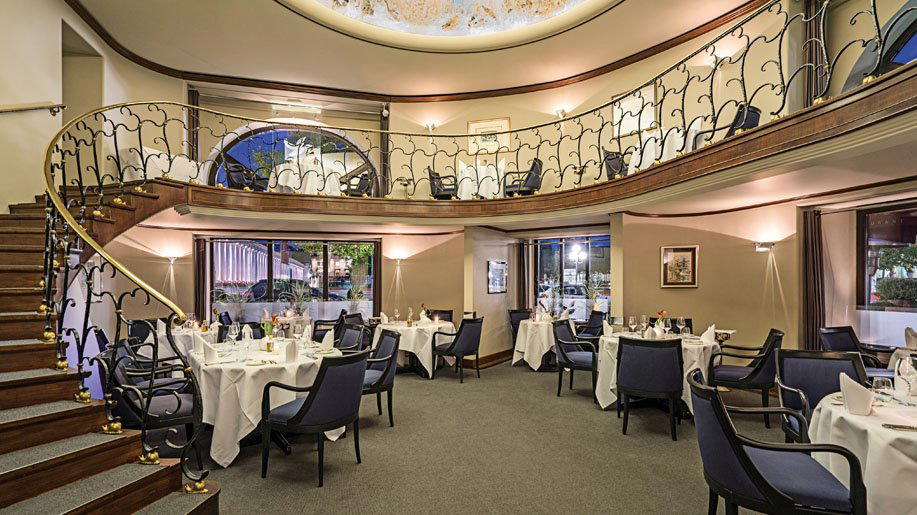
Restaurants in Mainz
Browse all →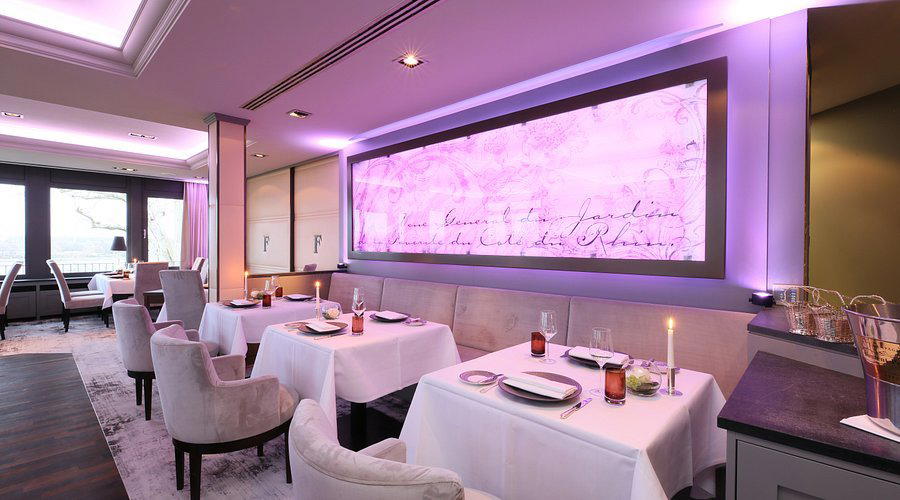
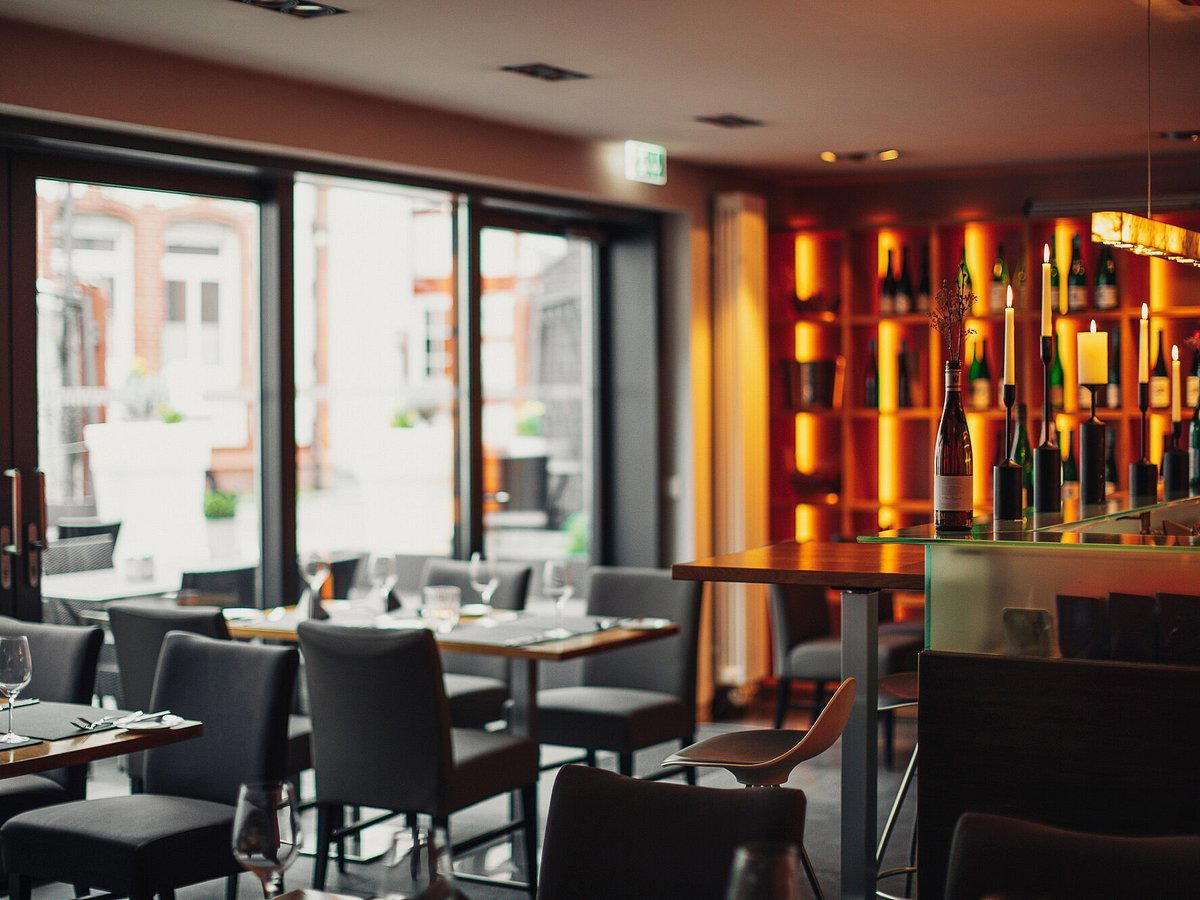
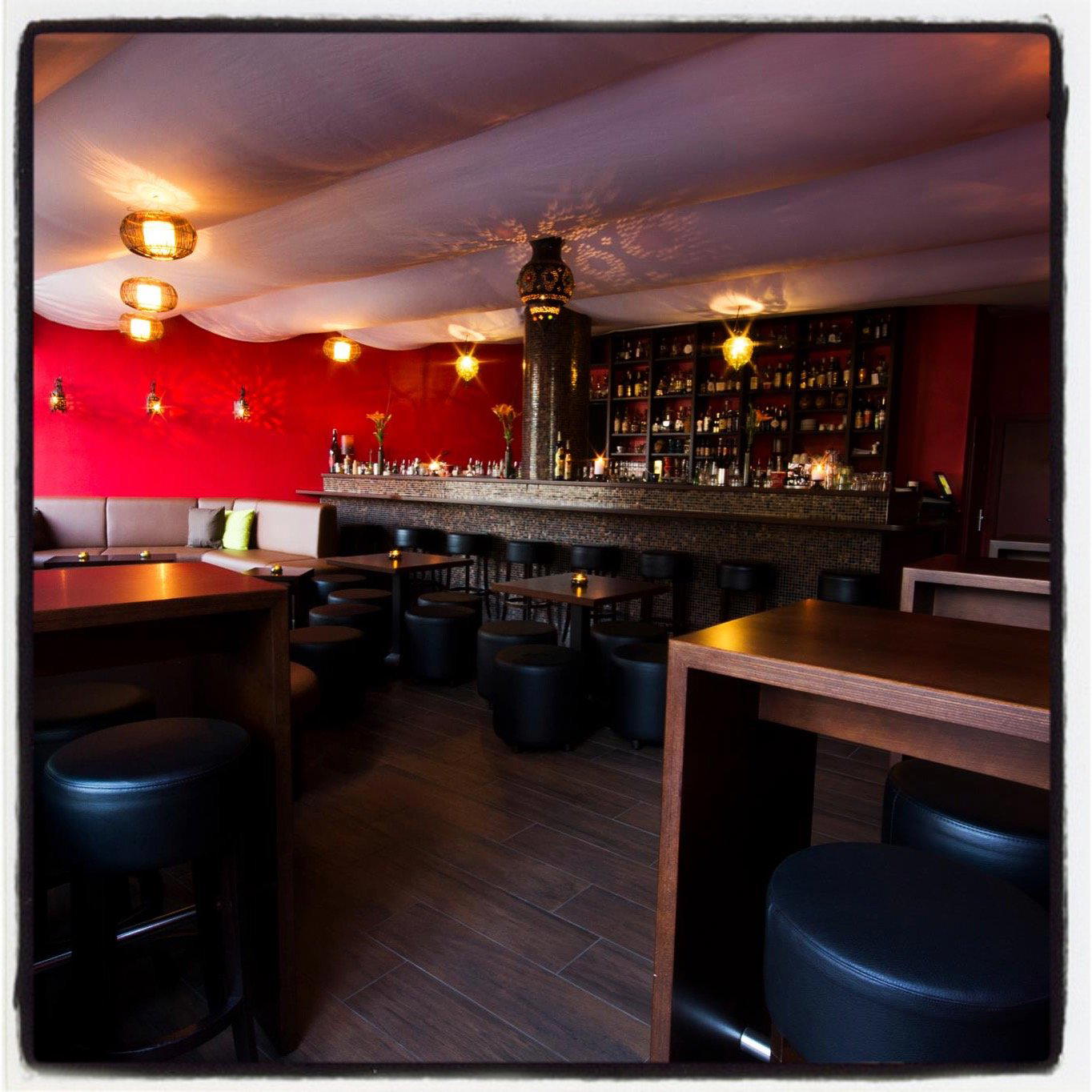
Bars in Mainz
Browse all →

Hotels in Mainz
Browse all →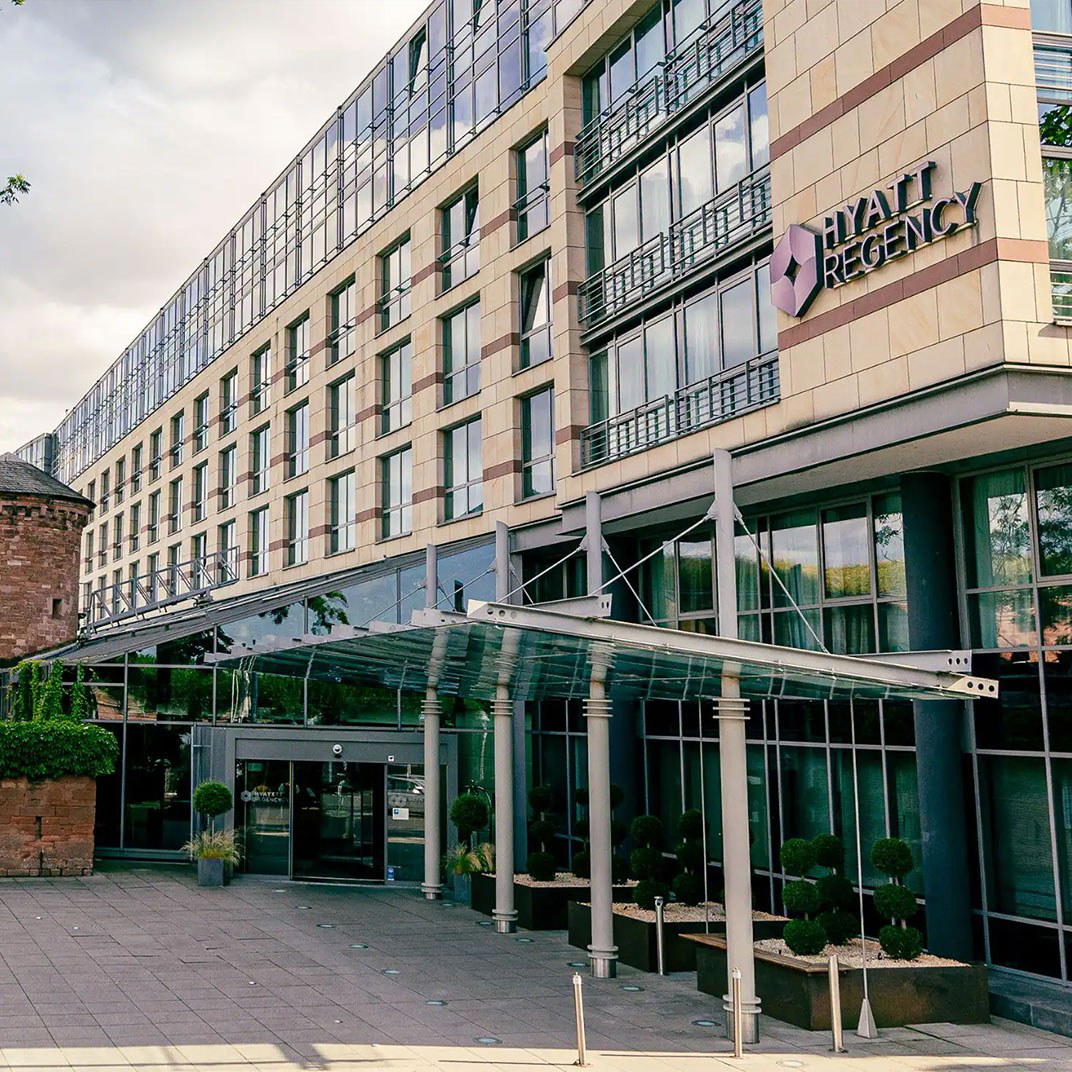
At a Glance
- Elegant
- Sophisticated
- Date Night
- Special Occasion
- Standalone
- Extensive Wine List
Current opening hours
- Monday
- Closed
- Tuesday
- 11:30 AM–2:30 PM, 6–11:30 PM
- Wednesday
- 11:30 AM–2:30 PM, 6–11:30 PM
- Thursday
- 11:30 AM–2:30 PM, 6–11:30 PM
- Friday
- 11:30 AM–2:30 PM, 6–11:30 PM
- Saturday
- 11:30 AM–2:30 PM, 6–11:30 PM
- Sunday
- Closed
Hours can change for holidays and private events. Last verified .
Elegant atmosphere praised for high-quality presentation and visually impressive dishes.