Kamin occupies a address on Kapuzinerstraße in central Mainz, sitting within a city whose restaurant scene has grown steadily more considered over the past decade. The venue draws from a dining tradition that rewards attention to menu structure and product sourcing. For context on where Kamin fits among Mainz's broader options, the city now ranges from farm-to-table formats to high-end French, with Kamin carving its own position in between.
Pearl is the En Primeur Club membership app — saves, bookings, and concierge access live there. Same editors, same standards.
- Address
- Kapuzinerstraße 8, 55116 Mainz, Germany
- Phone
- +4961316277887
- Website
- kamin-mainz.de
- Directions
- Get directions
 Saves & bookings on Pearl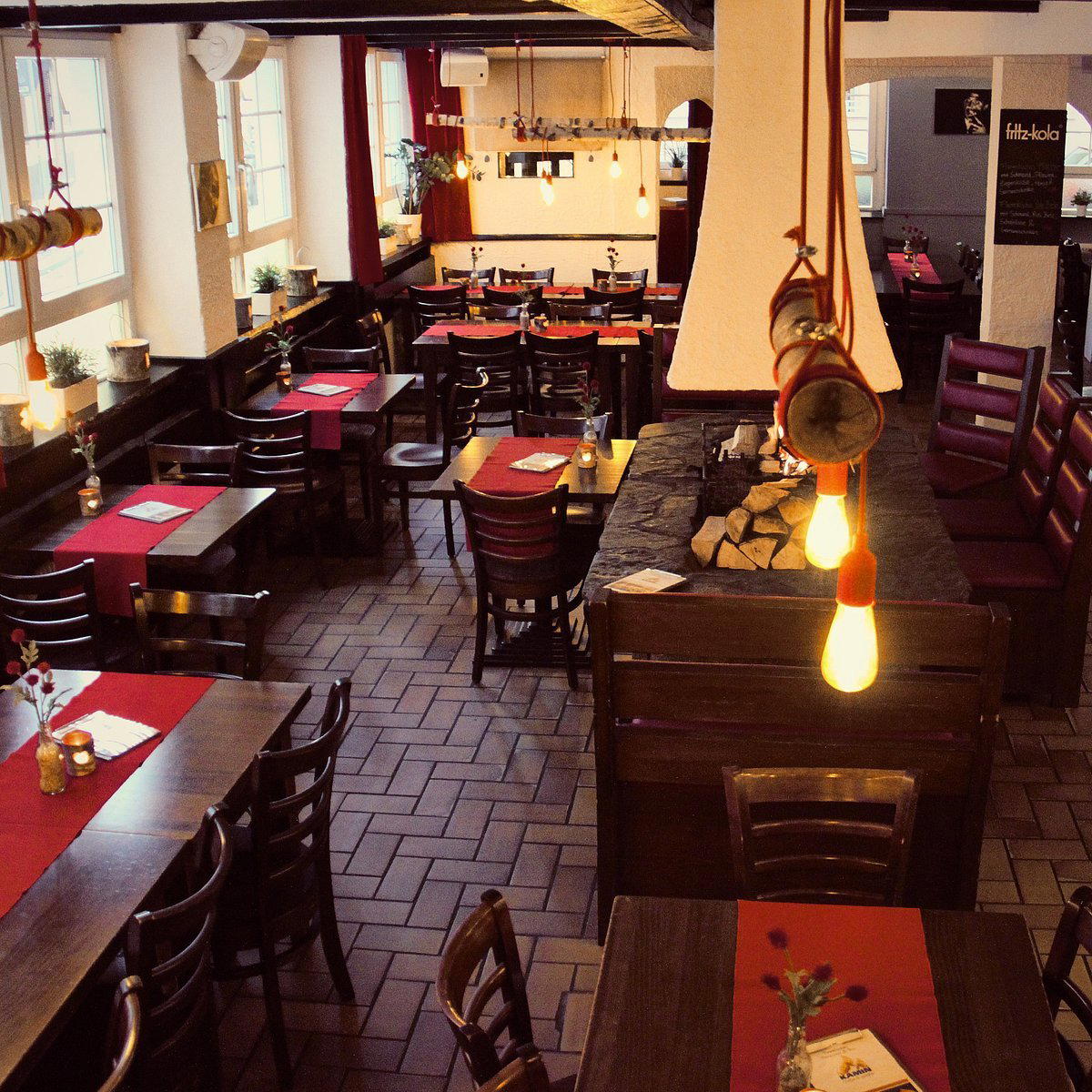
Where Mainz Dining Has Arrived
Mainz has spent the better part of a decade shedding its reputation as a Rhine transit stop and establishing a restaurant culture worth travelling for. Kamin is a casual Flammkuchen Restaurant in Mainz, at Kapuzinerstraße 8, with a recommended reservation policy and an average price of about $20 per person. The city sits at a convergence point, geographically between Frankfurt and the Rhineland wine country, culinarily between the earthy traditions of Rhenish cooking and the more precise, technique-driven formats that have spread westward from Germany's three-star belt. Kamin, at Kapuzinerstraße 8 in the city's historic core, belongs to this transitional moment in Mainz dining: a venue that reads as rooted without being backward-looking.
The broader German fine-dining circuit has produced some of the continent's most disciplined kitchens, Aqua in Wolfsburg, Schwarzwaldstube in Baiersbronn, and Waldhotel Sonnora in Dreis represent the country's most decorated tier. Mainz operates several registers below that peak, but the gap has been closing. Venues here now compete on specificity: the sourcing story, the menu logic, the wine list's relationship to the surrounding Rheinhessen vineyards. Kamin positions itself within that conversation.
The Physical Setting on Kapuzinerstraße
Kapuzinerstraße runs through the tighter, older grid of central Mainz, a street type common in German cathedral towns where Baroque facades give way to narrower pedestrian lanes. The address places Kamin within walking distance of the Dom and the main Markt, in a neighbourhood where the built environment does half the atmospheric work. Arriving in the early evening, when the stone buildings hold the last of the afternoon light, sets an expectation the interior either confirms or disrupts. The name, Kamin, German for fireplace or chimney, signals an intention toward warmth over spectacle, an interior register that has become its own statement in an era of minimalist restaurant design.
Among Mainz restaurants, the Kapuzinerstraße location is neither especially prominent tourist-facing address nor a deliberately obscure side-street play. It occupies a middle ground that suggests a kitchen confident enough not to need maximum footfall visibility.
How the Menu Is Likely Structured, and What That Reveals
One instructive frame is what the broader Mainz dining pattern implies. The city's better restaurants have increasingly organised around regional product, Rheinhessen vegetables, Rhine fish, wines from the surrounding DAC, rather than imported luxury ingredients. This is a structural choice, not just a sourcing preference. It shapes portion sequencing, pacing, and the relationship between kitchen and cellar in ways that distinguish regionally-anchored menus from those built around prestige proteins.
Across Germany, menus structured around regional coherence tend to run fewer courses at a lower average price point than destination-format tasting menus, but they can achieve comparable depth when the kitchen is disciplined. Compare the approach at Steins Traube in Mainz, which operates explicitly in the farm-to-table register at the €€€ tier, or FAVORITE restaurant, which applies Modern French architecture to similar Rhenish ingredients at the €€€€ level. The menu structure at each signals not just what the kitchen wants to cook, but what the restaurant believes its dining room should feel like, a distinction that matters when choosing between them.
Kamin, given its name and address, reads as a venue where the menu is organised around comfort and coherence rather than provocation. That is not a compromise position in contemporary German dining; it is an increasingly deliberate editorial stance. Several of the country's most respected mid-tier restaurants, including Schanz in Piesport on the Mosel, have built sustained audiences precisely by resisting the urge to chase format trends and instead deepening their relationship with a fixed regional vocabulary.
Mainz's Dining comparable set in Context
Understanding where Kamin sits requires mapping the full Mainz restaurant range. At the accessible end, Bellpepper and ATRIUM Restaurant im Atrium Hotel Mainz serve different ends of the mid-market. Brunfels Restaurant handles the Rhine-facing, traditional Rhenish position. Above that, FAVORITE operates at full fine-dining price. Kamin occupies a position in this field that the address and naming convention suggest is considered rather than default, a restaurant that has made choices about what it wants to be.
For comparison with Germany's more specialised formats, venues like CODA Dessert Dining in Berlin or JAN in Munich demonstrate how strongly a single structural commitment, to dessert as main event, or to a particular European regional influence, can define a restaurant's competitive identity. Kamin's identity, as readable from available data, appears to rest on atmosphere and accessibility rather than format novelty. That is a viable and often more durable position in a city-level market.
Internationally, the restaurants that sustain audiences over decades, Le Bernardin in New York City being the clearest example, tend to do so by commitment to a clear structural premise rather than reinvention cycles. The same logic applies at the city scale: Mainz diners return to venues that are consistent, not just interesting.
Planning a Visit
Kamin is located at Kapuzinerstraße 8, 55116 Mainz, in the city's historic centre and reachable on foot from Mainz Hauptbahnhof in under fifteen minutes. Mainz itself is served by direct rail connections from Frankfurt Airport, making it a practical day-trip or short-stay destination for travellers already in the Rhine-Main region. The Kapuzinerstraße address places the restaurant within the pedestrian core, so arrival by car requires parking nearby rather than at the door. No booking method, published hours, or price-range data is confirmed at time of writing, the restaurant's contact and reservation details are leading verified directly before visiting. For a complete picture of what the city offers across all price tiers and formats, the full Mainz restaurants guide maps the scene in detail.
Those planning a wider trip through Germany's serious dining circuit should note that the Rhine-Mosel corridor, running from Mainz south through the Nahe valley and west to the Mosel, concentrates more recognised kitchens per kilometre than almost any comparable stretch of German countryside. Vendôme in Bergisch Gladbach, Victor's Fine Dining by Christian Bau in Perl, and ES:SENZ in Grassau represent the decorated end of the national circuit. Mainz, and venues like Kamin within it, represent the city-level layer where the real daily dining culture of the region is expressed.
Awards and Standing
Comparable venues nearby, for context on price, style, and recognition.
| Venue | Cuisine | Price | Awards | Notes |
|---|---|---|---|---|
| KaminThis venue — the venue you are viewing | Flammkuchen Restaurant | $$ | Not listed | Not listed |
| Brunfels Restaurant | Modern German | $$$ | Not listed | Old Town |
| Persisches Restaurant Kababsara | Authentic Persian | $$ | Not listed | Not listed |
| Restaurant Steins Traube | Modern French & Asian Fine Dining | $$$$ | Not listed | Finthen |
| sushi Lounge | Fine Sushi & Indochine Kitchen | $$ | Michelin Plate | Rheinstraße |
| Pankratz | Seasonal Regional German | $$$ | Not listed | Not listed |
Continue exploring
More in Mainz
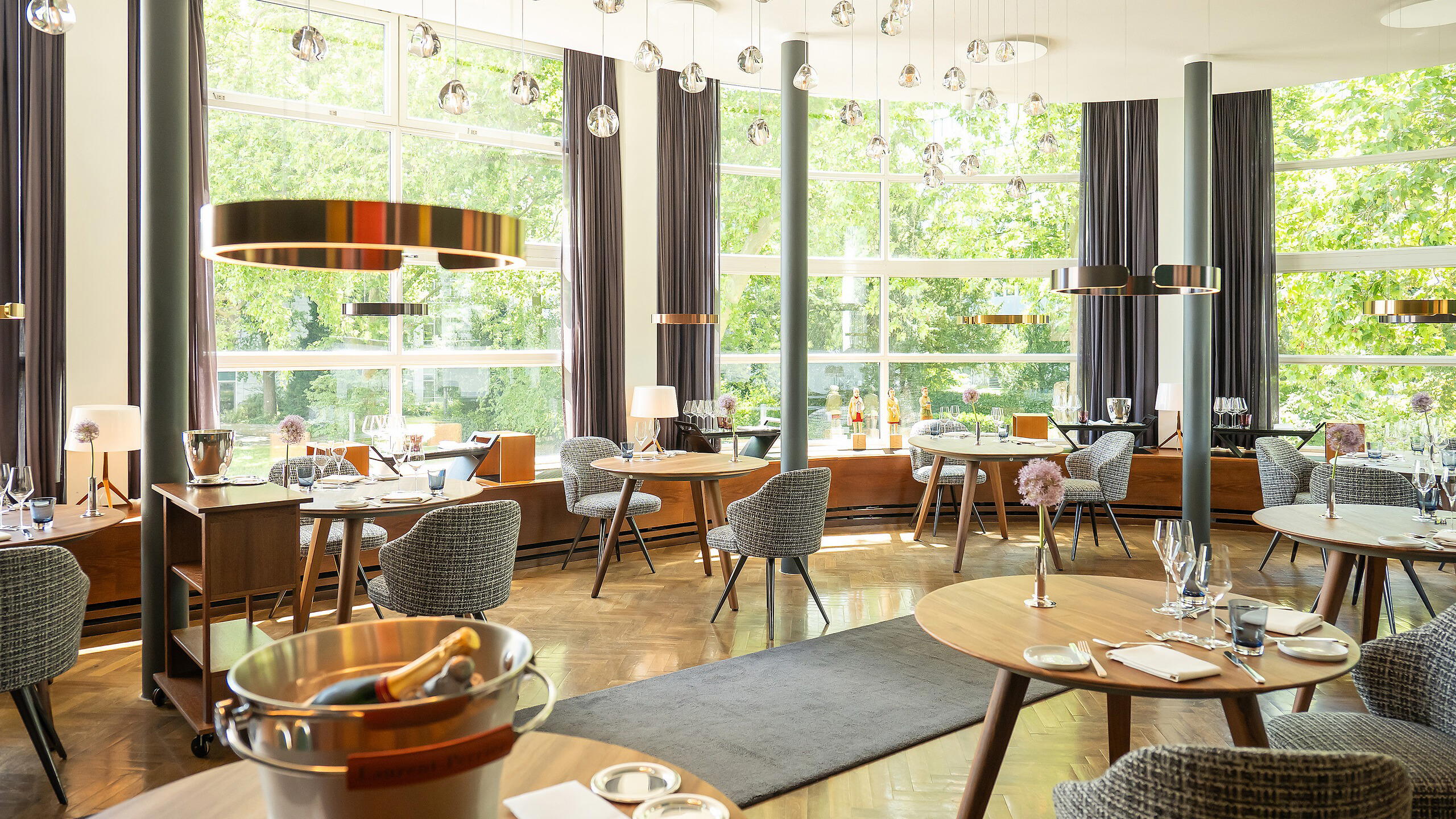
Restaurants in Mainz
Browse all →
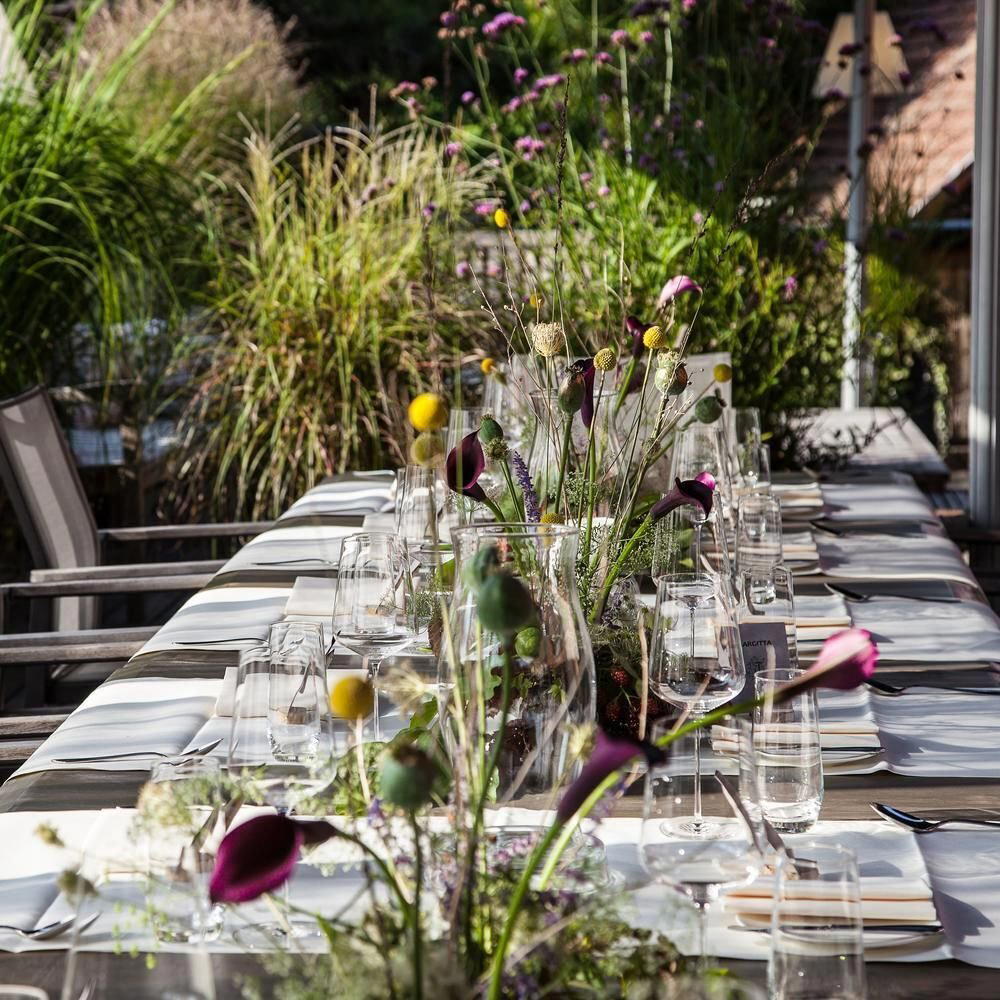
Bars in Mainz
Browse all →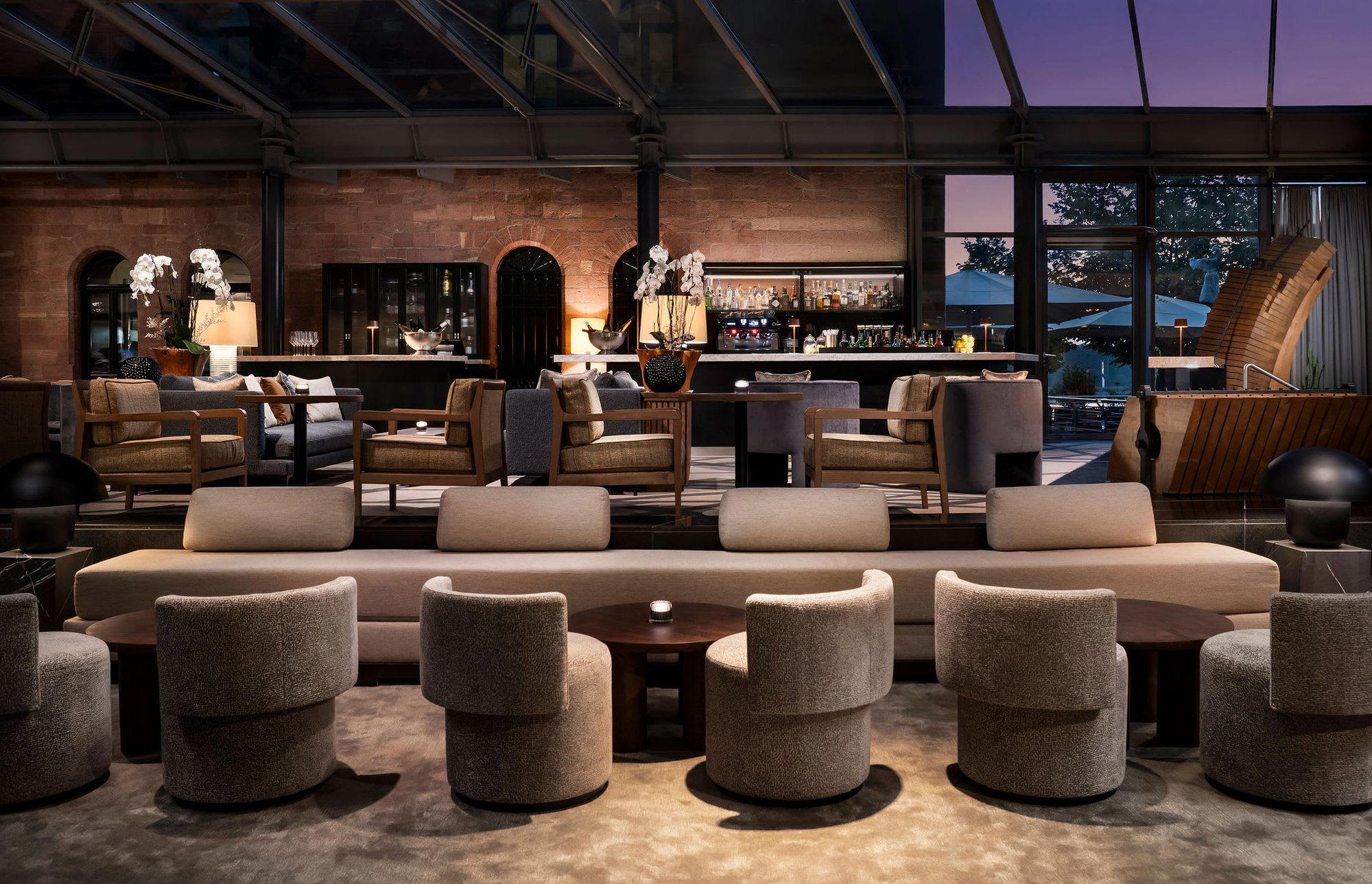

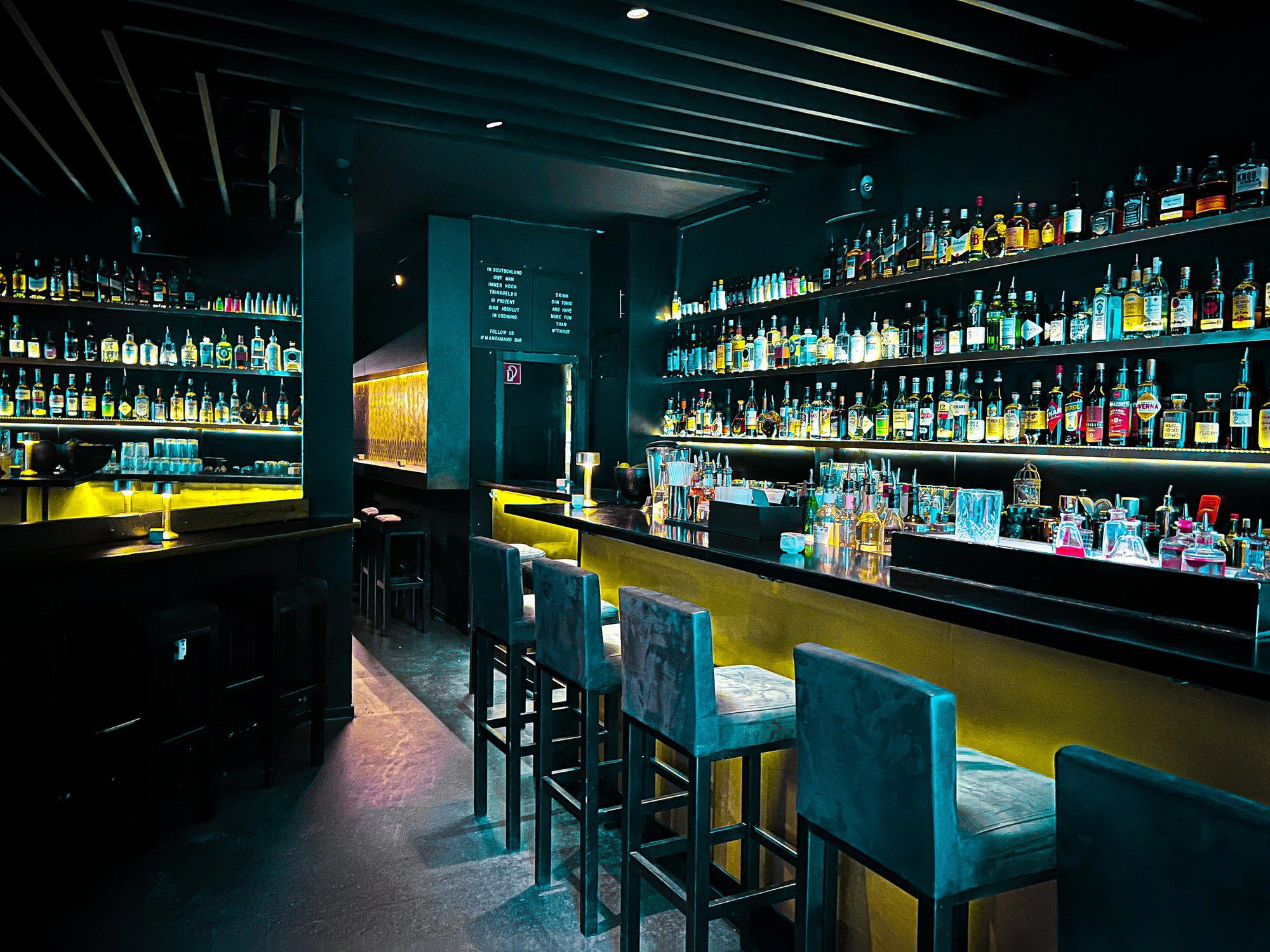
Hotels in Mainz
Browse all →
At a Glance
- Cozy
- Rustic
- Intimate
- Casual Hangout
- Family
- Date Night
- Open Kitchen
Current opening hours
- Monday
- 5–11 PM
- Tuesday
- 5–11 PM
- Wednesday
- 5–11 PM
- Thursday
- 5–11 PM
- Friday
- 5 PM–12 AM
- Saturday
- 5 PM–12 AM
- Sunday
- 5–11 PM
Hours can change for holidays and private events. Last verified .
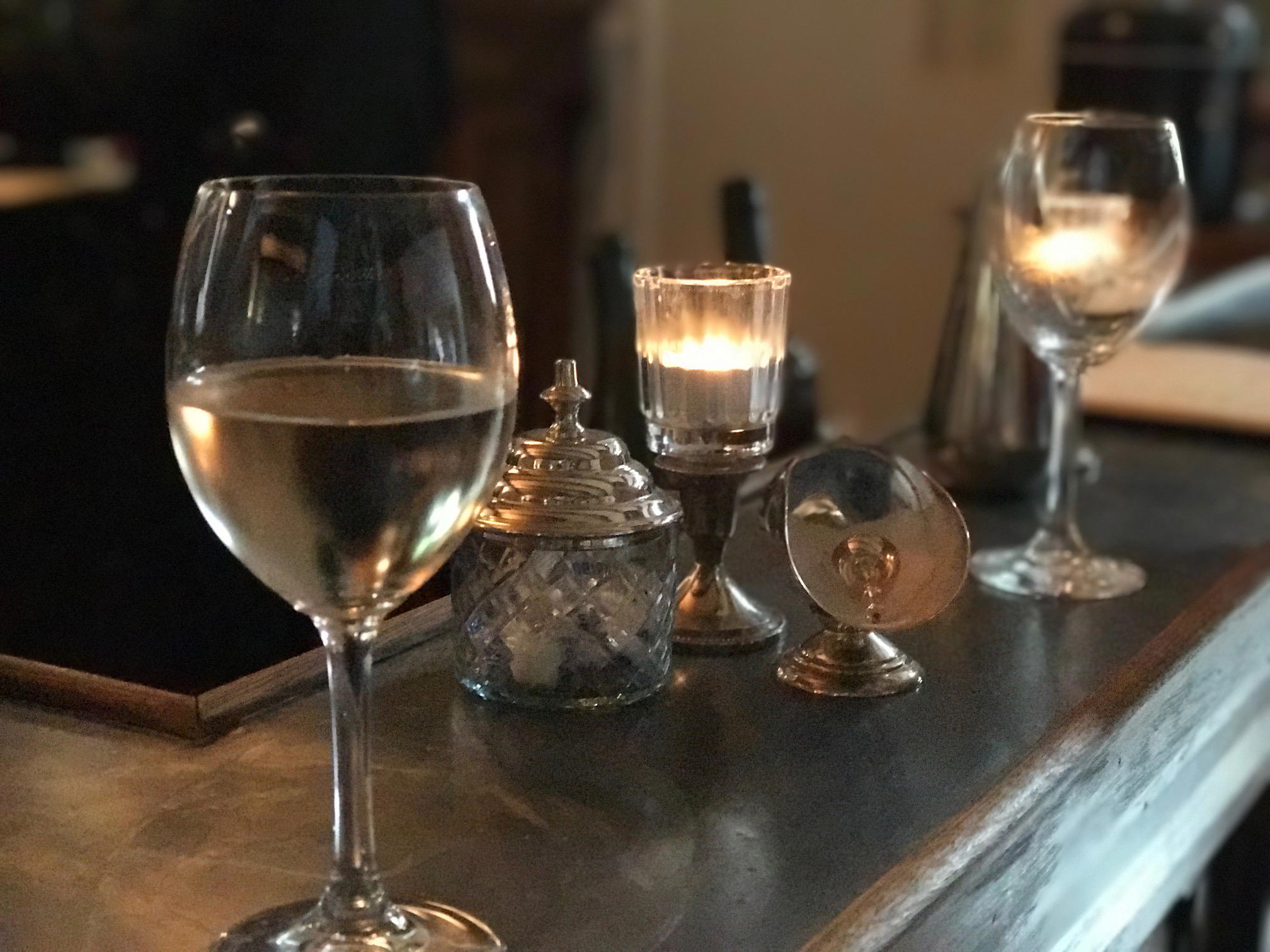
Gemütlich and rustic with warm lighting from the central open hearth, fostering a comfortable, welcoming feel like dining in a friend's living room.