Our verdict
La Fonda Lironda occupies a well-placed address on Calle de Génova in Madrid's Chamberí district, a neighbourhood that runs toward the more residential, less tourist-facing end of the city's dining circuit. The kitchen works within a tradition of Spanish convivial dining, where the structure of the meal matters as much as any individual dish. It sits in a tier of Madrid restaurants where the room, the menu's internal logic, and the pace of service carry the evening.

Pearl is the En Primeur Club membership app — saves, bookings, and concierge access live there. Same editors, same standards.
- Address
- Calle de Génova, 27, Chamberí, 28004 Madrid, Spain
- Phone
- +34911088881
- Hours
- Mon–Wed 1 PM–12 AMThu 1 PM–2 AMFri–Sat 1 PM–2:30 AMSun 1–4 PM
- Website
- glhrestaurants.com
- Directions
- Get directions
- Booking
- Book on CoverManager
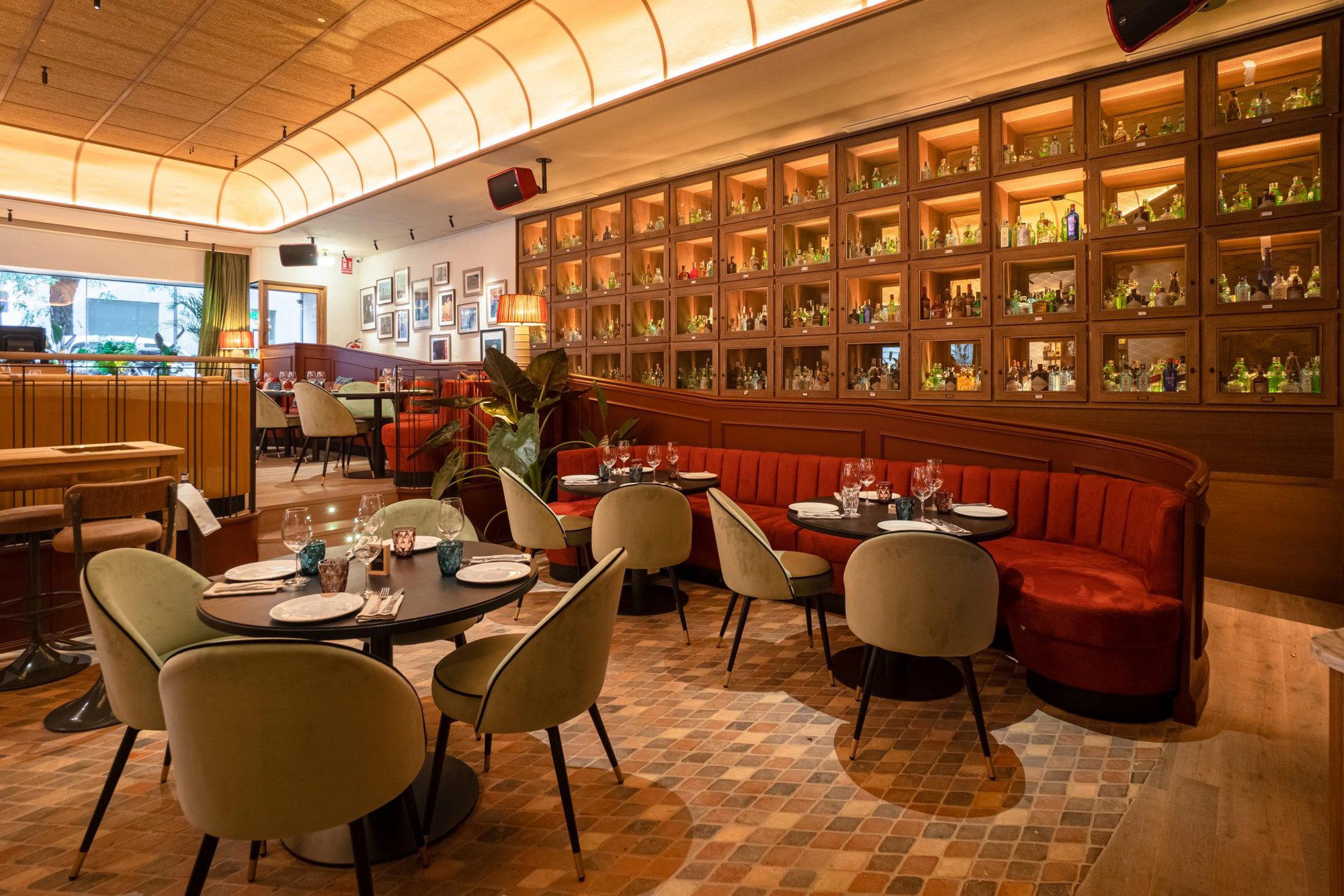
The menu
What to order
- Fondue with Swiss cheeses (Appenzeller, Raclette, Comté)
- Grilled bluefin tuna tarantelo
- Glazed veal shank medallion
- Braised beef empanada
Chamberí's Dining Register: Where La Fonda Lironda Sits
Madrid's dining geography has sharpened considerably over the past decade. The city's highest-profile tables, restaurants like DiverXO, Coque, and Deessa, operate with tasting-menu formats, long booking windows, and price points that position them against the country's broader fine-dining circuit rather than against the neighbourhood. Below that tier, a middle register has emerged: restaurants that prioritise the convivial cadence of Spanish eating over the controlled theatre of the tasting menu. La Fonda Lironda, located on Calle de Génova 27 in Chamberí, operates in that register.
Chamberí is a useful reference point for understanding what the restaurant is and is not. The district sits north of central Madrid, running through Alonso Martínez and toward Bilbao metro. It is one of the city's more architecturally consistent residential neighbourhoods, with a local dining culture less oriented toward international visitors than Chueca or the Salamanca corridor. Restaurants here tend to earn repeat business from residents rather than from seasonal tourist traffic, which sets a different kind of pressure on consistency and value.
Menu Architecture: How the Meal Is Built
In Spanish dining tradition, the structure of a menu communicates something specific about a kitchen's priorities. A long carta with deep sections in both cold and warm dishes, followed by a protein chapter and a dessert sequence, signals a kitchen built around hospitality breadth rather than creative depth. The goal is coverage: something for every seat at the table, something that works across a two-hour shared meal without requiring the diner to commit to a single register or pacing format. This is the tradition La Fonda Lironda works within.
The fonda format itself carries historical weight in Spain. A fonda is a category below a restaurant in the traditional Spanish classification system: more functional, more accessible, with an implied emphasis on feeding people well rather than impressing them. The word in the restaurant's name is deliberate positioning. It signals a kitchen that takes the sociable, abundant logic of the fonda seriously, even as the address and the room's execution sit above that historic category. The tension between those two signals, the democratic reference and the considered execution, is where the restaurant's editorial identity lives.
What this means practically is that the menu likely rewards group dining more than solo visits, and rewards returning diners who can read across multiple sections over time. The Spanish approach of ordering across multiple sharing dishes rather than individual courses gives the menu its logic: the kitchen's range becomes legible only across several dishes and several visits. This is a different kind of intelligence than the linear progression of a tasting menu at, say, DSTAgE or Paco Roncero, but it is not a lesser one.
Positioning Against Madrid's Wider Dining Tier
Spain's fine-dining circuit is one of the densest in Europe. Restaurants like El Celler de Can Roca in Girona, Martin Berasategui in Lasarte-Oria, Arzak in San Sebastián, and Azurmendi in Larrabetzu anchor a national prestige tier that draws international attention. Further down the peninsula, Aponiente in El Puerto de Santa María, Quique Dacosta in Dénia, and Mugaritz in Errenteria extend that circuit into distinct regional identities. Ricard Camarena in València, Cocina Hermanos Torres in Barcelona, and Atrio in Cáceres add further geographic range.
La Fonda Lironda does not compete in that bracket. That tier has grown more competitive in Madrid as the city's restaurant culture has matured, and operating credibly within it requires a kitchen that can maintain consistency across a broad menu over multiple services per week. The fonda model is, in that sense, a harder operational discipline than a tasting-menu kitchen running a single fixed sequence.
The Chamberí Room and What It Tells You
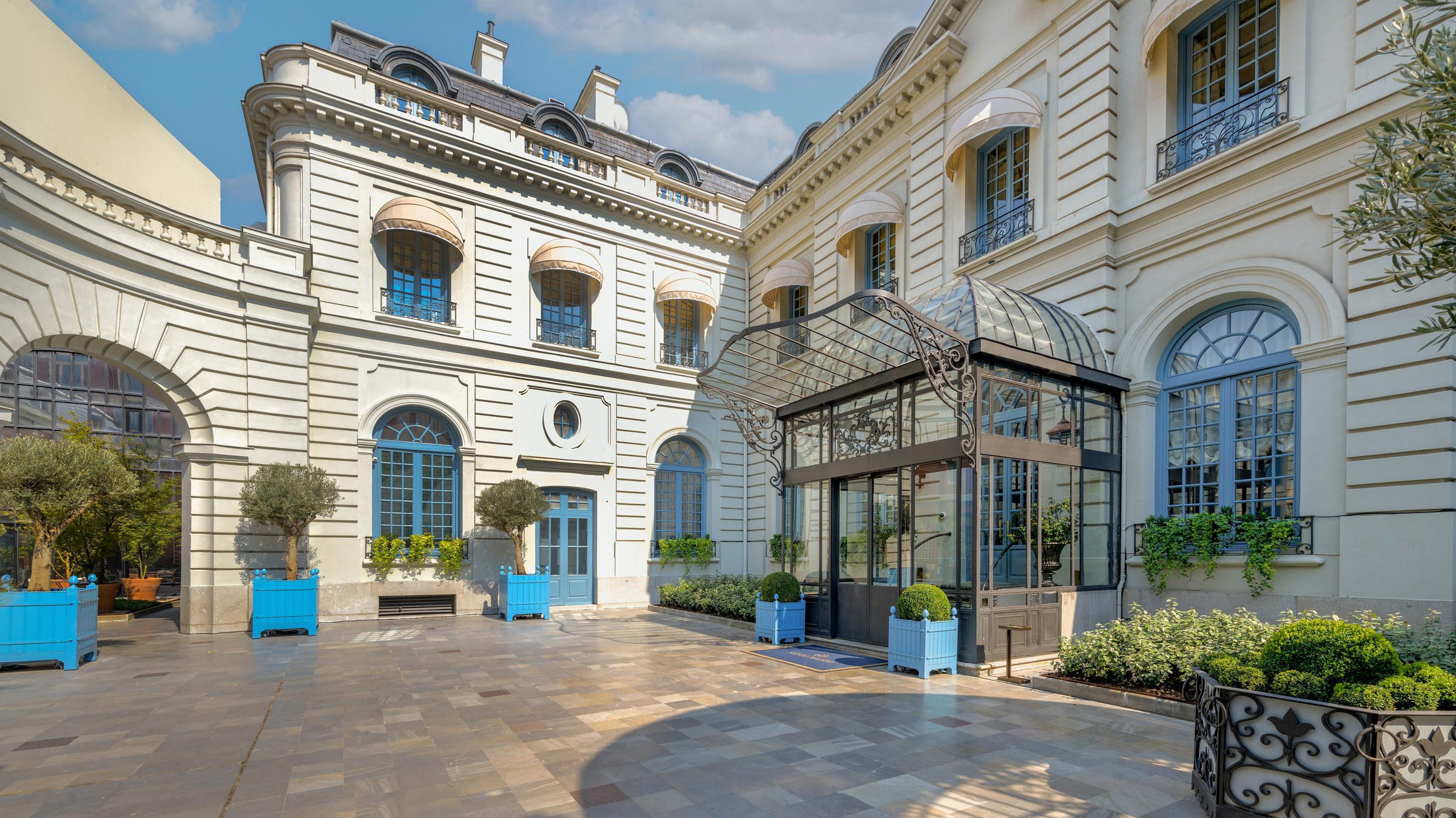
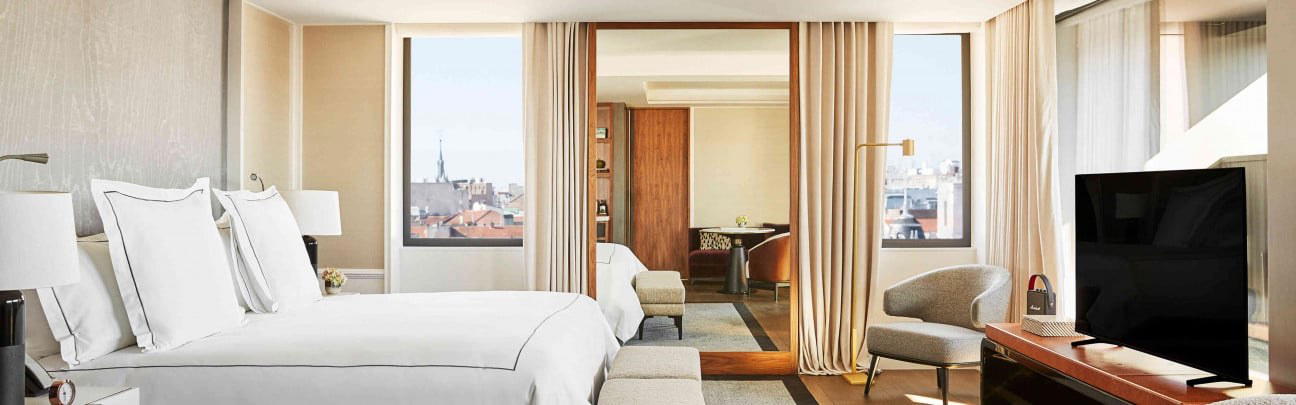
A restaurant on Calle de Génova in Chamberí occupies a street with some civic weight: the address runs near the headquarters of Spanish political institutions and through some of the neighbourhood's more formal residential fabric. The physical environment of a restaurant in this part of the city tends toward warmth and enclosure rather than the open-terrace formats of southern Madrid or the exposed industrial spaces that characterise some of the city's newer openings. This matters for understanding the dining proposition: the room is likely built around the table as a contained social unit, which reinforces the menu's logic of shared, sequential eating across an extended sitting.
For context on how Madrid's broader dining geography distributes across these registers, see our full Madrid restaurants guide. For international reference points on what convivial European dining at this level looks like in a different city, Le Bernardin in New York City and Atomix in New York City represent what the tasting-menu tier looks like when it is operating at its structural limit, which helps clarify why La Fonda Lironda's deliberate non-tasting-menu stance is itself a considered choice.
Know Before You Go
- Address: Calle de Génova, 27, Chamberí, 28004 Madrid, Spain
- District: Chamberí, north-central Madrid
- Format: À la carte, sharing-style; suited to groups of two to four
- Getting there: Alonso Martínez and Colón metro stations (Lines 4, 5, and 10) serve the area; street parking is limited during service hours
- Timing: Spanish dinner service typically runs from 21:00 onward; lunch seatings from 14:00
Frequently asked questions
Where do I go for La Fonda Lironda?
La Fonda Lironda is located at Calle de Génova, 27, Chamberí, 28004 Madrid, Spain, Madrid.
Is La Fonda Lironda suited to a group dinner in Madrid?
The fonda reference in the name points directly at the format: Spanish fondas are built around convivial, multi-dish eating rather than the individual-plate pacing of a tasting menu. That structure makes the Chamberí address at Calle de Génova, 27 a practical choice for groups who want to share across the table rather than order independently. Madrid's sharing-plate tradition rewards larger parties who can cover more of the carta in a single sitting.
What do people recommend at La Fonda Lironda?
La Fonda Lironda operates within the Spanish sharing-dish tradition, which means the kitchen's range reads most clearly across several plates ordered between a group rather than a single main. The address on Calle de Génova in Chamberí places it among a neighbourhood crowd that returns regularly, and repeat-visit restaurants in Madrid of this format tend to anchor their reputation in a handful of house dishes that regulars order without consulting the menu. Ordering broadly across the carta gives the clearest picture of what the kitchen does well.
Should I book La Fonda Lironda in advance?
Chamberí restaurants with strong local repeat business tend to fill mid-week through neighbourhood regulars rather than weekend tourism surges, so booking ahead is advisable for any sitting you have a fixed preference on. La Fonda Lironda sits on Calle de Génova, 27, a street with civic and residential density that generates consistent foot traffic independent of seasonal peaks. Contacting the venue directly to confirm table availability before arriving is the practical approach, particularly for groups.
Booking and Cost Snapshot
Comparable venues nearby, for context on price, style, and recognition.
| Venue | Cuisine | Price | Awards | Notes |
|---|---|---|---|---|
| La Fonda LirondaThis venue — the venue you are viewing | Contemporary Spanish Bistro with European Influences | $50–100 | Not listed | Not listed |
| Haroma | Avant-Garde Spanish Fine Dining | $50–100 | Relais Chateaux Award | Lista, Avant-Garde Spanish Fine Dining |
| Yantar Sidrería Gastronómica | Traditional Asturian Cuisine | $50–100 | Not listed | Barrio de las Letras, Traditional Asturian Cuisine |
| Florida Retiro | Modern Spanish Mediterranean | $30–50 | Not listed | Parque del Retiro, Modern Spanish Mediterranean |
| Restaurante Ferreiro | Traditional Asturian Spanish | $30–50 | Macarfi 6.5 Food Rating | Cuatro Caminos, Traditional Asturian Spanish |
| Come Bebe Ama | Modern Extremaduran Spanish Gastrobar | $30–50 | Not listed | San Isidro, Modern Extremaduran Spanish Gastrobar |
Continue exploring
More in Madrid
Restaurants in Madrid
Browse all →
Bars in Madrid
Browse all →
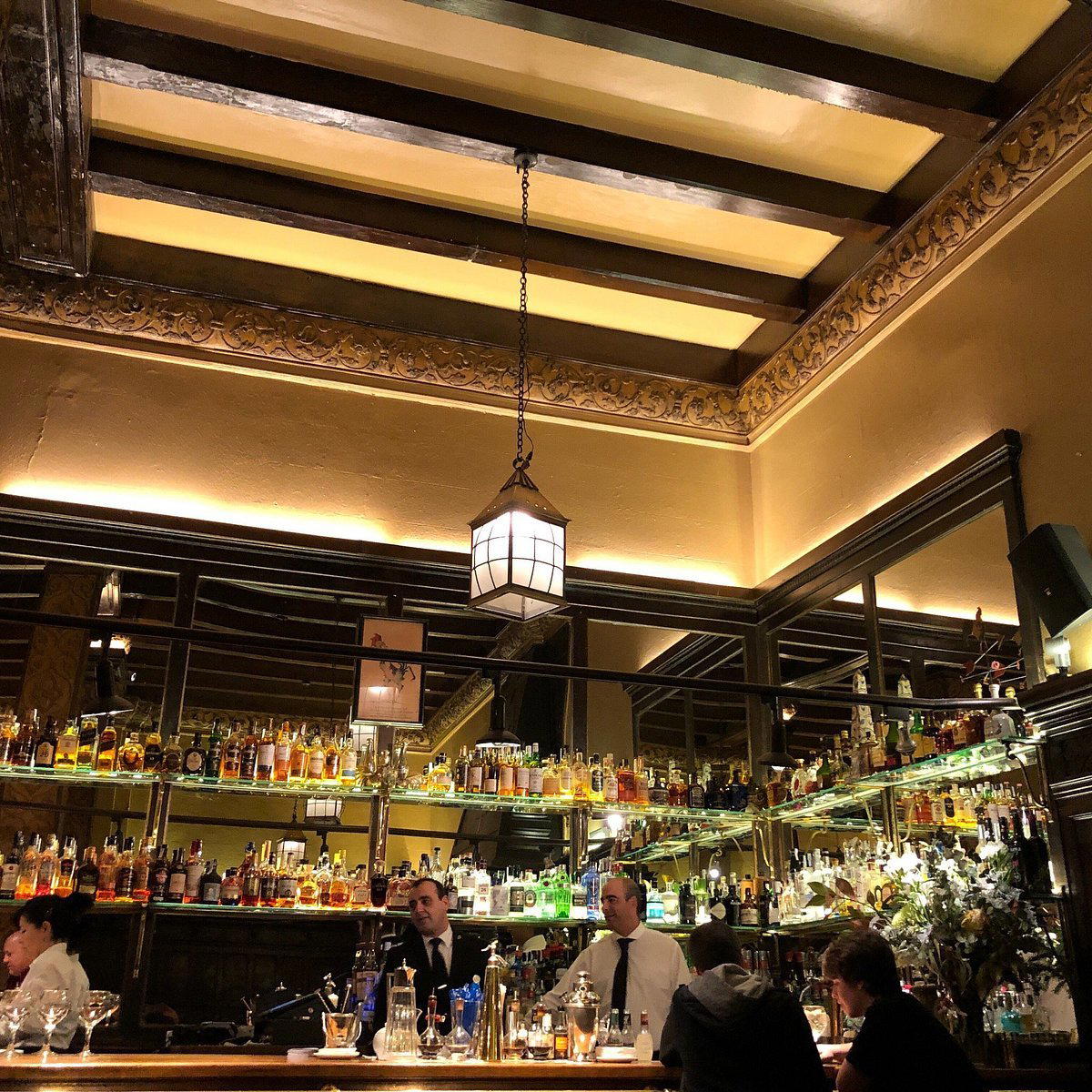
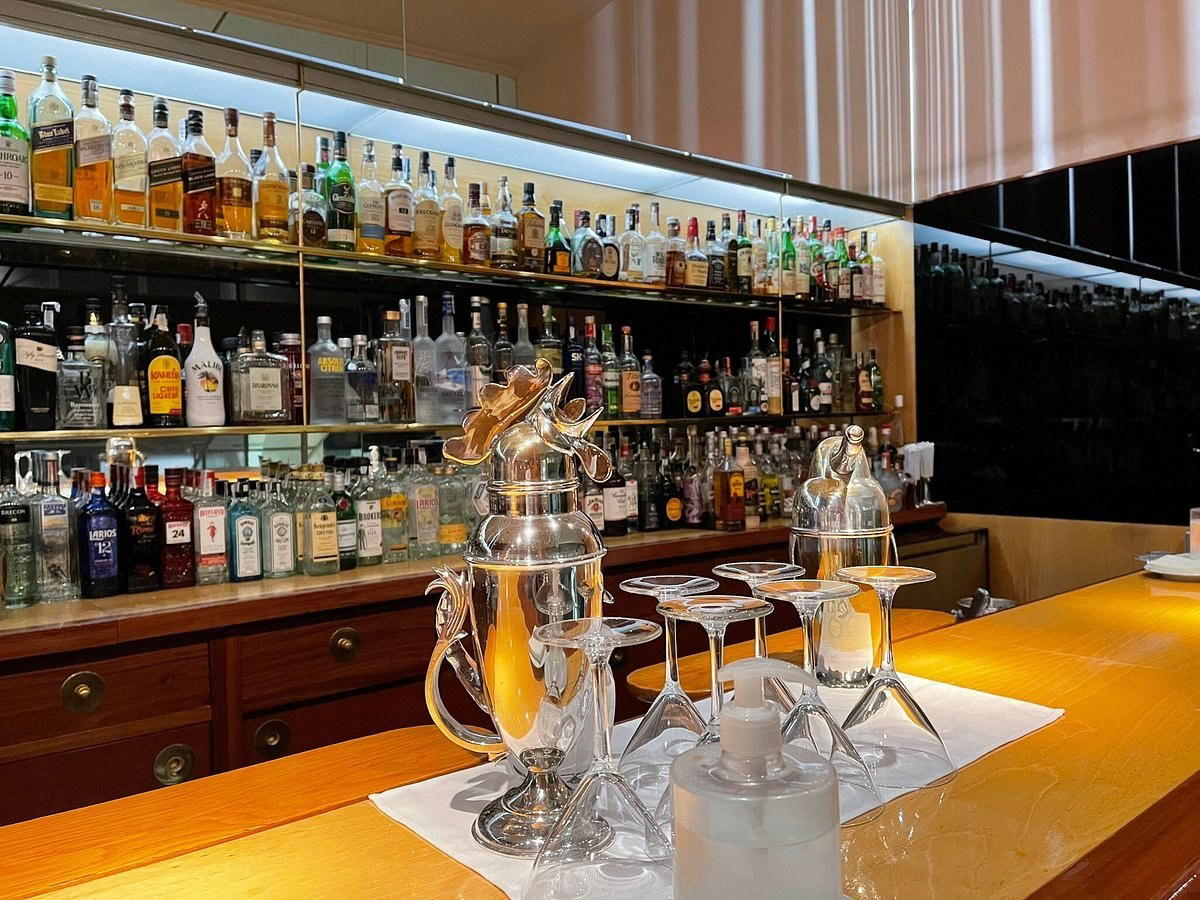
Hotels in Madrid
Browse all →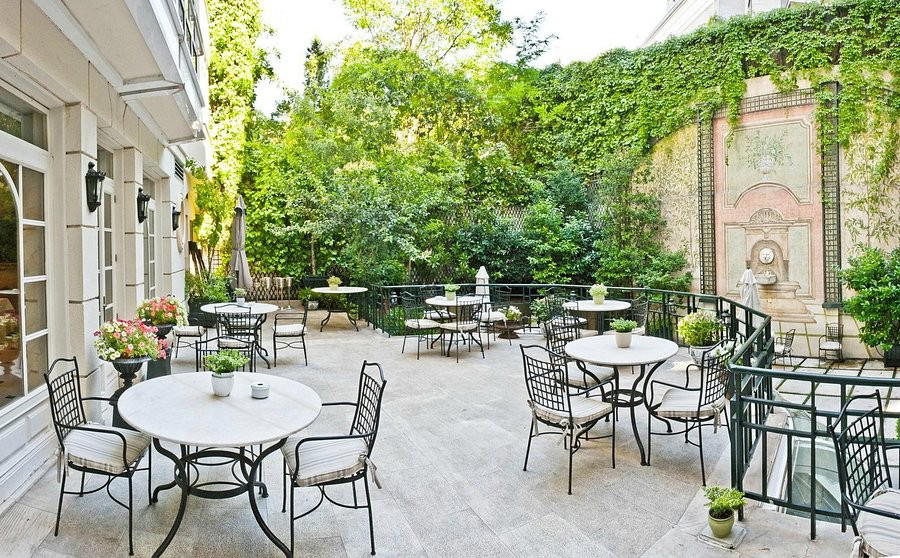
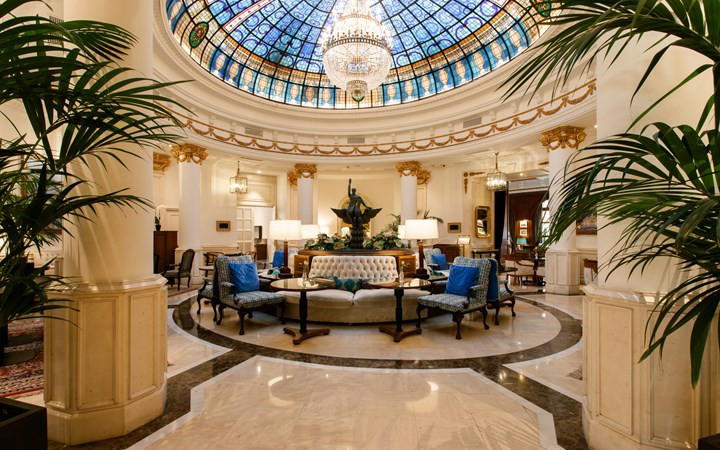

Details
- Romantic
- Cozy
- Elegant
- Trendy
- Date Night
- Business Dinner
- Group Dining
- Special Occasion
- Live Music
- Private Dining
- Standalone
- Craft Cocktails
- Sommelier Led
- Local Sourcing
- A La Carte
- Set Menu
- Signature Cocktails
- Wine
- Vegetarian Friendly
Current opening hours
- Monday
- 1 PM–12 AM
- Tuesday
- 1 PM–12 AM
- Wednesday
- 1 PM–12 AM
- Thursday
- 1 PM–2 AM
- Friday
- 1 PM–2:30 AM
- Saturday
- 1 PM–2:30 AM
- Sunday
- 1–4 PM
Hours can change for holidays and private events. Last verified .
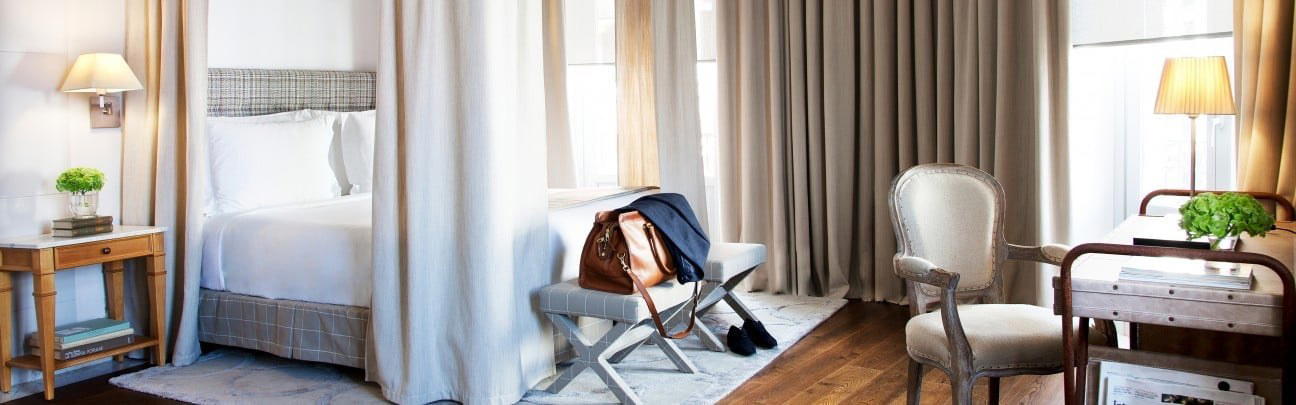
Relaxed yet refined atmosphere with great retro-modern décor, cozy and lively with a sophisticated European bistro feel.