La Estancia Gaucha
Our verdict
La Estancia Gaucha brings the Argentine asado tradition to Guadalajara's Jardines del Bosque neighbourhood, occupying a distinct position in a city whose meat-eating culture skews toward birria and regional Mexican cuts. For visitors tracing the city's full carnivore range, it sits alongside dedicated parrilla houses as an alternative reference point outside the Mexican mainstream.

Pearl is the En Primeur Club membership app — saves, bookings, and concierge access live there. Same editors, same standards.
- Address
- Av Niños Héroes 2860-A, Jardines del Bosque, 44520 Guadalajara, Jal., Mexico
- Phone
- +523331226565
- Hours
- Mon 1–8 PMTue–Sat 1–11 PMSun 1–6 PM
- Website
- laestanciagaucha.com
- Directions
- Get directions
The menu
What to order
- Provoleta
- Bife de Chorizo
- Queso Fundido con Chorizo
Argentine Fire in a Mexican City
Jardines del Bosque, one of Guadalajara's more settled residential corridors, does not typically announce itself as a destination for international cooking. The tree-lined avenues and mid-century architecture give the area a quiet residential register that contrasts with the louder, more tourist-trafficked streets around Chapultepec or the historic centre. Into this context, La Estancia Gaucha plants itself on Avenida Niños Héroes 2860-A with a premise that is direct to read: Argentine parrilla culture, transposed to a Mexican city with its own deep and confident relationship with fire-cooked meat.
That transplant is more culturally loaded than it might first appear. Argentina's asado tradition is not simply a cooking method. It is a social institution with its own vocabulary, its own hierarchy of cuts, and its own unwritten rules about flame management and resting times. The gaucho, the semi-nomadic cattle herder of the Pampas, is the cultural origin point for that tradition, and the word carries the same weight in Argentine culinary identity that the taquero or the birria master carries in Jalisco. When a restaurant places that word in its name, it is signalling alignment with a specific, codified set of expectations.
How the Argentine Asado Tradition Reads in Guadalajara
Guadalajara is not a city that needs lessons in cooking meat. The birria tradition, represented locally by institutions like Birriería las 9 Esquinas and Birrieria Chololo Las Juntas, is one of Mexico's most technically precise slow-cook traditions. The city also has a broader carnivore culture that ranges from neighbourhood taquerías to dedicated asadores. Within that context, a venue anchored in Argentine parrilla methodology is not filling a gap so much as offering a different grammar for a conversation the city already knows how to have.
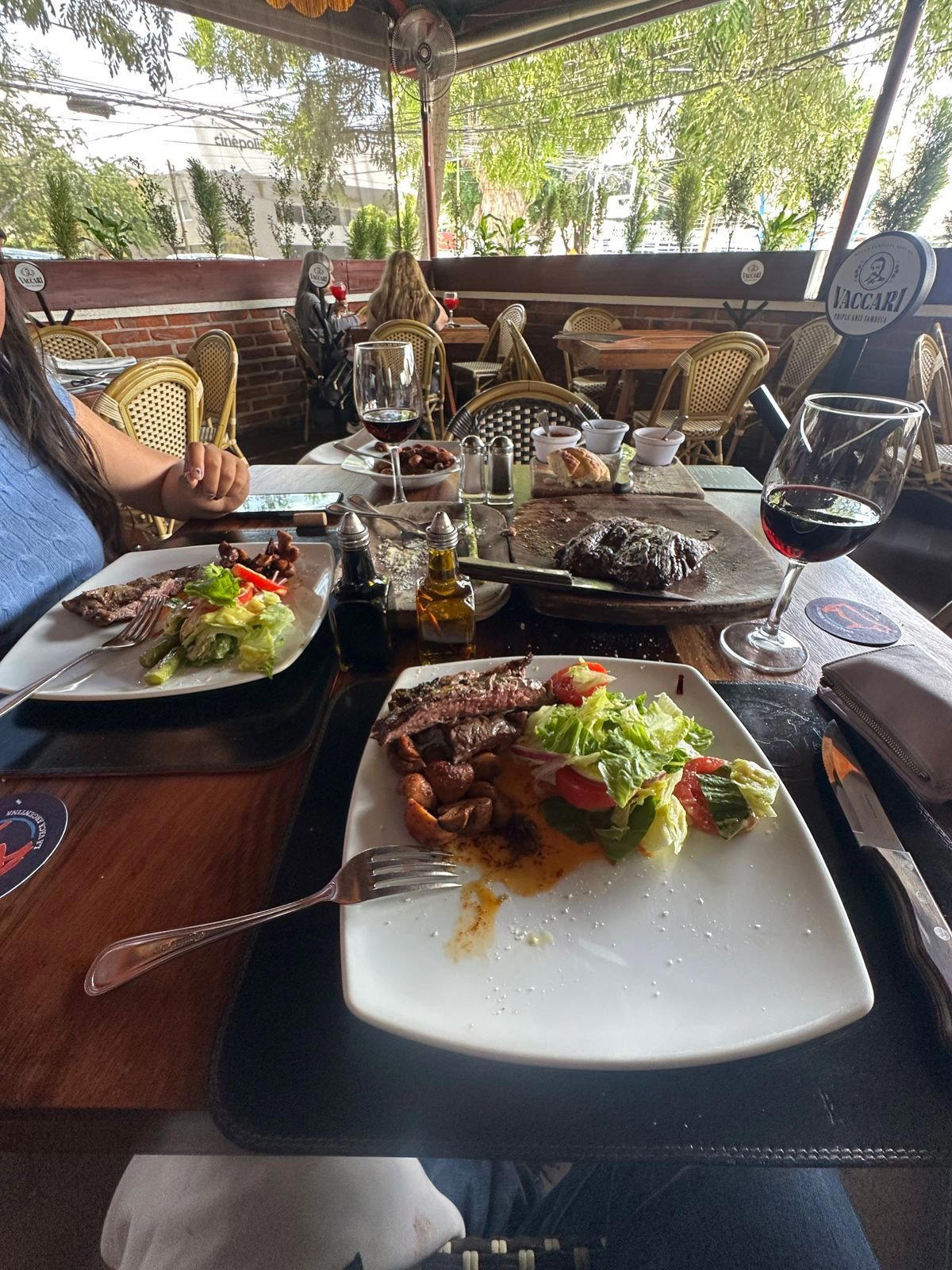
Argentine cuts, particularly the tira de asado (cross-cut short rib), the vacío (flank), and the entraña (skirt), have specific anatomical and textural identities that differ from the cuts most commonly foregrounded in Mexican asador culture. Argentine parrilla cooking also tends toward lower, slower heat on a parilla grill — often a wood-burning or charcoal setup with a crank mechanism to raise and lower the grate — which produces a different result than the hotter, faster direct-fire approach common in Mexican street and market grilling. A restaurant built around that methodology is, by definition, teaching the room something about Argentine technique even when the audience is already fluent in fire.
The city's Argentine-inflected restaurants represent a modest but consistent niche. The nearest comparable in Guadalajara's current listing is Asador La Vaca Argentina Pérgolas, which occupies a similar cultural position. Both operate against the backdrop of a local dining culture that, at its more ambitious end, is increasingly nationally recognised: Alcalde and Bruna represent the city's contemporary Mexican cooking tier, venues that draw comparison with nationally significant addresses like Pujol in Mexico City or KOLI Cocina de Origen in Monterrey. Argentine parrilla houses operate in a parallel register, appealing to a different occasion type: longer, more sociable, centred on shared cuts rather than individual tasting portions.
The Cultural Stakes of the Parrilla Format
Across Mexico's larger cities, Argentine parrilla restaurants have carved a consistent niche since at least the 1990s, when Argentine immigration and cultural exchange introduced the format to urban Mexican dining scenes. The proposition remains durable because the format is inherently social. An Argentine asado is designed for groups; the sequence of courses, from the initial chorizo and morcilla through to the primary cuts, is calibrated for shared consumption over an extended period. That format translates well to the Mexican table, which also values extended communal dining over speed.
It is worth noting what distinguishes this format from the broader category of steakhouses operating in Mexico. The parrilla tradition is not about premium individual cuts presented in isolation, as the North American steakhouse model tends to be. It is about the sequence, the variety, and the collective rhythm of the meal. Cuts that would be considered secondary in a European or North American steak context, the entraña, the molleja (sweetbreads), the riñones (kidneys), are often the most prized elements of an Argentine asado. A restaurant that takes this tradition seriously will show that range, not just the premium loins and ribs that a steakhouse menu typically foregrounds. Comparable format discipline appears at internationally recognised addresses far from Mexico: Le Bernardin in New York City offers a useful contrast as a venue where a single culinary tradition is followed with equal rigour, albeit in an entirely different register.
Guadalajara's Broader Dining Map
Understanding where La Estancia Gaucha sits requires some sense of what surrounds it. Guadalajara's dining scene in 2024 is more nationally visible than it was a decade ago, with the city generating credible competition for the capital and Monterrey in serious Mexican cooking. The more technique-driven end of that scene, represented by venues in Chapultepec and the historic centre, draws the most critical attention. The residential neighbourhoods, including Jardines del Bosque, tend to house a more occasion-driven, neighbourhood-loyal dining culture where consistency and reliability over years matter as much as innovation.
For visitors exploring Mexico's wider serious dining circuit, the country's range is now significant. Animalón in Valle de Guadalupe, Levadura de Olla Restaurante in Oaxaca, Huniik in Merida, HA' in Playa del Carmen, and Le Chique in Puerto Morelos all represent distinct regional traditions with serious cooking credentials. Within Guadalajara specifically, our full Guadalajara restaurants guide maps the full range of what the city currently offers, from its birria foundations through to its newer fine dining tier. Venues like Olivea Farm to Table in Ensenada, Pangea in San Pedro Garza Garcia, and Lunario in El Porvenir illustrate how seriously regional Mexican cities are now engaging with quality cooking across different format types. Atomix in New York City offers a broader global reference for how minority culinary traditions can be presented with full technical rigour in a major city, a comparison that holds in reverse for Argentine cooking in Guadalajara.
Planning Your Visit
La Estancia Gaucha is located at Av Niños Héroes 2860-A in Jardines del Bosque, a neighbourhood most easily reached by car or ride-share from central Guadalajara. The address is in a residential commercial strip rather than a tourist cluster, which means the practical approach is direct: confirm current hours and reservation availability before travelling, as neighbourhood restaurants in this part of the city operate on schedules shaped by local demand rather than tourist traffic. Given that the parrilla format rewards larger tables, visiting with a group of four or more will give the most representative experience of how the Argentine asado sequence is meant to unfold.
Frequently asked questions
Where do I go for La Estancia Gaucha?
La Estancia Gaucha is located at Av Niños Héroes 2860-A, Jardines del Bosque, 44520 Guadalajara, Jal. Mexico, Guadalajara.
How does La Estancia Gaucha compare to Guadalajara's traditional Mexican grilling options?
Guadalajara is one of the few cities in Mexico where the Argentine parrilla and the local birria and tatemado traditions operate in credible proximity. La Estancia Gaucha, located at Av Niños Héroes 2860-A, represents the Argentine side of that comparison: open-fire beef cookery driven by cut selection and resting technique rather than the chile- and citrus-based marinades that define local Jalisco approaches. For a visitor interested in how two distinct fire-cooking cultures read against each other in one city, the comparison is worth making deliberately.
What's the must-try dish at La Estancia Gaucha?
At any Argentine parrilla, the entraña (skirt steak) and tira de asado (cross-cut short rib) are the cuts that most directly reveal the kitchen's command of fire and timing. These are the benchmark orders at La Estancia Gaucha in Jardines del Bosque — the cuts by which the Argentine asado tradition is judged, whether you're eating in Buenos Aires or Guadalajara.
Should I book La Estancia Gaucha in advance?
Neighbourhood restaurants in Jardines del Bosque draw a loyal local clientele, and weekend evenings at an asado-format spot tend to fill with extended family groups for whom the format is a deliberate occasion rather than a casual dinner. A reservation is the practical call, particularly on Friday and Saturday nights. Weekday lunches are a more reliable walk-in window.
Price Lens
Comparable venues nearby, for context on price, style, and recognition.
| Venue | Cuisine | Price | Awards | Notes |
|---|---|---|---|---|
| La Estancia GauchaThis venue — the venue you are viewing | Authentic Argentine Steakhouse | $30–50 | Not listed | Not listed |
| Bruna | Modern Mexican Fine Dining | $50–100 | Not listed | 1403900011575, Modern Mexican Fine Dining |
| Restaurante Lula Bistro | Modern French-Mexican Fusion | Not listed | Not listed | 1403900015652, Modern French-Mexican Fusion |
| Hueso Restaurante | Modern Mexican | $50–100 | Not listed | 1403900011791, Modern Mexican |
| Birriería Las 9 Esquinas | Traditional Guadalajara Birria | $10–20 | Michelin Plate | 1403900011626, Authentic Guadalajara Birria |
| La Chata de Guadalajara | Traditional Jalisco Mexican | $10–20 | Not listed | 1403900011626, Traditional Jalisco Mexican |
Continue exploring
More in Guadalajara
Restaurants in Guadalajara
Browse all →
Bars in Guadalajara
Browse all →

Hotels in Guadalajara
Browse all →




Details
- Rustic
- Lively
- Classic
- Group Dining
- Special Occasion
- Business Dinner
- Private Dining
- Live Music
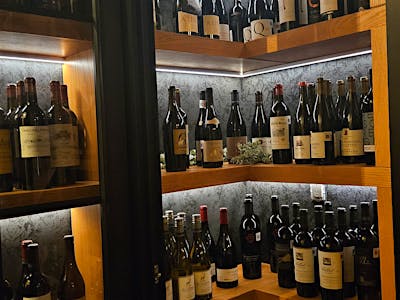
- Extensive Wine List
- Craft Cocktails
- A La Carte
- Malbec
- Torrontes
- Gluten Free Options
Current opening hours
- Monday
- 1–8 PM
- Tuesday
- 1–11 PM
- Wednesday
- 1–11 PM
- Thursday
- 1–11 PM
- Friday
- 1–11 PM
- Saturday
- 1–11 PM
- Sunday
- 1–6 PM
Hours can change for holidays and private events. Last verified .
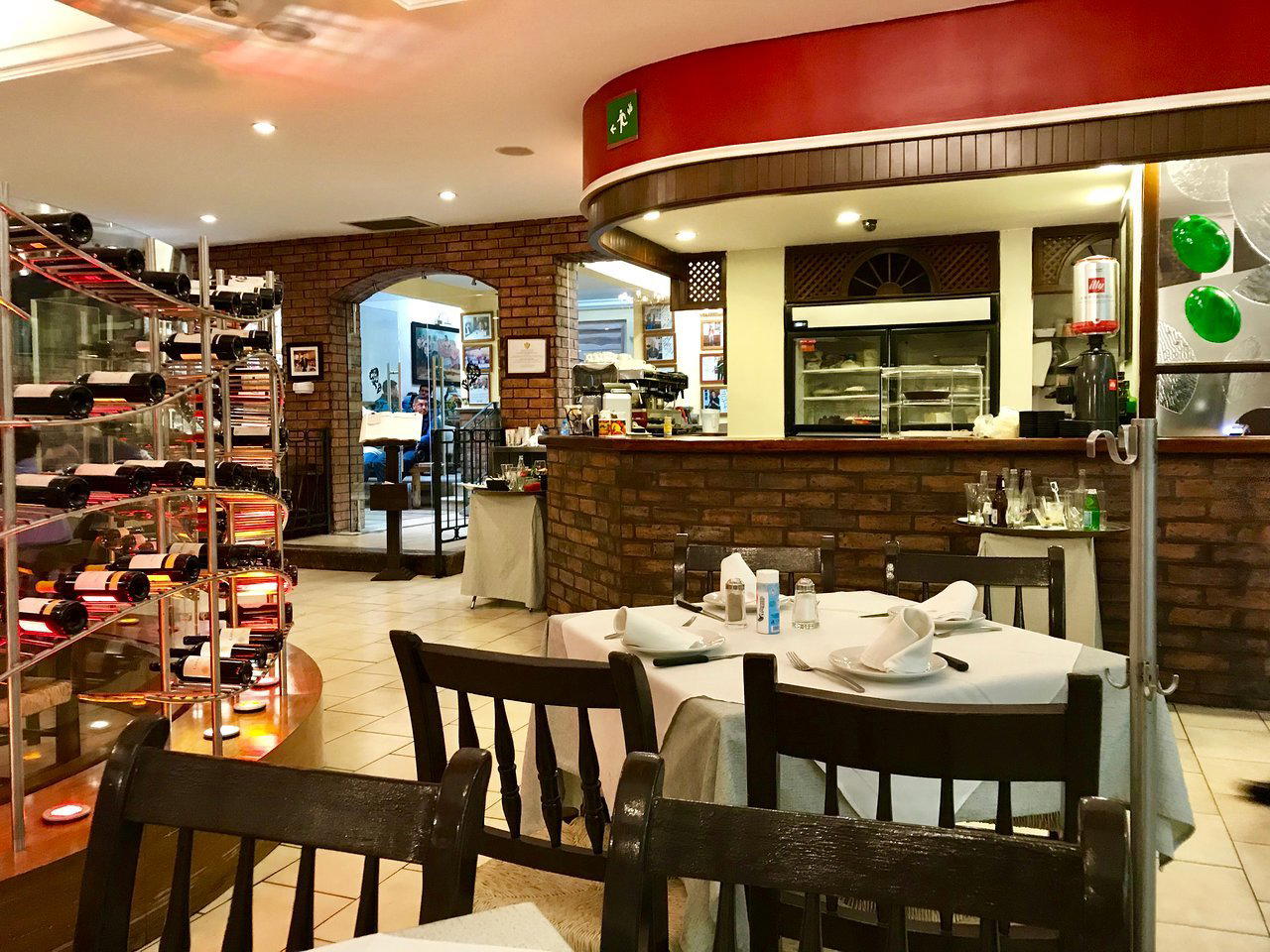
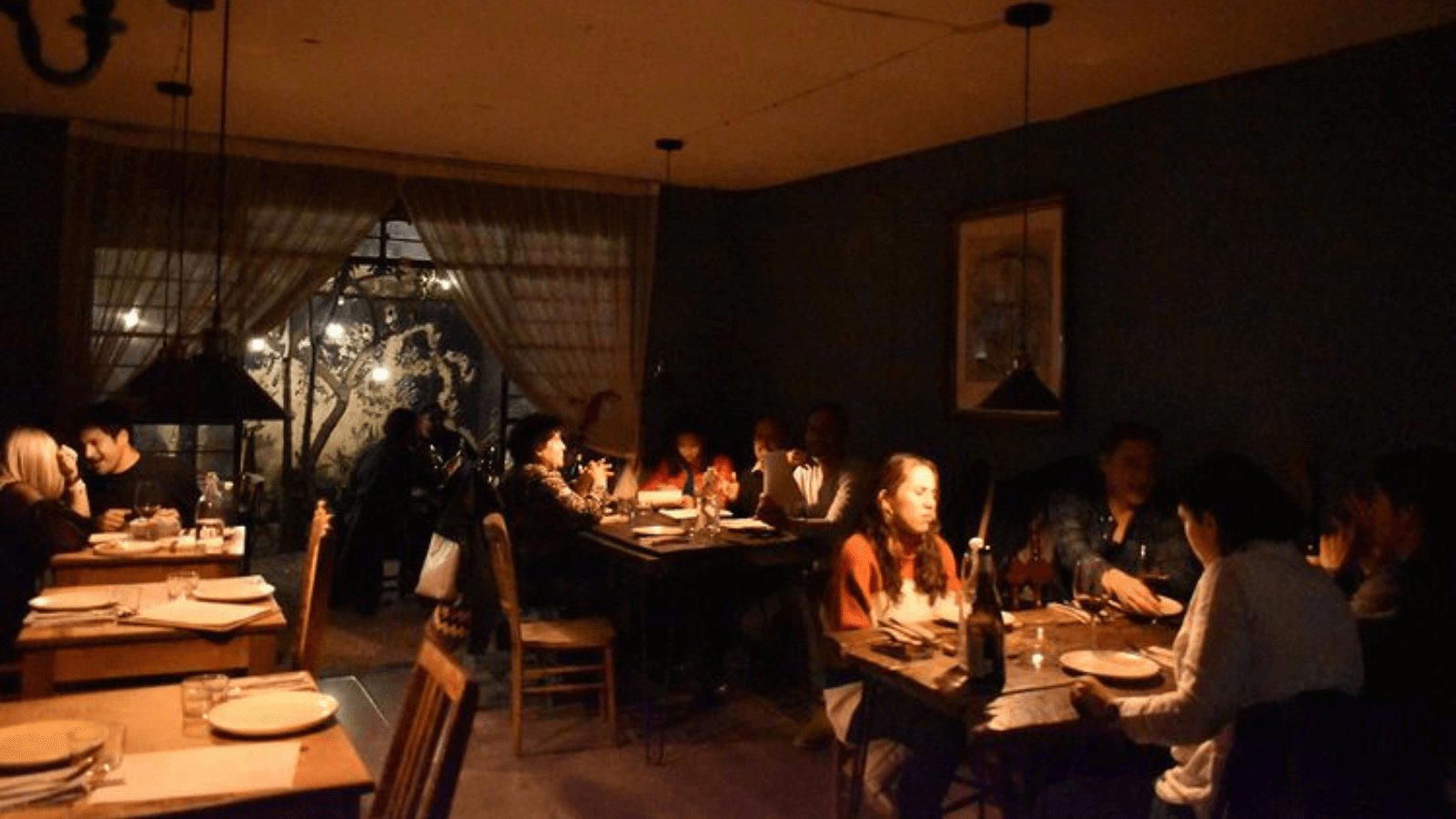
Lively and bustling atmosphere with live piano music, hacienda-style decor transporting guests to an Argentine estancia.