Xokol


Xokol frames Guadalajara cooking through maize, nixtamal, and the market logic of western Mexico rather than through imported fine-dining theatrics. Chefs and owners Xrysw Díaz and Óscar Segundo give the restaurant a clear authorial line, but the larger story is the city’s renewed attention to origin, grain, and regional technique.
Pearl is the En Primeur Club membership app — saves, bookings, and concierge access live there. Same editors, same standards.
- Address
- Herrera y Cairo 1375, Santa Teresita, 44600 Guadalajara, Jal., Mexico
- Phone
- +52 33 4651 7554
- Website
- instagram.com
- Directions
- Get directions
 Saves & bookings on Pearl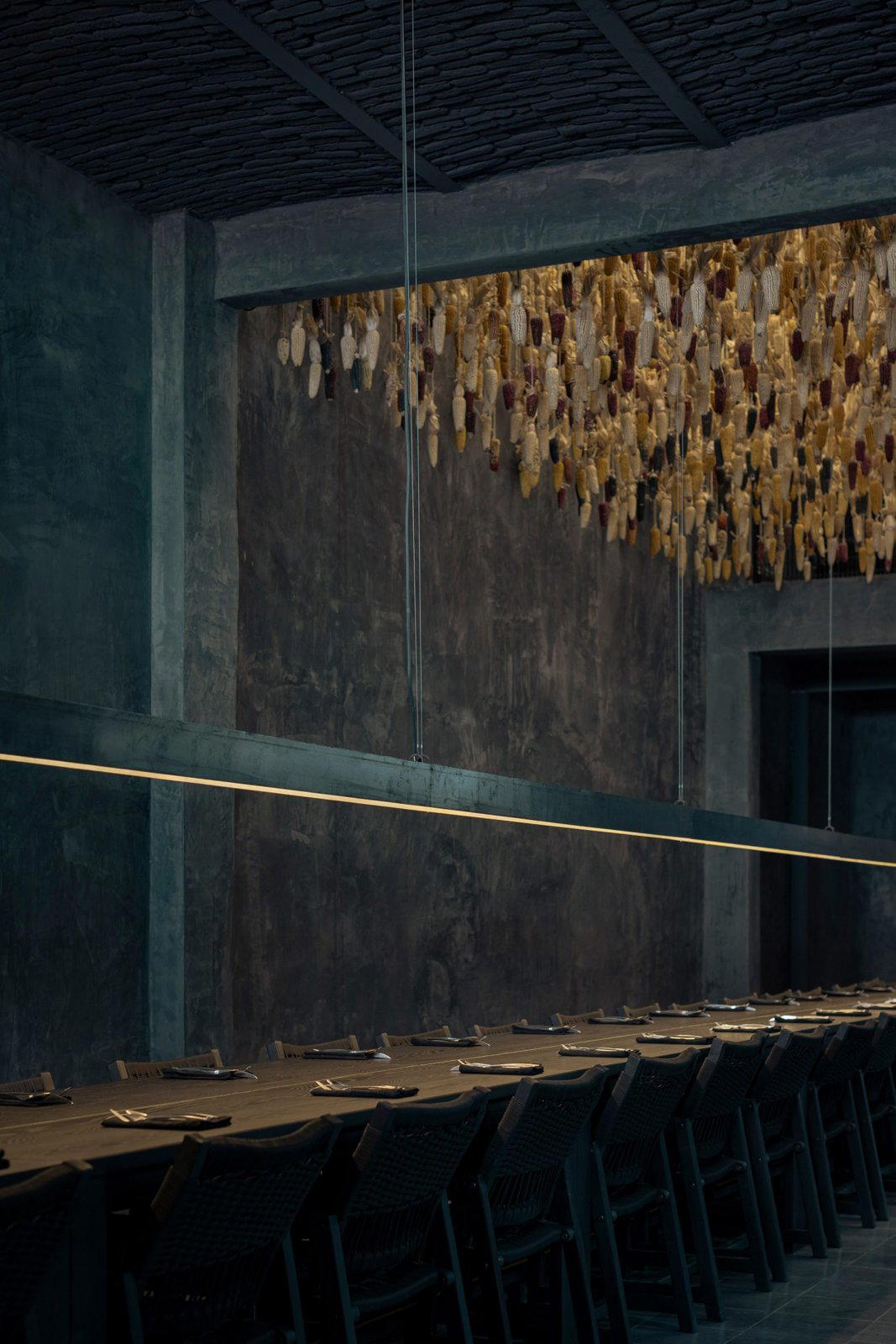
Guadalajara is not a single polished postcard of dining. The city reads as working place first: shopfronts, weekday errands, long-standing habits, and the kind of daily rhythm that makes a restaurant feel accountable to local appetite rather than visitor fantasy. That setting matters at Xokol, because the appeal described around the restaurant is unusually personal, tied closely to the people behind it and to the way a kitchen can turn a meal into something more intimate than a simple stop on an itinerary.
Guadalajara’s restaurant culture has widened in several directions. One side moves toward formal ambition, with the city comfortable speaking the language of contemporary dining. Another side remains closer to older habits, neighborhood routines, and producers whose work is felt through what arrives at the table. Xokol belongs to the more personal conversation, though it should not be reduced to rustic nostalgia or to a tidy category. The interest is in focus: a restaurant shaped by chefs and owners whose presence gives the room a clear point of view.
Personal focus is the argument, not a garnish
Restaurants often claim a sense of place, then bury it under performance. At Xokol, the more useful way to read the experience is through attention and intent rather than through a broad label. In Guadalajara, that carries weight. The city has long been defined by generous public eating culture, familiar local rituals, and dining rooms that range from everyday to highly considered. A restaurant that slows the meal down around its own point of view is making a different point about value. It asks diners to pay attention to detail with the same seriousness usually reserved for grander formats.
That focus puts Xokol in a tighter category than the usual shorthand used for ambitious restaurants. The relevant comparison is not only with polished dining rooms elsewhere in the city, where contemporary ambitions are easier to read through the lens of formal service. It also sits against Guadalajara’s more informal institutions, where tradition is measured by repetition, regulars, and the comfort of a known order. Xokol’s point is not to replace those forms. It translates a personal kitchen perspective into a slower, more scrutinized format.
That distinction is useful for travelers deciding how to spend a limited number of Guadalajara meals. Some restaurants answer a different need: familiarity, abundance, and a clear social format. Other dining rooms point toward another register, shaped by hospitality and the pleasure of a confident local table. Xokol is narrower and more editorially interesting because its central question is personal before it is decorative: what happens when the character of the chefs and owners becomes the meal’s organizing force?
Guadalajara's contemporary table has moved beyond polish
The city no longer needs to prove that it can host serious restaurants. The more interesting shift is that seriousness now comes in several forms. Some rooms pursue the international grammar of tasting menus and chef-driven service. Others keep one foot in everyday dining, where the meal feels closer to the city’s daily mechanics. Xokol’s Guadalajara setting helps that argument; the restaurant reads less like an isolated hospitality set piece than like part of the city’s broader dining conversation.
Chefs and owners Xrysw Díaz and Óscar Segundo are the relevant credential here, but the biographical detail is less important than the discipline it signals. Guadalajara has plenty of places where regionality is expressed through atmosphere or a few recognizable cues. The stronger kitchens use place as a working method: choosing what to emphasize, respecting process, and making a diner notice differences that more generic versions erase. At Xokol, the chef-owner structure supports that kind of consistency, because the concept depends on daily decisions, restraint, and a personal sense of what the restaurant should be.
That makes the restaurant especially useful for diners who have already covered the city’s obvious comfort foods. Familiar local meals give Guadalajara its public appetite; contemporary rooms explain how the city speaks to wider dining circles. Xokol occupies the middle lane, where a closely held kitchen identity becomes a serious dining subject without severing itself from the city around it. It is a sharper choice for a meal built around personality and process than for a diner seeking a broad survey of Guadalajara in one sitting.
How to place it in a Guadalajara itinerary
For a food-focused trip, Xokol works better as part of a sequence than as a standalone emblem of the city. Pair it with a traditional local meal to understand how everyday Guadalajara cooking operates, then compare that with a contemporary room to see how newer kitchens frame identity for a longer dinner. The contrast is the education: repetition and comfort on one side, focus and interpretation on the other.
Travelers mapping the city by category can use Our full Guadalajara restaurants guide for the broader dining field, then branch into Our full Guadalajara hotels guide, Our full Guadalajara bars guide, Our full Guadalajara wineries guide, and Our full Guadalajara experiences guide to build the rest of the trip around city movement rather than isolated reservations. Within Guadalajara, useful contrasts include other dining rooms with different levels of formality, different service rhythms, and different ideas of what a memorable meal should do. For travelers continuing beyond the city, the broader comparison is not about copying Xokol’s format, but about noticing how restaurants elsewhere also build identity from a specific sense of place.
The editorial reason to prioritize Xokol is not grandeur. It is focus. Guadalajara dining is strongest when it refuses to separate pleasure from place, and this kitchen’s personal character keeps the conversation grounded in the people leading it. For diners who want the city’s contemporary side without losing sight of the personalities that feed it, that is the point.
Pricing, Compared
Nearby venues at a similar price tier for orientation.
| Venue | Price | Awards | Notes |
|---|---|---|---|
| XokolThis venue — the venue you are viewing | Not listed | Michelin 1 Star | Not listed |
| Birriería las 9 Esquinas | $$ | Not listed | 1403900011626, Traditional Guadalajara Birria |
| Birriería Las 9 Esquinas | $$ | Not listed | 1403900011626, Authentic Guadalajara Birria |
| Hueso Restaurante | $$$ | Not listed | 1403900011791, Modern Mexican |
| Tortas Ahogadas El Príncipe Heredero | $$ | Not listed | 1403900011861, Traditional Guadalajara Tortas Ahogadas |
| De La O Cantina | $$ | Not listed | 1403900011325, Guadalajatiki - Mexican Cantina with Tiki Cocktails |
Recognition history
Dated appearances from independent guides and award organizations, with the underlying list record or original source where available.
Michelin 1 Star
Michelin
The Best Chef Two Knives
The Best Chef
Continue exploring
More in Guadalajara
Restaurants in Guadalajara
Browse all →
Bars in Guadalajara
Browse all →
Hotels in Guadalajara
Browse all →



At a Glance
- Modern
- Industrial
- Sophisticated
- Intimate
- Trendy
- Date Night
- Special Occasion
- Group Dining
- Design Destination
- Standalone
- Farm To Table
- Local Sourcing
Current opening hours
- Monday
- Closed
- Tuesday
- 6–11 PM
- Wednesday
- 6–11 PM
- Thursday
- 6–11 PM
- Friday
- 6–11 PM
- Saturday
- 1:30–5 PM, 6–11 PM
- Sunday
- Closed
Hours can change for holidays and private events. Last verified .
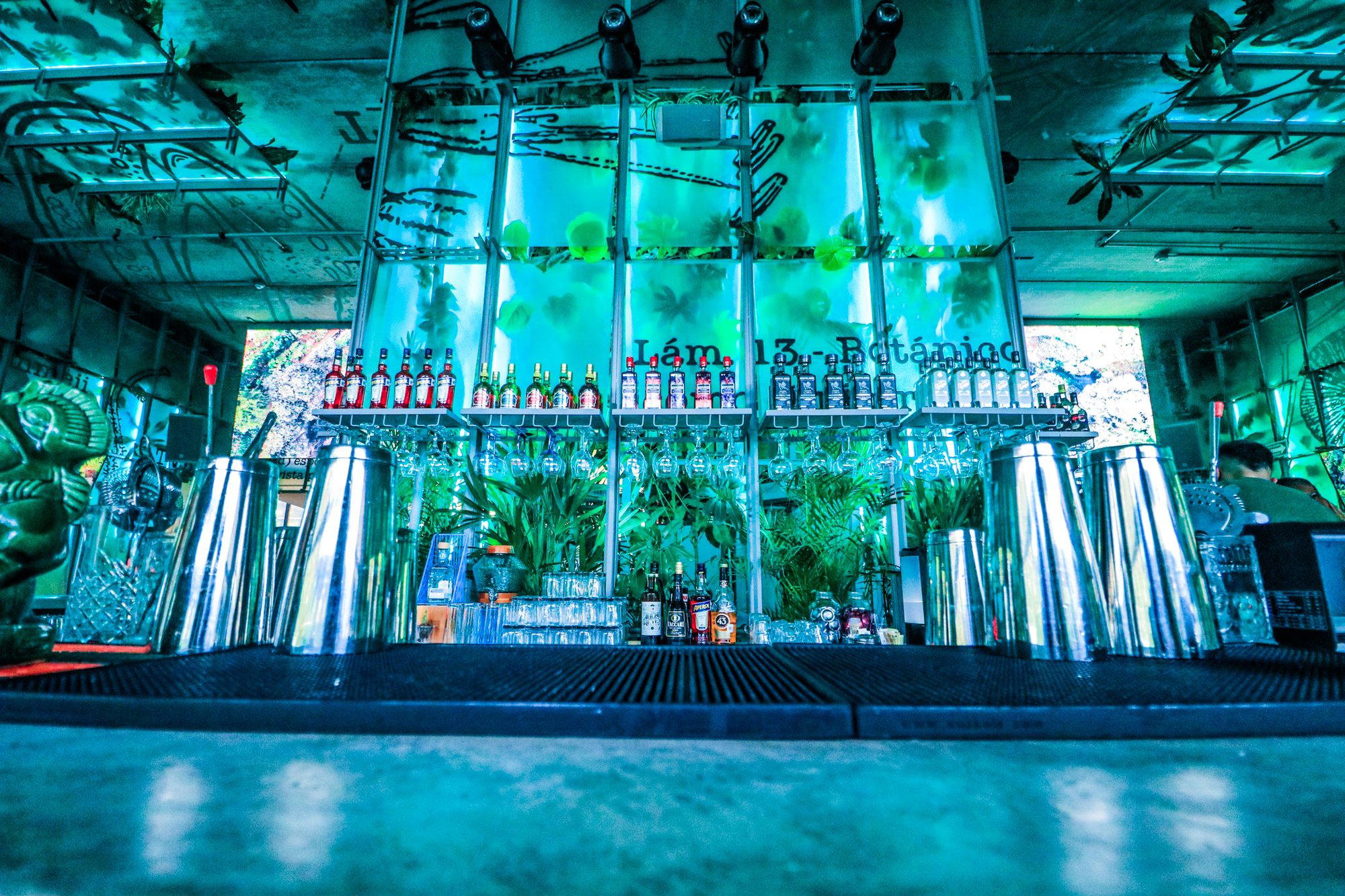
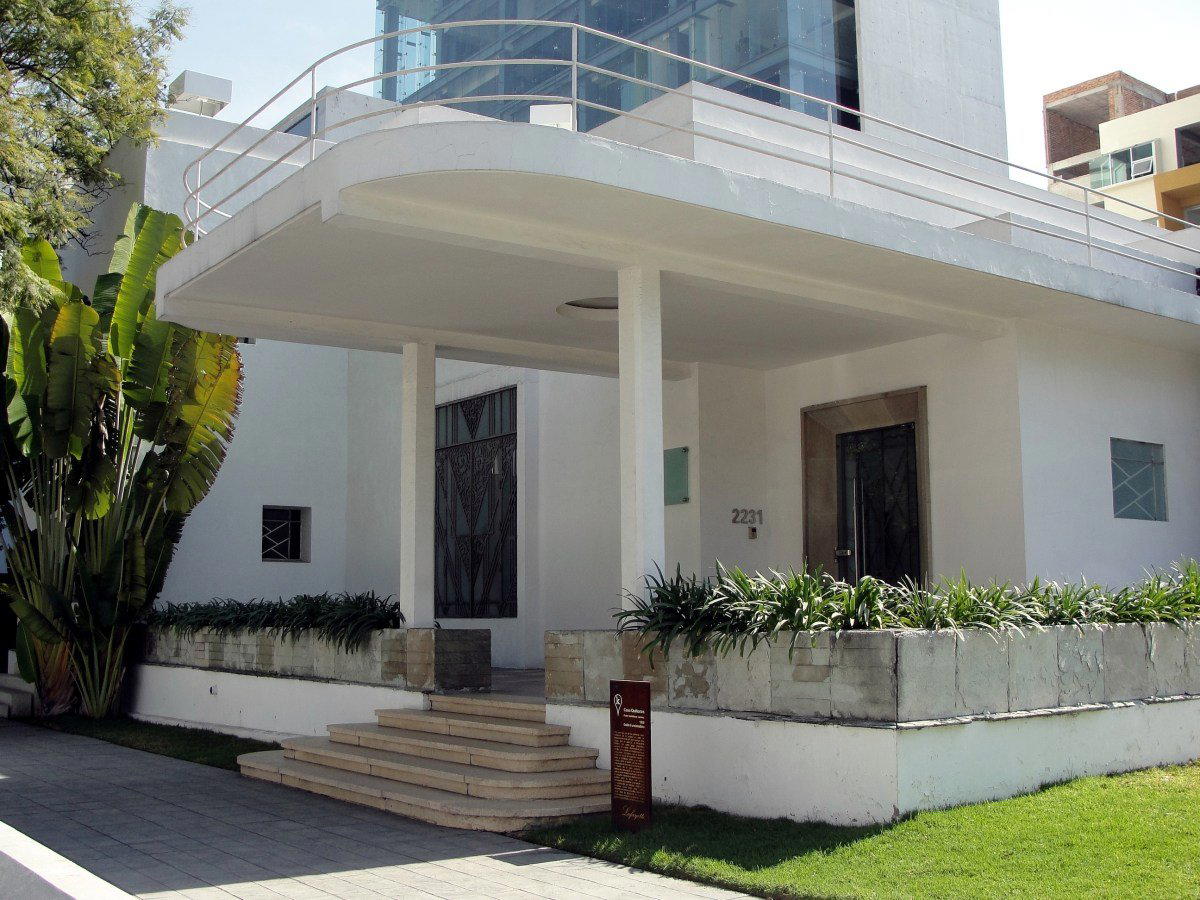
A dark, moody, architect-designed space with an ash-colored industrial feel, corn cobs suspended as modern artwork, and a communal table that blurs the line between guests and staff.