Fat Charlie
Fat Charlie occupies a corner address in Guadalajara's Colonia Americana, one of the city's most active dining and bar neighbourhoods. The venue sits within a scene where atmospheric design and locally-rooted drinking culture compete for attention in equal measure. For visitors working through the neighbourhood's layered options, it represents a distinct stop on the Américas corridor.
Pearl is the En Primeur Club membership app — saves, bookings, and concierge access live there. Same editors, same standards.
- Address
- C. Manuel López Cotilla 1940, Col Americana, Lafayette, 44140 Guadalajara, Jal., Mexico
- Phone
- +52 33 3615 8513
- Website
- fatcharlie.mx
- Directions
- Get directions
 Saves & bookings on Pearl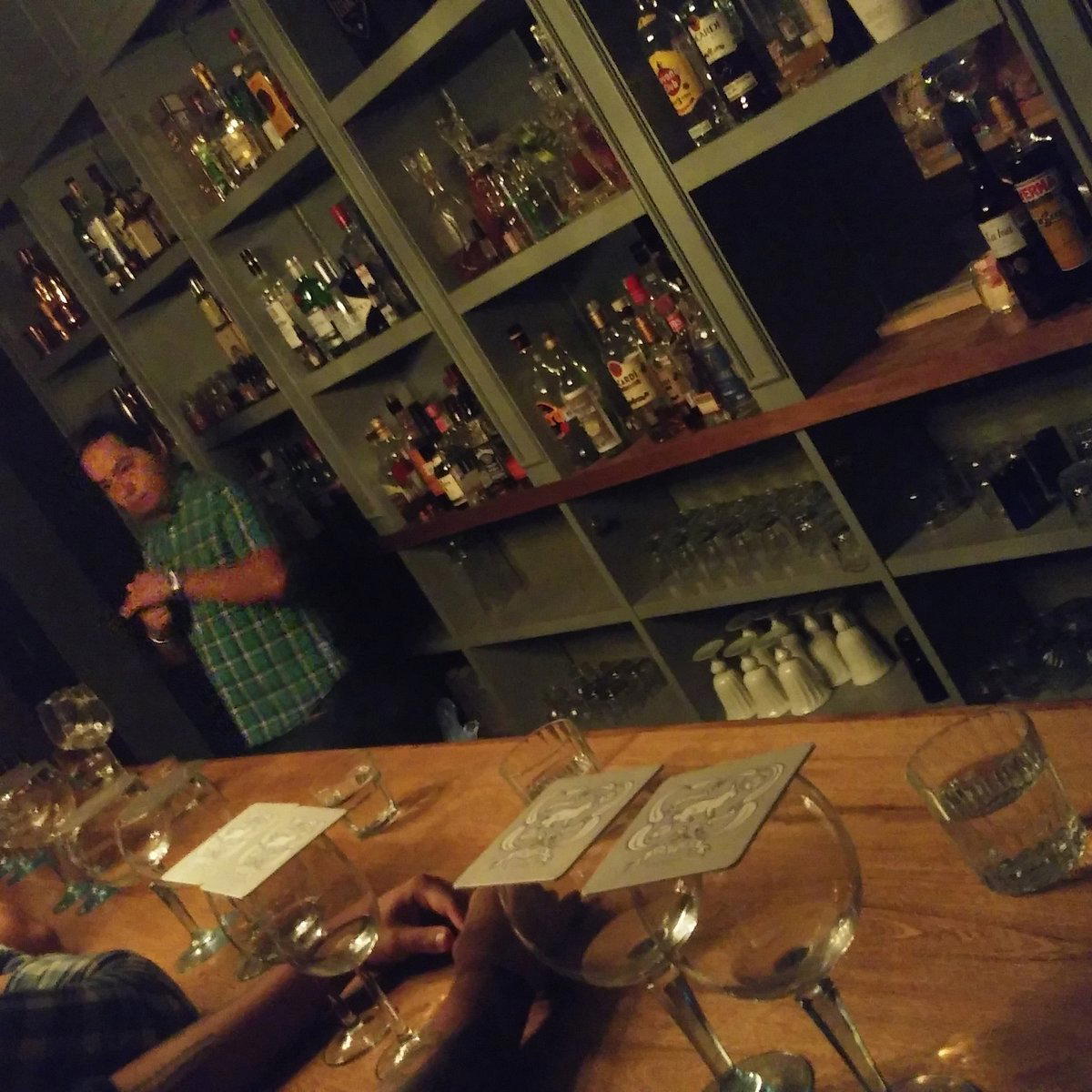
A Neighbourhood That Sets the Tone Before You Arrive
Colonia Americana, the dense, tree-lined grid of late nineteenth-century architecture that runs southwest from the Glorieta de la Normal, has become Guadalajara's most concentrated zone for serious bars and neighbourhood restaurants. Walking Manuel López Cotilla toward number 1940, where Fat Charlie is located, you pass the kind of block that rewards attention: converted townhouses with repurposed ground floors, small-batch mezcalerías operating out of what were once pharmacies, and the occasional terrace spilling conversation onto the pavement. The neighbourhood signals something before any venue signals it individually. What you find here tends to prioritise character over polish, and local reference over international affect.
That broader context matters when thinking about Fat Charlie's position. Colonia Americana is not a neighbourhood where a venue can rely on tourist foot traffic alone. The audience is largely local, a mix of Guadalajara's design and creative communities, residents who treat the surrounding streets as an extended living room, and the kind of out-of-town visitor who has done enough research to avoid the main tourist circuits. The clientele shapes the atmosphere as much as the physical space does.
What the Address Tells You About the Room
Mexican bar culture in Guadalajara has historically split between two registers: the cantina tradition, which prizes permanence, low-light interiors, and the ritual of the house pour, and the newer wave of design-conscious venues that have colonised Colonia Americana and the adjacent Lafayette sub-neighbourhood over the last decade. Fat Charlie, on López Cotilla, sits inside the second current. The street-level address in a walkable residential-commercial strip places it in the category of bars that function as neighbourhood anchors rather than destination spectacles.
For comparison, the cantina model is preserved with particular rigour at places like Cantina La Fuente, where the format has remained largely unchanged across generations. The bar occupies different territory, more willing to absorb the design vocabulary of the contemporary Mexican bar scene without abandoning the social density that makes Tapatío drinking culture what it is. That tension between the inherited and the current is, in many ways, what defines the interesting middle ground in Guadalajara's bar scene right now.
Nearby, El Gallo Altanero has built its own loyal circuit in this part of the city, and AGUAFUERTE BAR represents another node in the neighbourhood's cocktail-forward offer. The density of credible options on and around López Cotilla means that no single venue operates in isolation; the neighbourhood functions as a loop, and most visitors move between two or three addresses in an evening. Casa Colimita rounds out a tightly clustered comparable set that collectively reflects how much the Américas corridor has changed in the past five years.
Atmosphere and the Logic of the Space
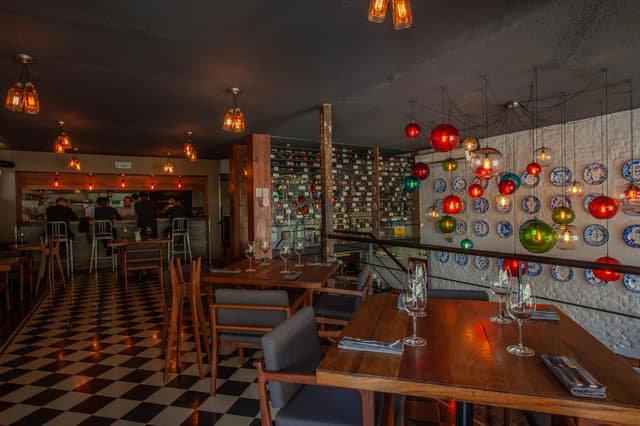
The editorial angle on any bar in this district has to reckon with lighting, sound, and the geometry of the room, because those are the variables that determine whether a space earns repeat visits or functions as a one-time stop. In Colonia Americana, the bars that have built sustained audiences tend to share certain spatial qualities: an interior scale that encourages conversation without requiring it to compete with the sound system, and a material palette that reads as considered without sliding into the over-designed. Exposed concrete, reclaimed wood, or tile-work drawn from local craft traditions appear frequently, not as stylistic posturing but because the buildings themselves often dictate those choices.
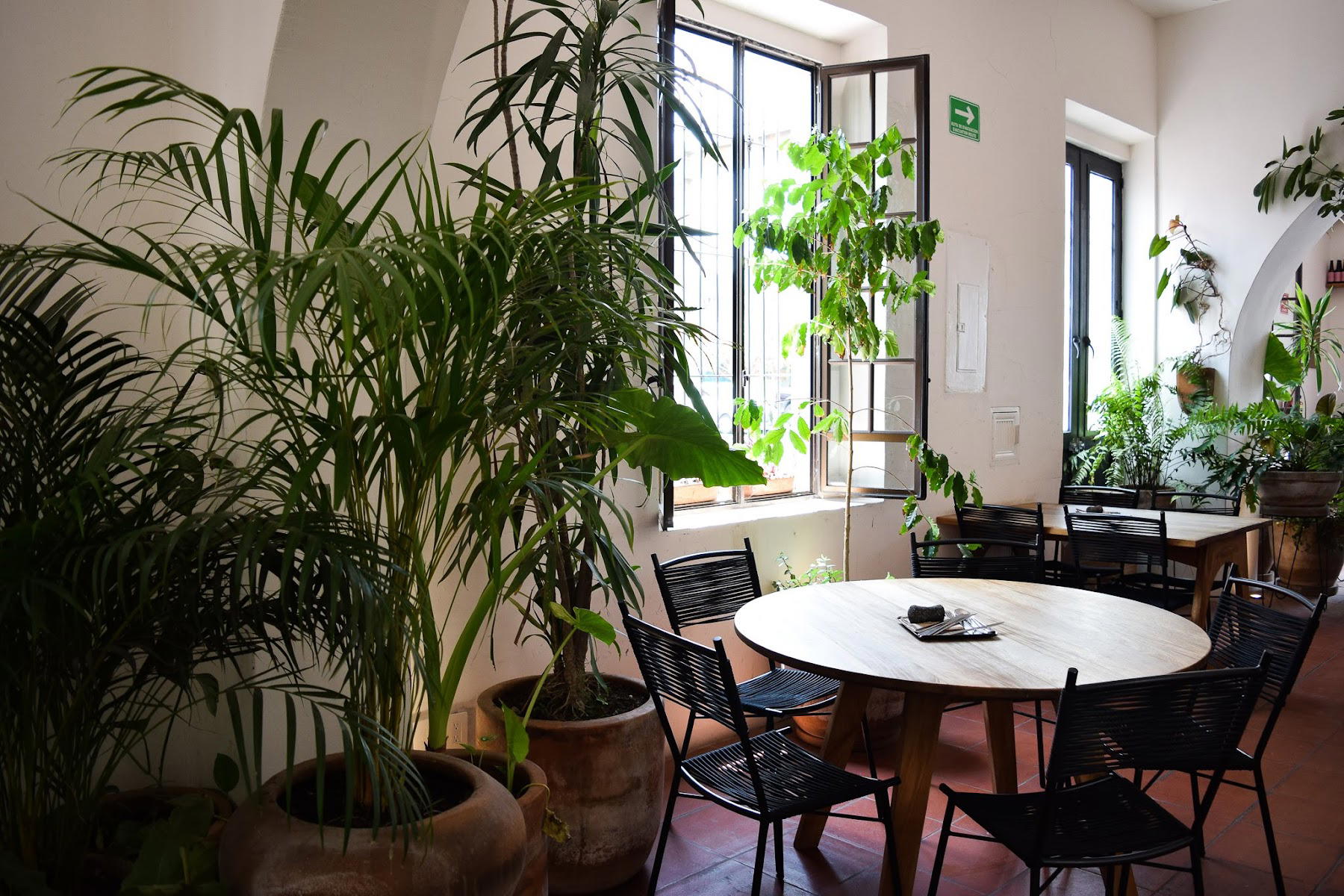
The bar's position in this context suggests a venue calibrated for the kind of evening that starts with intent and extends by momentum, the sort of place where the first drink leads naturally to a second conversation and a second round, rather than one that processes customers through a high-turnover format. Whether the interior leans toward stripped-back industrial or something warmer is a question the available record doesn't settle definitively, but the address and neighbourhood category point toward the former. López Cotilla at this stretch runs residential-commercial, which tends to produce venues where the room is the draw as much as the menu.
Where Fat Charlie Fits in the Mexican Bar Conversation
Guadalajara's bar culture connects to a broader national shift that has been visible across Mexico's major cities over the last several years. In Mexico City, venues like Baltra Bar have defined what technical ambition looks like in a cocktail program; in Tulum, Arca has shown how atmosphere and ingredient sourcing can become the primary editorial statement. Bekeb in San Miguel de Allende operates in a smaller city with a different tourist dynamic but similar attention to craft. Even further afield, Aruba Day Drink in Tijuana and La Capilla in Tequila illustrate how regional identity continues to inflect what a Mexican bar can mean.
Guadalajara is, in this national picture, an interesting case because it is the origin city for both tequila and mariachi, two of Mexico's most exported cultural products, yet its local bar scene has largely moved beyond trading on those associations. The contemporary venues in Colonia Americana tend to treat tequila and mezcal as serious spirits requiring careful handling rather than as shorthand for local colour. The bar inhabits a city that has, in effect, grown past its own tourism-facing image, and that maturity is part of what makes the neighbourhood worth taking seriously.
For a global comparison from a different context, Bar Leather Apron in Honolulu demonstrates how a bar that prioritises craft and spatial intention can build a reputation inside a city not automatically associated with serious cocktail culture. Coco Bongo in Cancun, by contrast, operates at the opposite end of the format spectrum, high-volume, spectacle-driven, and built for a tourist circuit. The bar's neighbourhood placement puts it categorically closer to the former model.
Planning Your Visit
The bar is on Manuel López Cotilla 1940, in the Lafayette section of Colonia Americana, one of Guadalajara's most walkable bar and restaurant districts. The surrounding blocks include enough credible options that an evening here rarely needs to start and end at a single address. Reservations are recommended.
Cuisine Context
Comparable venues nearby, for context on price, style, and recognition.
| Venue | Cuisine | Price | Notes |
|---|---|---|---|
| Fat CharlieThis venue — the venue you are viewing | speakeasy | $$$ | Not listed |
| La Mantequería | wine_bar | $$ | Andares |
| Casa Colimita | beer_bar | $$ | 1403900011325 |
| Rayuela | wine_bar | $$ | 1403900012145 |
| Restaurante Alcalde | Bar | $$$$ | 1403900011289 |
| La Docena | Bar | $$$ | 1403900010308 |
Continue exploring
More in Guadalajara
Bars in Guadalajara
Browse all →
Restaurants in Guadalajara
Browse all →
Hotels in Guadalajara
Browse all →
At a Glance
- Intimate
- Trendy
- Bohemian
- Date Night
- Casual Hangout
- Speakeasy
- Seated Bar
- Craft Cocktails
Current opening hours
- Monday
- Closed
- Tuesday
- 7 PM–1 AM
- Wednesday
- 7 PM–1 AM
- Thursday
- 7 PM–2 AM
- Friday
- 7 PM–3 AM
- Saturday
- 7 PM–3 AM
- Sunday
- Closed
Hours can change for holidays and private events. Last verified .
Low-light, clandestine atmosphere with a chill, laid-back vibe and selective music.