De La O Cantina
Our verdict
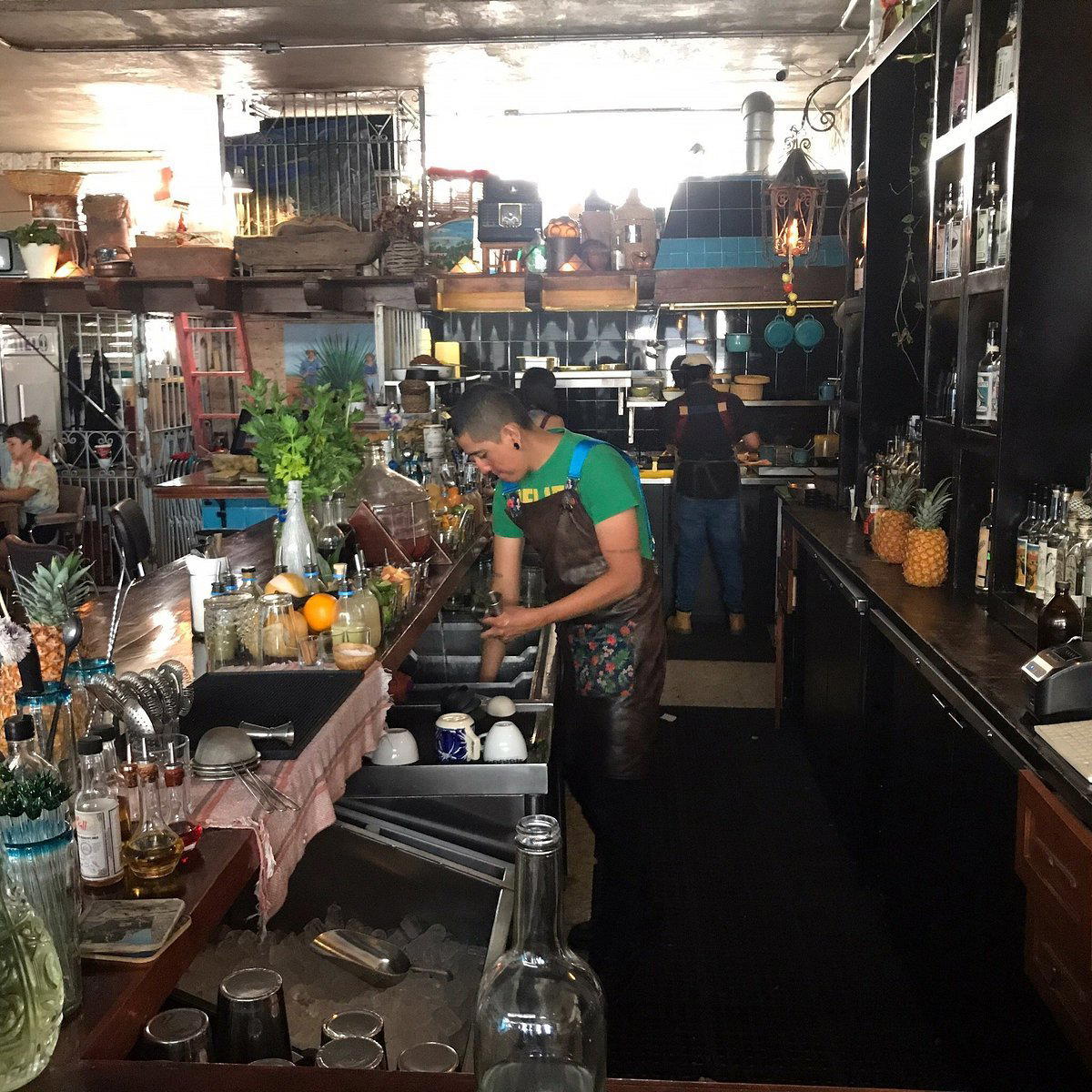
A cantina address in Guadalajara's Colonia Americana, De La O Cantina sits on Calle Argentina 70 within one of the city's most architecturally layered residential neighbourhoods. The format follows the tradition of the Mexican cantina as a social and spatial institution, where the physical environment carries as much weight as what arrives at the table. For visitors working through the city's serious dining corridor, it represents the neighbourhood-rooted end of the Guadalajara spectrum.

Pearl is the En Primeur Club membership app — saves, bookings, and concierge access live there. Same editors, same standards.
- Address
- Calle Argentina 70, Col Americana, Americana, 44200 Guadalajara, Jal., Mexico
- Phone
- +523319749782
- Hours
- Mon 1 PM–1 AMTue ClosedWed 1 PM–12 AMThu–Sun 1 PM–1 AM
- Website
- instagram.com
- Directions
- Get directions
The menu
What to order
- Pepita Tequila Mai Tai
- Zombi cocktail
- Chicharrón tacos
- Chorizo and potato tacos
- Aguachile tatemado
The Cantina as Architecture: How Space Defines the Format
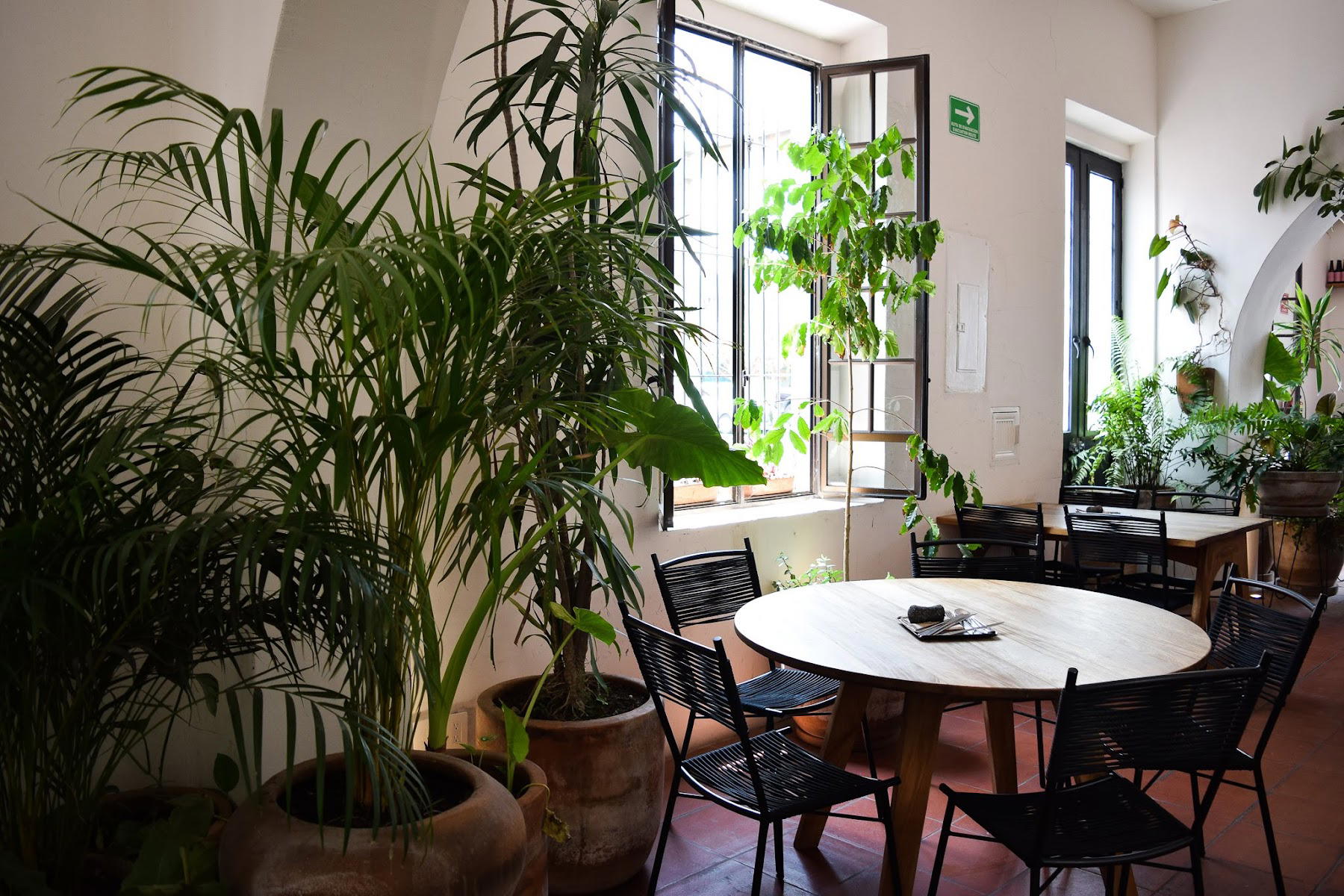
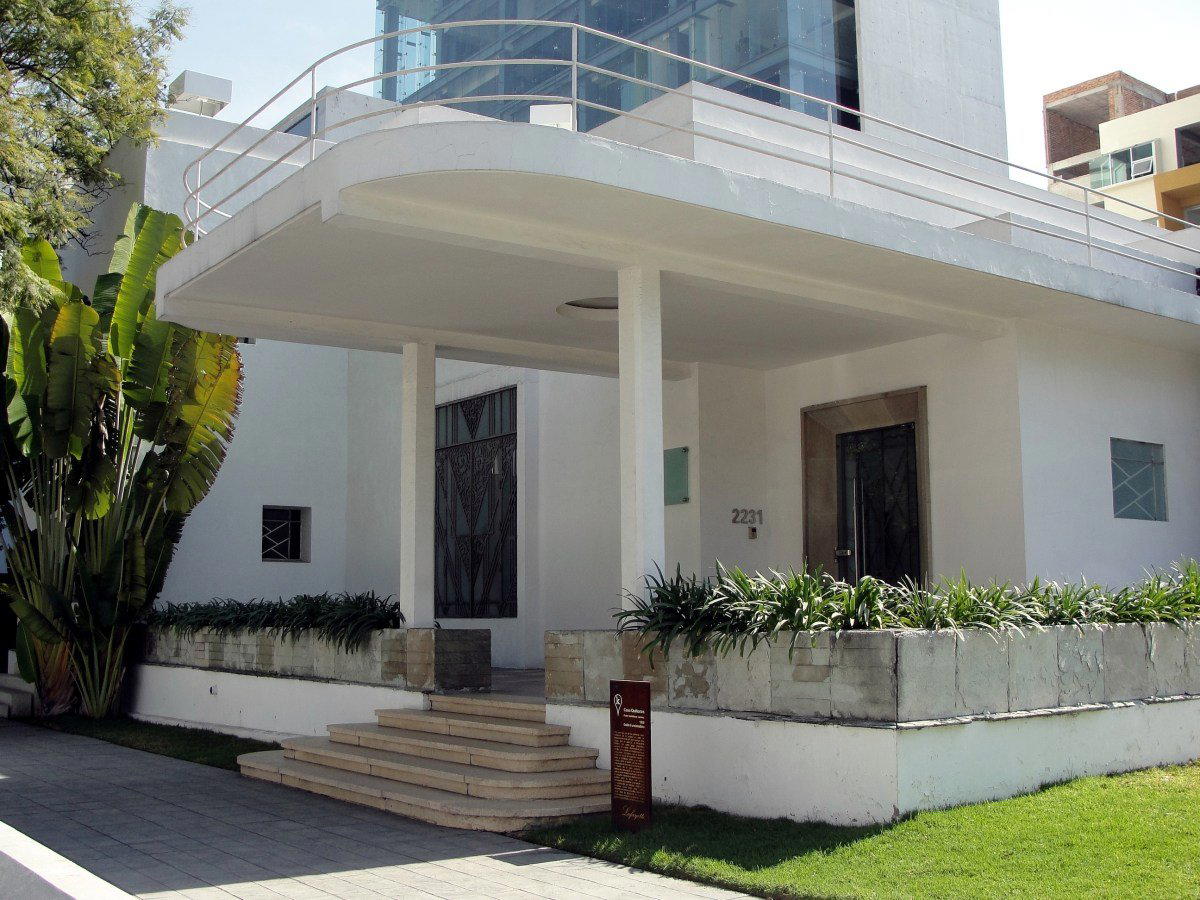
Guadalajara's Colonia Americana has spent the better part of a decade consolidating its identity as the city's most curated dining district. The neighbourhood's stock of early twentieth-century Porfiriato and post-revolutionary buildings has given restaurateurs a physical canvas that newer developments in other Mexican cities cannot replicate: high ceilings, tiled floors, interior courtyards, and facades that carry the weight of actual history. Restaurants here do not need to manufacture atmosphere through design intervention — the architecture does the work before a single table is set.
De La O Cantina occupies Calle Argentina 70 within that context. The cantina format in Mexico is one of the few dining typologies where the physical container is inseparable from the social function. Unlike a formal restaurant, where the room is organised around service choreography, or a taquería, where throughput defines spatial logic, the cantina exists as a kind of civic living room. Seating arrangements in the classic cantina tradition favour long shared tables, bar-adjacent counters, and configurations that encourage lateral conversation between strangers. The room is rarely quiet, and that is by design rather than accident.
In Guadalajara specifically, the cantina has a different register than its counterparts in Mexico City or Oaxaca. The tapatío tradition runs toward a certain directness — food that references local cattle culture, fermented agave spirits, and the regional produce of Jalisco's volcanic highlands, expressed without the conceptual framing that marks restaurants like Alcalde at the progressive end of the city's scene. The cantina sits at a different point on that axis, closer to daily life and neighbourhood rhythm.
Colonia Americana's Dining Coordinates
Placing De La O Cantina accurately within the district requires understanding how Colonia Americana functions as a dining geography. The neighbourhood draws from several overlapping populations: younger tapatíos who have returned from Mexico City or international stints, creative and professional households who occupy the area's renovated apartment stock, and an increasing number of visitors who come specifically for the dining corridor rather than the city's heritage core around the Cathedral and the Rotonda.
This demographic composition has pushed the neighbourhood's restaurants in two directions simultaneously. One current runs toward technique-forward cooking with imported references, the kind of work visible at addresses like Bruna. The other current, which the cantina format represents, runs toward a deliberate rootedness: the argument that Guadalajara's food culture is already sophisticated on its own terms and does not require external validation. Both currents are legitimate, and the neighbourhood is better for holding them together.
Within Mexico's broader national dining conversation, Guadalajara occupies a particular position. The city is neither the experimental capital that Mexico City has become, home to addresses like Pujol, which helped define contemporary Mexican fine dining internationally, nor a destination built primarily around a single regional tradition the way Oaxaca is, where restaurants like Levadura de Olla operate as custodians of a specific culinary inheritance. Guadalajara is a major industrial and commercial city that happens to have produced one of Mexico's most interesting dining ecosystems precisely because it has not needed to perform for outside audiences in the same way.
The Physical Logic of the Cantina Table
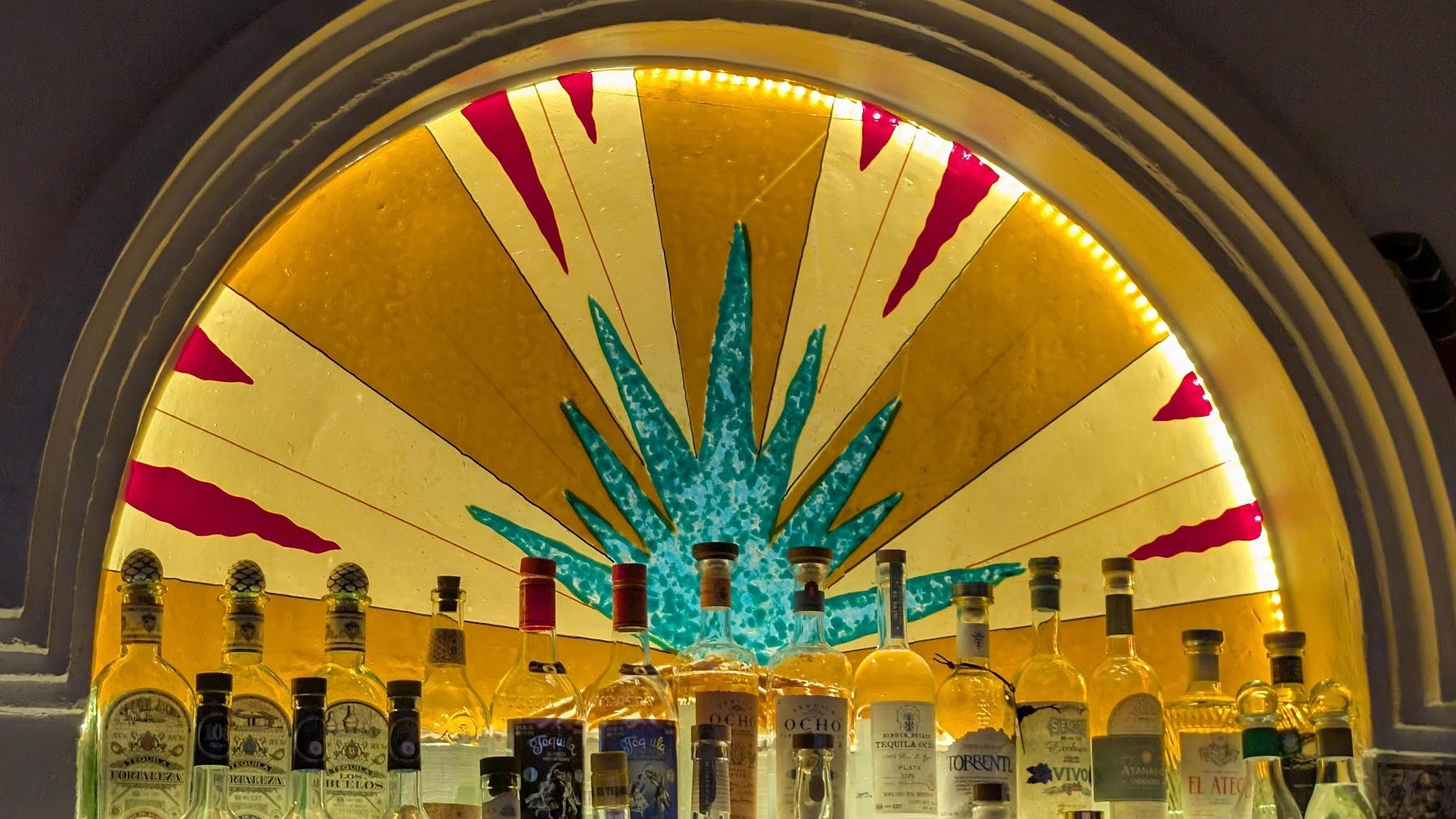
The editorial angle worth pressing on with any cantina format is how seating and spatial arrangement shape what actually happens during a meal. In the cantina tradition, the bar is not a waiting area or an overflow zone, it is a primary destination with its own social grammar. Mezcal and tequila, both rooted in Jalisco's agave agriculture, arrive not as premium accessories but as the default idiom. The drinks ordering conversation, in a well-run cantina, precedes the food conversation, which inverts the hierarchy assumed by formal restaurant service.
This has architectural consequences. Cantinas that honour the format tend to keep sightlines open between bar and dining room, avoid the acoustic separation that high-end restaurants often engineer, and use materials that age visibly rather than materials that perform newness. Worn wood, painted plaster, and tile hold a kind of social information that more polished surfaces do not, they tell you that this room has been in use, that its patrons are repeat visitors rather than one-time tourists, that the relationship between a place and its neighbourhood is ongoing rather than transactional.
For visitors arriving from international cities where the cantina aesthetic has been exported as a design style stripped of its social content, the distinction matters. The form only functions when the neighbourhood relationship is genuine. Calle Argentina 70, in one of the city's most inhabited and locally-frequented residential corridors, has the geographic and social credentials for that kind of authenticity.
Guadalajara's cantina and traditional-format addresses occupy a different competitive tier than the city's destination restaurants. At the higher end of the traditional spectrum, addresses like Birriería las 9 Esquinas have built multi-decade reputations around a single dish category, birria, executed with the kind of institutional confidence that comes from serving the same neighbourhood for generations. Birrieria Chololo Las Juntas operates in a similar register, further from the city centre but with a devoted local following. The cantina format that De La O Cantina represents sits alongside rather than above or below these addresses, a parallel tradition rather than a competing one.
For visitors sequencing a serious Guadalajara itinerary, the practical advice is to treat the traditional-format addresses and the progressive ones as complementary rather than substitutes. A meal at Asador La Vaca Argentina Pérgolas operates on a different logic than a cantina session, just as dinner at Alcalde answers a different question than an afternoon on Calle Argentina. The city's dining depth is precisely in this range, from neighbourhood anchors to nationally-recognised kitchens, with enough geographic concentration in Colonia Americana to make a multi-day exploration coherent on foot.
Internationally, Guadalajara's traditional-format restaurants sit within the same broad conversation as regionally-rooted addresses elsewhere in Mexico: KOLI Cocina de Origen in Monterrey draws on northern Mexican cattle culture in a similarly direct way; Animalón in Valle de Guadalupe anchors itself to Baja's landscape and wine production. Each represents a different regional argument about what Mexican cooking is when it is not performing for an international audience.
Planning a Visit
De La O Cantina is located at Calle Argentina 70 in Colonia Americana, one of Guadalajara's most walkable and transit-accessible neighbourhoods. The address is reachable on foot from the district's main dining and bar corridor, making it a natural anchor for an afternoon or early evening that moves between several addresses. Given the format, arrival timing matters more than reservation logistics, cantinas function differently at 2pm on a weekday than at 9pm on a weekend, and the former often produces a more characteristically tapatío experience. Visitors planning a broader Guadalajara itinerary should consult our full Guadalajara restaurants guide for sequencing across the city's distinct neighbourhoods and dining tiers.
Frequently asked questions
What's De La O Cantina's location?
De La O Cantina is located at Calle Argentina 70, Col Americana, Americana, 44200 Guadalajara, Jal. Mexico, Guadalajara.
How does De La O Cantina differ from Guadalajara's contemporary restaurant scene in Colonia Americana?
Where much of Colonia Americana's dining growth has trended toward chef-driven tasting formats and international references, De La O Cantina at Calle Argentina 70 holds to the traditional cantina structure — a format rooted in Jalisco's food culture that prioritises communal seating, rotating kitchen output, and a lunch-centred service over tasting menus or à la carte design. That distinction places it in a separate competitive tier from the neighbourhood's destination restaurants, functioning more as a neighbourhood institution than a reservation-circuit address.
What's the must-try dish at De La O Cantina?
The cantina format at Calle Argentina 70 in Colonia Americana is best approached by asking staff what's running that day. In cantina tradition across Jalisco, the rotating botanas and guisados are typically where the kitchen's focus sits.
Should I book De La O Cantina in advance?
No reservation contact information is currently published for De La O Cantina at Calle Argentina 70, Colonia Americana. Traditional cantina formats in Guadalajara typically operate on a walk-in basis, with tables turning across a lunch-anchored service. Arriving early in the midday window is the standard approach for securing a seat at addresses in this format.
What has De La O Cantina built its reputation on?
De La O Cantina operates within Guadalajara's Colonia Americana, a district that has consolidated over the past decade as the city's most curated dining corridor. In Jalisco, that means a commitment to the social and spatial logic of the cantina table: shared space, kitchen-driven menus, and a daytime rhythm that separates it from the neighbourhood's more contemporary addresses.
A Lean Comparison
Comparable venues nearby, for context on price, style, and recognition.
| Venue | Cuisine | Price | Awards | Notes |
|---|---|---|---|---|
| De La O CantinaThis venue — the venue you are viewing | Modern Mexican Cantina | $10–20 | Not listed | Not listed |
| Birriería las 9 Esquinas | Traditional Guadalajara Birria | $10–20 | Michelin Plate | 1403900011626, Traditional Guadalajara Birria |
| Karne Garibaldi | Traditional Jaliscan Mexican | $10–20 | Not listed | Plaza del Sol, Traditional Guadalajara Carne en su Jugo |
| Tortas Toño Providencia | Guadalajara Torta Ahogada | $1–10 | Not listed | 1403900014457, Guadalajara Torta Ahogada |
| SSAM Morelos | Korean Fusion Grill | $20–30 | Not listed | 1403900011306, Korean Fusion Grill |
| Birriería Las 9 Esquinas | Traditional Guadalajara Birria | $10–20 | Michelin Plate | 1403900011626, Authentic Guadalajara Birria |
Continue exploring
More in Guadalajara
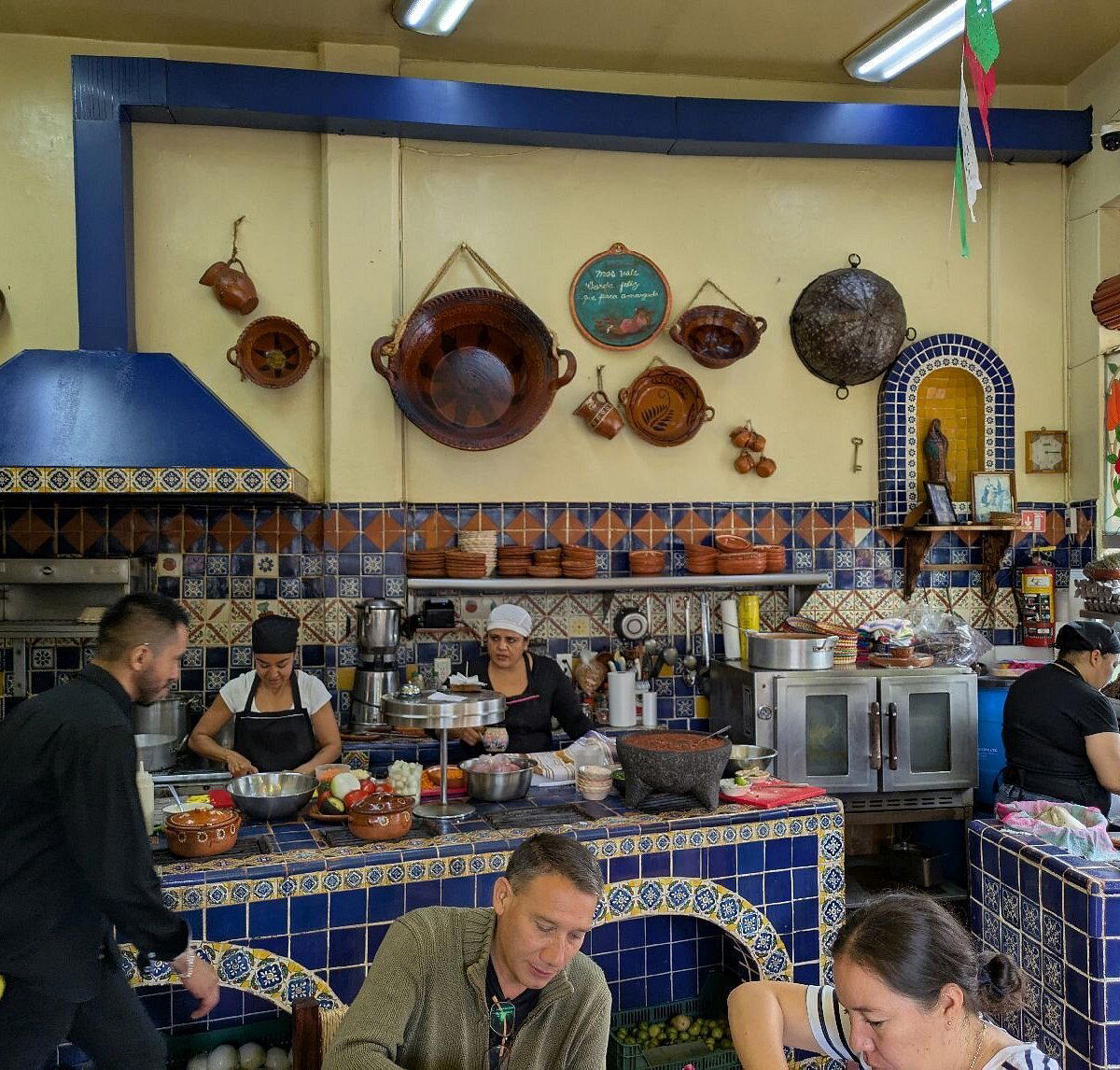
Restaurants in Guadalajara
Browse all →
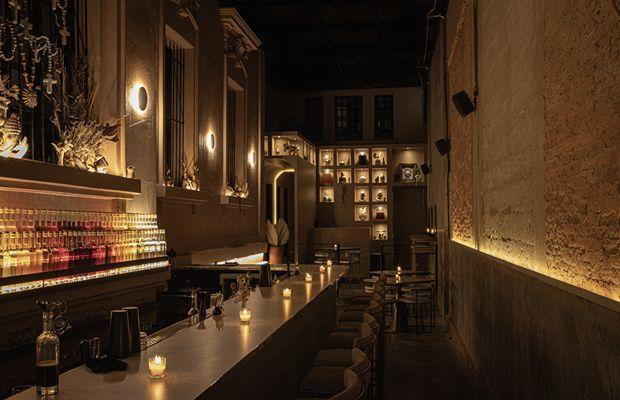
Bars in Guadalajara
Browse all →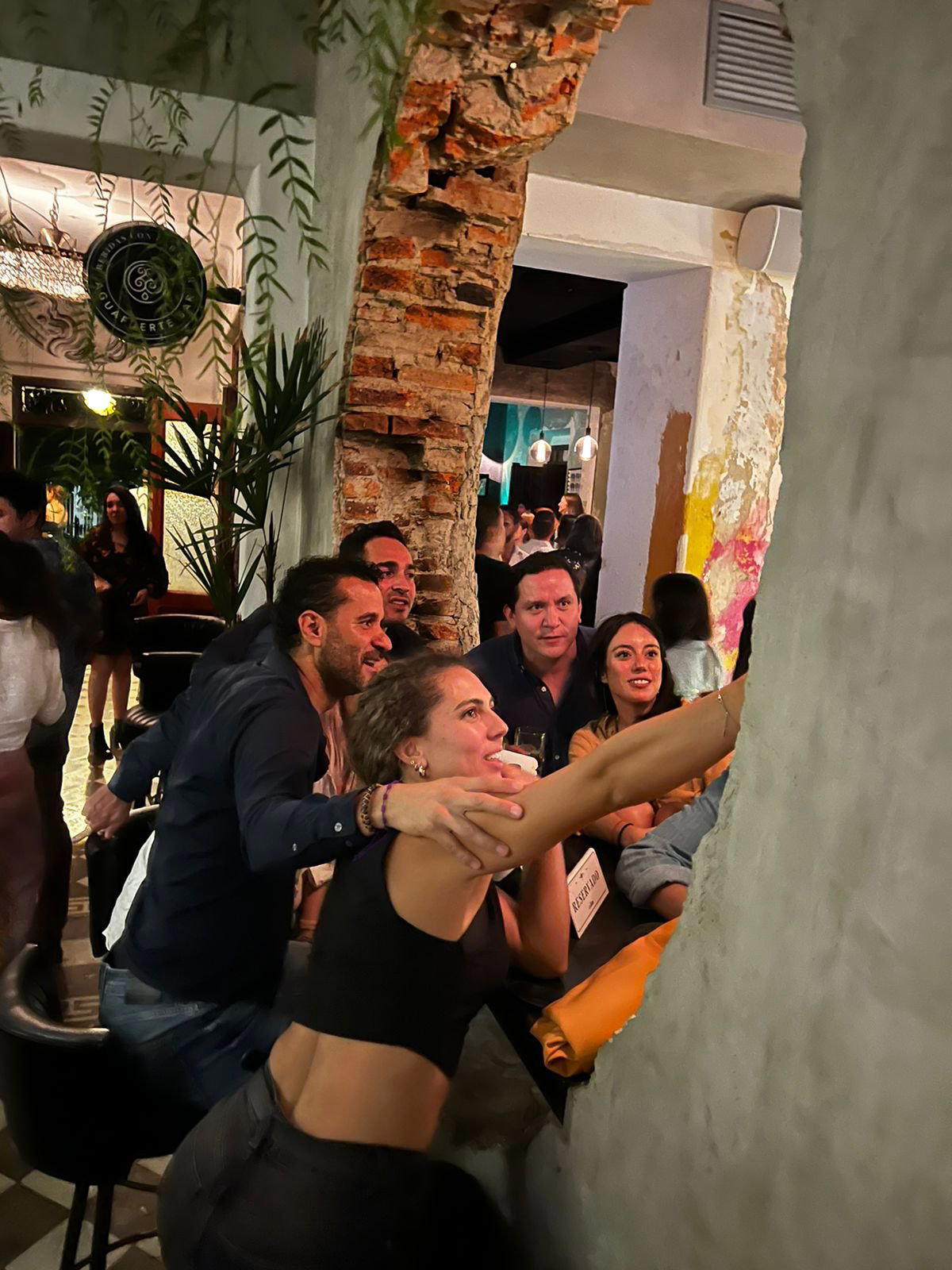
Hotels in Guadalajara
Browse all →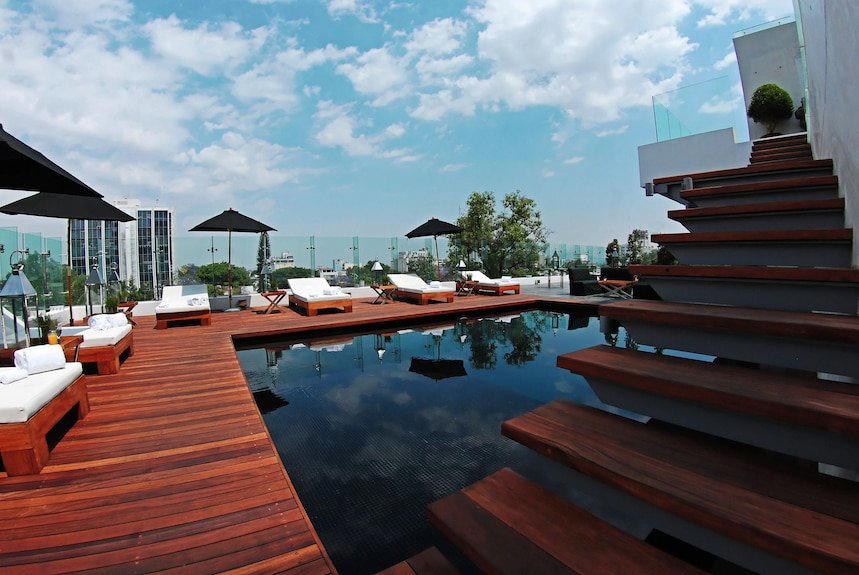

Details
- Lively
- Cozy
- Trendy
- Casual Hangout
- Group Dining
- After Work
- Standalone
- Craft Cocktails
- Natural Wine
- Beer Program
- Local Sourcing
- A La Carte
- Small Plates
- Cocktails
- Mezcal
- Craft Beer
- Wine
- Vegetarian Friendly
Current opening hours
- Monday
- 1 PM–1 AM
- Tuesday
- Closed
- Wednesday
- 1 PM–12 AM
- Thursday
- 1 PM–1 AM
- Friday
- 1 PM–1 AM
- Saturday
- 1 PM–1 AM
- Sunday
- 1 PM–1 AM
Hours can change for holidays and private events. Last verified .
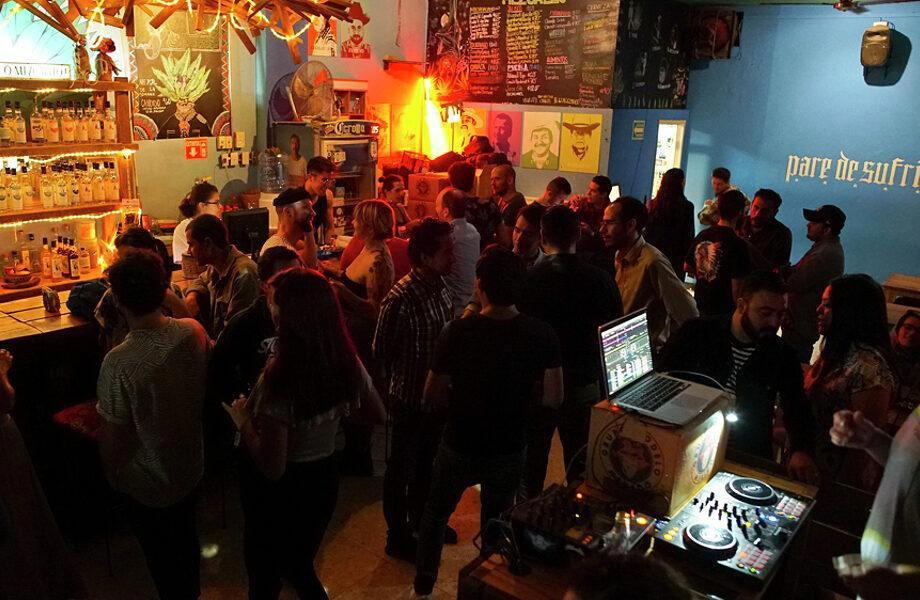
A cozy, chic, modern cantina atmosphere with a traditional Mexican tavern feel, lively music, and a relaxed social vibe.