On Calle de Torija in Madrid's Centro district, La Cochinita Loca occupies a stretch of the city where traditional cocina and neighbourhood character intersect. The name signals its primary reference point, cochinita pibil, the slow-cooked Yucatecan pork that has found a growing audience in Spain's capital as interest in regional Mexican tradition deepens. It sits in a different tier from Madrid's Michelin-circuit tables, serving a more specific, produce-driven proposition.
Pearl is the En Primeur Club membership app — saves, bookings, and concierge access live there. Same editors, same standards.
- Address
- C. de Torija, 10, Centro, 28013 Madrid, Spain
- Phone
- +34919484488
- Website
- lacochinitaloca.com
- Directions
- Get directions
 Saves & bookings on Pearl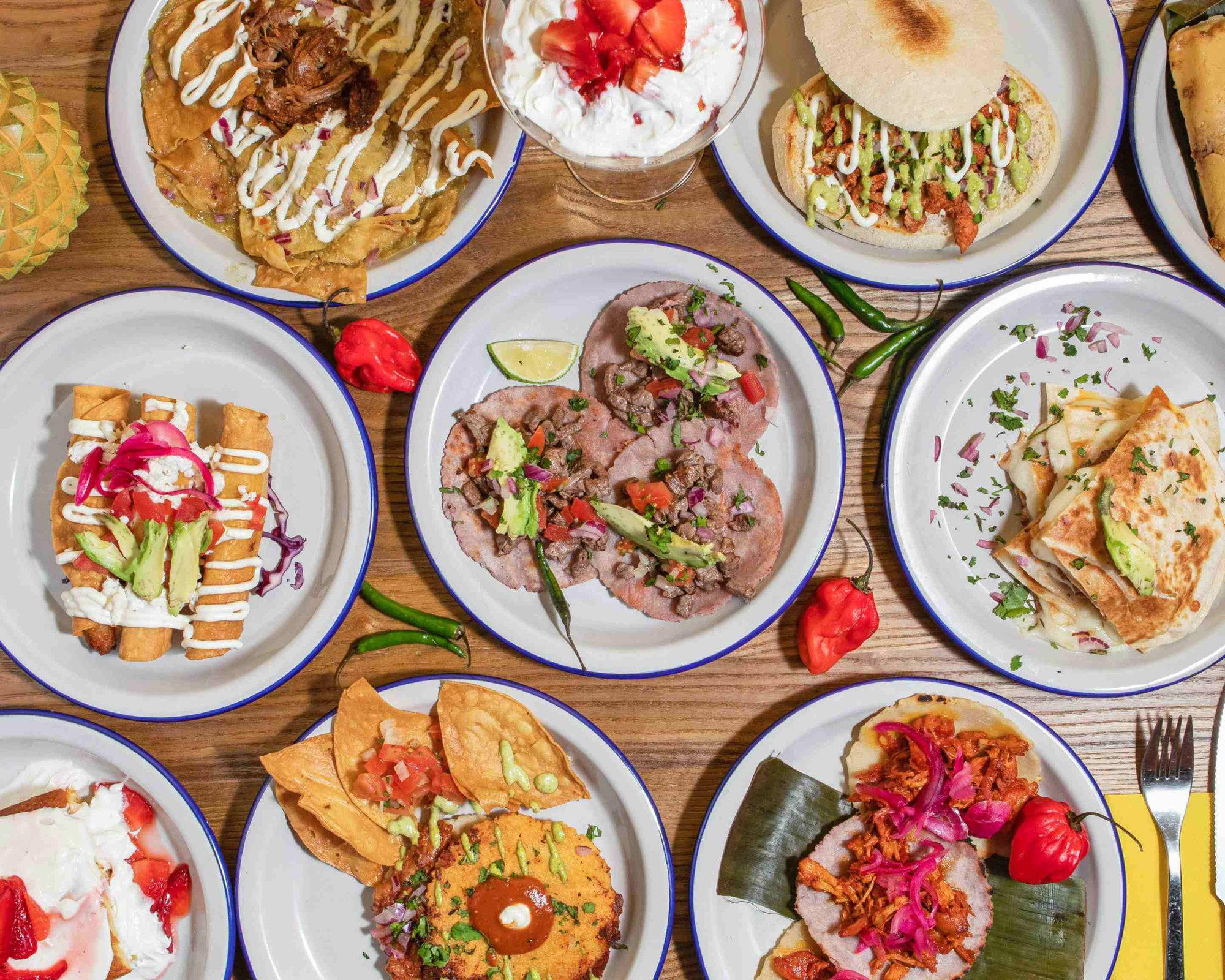
Cochinita Pibil in the Capital: Madrid's Shifting Appetite for Regional Mexican Cooking
Madrid's relationship with Mexican cuisine has matured considerably over the past decade. Where taco bars once traded on generalised Tex-Mex familiarity, a second wave of venues has arrived with sharper regional focus, Oaxacan tlayudas, Veracruz-style seafood, and the slow-pit traditions of the Yucatán Peninsula. La Cochinita Loca, on Calle de Torija in the Centro district, sits within this more specific movement. The name is not incidental: cochinita pibil, annatto-marinated pork buried and slow-cooked in banana leaves, is among the more technique-dependent preparations in the Mexican canon, and venues that centre their identity on it are making a considered editorial statement about where their sourcing and kitchen discipline lie.
Centro is one of Madrid's older residential and commercial cores, close to the Palacio Real and the working-class fabric of La Latina. It is not the neighbourhood of €€€€ tasting menus, that conversation happens further east at DiverXO or in the modernist dining rooms attached to places like Coque and Deessa. La Cochinita Loca operates in a different register: accessible, neighbourhood-anchored, and oriented around a single culinary tradition rather than a multi-course progression.
The Sustainability Case for Pit-Cooked Pork
Cochinita pibil is, at its core, a whole-animal preparation. The Yucatecan original uses the entire pig, head, shoulder, leg, marinated in bitter orange juice and achiote paste, then wrapped in banana leaves and cooked low and slow. That whole-animal logic aligns naturally with waste-reduction thinking: when a kitchen centres its menu around a preparation that uses every cut rather than cherry-picking premium portions, the economics and ethics of sourcing shift accordingly. In Spain, where nose-to-tail traditions run deep through cocido madrileño and the lechón roasting culture of Castile, this approach resonates with local food values even as it references a Mexican technique.
The broader trend in Madrid's mid-market dining has moved toward shorter supply chains and named-origin proteins. Venues that can articulate where their pork comes from, Ibérico lineage, free-range Castilian farms, or certified breed programs, are increasingly distinguishing themselves on provenance rather than price tier. For a restaurant whose identity is built on a single slow-cooked preparation, the quality and traceability of the primary ingredient is not a secondary marketing point; it is the kitchen's central argument. This sits in instructive contrast to the resource-intensive tasting-menu format at venues like Paco Roncero or the experimental multi-course progression at DSTAgE, where sustainability is often woven into a larger creative narrative rather than embedded in a single foundational dish.
Spain's wider fine-dining conversation around ethical sourcing is well-established. Aponiente in El Puerto de Santa María has built a three-Michelin-star program around marine waste and discarded seafood species. Azurmendi in Larrabetzu operates with on-site gardens and a documented sustainability framework. Mugaritz in Errenteria has long treated ingredient provenance as part of its conceptual vocabulary. La Cochinita Loca operates several tiers below these in terms of price and ambition, but the underlying logic, using technique to honour the whole animal rather than waste it, connects to the same ethical lineage.
Regional Mexican Technique in a Spanish Context
The pibil method has pre-Columbian roots. Traditionally, the pit was dug in the earth, coals were placed at the base, the wrapped meat set above them, and the whole assembly sealed and left to cook over many hours. Modern adaptations in city kitchens replicate this through sealed ovens, low temperatures, and extended cook times, the physics remain consistent even when the earth is replaced by oven walls. The result, when executed with discipline, is pork that pulls apart with minimal pressure, coloured deep brick-red from the achiote, with a fat-rendered richness that the acid of habanero-pickled onions is specifically designed to cut.
That acid-fat balance is one of the more sophisticated flavour relationships in regional Mexican cooking, less dramatic than the complexity of a mole negro from El Celler de Can Roca in Girona's celebrated Mexican dinners, but equally dependent on precision timing and quality ingredients. The tortilla underneath matters too: masa made from nixtamalised corn carries a depth that commercial flour tortillas cannot replicate, and kitchens serious about the preparation tend to treat their masa with corresponding seriousness.
Where It Sits in Madrid's Dining Map
Madrid's Mexican dining options now span a wide range. At one end, casual taqueras serve fast-casual formats with modest price points. At the other, a small number of venues have introduced the kind of Mexican regional specificity more familiar from London's Peyotito or Mexico City's Contramar diaspora. The restaurant, based on its Centro address and name-led identity, positions itself in the middle of that range, specific enough to signal seriousness about the Yucatecan tradition, accessible enough to serve as a neighbourhood anchor rather than a destination table.
For readers planning broader Madrid itineraries that include the city's Spanish fine-dining canon, Martin Berasategui in Lasarte-Oria for day trips, or Cocina Hermanos Torres in Barcelona as a regional comparison, the restaurant represents the opposite pole: informal, cuisine-specific, and priced for return visits rather than once-a-year occasions.
Further afield in Spain, the conversation about cuisine heritage and ethical preparation plays out at different scales: Arzak in San Sebastián, Quique Dacosta in Dénia, Ricard Camarena in València, and Atrio in Cáceres each work within regional Spanish traditions with serious sourcing depth. Internationally, the ethical-sourcing conversation surfaces in tasting-menu format at Le Bernardin in New York City and in the fermentation-led Korean framework at Atomix in New York City. The common thread across all of these, regardless of price tier or national tradition, is that ingredient provenance has become a primary category of culinary credibility.
Planning Your Visit
Address: C. de Torija, 10, Centro, 28013 Madrid. Reservations are recommended. Budget: About $20 per person.
Comparable Venues
Comparable venues nearby, for context on price, style, and recognition.
| Venue | Cuisine | Price | Notes |
|---|---|---|---|
| La Cochinita LocaThis venue — the venue you are viewing | Authentic Mexican Taqueria | $ | Not listed |
| Ernesto's | Authentic Mexican | $ | San Pascual |
| Tatemado | Grilled Mexican Tacos & Margaritas | $$ | La Latina |
| Los Aguachiles Jorge Juan | Northern Mexican Seafood | $$ | Recoletos |
| El rincón de Katrina | Authentic Mexican Taqueria | $$ | Vista Alegre |
| Casa Toni | Traditional Spanish Tapas | $ | Sol |
Continue exploring
More in Madrid
Restaurants in Madrid
Browse all →


Bars in Madrid
Browse all →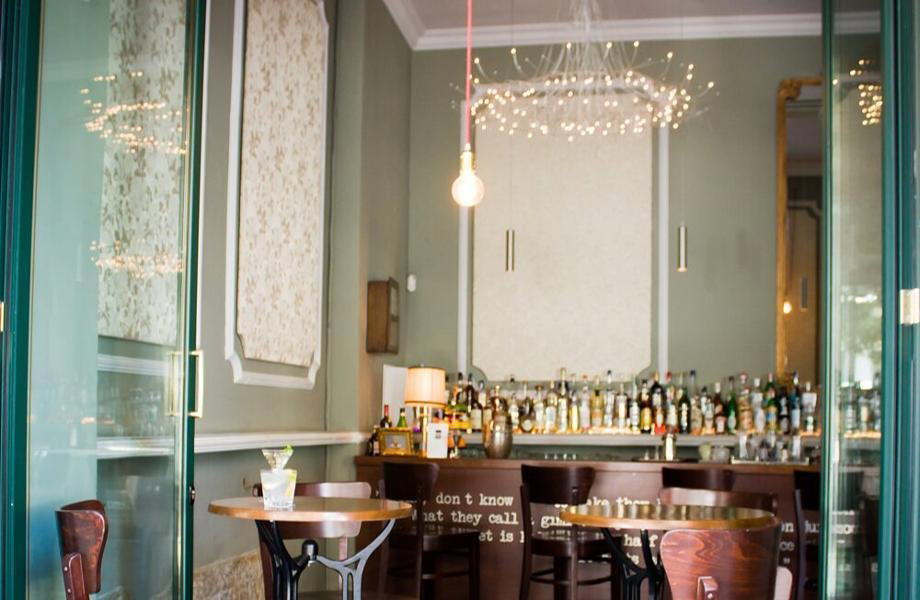
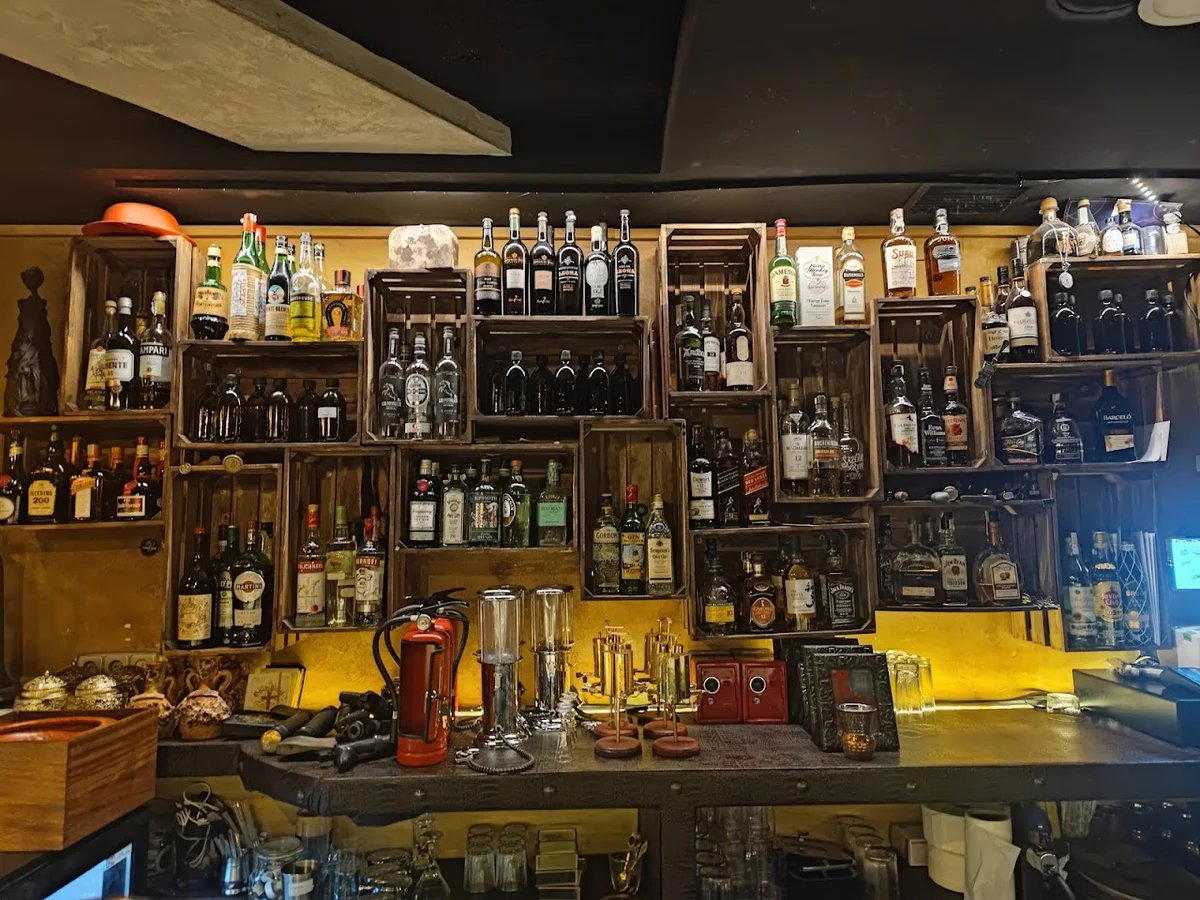
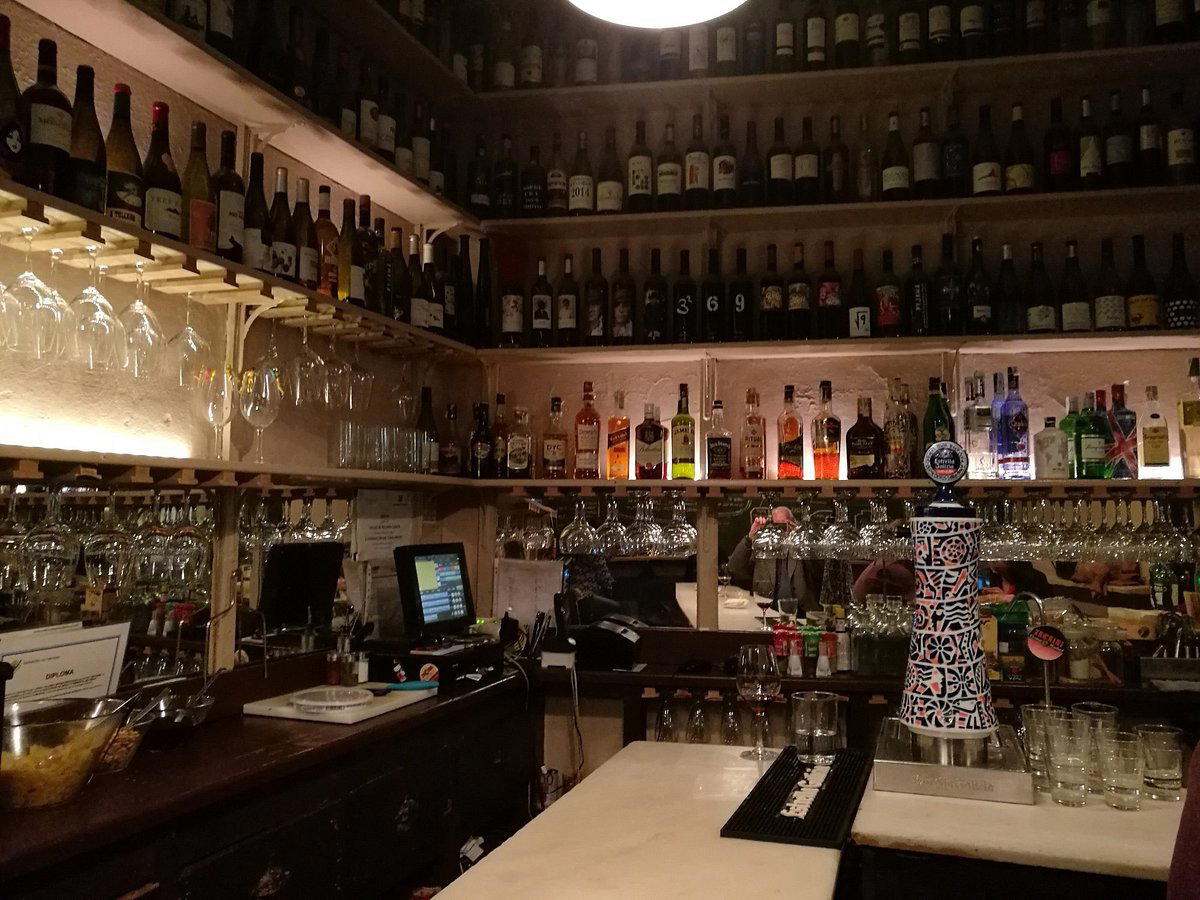

Hotels in Madrid
Browse all →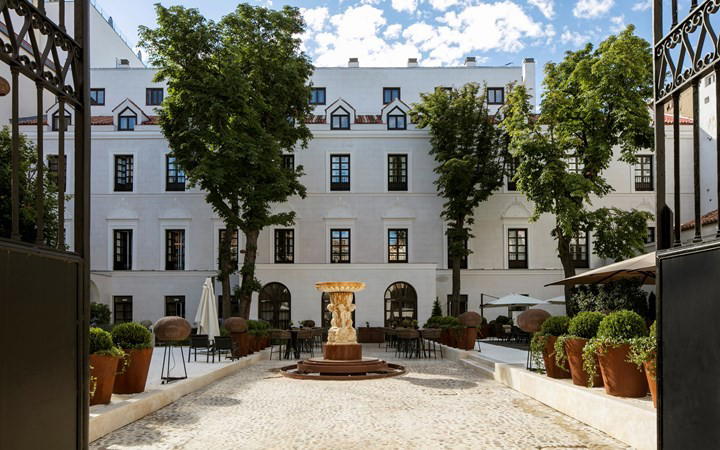





At a Glance
- Lively
- Cozy
- Casual Hangout
- Group Dining
- Open Kitchen
Current opening hours
- Monday
- 1–11:30 PM
- Tuesday
- 1–11:30 PM
- Wednesday
- 1–11:30 PM
- Thursday
- 1–11:30 PM
- Friday
- 1 PM–12 AM
- Saturday
- 1 PM–12 AM
- Sunday
- 1–11:30 PM
Hours can change for holidays and private events. Last verified .
Lively and welcoming with a casual, energetic atmosphere enhanced by friendly service.